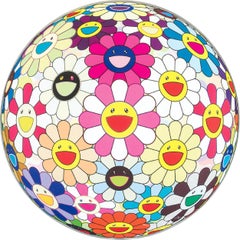
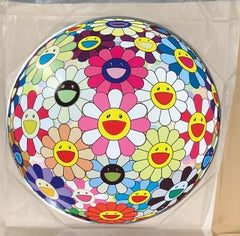
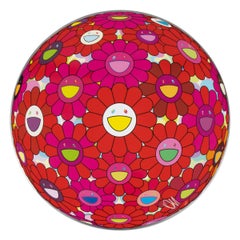
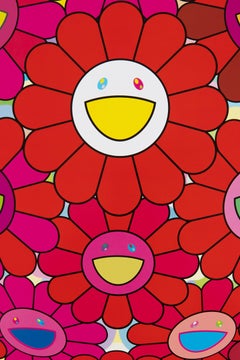
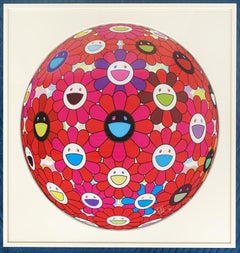
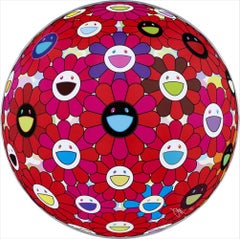
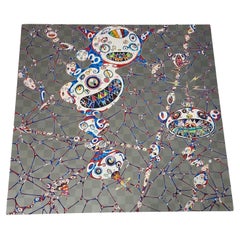
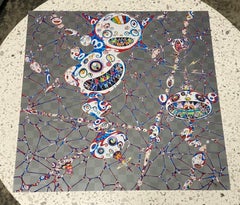
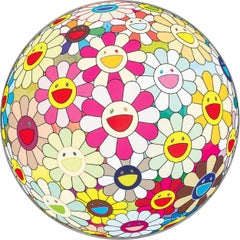
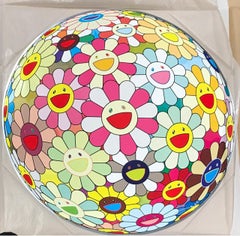
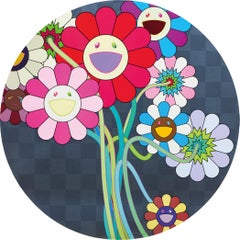
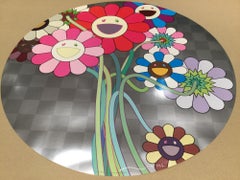
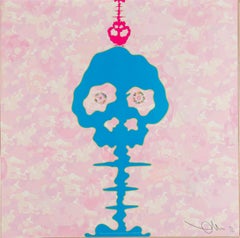
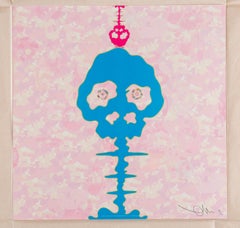
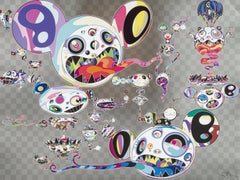
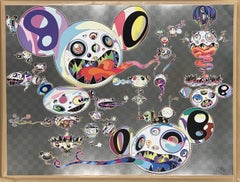
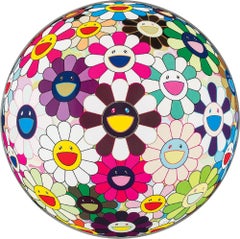
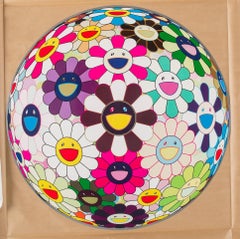
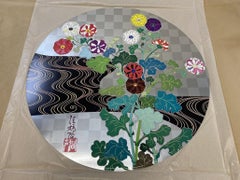
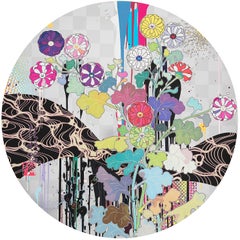
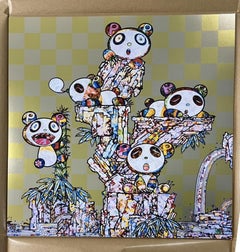
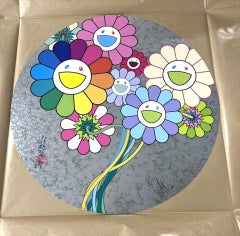
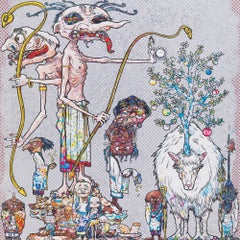
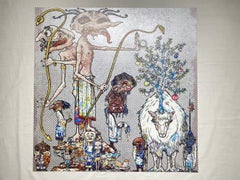
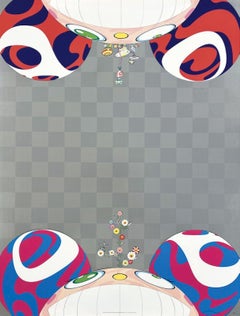
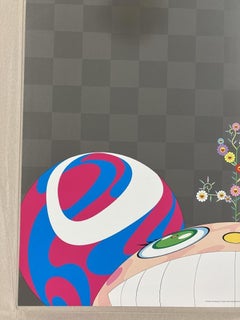
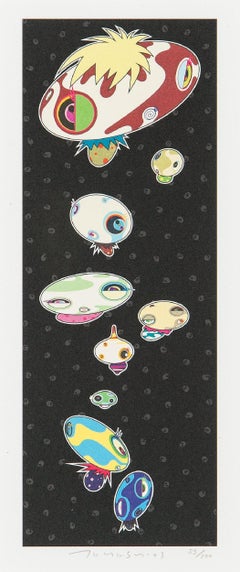
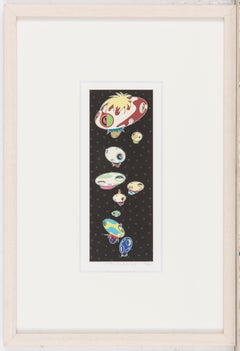
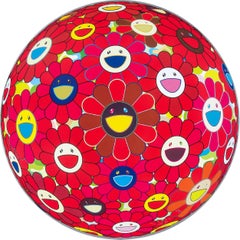
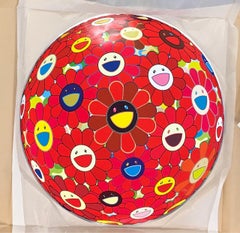
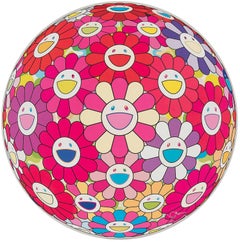
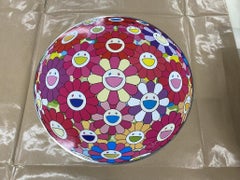
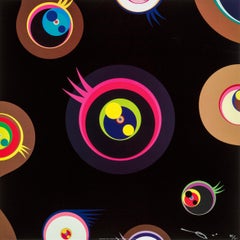
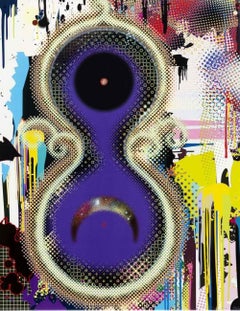
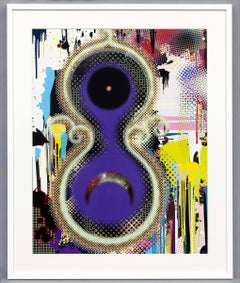
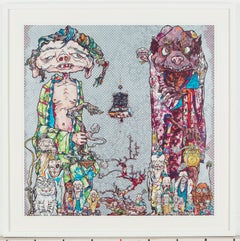
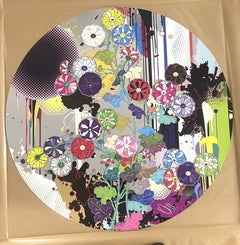
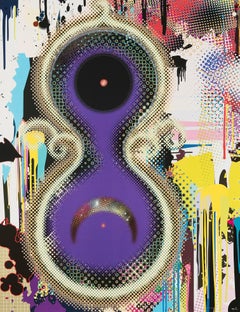
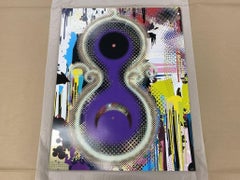
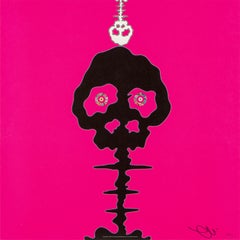
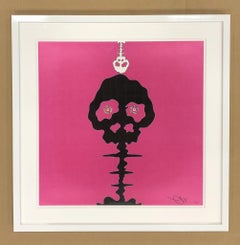
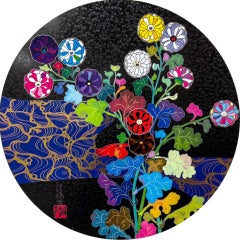
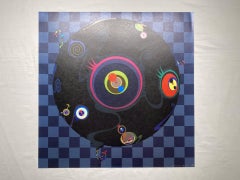
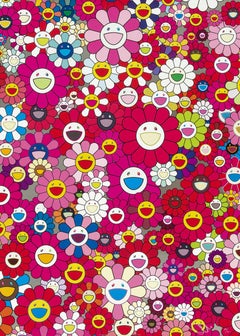
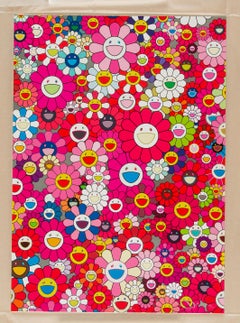
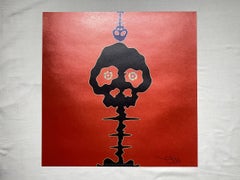
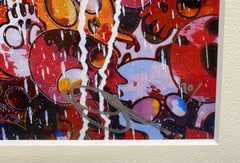
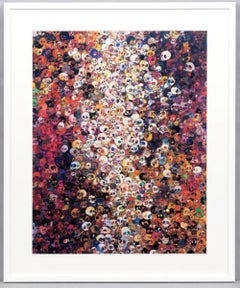
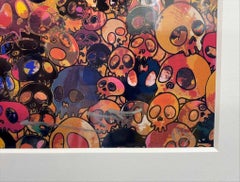
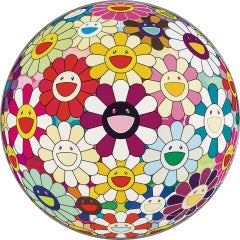
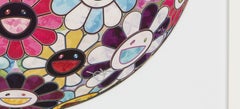
Signed Murakami Print For Sale on 1stDibs
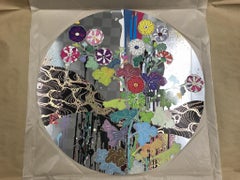
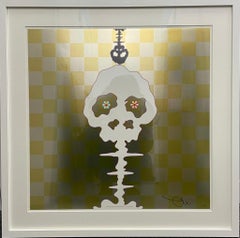
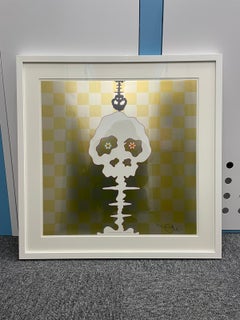
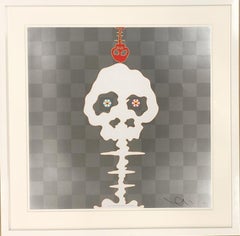
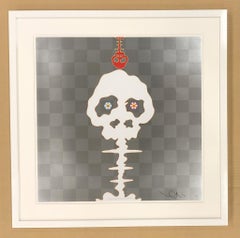
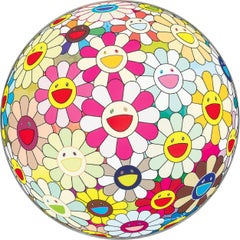
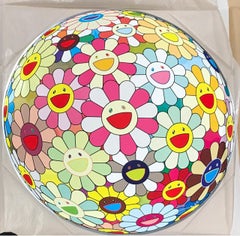
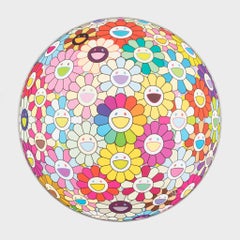
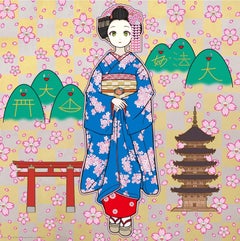
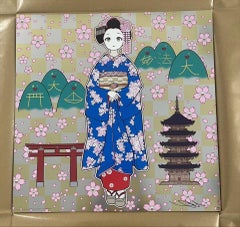
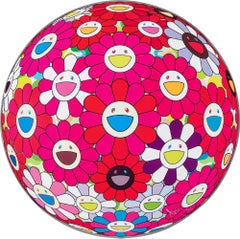
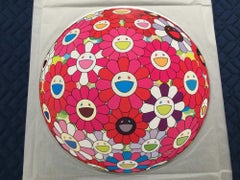
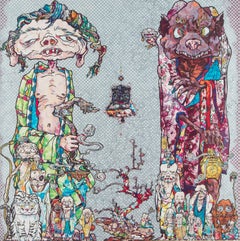
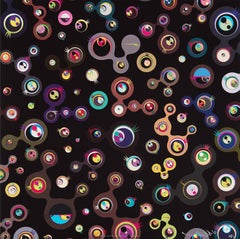
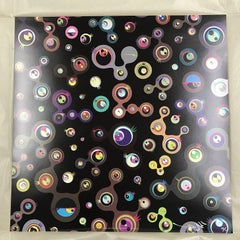
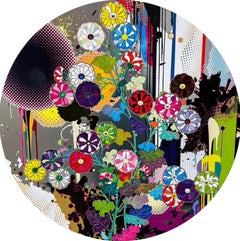
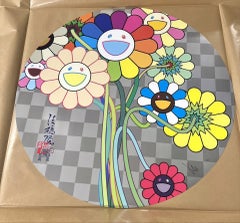
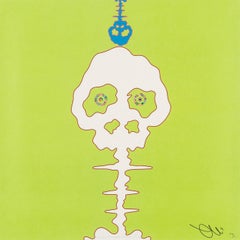
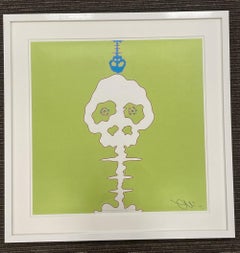
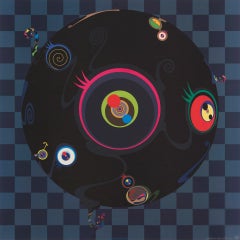
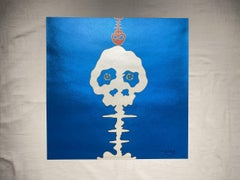
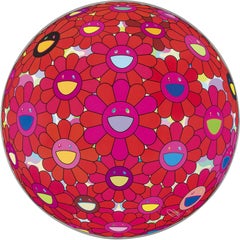
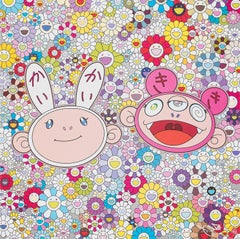
On 1stDibs, you can find the most appropriate signed murakami print for your needs in our varied inventory. There are many
Pop Art,
Contemporary and
Modern versions of these works for sale. If you’re looking for a signed murakami print from a specific time period, our collection is diverse and broad-ranging, and you’ll find at least one that dates back to the 20th Century while another version may have been produced as recently as the 21st Century. When looking for the right signed murakami print for your space, you can search on 1stDibs by color — popular works were created in bold and neutral palettes with elements of
beige,
gray,
black and
brown. Artworks like these — often created in
offset print,
lithograph and
varnish — can elevate any room of your home.
How Much is a Signed Murakami Print?
The price for an artwork of this kind can differ depending upon size, time period and other attributes — a signed murakami print in our inventory may begin at $2,000 and can go as high as $5,702, while the average can fetch as much as $3,200.
Takashi Murakami for sale on 1stDibs
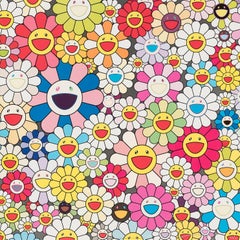
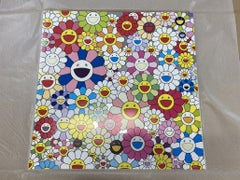
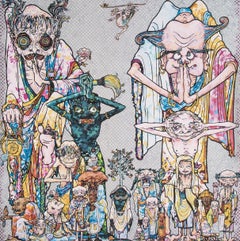
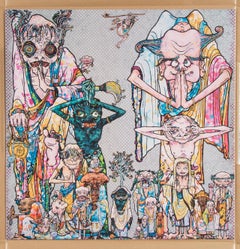
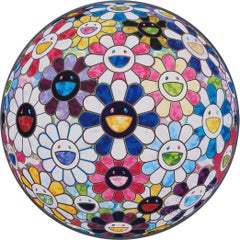
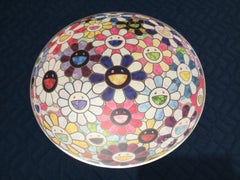
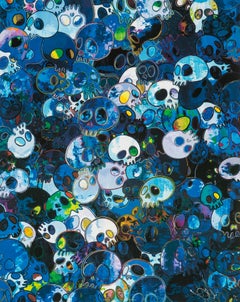
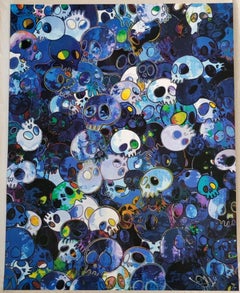
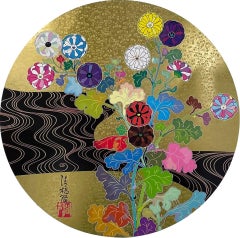
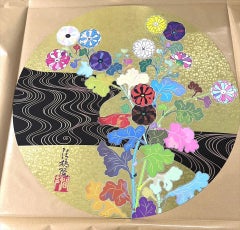
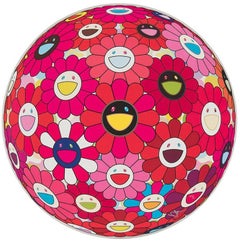
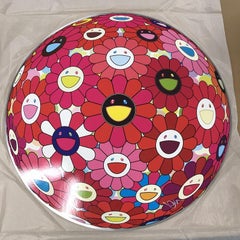
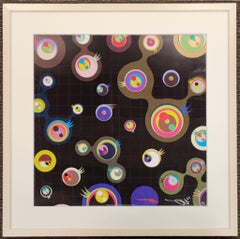
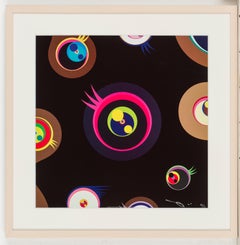
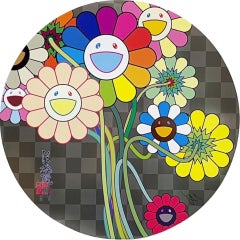
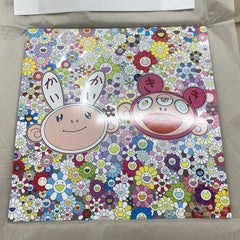
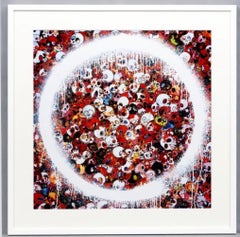
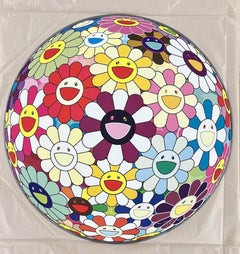
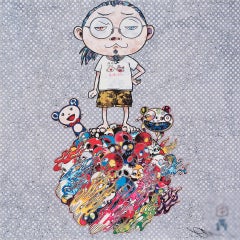
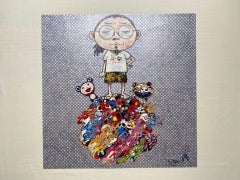
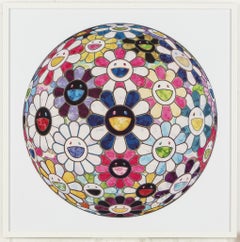
Japanese contemporary artist Takashi Murakami may be famous among collectors for the psychedelic flowers and chaotic cartoons that populate his prints and paintings, but artists likely know him as the theorist behind the contemporary art movement he calls “Superflat.”
Partially inspired by the Pop art of Andy Warhol, in which celebrity culture and mundane mass-produced items became the focus of bright and colorful works that both celebrated and criticized consumerism, Murakami’s Superflat encompasses painting, sculpture, digital design and more to present a subversive look at consumerism but is also an effort to blend fine art and lowbrow culture.
A multifaceted and remarkably influential artist as well as a compulsive art collector, Murakami has collaborated with brands such as Louis Vuitton, while one of his most famous Superflat works is the teddy bear on the cover of the Graduation album by American rapper Kanye West.
In 1993 Murakami earned his Ph.D. from Tokyo University of the Arts, where he was trained in nihonga, a style of painting that originated in the late 19th century by artists who worked to preserve and promote the conventions and processes associated with traditional Japanese art. While practicing nihonga, Murakami began to realize that his beliefs didn’t align with the tradition, so his art subsequently took on a satirical feel that embodied a critique of the movement. Before long, his style took a drastic turn, embracing otaku, a rising postwar cultural phenomenon among Japan’s younger crowd who loved anime and manga. (Otaku is also integral to Superflat.)
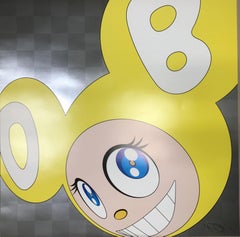
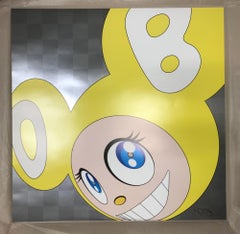
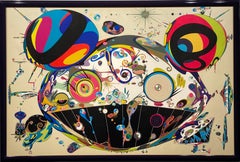
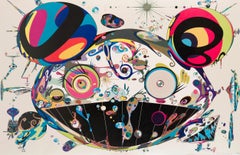
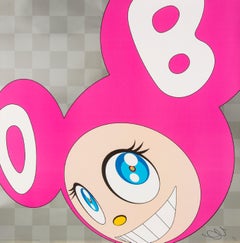
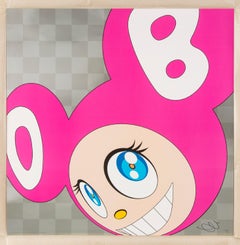
This is when Murakami’s most well-known character, Mr. DOB, was born. This anime-inspired icon, which Americans might interpret as a cross between Walt Disney’s Mickey Mouse and Lewis Carroll’s Cheshire Cat given its pronounced ears and broad and menacing grin, was part of the artist’s endeavor to elevate the otaku subculture but also to target mass consumerism. While Murakami conceived of Mr. DOB years ahead of his 2000-era Superflat theory, there is much common ground between the two. Not unlike his other creations, Murakami’s Mr. DOB is equal parts erotic, disturbing and cartoonish — an incisive mockery of the mingling of commerce and fine art so prevalent in Japanese popular culture.
Find original Takashi Murakami prints, sculptures and other art on 1stDibs.
A Close Look at Pop-art Art
Perhaps one of the most influential contemporary art movements, Pop art emerged in the 1950s. In stark contrast to traditional artistic practice, its practitioners drew on imagery from popular culture — comic books, advertising, product packaging and other commercial media — to create original Pop art paintings, prints and sculptures that celebrated ordinary life in the most literal way.
ORIGINS OF POP ART
CHARACTERISTICS OF POP ART
- Bold imagery
- Bright, vivid colors
- Straightforward concepts
- Engagement with popular culture
- Incorporation of everyday objects from advertisements, cartoons, comic books and other popular mass media
POP ARTISTS TO KNOW
ORIGINAL POP ART ON 1STDIBS
The Pop art movement started in the United Kingdom as a reaction, both positive and critical, to the period’s consumerism. Its goal was to put popular culture on the same level as so-called high culture.
Richard Hamilton’s 1956 collage Just what is it that makes today’s homes so different, so appealing? is widely believed to have kickstarted this unconventional new style.
Pop art works are distinguished by their bold imagery, bright colors and seemingly commonplace subject matter. Practitioners sought to challenge the status quo, breaking with the perceived elitism of the previously dominant Abstract Expressionism and making statements about current events. Other key characteristics of Pop art include appropriation of imagery and techniques from popular and commercial culture; use of different media and formats; repetition in imagery and iconography; incorporation of mundane objects from advertisements, cartoons and other popular media; hard edges; and ironic and witty treatment of subject matter.
Although British artists launched the movement, they were soon overshadowed by their American counterparts. Pop art is perhaps most closely identified with American Pop artist Andy Warhol, whose clever appropriation of motifs and images helped to transform the artistic style into a lifestyle. Most of the best-known American artists associated with Pop art started in commercial art (Warhol made whimsical drawings as a hobby during his early years as a commercial illustrator), a background that helped them in merging high and popular culture.
Roy Lichtenstein was another prominent Pop artist that was active in the United States. Much like Warhol, Lichtenstein drew his subjects from print media, particularly comic strips, producing paintings and sculptures characterized by primary colors, bold outlines and halftone dots, elements appropriated from commercial printing. Recontextualizing a lowbrow image by importing it into a fine-art context was a trademark of his style. Neo-Pop artists like Jeff Koons and Takashi Murakami further blurred the line between art and popular culture.
Pop art rose to prominence largely through the work of a handful of men creating works that were unemotional and distanced — in other words, stereotypically masculine. However, there were many important female Pop artists, such as Rosalyn Drexler, whose significant contributions to the movement are recognized today. Best known for her work as a playwright and novelist, Drexler also created paintings and collages embodying Pop art themes and stylistic features.
Read more about the history of Pop art and the style’s famous artists, and browse the collection of original Pop art paintings, prints, photography and other works for sale on 1stDibs.
Finding the Right Figurative-prints-works-on-paper for You
Bring energy and an array of welcome colors and textures into your space by decorating with figurative fine-art prints and works on paper.
Figurative art stands in contrast to abstract art, which is more expressive than representational. The oldest-known work of figurative art is a figurative painting — specifically, a rock painting of an animal made over 40,000 years ago in Borneo. This remnant of a remote past has long faded, but its depiction of a cattle-like creature in elegant ocher markings endures.
Since then, figurative art has evolved significantly as it continues to represent the world, including a breadth of works on paper, including printmaking. This includes woodcuts, which are a type of relief print with perennial popularity among collectors. The artist carves into a block and applies ink to the raised surface, which is then pressed onto paper. There are also planographic prints, which use metal plates, stones or other flat surfaces as their base. The artist will often draw on the surface with grease crayon and then apply ink to those markings. Lithographs are a common version of planographic prints.
Figurative art printmaking was especially popular during the height of the Pop art movement, and this kind of work can be seen in artist Andy Warhol’s extensive use of photographic silkscreen printing. Everyday objects, logos and scenes were given a unique twist, whether in the style of a comic strip or in the use of neon colors.
Explore an impressive collection of figurative art prints for sale on 1stDibs and read about how to arrange your wall art.