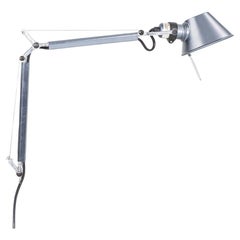
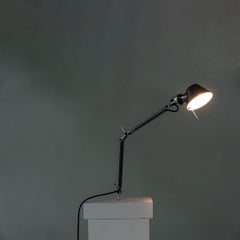
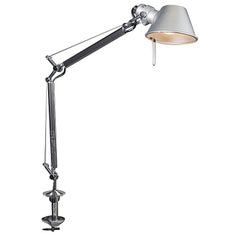
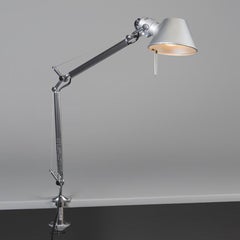
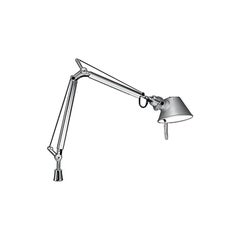
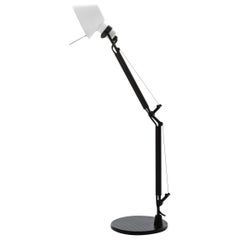
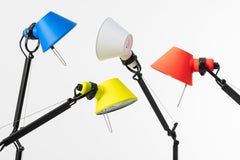
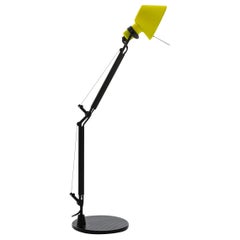
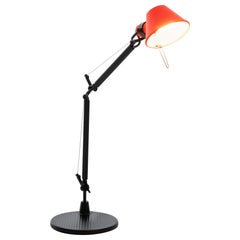
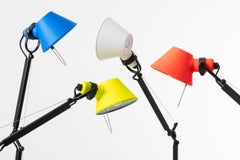
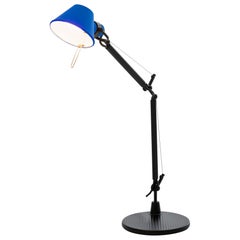
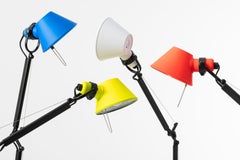
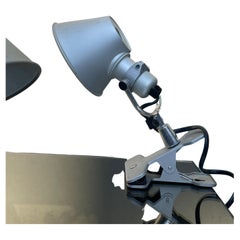
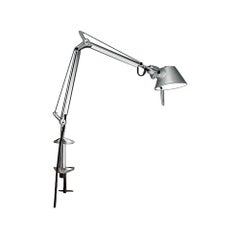
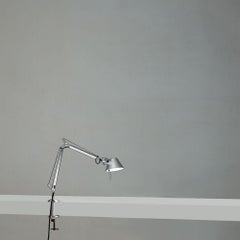
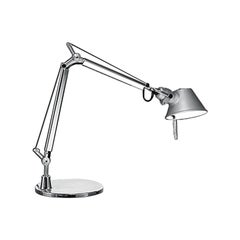
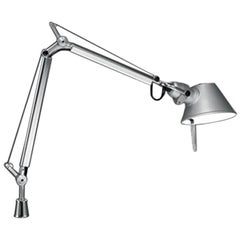
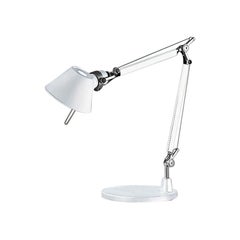
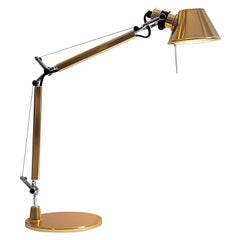
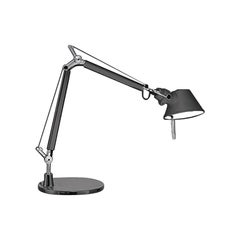
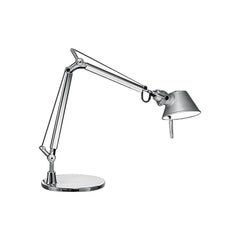
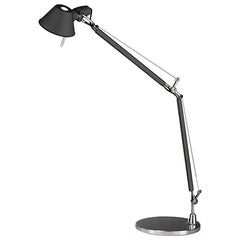
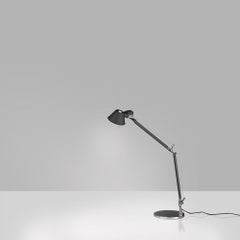
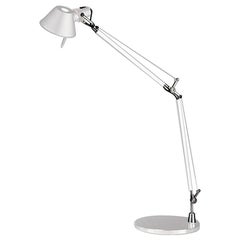
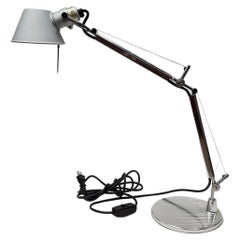
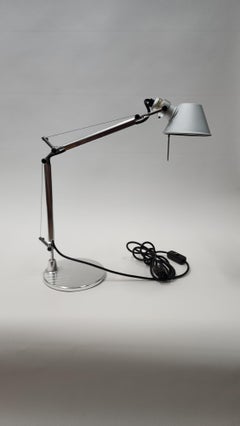
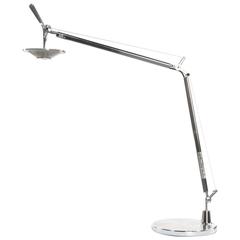
Find many varieties of an authentic tolomeo micro table available at 1stDibs. Each tolomeo micro table for sale was constructed with extraordinary care, often using
aluminum,
metal and
stainless steel. A tolomeo micro table, designed in the
Modern style, is generally a popular piece of furniture.
A tolomeo micro table can differ in price owing to various characteristics — the average selling price 1stDibs is $367, while the lowest priced sells for $355 and the highest can go for as much as $445.
Artemide is an iconic firm in the design world. The mid-century Italian company is one of the best known lighting manufacturers and its award-winning fixtures are held in museum collections everywhere. Vintage Artemide table lamps, pendants, ceiling lamps and other lighting represent a thoughtful merge between functionalism and eye-catching design.
Artemide, which is based in Pregnana, was founded by Ernesto Gismondi and Sergio Mazza in 1959. During that year, Mazza created the first table lamp for the manufacturer — a modernist work in glass, marble and metal that he called the Alfa. Gismondi, who studied aeronautical engineering at the Polytechnic University of Milan and missile engineering at Rome’s Professional School of Engineering, applied his knowledge of cutting edge technology and materials such as fiberglass resin to Artemide’s designs for lighting and furniture.
In 1967, Artemide won Italy’s Compasso d'Oro design award for its Eclisse table lamp, which was designed by Vico Magistretti two years earlier. Other award-winning fixtures include the Tizio table lamp designed by Richard Sapper and the Tolomeo table lamp.
Designed by Michele de Lucchi and Giancarlo Fassina, the Tolomeo featured the patented George Carwardine mechanism used in the original Anglepoise lamp. De Lucchi would later be recruited to join visionary postmodern design collective the Memphis Group. Artemide’s Gismondi purchased the brand after founder Ettore Sottsass dismantled the collective in 1988, and it was bought by Alberto Bianchi Albrici in 1996.
Artemide’s list of design, innovation, sustainability and other industry awards is long and distinguished. The firm continues to actively collaborate with internationally revered designers and seek out new talent through workshops with design schools. The company’s deeply held values — energy-saving lighting, sustainable design and ethically sourced materials — characterize its current offerings, and Artemide furniture and lighting can be found in the permanent collections of the Metropolitan Museum of Art, the Museum of Modern Art and other institutions.
On 1stDibs, find Artemide tables, seating, floor lamps, chandeliers and more.
The late 19th and early 20th centuries saw sweeping social change and major scientific advances — both of which contributed to a new aesthetic: modernism. Rejecting the rigidity of Victorian artistic conventions, modernists sought a new means of expression. References to the natural world and ornate classical embellishments gave way to the sleek simplicity of the Machine Age. Architect Philip Johnson characterized the hallmarks of modernism as “machine-like simplicity, smoothness or surface [and] avoidance of ornament.”
Early practitioners of modernist design include the De Stijl (“The Style”) group, founded in the Netherlands in 1917, and the Bauhaus School, founded two years later in Germany.
Followers of both groups produced sleek, spare designs — many of which became icons of daily life in the 20th century. The modernists rejected both natural and historical references and relied primarily on industrial materials such as metal, glass, plywood, and, later, plastics. While Bauhaus principals Marcel Breuer and Ludwig Mies van der Rohe created furniture from mass-produced, chrome-plated steel, American visionaries like Charles and Ray Eames worked in materials as novel as molded plywood and fiberglass. Today, Breuer’s Wassily chair, Mies van der Rohe’s Barcelona chair — crafted with his romantic partner, designer Lilly Reich — and the Eames lounge chair are emblems of progressive design and vintage originals are prized cornerstones of collections.
It’s difficult to overstate the influence that modernism continues to wield over designers and architects — and equally difficult to overstate how revolutionary it was when it first appeared a century ago. But because modernist furniture designs are so simple, they can blend in seamlessly with just about any type of décor. Don’t overlook them.
Antique table lamps became a category of their own once electricity moved light off the wall and onto furniture. The form split quickly: task-driven designs like the Anglepoise on one side, decorative ceramic and glass on the other.
Styles to Know
Base material shapes the light as much as the shade does: ceramic and glass diffuse a softer glow, while brass and metal read more directional. Layer the look with a mid-century modern floor lamp for ambient light, or set a pair on a mid-century modern nightstand for a bedroom.
How to Choose the Right Vintage Table Lamp
Buying individually rather than as a pair allows more flexibility when mixing eras across a room. For those shopping by name rather than by shape, the history of the Anglepoise lamp is worth a read. Each piece comes from a vetted 1stDibs seller, with era, designer and condition detailed, and the 1stDibs Promise stands behind every purchase.