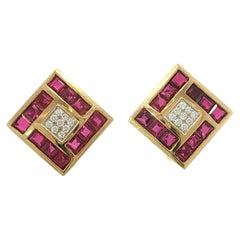
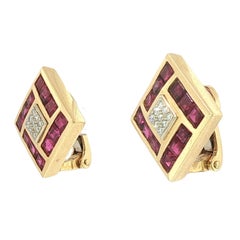
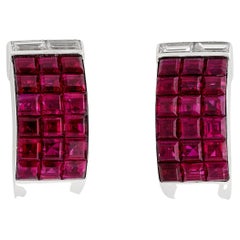
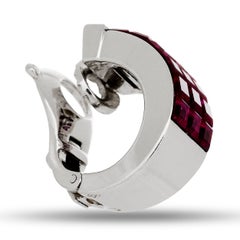
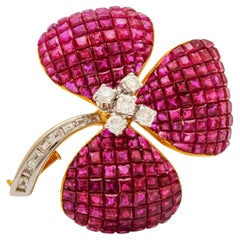
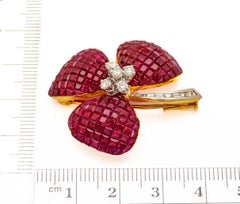
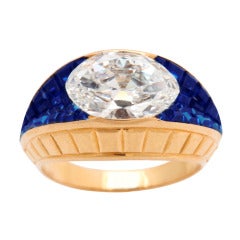
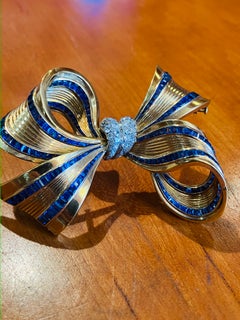
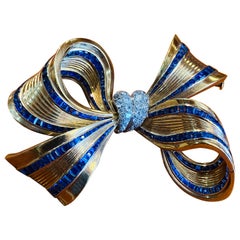
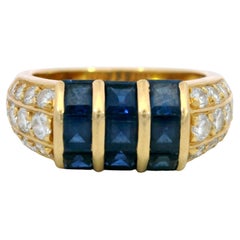
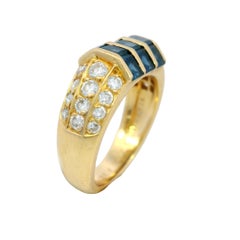
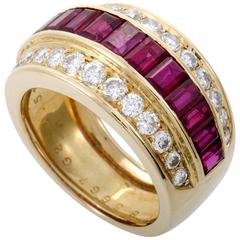
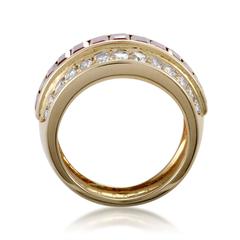
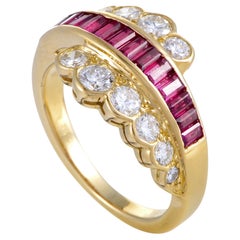
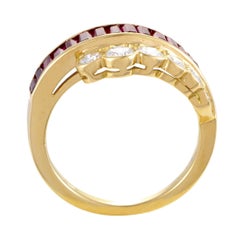
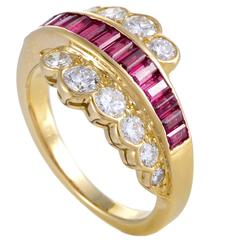
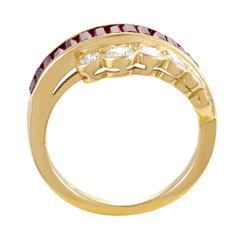
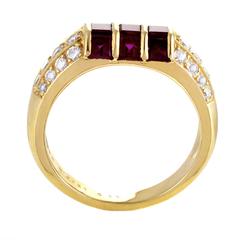
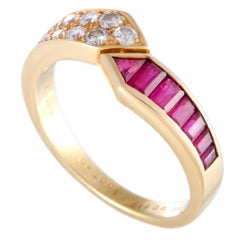
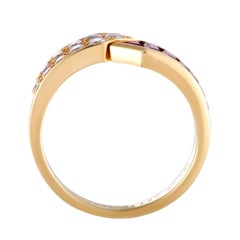
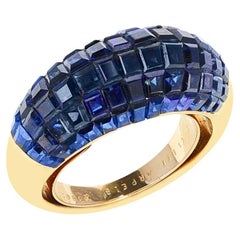
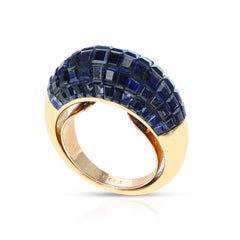
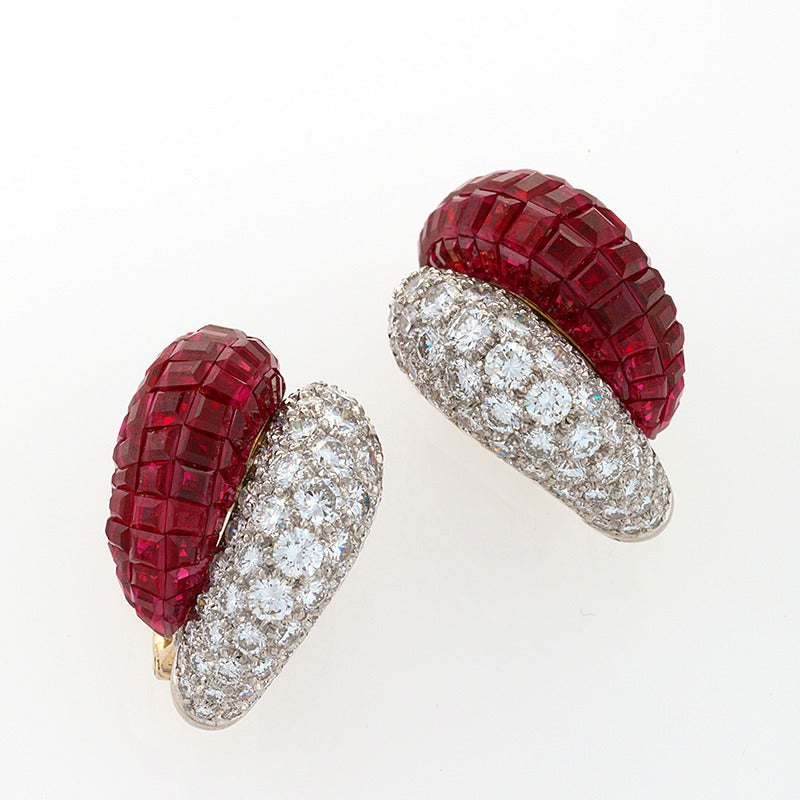
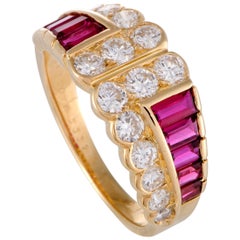
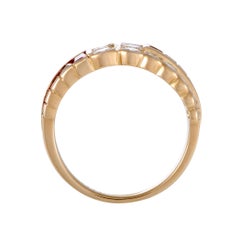
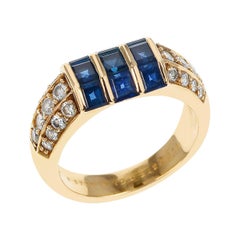
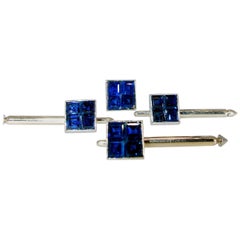
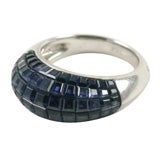
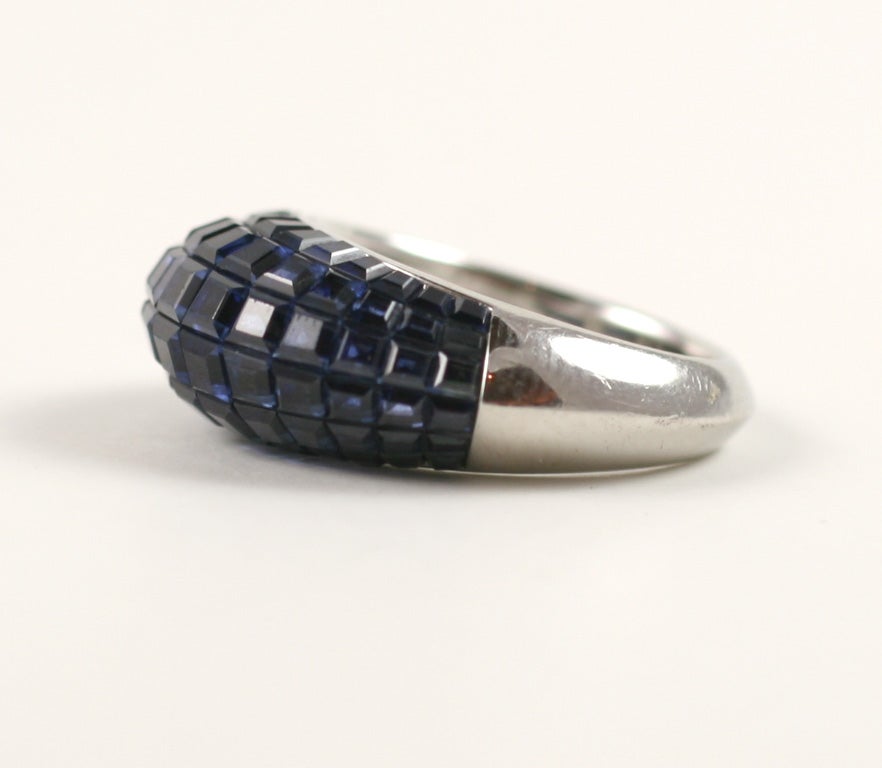
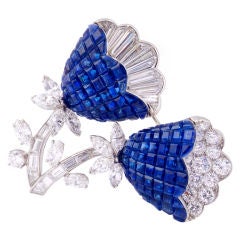
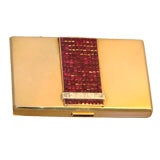
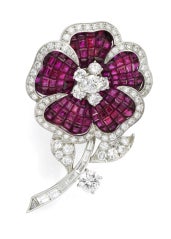
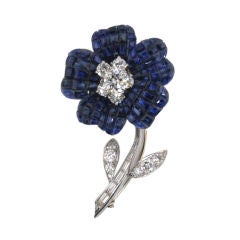
On 1stDibs, you can find the most appropriate van cleef arpels invisible for your needs in our varied inventory. Frequently made of
platinum,
18k gold and
gold, this item was constructed with great care. In our selection of items, you can find a vintage example as well as a contemporary version. Finding the perfect van cleef arpels invisible may mean sifting through those created during different time periods — you can find an early version that dates to the 20th Century and a newer variation that were made as recently as the 21st Century. A van cleef arpels invisible can be a stylish choice for most occasions, but
diamond rings, from our inventory of 14, can add a particularly distinctive touch to your look, day or night. Today, if you’re looking for a
square cut version of this piece and are unable to find the perfect match, our selection also includes
brilliant cut and
round cut alternatives. When shopping for a van cleef arpels invisible, you’ll find that there are less available pieces for unisex or
men today than there are for
women.
One of the world’s foremost jewelry houses, Van Cleef & Arpels is particularly noted for a focus on technical virtuosity, craftsmanship and artistry, evident since its beginning. Rather than create earrings, bracelets, necklaces and other adornments primarily for the aim of displaying of wealth and opulence, Van Cleef & Arpels sought to produce jewelry that projected the wearer’s taste and style.
The company was formed a year after the 1895 marriage of Alfred Van Cleef, the son of a gem cutter, to Estelle Arpels, daughter of precious-stones dealer Salomon Arpels. Ten years later, Van Cleef & Arpels opened its first boutique on the Place Vendôme in Paris, setting the march on a square now crowded with dealers in bijouterie. (The company still occupies the New York flagship store opened in 1939 at Fifth Avenue and 57th Street.)
Born from a union of expertise in both jewelry making and gem selection, Van Cleef & Arpels distinguished itself with both the consistency of the color and clarity of its stones and the creativity of its designs. In doing so, the house would win a roster of dedicated, fashion-conscious clients that included the Duchess of Windsor, Marlene Dietrich, Barbara Hutton, Jacqueline Onassis and Elizabeth Taylor. In 1933, Van Cleef & Arpels patented its trademark Mystery Setting — a technique by which gems are fitted into an intricate matrix of slots and “drawers” that keep the setting hidden. Another signal innovation was the Zip necklace, introduced in 1951, which can be worn either around the neck or, with the zipper closed, as a bracelet.
But as much as to the firm’s craftsmanship, clients have been drawn by the insouciance and playfulness of Van Cleef & Arpels designers, as well as their attunement to the cultural climate. After the discovery of Tutankhamun’s tomb in 1922, the company produced several lavish pieces featuring hieroglyphics and other Egyptian motifs to go along with the geometric Art Deco jewelry of that decade and the next. Following World War II, as symbols of freedom and rebirth, the firm focused on naturalistic forms such as birds, flowers, fruit and flying insects. High society’s 1960s fascination with the Near East and India prompted such pieces as the best-selling Alhambra necklace, popularized by Princess Grace.
Lately, attention among collectors and connoisseurs has centered on Van Cleef & Arpels’s quality of workmanship as much as its glamour. The firm was the subject of a 2012 show at the Cooper-Hewitt, Smithsonian Design Museum, as well as exhibitions at the Bowers Museum in Santa Ana, California, in 2013 and at the Musée des Arts Décoratifs in Paris in 2014.
Find an exquisite collection of Van Cleef & Arpels jewelry on 1stDibs.
Antique diamond rings, diamond tiaras and dazzling vintage diamond earrings are on the wish lists of every lover of fine jewelry. And diamonds and diamond jewelry are primarily associated with storybook engagements and red-carpet grand entrances — indeed, this ultra-cherished gemstone has a dramatic history on its hands.
From “A Diamond Is Forever” to “Diamonds Are a Girl’s Best Friend,” pop culture has ingrained in our minds that diamonds are the most desired, the most lasting and the most valuable gemstone. But what makes the diamond so special? Each stone — whether it’s rubies, sapphires or another stone — is unique and important in its own right. April babies might claim diamonds for themselves, but just about everyone wants this kind of sparkle in their lives!
There are several factors that set diamonds apart from other stones, and these points are important to our gem education.
Diamonds are minerals. They are made up of almost entirely of carbon (carbon comprises 99.95 percent; the remainder consists of various trace elements). Diamonds are the hardest gemstones, ranking number 10 on the Mohs Hardness Scale. Even its name, diamond, is rooted in the Greek adamas, or unconquerable. The only object that can scratch a diamond is another diamond. Diamonds are formed deep within the earth at very high temperatures (1,652–2,372 degrees Fahrenheit at depths between 90 and 120 miles beneath the earth’s surface) and are carried up by volcanic activity. Diamonds are quite rare, according to the Gemological Institute of America, and only 30 percent of all the diamonds mined in the world are gem quality.
In the 1950s, the Gemological Institute of America developed the 4Cs grading system to classify diamonds: clarity, color, cut and carat weight. Not all diamonds are created equal (there are diamonds, and then there are diamonds). The value of the diamond depends on the clarity (flawless diamonds are very rare but a diamond's value decreases if there are many blemishes or inclusions), color (the less color the higher the grade), cut (how the diamond’s facets catch the light, certain cuts of diamonds show off the stone better than others) and carat weight (the bigger, the better).
When you start shopping for a diamond engagement ring, always prioritize the cut, which plays the largest role in the diamond's beauty (taking the time to clean your diamond ring at least every six months or so plays a role in maintaining said beauty). And on 1stDibs, a range of buying guides can be found for those in the market for antique engagement rings, vintage engagement rings or Art Deco engagement rings.
Shop antique and vintage diamond rings, diamond necklaces and other extraordinary diamond jewelry on 1stDibs.