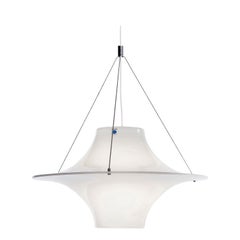
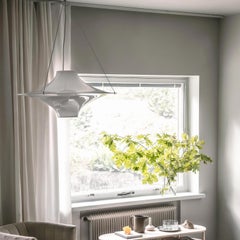
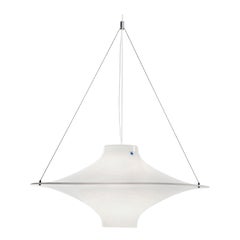
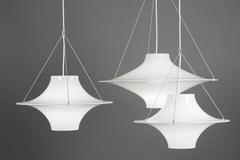
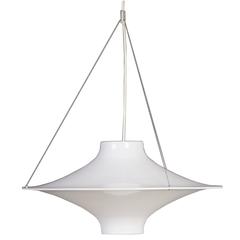
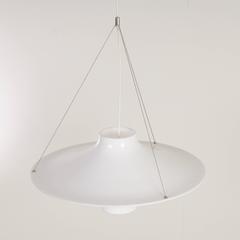
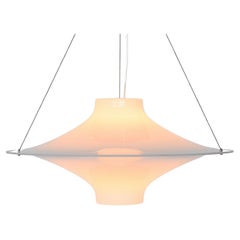
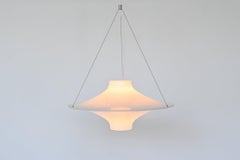
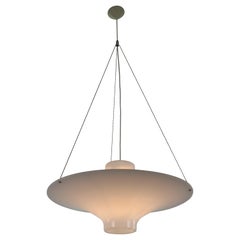
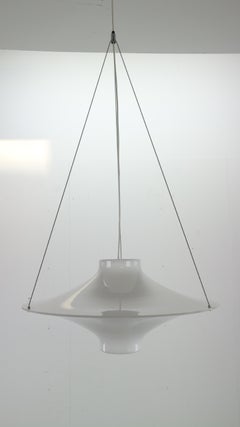
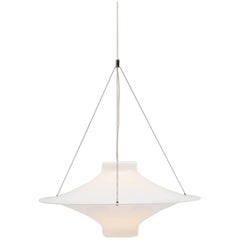
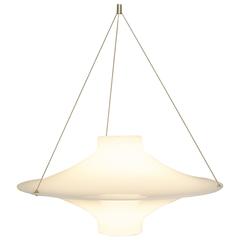
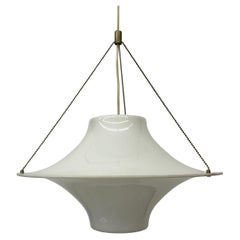
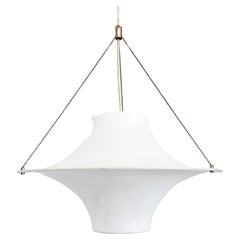
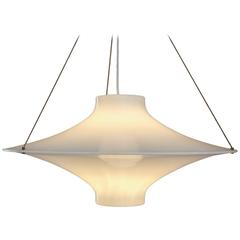
At 1stDibs, there are many versions of the ideal yki nummi lokki pendant for your home. Each yki nummi lokki pendant for sale was constructed with extraordinary care, often using
plastic,
metal and
acrylic. There are 4 variations of the antique or vintage yki nummi lokki pendant you’re looking for, while we also have 6 modern editions of this piece to choose from as well. Whether you’re looking for an older or newer yki nummi lokki pendant, there are earlier versions available from the 20th Century and newer variations made as recently as the 21st Century. A yki nummi lokki pendant is a generally popular piece of furniture, but those created in
Scandinavian Modern and
mid-century modern styles are sought with frequency.
Arguably the world’s most ubiquitous man-made material, plastic has impacted nearly every industry. In contemporary spaces, new and vintage plastic furniture is quite popular and its use pairs well with a range of design styles.
From the Italian lighting artisans at Fontana Arte to venturesome Scandinavian modernists such as Verner Panton, who created groundbreaking interiors as much as he did seating — see his revolutionary Panton chair — to contemporary multidisciplinary artists like Faye Toogood, furniture designers have been pushing the boundaries of plastic forever.
When The Graduate's Mr. McGuire proclaimed, “There’s a great future in plastics,” it was more than a laugh line. The iconic quote is an allusion both to society’s reliance on and its love affair with plastic. Before the material became an integral part of our lives — used in everything from clothing to storage to beauty and beyond — people relied on earthly elements for manufacturing, a process as time-consuming as it was costly.
Soon after American inventor John Wesley Hyatt created celluloid, which could mimic luxury products like tortoiseshell and ivory, production hit fever pitch, and the floodgates opened for others to explore plastic’s full potential. The material altered the history of design — mid-century modern legends Charles and Ray Eames, Joe Colombo and Eero Saarinen regularly experimented with plastics in the development of tables and chairs, and today plastic furnishings and decorative objects are seen as often indoors as they are outside.
Find vintage plastic lounge chairs, outdoor furniture, lighting and more on 1stDibs.
Chandeliers — simple in form, inspired by candelabras and originally made of wood or iron — first made an appearance in early churches. For those wealthy enough to afford them for their homes in the medieval period, a chandelier's suspended lights likely exuded imminent danger, as lit candles served as the light source for fixtures of the era. Things have thankfully changed since then, and antique chandeliers and pendant lights are popular in many interiors today.
While gas lighting during the late 18th century represented an upgrade for chandeliers — and gas lamps would long inspire Danish architect and pioneering modernist lighting designer Poul Henningsen — it would eventually be replaced with the familiar electric lighting of today.
The key difference between a pendant light and a chandelier is that a pendant incorporates only a single bulb into its design. Don’t mistake this for simplicity, however. An Art Deco–styled homage to Sputnik from Murano glass artisans Giovanni Dalla Fina, with handcrafted decorative elements supported by a chrome frame, is just one stunning example of the elaborate engineering that can be incorporated into every component of a chandelier. (Note: there is more than one lighting fixture that shares its name with the iconic mid-century-era satellite — see Gino Sarfatti’s design too.)
Chandeliers have evolved over time, but their classic elegance has remained unchanged.
Not only will the right chandelier prove impressive in a given room, but it can also offer a certain sense of practicality. These fixtures can easily illuminate an entire space, while their elevated position prevents them from creating glare or straining one’s eyes.
Certain materials, like glass, can complement naturally lit settings without stealing the show. Brass, on the other hand, can introduce an alluring, warm glow. While LEDs have earned a bad reputation for their perceived harsh bluish lights and a loss of brightness over their life span, the right design choices can help harness their lighting potential and create the perfect mood. A careful approach to lighting can transform your room into a peaceful and cozy nook, ideal for napping, reading or working.
For midsize spaces, a wall light or sconce can pull the room together and get the lighting job done. Perforated steel rings underneath five bands of handspun aluminum support a rich diffusion of light within Alvar Aalto's Beehive pendant light, but if you’re looking to brighten a more modest room, perhaps a minimalist solution is what you’re after. The mid-century modern furniture designer Charlotte Perriand devised her CP-1 wall lamps in the 1960s, in which a repositioning of sheet-metal plates can redirect light as needed.
The versatility and variability of these lighting staples mean that, when it comes to finding something like the perfect chandelier, you’ll never be left hanging. From the natural world-inspired designs of the Art Nouveau era to the classic beauty of Paul Ferrante's fixtures, there is a style for every room.
With designs for pendant lights and chandeliers across eras, colors and materials, you’ll never run out of options to explore on 1stDibs — shop a collection today that includes antique Art Deco chandeliers, Stilnovo chandeliers, Baccarat chandeliers and more.