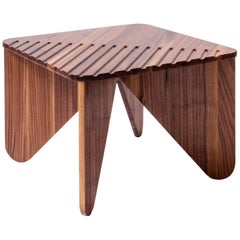
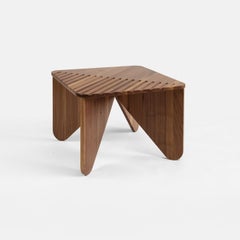
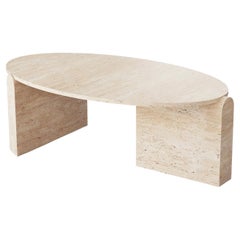
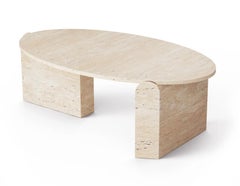
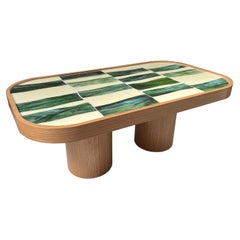
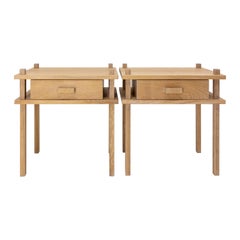
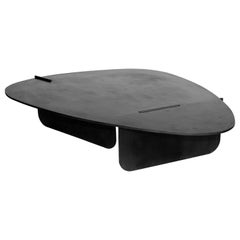
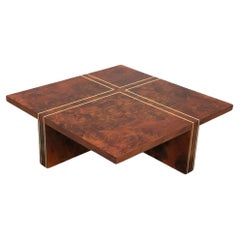
Yoko Coffee Table For Sale on 1stDibs
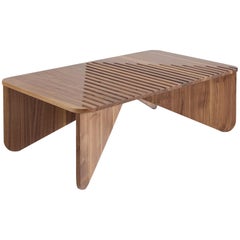
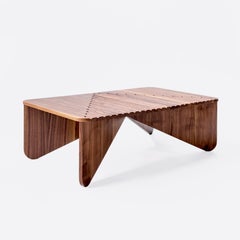
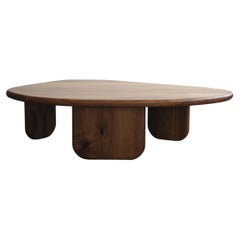
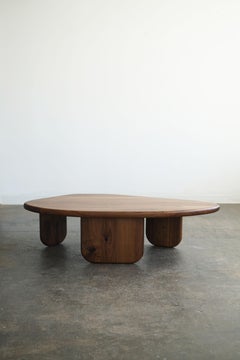
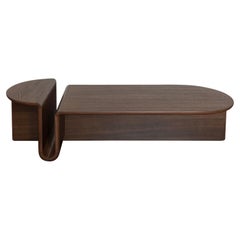
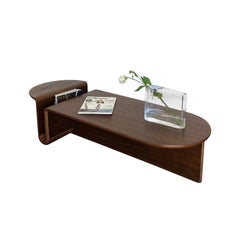
You are likely to find exactly the yoko coffee table you’re looking for on 1stDibs, as there is a broad range for sale. Finding the perfect yoko coffee table may mean sifting through those created during different time periods — you can find an early version that dates to the 20th Century and a newer variation that were made as recently as the 21st Century. Adding a yoko coffee table to a room that is mostly decorated in warm neutral tones can yield a welcome change — find a piece on 1stDibs that incorporates elements of
black and more. A yoko coffee table from
Gered Mankowitz — each of whom created distinctive versions of this kind of work — is worth considering. Artworks like these of any era or style can make for thoughtful decor in any space, but a selection from our variety of those made in
silver gelatin print and
c print can add an especially memorable touch.
How Much is a Yoko Coffee Table?
A yoko coffee table can differ in price owing to various characteristics — the average selling price for items in our inventory is $9,850, while the lowest priced sells for $1,078 and the highest can go for as much as $10,000.
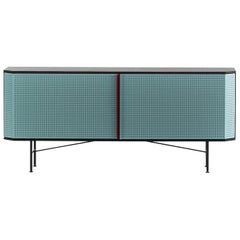
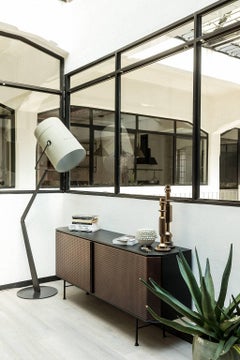
Serena Confalonieri for sale on 1stDibs
Serena Confalonieri is an Italian independent designer and art director, based in Milan, Italy. She works on product, graphic and textile design projects and collaborates with many Italian and international companies. Confalonieri's works are placed in-between product and graphic design, with accurate research on the surfaces always present in her projects. After securing a master’s degree in interior design, she started her career working in many architectures and design practices in Milan, Barcelona and Berlin and collaborating with the Interior Design Faculty of Politecnico di Milano, as an assistant professor. Confalonieri has been selected for design residencies and workshops in Italy and abroad, including in New York, Mexico and Portugal. Her works have been published by important newspapers and magazines, such as The New York Times, Corriere della Sera, Il sole 24 ore, Wallpaper, Interni, Ottagono, L’Officiel, Elle Decor and won prizes, such as a Special Mention at the Young & Design Awards 2014 and the German Design Awards, 2016.
A Close Look at Modern Furniture
The late 19th and early 20th centuries saw sweeping social change and major scientific advances — both of which contributed to a new aesthetic: modernism. Rejecting the rigidity of Victorian artistic conventions, modernists sought a new means of expression. References to the natural world and ornate classical embellishments gave way to the sleek simplicity of the Machine Age. Architect Philip Johnson characterized the hallmarks of modernism as “machine-like simplicity, smoothness or surface [and] avoidance of ornament.”
Early practitioners of modernist design include the De Stijl (“The Style”) group, founded in the Netherlands in 1917, and the Bauhaus School, founded two years later in Germany.
Followers of both groups produced sleek, spare designs — many of which became icons of daily life in the 20th century. The modernists rejected both natural and historical references and relied primarily on industrial materials such as metal, glass, plywood, and, later, plastics. While Bauhaus principals Marcel Breuer and Ludwig Mies van der Rohe created furniture from mass-produced, chrome-plated steel, American visionaries like Charles and Ray Eames worked in materials as novel as molded plywood and fiberglass. Today, Breuer’s Wassily chair, Mies van der Rohe’s Barcelona chair — crafted with his romantic partner, designer Lilly Reich — and the Eames lounge chair are emblems of progressive design and vintage originals are prized cornerstones of collections.
It’s difficult to overstate the influence that modernism continues to wield over designers and architects — and equally difficult to overstate how revolutionary it was when it first appeared a century ago. But because modernist furniture designs are so simple, they can blend in seamlessly with just about any type of décor. Don’t overlook them.
Finding the Right Coffee-tables-cocktail-tables for You
As a practical focal point in your living area, antique and vintage coffee tables and cocktail tables are an invaluable addition to any interior.
Low tables that were initially used as tea tables or coffee tables have been around since at least the mid- to late-1800s. Early coffee tables surfaced in Victorian-era England, likely influenced by the use of tea tables in Japanese tea gardens. In the United States, furniture makers worked to introduce low, long tables into their offerings as the popularity of coffee and “coffee breaks” took hold during the late 19th century and early 20th century.
It didn’t take long for coffee tables and cocktail tables to become a design staple and for consumers to recognize their role in entertaining no matter what beverages were being served. Originally, these tables were as simple as they are practical — as high as your sofa and made primarily of wood. In recent years, however, metal, glass and plastics have become popular in coffee tables and cocktail tables, and design hasn’t been restricted to the conventional low profile, either.
Visionary craftspeople such as Paul Evans introduced bold, geometric designs that challenge the traditional idea of what a coffee table can be. The elongated rectangles and wide boxy forms of Evans’s desirable Cityscape coffee table, for example, will meet your needs but undoubtedly prove imposing in your living space.
If you’re shopping for an older coffee table to bring into your home — be it an antique Georgian-style coffee table made of mahogany or walnut with decorative inlays or a classic square mid-century modern piece comprised of rosewood designed by the likes of Ettore Sottsass — there are a few things you should keep in mind.
Both the table itself and what you put on it should align with the overall design of the room, not just by what you think looks fashionable in isolation. According to interior designer Tamara Eaton, the material of your vintage coffee table is something you need to consider. “With a glass coffee table, you also have to think about the surface underneath, like the rug or floor,” she says. “With wood and stone tables, you think about what’s on top.”
Find the perfect centerpiece for any room, no matter what your personal furniture style on 1stDibs — shop Art Deco coffee tables, travertine coffee tables and other antique and vintage coffee tables and cocktail tables today.