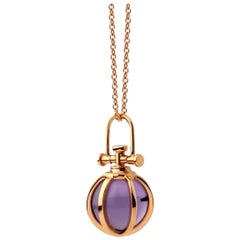
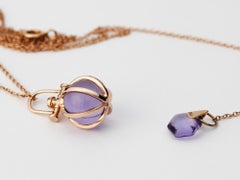
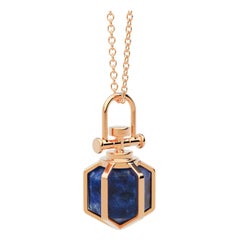
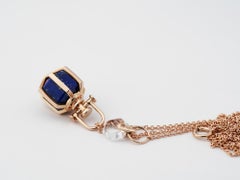
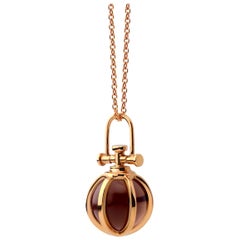
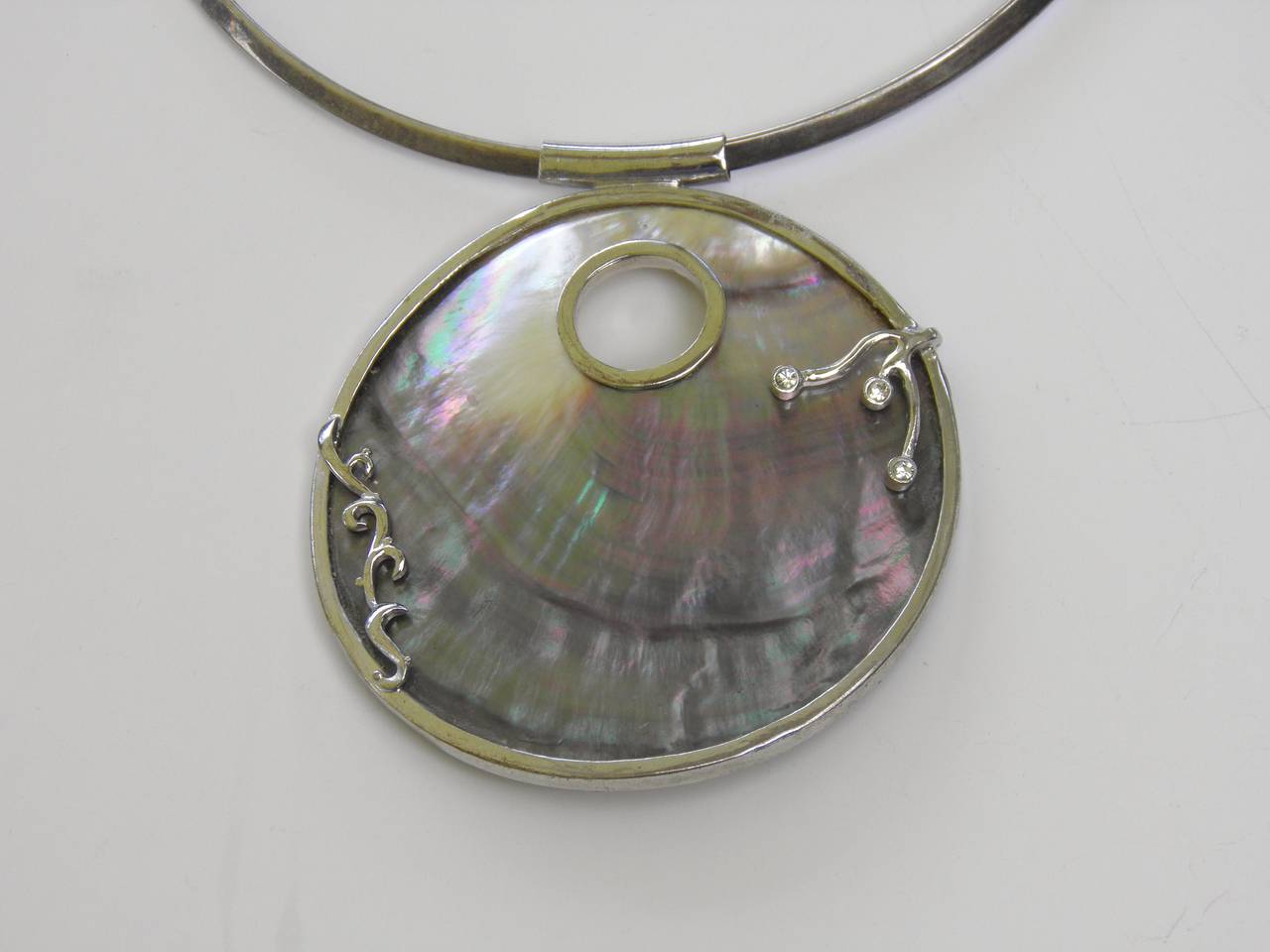
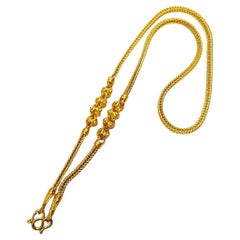
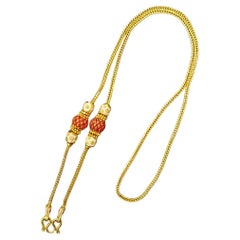
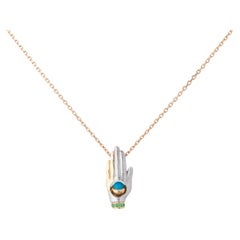
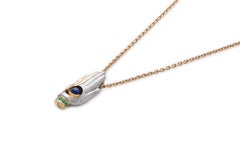
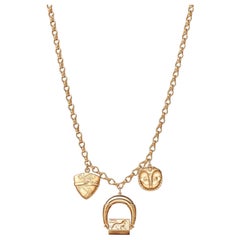
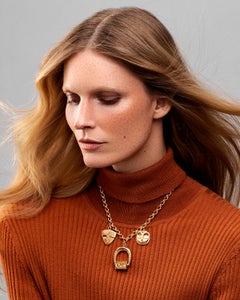
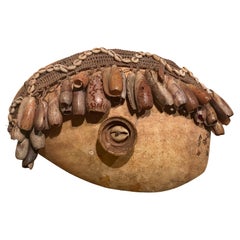
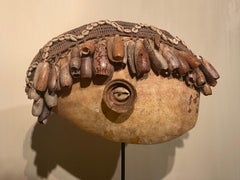
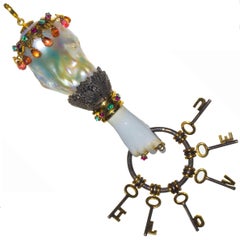
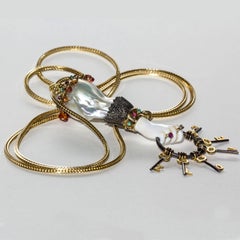
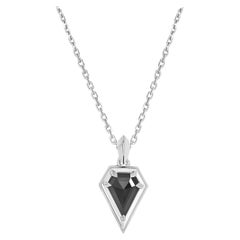
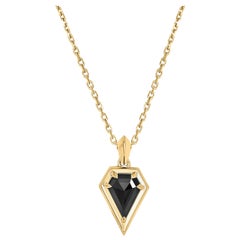
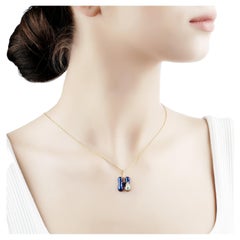
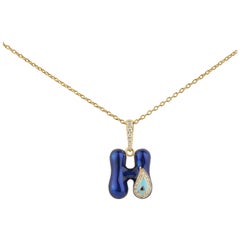
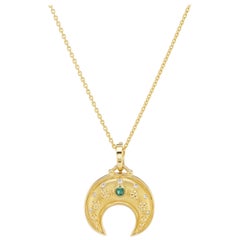
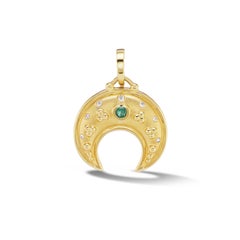
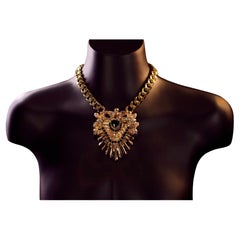
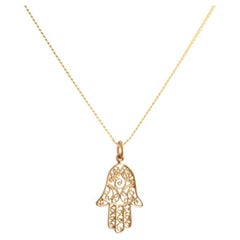
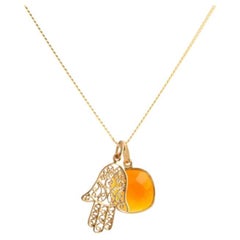
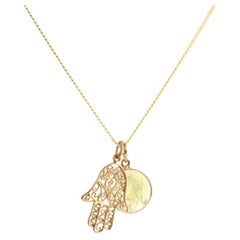
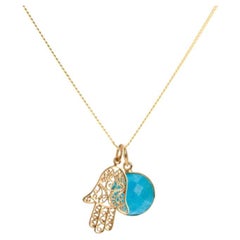
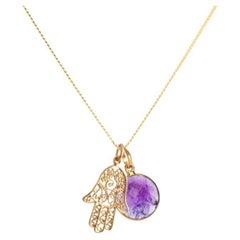
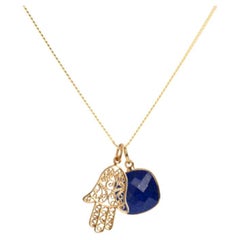
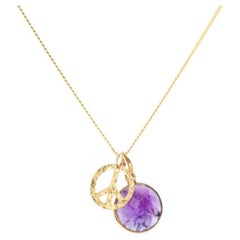
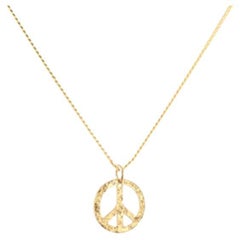
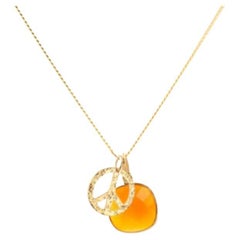
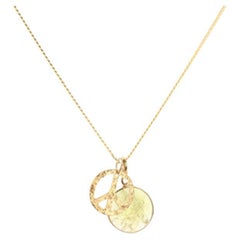
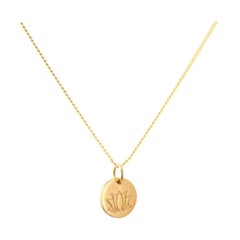
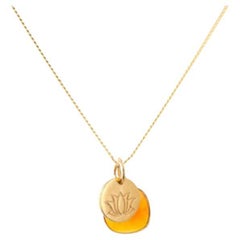
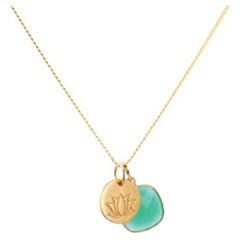
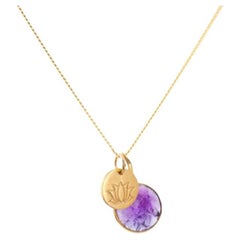
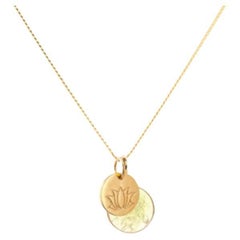
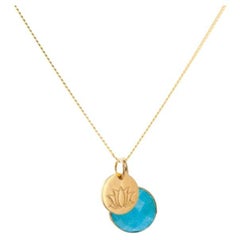
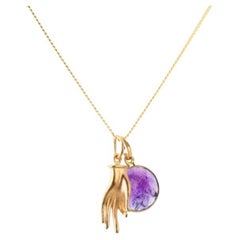
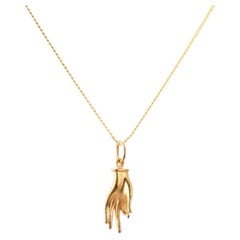
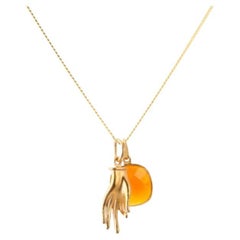
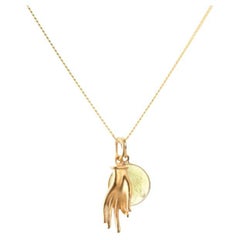
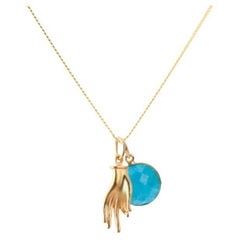
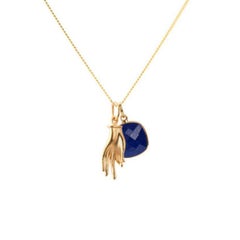
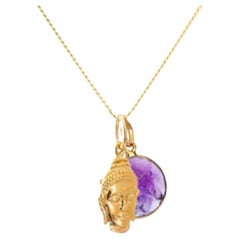
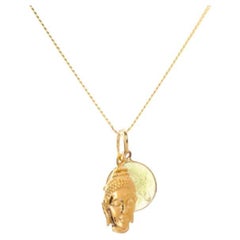
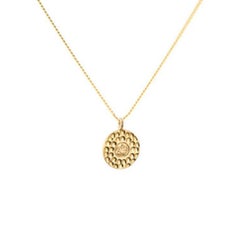
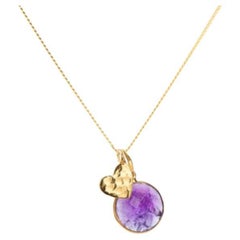
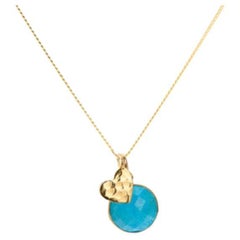
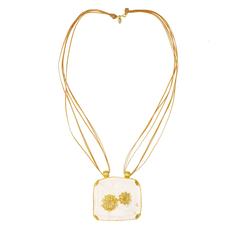
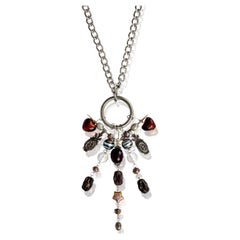
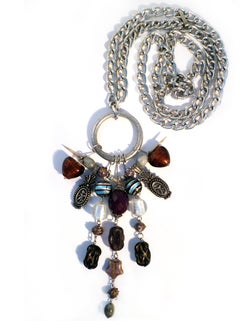
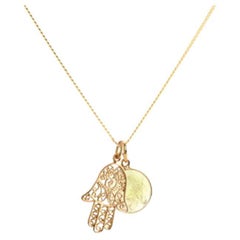
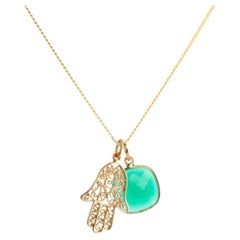
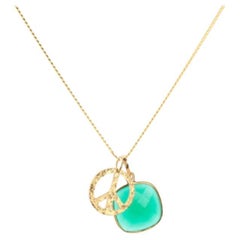
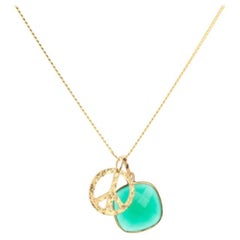
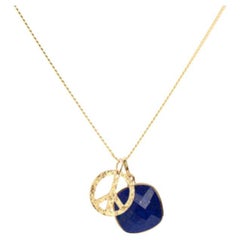
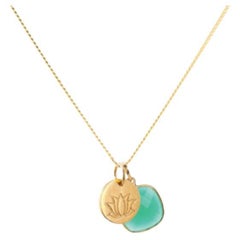
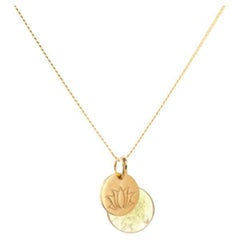
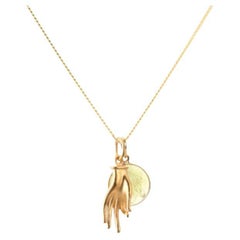
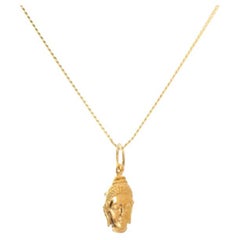
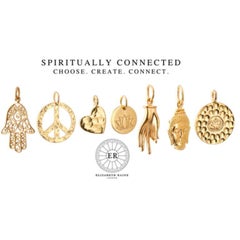
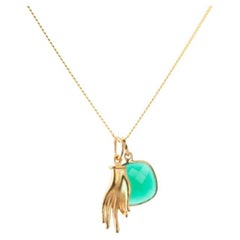
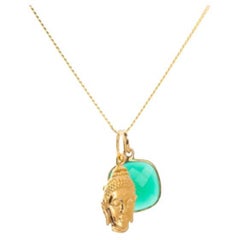
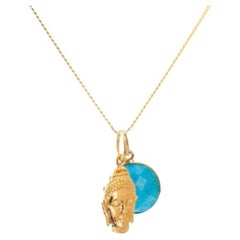
Amulet jewelry has been spellbinding us for millennia. Today, new, antique and vintage amulet necklaces, pendants, gold amulet jewelry and other amulet accessories are favorites of jewelry lovers all over the world.
The oldest form of jewelry is said to be the amulet, and necklaces, which have a long and dazzling history, were so treasured that they were buried with their owners. Our earliest ancestors ascribed meaning — and magic — to “amulets” made of feathers, bones, stones and even tree bark. They wore amulet necklaces or carried these amulets for protection or to enhance their strength, courage or sexual attraction. Over time, these were replaced with symbolic objects: small replicas of animals, plants and, later, gods.
For the Egyptians, there was no more potent protection than the image of the scarab, otherwise known as the dung beetle. They believed it was a male-only species that reproduced itself by depositing its seed in dung, which its babies then fed upon. By turning waste to life, the scarab symbolized the god Khepri of the rising sun — “he who has come into being from nothing” — and hence both transformation and resurrection. So wondrous were the powers of the scarab that it became a popular amulet throughout the ancient Mediterranean (for example, the scarab could be seen in signet rings from Greece crafted circa 500 B.C.).
And the dung beetle continues to fascinate designers as a symbol even into our present day, with none other than John Galliano creating an Egyptian Revival necklace for Christian Dior’s Spring/Summer 2004 collection (the audacious British designer worked with Dior from 1997 until 2011). In the center of his piece is an orange Lucite scarab.
Like primeval man, the jeweler Temple St. Clair believes that any adornment can be a power object, so long that it has special meaning to us. She should know. St. Clair began her storied design career — she’s the first contemporary woman jeweler to have her work included in the jewelry collection of the Louvre — by conceiving modern-day Renaissance-inspired amulets. (And just as women rarely took to wearing a single necklace during the Renaissance, men of the era layered chains and valuable pendants atop their bejeweled clothing.)
Find antique and vintage amulet necklaces on 1stDibs.
We are fortunate to know much of the world’s long and dazzling history of necklaces, as this type of jewelry was so treasured that it was frequently buried with its owners. Today, Van Cleef necklaces, Tiffany necklaces and Cartier necklaces are some of the most popularly searched designer necklaces on 1stDibs.
Lapis lazuli beads adorned necklaces unearthed from the royal graves at the ancient Iraqi civilization of Sumer, while the excavation of King Tut’s burial chamber revealed a sense of style that led to a frenzy of Art Deco designs, with artisans of the 1920s seeking to emulate the elegant work crafted by Ancient Egypt’s goldsmiths and jewelry makers.
In ancient times, pendant necklaces worn by royalty and nobles conferred wealth and prestige. Today, wearing jewelry is about personal expression: Luxury diamond necklaces exude confidence and can symbolize the celebratory nature of a deep romantic relationship, while paper-clip chain-link necklaces designed by the likes of goldsmith Faye Kim are firmly planted in the past as well as the present. Kim works exclusively with eco-friendly gold, and these fashionable, fun accessories owe to the design of 19th-century watch fobs.
For some, necklaces are thought of as being a solely feminine piece, but this widely loved accessory has been gender-neutral for eons. In fact, just as women rarely took to wearing a single necklace during the Renaissance, men of the era layered chains and valuable pendants atop their bejeweled clothing. In modern times, the free-spirited hippie and counterculture movements of the 1960s saw costume-jewelry designers celebrating self-expression through colorful multistrand necklaces and no shortage of beads, which were worn by anyone and everyone.
Even after all of these years, the necklace remains an irrefutable staple of any complete outfit. Although new trends in jewelry are constantly emerging, the glamour and beauty of the past continue to inform modern styles and designs. In a way, the cyclical history of the necklace differs little from its familiar looped form: The celebrated French jewelry house Van Cleef & Arpels found much inspiration in King Tut, and, now, their Alhambra collection is a go-to for modern royals. Vintage David Webb necklaces — whose work landed him on the cover of Vogue in 1950, two years after opening his Manhattan shop — were likely inspired by the ornamental styles of ancient Greece, Mesopotamia and Egypt.
On 1stDibs, browse top designers like Dior, Chanel and Bulgari, or shop by your favorite style, from eye-catching choker necklaces to understated links to pearl necklaces and more.