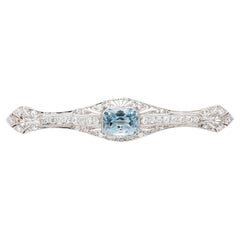
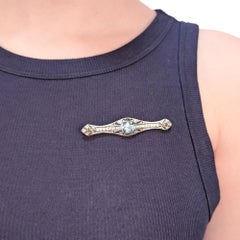
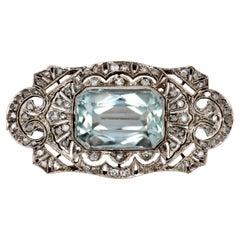
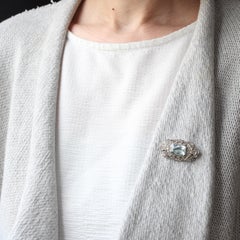
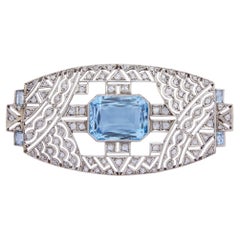
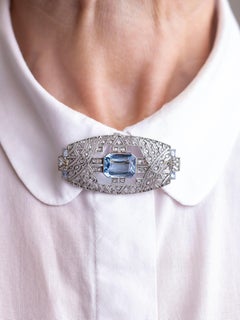
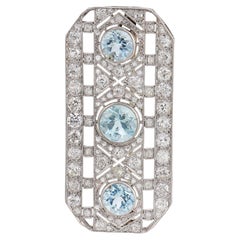
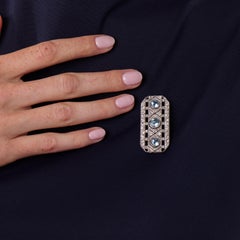
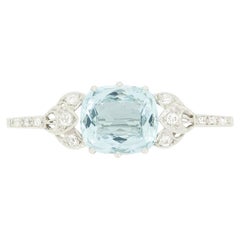
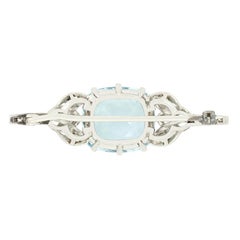
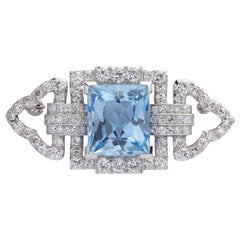
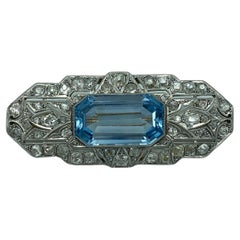
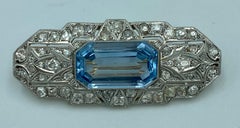
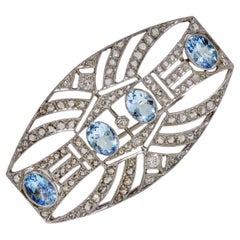
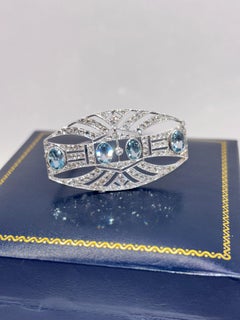
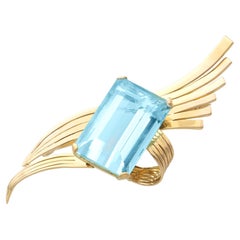
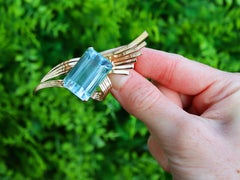
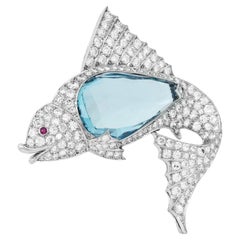
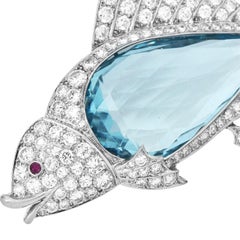
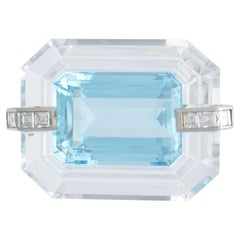
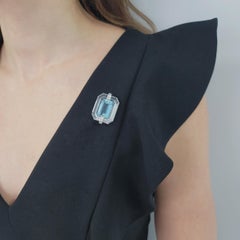
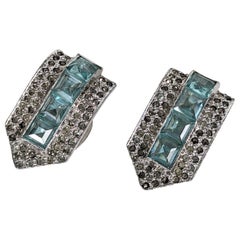
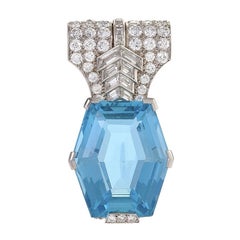
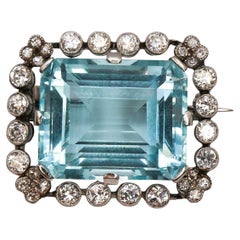
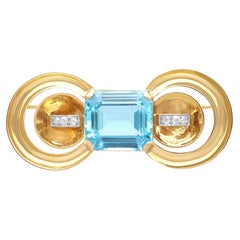
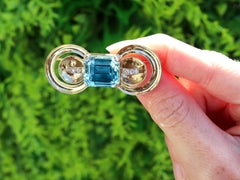
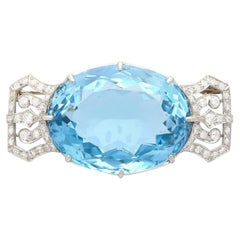
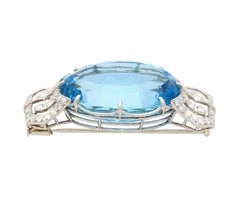
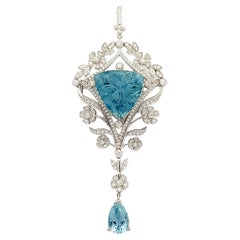
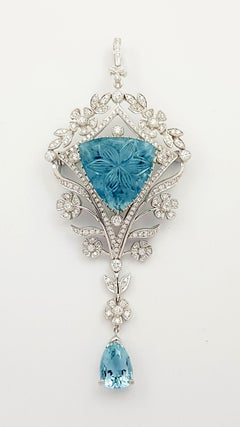
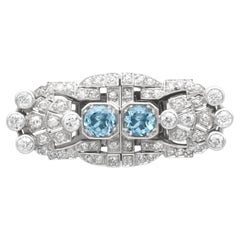
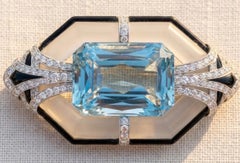
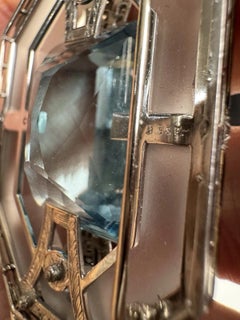
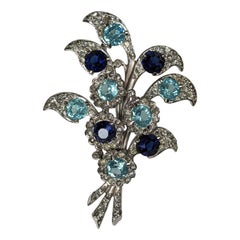
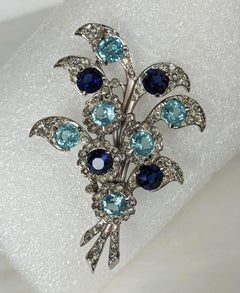
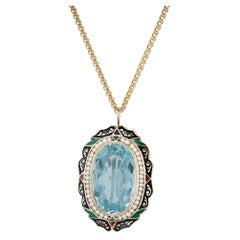
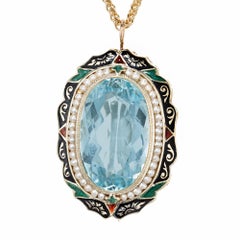
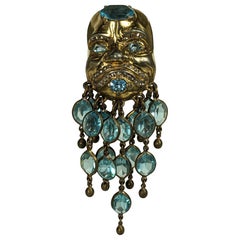
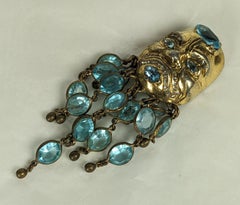
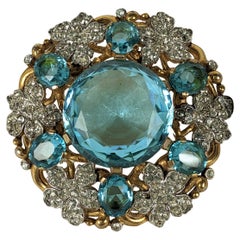
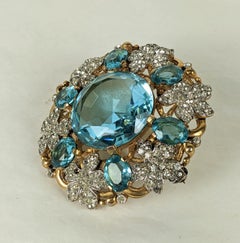
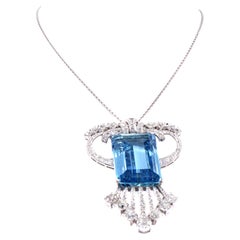
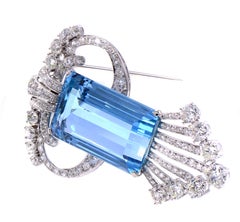
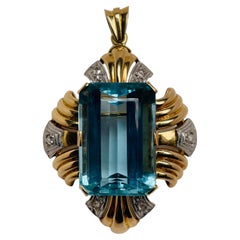
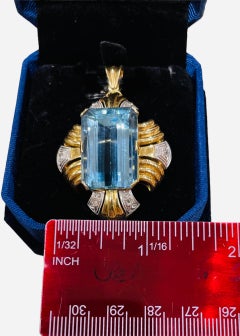
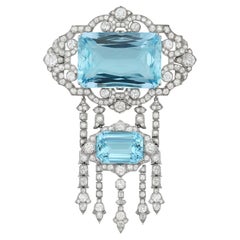
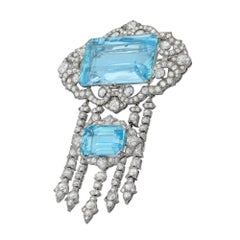
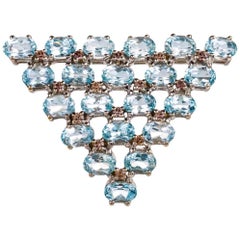
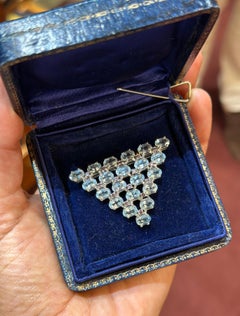
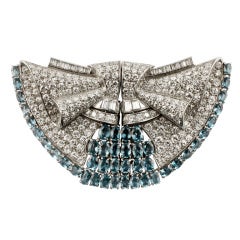
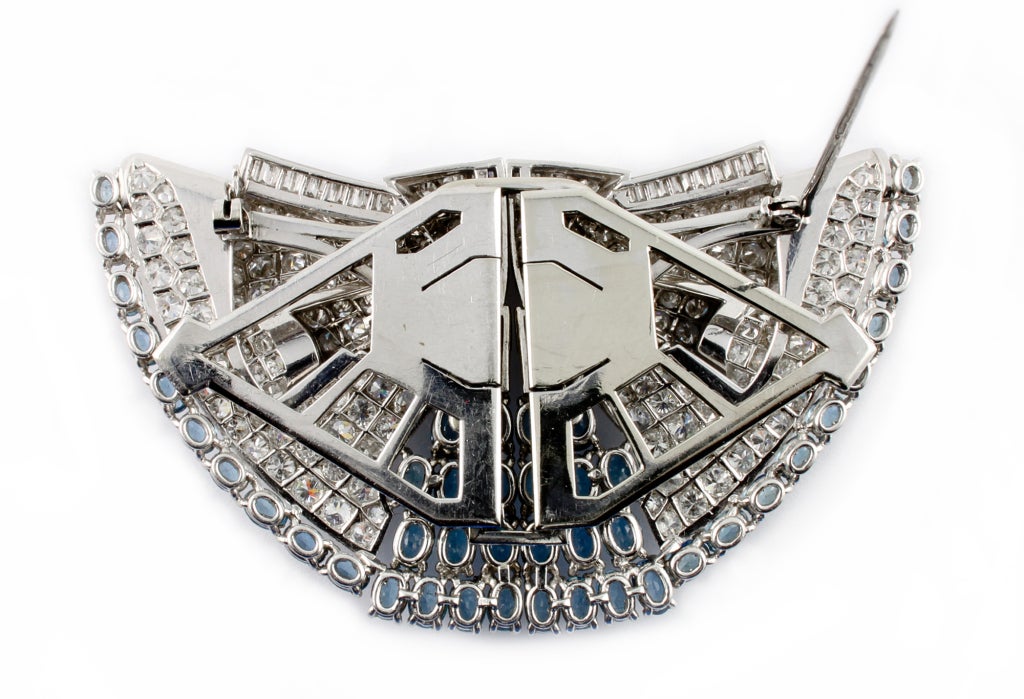
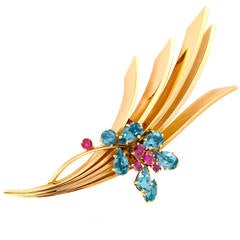
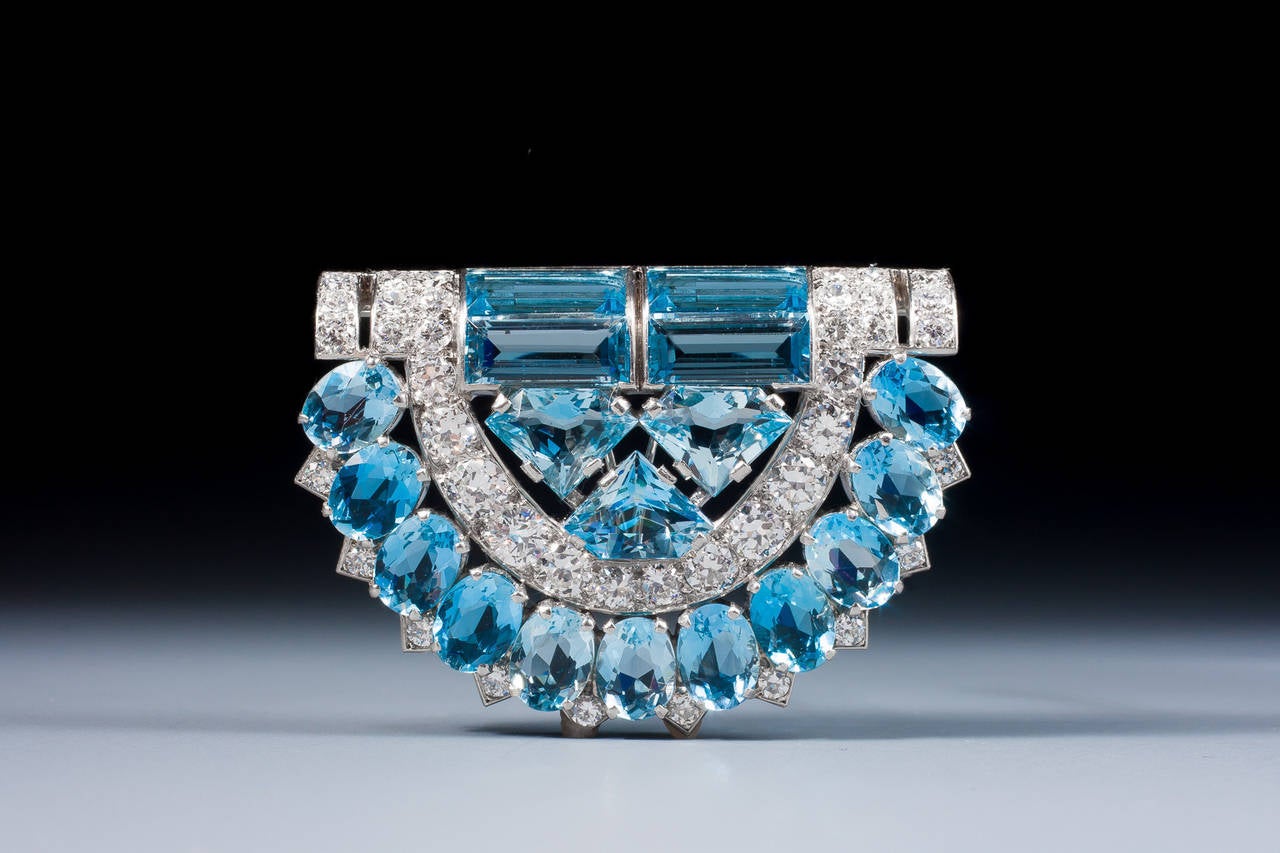
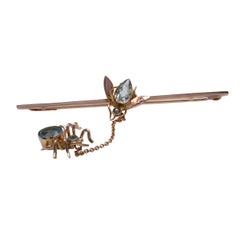
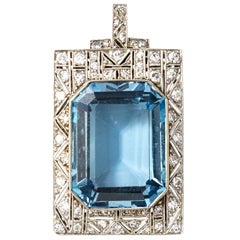
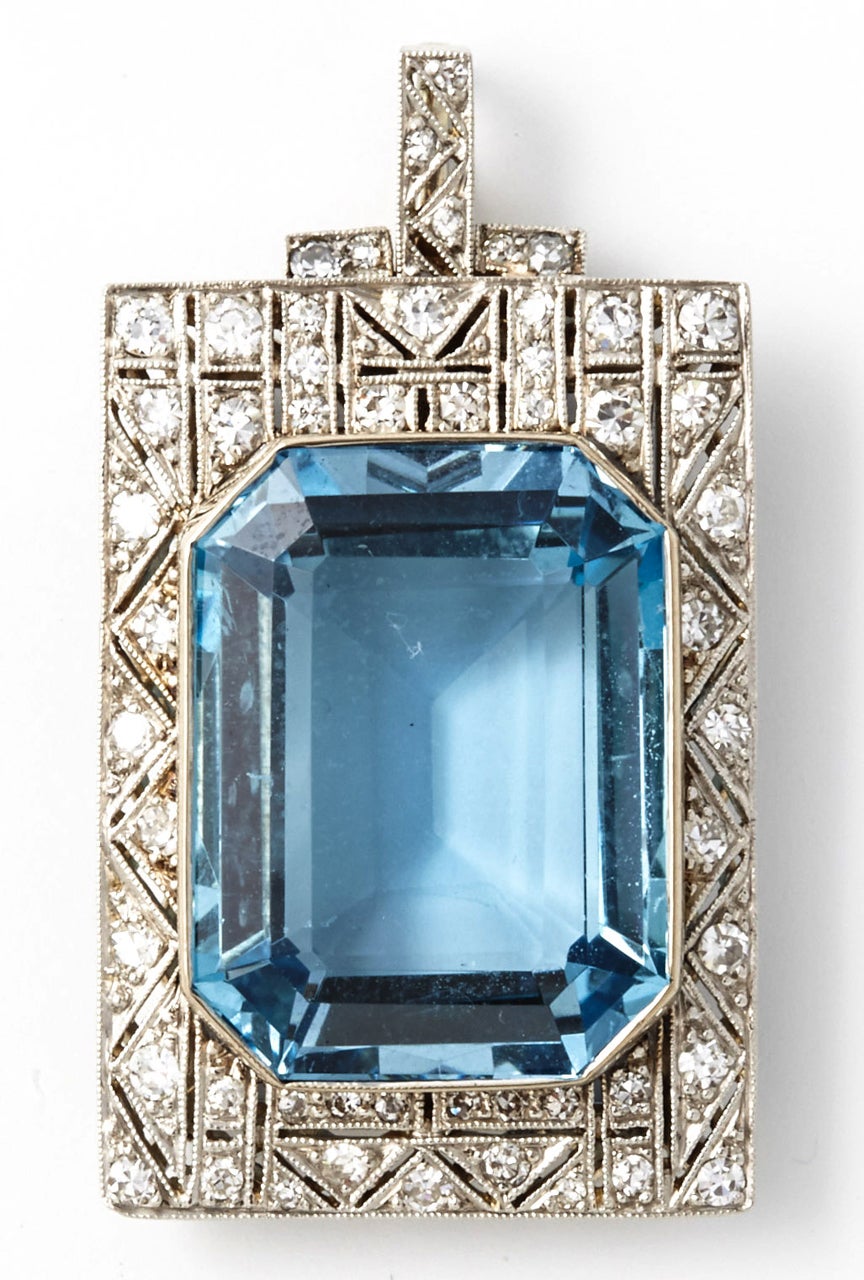
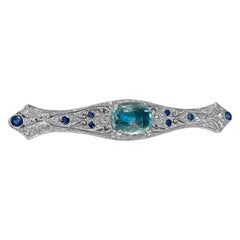
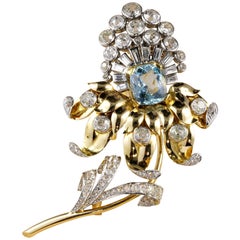
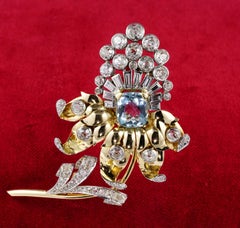
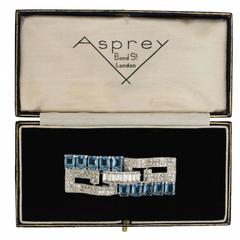
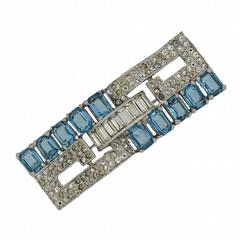
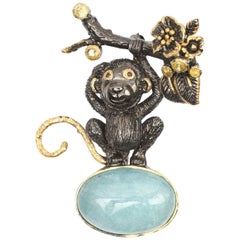
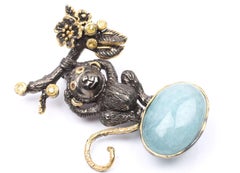
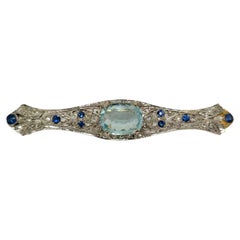
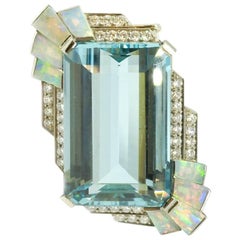
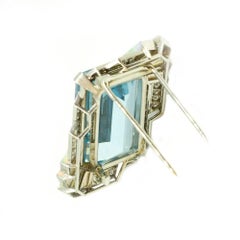
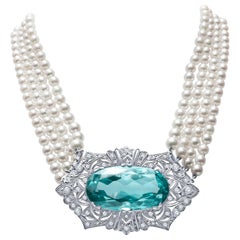
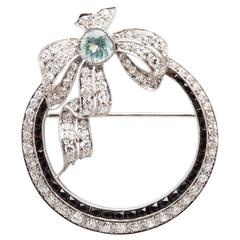
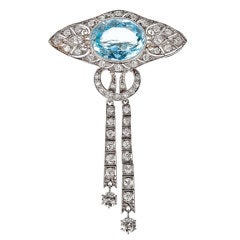
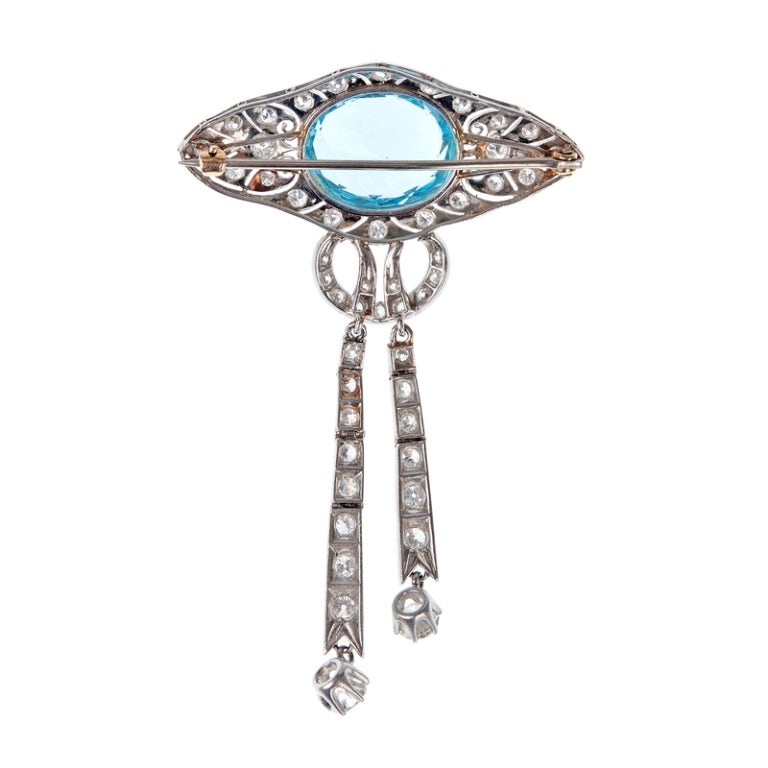
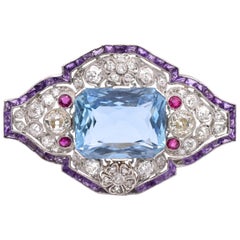
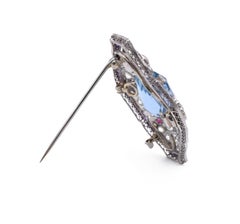
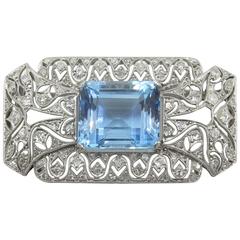
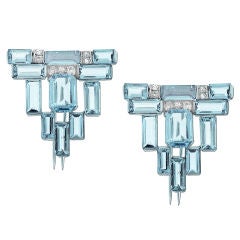
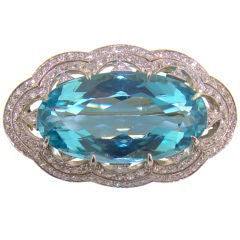
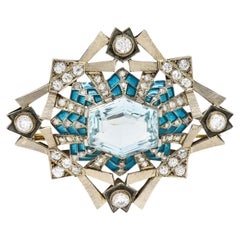
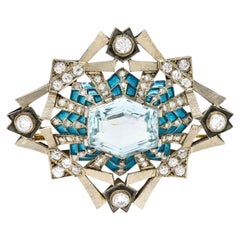
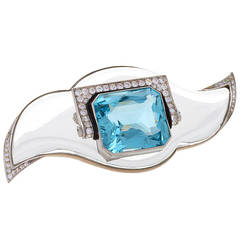
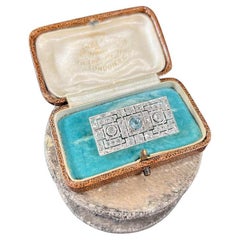
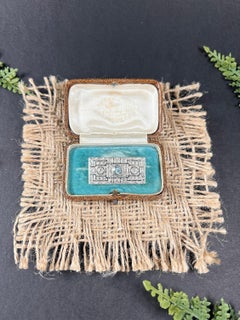
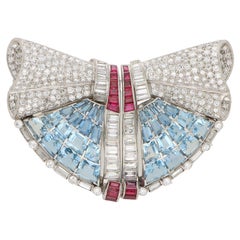
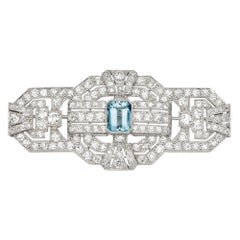
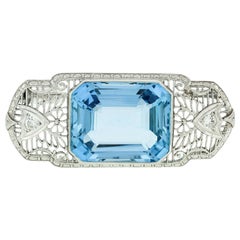
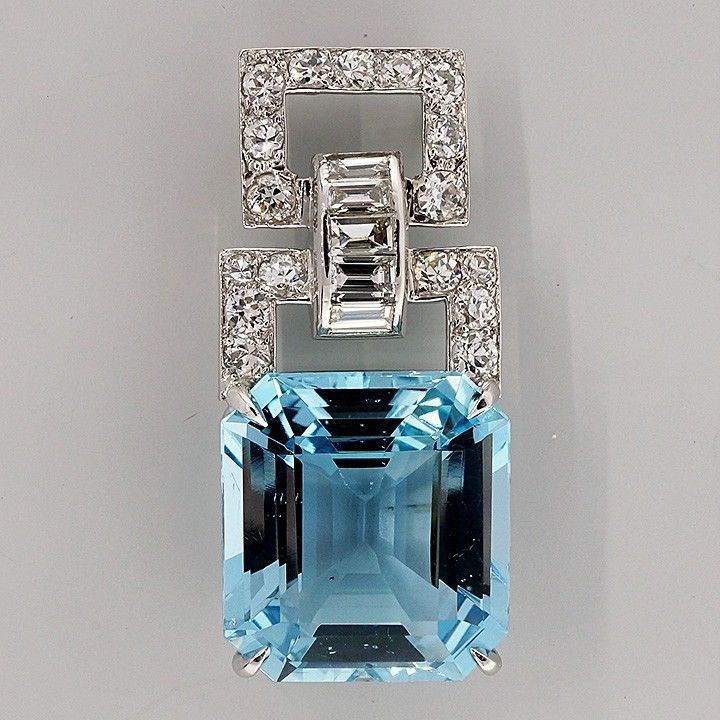
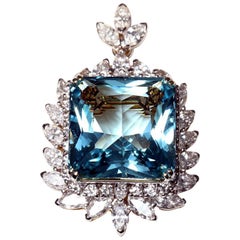
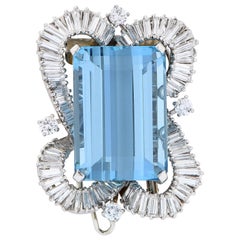
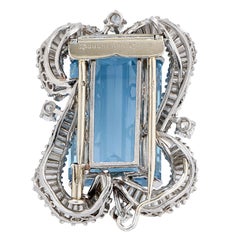
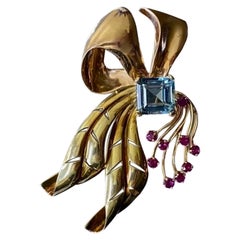
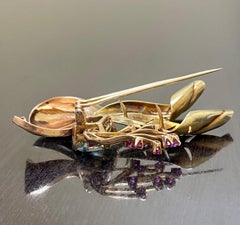
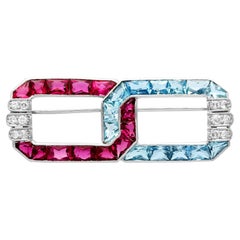
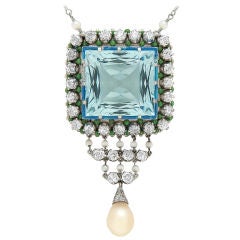
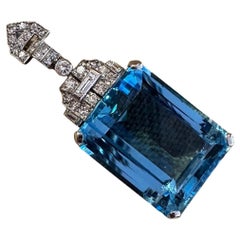
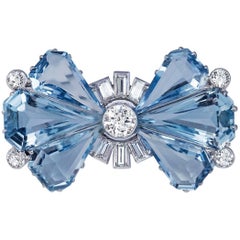
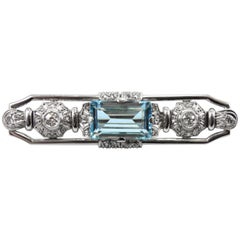
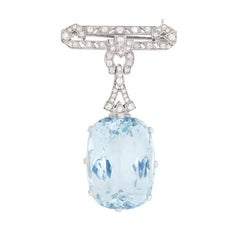
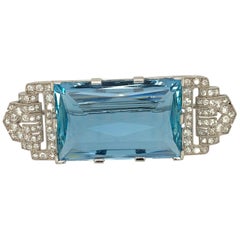
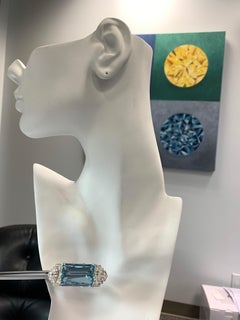
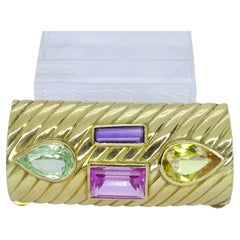
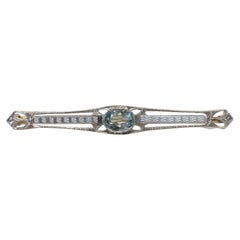
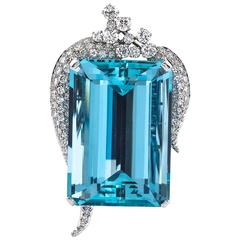
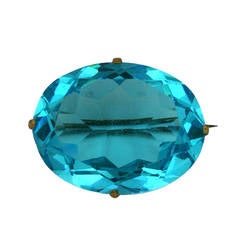
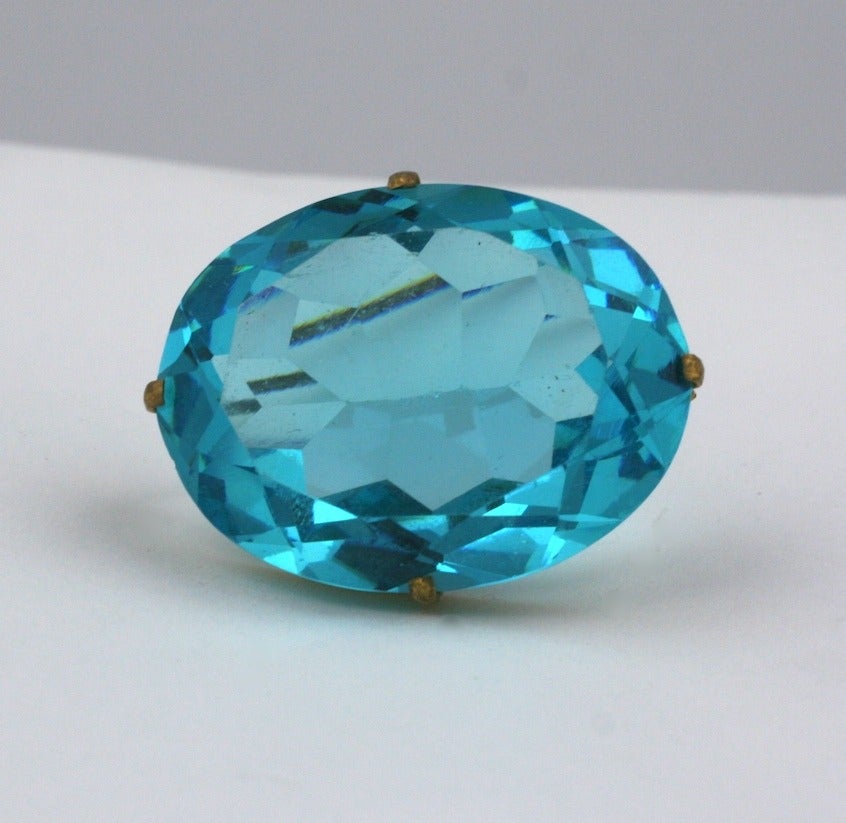
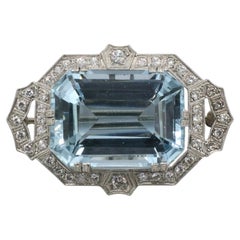
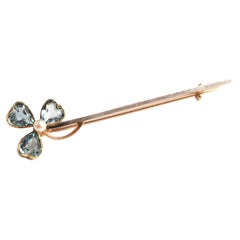
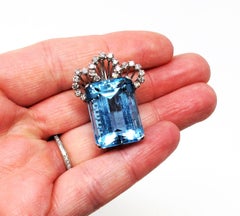
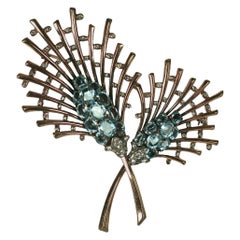
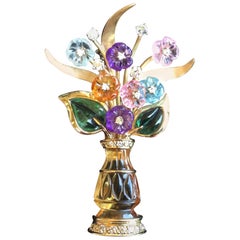
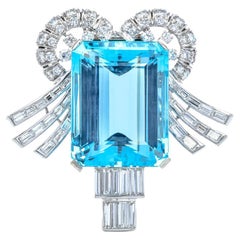
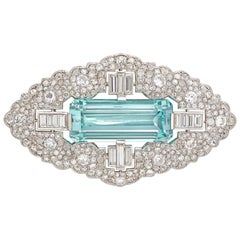
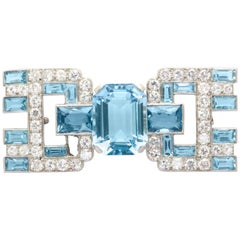
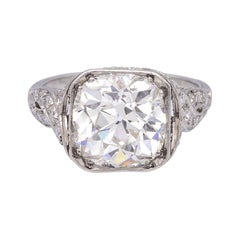
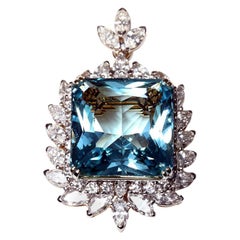
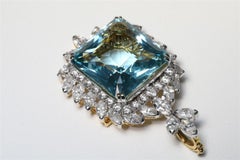
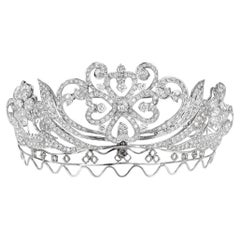
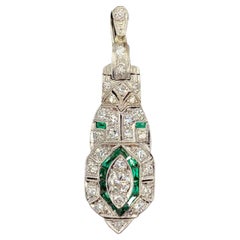
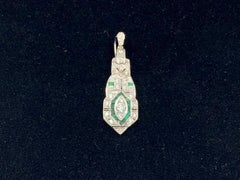
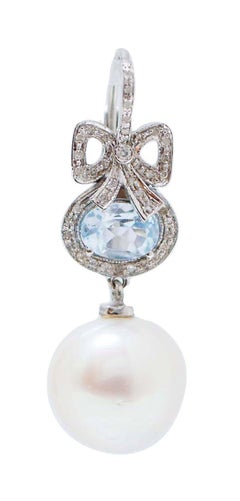
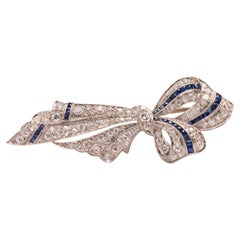
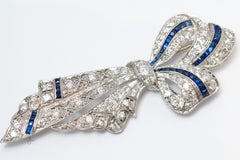
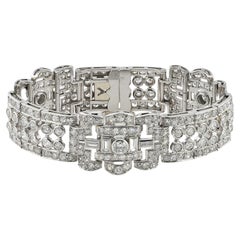
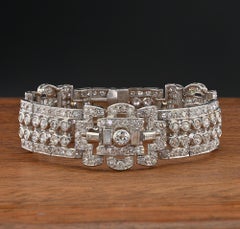
Art Deco Aquamarine Brooch For Sale on 1stDibs
Find the exact art deco aquamarine brooch you’re shopping for in the variety available on 1stDibs. Every item for sale was constructed with extraordinary care, often using
Platinum,
Gold and
18k Gold. Our collection of these items for sale includes 58 vintage editions and 1 modern creations to choose from as well. Finding the perfect art deco aquamarine brooch may mean sifting through those created during different time periods — you can find an early version that dates to the 19th Century and a newer variation that were made as recently as the 21st Century. For this particular piece, are consistently popular carat weights. Creating an art deco aquamarine brooch has been a part of the legacy of many jewelers, but those produced by
Cartier,
Boucheron and
Liberty & Co. are consistently popular. Today, if you’re looking for an
emerald cut version of this piece and are unable to find the perfect match, our selection also includes
oval cut and
round cut alternatives. Most of our art deco aquamarine brooch for sale are for
women, but there are 17 pieces available to browse for
men.
How Much is a Art Deco Aquamarine Brooch?
On average, an art deco aquamarine brooch at 1stDibs sells for $16,750, while they’re typically $1,167 on the low end and $211,500 for the highest priced versions of this item.
A Close Look at Art Deco Jewelry
Fascination with the Jazz Age is endless, and even today jewelry designers continue to be inspired by authentic Art Deco jewelry and watches.
The Art Deco period, encompassing the 1920s and ’30s, ushered in a very distinct look in the design of jewelry. There were many influences on the jewelry of the era that actually began to take shape prior to the 1920s. In 1909, Serge Diaghilev brought the Ballet Russes to Paris, and women went wild for the company’s exotic and vibrant costumes It’s no wonder, then, that jade, lapis lazuli, coral, turquoise and other bright gemstones became all the rage. There already existed a fascination with the East, particularly China and Japan, and motifs consisting of fans and masks started to show up in Art Deco jewelry.
However, the event that had the greatest influence on Deco was the excavation of the tomb of King Tut in 1922. When the world saw what was hidden in Tut’s burial chamber, it sent just about everyone into a frenzy. Pierre Cartier wrote in 1923 that “the discovery of the tomb will bring some sweeping changes in fashion jewelry.” And he couldn’t have been more right. “Egyptomania” left an indelible mark on all of the major jewelry houses, from Cartier to Van Cleef & Arpels, Boucheron and Georges Fouquet. (Cartier created some of the most iconic jewelry designs that defined this era.)
While a lot of Art Deco jewelry was black and white — the black coming from the use of onyx or black enamel and the white from rock crystal and diamonds — there is plenty of color in jewelry of the era. A perfect accent to diamonds in platinum settings were blue sapphires, emeralds and rubies, and these stones were also used in combination with each other.
Many designers employed coral, jade and lapis lazuli, too. In fact, some of the most important avant-garde jewelers of the period, like Jean Després and Jean Fouquet (son of Georges), would combine white gold with ebony and malachite for a jolt of color.
A lot of the jewelry produced during this time nodded to current fashion trends, and women often accessorized their accessories. The cloche hat was often accented with geometric diamond brooches or double-clip brooches. Backless evening dresses looked fabulous with sautoir necklaces, and long pearl necklaces that ended with tassels, popular during the Edwardian period, were favored by women everywhere, including Coco Chanel.
Find unique Art Deco necklaces, earrings, bracelets and other jewelry on 1stDibs.
The Legacy of Aquamarine in Jewelry Design
Perhaps the one gemstone that best embodies the glimmering blue of the ocean is aquamarine, not just in name but also in color. Aqua marina (Latin for water and sea), March’s birthstone, is often crystal clear and blue. Often affordable in price, vintage and antique aquamarine jewelry belongs in everyone’s jewelry box.
Aquamarine is a precious gemstone from the mineral beryl family. Its cousin is the emerald. Like other beryl varieties, aquamarines are rated 7.5 to 8 on the Mohs Hardness Scale. This means that they are soft enough for jewelers to cut to their client’s specs but also durable enough for daily wear.
On land or sea, aquamarines feature prominently in many folk tales, including one about mermaids gifting aquamarine to sailors to protect them during sea voyages. Worn around sailors’ necks as an amulet, it kept them from getting seasick and, most importantly, from shipwrecks. Considered a symbol of courage by some, aquamarine amulets were also favored by Egyptian and Hebrew warriors during battle.
Aquamarine has also made appearances on some of the grandest of great dames. The Brazilian government gifted Eleanor Roosevelt with a 1,847-carat aquamarine in 1935 and Queen Elizabeth II received a sizable aquamarine upon her 1953 coronation; this stone is now the focal point of her aquamarine tiara. And renowned Tiffany & Co. designer Jean Schlumberger made a diamond Bow setting for a 148.5-carat aquamarine, which was originally exhibited at the 1893 World’s Columbian Exhibition, now in the collection of the Field Museum of Natural History in Chicago.
On 1stDibs, find a range of vintage and antique aquamarine jewelry that includes unique aquamarine rings, necklaces and other accessories.
Finding the Right Brooches for You
Vintage brooches, which refer to decorative jewelry traditionally pinned to garments and used to fasten pieces of clothing together where needed, have seen increasing popularity in recent years.
While jewelry trends come and go, brooches are indeed back on the radar thanks to fashion houses like Gucci, Versace, Dior and Saint Laurent, all of which feature fun pinnable designs in their current collections. Whether a dazzlingly naturalistic Art Nouveau dragonfly, a whimsical David Webb animal, a gem-studded bloom or a streamlined abstract design, these jewels add color and sparkle to your look and a spring to your step.
Given their long history, brooches have expectedly taken on a variety of different shapes and forms over time, with jewelers turning to assorted methods of ornamentation for these accessories, including enameling and the integration of pearls and gemstones. Cameo brooches that originated during the Victorian age are characterized by a shell carved in raised relief that feature portraits of a woman’s profile, while 19th-century micromosaic brooches, comprising innumerable individually placed glass fragments, sometimes feature miniature depictions of a pastoral scene in daily Roman life.
At one time, brooches were symbols of wealth, made primarily from the finest metals and showcasing exquisite precious gemstones. Today, these jewels are inclusive and universal, and you don’t have to travel very far to find an admirer of brooches. They can be richly geometric in form, such as the ornate diamond pins dating from the Art Deco era, or designer-specific, such as the celebrated naturalistic works created by Tiffany & Co., the milk glass and gold confections crafted by Trifari or handmade vintage Chanel brooches of silk or laminated sheer fabric. Chanel, of course, has never abandoned this style, producing gorgeously baroque CC examples since the 1980s.
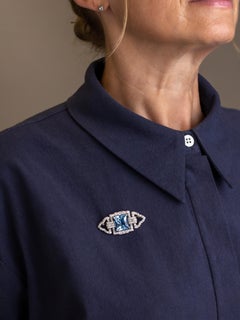
Brooches are versatile and adaptable. These decorative accessories can be worn in your hair, on hats, scarves and on the lower point of V-neck clothing. Pin a dazzling brooch to the lapel of your blazer-and-tee combo or add a cluster of smaller pins to your overcoat. And while brooches have their place in “mourning jewelry,” in that a mourning brooch is representative of your connection to a lost loved one, they’re widely seen as romantic and symbolic of love, so much so that a hardcore brooch enthusiast might advocate for brooches to be worn over the heart.
Today, find a wide variety of antique and vintage brooches for sale on 1stDibs, including gold brooches, sapphire brooches and more.