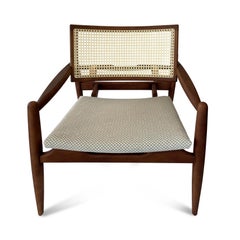
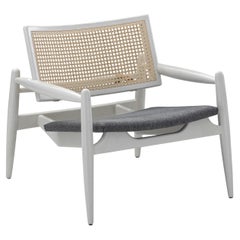
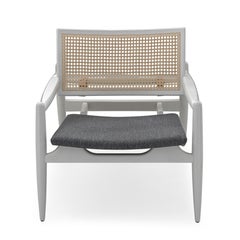
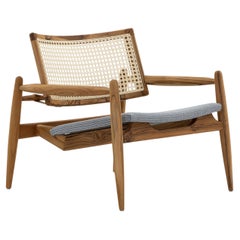
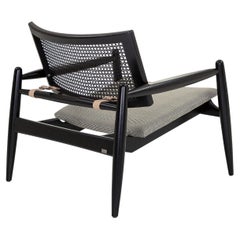
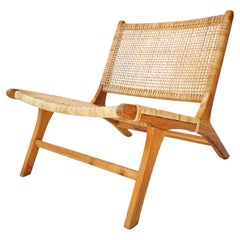
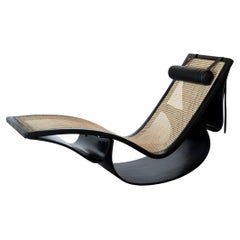
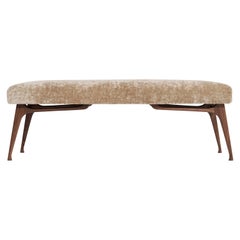
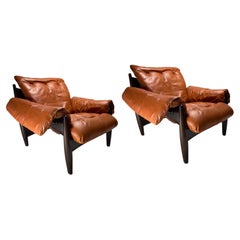
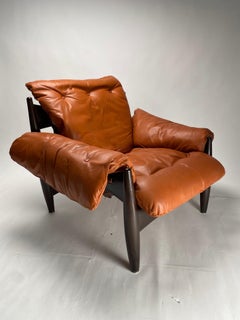
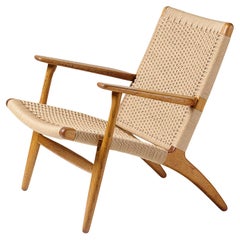
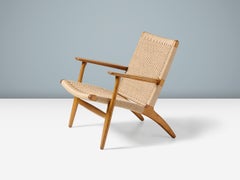
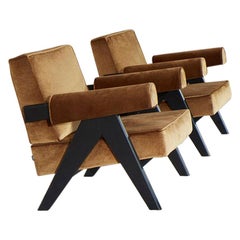
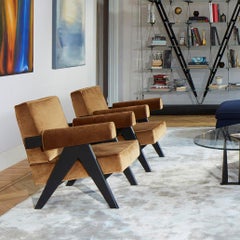
Brazilian Cane Lounge Chairs For Sale on 1stDibs
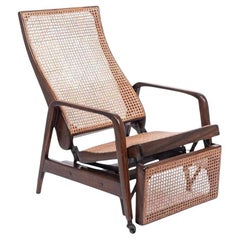
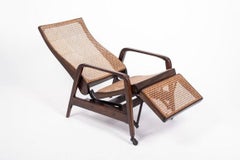
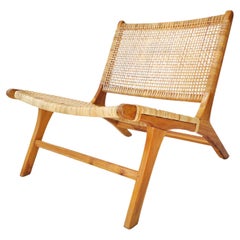
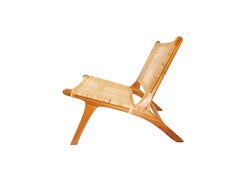
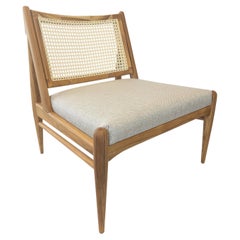
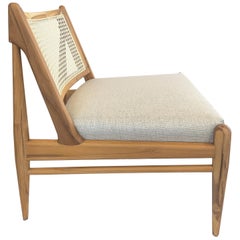
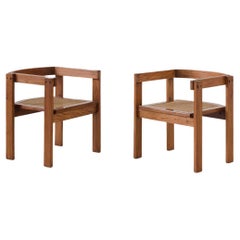
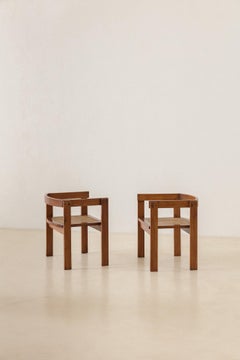
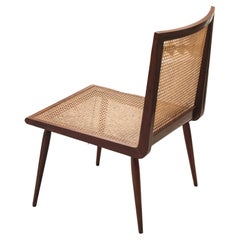
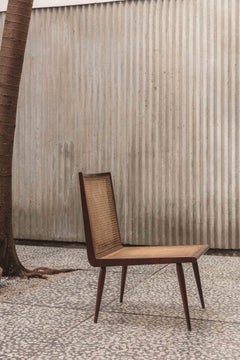
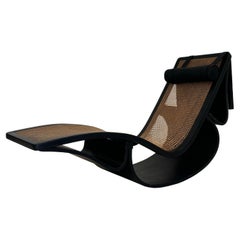
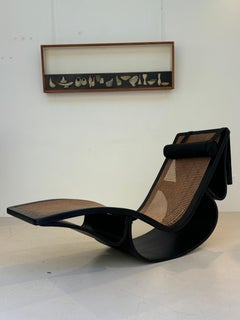
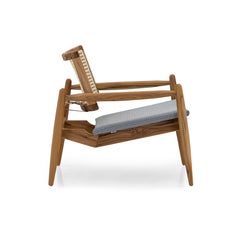
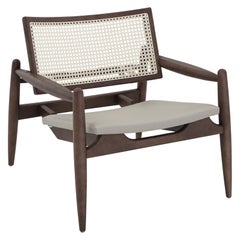
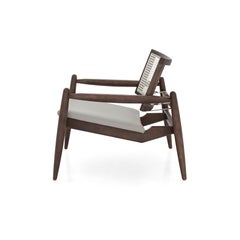
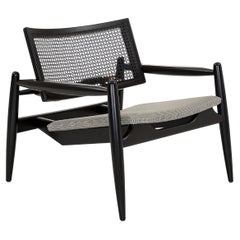
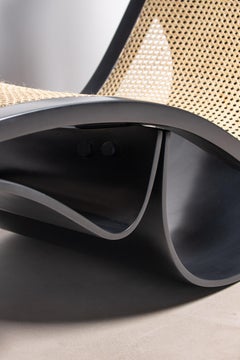
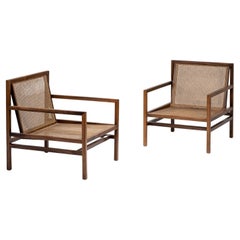
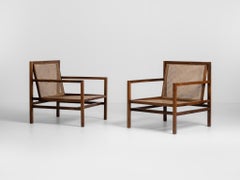
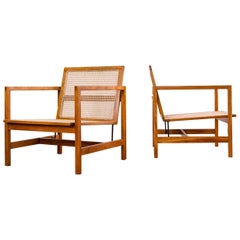
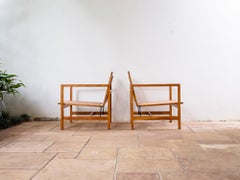
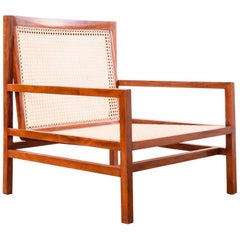
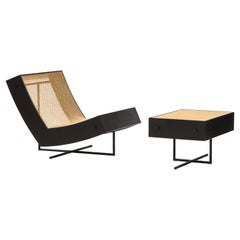
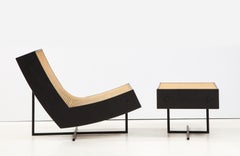
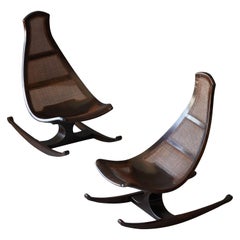
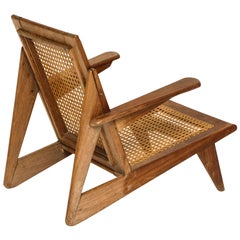
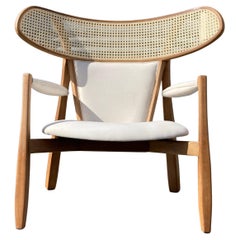
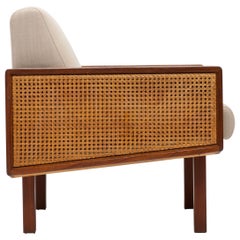
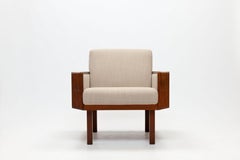
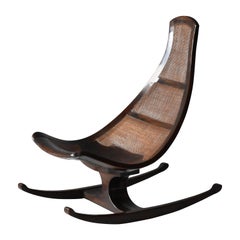
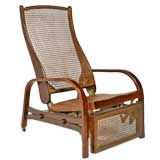
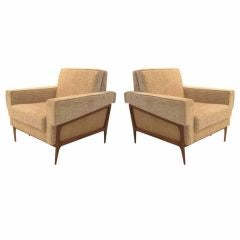
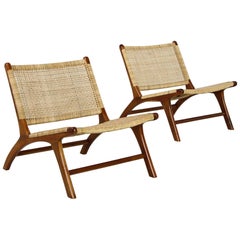
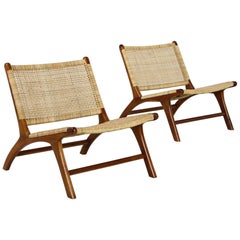
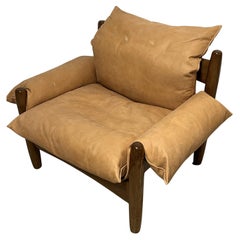
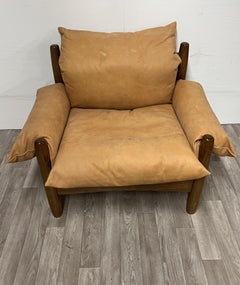
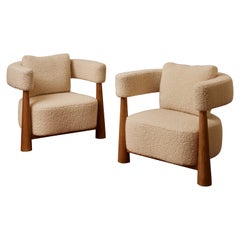
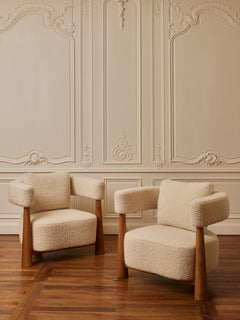
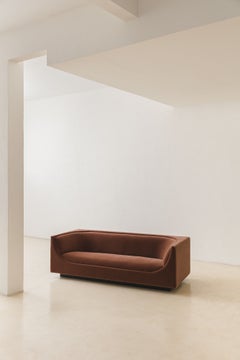
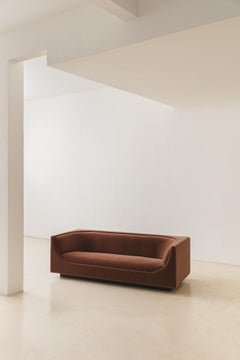
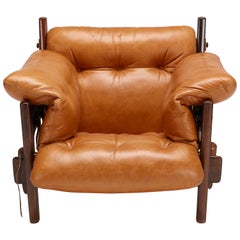
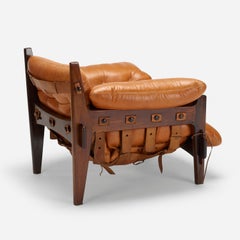
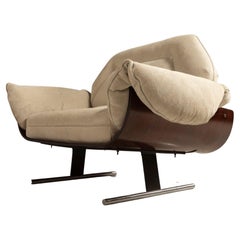
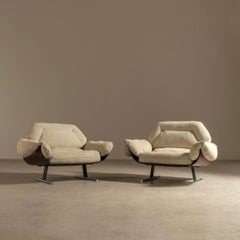
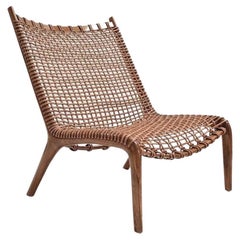
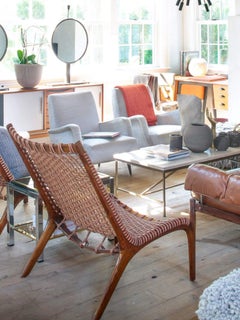
At 1stDibs, there are several options of Brazilian cane lounge chairs available for sale. Each of these unique Brazilian cane lounge chairs was constructed with extraordinary care, often using
wood,
cane and
natural fiber. Brazilian cane lounge chairs have been made for many years, and versions that date back to the 20th Century alongside those produced as recently as the 21st Century. Brazilian cane lounge chairs are generally popular furniture pieces, but
Mid-Century Modern and
Modern styles are often sought at 1stDibs. Large Brazilian cane lounge chairs can prove too imposing for some spaces, so the smaller Brazilian cane lounge chairs available at 1stDibs — each spanning 21.5 inches in width — may make for a better choice.
Gustavo Bittencourt,
John Graz and
Joaquim Tenreiro each produced beautiful Brazilian cane lounge chairs that are worth considering.
How Much are Brazilian Cane Lounge Chairs?
Brazilian cane lounge chairs can differ in price owing to various characteristics — the average selling price at 1stDibs is $7,500, while the lowest priced sells for $3,523 and the highest can go for as much as $32,000.
On the Origins of Brazil
More often than not, vintage mid-century Brazilian furniture designs, with their gleaming wood, soft leathers and inviting shapes, share a sensuous, unique quality that distinguishes them from the more rectilinear output of American and Scandinavian makers of the same era.
Commencing in the 1940s and '50s, a group of architects and designers transformed the local cultural landscape in Brazil, merging the modernist vernacular popular in Europe and the United States with the South American country's traditional techniques and indigenous materials.
Key mid-century influencers on Brazilian furniture design include natives Oscar Niemeyer, Sergio Rodrigues and José Zanine Caldas as well as such European immigrants as Joaquim Tenreiro, Jean Gillon and Jorge Zalszupin. These creators frequently collaborated; for instance, Niemeyer, an internationally acclaimed architect, commissioned many of them to furnish his residential and institutional buildings.
The popularity of Brazilian modern furniture has made household names of these designers and other greats. Their particular brand of modernism is characterized by an émigré point of view (some were Lithuanian, German, Polish, Ukrainian, Portuguese, and Italian), a preference for highly figured indigenous Brazilian woods, a reverence for nature as an inspiration and an atelier or small-production mentality.
Hallmarks of Brazilian mid-century design include smooth, sculptural forms and the use of native woods like rosewood, jacaranda and pequi. The work of designers today exhibits many of the same qualities, though with a marked interest in exploring new materials (witness the Campana Brothers' stuffed-animal chairs) and an emphasis on looking inward rather than to other countries for inspiration.
Find a collection of vintage Brazilian furniture on 1stDibs that includes chairs, sofas, tables and more.
Materials: Cane Furniture
If the interiors people have been saving on Instagram lately are any indication, we’ll be seeing a lot more antique, new and vintage cane furniture in the years ahead.
Cane — the material of the moment that is inspiring a new generation of designers — has been cropping up everywhere, from sleek armchairs to lounge chairs, side tables and desks.
In case you’re wondering, cane refers to the peeled-off bark of rattan, an Old World species of climbing palm, while wicker may be used to describe natural or synthetic materials that were woven into a pattern. Raffia, another term thrown around when discussing woven furniture, refers to a palm tree native to tropical regions in Africa.
Of course, designers’ obsession with traditional artisanal techniques is nothing new. Marcel Breuer’s tubular Cesca chair, a design originally conceived in the 1920s, has drawn renewed attention in the past few years. And the popularity of materials like raffia and wicker reflects our desire for all things handmade.
Find a wide range of antique, new and vintage cane furniture on 1stDibs.
Finding the Right Lounge Chairs for You
While this specific seating is known to all for its comfort and familiar form, the history of how your favorite antique or vintage lounge chair came to be is slightly more ambiguous.
Although there are rare armchairs dating back as far as the 17th century, some believe that the origins of the first official “lounge chair” are tied to Hungarian modernist designer-architect Marcel Breuer. Sure, Breuer wasn’t exactly reinventing the wheel when he introduced the Wassily lounge chair in 1925, but his seat was indeed revolutionary for its integration of bent tubular steel.
Officially, a lounge chair is simply defined as a “comfortable armchair,” which allows for the shape and material of the furnishings to be extremely diverse. Whether or not chaise longues make the cut for this category is a matter of frequent debate.
The Eames lounge chair, on the other hand, has come to define somewhat of a universal perception of what a lounge chair can be. Introduced in 1956, the Eames lounger (and its partner in cozy, the ottoman) quickly became staples in television shows, prestigious office buildings and sumptuous living rooms. Venerable American mid-century modern designers Charles and Ray Eames intended for it to be the peak of luxury, which they knew meant taking furniture to the next level of style and comfort. Their chair inspired many modern interpretations of the lounge — as well as numerous copies.
On 1stDibs, find a broad range of unique lounge chairs that includes everything from antique Victorian-era seating to vintage mid-century modern lounge chairs by craftspersons such as Hans Wegner to contemporary choices from today’s innovative designers.