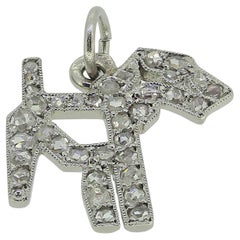
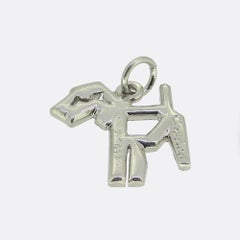
Cartier Art Deco Diamond Dog Charm
By Cartier
Located in London, GB
Here we have a delightful original Art Deco charm come pendant from the world renowned luxury
Category
Vintage 1920s Art Deco Charm Bracelets
Materials
Diamond, Platinum
Cartier Art Deco Diamond Dog Charm
By Cartier
Located in London, GB
Here we have a delightful original Art Deco charm come pendant from the world renowned luxury
Diamond, Platinum
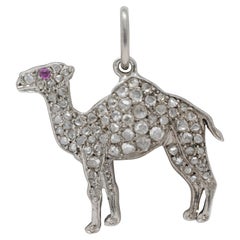
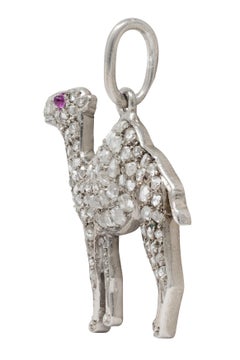
Cartier Art Deco Diamond Ruby Platinum Vintage Camel Charm
By Cartier
Located in Philadelphia, PA
set 1.0 mm round ruby cabochon eye Transparent medium purplish red in color Fully signed for Cartier
Diamond, Ruby, Platinum
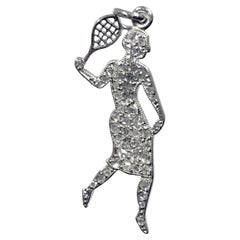
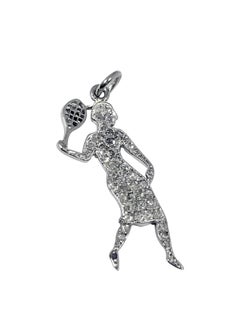
Cartier France Art Deco Platinum and Diamond Tennis Player Charm
By Cartier
Located in Chicago, IL
Circa 1930s Cartier France Charm Bracelet Charm in the form of a Tennis Player, measuring 1 inch in
Diamond, Platinum
$46,000Sale Price|20% Off
L 7 in
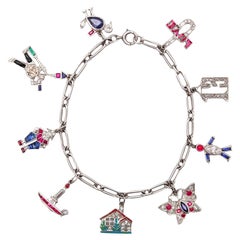
CARTIER 1930 Art Deco Charms Bracelet Platinum With 6.04 Ctw In Diamonds & Gems
By Cartier
Located in Miami, FL
An art deco nine-charms bracelet designed by Cartier. This is a fabulous and extremely rare
Diamond, Emerald, Ruby, Sapphire, White Diamond, Blue Sapphire, Platinum
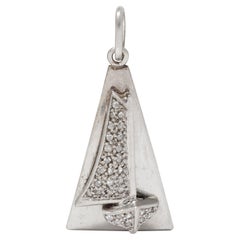
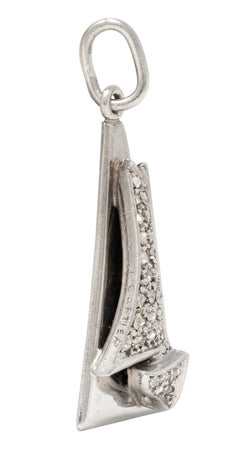
Cartier Art Deco Diamond Platinum Vintage Sailboat Charm
Located in Philadelphia, PA
platinum Fully signed for Cartier Circa: 1930s Measures: 7/8 x 7/16 inches - including bale Total Weight
Diamond, Gold, 14k Gold, White Gold
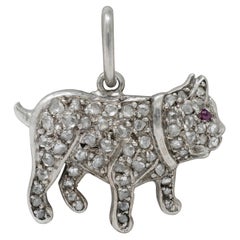
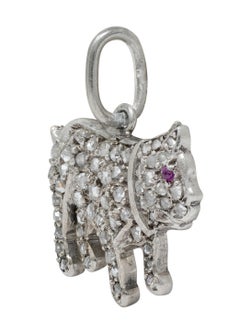
Cartier Art Deco Diamond Ruby Platinum Vintage French Bulldog Dog Charm
By Cartier
Located in Philadelphia, PA
Bezel set as eye - medium red Completed by jump ring bale Tested as platinum Fully signed for Cartier
Diamond, Ruby, Platinum
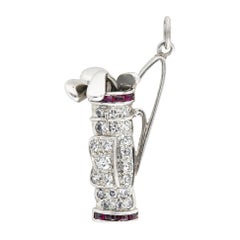
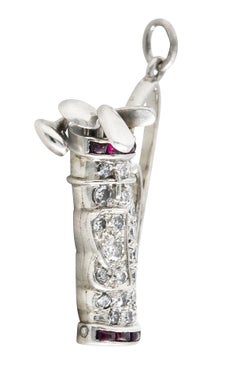
Cartier Art Deco Pavè Diamond Ruby Platinum Golf Club Charm
By Cartier
Located in Philadelphia, PA
Charm is designed as a barrel shaped golf bag filled with articulated golf clubs. Bag is pavè set
Diamond, White Diamond, Ruby, Platinum
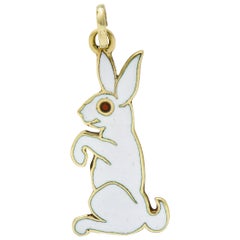
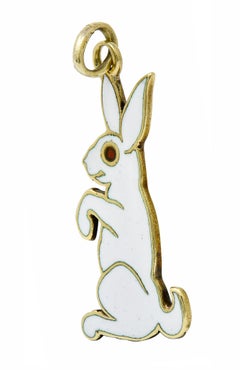
Cartier New York Art Deco Enamel 14 Karat Gold Rabbit Charm
By Cartier
Located in Philadelphia, PA
Charm is designed as a little white rabbit with a red eye Glossed with enamel showing minimal loss
Gold, Enamel
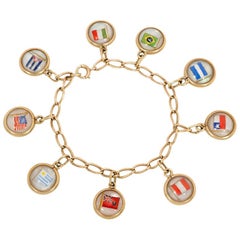
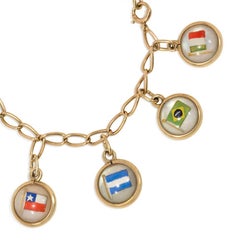
Cartier Art Deco Gold and Reverse Crystal Charm Bracelet
By Cartier
Located in New York, NY
An Art Deco gold bracelet featuring nine reverse painted crystal charms depicting various South
Crystal, 14k Gold, Gold
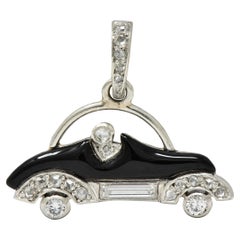
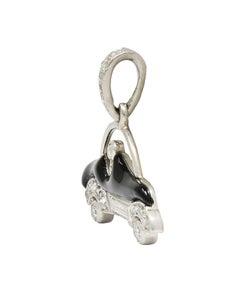
Cartier Art Deco Diamond Enamel Platinum Antique Car Automobile Charm
By Cartier
Located in Philadelphia, PA
- intact Tested as platinum Numbered and fully signed for Cartier Circa: 1920s Measures: 5/8 x 3/4 inch
Diamond, Platinum, Enamel
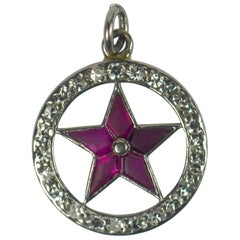
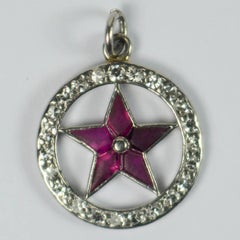
Cartier Ruby Diamond Platinum Lucky Star Charm
By Cartier
Located in London, GB
Cartier lucky star charm pendant in platinum set with five buff-top rubies to the star, encircled
Diamond, Ruby, Platinum
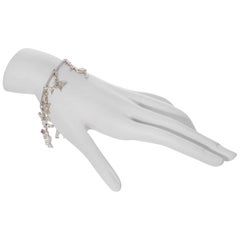

Vintage Cartier Platinum Diamond and Ruby Charm Bracelet
By Cartier
Located in Newport Beach, CA
We are pleased to offer this Vintage Cartier Platinum Diamond & Ruby Charm Bracelet. This finely
Diamond, Ruby, Platinum
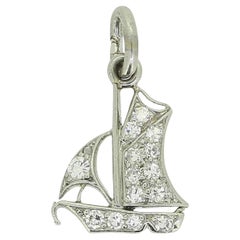

Cartier Art Deco Diamond Sail Boat Charm Pendant
By Cartier
Located in London, GB
Here we have a marvellous original Art Deco charm come pendant from the world renowned luxury
Diamond, Platinum
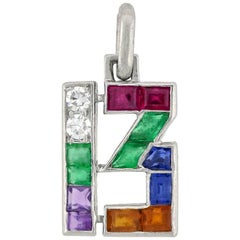
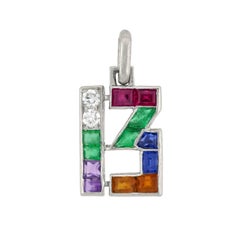
Cartier Art Deco Platinum Multi Gemstone Lucky 13 Charm/Pendant
By Cartier
Located in Narberth, PA
A wonderful multi-gemstone lucky number charm pendant from the Art Deco (ca1920s) era! By Cartier
Diamond, Multi-gemstone, Platinum
Sold
H 0.7 in W 0.95 in L 1 in
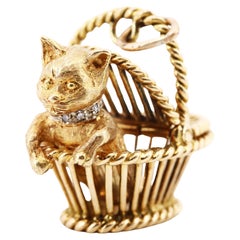
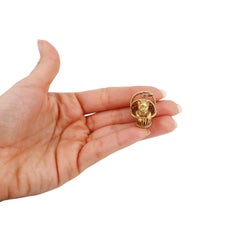
CARTIER Deco 18kt Yellow Gold Kitten in Basket Pendant Charm with Diamonds
By Cartier
Located in Aventura, FL
: 1930-40s Style: Art Deco Creator: Cartier Metal: 18Kt Yellow Gold Natural Stone: Diamond Measurements
Diamond, White Diamond, Gold, 18k Gold, White Gold, Yellow Gold
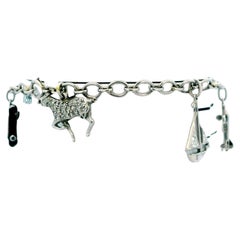

Cartier Diamond Charm 1937 in platinum Bracelet
By Cartier
Located in Great Neck Plaza, NY
Cartier Diamond Charm 1937 in platinum Bracelet, showcasing six charms: the number 21, a camera, a
Platinum
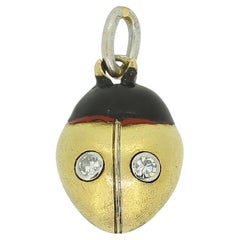
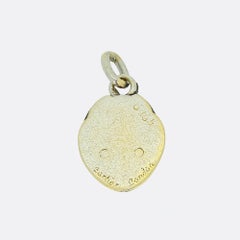
Cartier Enamel and Diamond Ladybird Charm Pendant
By Cartier
Located in London, GB
Here we have a marvellous original Art Deco charm come pendant from the world renowned luxury
Diamond, Gold, 18k Gold, Yellow Gold, Enamel
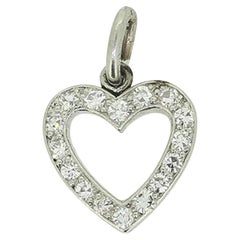
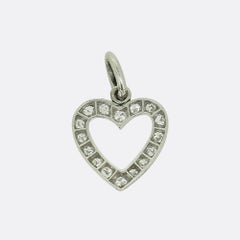
Cartier Art Deco Diamond Heart Charm Pendant
Located in London, GB
Here we have a fabulous original Art Deco charm come pendant from the world renowned luxury
Diamond, Platinum
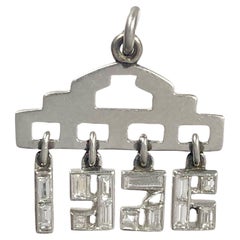

Cartier London Art Deco Platinum and Diamond Charm
By Cartier
Located in Chicago, IL
Circa 1936 Cartier London Art Deco Platinum and Diamond "1936" on a Hanger Charm, measuring 5/8 x 5
Diamond, Platinum
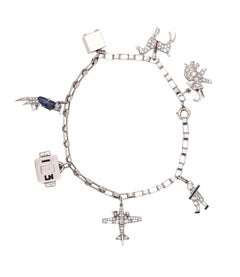
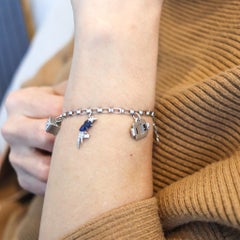
CARTIER Paris 1930 Art Deco Charms Bracelet Platinum & 3.06 Ctw In Diamonds
By Cartier
Located in Miami, FL
An art deco seven-charms bracelet designed by Cartier. This is a gorgeous art deco seven-charms
Diamond, Ruby, Sapphire, White Diamond, Blue Sapphire, Platinum
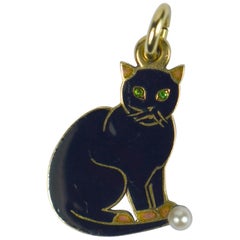

Cartier Lucky Black Cat Charm Pendant
By Cartier
Located in London, GB
An 18ct gold and enamel charm by Cartier New York designed as a lucky black cat with a natural
Emerald, Pearl, Natural Pearl, 18k Gold, Yellow Gold
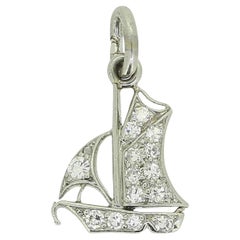

Cartier Art Deco Diamond Sail Boat Charm Pendant
By Cartier
Located in London, GB
Here we have a marvellous original Art Deco charm come pendant from the world renowned luxury
Diamond, Platinum
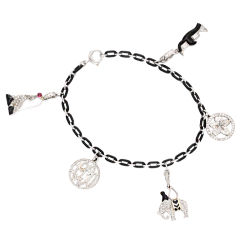
CARTIER Art Deco Enamel, Diamond Platinum Charm Bracelet
By Cartier
Located in New York, NY
Cartier, an enamel, diamond and platinum charm bracelet, suspending charms, each signed Cartier
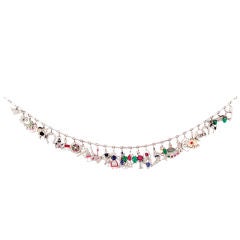
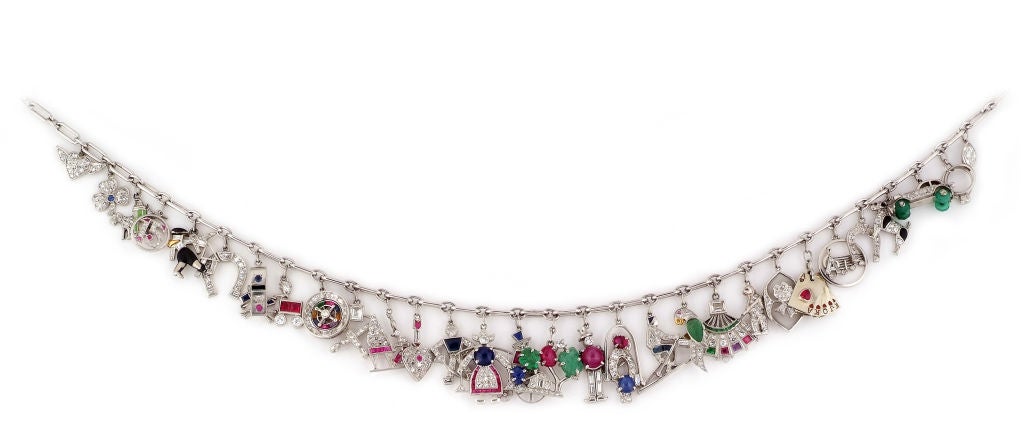
Diamond Gem-set Charm Necklace
By Cartier
Located in London, GB
charms including two others signed Cartier, circa 1920
Multi-gemstone, Platinum
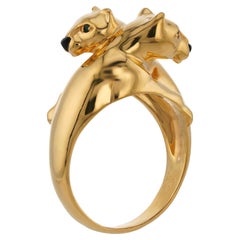
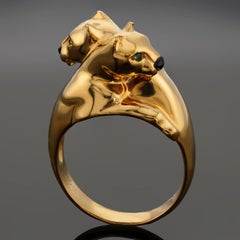
CARTIER Panthere de Double Head Emerald Yellow Gold Ring. Sz 7.25 - EU 55.
By Cartier
Located in New York, NY
This gorgeous authentic Cartier ring from the iconic Panthere de Cartier collection is crafted in 18k yellow gold and features an intertwined double panther head design accented with...
Emerald, Yellow Gold
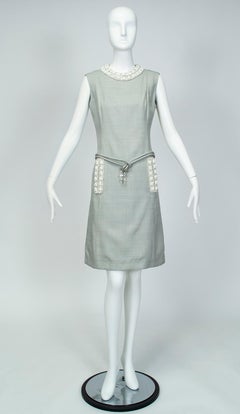
$500
Size: vintage 12; comparable to size M
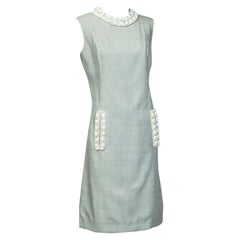
Dove Gray A-Line Shift Dress with Bead-Crusted Neckline and Pockets - M, 1960s
Located in Tucson, AZ
Perfect for brunch, weddings and cocktail parties, this heavyweight linen dress combines crisp geometry with masterful but discrete beading. Its Mod fingertip pockets and gentle A-li...
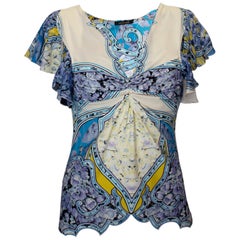
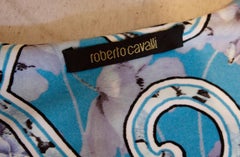
Roberto Cavalli Summer Top
By Roberto Cavalli
Located in London, GB
A pretty Summer top by Roberto Cavalli. The top has a v neckline, frill sleaves , adn is a blue and yellow print with gathering at the bust.
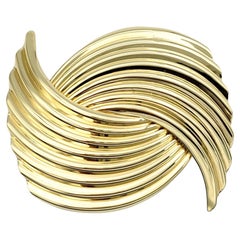
$1,406
W 1.25 in L 1.13 in
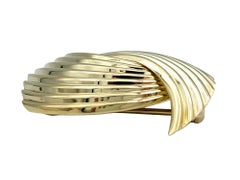
Vintage Cartier Bypass Design Ridged Brooch Set in Polished 14 Karat Yellow Gold
By Cartier
Located in Scottsdale, AZ
This vintage Cartier brooch features a unique bypass style design, crafted from luxurious 14 karat yellow gold. The ridged texture adds depth and dimension to the piece, giving it a ...
Gold, 14k Gold, Yellow Gold
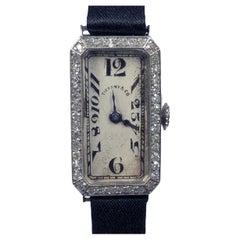
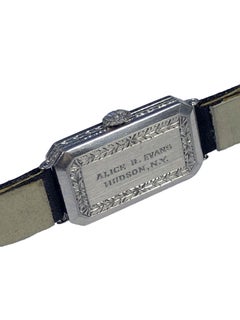
Patek Philippe for Tiffany & Company Ladies Platinum and Diamond Wrist Watch
By Patek Philippe
Located in Chicago, IL
Circa 1920s Patek Philippe for Tiffany & Company Ladies Wrist Watch, 26 X 9 M.M. 2 Piece Platinum Case set with European cut Diamonds totaling 1 Carat, the case sides and back are fu...
Diamond, Platinum

$10,920
H 3.25 in W 4.5 in D 4 in
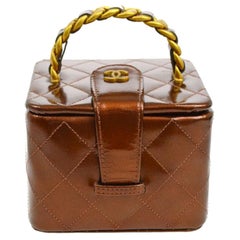
Chanel Vanity Case Micro Mini 90s Vintage Iridescent Bronze Rare Patent Clutch
By Chanel
Located in Miami, FL
Chanel Micro Mini 90s Vintage Patent Metallic Bronze Iridescent Vanity Case Rare 1994 [VINTAGE 30 Years} Diamond stitch iridescent patent leather Classic interwoven top handle Magne...
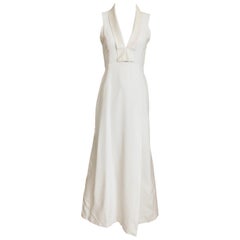
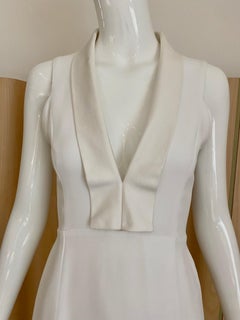
90s Gianfranco Ferre White Silk V Neck Sleeveless Gown
By Gianfranco Ferré
Located in Beverly Hills, CA
90s Gianfranco Ferre White Silk sleeveless gown with v neck satin lapel. Size: 40italy, fit size 6 US Perfect for wedding or rehearsal dinner. Measurement flat: Bust : 36”/ empire wa...
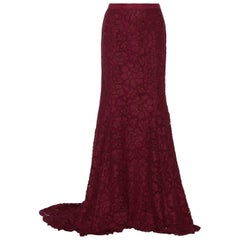
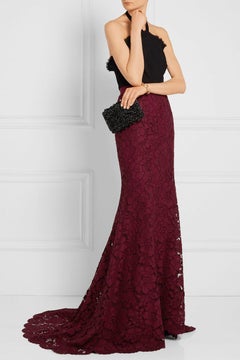
New $3190 Oscar De La Renta Bordeaux Long Floral Lace Fishtail Skirt US 8
By Oscar De La Renta
Located in Montgomery, TX
Oscar de la Renta floor-length floral lace fishtail skirt. Designer size - 8 Banded natural waist, Long, slightly flared silhouette. Scalloped hem falls to the floor, Back train, Hid...
$775
Size: Small / Medium
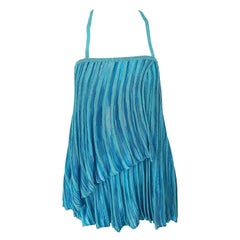
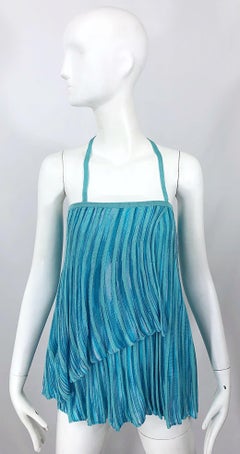
Vintage Missoni 1990s Turquoise Teal Blue Knit Vintage 90s Halter Top OR Skirt
By Missoni
Located in San Diego, CA
Chic vintage 1990s MISSONI turquoise, teal, and blue signature rayon knit halter top OR skirt! Features bold vibrant shades of blue that are perfect on any skin tone. Simple slips ov...
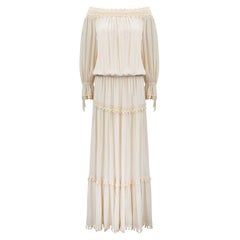
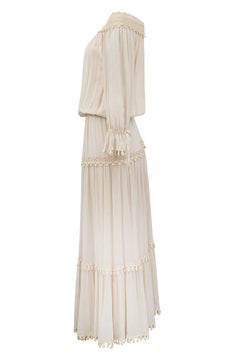
1977 Yves Saint Laurent Haute Couture Ivory Silk Crepe Dress
By Yves Saint Laurent
Located in London, GB
We are attributing this enchanting 1970s silk crepe couture dress to the master couturier Yves Saint Laurent as part of his Les Espagnoles et les Romantiques collection for Spring 19...
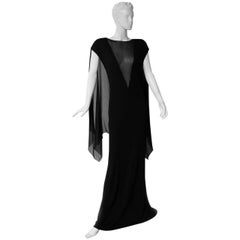
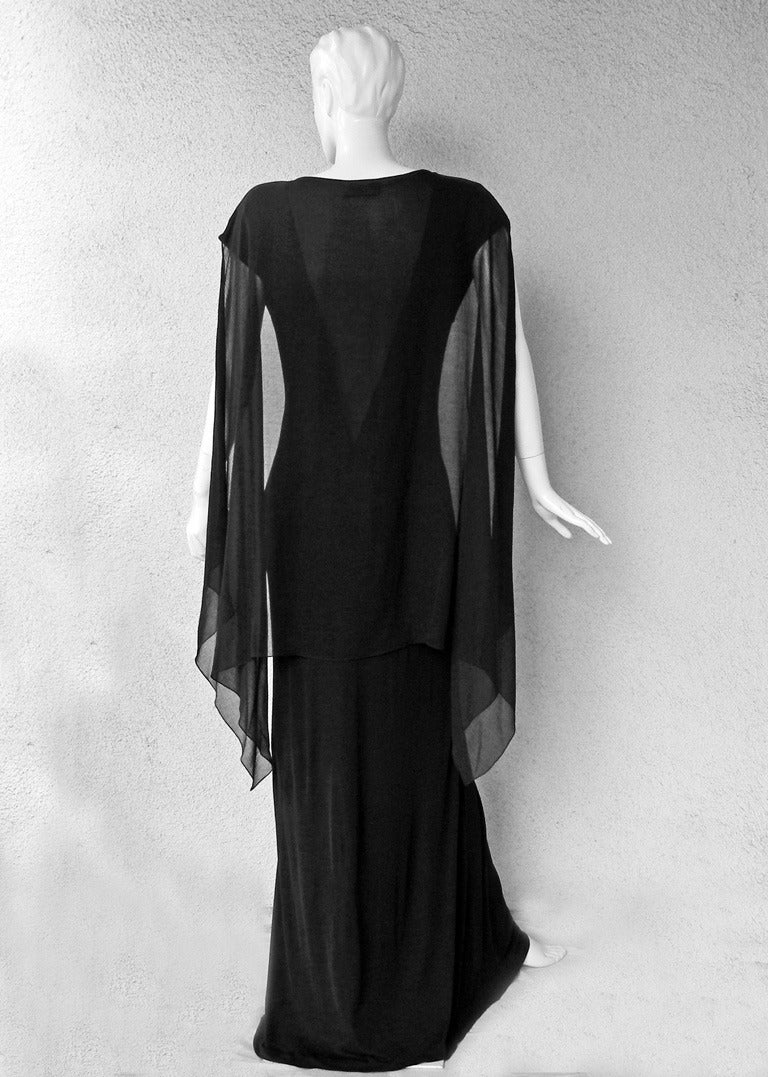
Jean Paul Gaultier Dramatic Goth Dress Gown with Flowing Cape New
By Jean Paul Gaultier
Located in Los Angeles, CA
Dramatic goth black sleeveless gown with attached cape by Jean Paul Gaultier. Fashioned of a weighty silk rayon with deep plunging sheer neckline and flowing sheer cape. Offers con...
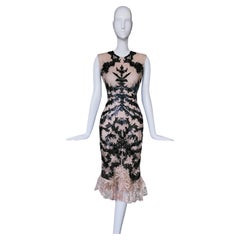
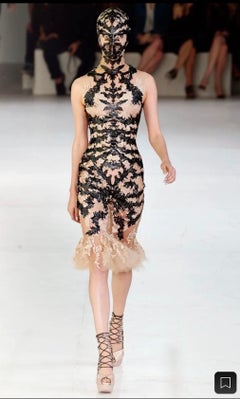
Iconic Archival Alexander McQueen SS 2012 Laser Cut Silk Lace Dress
By Alexander McQueen
Located in Berlin, BE
Absolutely iconic Alexander McQueen SS 2012 Laser Cut Spine Lace Dress. Exuding an enigmatic allure that's both cutting-edge and timeless, the Laser Cut Black Leather Lace Dress fro...

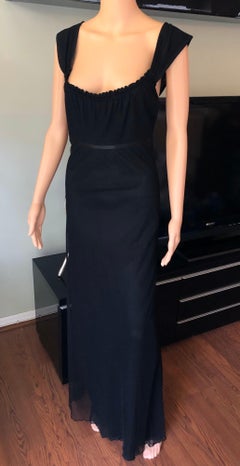
Tom Ford for Gucci F/W 2001 Plunging Draped Mesh Black Evening Dress Gown
By Tom Ford for Gucci
Located in Naples, FL
Tom Ford for Gucci F/W 2001 Plunging Draped Mesh Black Gown Dress IT 42
$1,499Sale Price|50% Off
Size: 36
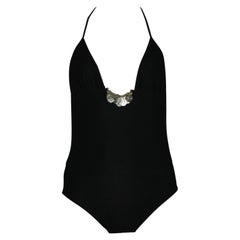
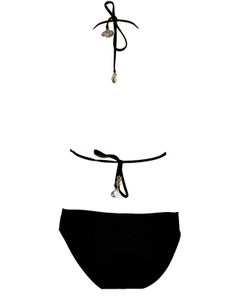
UNWORN Chanel Black Neckholder Swimsuit with Coco No 5 Logo Coin Details 36
By Karl Lagerfeld for Chanel, Chanel
Located in Switzerland, CH
Classic CHANEL signature one-piece bodysuit Can also be worn as swimsuit Beautiful cut with open back Looks like bikini from back Coin details on straps and in front...
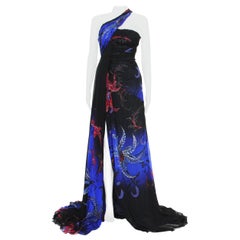
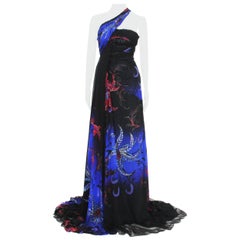
New Roberto Cavalli $6520 Silk Corset Gold Leafing One Shoulder Dress Gown 38
By Roberto Cavalli
Located in Montgomery, TX
New Roberto Cavalli Silk Gold Leafing One Shoulder Dress Gown Designer size - 38 ( please check measurements) 100% Silk, Gold Leafing Accent, One Shoulder Style, Side High Slit, Ruc...
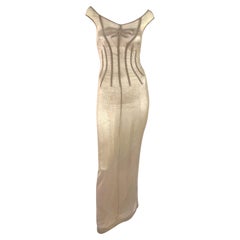
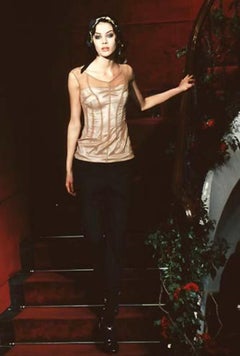
S/S 1998 Dolce & Gabbana 'Stromboli' Taupe Mesh Silver Bodycon Boned Gown
By Dolce & Gabbana
Located in West Hollywood, CA
From the Spring/Summer 1998 collection, this dress features a silver satin base and a sheer taupe mesh exterior. The strapless silver inner layer is visible through the mesh, giving ...
For its extraordinary range of bracelets, watches, rings and other adornments, French luxury house Cartier is undeniably one of the most well known and internationally revered jewelers in the world among clients both existing and aspirational.
Perhaps 1847 was not the ideal time to open a new watchmaking and jewelry business, as the French Revolution was not kind to the aristocracy who could afford such luxuries. Nevertheless, it was the year Louis-François Cartier (1819–1904) — who was born into poverty — founded his eponymous empire, assuming control of the workshop of watchmaker Adolphe Picard, under whom he had previously been employed as an assistant. Of course, in the beginning, it was a relatively modest affair, but by the late 1850s, Cartier had its first royal client, Princess Mathilde Bonaparte, niece of Napoleon Bonaparte, who commissioned the jeweler to design brooches, earrings and other accessories.
Under the leadership of Louis-François’s son, Alfred, who took over in 1874, business boomed. Royalty around the world wore Cartier pieces, including Tsar Nicholas II of Russia, the Maharaja of Patiala and King Edward VII, who had 27 tiaras made by the jewelry house for his coronation in 1902 and issued Cartier a royal warrant in 1904. (Today, the British royal family still dons Cartier pieces; Kate Middleton, Duchess of Cambridge, regularly sports a Ballon Bleu de Cartier watch.)
Cartier’s golden years, however, began when Alfred introduced his three sons, Louis, Pierre and Jacques, to the business. The brothers expanded Cartier globally: Louis reigned in Paris, Pierre in New York and Jacques in London, ensuring their brand’s consistency at their branches across the world. The trio also brought in such talents as Charles Jacqueau and Jeanne Toussaint.
One of Cartier’s earliest major successes was the Santos de Cartier watch — one of the world's first modern wristwatches for men. (Previously, a large number of people were using only pocket watches.) Louis designed the timepiece in 1904 for his friend, popular Brazilian aviator Alberto Santos-Dumont, who wanted to be able to check the time more easily while flying.
Cartier’s other famous timepieces include the Tank watch, which was inspired by the linear form of military tanks during World War I, and the so-called mystery clocks. Invented by watchmaker and magician Jean-Eugène Robert-Houdin and later crafted exclusively for Cartier in the house’s workshop by watchmaker Maurice Couët, the mystery clocks were so named because the integration of glass dials on which the clocks’ hands would seemingly float as well as structures that are hidden away within the base give the illusion that they operate without machinery.
On the jewelry side of the business, Cartier’s internationally renowned offerings include the Tutti Frutti collection, which featured colorful carved gemstones inspired by Jacques’s trip to India and grew in popularity during the Art Deco years; the panthère motif, which has been incorporated into everything from brooches to rings; and the Love bracelet, a minimal, modernist locking bangle inspired by medieval chastity belts that transformed fine jewelry.
While the Cartier family sold the business following the death of Pierre in 1964, the brand continues to innovate today, renewing old hits and creating new masterpieces.
Find contemporary and vintage Cartier watches, engagement rings, necklaces and other accessories on 1stDibs.
Fascination with the Jazz Age is endless, and even today jewelry designers continue to be inspired by authentic Art Deco jewelry and watches.
The Art Deco period, encompassing the 1920s and ’30s, ushered in a very distinct look in the design of jewelry. There were many influences on the jewelry of the era that actually began to take shape prior to the 1920s. In 1909, Serge Diaghilev brought the Ballet Russes to Paris, and women went wild for the company’s exotic and vibrant costumes It’s no wonder, then, that jade, lapis lazuli, coral, turquoise and other bright gemstones became all the rage. There already existed a fascination with the East, particularly China and Japan, and motifs consisting of fans and masks started to show up in Art Deco jewelry.
However, the event that had the greatest influence on Deco was the excavation of the tomb of King Tut in 1922. When the world saw what was hidden in Tut’s burial chamber, it sent just about everyone into a frenzy. Pierre Cartier wrote in 1923 that “the discovery of the tomb will bring some sweeping changes in fashion jewelry.” And he couldn’t have been more right. “Egyptomania” left an indelible mark on all of the major jewelry houses, from Cartier to Van Cleef & Arpels, Boucheron and Georges Fouquet. (Cartier created some of the most iconic jewelry designs that defined this era.)
While a lot of Art Deco jewelry was black and white — the black coming from the use of onyx or black enamel and the white from rock crystal and diamonds — there is plenty of color in jewelry of the era. A perfect accent to diamonds in platinum settings were blue sapphires, emeralds and rubies, and these stones were also used in combination with each other.
Many designers employed coral, jade and lapis lazuli, too. In fact, some of the most important avant-garde jewelers of the period, like Jean Després and Jean Fouquet (son of Georges), would combine white gold with ebony and malachite for a jolt of color.
A lot of the jewelry produced during this time nodded to current fashion trends, and women often accessorized their accessories. The cloche hat was often accented with geometric diamond brooches or double-clip brooches. Backless evening dresses looked fabulous with sautoir necklaces, and long pearl necklaces that ended with tassels, popular during the Edwardian period, were favored by women everywhere, including Coco Chanel.
Find unique Art Deco necklaces, earrings, bracelets and other jewelry on 1stDibs.