Must De Cartier Art Deco
Late 20th Century French Art Deco Trunks and Luggage
Leather
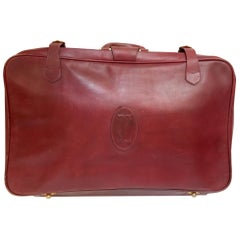

Late 20th Century French Art Deco Games
Leather, Paper
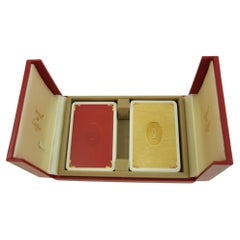
Vintage 1980s French Art Deco Desk Sets
Gold, Silver Plate

Late 20th Century French Art Deco Desk Sets
Gold, Silver Plate
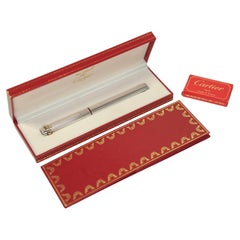
1990s Swiss Art Deco Wrist Watches
Gold, Yellow Gold, Sterling Silver
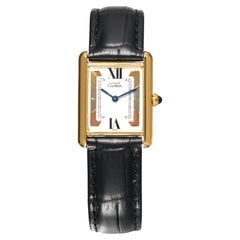
20th Century Art Deco Wrist Watches
Sapphire, Vermeil
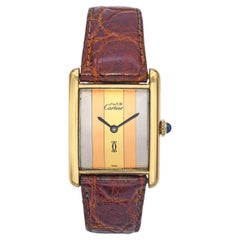
Late 20th Century French Art Deco Bottles
Glass
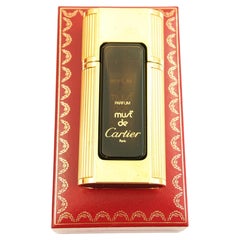
Late 20th Century French Decorative Objects
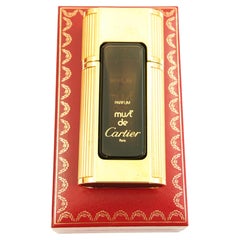
Late 20th Century French Art Deco Tobacco Accessories
Metal, Enamel
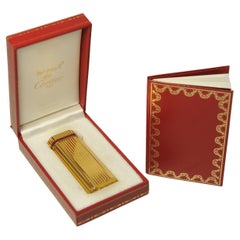
Late 20th Century French Art Deco Desk Sets
Gold Plate
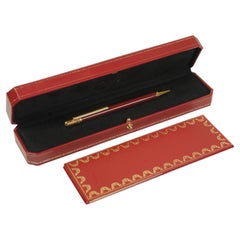
Late 20th Century French Art Deco Desk Sets
Gold Plate
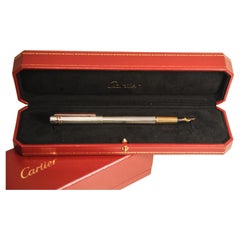
Late 20th Century French Art Deco Desk Sets
Silver Plate
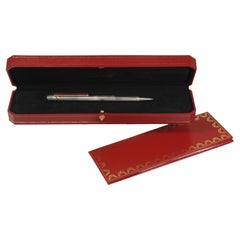
Early 2000s Swiss Art Deco Wrist Watches
Stainless Steel
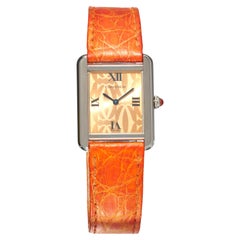
Late 20th Century French Art Deco Tobacco Accessories
Metal, Gold Plate, Enamel
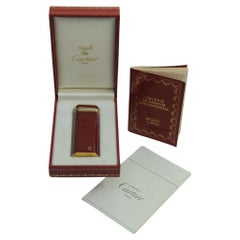
Late 20th Century French Art Deco Desk Sets
Gold Plate, Silver Plate
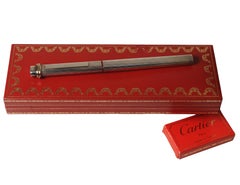
Late 20th Century French Art Deco Pillows and Throws
Linen, Silk
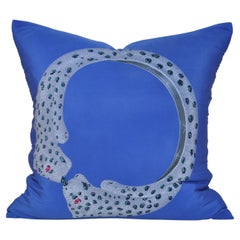
Late 20th Century French Art Deco Pillows and Throws
Linen, Silk
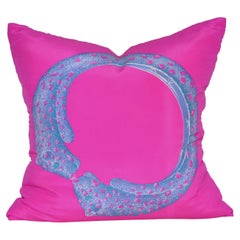
Late 20th Century French Art Deco Pillows and Throws
Linen, Silk
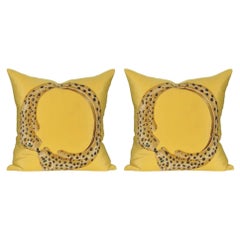
21st Century and Contemporary French Art Deco Desk Sets
Gold Plate, Steel
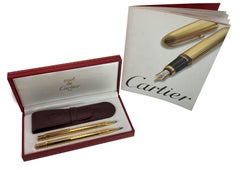
Late 20th Century French Art Deco Pillows and Throws
Linen, Silk
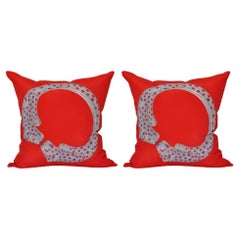
Late 20th Century French Art Deco Pillows and Throws
Linen, Silk
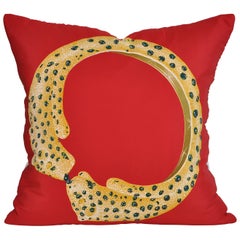
Late 20th Century French Art Deco Pillows and Throws
Linen, Silk
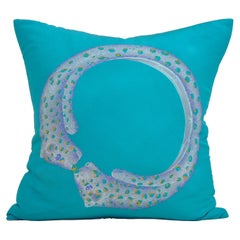
Late 20th Century French Baroque Pillows and Throws
Linen, Silk
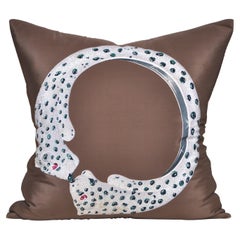
Vintage 1920s French Wrist Watches
18k Gold
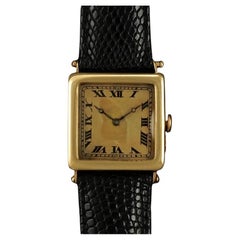
Recent Sales
21st Century and Contemporary Clocks
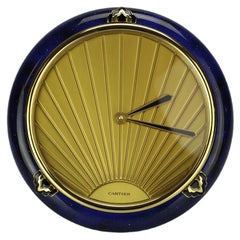
21st Century and Contemporary Art Deco Wrist Watches
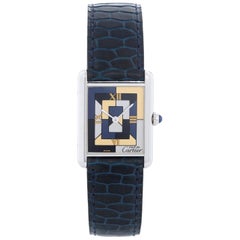
Vintage 1980s Swiss Art Deco Vanity Items
18k Gold, Gold Plate
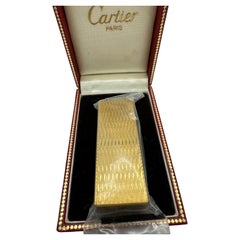
20th Century French Art Deco Vanity Items
Gold Plate, Gold
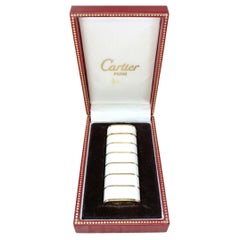
Vintage 1970s Swiss Art Deco Tobacco Accessories
Gold
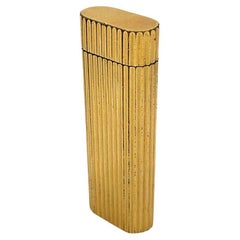
Vintage 1980s French Art Deco Tableware
Silver
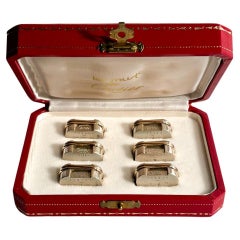
Late 20th Century French Art Deco Books
Paper
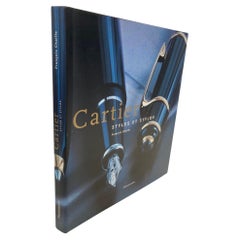
Late 20th Century French Art Deco Desk Sets
Gold
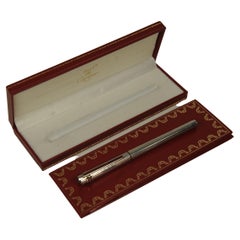
Late 20th Century French Art Deco Collectible Jewelry
Leather
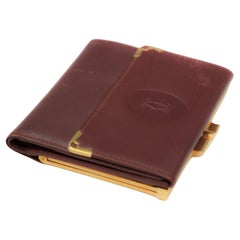
1990s Art Deco Wrist Watches
Steel, 18k Gold, Gold Plate, Silver, Sterling Silver

20th Century French Art Deco Collectible Jewelry
Lapis Lazuli, Gold

Vintage 1980s Swiss Art Deco Vanity Items
Gold Plate
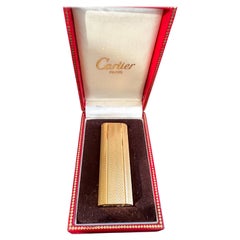
Vintage 1980s Swiss Art Deco Vanity Items
18k Gold, Gold Plate
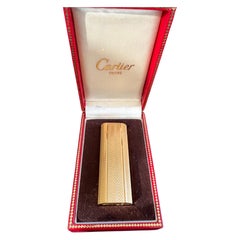
Late 20th Century Swiss Art Deco Carriage Clocks and Travel Clocks
Gold Plate
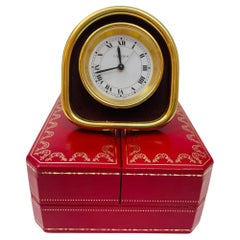
21st Century and Contemporary French Art Deco Vanity Items
Gold, Palladium
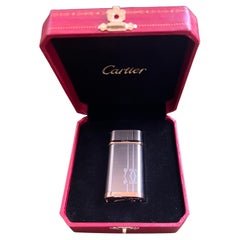
21st Century and Contemporary French Art Deco Vanity Items
Gold, Palladium
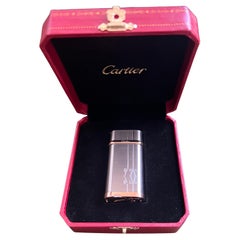
Vintage 1980s Swiss Art Deco Vanity Items
Gold Plate
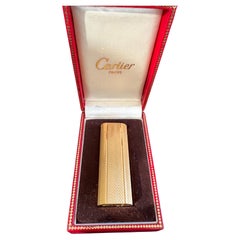
Vintage 1980s Swiss Art Deco Vanity Items
Gold Plate, 18k Gold
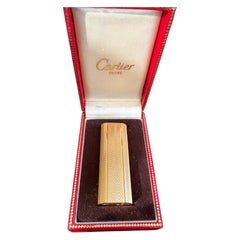
Late 20th Century French Art Deco Vanity Items
Platinum, Silver
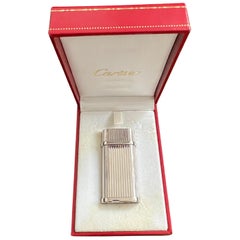
Vintage 1940s Swiss Art Deco Table Clocks and Desk Clocks
Steel
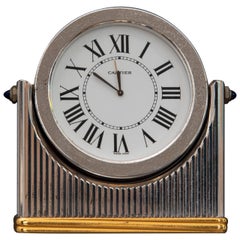
21st Century and Contemporary French Art Deco Vanity Items
Silver
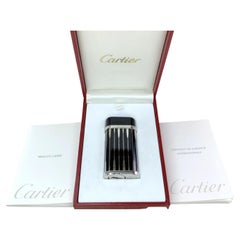
Vintage 1980s Swiss Art Deco Vanity Items
18k Gold, Gold Plate
Vintage 1980s Swiss Art Deco Vanity Items
18k Gold, Gold Plate
Vintage 1980s Swiss Art Deco Vanity Items
18k Gold, Gold Plate
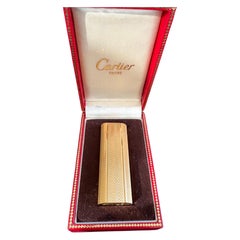
Vintage 1980s Swiss Art Deco Vanity Items
18k Gold, Gold Plate
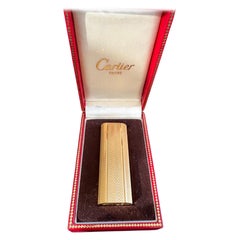
Vintage 1980s Swiss Art Deco Vanity Items
Gold Plate
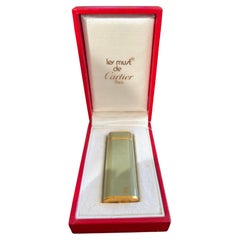
Late 20th Century French Art Deco Collectible Jewelry
Leather
Vintage 1980s French Art Deco Barware
Gold Plate
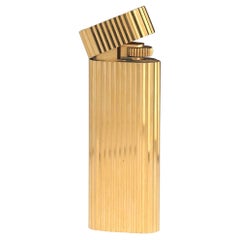
1990s Swiss Art Deco Wrist Watches
Gold Plate, Silver
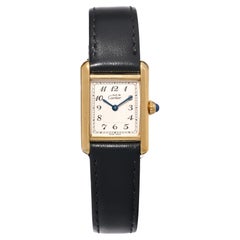
Late 20th Century French Art Deco Table Clocks and Desk Clocks
Gold Plate, Silver
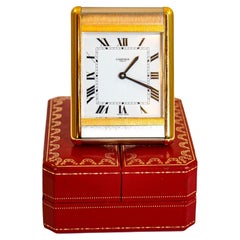
Late 20th Century French Art Deco Games
Paper
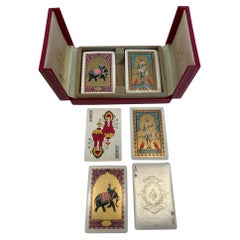
Vintage 1980s French Art Deco Barware
Gold Plate

Late 20th Century French Art Deco Table Clocks and Desk Clocks
Metal
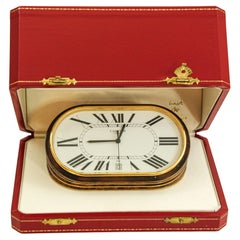
Early 2000s Swiss Art Deco Wrist Watches
Sterling Silver
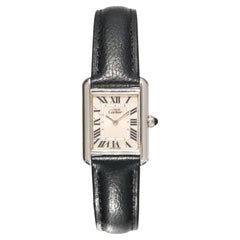
20th Century Art Deco Wrist Watches
Blue Sapphire, 18k Gold, Sterling Silver
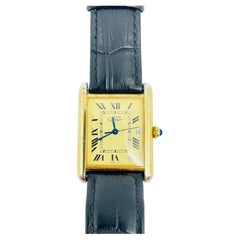
Vintage 1980s French Art Deco Desk Sets
Silver Plate
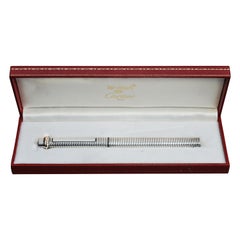
Vintage 1980s Swiss Art Deco Wrist Watches
Gold, Yellow Gold, Sterling Silver
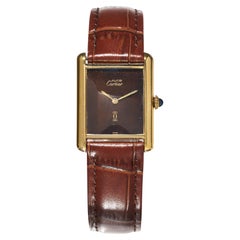
Late 20th Century French Art Deco Tobacco Accessories
Metal, Enamel, Gold Plate
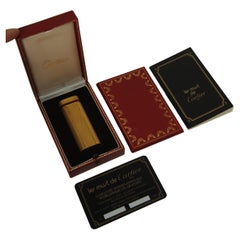
Vintage 1970s French Art Deco Wrist Watches
18k Gold
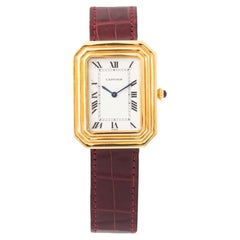
Late 20th Century French Art Deco Desk Sets
Gold Plate, Gold
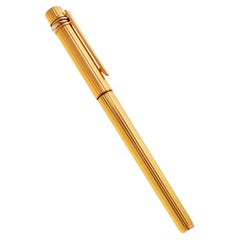
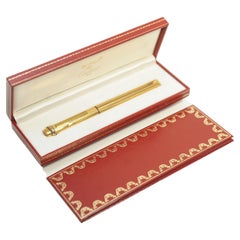
Late 20th Century French Art Deco Desk Sets
Gold Plate
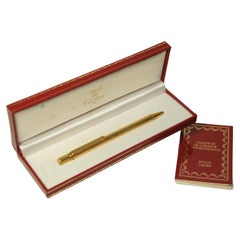
Late 20th Century French Art Deco Desk Sets
Gold Plate
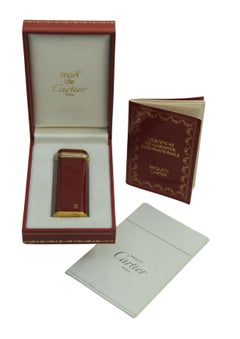
Late 20th Century French Art Deco Tobacco Accessories
Metal, Enamel, Gold Plate
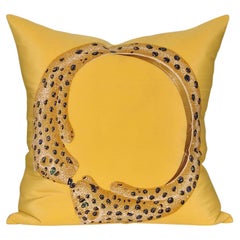
Late 20th Century French Art Deco Pillows and Throws
Linen, Silk
Late 20th Century French Art Deco Pillows and Throws
Linen, Silk
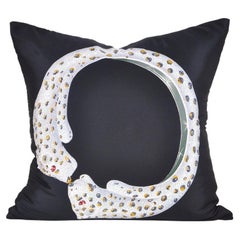
Late 20th Century French Art Deco Pillows and Throws
Linen, Silk
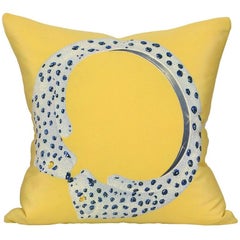
Late 20th Century French Art Deco Pillows and Throws
Linen, Silk
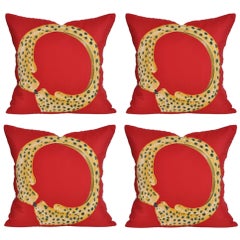
Late 20th Century French Pillows and Throws
Linen, Silk
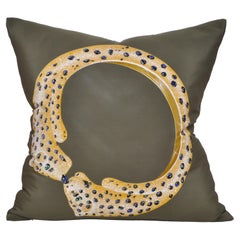
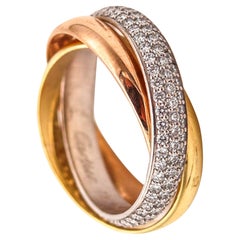
Early 20th Century French Modernist Band Rings
White Diamond, Diamond, Yellow Gold, White Gold, Rose Gold, 18k Gold, Gold
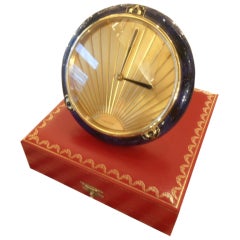
Late 20th Century French Art Deco Clocks
Enamel
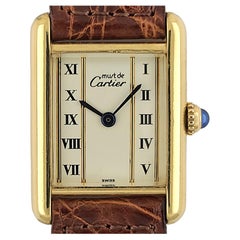
1990s Swiss Art Deco Wrist Watches
Citrine, Gold Plate, Vermeil, Sterling Silver
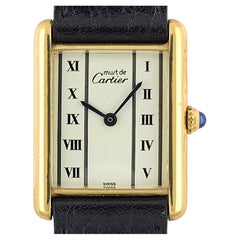
1990s Swiss Art Deco Wrist Watches
Citrine, Gold Plate, Vermeil, Sterling Silver
1990s Modern Wrist Watches
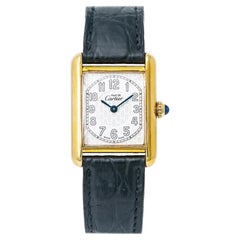
Early 2000s Swiss Art Deco Wrist Watches
Citrine, Vermeil, Silver
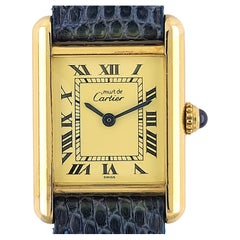
Vintage 1980s Swiss Art Deco Wrist Watches
Citrine, Gold Plate, Vermeil, Silver, Sterling Silver
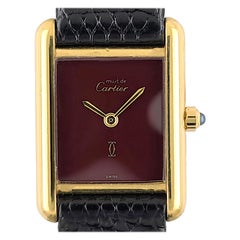
1990s Swiss Art Deco Wrist Watches
Citrine, Gold Plate, Vermeil, Silver, Sterling Silver
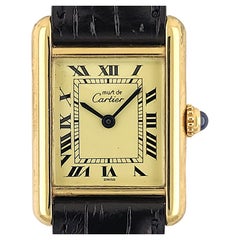
Vintage 1970s Swiss Art Deco Wrist Watches
Citrine, Gold Plate, Vermeil, Sterling Silver
People Also Browsed
2010s Chinese Books
Paper

2010s American Flush Mount
Brass
Late 20th Century French Anglo-Indian Desk Sets
Paper
Antique 1880s English Victorian Centerpieces
Porcelain
21st Century and Contemporary Italian Animal Sculptures
Crystal, Gold Plate, Brass
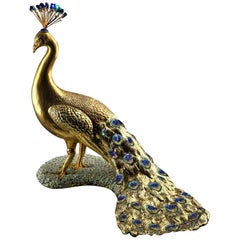
21st Century and Contemporary French Art Deco Table Lamps
Brass
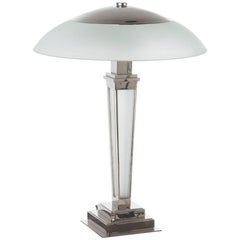
Vintage 1920s French Art Deco Figurative Sculptures
Bronze
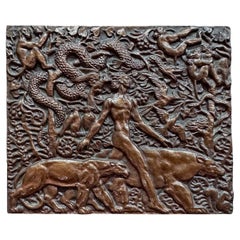
20th Century French Art Deco Table Clocks and Desk Clocks
Silver, Brass
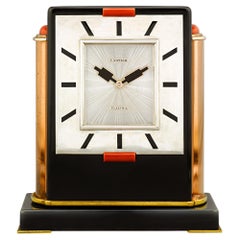
20th Century American Books
Paper

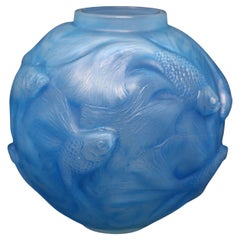
Vintage 1920s Vases
Glass
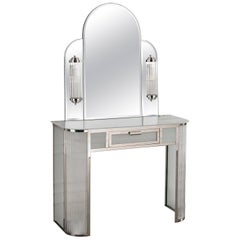
21st Century and Contemporary French Art Deco Wall Lights and Sconces
Brass
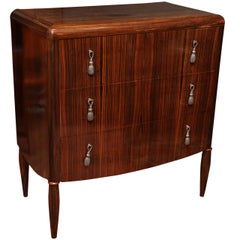
Vintage 1930s French Art Deco Commodes and Chests of Drawers
Macassar
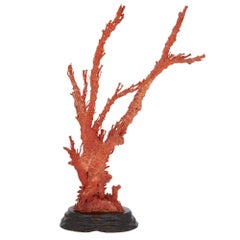
Early 20th Century Chinese Sculptures and Carvings
Coral
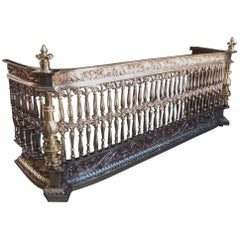
Antique 1820s English George III Andirons
Bronze
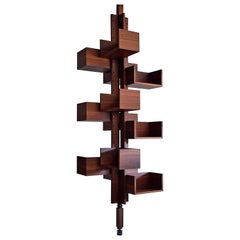
Vintage 1980s Italian Mid-Century Modern Bookcases
Brass
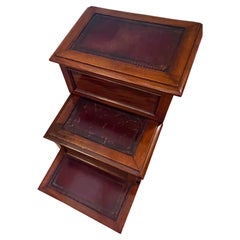
Antique 19th Century English Ladders
Mahogany
Must De Cartier Art Deco For Sale on 1stDibs
How Much is a Must De Cartier Art Deco?
Cartier for sale on 1stDibs
For its extraordinary range of bracelets, watches, rings and other adornments, French luxury house Cartier is undeniably one of the most well known and internationally revered jewelers in the world among clients both existing and aspirational.
Perhaps 1847 was not the ideal time to open a new watchmaking and jewelry business, as the French Revolution was not kind to the aristocracy who could afford such luxuries. Nevertheless, it was the year Louis-François Cartier (1819–1904) — who was born into poverty — founded his eponymous empire, assuming control of the workshop of watchmaker Adolphe Picard, under whom he had previously been employed as an assistant. Of course, in the beginning, it was a relatively modest affair, but by the late 1850s, Cartier had its first royal client, Princess Mathilde Bonaparte, niece of Napoleon Bonaparte, who commissioned the jeweler to design brooches, earrings and other accessories.
Under the leadership of Louis-François’s son, Alfred, who took over in 1874, business boomed. Royalty around the world wore Cartier pieces, including Tsar Nicholas II of Russia, the Maharaja of Patiala and King Edward VII, who had 27 tiaras made by the jewelry house for his coronation in 1902 and issued Cartier a royal warrant in 1904. (Today, the British royal family still dons Cartier pieces; Kate Middleton, Duchess of Cambridge, regularly sports a Ballon Bleu de Cartier watch.)
Cartier’s golden years, however, began when Alfred introduced his three sons, Louis, Pierre and Jacques, to the business. The brothers expanded Cartier globally: Louis reigned in Paris, Pierre in New York and Jacques in London, ensuring their brand’s consistency at their branches across the world. The trio also brought in such talents as Charles Jacqueau and Jeanne Toussaint.
One of Cartier’s earliest major successes was the Santos de Cartier watch — one of the world's first modern wristwatches for men. (Previously, a large number of people were using only pocket watches.) Louis designed the timepiece in 1904 for his friend, popular Brazilian aviator Alberto Santos-Dumont, who wanted to be able to check the time more easily while flying.
Cartier’s other famous timepieces include the Tank watch, which was inspired by the linear form of military tanks during World War I, and the so-called mystery clocks. Invented by watchmaker and magician Jean-Eugène Robert-Houdin and later crafted exclusively for Cartier in the house’s workshop by watchmaker Maurice Couët, the mystery clocks were so named because the integration of glass dials on which the clocks’ hands would seemingly float as well as structures that are hidden away within the base give the illusion that they operate without machinery.
On the jewelry side of the business, Cartier’s internationally renowned offerings include the Tutti Frutti collection, which featured colorful carved gemstones inspired by Jacques’s trip to India and grew in popularity during the Art Deco years; the panthère motif, which has been incorporated into everything from brooches to rings; and the Love bracelet, a minimal, modernist locking bangle inspired by medieval chastity belts that transformed fine jewelry.
While the Cartier family sold the business following the death of Pierre in 1964, the brand continues to innovate today, renewing old hits and creating new masterpieces.
Find contemporary and vintage Cartier watches, engagement rings, necklaces and other accessories on 1stDibs.
A Close Look at Art-deco Jewelry
Fascination with the Jazz Age is endless, and even today jewelry designers continue to be inspired by authentic Art Deco jewelry and watches.
The Art Deco period, encompassing the 1920s and ’30s, ushered in a very distinct look in the design of jewelry. There were many influences on the jewelry of the era that actually began to take shape prior to the 1920s. In 1909, Serge Diaghilev brought the Ballet Russes to Paris, and women went wild for the company’s exotic and vibrant costumes It’s no wonder, then, that jade, lapis lazuli, coral, turquoise and other bright gemstones became all the rage. There already existed a fascination with the East, particularly China and Japan, and motifs consisting of fans and masks started to show up in Art Deco jewelry.
However, the event that had the greatest influence on Deco was the excavation of the tomb of King Tut in 1922. When the world saw what was hidden in Tut’s burial chamber, it sent just about everyone into a frenzy. Pierre Cartier wrote in 1923 that “the discovery of the tomb will bring some sweeping changes in fashion jewelry.” And he couldn’t have been more right. “Egyptomania” left an indelible mark on all of the major jewelry houses, from Cartier to Van Cleef & Arpels, Boucheron and Georges Fouquet. (Cartier created some of the most iconic jewelry designs that defined this era.)
While a lot of Art Deco jewelry was black and white — the black coming from the use of onyx or black enamel and the white from rock crystal and diamonds — there is plenty of color in jewelry of the era. A perfect accent to diamonds in platinum settings were blue sapphires, emeralds and rubies, and these stones were also used in combination with each other.
Many designers employed coral, jade and lapis lazuli, too. In fact, some of the most important avant-garde jewelers of the period, like Jean Després and Jean Fouquet (son of Georges), would combine white gold with ebony and malachite for a jolt of color.
A lot of the jewelry produced during this time nodded to current fashion trends, and women often accessorized their accessories. The cloche hat was often accented with geometric diamond brooches or double-clip brooches. Backless evening dresses looked fabulous with sautoir necklaces, and long pearl necklaces that ended with tassels, popular during the Edwardian period, were favored by women everywhere, including Coco Chanel.
Find unique Art Deco necklaces, earrings, bracelets and other jewelry on 1stDibs.
- Are Cartier watches automatic?1 Answer1stDibs ExpertMay 1, 2024Yes, some Cartier watches are automatic but the legendary French luxury house also creates collections that include watches with quartz movements. Cartier’s iconic Tank collection, which includes the Tank Française, the Tank Louis Cartier and other models, features both quartz and automatic options for all kinds of collectors. Each of the watches in the Panthère collection, however, carries a quartz movement.
While quartz watches are powered by a pre-installed battery and a high-frequency quartz crystal, automatic watches rely on a spring system and are self-winding. An automatic watch does not have a battery and is recharged on the wrist owing to the wearer’s movements during the day.
It was Louis Cartier, grandson of Cartier founder Louis-François Cartier, who was responsible for bringing watchmaking to the venerable maison when he presented Brazilian aviator Alberto Santos-Dumont with a wristwatch in 1904.
Although the pocket watch was the de rigueur men’s accessory of the day, Santos-Dumont found his own pocket watch hard to consult while keeping his plane aloft. Louis fashioned a timepiece with a flat, square case on a leather strap that could be referred to easily at a glance. Named in honor of Louis’s friend, the Santos was eventually produced for sale in 1911.
Find vintage Cartier watches for sale on 1stDibs. - 1stDibs ExpertFebruary 22, 2021A Cartier engagement ring can cost between $3,000 and $800,000. The price depends on the diamond's carat weight and quality.
- Is Cartier a luxury watch?1 Answer1stDibs ExpertApril 5, 2022Yes, Cartier watches are considered luxury watches. Cartier is a noted jeweler, taking that attention to detail and access to high-quality metals and jewels to their watches—they spare no expense and are highly desirable. On 1stDibs, find a collection of authentic Cartier watches from some of the world’s top sellers.
- Is Cartier cheaper in Paris?1 Answer1stDibs ExpertFebruary 22, 2021Cartier pieces may be cheaper in Paris than they are in the U.S., but that's because of the exchange rate. Cartier doesn't price the pieces depending on the country.
- How much is a Cartier worth?1 Answer1stDibs ExpertOctober 30, 2024How much a Cartier is worth varies. Many Cartier pieces do appreciate in value over time, but their potential selling prices depend on their age, style, type, availability and other factors. The condition also greatly impacts value, and there can be variability between very similar pieces. For example, one 1930 Tutti Frutti fetched $1.34 million at an auction in 2020, but a simpler one sold for $508,000 in 2023. Because it can be difficult to estimate the value of a piece on your own, experts recommend consulting a certified appraiser or experienced dealer. Shop a wide variety of Cartier jewelry and watches on 1stDibs.
- Why is Cartier so popular?1 Answer1stDibs ExpertFebruary 13, 2024There are a few reasons why Cartier is so popular. For one thing, the French luxury house is known for its very long history of unparalleled prestige and quality craftsmanship. Cartier has been producing extraordinary jewelry, watches and accessories since 1847. While jewelry lovers have long been enthusiastic about Cartier’s elegant and streamlined designs for bracelets, rings, necklaces and other pieces, the brand is also known for innovation. It pioneered the use of platinum in fine jewelry, and its artisans were so mindful of trends in fashion that the house became the official jewelry supplier to King Edward VII. Later, Cartier’s Art Deco-era pieces would help define the movement with which they are associated. One of the brand’s earliest major successes was the Santos de Cartier watch, one of the world's first modern wristwatches for men. Today’s influencers continue to help popularize the brand, increasing the demand for certain pieces like Cartier buffalo horn sunglasses and the Cartier Love bracelet, an icon of modernist jewelry. Find a wide range of Cartier watches, jewelry and eyewear on 1stDibs.
- What is Cartier famous for?1 Answer1stDibs ExpertMarch 22, 2022Cartier is famous for producing jewelry and watches out of rare and luxury-grade materials and creating innovative designs, often packed with symbolism. Some of the jeweler's most famous pieces include the modern Love and Trinity bracelets and its custom-made antique and vintage jewelry like the Crocodile and Patiala necklaces. Find a range of Cartier jewelry and watches on 1stDibs.
- What is the Cartier symbol?1 Answer1stDibs ExpertFebruary 22, 2021Today, the Cartier symbol, or logo, is the luxury house's name written in a clean serif font that mimics cursive handwriting. Typically, the logo is either black on white or white on a black background. Its refined and understated appearance references the high standards that have long been associated with this celebrated brand.
- Is Cartier real gold?1 Answer1stDibs ExpertFebruary 22, 2021As one of the top luxury jewelry houses in the world, Cartier uses some of the finest quality materials. The company uses 18k gold in their jewelry and real diamonds.
- Does Cartier rose gold fade?1 Answer1stDibs ExpertFebruary 22, 2021Cartier rose gold doesn't tarnish but over many years of wearing, rose gold generally is said to become darker. Rose gold allegedly becomes slightly yellower in tone, toward a traditional gold.
- How much is a Cartier bracelet?1 Answer1stDibs ExpertFebruary 22, 2021The price of Cartier bracelets varies based on age, condition, and rarity. The least expensive versions of the Cartier Love bracelet, for example, can still cost around $4,000. On 1stDibs, there is a variety of Cartier bracelets for sale.
- Is Cartier the same as Rolex?1 Answer1stDibs ExpertDecember 17, 2024No, Cartier is not the same as Rolex. Louis-François Cartier founded Cartier in Paris in 1847. Some of its most iconic watches include the Tank, the Santos, the Ballon Bleu, the Calibre de Cartier and the Drive de Cartier. Hans Wilsdorf established Rolex in London in 1905. Today, the maker is well-known for its sophisticated watches, including the Submariner, the Daytona, the DateJust, the Oyster Perpetual and the GMT-Master II. Find a selection of Cartier and Rolex watches on 1stDibs.