Schumacher is an esteemed American textile company known for its fine pillows, wallpaper and carpets. The family-owned business is still managed by its founder’s descendants. While committed to its history and traditions, the brand has evolved to maintain its vaulted status for more than 130 years.
Schumacher was established in 1889 in New York by Frederic Schumacher, who was born in France and moved to America that same year. By 1898, the Gilded Age elite were patrons of the company’s exquisite imported European fabrics. Schumacher became one of the first to produce luxury textiles in America and its fabrics began appearing in upscale properties like the Waldorf-Astoria hotel.
Schumacher grew in prestige in the early 20th century due to its partnerships with top designers such as Josef Frank and Dorothy Draper. Its textiles graced the White House and captured the attention of leading decorators, including Edith Wharton and Elsie de Wolfe.
In the 1920s, Schumacher was a favorite at Mar-a-Lago estates and Newport’s ritzy summer cottages. In the 1930s, French fashion designer Paul Poiret helped usher in the company’s Art Deco era. Schumacher textiles could be found on the sets of Hollywood films, most notably the Hydrangea Drape wallpaper in Gone with the Wind.
After World War II, Schumacher began a decades-long partnership with designer Vera Neumann, whose scarves were worn by the likes of Marilyn Monroe and Grace Kelly. In 1955, legendary architect Frank Lloyd Wright developed a textile line with Schumacher. Known as the Taliesin line, it was the first commercial venture of the architect’s career.
In 2011, Andrew and Stephen Puschel became the fifth generation of Schumacher’s descendants to join the family business. The company continues to exemplify a spirit of innovation by partnering with exciting modern designers like Miles Redd, Mary McDonald, David Kaihoi, Veere Grenney and David Oliver. Under the creative direction of Dara Caponigro, Schumacher has also partnered with the biannual luxury interiors magazine Cabana.
On 1stDibs, find Schumacher textiles, wall decorations, rugs and more.
Art Deco furniture is characterized by its celebration of modern life. More than its emphasis on natural wood grains and focus on traditional craftsmanship, vintage Art Deco dining chairs, tables, desks, cabinets and other furniture — which typically refers to pieces produced during the 1920s and 1930s — is an ode to the glamour of the “Roaring Twenties.”
ORIGINS OF ART DECO FURNITURE DESIGN
CHARACTERISTICS OF ART DECO FURNITURE DESIGN
- Bold geometric lines and forms, floral motifs
- Use of expensive materials such as shagreen or marble as well as exotic woods such as mahogany, ebony and zebra wood
- Metal accents, shimmering mirrored finishes
- Embellishments made from exotic animal hides, inlays of mother-of-pearl or ivory
ART DECO FURNITURE DESIGNERS TO KNOW
VINTAGE ART DECO FURNITURE ON 1STDIBS
Few design styles are as universally recognized and appreciated as Art Deco. The term alone conjures visions of the Roaring Twenties, Machine Age metropolises, vast ocean liners, sleek typography and Prohibition-era hedonism. The iconic movement made an indelible mark on all fields of design throughout the 1920s and ’30s, celebrating society’s growing industrialization with refined elegance and stunning craftsmanship.
Widely known designers associated with the Art Deco style include Émile-Jacques Ruhlmann, Eileen Gray, Maurice Dufrêne, Paul Follot and Jules Leleu.
The term Art Deco derives from the name of a large decorative arts exhibition held in Paris in 1925. “Art Deco design” is often used broadly, to describe the work of creators in associated or ancillary styles. This is particularly true of American Art Deco, which is also called Streamline Moderne or Machine Age design. (Streamline Moderne, sometimes known as Art Moderne, was a phenomenon largely of the 1930s, post–Art Nouveau.)
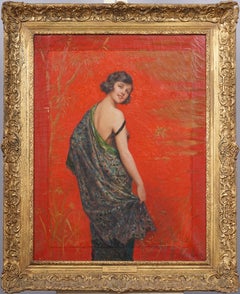
Art Deco textile designers employed dazzling floral motifs and vivid colors, and while Art Deco furniture makers respected the dark woods and modern metals with which they worked, they frequently incorporated decorative embellishments such as exotic animal hides as well as veneers in their seating, case pieces, living room sets and bedroom furniture.
From mother-of-pearl inlaid vitrines to chrome aviator chairs, bold and inventive works in the Art Deco style include chaise longues (also known as chaise lounges) and curved armchairs. Today, the style is still favored by interior designers looking to infuse a home with an air of luxury and sophistication.
The vintage Art Deco furniture for sale on 1stDibs includes dressers, coffee tables, decorative objects and more.
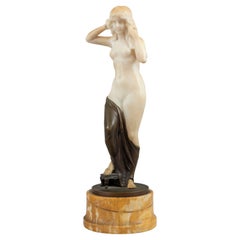
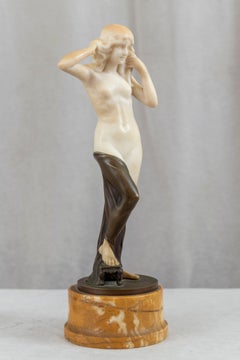
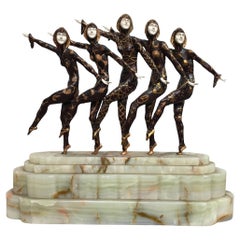
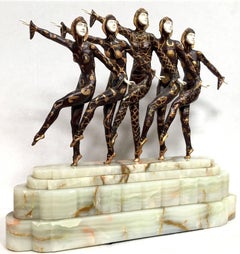
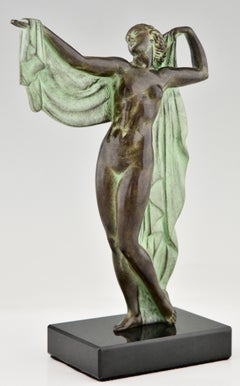
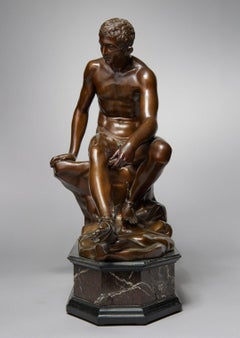
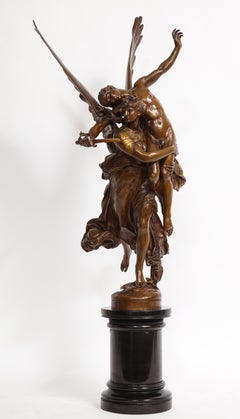
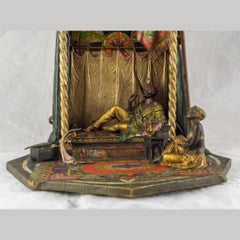
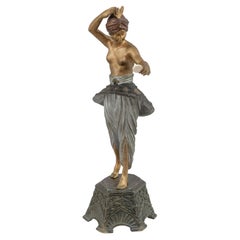
Figurative sculpture is a modern art form in which artists create work that is typically representative of the visible world. However, sculptures that are considered to be figurative in style can definitely be inclusive of abstract elements. A wide range of antique, new and vintage figurative sculptures has been made over the years by both well-known and emerging artists, and these pieces can prove striking and provocative as part of your home decor.
Realistic representation in visual art has a very long history. And while figurative artists, whether figurative painters or sculptors, find inspiration in humans, animals and real-life objects, good figurative sculptures can make us think differently about how the real world should look. Just as figurative paintings might include Photorealistic human likenesses, they can also include elements of Surrealism and can suggest a creative and alternative reality. Figurative sculptures aren’t always realistic impressions of our world — depictions of the human form in classical Greek sculpture, for example, might emphasize beauty and physical perfection.
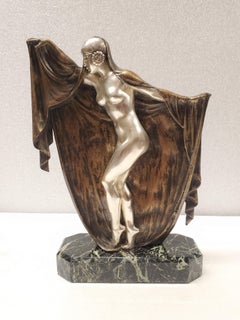
There are a variety of figurative sculptures on 1stDibs created by artists working in a number of styles, including Art Deco, Art Nouveau, mid-century modern and more. A large figurative sculpture can introduce an excellent focal point in a guest bedroom, while smaller works might draw the eye to spaces such as wall shelving or a bookcase that people may otherwise overlook.
When decorating your living room, dining room, home office and study areas with figurative sculptures, don’t be afraid to choose bold colors to inject brightness into neutral spaces. Texture is another factor to consider when purchasing figurative sculptures. A highly textural work of ceramics or wood will catch the eye in a sleek modern space, whereas a smooth, flat glass sculpture can offer an often much-needed contrast in a room that already has many textures.
On 1stDibs, find antique, new or vintage figurative sculpture or other kinds of sculpture for your home decor today.