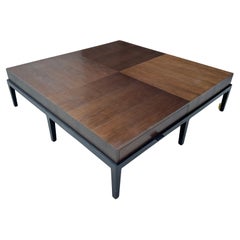
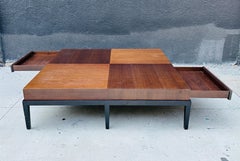
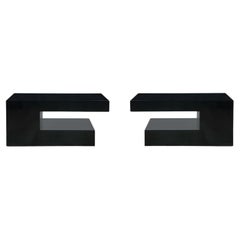
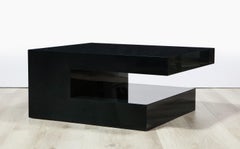
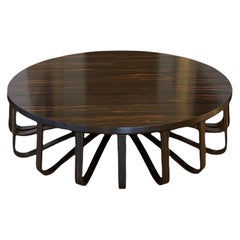
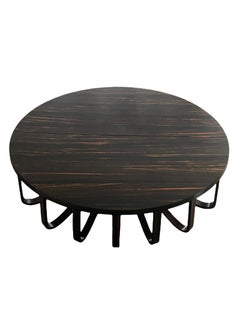
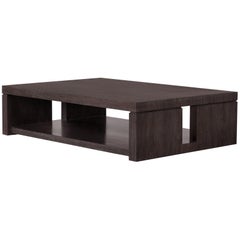
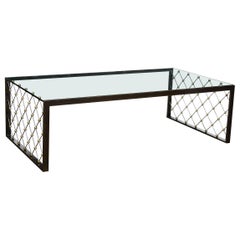
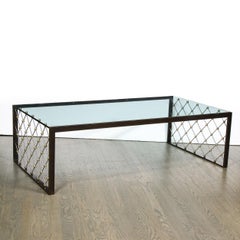
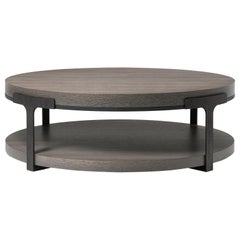
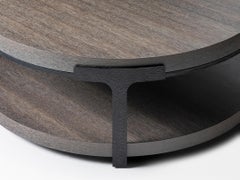
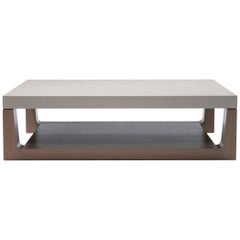
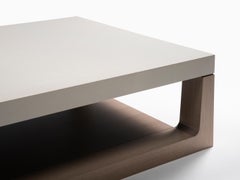
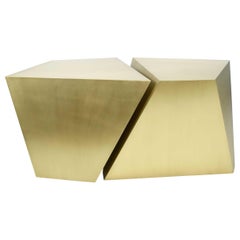
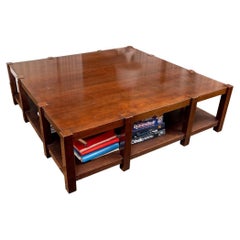
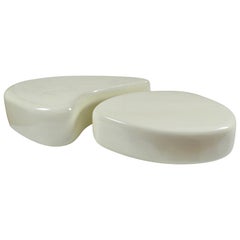
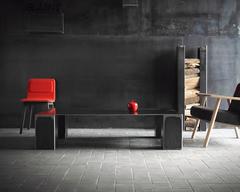
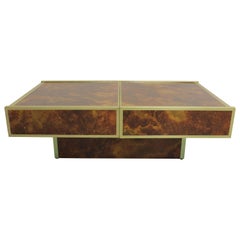
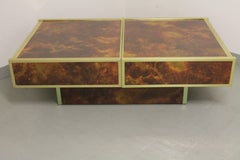
Holly Hunt H Cocktail Table For Sale on 1stDibs
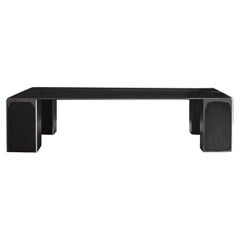
Choose from an assortment of styles, material and more with respect to the holly hunt h cocktail table you’re looking for at 1stDibs. A holly hunt h cocktail table — often made from
wood,
stone and
metal — can elevate any home. There are 10 variations of the antique or vintage holly hunt h cocktail table you’re looking for, while we also have 16 modern editions of this piece to choose from as well. Your living room may not be complete without a holly hunt h cocktail table — find older editions for sale from the 20th Century and newer versions made as recently as the 21st Century. A holly hunt h cocktail table made by
Modern designers — as well as those associated with
Mid-Century Modern — is very popular. You’ll likely find more than one holly hunt h cocktail table that is appealing in its simplicity, but
HOLLY HUNT and
Christian Liaigre produced versions that are worth a look.
How Much is a Holly Hunt H Cocktail Table?
A holly hunt h cocktail table can differ in price owing to various characteristics — the average selling price 1stDibs is $6,650, while the lowest priced sells for $4,200 and the highest can go for as much as $18,680.
HOLLY HUNT for sale on 1stDibs
The success of Holly Hunt — both the designer and her eponymous empire of textile and furnishings showrooms — is based on instinct.
The Chicago-based Hunt trusts her own tastes, reflected in her signature lines of elegant, low-key furniture, lighting and fabrics. She also trusts her judgment about the wants of the buying public, and this savvy sensibility has allowed her to cultivate and market the work of a range of contemporary talents, from minimalists like Christian Liaigre to eccentrics like Christian Astuguevieille.
Hunt is a design world impresario — a prominent arbiter for stylish modern interiors and known foremost for fabrics, seating designs and light fixtures. Modern sophistication, attention to detail, and a desire to cultivate talented contemporary designers are at the crux of the company’s success.
Born in central Texas to schoolteacher parents, Hunt was a creative girl who made her own clothes and bickered with her mother about decor. After graduating from Texas Tech, Hunt worked as department-store buyer and costume jewelry designer before marrying and helping her husband build a multimillion dollar transport company. Her hobby was decorating their homes. After the two divorced, Hunt purchased a showroom in the Chicago Merchandise Mart in 1983. Within 10 years, she was winning applause for her understated designs, her lavish showroom parties and her eye for rising design stars. Liaigre was her first discovery. Correctly surmising that his pared-down furniture in dark wood would play well in the United States in the aftermath of the go-go ’80s, Hunt began marketing the French designer’s work in 1994.
Over the subsequent years Hunt has added a half-dozen showrooms and, following her own style barometer, has taken on other fresh talents, including glassmaker Alison Berger, French designer Christophe Pillet and couturier Ralph Rucci, making a foray into home design.
One constant over that time have been the aesthetics of Hunt’s own designs. Her fabrics — the first choice of many dealers when re-upholstering vintage seating — are understated, mixing muted colors and updates of classic patterns. Her furniture is simple and refined. As you will see on 1stDibs, the name Holly Hunt represents a sense of timelessness and sophistication.
A Close Look at Modern Furniture
The late 19th and early 20th centuries saw sweeping social change and major scientific advances — both of which contributed to a new aesthetic: modernism. Rejecting the rigidity of Victorian artistic conventions, modernists sought a new means of expression. References to the natural world and ornate classical embellishments gave way to the sleek simplicity of the Machine Age. Architect Philip Johnson characterized the hallmarks of modernism as “machine-like simplicity, smoothness or surface [and] avoidance of ornament.”
Early practitioners of modernist design include the De Stijl (“The Style”) group, founded in the Netherlands in 1917, and the Bauhaus School, founded two years later in Germany.
Followers of both groups produced sleek, spare designs — many of which became icons of daily life in the 20th century. The modernists rejected both natural and historical references and relied primarily on industrial materials such as metal, glass, plywood, and, later, plastics. While Bauhaus principals Marcel Breuer and Ludwig Mies van der Rohe created furniture from mass-produced, chrome-plated steel, American visionaries like Charles and Ray Eames worked in materials as novel as molded plywood and fiberglass. Today, Breuer’s Wassily chair, Mies van der Rohe’s Barcelona chair — crafted with his romantic partner, designer Lilly Reich — and the Eames lounge chair are emblems of progressive design and vintage originals are prized cornerstones of collections.
It’s difficult to overstate the influence that modernism continues to wield over designers and architects — and equally difficult to overstate how revolutionary it was when it first appeared a century ago. But because modernist furniture designs are so simple, they can blend in seamlessly with just about any type of décor. Don’t overlook them.
Finding the Right Coffee-tables-cocktail-tables for You
As a practical focal point in your living area, antique and vintage coffee tables and cocktail tables are an invaluable addition to any interior.
Low tables that were initially used as tea tables or coffee tables have been around since at least the mid- to late-1800s. Early coffee tables surfaced in Victorian-era England, likely influenced by the use of tea tables in Japanese tea gardens. In the United States, furniture makers worked to introduce low, long tables into their offerings as the popularity of coffee and “coffee breaks” took hold during the late 19th century and early 20th century.
It didn’t take long for coffee tables and cocktail tables to become a design staple and for consumers to recognize their role in entertaining no matter what beverages were being served. Originally, these tables were as simple as they are practical — as high as your sofa and made primarily of wood. In recent years, however, metal, glass and plastics have become popular in coffee tables and cocktail tables, and design hasn’t been restricted to the conventional low profile, either.
Visionary craftspeople such as Paul Evans introduced bold, geometric designs that challenge the traditional idea of what a coffee table can be. The elongated rectangles and wide boxy forms of Evans’s desirable Cityscape coffee table, for example, will meet your needs but undoubtedly prove imposing in your living space.
If you’re shopping for an older coffee table to bring into your home — be it an antique Georgian-style coffee table made of mahogany or walnut with decorative inlays or a classic square mid-century modern piece comprised of rosewood designed by the likes of Ettore Sottsass — there are a few things you should keep in mind.
Both the table itself and what you put on it should align with the overall design of the room, not just by what you think looks fashionable in isolation. According to interior designer Tamara Eaton, the material of your vintage coffee table is something you need to consider. “With a glass coffee table, you also have to think about the surface underneath, like the rug or floor,” she says. “With wood and stone tables, you think about what’s on top.”
Find the perfect centerpiece for any room, no matter what your personal furniture style on 1stDibs — shop Art Deco coffee tables, travertine coffee tables and other antique and vintage coffee tables and cocktail tables today.