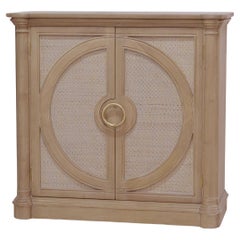
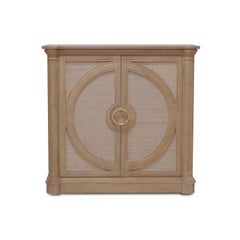
Coastal Small Credenza
Located in Westwood, NJ
. Measuring 43" x 17" x 41", this credenza combines rustic charm with coastal chic, perfectly complementing
Category
21st Century and Contemporary Asian Organic Modern Credenzas
Materials
Rattan, Wood
Coastal Small Credenza
Located in Westwood, NJ
. Measuring 43" x 17" x 41", this credenza combines rustic charm with coastal chic, perfectly complementing
Rattan, Wood
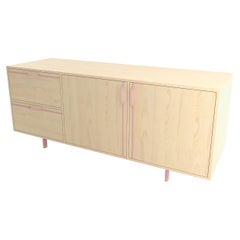
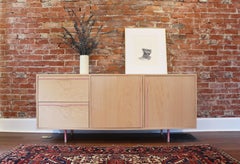
Chapman Small Credenza Storage Unit Maple Pink
Located in Cincinnati, US
maple and pink? The chapman credenza allows you the freedom to choose exactly what suits the needs of
Steel
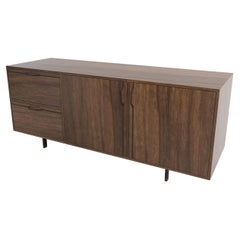
Chapman Small Credenza Storage Unit Walnut Black
Located in Cincinnati, US
maple and pink? The chapman credenza allows you the freedom to choose exactly what suits the needs of
Steel
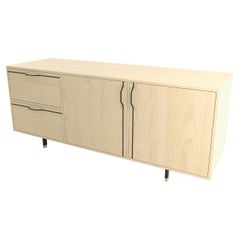
Chapman Small Credenza Storage Unit Maple Black
Located in Cincinnati, US
maple and pink? The chapman credenza allows you the freedom to choose exactly what suits the needs of
Steel
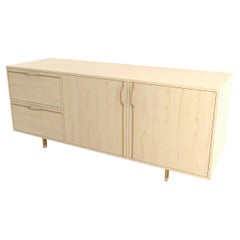
Chapman Small Credenza Storage Unit Maple Gold
Located in Cincinnati, US
maple and pink? The chapman credenza allows you the freedom to choose exactly what suits the needs of
Steel
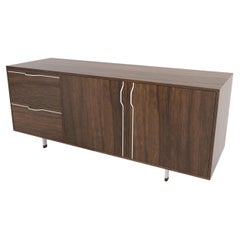
Chapman Small Credenza Storage Unit Walnut White
Located in Cincinnati, US
maple and pink? The chapman credenza allows you the freedom to choose exactly what suits the needs of
Steel
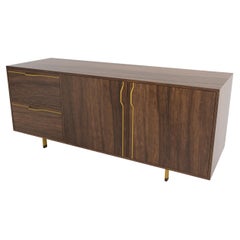
Chapman Small Credenza Storage Unit Walnut Mustard
Located in Cincinnati, US
maple and pink? The chapman credenza allows you the freedom to choose exactly what suits the needs of
Steel
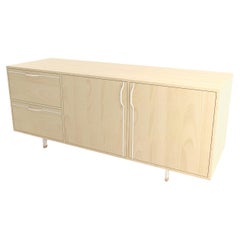
Chapman Small Credenza Storage Unit Maple White
Located in Cincinnati, US
maple and pink? The chapman credenza allows you the freedom to choose exactly what suits the needs of
Steel
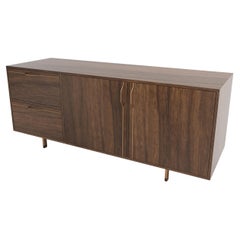
Chapman Small Credenza Storage Unit Walnut Rose Copper
Located in Cincinnati, US
maple and pink? The chapman credenza allows you the freedom to choose exactly what suits the needs of
Steel
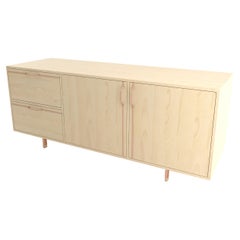
Chapman Small Credenza Storage Unit Maple Rose Copper
Located in Cincinnati, US
maple and pink? The chapman credenza allows you the freedom to choose exactly what suits the needs of
Steel
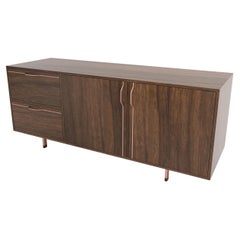
Chapman Small Credenza Storage Unit Walnut Rose Copper
Located in Cincinnati, US
maple and pink? The chapman credenza allows you the freedom to choose exactly what suits the needs of
Steel
$2,995 / set
H 28.75 in W 41 in D 18 in
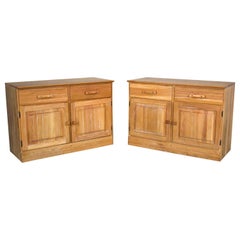
Vintage Ranch Oak Pair of Small Credenzas or Buffet Cabinets, A. Brandt Company
By A. Brandt Ranch Oak Furniture
Located in Topeka, KS
Fabulous pair of small credenzas or buffet cabinets by A. Brandt Company comprised of solid ranch
Oak
$2,950
H 34 in W 50 in D 18 in
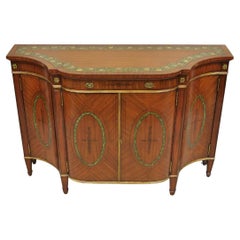
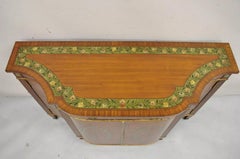
Maitland Smith Adams Style Paint Decorated Small Credenza Buffet Cabinet
By Maitland Smith
Located in Philadelphia, PA
Maitland Smith Adams Style Paint Decorated Small Serpentine Credenza Buffet Cabinet sold by
Mahogany
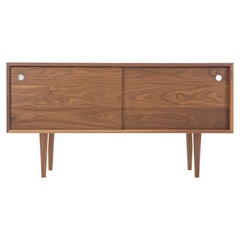
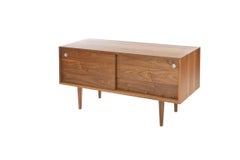
Classic Credenza Small
Located in Northfield, MN
configurations, our small Credenza still offers all the media-ready features you need. Reinforced mitered joinery
Wood, Maple, Oak, Walnut
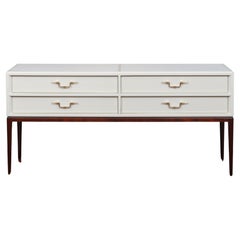
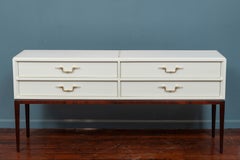
Tommi Parzinger Originals Console Table or Credenza
By Tommi Parzinger
Located in San Francisco, CA
Tommi Parzinger Originals console table or small credenza. Sophisticated modernism executed in
Milk Glass, Mahogany
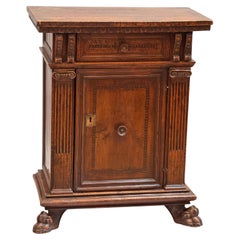
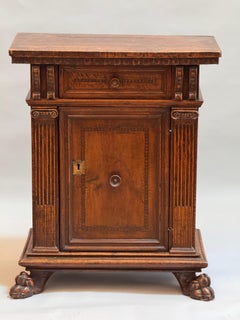
Late Renaissance 16th Century Italian Credenza
Located in Middleburg, VA
small Credenza is of remarkable Quality and extremely Rare as a fine example of the late Renaissance
Walnut
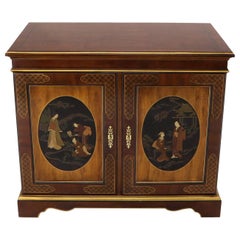
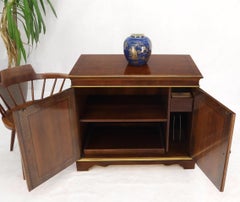
Painted Chinoiserie Two Doors Server Cabinet by Drexel
By Drexel
Located in Rockaway, NJ
Double door chinoiserie style small credenza server cabinet by Drexel Heritage.
Mahogany
$8,500
H 28 in W 44 in D 21 in
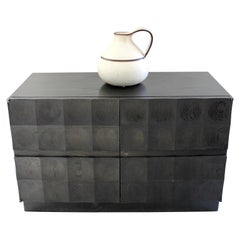
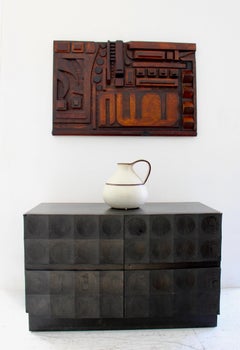
DeCoene Freres Brustalist Stained Black Oak Credneza Sideboard Belgium c1970
Located in Chicago, IL
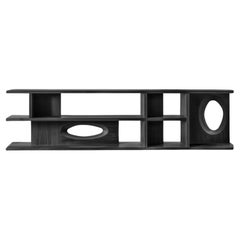
A DeCoene Freres blackened cerused oak small credenza with geometrically placed concave circles
Oak
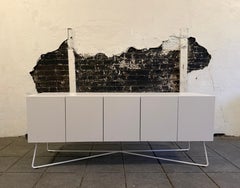
$2,000Sale Price|20% Off
H 24 in W 60 in D 16 in
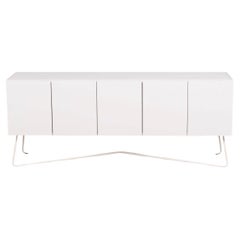
Modern white Office Credenza Sideboard by David Rockwell for Knoll
By David Rockwell, Knoll
Located in Brooklyn, NY
. It’s a smaller credenza be sure to check the dimensions Dimensions 60” X 16” x 24” high
Steel
$1,760Sale Price|20% Off
H 28 in W 36 in D 18 in
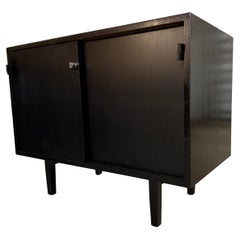
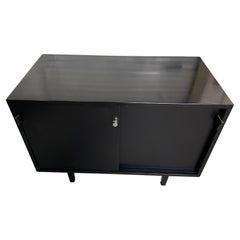
Mid century Black Lacquer Florence Knoll office Cabinet Credenza leather pulls
By Knoll, Florence Knoll
Located in Brooklyn, NY
Knoll all black small credenza - Beautiful practical credenza for living or office space. Has (2
Leather, Oak, Lacquer
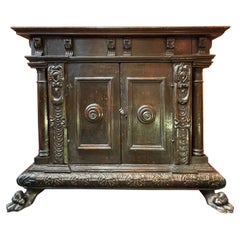
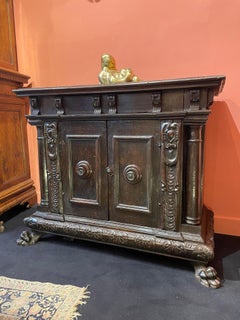
Florentine Credenza with Corner Columns
Located in Saint-Ouen, FR
carvings. This small credenza, supported by two lion paws, opens with two leaves and a long drawer in the
Walnut
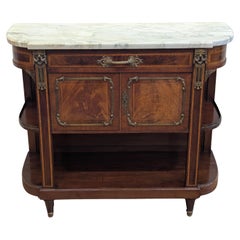
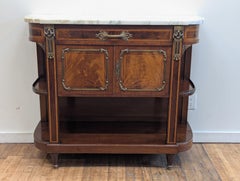
19th century French Marble Top Credenza Server Alexandre Hugnet
By A. Hugnet
Located in New York, NY
, and dispensers, bowls and the likes. Stunning smaller Credenza sideboard having a shaped beveled
Marble, Bronze
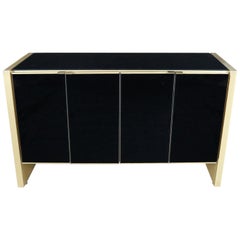
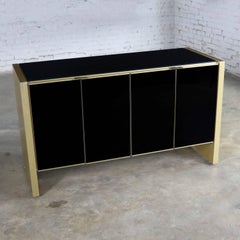
$2,495
H 29.75 in W 51.5 in D 20.5 in
Ello Black Glass and Gold Anodized Aluminum Small Server Credenza Cabinet
By Ello Furniture
Located in Topeka, KS
Elegant small credenza or server cabinet attributed to Ello in black glass and gold anodized and
Aluminum
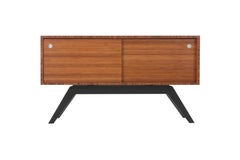
Elko Credenza, Small
Located in Northfield, MN
While designed for a more compact space, the Elko Credenza Small delivers enough storage capacity
Metal
$3,160Sale Price|20% Off
H 39 in W 29.5 in D 11 in
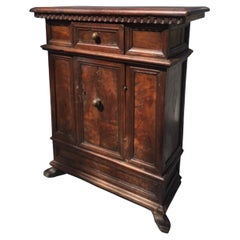
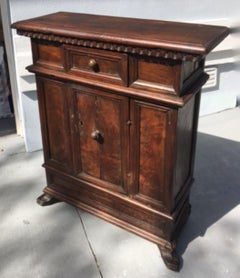
16th Century Period Renaissance Tuscan Walnut Credenzino
Located in Vero Beach, FL
walnut small Credenza with a rectangular top above a single drawer centered over a single door. This
Walnut
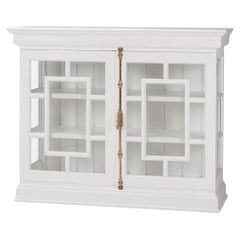
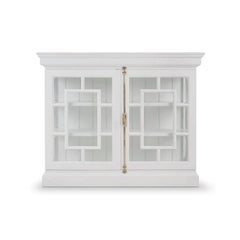
Small French Provincial White Credenza
Located in Westwood, NJ
The credenza brings refined symmetry and architectural elegance to contemporary interiors. Framed
Glass, Wood
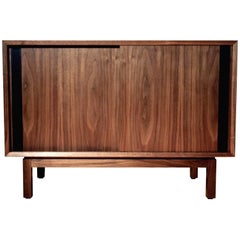
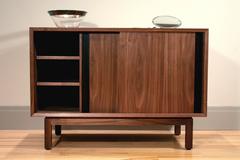
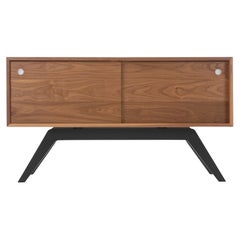
Small Howard Credenza by Volk
By VOLK 3
Located in Brooklyn, NY
As shown: Solid walnut with sliding doors in walnut veneer. Inset wenge door pulls. Oil and wax finish. Dimensions: 27" H x 40" W x 18" D. Custom sizing and configurations avail...
Walnut, Wenge
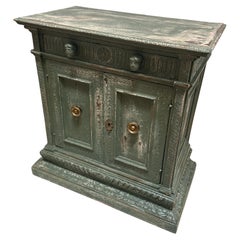
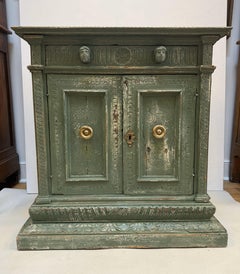
Small 17th Century Italian Renaissance Credenza
Located in Middleburg, VA
Small 17th Century Italian Renaissance Credenza. Made of Circassian Walnut with carved heads as
Metal, Brass
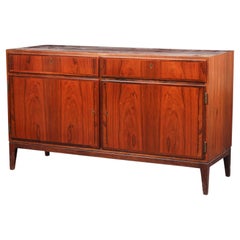
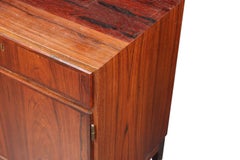
Small Rosewood Credenza by Kai Winding
By Willy Beck, Kai Winding
Located in Berkeley, CA
Origin: Denmark Designer: Kai Winding Manufacturer: Willy Beck Era: 1960s Materials: Rosewood Measurements: 47? wide x 16.5? deep x 28? tall. Condition: In excellent original...
Rosewood
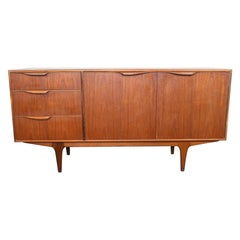
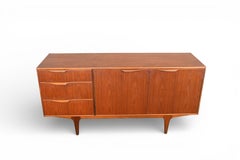
Small McIntosh Duvegan Credenza in Teak #2
By A.H. McIntosh Furniture
Located in Berkeley, CA
Origin: Scotland Designer: Val Rossi Manufacturer: A.H. McIntosh Era: 1960s Materials: Teak Measurements: 60" wide x 18" deep x 30" tall
Teak
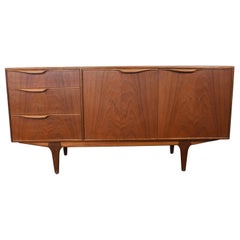
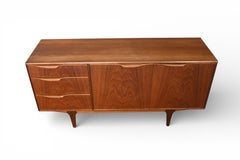
Small McIntosh Duvegan Credenza in Teak #1
By A.H. McIntosh Furniture
Located in Berkeley, CA
Origin: Scotland Designer: Val Rossi Manufacturer: A.H. McIntosh Era: 1960s Materials: Teak Measurements: 60" wide x 18" deep x 30" tall
Teak
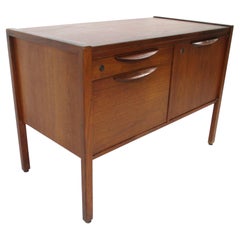
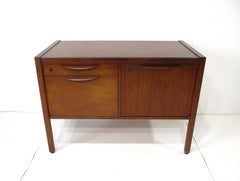
Jens Risom Walnut Danish Styled Small Mid Century Credenza
By Jens Risom
Located in Cincinnati, OH
A smaller sized walnut credenza with two drawers to the left side one small one file and a door to
Walnut
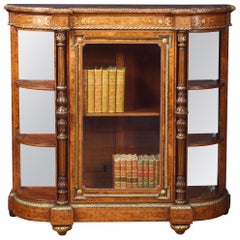

$6,427Sale Price|27% Off
H 39.5 in W 41 in D 13.5 in
19th Century Figured Walnut Credenza of Small Proportions
Located in Cheshire, GB
19th century walnut credenza, the well figured top above the inlaid frieze. To the central glazed
Walnut
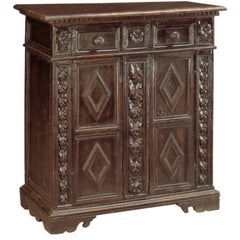
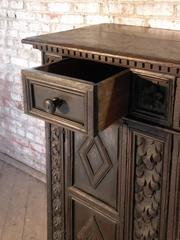
Italian 17th Century Baroque Walnut Credenza or Small Cabinet
Located in Troy, NY
Italian 17th Century Baroque Walnut Credenza or Small Cabinet of interesting size and proportions
Walnut
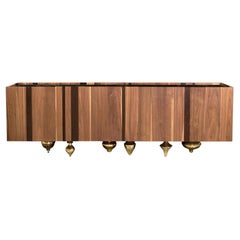
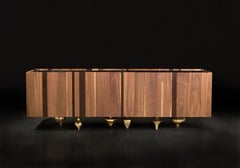
Small Il Pezzo 1 Credenza by Il Pezzo Mancante
Located in Geneve, CH
Small Il Pezzo 1 Credenza by Il Pezzo Mancante Dimensions: W 205 x D 83 x H 40 cm Materials
Marble
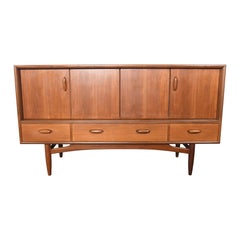
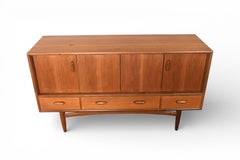
Small G Plan "Scandinavian Range" Credenza in Teak #2
By G Plan Furniture, Victor Wilkins
Located in Berkeley, CA
Origin: England Designer: Victor B. Wilkins Manufacturer: G Plan Era: 1964 Materials: Teak, Afromosia Measurements: 57″ wide x 18″ deep x 32″ tall
Teak
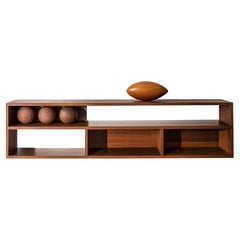
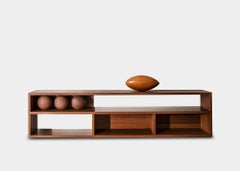
$11,920Sale Price / item|20% Off
H 18.12 in W 78.75 in D 15.75 in
High-Quality Craft Credenza 19, Sereno Collection, Small Sculptures
By Joel Escalona
Located in Ciudad de México, CDMX
High-Quality Craft Credenza 19, Sereno Collection, Small Sculptures — Sereno Collection Design by
Wood, Hardwood, Oak
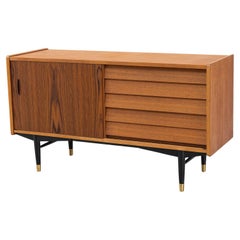
Swedish Modern Small Teak Credenza with Built in Bar
By Hugo Troeds
Located in Berkeley, CA
Origin: Sweden Designer: Unknown Manufacturer: Hugo Troeds, Bjärnum, Bra Bohag Era: 1960s Materials: Teak, black lacquer Measurements: 50.5? wide x 17.5? deep x 27.75? tall C...
Teak, Lacquer
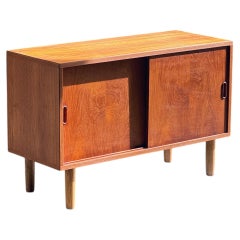
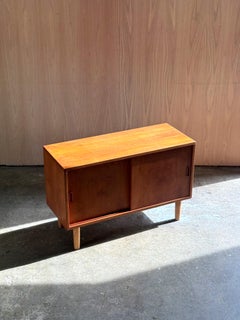
1960s Danish Small-Scale Credenza in Teak with Solid Oak Legs
Located in Victoria, BC
easily in smaller interiors while retaining the clarity and balance typical of Danish cabinetmaking from
Oak, Teak
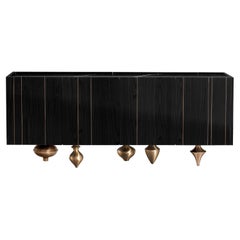
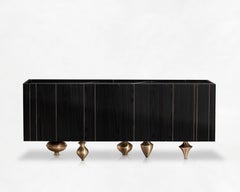
Small Il Pezzo 1 Black Credenza by Il Pezzo Mancante
Located in Geneve, CH
Small Il Pezzo 1 Black Credenza by Il Pezzo Mancante Dimensions: W 205 x D 83 x H 40 cm Materials
Marble
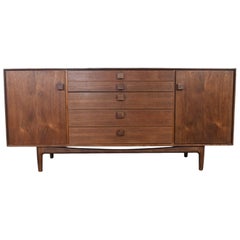
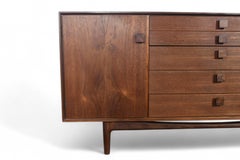
Small Ib Kofod Larsen "Danish Range" Credenza in Teak + Afromosia
By G Plan Furniture, Ib Kofod-Larsen
Located in Berkeley, CA
Origin: England Designer: Ib Kofod Larsen Manufacturer: G Plan Era: 1961 Materials: Teak, Rosewood, Afromosia Measurements: 66″ wide x 19.5″ deep x 30″ tall
Rosewood, Teak
$3,366
H 32.29 in W 34.26 in D 19.69 in
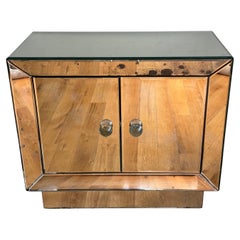
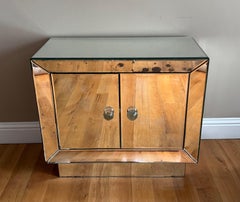
Jacques Adnet French Modernist small mirrored cabinet, credenza c.1930's
By Jacques Adnet
Located in London, GB
Beautiful small French modernist two door mirrored cabinet with one internal shelf and fantastic
Mirror, Wood
$14,900 / item
H 29.93 in W 78.75 in D 15.75 in
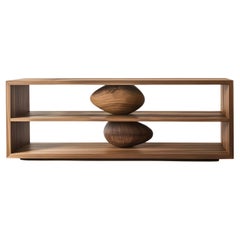
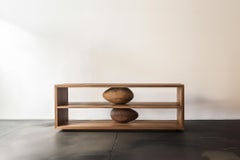
Elegant Storage Sereno Credenza 1 by NONO, Minimalist Design, Small Sculpture
By Joel Escalona
Located in Ciudad de México, CDMX
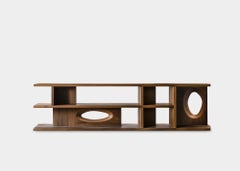
Elegant Storage Sereno Credenza 1 by NONO, Minimalist Design, Small Sculpture — Sereno
Wood, Hardwood, Oak
$14,900 / item
H 29.93 in W 78.75 in D 15.75 in
Credenza 6, Serene Design by Joel Escalona, Elegant Function, Small Sculpture
By Joel Escalona
Located in Ciudad de México, CDMX
Credenza 6, Serene Design by Joel Escalona, Elegant Function, Small Sculpture — Sereno Collection
Wood, Hardwood, Oak
$5,400
H 25 in W 40 in D 19 in
Mid-Century Modern Walnut Two Doors Floating Base Small Petit Credenza Mint
By Paul McCobb, T.H. Robsjohn-Gibbings
Located in Rockaway, NJ
Mid-Century Modern walnut two doors floating base small Petit Credenza mint.
Walnut
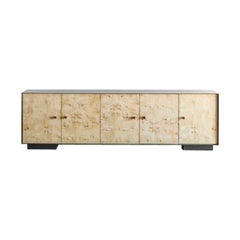
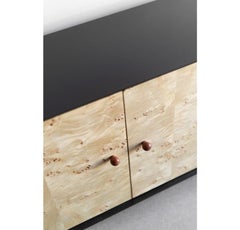
Solano Credenza
Located in Los Angeles, CA
small and dedicated team, this credenza is made to order to ensure that every piece we build meets the
Steel
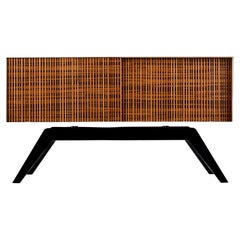
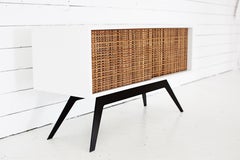
Elko Credenza, Linear
Located in Northfield, MN
While designed for a more compact space, the Elko Credenza Small delivers enough storage capacity
Metal

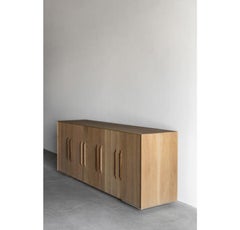
Baldwin Credenza by Croft House
Located in Los Angeles, CA
by a small and dedicated team, this credenza is made to order to ensure that every piece we build
Oak
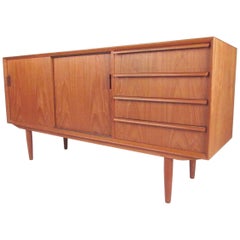
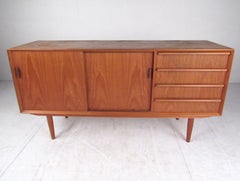
Scandinavian Modern Teak Credenza by Falster
By Falster Møbelfabrik
Located in Brooklyn, NY
This stylish Danish modern credenza by Falster makes a stylish storage cabinet for home or office
Teak
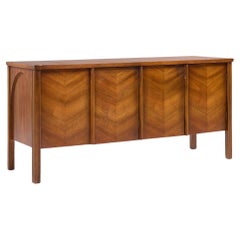
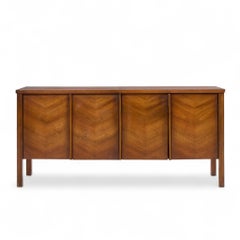
Kent Coffey Perspecta Mid Century Walnut Buffet Credenza
By Kent-Coffey
Located in Franklin Park, IL
deep x 26.25 inches high Good Vintage Condition - Credenza has Small Areas of Finish Wear Throughout
Walnut
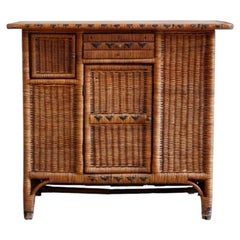
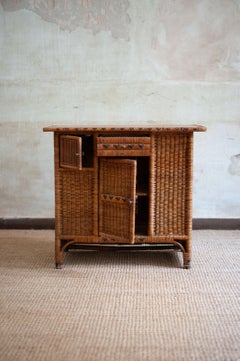
Small Woven Bamboo Sideboard
Located in Roma, RM
Small sideboard crafted in woven wicker, the front featuring a central door, an upper drawer, and a
Bamboo, Wicker, Wood
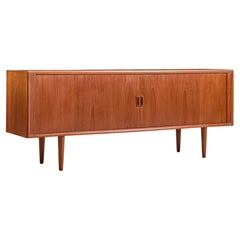
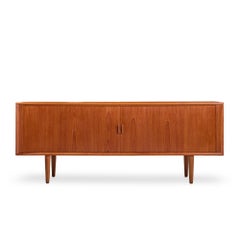
Svend Aage Larsen Mid Century Danish Teak Tambour Door Credenza
By Svend Aage Larsen
Located in Franklin Park, IL
Svend Aage Larsen Mid Century Danish Teak Tambour Door Credenza This credenza measures: 80 wide x
Teak
$2,800 / set
H 29.75 in W 72.5 in D 20.75 in
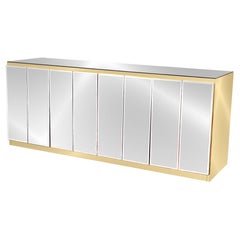
Vintage Ello Brass & Beveled Mirror 4 Door Hollywood Regency Credenza Sideboard
By Ello Furniture
Located in Keego Harbor, MI
small upper sliding drawer. This credenza is absolutely stunning and demands attention and light from
Brass
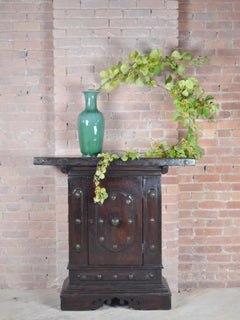
$8,750
H 41 in W 43 in D 16 in
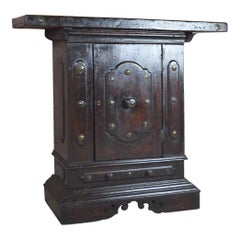
Italian / Bolognese Late 16th / Early 17th Century Baroque Walnut Credenza
Located in Troy, NY
Small Bolognese credenza of unusual proportions and typical design features, the massive top with a
Walnut
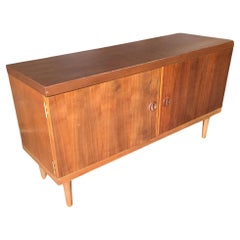
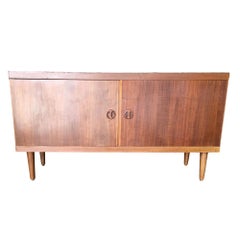
$3,200
H 27 in W 50 in D 17 in
Danish Modern Rose Stained Credenza Cabinet with Sculpted Pig Nose Pulls
Located in Van Nuys, CA
This small Danish style rose stained credenza cabinet with tapered legs, sculpted pig nose pulls
Wood
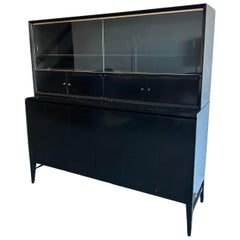
$2,250Sale Price|25% Off
H 60.5 in W 60 in D 19 in
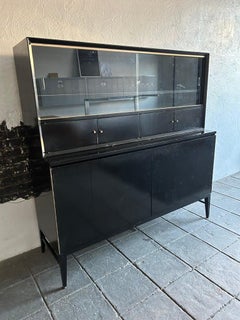
Mid century Paul McCobb Calvin Credenza Brass Black Lacquer with top unit
By Paul McCobb, Calvin Furniture
Located in Brooklyn, NY
. Has top unit with Glass doors and lower small storage areas. The lower Credenza has 2 sets of ffolding
Brass
16th CENTURY SMALL CANDLE HOLDER SIDEBOARD
Located in Firenze, FI
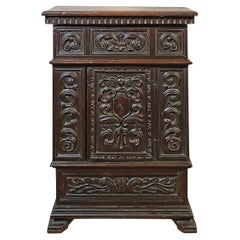
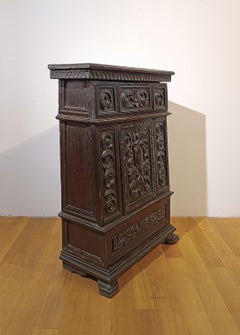
Elegant small sideboard in solid walnut, carved and dark patinated. The piece is distinguished by
Nutwood
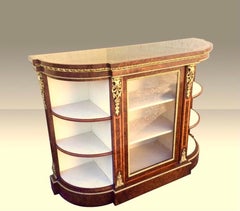
Antique Small Credenza Cabinet Burr Walnut Ormolu Mounted
Located in Antrim, GB
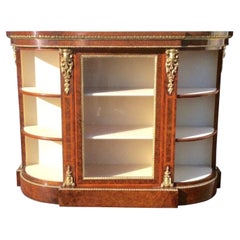
Superb quality Victorian inlaid burr walnut ormolu mounted antique baby credenza cabinet with bowed
Walnut
Unavailable
H 25.5 in W 37.5 in D 18 in
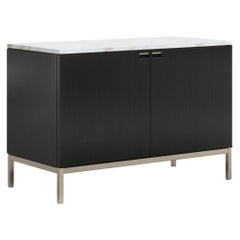
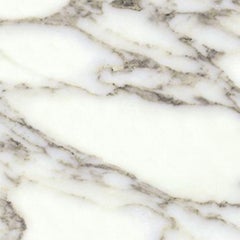
Florence Knoll Small Credenza, Ebonized Oak, Satin Arabescato & Antique Bronze
By Florence Knoll, Knoll
Located in East Greenville, PA
Perfectly proportioned and immaculately detailed, the iconic Florence Knoll low credenza works as
Marble, Steel

Unavailable
H 25.5 in W 37.5 in D 18 in
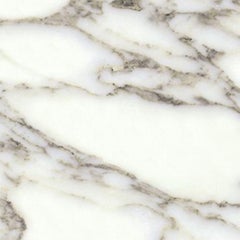
Florence Knoll Small Credenza, Ebonized Oak, Polished Arabescato & Gold Base
By Florence Knoll, Knoll
Located in East Greenville, PA
Perfectly proportioned and immaculately detailed, the iconic Florence Knoll low credenza works as
Marble, Steel
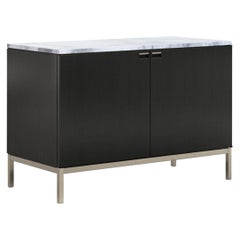
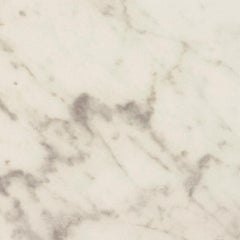
Unavailable
H 25.5 in W 37.5 in D 18 in
Florence Knoll Small Credenza, Ebonized Oak, Satin Carrara & Antique Bronze
By Florence Knoll, Knoll
Located in East Greenville, PA
Perfectly proportioned and immaculately detailed, the iconic Florence Knoll low credenza works as
Marble, Steel
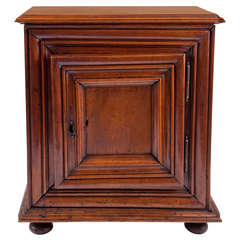

Small Italian Credenza/Cupboard
Located in Rancho Santa Fe, CA
Charming small Italian walnut credenza / cupboard, single opening door with a hidden drawer below
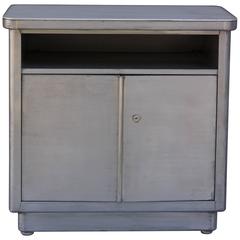
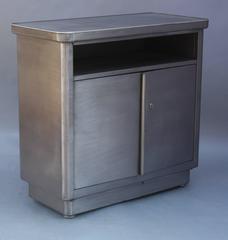
Small Industrial Metal Credenza
Located in Pasadena, CA
Small metal cabinet, perfect for a TV or stereo.
Steel


Mid 18th Century Italian Walnut Small Four Drawer Credenza
Located in Richmond, VA
Mid 18th Century Italian Walnut Small Four Drawer Credenza
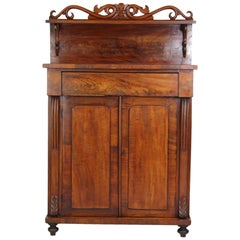
Unavailable
H 46.07 in W 29.14 in D 13.39 in
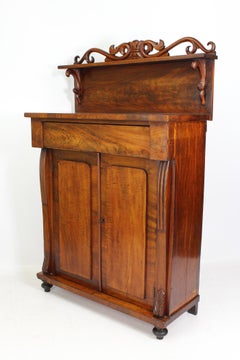
Small Antique Victorian Mahogany Chiffonier Sideboard Credenza Cupboard Dresser
Located in Leeds, West Yorkshire
A good quality small antique Victorian chiffonier sideboard in beautifully figured mahogany dating
Mahogany
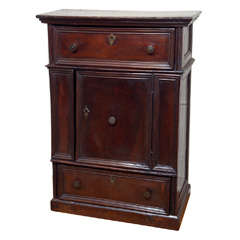
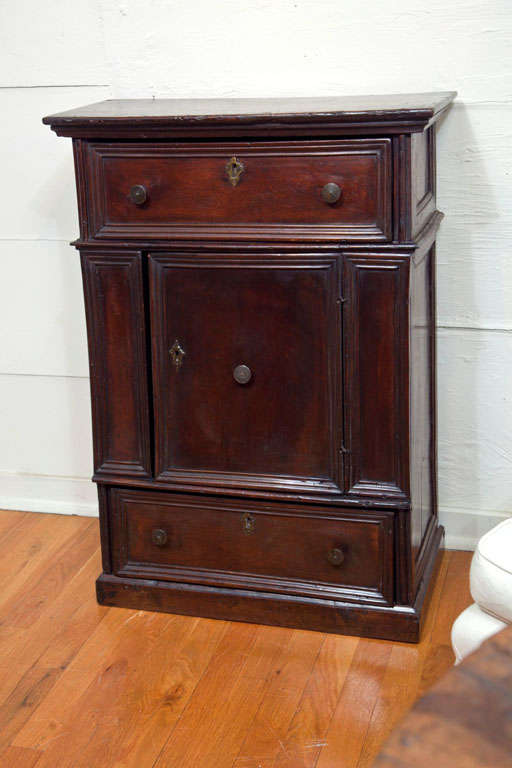
Italian Walnut Credenza
Located in Woodbury, CT
Charming small sized Walnut credenza with wonderful patina.
Walnut
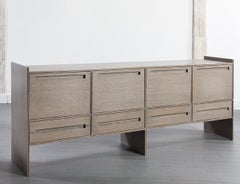
Modern Oak Handcrafted Credenza
By Mar Silver
Located in Westport, CT
pulls along with the beveled detail evoke a mid-century modern aesthetic. The smaller six foot credenza
Oak, Walnut
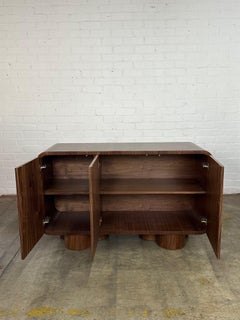
Clover Credenza in Natural Walnut
Located in Los Angeles, CA
on the left one smaller on the right. These credenzas are made in small batch runs if inventory is
Wood
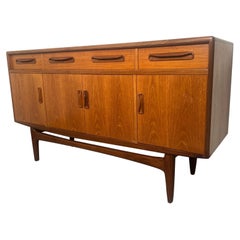
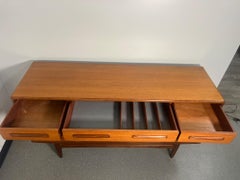
Mid Century Modern Teak Credenza G Plan Fresco
By G Plan Furniture
Located in Atlanta, GA
Small teak credenza by G Plan. It was designed in the 1960s by Victor Bramwell Wilkins for G Plan's
Teak
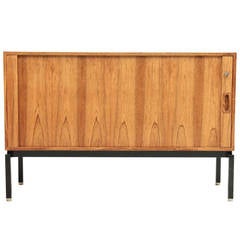
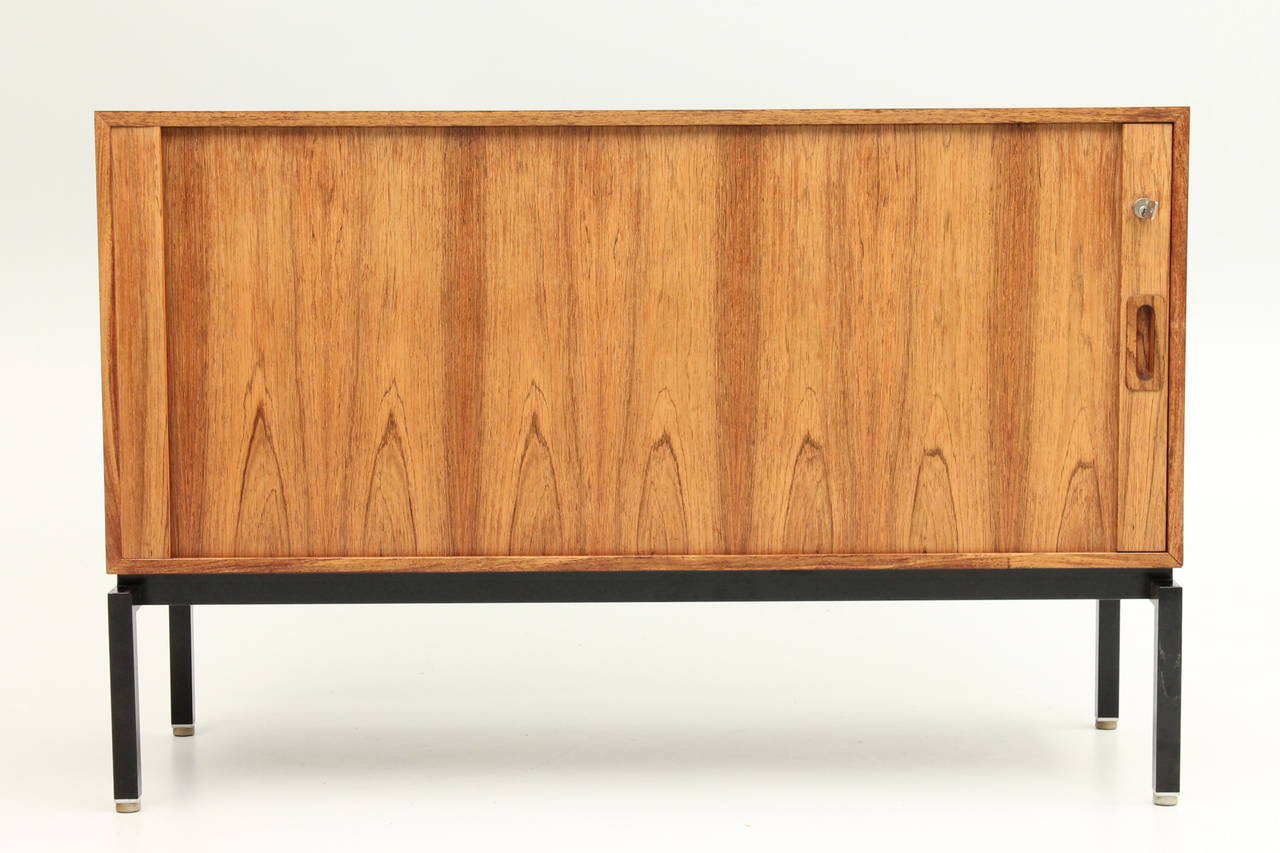
Unavailable
H 28.5 in W 43 in D 17 in
Danish, Mid Century Rosewood Credenza with Roll Front (Medium Size)
Located in Houston, TX
Small rosewood credenza with metal legs and original lock and key. This is a very unique, vintage
Metal
Unavailable
H 33 in W 18 in D 60 in
Midcentury Teak G Plan Credenza by Victor Bramwell Wilkins, Fresco Range
By G Plan Furniture
Located in Norcross, GA
Outstanding small teak credenza. It was designed in the 1960s by Victor Bramwell Wilkins for G
Teak
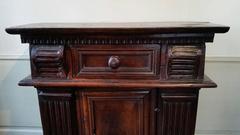
Italian Renaissance Walnut Cabinet
Located in Bantam, CT
A good Italian Renaissance 17th century walnut credenza (small credenza) with good patination and
Walnut
Unavailable
H 25 in W 60 in D 18 in
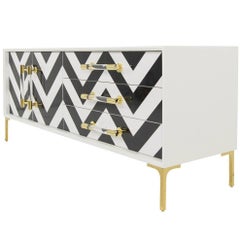
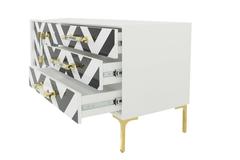
Lacquered Credenza w/ Black & White Chevron Fronts and Brass & Lucite Accents
By Modshop
Located in Compton, CA
finished off with a lucite and brass bar pulls. The smaller-sized credenza allows you to bring the same
Brass
Unavailable
H 24 in W 46.5 in D 19 in
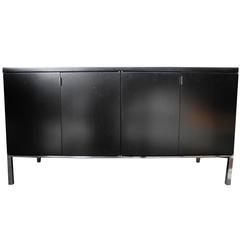
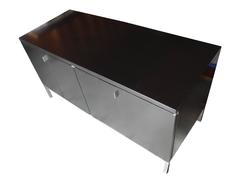
Black Vintage Mid-Century Modern Credenza in the Style of Florence Knoll
By Florence Knoll
Located in Hudson, NY
This small office four door credenza is equipped with two cabinets on each side. The base is made
Steel
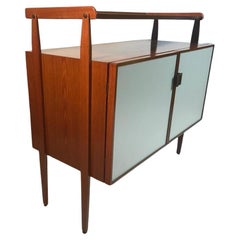

Small Italian sideboard from the 60s
Located in Firenze, Toscana
Small Italian wooden sideboard from the 60s. The central body is supported by four lateral legs
Brass
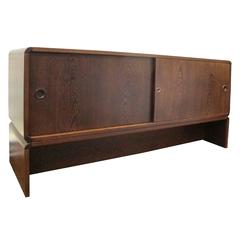
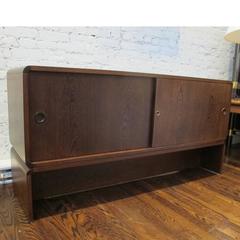
Small Wenge Cabinet by Martin Visser for Spectrum
By Martin Visser
Located in New York, NY
Small, low credenza designed by Martin Visser for Spectrum. Wenge with recessed wenge pulls, the
Unavailable
H 28.75 in W 55.12 in D 20.48 in
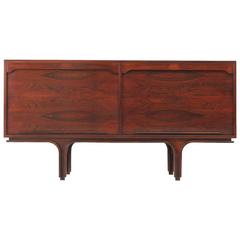
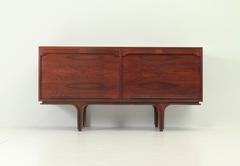
Small Rosewood Sideboard by Gianfranco Frattini for Bernini
By Gianfranco Frattini
Located in Barcelona, ES
Rosewood sideboard with tambour doors designed in 1957 by Gianfranco Frattini for Bernini, Italy. Two spaces with internal shelves. Also available a bigger one with three modules and...
Unavailable
H 19.69 in W 53.15 in D 17.72 in
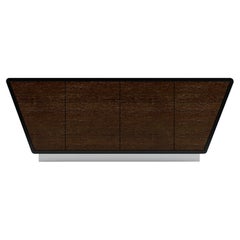
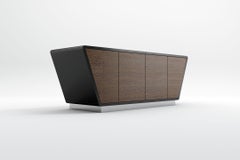
Obsidian Small TV Console - Handcrafted Black Lacquer Console with Chrome Plinth
By Prieto Studio
Located in London, GB
The steep accents of the Obsidian collection confers its unique design with a sublime and powerful presence, gifting it with a head-turning look and a sharp personality of its own. T...
Chrome
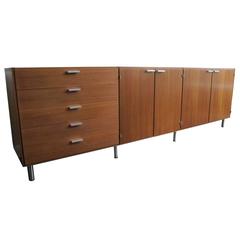
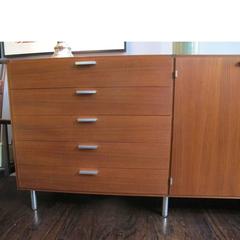
Large Teak Sideboard by Cees Braakman for Pastoe
By Cees Braakman
Located in New York, NY
similar smaller credenza also available.
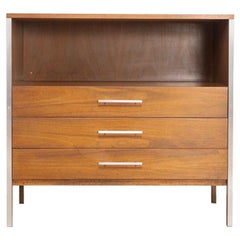
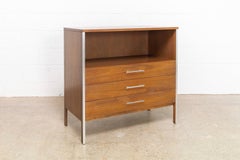
Unavailable
H 34.25 in W 36 in D 18 in
Midcentury Paul McCobb Linear Group for Calvin Chest of Drawers, 1950s
By Paul McCobb, Calvin Furniture
Located in Detroit, MI
piece as a bedroom dresser or small credenza sideboard, media console or bar. An iconic and collectible
Metal
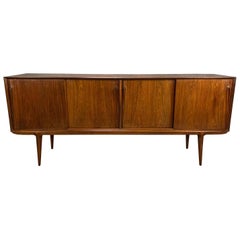
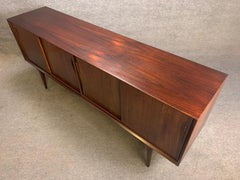
Unavailable
H 33.75 in W 78.75 in D 17.75 in
Vintage Danish Mid-Century Modern Rosewood Credenza by Gunni Oman for Omann Jun
By Gunni Omann
Located in San Marcos, CA
doors revealing multiple adjustable shelvings and five small drawers. The credenza sports a solid
Rosewood


19th Century Italian Small Credenza
Located in Round Top, TX
A very handsome early 19th century small credenza cabinet from Northern Italy. Handsomely
Walnut
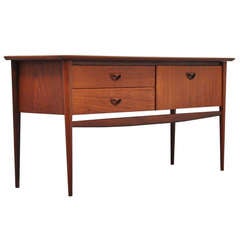

Webe small credenza Louis van Teeffelen 1960
By Louis Van Teeffelen, WéBé
Located in Roosendaal, Noord Brabant
Amazing shaped and rare small credenza by Webe. Rarely seen before and in like new condition. Super
Teak
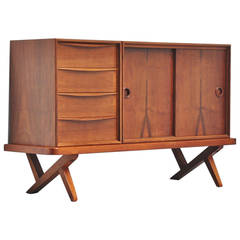

Small Credenza by Rudolf Glatzel for Fristho, 1955
By Rudolf Bernd Glatzel
Located in Roosendaal, Noord Brabant
Very nice shaped small credenza designed by Rudolf Bernd Glatzel for Fristho Franeker, Holland
Walnut
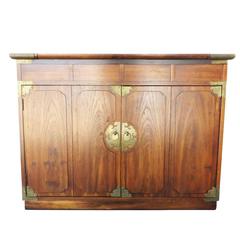
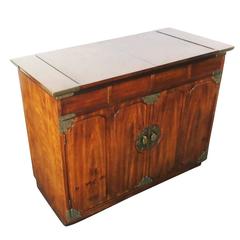
Asian Inspired Small Credenza by Thomasville for Huntley
By B. F. Huntley Co.
Located in Van Nuys, CA
Asian inspired small credenza with two front cabinet doors complete with brass pulls and accents
Leather
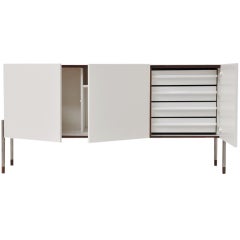

Wenge White Small Credenza by Dutch Manufacturer, 1970s
Located in Roosendaal, Noord Brabant
Super cool small credenza by unknown Dutch manufacturere. This credenza was made of wenge wood and
Metal
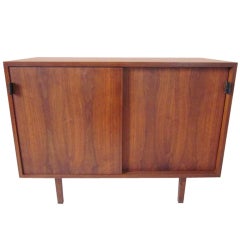

Knoll Small Credenza
Located in Cincinnati, OH
A dark walnut double sliding door credenza with black leather pulls,one shelve and a set of four
Walnut, Leather, Oak
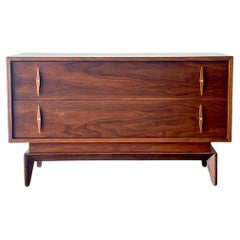

Small American of Martinsville Mid Century Small Credenza / Media Stand
By American of Martinsville
Located in Las Vegas, NV
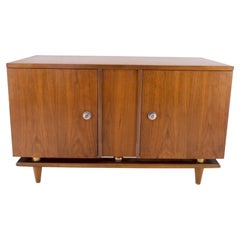
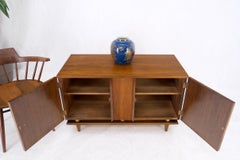
Uber cool Mid-Century Modern small credenza / Media stand by American of Martinsville. This piece
Walnut
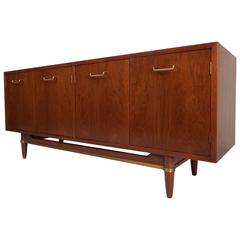

Mid-Century Modern Small Credenza by American of Martinsville
By American of Martinsville
Located in Brooklyn, NY
Stunning vintage modern small credenza features unique brass pulls and a vintage walnut finish. The
Brass
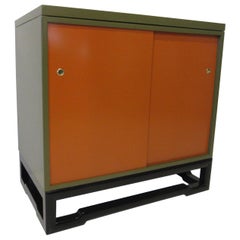

Small Credenza in the style of Mid Century by Baker
By Baker Furniture Company
Located in Cincinnati, OH
A smaller credenza with double sliding doors and two adjustable shelves perfect for a smaller area
Wood
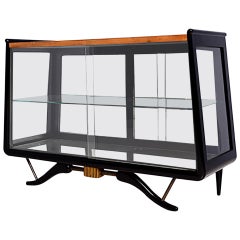
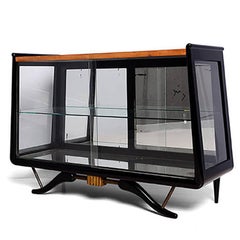
Small Credenza with Glass Doors Attributed to Eugenio Escudero
By Eugenio Escudero
Located in Chula Vista, CA
For your consideration a small credenza attributed to Eugenio Escudero. Credenza with glass side
Brass
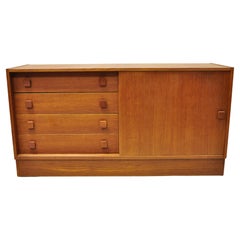
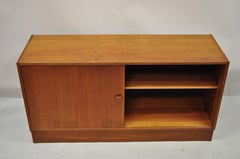
Sold
H 25 in W 48 in D 15.5 in
Domino Mobler Mid Century Danish Modern Teak Wood Small Credenza Cabinet
Located in Philadelphia, PA
Domino Mobler Mid Century Danish Modern teak wood small credenza cabinet. Item features sliding
Teak
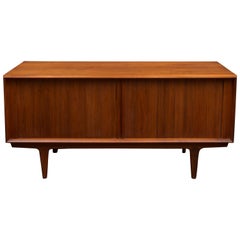

Danish Modern Walnut Small Credenza
By Bernhard Pedersen & Son
Located in San Francisco, CA
Danish modern walnut credenza by Bernhard Pedersen & Sons, Denmark. Featuring tambor doors with
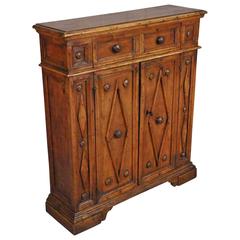

Italian 18th Century Small Credenza
Located in Round Top, TX
A very handsome 18th century diminutive credenza or side cabinet from Northern Italy. Constructed
Walnut
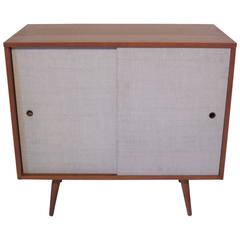

Paul McCobb Planner Group Small Credenza
By Paul McCobb
Located in Cincinnati, OH
A smaller sized Paul McCobb maple wood credenza with two sliding doors in their original special
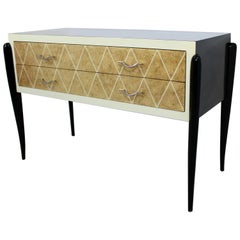

Contemporary Modern Baker Style Black Lacquer Small Credenza, 1980s
By Baker Furniture Company
Located in Keego Harbor, MI
For your consideration is a beautiful, black lacquer, petite credenza, with two drawers, in the
Lacquer


Small credenza by Svend Aage Larsen with Tambour doors 1960
By Svend Aage Larsen, Faarup Møbelfabrik
Located in Roosendaal, Noord Brabant
Very nice subtle credenza in teak designed by Svend Aage Larsen for Faarup Mobelfrabrik, Denmark
Teak, Wood
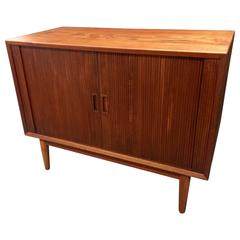
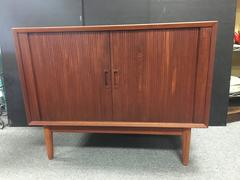
Danish Modern Teak Tambour Door Small Credenza by Lyby Mobler
By Lyby Mobler
Located in San Diego, CA
Beautiful and versatile small teak cabinet with tambour doors, a removable inner centre shelf and a

Sold
H 39.5 in W 37 in D 16 in
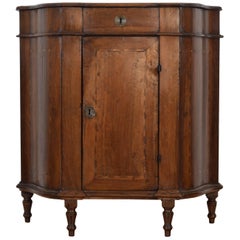
Italian, Venezia, Small Credenza in Walnut with Inlays, Late 18th Century
Located in Atlanta, GA
The bow shaped hinged top with alternating light and dark walnut and fruitwood inlays above a shallow conforming case with a central door opening to reveal shelving, the band inlay c...
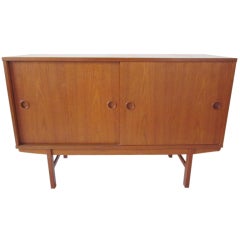

Teakwood Credenza
Located in Cincinnati, OH
A teakwood double sliding door small credenza with birchwood interior and adjustable shelves to
Teak, Birch
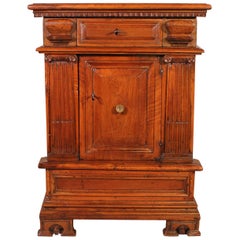

Small Italian Credenza in Walnut, circa 1600
Located in Brussels, Brussels
Small Italian credenza in walnut, circa 1600 lovely little piece from the Italian renaissance
Walnut
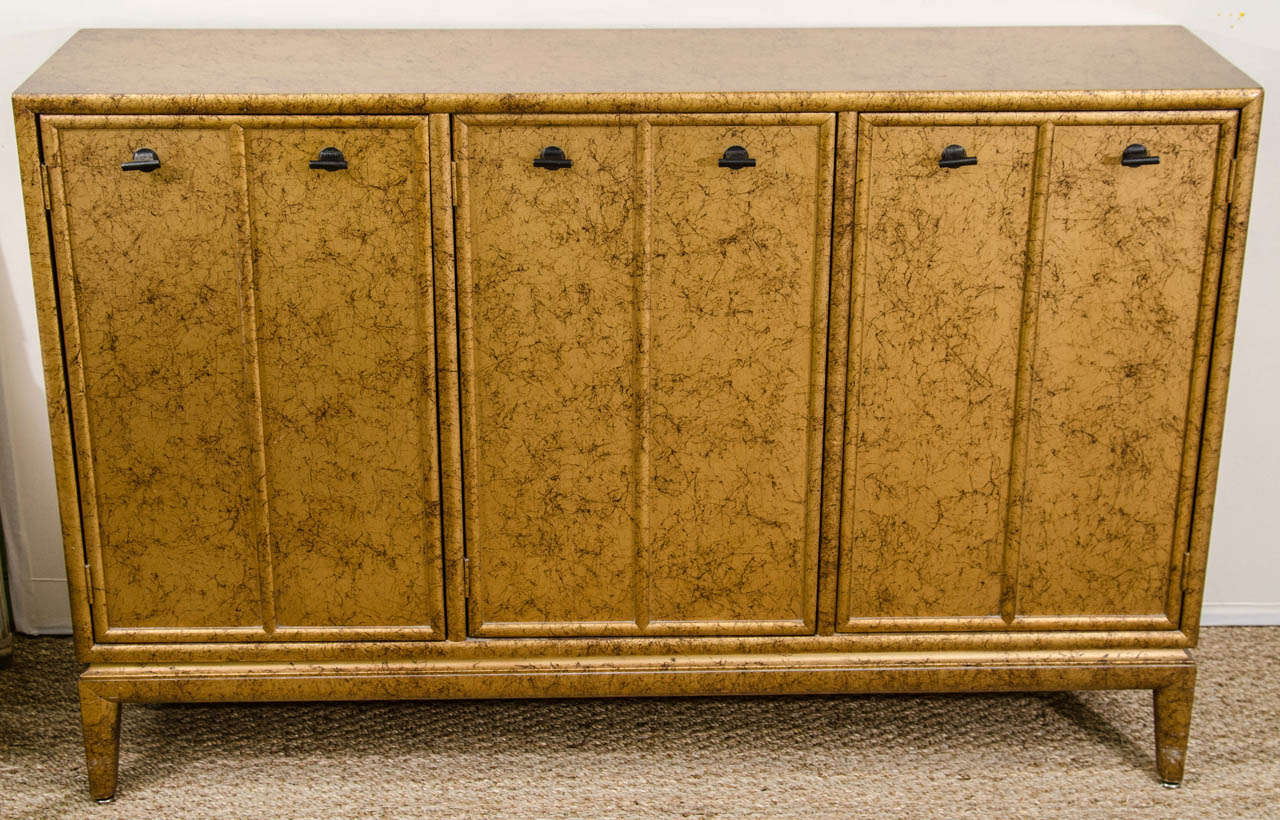
A Baker Style Credenza
Located in New York, NY
A small credenza in a faux gold finish with three doors. Perfect for a small entry or room.
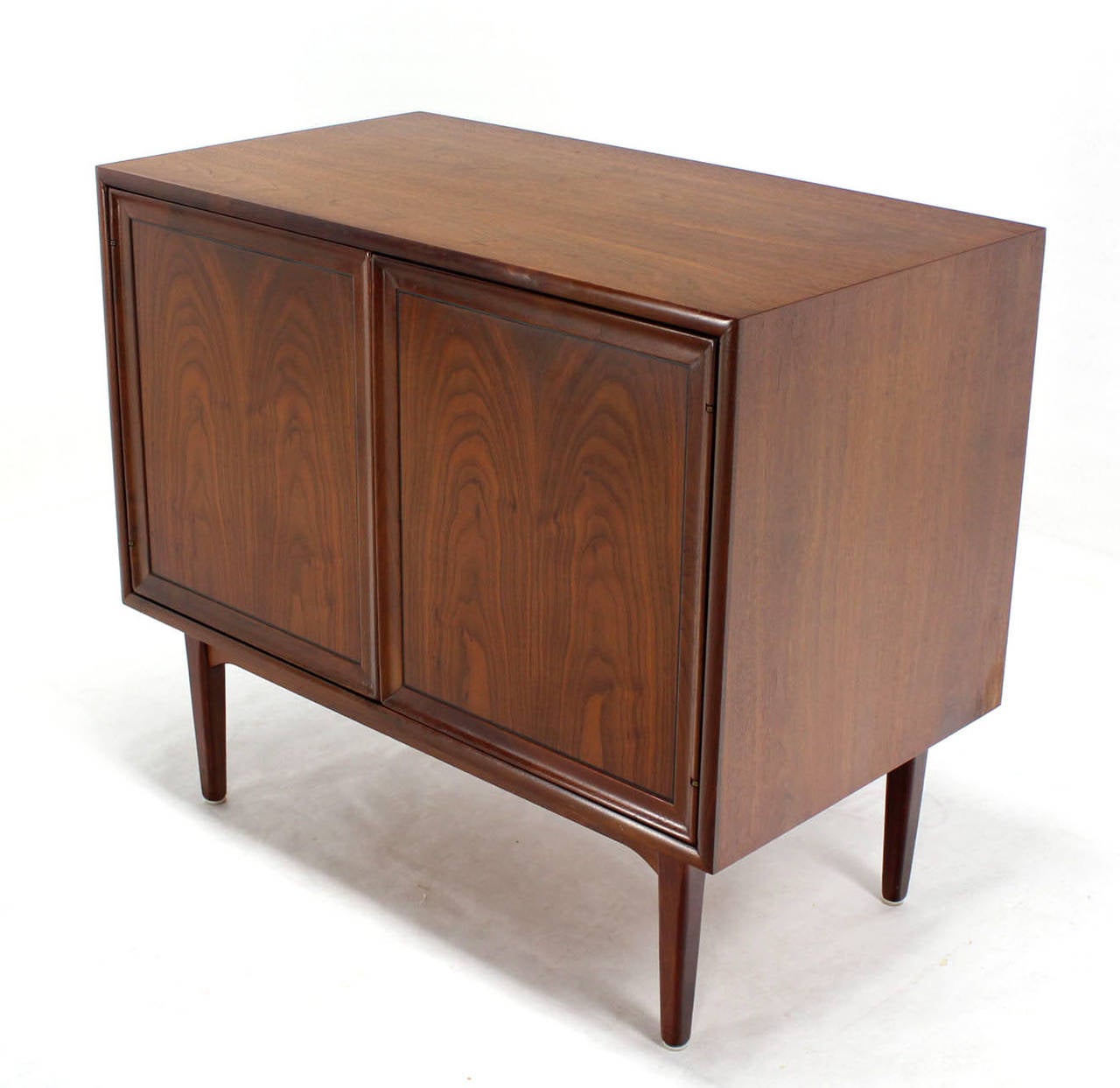
Kipp Stewart for Drexel Mid-Century Modern Walnut Server Credenza
By Kipp Stewart
Located in Rockaway, NJ
Beautiful walnut wood grain mid century modern small credenza cabinet by Kipp Stewart for Drexel.
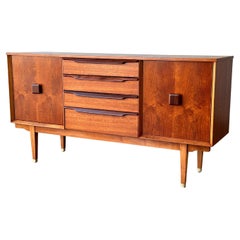

Cool Mid-Century Danish Modern Small Teak & Rosewood Credenza
Located in Las Vegas, NV
Uber cool Mid-Century Modern small credenza / Media stand. This piece has two spacious cabinets
Rosewood, Teak
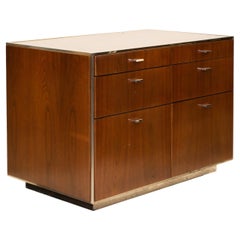

Midcentury Small Walnut Credenza with Chrome Details
Located in Wilton, CT
A very well crafted midcentury small credenza in medium dark walnut and polished steel base, corner
Stainless Steel
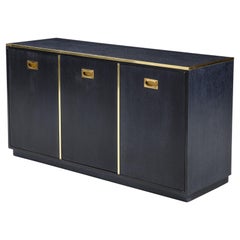

Michael Taylor for Baker Brass and Cerused Oak Modern Credenza
By Michael Taylor
Located in New York, NY
1960s Mid-Century Modern brass and oak small credenza designed by Michael Taylor for Baker. Newly
Brass
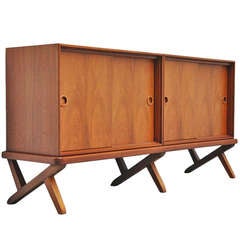

Fristho walnut credenza with cross leggs Rudolf b Glatzel 1960
By Fristho, Rudolf Bernd Glatzel
Located in Roosendaal, Noord Brabant
Very nice small credenza with solid walnut cross leggs. Sliding doors with each one shelve behind
Walnut
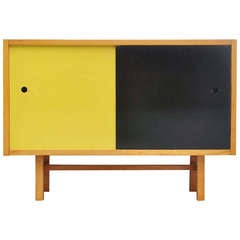

Jaap Penraat Dutch Modernist Credenza
Located in Roosendaal, Noord Brabant
Rare small credenza designed by Jaap Penraat for N.V. Pentagonia, Holland 1960. This credenza is

Sold
H 25 in W 48 in D 18 in
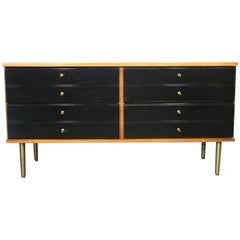
Unique Midcentury Low Four-Drawer Credenza Server Black Maple with Brass Legs
By Paul McCobb, Dunbar Furniture, Charles and Ray Eames
Located in BROOKLYN, NY
Unique rare custom midcentury low dresser or small credenza server by Unkown Designer circa 1950
Brass
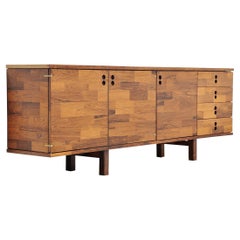

Jorge Zalszupin Jacaranda Credenza l'Atelier Brazil, 1960
By Jorge Zalszupin
Located in Roosendaal, Noord Brabant
Stunning small credenza designed by Jorge Zalszupin and manufactured by l'Atelier, Brazil 1970. The
Rosewood
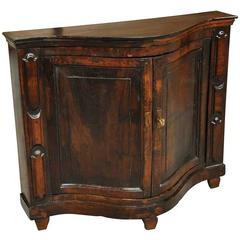

Italian 19th Century Credenzino
Located in Round Top, TX
A very lovely 19th century small credenza from Northern Italy. Beautifully constructed in walnut
Walnut
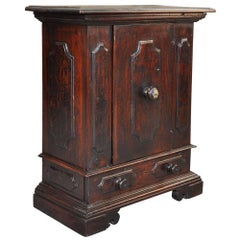

19th Century, Italian Credenzino
Located in Round Top, TX
A lovely early 19th century small credenza - credenzino from Northern Italy. Handsomely crafted
Walnut
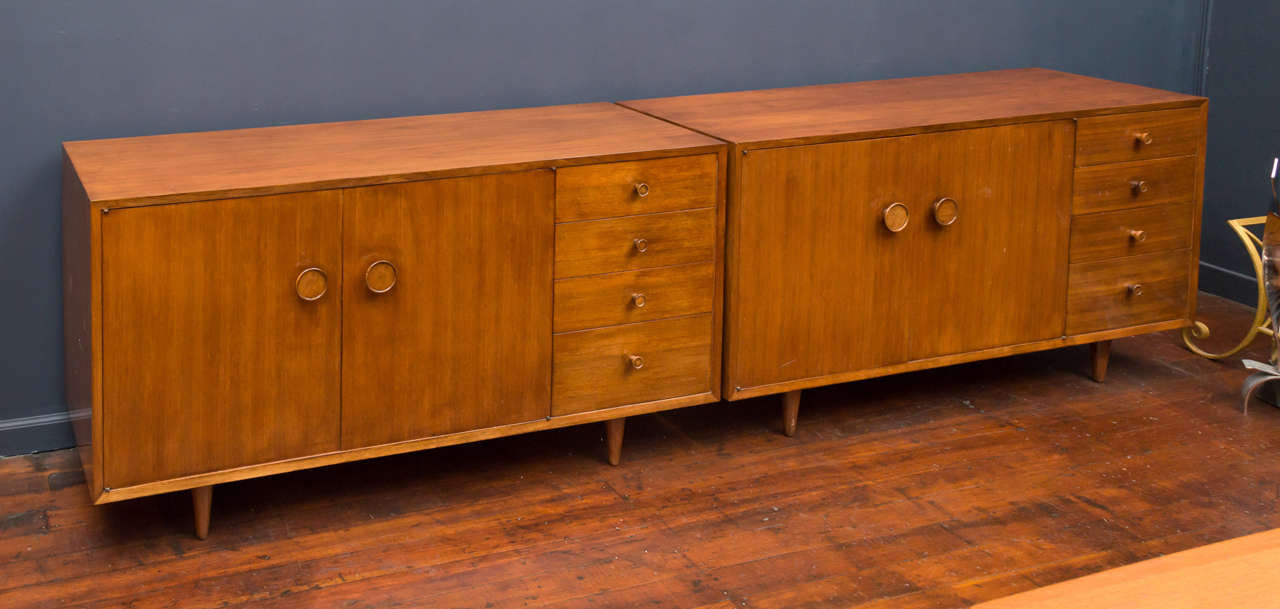
George Nelson Walnut Cabinet, 1950s
By George Nelson
Located in San Francisco, CA
George Nelson design cabinet or small credenza, made from black walnut for Herman Miller. Perfect
Walnut
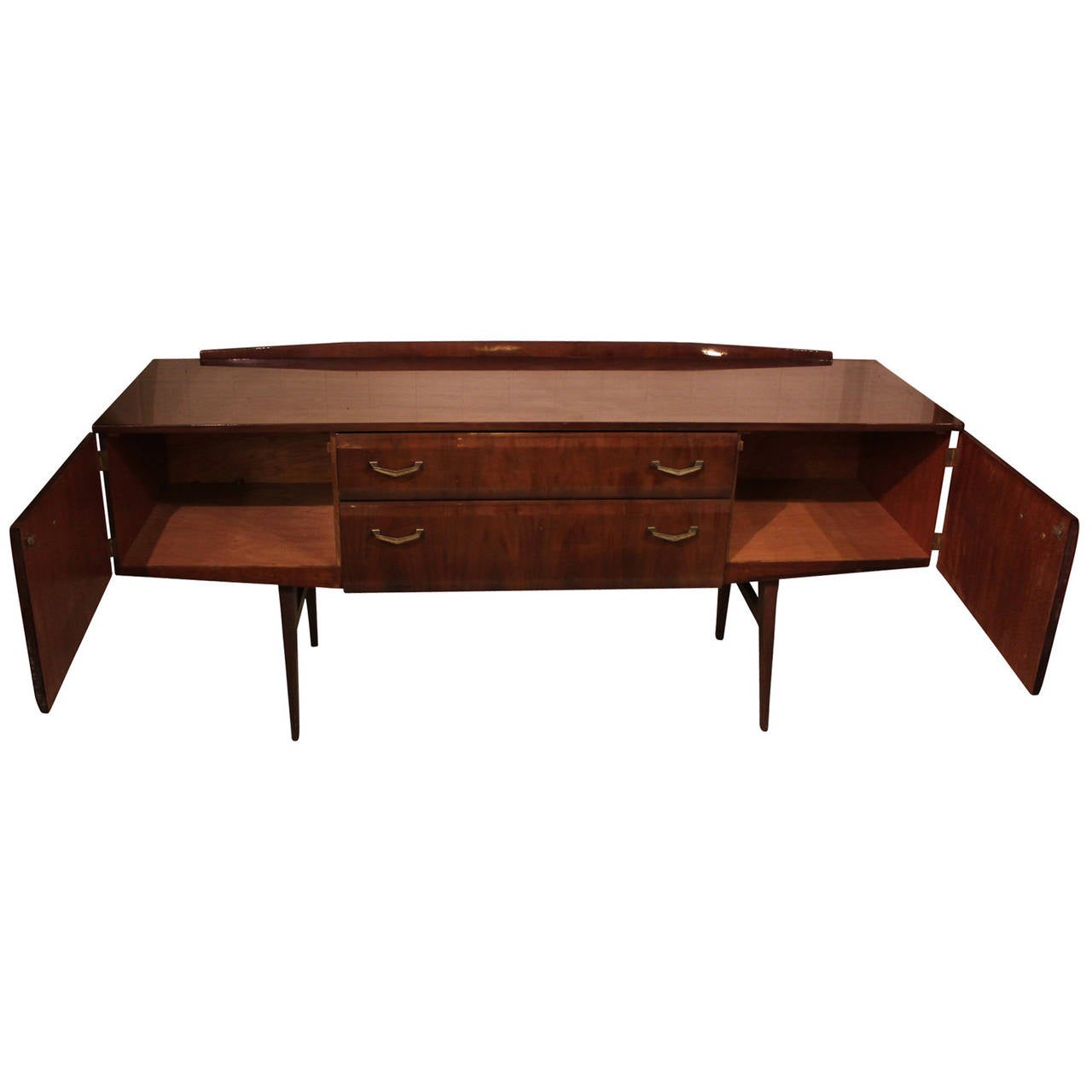
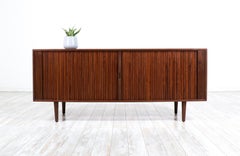
Mid Century Modern High Gloss Sideboard with Brass Hardware
By Ico Parisi
Located in Houston, TX
Lovely small credenza / server with beautiful grain and a high gloss finish. Brass hardware. Doors
$4,895 / item
H 28.25 in W 66 in D 18 in
Mid-Century Modern Style Tambour-Door Credenza by Danish Modern LA
Located in Los Angeles, CA
Introducing our first-ever modern credenza designed and crafted by Danish Modern L.A.'s artisans' house in Los Angeles, CA. Our skillfully crafted credenza showcases a solid American...
Walnut
Antique and vintage credenzas can add an understated touch of grace to your home. These long and sophisticated cabinet-style pieces of furniture can serve a variety of purposes, and they look great too.
In Italy, the credenza was originally a small side table used in religious services. Appropriately, credere in Italian means “to believe.” Credenzas were a place to not only set the food ready for meals, they were also a place to test and taste prepared food for poison before a dish was served to a member of the ruling class. Later, credenza was used to describe a type of versatile narrow side table, typically used for serving food in the home. In form, a credenza has much in common with a sideboard — in fact, the terms credenza and sideboard are used almost interchangeably today.
Credenzas usually have short legs or no legs at all, and can feature drawers and cabinets. And all kinds of iterations of the credenza have seen the light of day over the years, from ornately carved walnut credenzas originating in 16th-century Tuscany to the wealth of Art Deco credenzas — with their polished surfaces and geometric patterns — to the array of innovative modernist interpretations that American furniture maker Milo Baughman created for Directional and Thayer Coggin.
The credenza’s blend of style and functionality led to its widespread use in the 20th century. Mid-century modern credenzas are particularly popular — take a look at Danish furniture designer Arne Vodder’s classic Model 29, for instance, with its reversible sliding doors and elegant drawer pulls. Hans Wegner, another Danish modernist, produced strikingly minimalist credenzas in the 1950s and ’60s, as did influential American designer Florence Knoll. Designers continue to explore new and exciting ways to update this long-loved furnishing.
Owing to its versatility and familiar low-profile form, the credenza remains popular in contemporary homes. Unlike many larger case pieces, credenzas can be placed under windows and in irregularly shaped rooms, such as foyers and entryways. This renders it a useful storage solution. In living rooms, for example, a credenza can be a sleek media console topped with plants and the rare art monographs you’ve been planning to show off. In homes with open floor plans, a credenza can help define multiple living spaces, making it ideal for loft apartments.
Browse a variety of antique and vintage credenzas for sale on 1stDibs to find the perfect fit for your home today.
Simple or sophisticated, equipped with console, cart or custom cabinetry, these stylish bar areas deserve a toast.
Whether you’re just moving in or ready to give your home a makeover, our guide will give you pointers on tables that are fitting for every room, nook and hallway.
The furniture equivalent of a Swiss Army knife, it's the multifunctional piece you didn't know you needed.
Italian studio DimoreMilano mustered great ingenuity when crafting these sculptural shelves, which are built without any screws.
Leaping into a design project, whether it's refreshing the bedroom or redoing the whole house, can be overwhelming. Luckily, we know more than a few interior designers. You asked questions on Instagram, and now they're answering.
Introduced nearly 500 years ago, curiosity cabinets are finding new fans among today's collectors and designers.
In the hands of New York Heartwoods cofounder Megan Offner, unwanted local trees become works of design art.
From Brooklyn townhouses to Maine campgrounds, Trattie Davies and Jonathan Toews relish a challenge, like transforming a former warehouse space into the new 1stdibs Gallery.