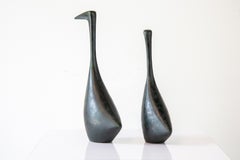
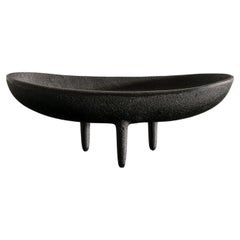
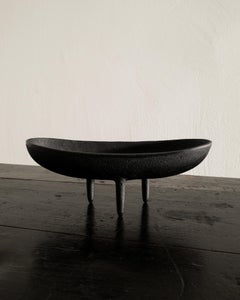
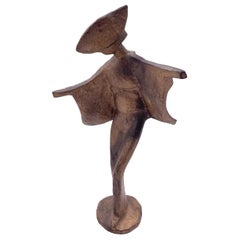
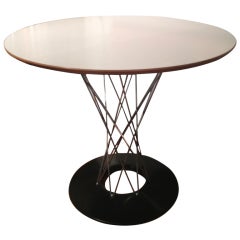
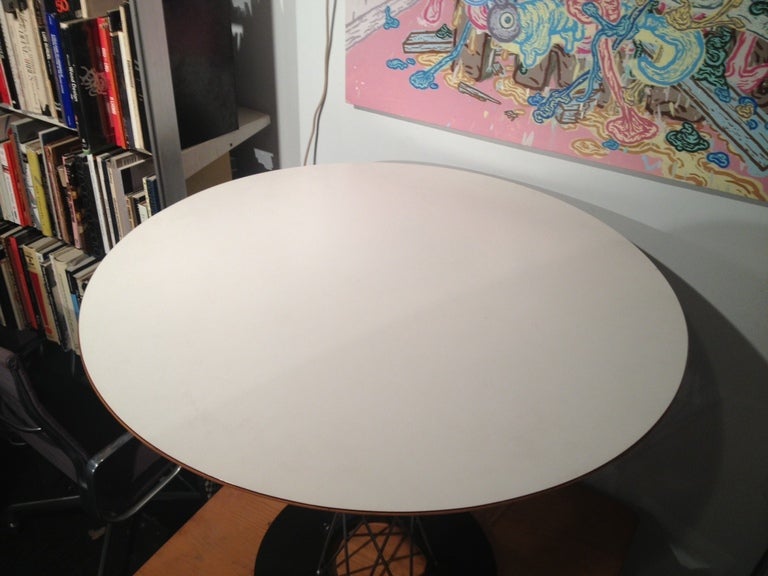
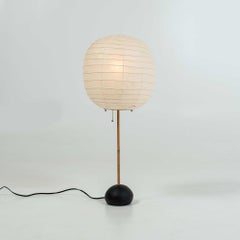
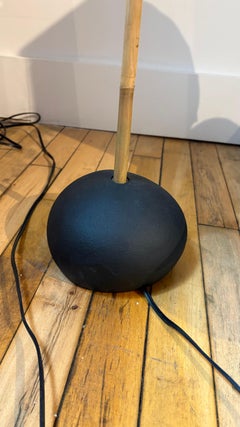
Noguchi Cast Iron
Vintage 1950s Japanese Mid-Century Modern Floor Lamps
Iron
Vintage 1960s Japanese Mid-Century Modern Vases
Iron
Recent Sales
Vintage 1960s Japanese Mid-Century Modern Animal Sculptures
Iron
Vintage 1950s Japanese Mid-Century Modern Planters, Cachepots and Jardin...
Iron
Mid-20th Century American Mid-Century Modern Figurative Sculptures
Iron
20th Century Japanese Mid-Century Modern Floor Lamps
Iron
Mid-20th Century Japanese Organic Modern Vases
Iron
20th Century Japanese Mid-Century Modern Abstract Sculptures
Iron
Vintage 1960s Japanese Table Lamps
Iron
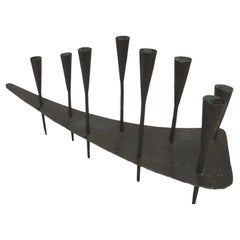
Mid-20th Century Japanese Mid-Century Modern Candelabras
Iron
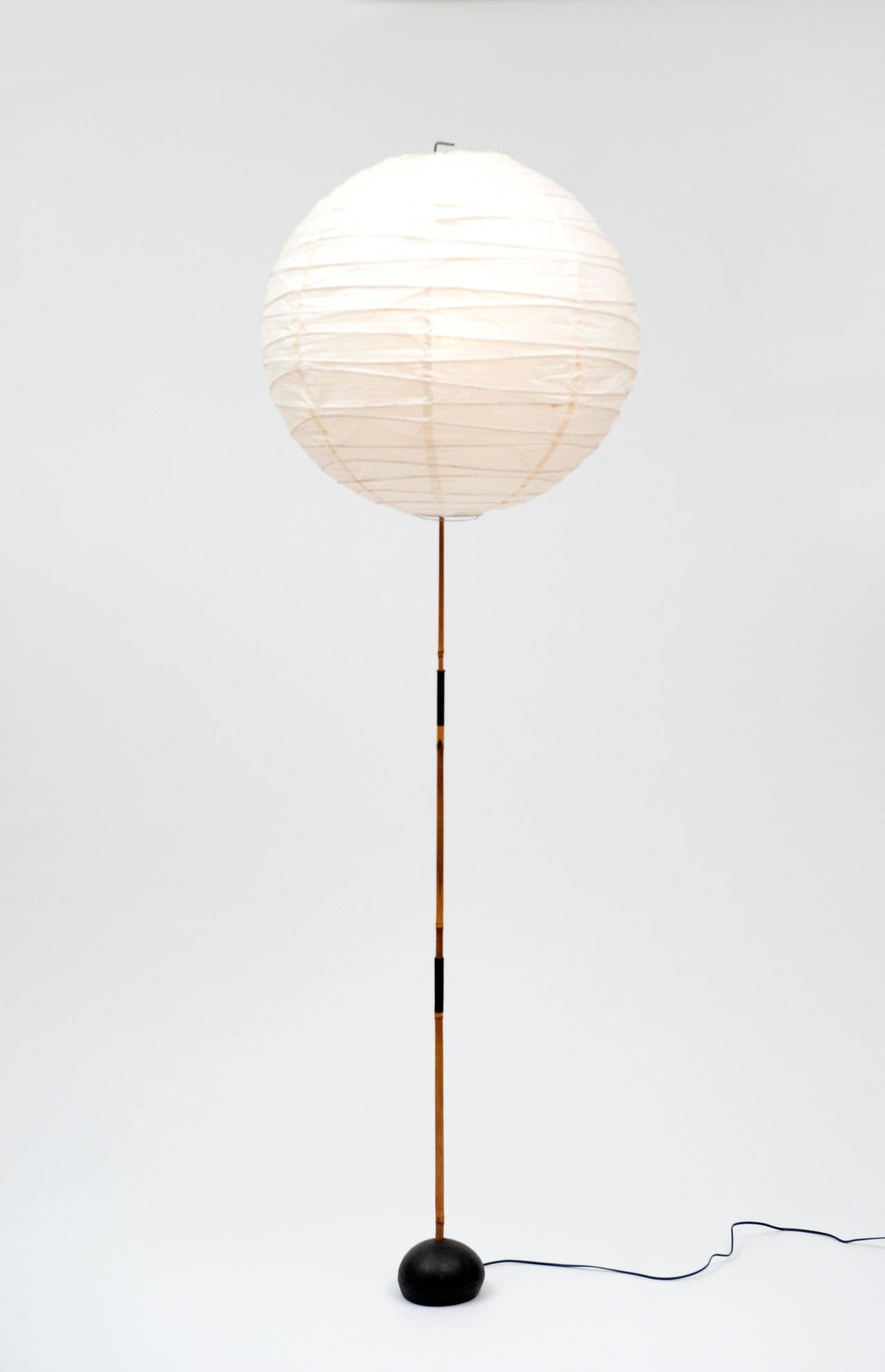
Vintage 1950s Japanese Mid-Century Modern Floor Lamps
Iron
Vintage 1960s Japanese Mid-Century Modern Tableware
Steel
Mid-20th Century Japanese Mid-Century Modern Floor Lamps
Iron
Mid-20th Century Japanese Mid-Century Modern Floor Lamps
Iron
20th Century Japanese Mid-Century Modern Floor Lamps
Iron
Mid-20th Century Japanese Mid-Century Modern Floor Lamps
Iron
Mid-20th Century Japanese Organic Modern Vases
Iron
Mid-20th Century Japanese Mid-Century Modern Floor Lamps
Iron
Mid-20th Century Japanese Mid-Century Modern Floor Lamps
Iron
Mid-20th Century Japanese Mid-Century Modern Table Lamps
Wire, Metal, Iron
Mid-20th Century American Mid-Century Modern Side Tables
Iron
2010s Japanese Mid-Century Modern Floor Lamps
Iron
Vintage 1950s Japanese Mid-Century Modern Vases
Iron
Vintage 1960s Japanese Mid-Century Modern Vases
Iron
Mid-20th Century Japanese Mid-Century Modern Vases
Iron
Mid-20th Century Japanese Mid-Century Modern Garden Ornaments
Iron
Vintage 1960s American Mid-Century Modern Gueridon
Iron, Stainless Steel
Vintage 1950s American Mid-Century Modern Dining Room Tables
Vintage 1950s Japanese Mid-Century Modern Decorative Bowls
Iron
Mid-20th Century Japanese Mid-Century Modern Garden Ornaments
Iron
Vintage 1960s American Mid-Century Modern Dining Room Tables
Steel, Iron
Vintage 1950s American Mid-Century Modern Tables
Mid-20th Century Japanese Mid-Century Modern Garden Ornaments
Iron
Vintage 1950s Japanese Mid-Century Modern Planters and Jardinieres
Iron
Vintage 1950s Japanese Mid-Century Modern Planters and Jardinieres
Iron
People Also Browsed
Vintage 1960s Japanese Mid-Century Modern Floor Lamps
Steel, Iron
Vintage 1950s Japanese Mid-Century Modern Table Lamps
Steel
Noguchi Cast Iron For Sale on 1stDibs
How Much is a Noguchi Cast Iron?
A Close Look at Mid-century-modern Furniture
Organically shaped, clean-lined and elegantly simple are three terms that well describe vintage mid-century modern furniture. The style, which emerged primarily in the years following World War II, is characterized by pieces that were conceived and made in an energetic, optimistic spirit by creators who believed that good design was an essential part of good living.
ORIGINS OF MID-CENTURY MODERN FURNITURE DESIGN
- Emerged during the mid-20th century
- Informed by European modernism, Bauhaus, International style, Scandinavian modernism and Frank Lloyd Wright’s architecture
- A heyday of innovation in postwar America
- Experimentation with new ideas, new materials and new forms flourished in Scandinavia, Italy, the former Czechoslovakia and elsewhere in Europe
CHARACTERISTICS OF MID-CENTURY MODERN FURNITURE DESIGN
- Simplicity, organic forms, clean lines
- A blend of neutral and bold Pop art colors
- Use of natural and man-made materials — alluring woods such as teak, rosewood and oak; steel, fiberglass and molded plywood
- Light-filled spaces with colorful upholstery
- Glass walls and an emphasis on the outdoors
- Promotion of functionality
MID-CENTURY MODERN FURNITURE DESIGNERS TO KNOW
- Charles and Ray Eames
- Eero Saarinen
- Milo Baughman
- Florence Knoll
- Harry Bertoia
- Isamu Noguchi
- George Nelson
- Danish modernists Hans Wegner and Arne Jacobsen, whose emphasis on natural materials and craftsmanship influenced American designers and vice versa
ICONIC MID-CENTURY MODERN FURNITURE DESIGNS
- Eames lounge chair
- Nelson daybed
- Florence Knoll sofa
- Egg chair
- Womb chair
- Noguchi coffee table
- Barcelona chair
VINTAGE MID-CENTURY MODERN FURNITURE ON 1STDIBS
The mid-century modern era saw leagues of postwar American architects and designers animated by new ideas and new technology. The lean, functionalist International-style architecture of Le Corbusier and Bauhaus eminences Ludwig Mies van der Rohe and Walter Gropius had been promoted in the United States during the 1930s by Philip Johnson and others. New building techniques, such as “post-and-beam” construction, allowed the International-style schemes to be realized on a small scale in open-plan houses with long walls of glass.
Materials developed for wartime use became available for domestic goods and were incorporated into mid-century modern furniture designs. Charles and Ray Eames and Eero Saarinen, who had experimented extensively with molded plywood, eagerly embraced fiberglass for pieces such as the La Chaise and the Womb chair, respectively.
Architect, writer and designer George Nelson created with his team shades for the Bubble lamp using a new translucent polymer skin and, as design director at Herman Miller, recruited the Eameses, Alexander Girard and others for projects at the legendary Michigan furniture manufacturer.
Harry Bertoia and Isamu Noguchi devised chairs and tables built of wire mesh and wire struts. Materials were repurposed too: The Danish-born designer Jens Risom created a line of chairs using surplus parachute straps for webbed seats and backrests.
The Risom lounge chair was among the first pieces of furniture commissioned and produced by celebrated manufacturer Knoll, a chief influencer in the rise of modern design in the United States, thanks to the work of Florence Knoll, the pioneering architect and designer who made the firm a leader in its field. The seating that Knoll created for office spaces — as well as pieces designed by Florence initially for commercial clients — soon became desirable for the home.
As the demand for casual, uncluttered furnishings grew, more mid-century furniture designers caught the spirit.
Classically oriented creators such as Edward Wormley, house designer for Dunbar Inc., offered such pieces as the sinuous Listen to Me chaise; the British expatriate T.H. Robsjohn-Gibbings switched gears, creating items such as the tiered, biomorphic Mesa table. There were Young Turks such as Paul McCobb, who designed holistic groups of sleek, blond wood furniture, and Milo Baughman, who espoused a West Coast aesthetic in minimalist teak dining tables and lushly upholstered chairs and sofas with angular steel frames.
Generations turn over, and mid-century modern remains arguably the most popular style going. As the collection of vintage mid-century modern chairs, dressers, coffee tables and other furniture for the living room, dining room, bedroom and elsewhere on 1stDibs demonstrates, this period saw one of the most delightful and dramatic flowerings of creativity in design history.
- 1stDibs ExpertMay 3, 2024The difference between iron and cast iron comes down to content. Iron is generally pure iron, a chemical element that is a solid metal at room temperature. Cast iron is a mix of iron, carbon, silicon, manganese, sulfur, phosphorus and other elements. Both iron and cast iron can be used to produce furniture, cookware, decorative objects and other items. Generally, cast iron is heavier than iron. Shop an assortment of iron and cast iron pieces on 1stDibs.
- What are cast iron columns?1 Answer1stDibs ExpertMay 5, 2023Cast iron columns are vertical supports produced out of cast iron, a material made from iron and alloys with a carbon content of more than two percent. During the 19th century, cast iron columns were used in architecture. Today, they primarily function as decorative objects. Shop a range of cast iron columns on 1stDibs.
- Who invented cast iron?1 Answer1stDibs ExpertMay 3, 2024The name of the person who invented cast iron is unknown. However, anthropologists and archaeologists have determined that the ancient Chinese were the first to develop it. The earliest known examples of cast iron date back to the 6th century B.C. Cast iron production didn't begin in Europe until the 14th century A.D. Shop a collection of cast iron furniture and decorative objects on 1stDibs.
- Does cast-iron furniture rust?1 Answer1stDibs ExpertSeptember 25, 2019
Yes, cast-iron furniture rusts.
- 1stDibs ExpertApril 5, 2022Cast iron is frequently used for fireplaces due to its properties. The metal is highly durable, allowing it to hold up to the effects of frequent use. It also readily conducts heat to help warm up interiors. You'll find a variety of cast iron fireplaces on 1stDibs.
- 1stDibs ExpertMarch 31, 2023Cast iron is often used for benches because of its characteristics. Its strength makes it well-suited to support the weight of two or more adults, and its hardness allows it to resist damage due to weather exposure. Shop a range of cast iron benches on 1stDibs.
- When were cast iron beds made?1 Answer1stDibs ExpertFebruary 22, 2021Cast iron beds were made starting in the 1850s. These types of beds were handmade until World War I through the use of molds.
- 1stDibs ExpertSeptember 25, 2019
Unlike cast iron, wrought iron is not brittle and will bend rather than break. Wrought ironwork is produced with a hammer and anvil and tends to be more intricate than cast ironwork, which is characterized by repetitive designs that can be carved into a wooden pattern and cast.
- Are cast iron columns hollow?1 Answer1stDibs ExpertMarch 31, 2023Whether cast iron columns are hollow depends on the piece. Most cast iron columns are hollow due to the manner of crafting, but some are solid. On 1stDibs, find a selection of columns.
- 1stDibs ExpertFebruary 17, 2023Yes, you can generally use cast iron as a planter because the material is durable and sturdy. However, you may need to drill drainage holes in a cast iron piece that wasn't intended to function as a planter to allow excess water to exit the vessel. On 1stDibs, find a selection of cast iron planters.
- Do cast iron tables rust?1 Answer1stDibs ExpertMay 5, 2023Yes, cast iron tables can rust. Pieces are more likely to develop rust when exposed to humidity, such as in bathrooms or outdoor living spaces in coastal areas. Wiping surfaces clean regularly and touching up scratches and chips can reduce the risk of rust. On 1stDibs, shop a selection of cast iron tables.
- Do cast iron Firebacks work?1 Answer1stDibs ExpertAugust 24, 2021Yes, cast iron firebacks are quite sturdy and work really well. As they are made of solid iron, it's a challenge to move and place them. Given that, cast iron firebacks are the best protection for the back wall of the fireplace. Find a variety of firebacks on 1stDibs.
- How do I hang a cast iron bell?1 Answer1stDibs ExpertMarch 22, 2022How to hang a cast iron bell depends on the style. Some cast iron bells have loops at the top that you can hang from a hook anchored onto your desired mounting surface. Others have brackets or frames that you can secure with mounting screws. On 1stDibs, shop a selection of cast iron bells.
- 1stDibs ExpertSeptember 25, 2019
To keep a piece made of cast iron from rusting, place it in a cool, dry space with good air circulation.
- 1stDibs ExpertMarch 22, 2022Cast iron doorstops originated in the late 18th century. Osbourn Dursey invented the first doorstop in 1878. Decorative cast iron stops became popular in the 1920s and remained so throughout World War II. On 1stDibs, shop a variety of antique cast iron doorstops.
- 1stDibs ExpertSeptember 25, 2019
Cast iron is stronger than steel.
- 1stDibs ExpertMarch 22, 2022A cast iron fireplace insert is a firebox that fits into an existing fireplace surround. The insert is made of cast iron, a type of iron that is more than 2 percent carbon. Cast iron is highly durable and very resistant to the effects of heat. You'll find a selection of cast iron fireplace inserts on 1stDibs.
- 1stDibs ExpertAugust 17, 2021Cast iron trivets are used for many things but are especially ideal for slow cooking meat. They can prop up food in Dutch ovens to prevent burning and increase heat distribution.
- 1stDibs ExpertApril 5, 2022Yes, cast iron umbrella stands and anything made of cast iron can rust. Keeping your cast iron umbrella stand away from moisture and humidity is the best way to keep it from rusting. However, because it is designed to hold wet umbrellas that may be impractical. Some people like to paint cast iron to protect it from rusting. You’ll find a variety of cast iron and other umbrella stands from some of the world’s top sellers on 1stDibs.
- 1stDibs ExpertFebruary 13, 2023Whether cast iron garden furniture lasts depends on the quality of the pieces and how well you care for and maintain them over time. Many people choose cast iron, aluminum, wicker or rattan garden furniture for their outdoor patio sets. Shop an assortment of garden furniture on 1stDibs.
Read More
A Basket-Weave Pattern Adds Country Charm to Paolo Buffa’s Elegant Cabinet
With its grid-like doors and wavy trim, the 1940s design feels as fresh as ever.
This Paavo Tynell Chandelier Is a Radiant Bouquet
The alluring pendant light exemplifies the designer’s winsome mid-career work.
End Your Quest for Fire with This Handmade Majolica Chimney
Prehistoric motifs give the mid-century Italian fireplace an elemental feel.
Who Were Guillerme et Chambron? French Veterans of WWII with a Knack for Clever, Quirky and Livable Furniture
Their charming solid-oak pieces offer homes utility and comfort.
39 Incredible Swimming Pools
It's hard to resist the allure of a beautiful pool. So, go ahead and daydream about whiling away your summer in paradise.
The 21 Most Popular Mid-Century Modern Chairs
You know the designs, now get the stories about how they came to be.
Iconic Furniture Makes This 1958 Midwestern Home a True Mid-Century Gem
Designer Susan Yeley turned to 1stDibs to outfit an Indiana home with standout pieces that complement its modernist style.
The Ultimate Guide to Types of Tables for the Home
Whether you’re just moving in or ready to give your home a makeover, our guide will give you pointers on tables that are fitting for every room, nook and hallway.