Ogata Kenzan

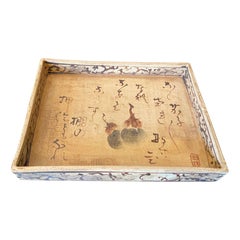
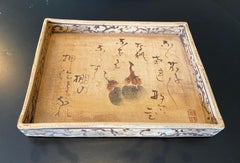
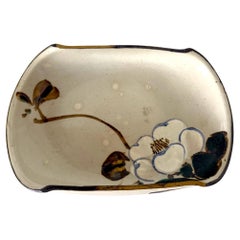
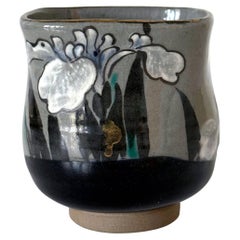
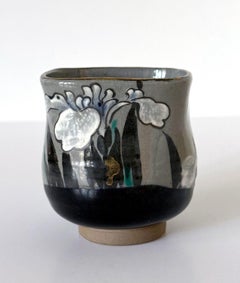
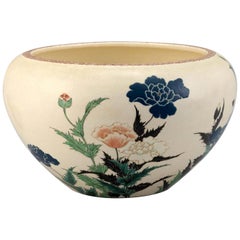
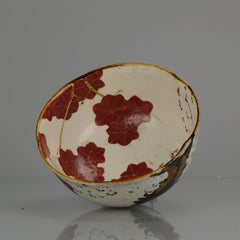
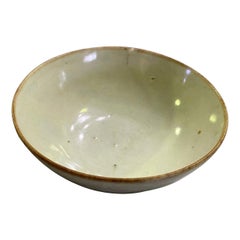
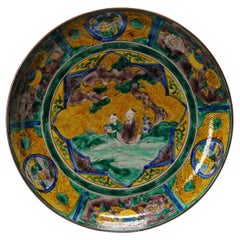
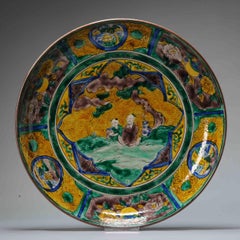
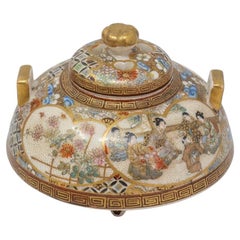
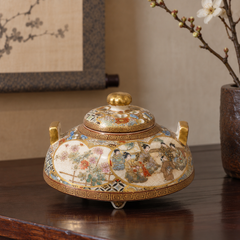
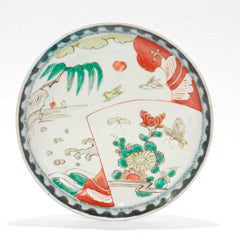
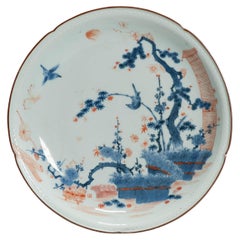
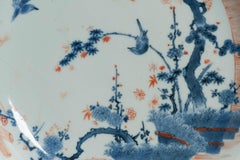
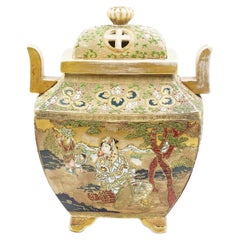
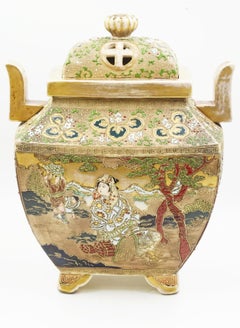
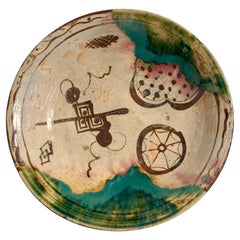
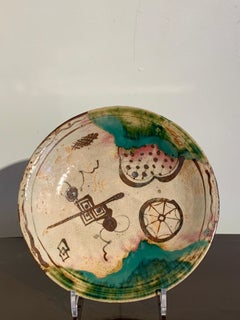
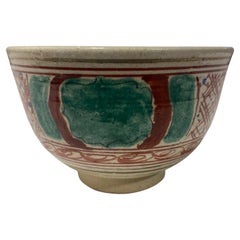
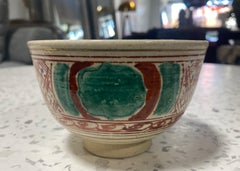
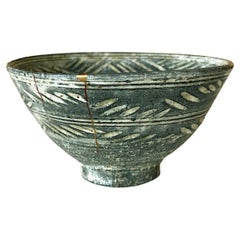
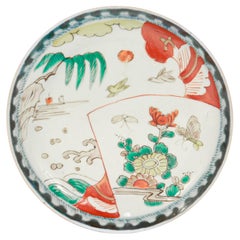
Japanese Ceramic Dish Meiji Ogata Kenzan

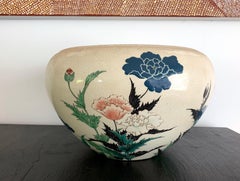
Japanese Ceramic Dish Meiji Ogata Kenzan

Located in Atlanta, GA

Based on the style of the painting and calligraphy, we think that the dish was likely made in Meiji period circa 19th century in the style of Ogata Kenzan.

Category

Antique 19th Century Japanese Meiji Ceramics

Materials

Ceramic

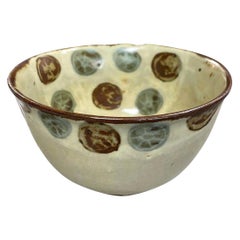
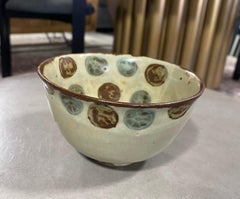
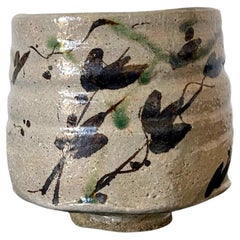
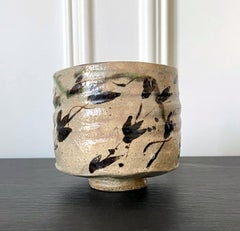
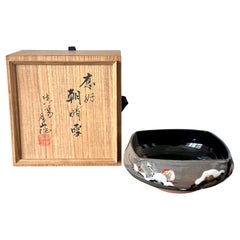
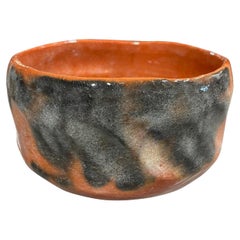
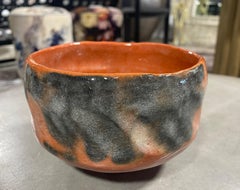
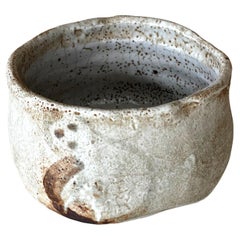
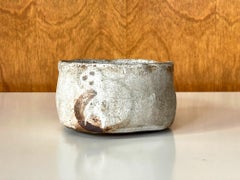
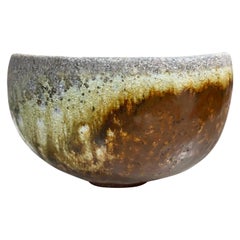
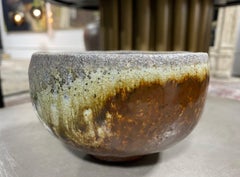
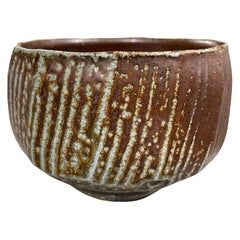
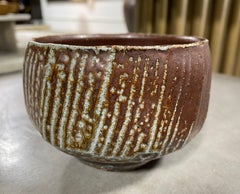
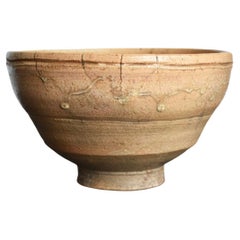
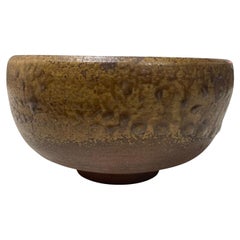
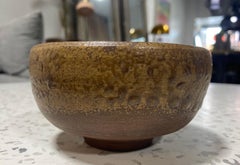
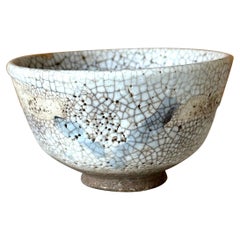
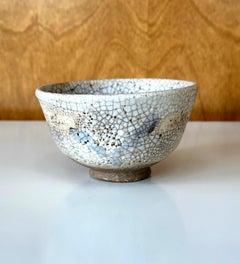
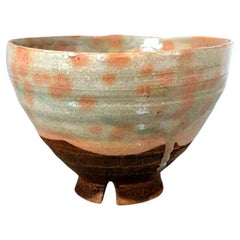
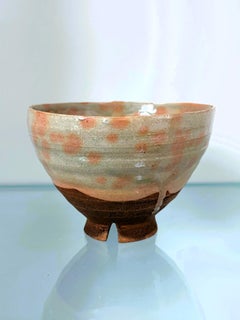
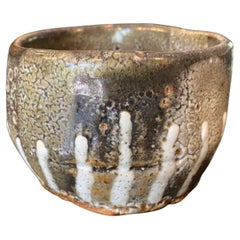
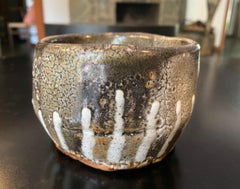
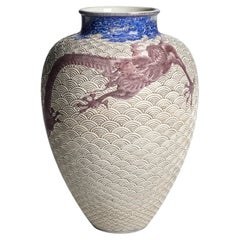
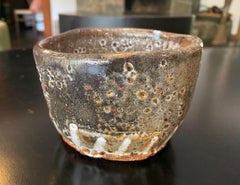
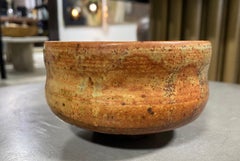
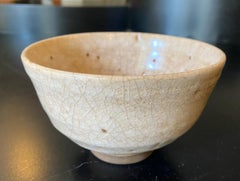
Ogata Kenzan Signed Japanese Asian Edo Period Pottery Tea Bowl Chawan

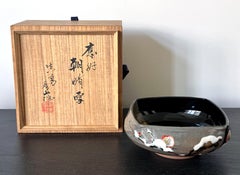
Ogata Kenzan Signed Japanese Asian Edo Period Pottery Tea Bowl Chawan

Located in Studio City, CA

Ogata Kenzan (尾形 乾山), whose original name was Ogata Shinsei, was born in 1663 in Kyoto, Japan.

Category

Antique 18th Century Japanese Edo Ceramics

Materials

Pottery

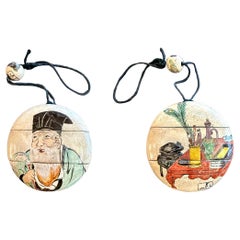
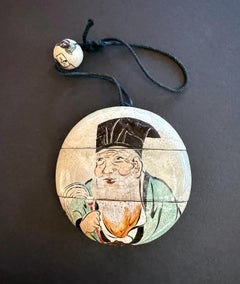
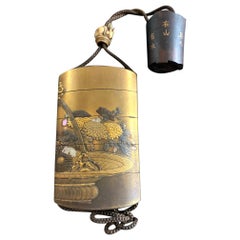
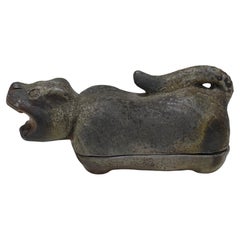
Rare Japanese Ceramic Glazed Inro with Ojime Ogata Kenzan Edo Period

Rare Japanese Ceramic Glazed Inro with Ojime Ogata Kenzan Edo Period

Located in Atlanta, GA

Ceramic inros that bear Ogata Kenzan's signature are scarce, especially in good condition.

Category

Antique 18th Century Japanese Edo Scholar's Objects

Materials

Ceramic

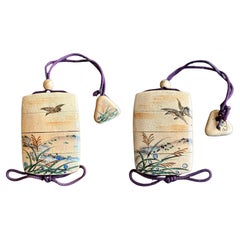
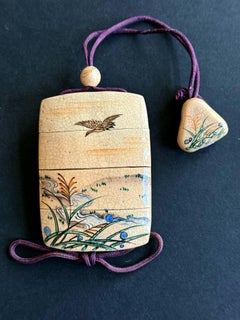
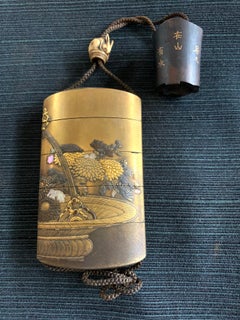
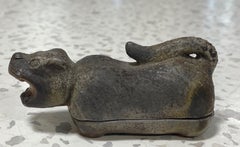
Rare Japanese Ceramic Glazed Inro with Ojime and Netsuke Ogata Kenzan Edo Period

Rare Japanese Ceramic Glazed Inro with Ojime and Netsuke Ogata Kenzan Edo Period

Located in Atlanta, GA

Ceramic inros that bear Ogata Kenzan's signature are scarce, especially as a complete set and in near perfect condition.

Category

Antique 18th Century Japanese Edo Scholar's Objects

Materials

Ceramic

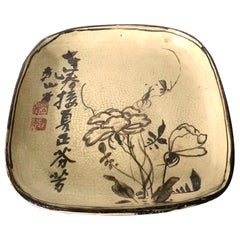
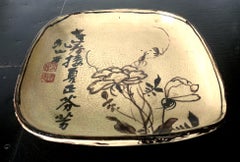
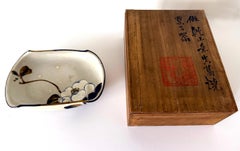
Ogata Kenzan Signed Japanese Edo Pottery Hand Painted Tea Plate Tray With Box

Ogata Kenzan Signed Japanese Edo Pottery Hand Painted Tea Plate Tray With Box

Located in Studio City, CA

This piece dates back to the Edo Period (1603-1868) Ogata Kenzan (尾形 乾山), whose original name was Ogata Shinsei, was born in 1663 in Kyoto, Japan.

Category

Antique 18th Century Japanese Edo Ceramics

Materials

Pottery, Paint

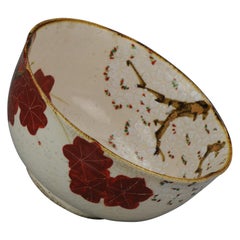
Japanese Ceramic Bowl Makuzu Kozan Utusushi Kenzan

Japanese Ceramic Bowl Makuzu Kozan Utusushi Kenzan

By Makuzu Kozan

Located in Atlanta, GA

The bowl was made in the so called "Utusushi" Ogata Kenzan (1663-1743), a celebrated Edo painter and ceramicist.

Category

Antique Early 1900s Japanese Japonisme Ceramics

Materials

Ceramic

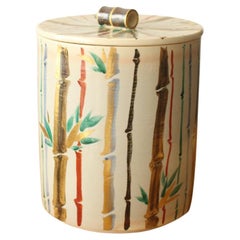
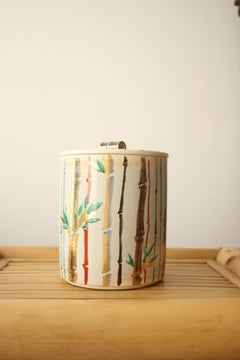
F2 Japanese Art Miura Chikuken, Kenzan design Bamboo Water Jar, Tea Ceremony

F2 Japanese Art Miura Chikuken, Kenzan design Bamboo Water Jar, Tea Ceremony

Located in Niiza, JP

Miura Chikuken Imitation Kenzan Bamboo Water Jar Tea Ceremony Utensil Size: φ170×220mm Box size: 190×270×190mm 3kg Estimated packing size: 300×400×300mm 6kg This piece is inspired b...

Category

20th Century Japanese Ceramics

Materials

Ceramic

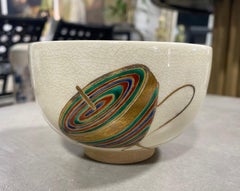
Japanese Ceramic Bowl Makuzu Kozan with Original Inscribed Box

Japanese Ceramic Bowl Makuzu Kozan with Original Inscribed Box

By Makuzu Kozan

Located in Atlanta, GA

The bowl was made in the so called "Utusushi" to Ogata Kenzan (1663-1743), a celebrated Edo painter and ceramicist.

Category

Antique Early 1900s Japanese Meiji Ceramics

Materials

Ceramic

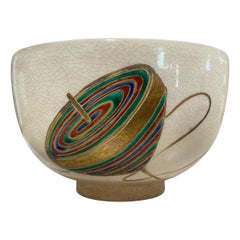
Japanese Ceramic Teacup by Makuzu Kozan Meiji Period

Japanese Ceramic Teacup by Makuzu Kozan Meiji Period

By Makuzu Kozan

Located in Atlanta, GA

The bowl was made in the so called "Utusushi" to Ogata Kenzan (1663-1743), a celebrated Edo painter and ceramicist.

Category

Antique Early 1900s Japanese Meiji Ceramics

Materials

Ceramic

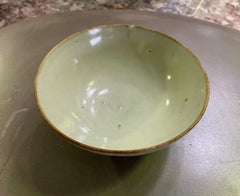
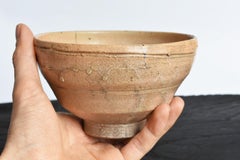
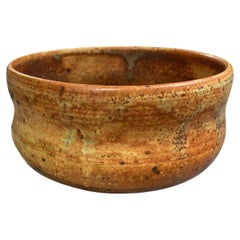
Japanese Mino Ware Oribe Type Chawan Tea Bowl

Japanese Mino Ware Oribe Type Chawan Tea Bowl

Located in Atlanta, GA

The design calls to mind certain type Kyo-Yaki bowls by Ogata Kenzan, which could be the inspiration. There is a purposedly-built purple fabric form that goes into the tea bowl as ...

Category

Antique 19th Century Japanese Meiji Ceramics

Materials

Ceramic

Japanese Studio Ceramic Centerpiece Okumura Shozan Meiji Period

Japanese Studio Ceramic Centerpiece Okumura Shozan Meiji Period

Located in Atlanta, GA

He researched old glazing techniques and was renowned for recreating the works of earlier Edo artists such as Ninsei Nonomura and Ogata Kenzan. He won the award at the National Indus...

Category

Antique Late 19th Century Japanese Japonisme Ceramics

Materials

Ceramic

Rare Published Japanese Ceramic Bowl Makuzu Kozan with Original Inscribed Box

Rare Published Japanese Ceramic Bowl Makuzu Kozan with Original Inscribed Box

By Makuzu Kozan

Located in Atlanta, GA

The bowl was made in the so called "Utusushi" Ogata Kenzan (1663-1743), a celebrated Edo painter and ceramicist.

Category

Antique Early 1900s Japanese Meiji Ceramics

Materials

Ceramic

Kichizaemon Raku Seinyu XIII "13th" Signed Antique Japanese Raku Chawan Tea Bowl

Kichizaemon Raku Seinyu XIII "13th" Signed Antique Japanese Raku Chawan Tea Bowl

Located in Studio City, CA

Other famous Japanese clay artists of this period include Donyu (grandson of Chojiro, also known as Nonko; 1574–1656), Hon'ami Koetsu (1556–1637) and Ogata Kenzan (1663–1743). It inf...

Category

Early 20th Century Japanese Meiji Ceramics

Materials

Ceramic

Recent Sales

Kire-kagami, Swatch Book

Kire-kagami, Swatch Book

Unavailable

H 12 in W 8.5 in D 1.5 in

Kire-kagami, Swatch Book

By Kariganeya Kimono Maker

Located in Sag Harbor, NY

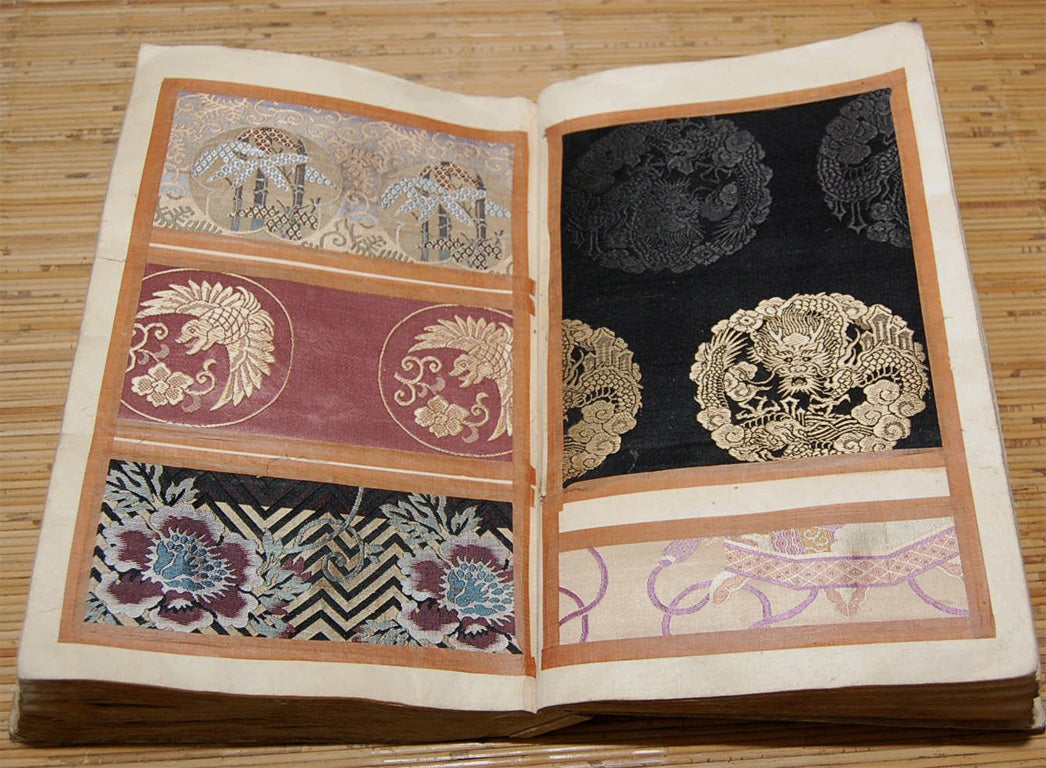
This Swatch Book was originally the collection of a famous Kimono maker in Kyoto, established back in the late 16th century. Ogata Korin and his brother Ogata Kenzan were the fourth ...

Category

Antique 19th Century Japanese Books

Materials

Brocade, Paper, Silk

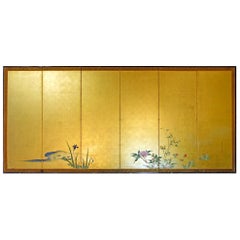
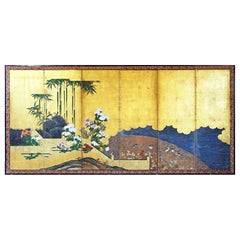
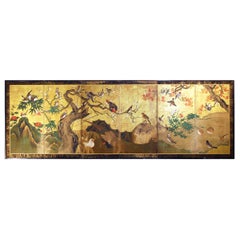
Paravento Giapponese a sei pannelli su foglia d'oro.

Paravento Giapponese a sei pannelli su foglia d'oro.

Unavailable

H 68.12 in W 146.86 in D 0.79 in

Paravento Giapponese a sei pannelli su foglia d'oro.

By Japanese Studio

Located in Brescia, IT

Lo stile fu consolidato dai fratelli Ogata Korin (1658–1716) e Ogata Kenzan (1663–1743).

Category

Antique Early 19th Century Japanese Edo Paintings and Screens

Materials

Gold Leaf

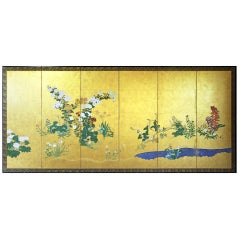
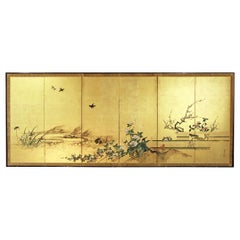
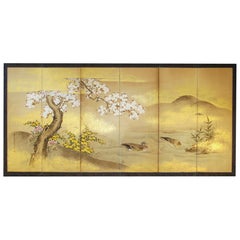
Japanese Byobu - Japanese Folding Screen Gold Leaf

Japanese Byobu - Japanese Folding Screen Gold Leaf

Unavailable

H 66.93 in W 148.04 in D 0.79 in

Japanese Byobu - Japanese Folding Screen Gold Leaf

By Japanese Studio

Located in Brescia, IT

The style was consolidated by the brothers Ogata Korin (1658–1716) and Ogata Kenzan (1663–1743).

Category

Antique Early 19th Century Japanese Edo Paintings and Screens

Materials

Gold Leaf

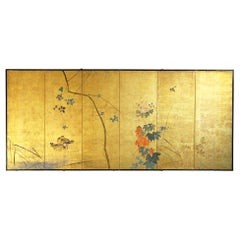
Edo Landscape Japanese Folding Screen

Edo Landscape Japanese Folding Screen

Unavailable

H 67.33 in W 147.25 in D 0.79 in

Edo Landscape Japanese Folding Screen

By Japanese Studio

Located in Brescia, IT

The style was consolidated by the brothers Ogata Korin (1658–1716) and Ogata Kenzan (1663–1743).

Category

Antique 18th Century Japanese Edo Paintings and Screens

Materials

Gold Leaf

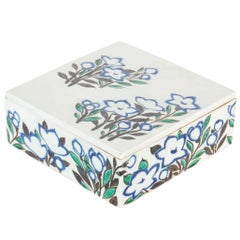
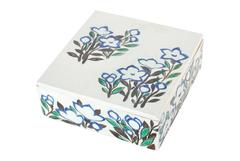
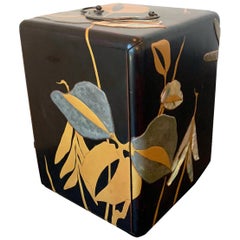
Japanese Ogata Kenzan Style Pottery Box, 20th Century

Japanese Ogata Kenzan Style Pottery Box, 20th Century

Located in Prahran, Victoria

Japanese pottery covered box in the style of Ogata Kenzan, with a freely brushed design of flowers spread across its sides in tones of black, blue and green, Taisho period, circa 192...

Category

Early 20th Century Japanese Taisho Ceramics

Materials

Pottery

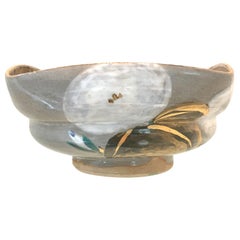
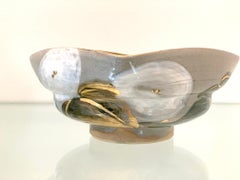
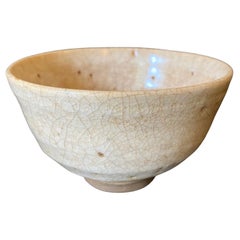
Japanese Ceramic Bowl Meiji Period Style of Ogata Kenzan

Japanese Ceramic Bowl Meiji Period Style of Ogata Kenzan

Located in Atlanta, GA

The bowl features a abstract gourd design on both interior and exterior in a color scheme reminiscent of Kutani ware, but it was most likely made in Kyoto and clearly in the spirit o...

Category

Antique 1890s Japanese Japonisme Ceramics

Materials

Ceramic

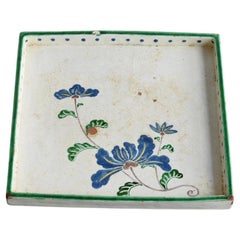
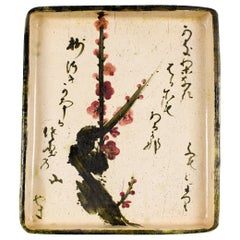
Antique Japanese Ceramic Tray with Plum And Calligraphy Design

Antique Japanese Ceramic Tray with Plum And Calligraphy Design

Located in Hudson, NY

Signature on the bottom of the plate reads: Kenzan (a descendant of Kenzan Ogata). This tray would have been used to serve sweets during tea ceremony.

Category

Antique Early 19th Century Japanese Edo Ceramics

Materials

Ceramic, Wood, Silk

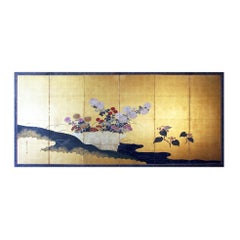
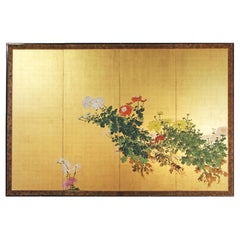
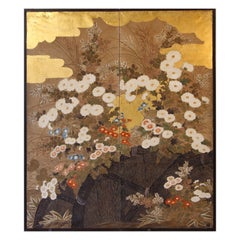
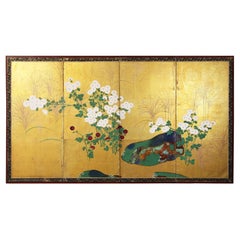
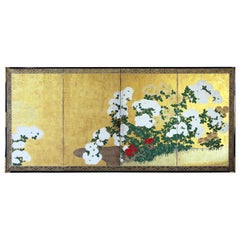
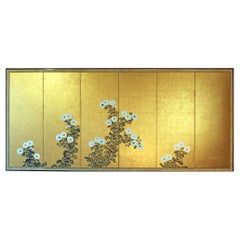
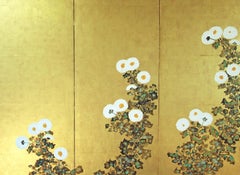
Byôbu Screen 屏風 Chrysanthemums, Rinpa School, Edo / Meiji period

Byôbu Screen 屏風 Chrysanthemums, Rinpa School, Edo / Meiji period

By Rinpu Sasaki

Located in Valladolid, ES

Fifty years later, the style was consolidated through the brothers Ogata Kōrin and Kenzan. It flourished in Kyōto, Nara, and Osaka, the political and cultural triangle of ancient Jap...

Category

Antique 1880s Japanese Edo Paintings and Screens

Materials

Gold Leaf, Silver Leaf

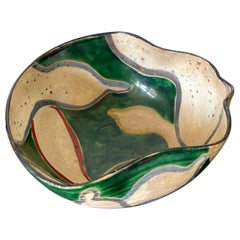
Japanese Ogata Kenzan Style Bowl Arita Lovely Japanese Pottery, Japan

Japanese Ogata Kenzan Style Bowl Arita Lovely Japanese Pottery, Japan

Located in Amsterdam, Noord Holland

Description A very nice and beautiful autumn bowl. Condition Perfect, just firing bubbles. Size: 190 x 95 mm D x H Period 18th century 19th century.
Category

Antique Late 18th Century Japanese Ceramics

Materials

Porcelain

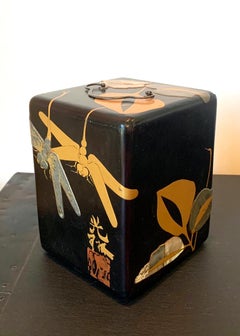
Japanese Lacquer Jewelry Box Rinpa School Meiji Period

Japanese Lacquer Jewelry Box Rinpa School Meiji Period

By Ogata Korin

Located in Atlanta, GA

The box is signed and sealed as Ogata Korin (1658-1716), who with his brother Ogata Kenzan (1663–1743), were the key members of the Rinpa school in Edo period.

Category

Antique 19th Century Japanese Japonisme Lacquer

Materials

Pewter, Gold Leaf

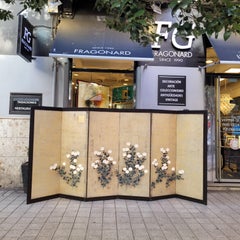
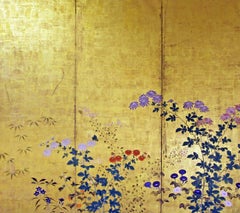
Japanese Screen, Four Panels Japanese Screen on Spring Gold Leaf

Japanese Screen, Four Panels Japanese Screen on Spring Gold Leaf

By Japanese Studio

Located in Brescia, IT

Rinpa is one of the major historical schools of Japanese painting. the style was consolidated by the brothers Ogata Korin (1658–1716) and Ogata Kenzan (1663–1743).

Category

Early 20th Century Japanese Meiji Paintings and Screens

Materials

Gold Leaf

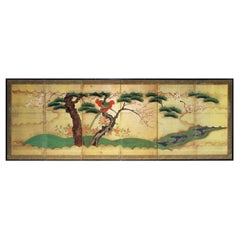
Edo, Japanese Folding Screen, Six Panels Hand Painted Un Gold Leaf

Edo, Japanese Folding Screen, Six Panels Hand Painted Un Gold Leaf

Located in Brescia, IT

The style was consolidated by the brothers Ogata Korin (1658–1716) and Ogata Kenzan (1663–1743).

Category

Antique Early 19th Century Japanese Edo Paintings and Screens

Materials

Gold Leaf

Japanese Folding Screen Small Size

Japanese Folding Screen Small Size

Sold

H 22.05 in W 61.42 in D 0.79 in

Japanese Folding Screen Small Size

Located in Brescia, IT

The style was consolidated by the brothers Ogata Korin (1658–1716) and Ogata Kenzan (1663–1743).

Category

Mid-20th Century Japanese Showa Paintings and Screens

Materials

Gold Leaf

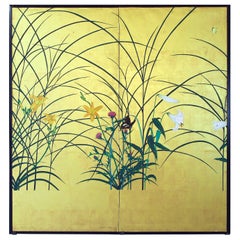
Edo Japanese Screen Two Panels Rinpa School

Edo Japanese Screen Two Panels Rinpa School

Sold

H 54.34 in W 47.25 in D 0.79 in

Edo Japanese Screen Two Panels Rinpa School

By Japanese Studio

Located in Brescia, IT

The style was consolidated by the brothers Ogata Korin (1658–1716) and Ogata Kenzan (1663–1743).

Category

Antique Early 19th Century Japanese Edo Paintings and Screens

Materials

Gold Leaf

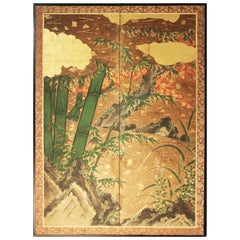
Edo, Japanese Screen Two Panels Rinpa School

Edo, Japanese Screen Two Panels Rinpa School

Sold

H 66.93 in W 50.01 in D 0.79 in

Edo, Japanese Screen Two Panels Rinpa School

By Japanese Studio

Located in Brescia, IT

The style was consolidated by the brothers Ogata Korin (1658–1716) and Ogata Kenzan (1663–1743).

Category

Antique 18th Century Japanese Edo Paintings and Screens

Materials

Gold Leaf

Japanese Screen Gold Leaf

Japanese Screen Gold Leaf

Sold

H 51.19 in W 49.22 in D 0.79 in

Japanese Screen Gold Leaf

By Japanese Studio

Located in Brescia, IT

The style was consolidated by the brothers Ogata Korin (1658–1716) and Ogata Kenzan (1663–1743).

Category

20th Century Japanese Showa Paintings and Screens

Materials

Gold Leaf

Interior Design -Japanese screen - Landscape for a luxury wall - Antiques Asian

Interior Design -Japanese screen - Landscape for a luxury wall - Antiques Asian

Located in Brescia, IT

The style was consolidated by the brothers Ogata Korin (1658–1716) and Ogata Kenzan (1663–1743).

Category

20th Century Japanese Showa Paintings and Screens

Materials

Gold Leaf

Six Panel Rinpa Japanese School Screen

Six Panel Rinpa Japanese School Screen

Sold

H 48.82 in W 110.24 in D 0.79 in

Six Panel Rinpa Japanese School Screen

By Japanese Studio

Located in Brescia, IT

Rinpa is one of the major historical schools of Japanese painting and the style was consolidated by the brothers Ogata Korin (1658–1716) and Ogata Kenzan (1663–1743).

Category

Antique Early 19th Century Japanese Edo Paintings and Screens

Materials

Gold Leaf

18th Century Japanese Folding Screen

18th Century Japanese Folding Screen

Sold

H 34.65 in W 99.22 in D 0.79 in

18th Century Japanese Folding Screen

By Japanese Studio

Located in Brescia, IT

We recall that "Rinpa school" is one of the major historical schools of Japanese painting and the style was consolidated by the brothers Ogata Korin (1658-1716) and Ogata Kenzan (166...

Category

Antique Mid-18th Century Japanese Edo Paintings and Screens

Materials

Gold Leaf

Japanese Folding Screen Landscape paint on Gold Leaf Six Panels

Japanese Folding Screen Landscape paint on Gold Leaf Six Panels

By Japanese Studio

Located in Brescia, IT

The style was consolidated by the brothers Ogata Korin (1658–1716) and Ogata Kenzan (1663–1743).

Category

Antique Early 19th Century Japanese Edo Paintings and Screens

Materials

Gold Leaf

Edo Landscape Japanese Folding Screen in Gold Leaf

Edo Landscape Japanese Folding Screen in Gold Leaf

Sold

H 42.13 in W 71.66 in D 0.79 in

Edo Landscape Japanese Folding Screen in Gold Leaf

By Japanese Studio

Located in Brescia, IT

The style was consolidated by the brothers Ogata Korin (1658–1716) and Ogata Kenzan (1663–1743).

Category

Antique Mid-19th Century Japanese Edo Paintings and Screens

Materials

Gold Leaf

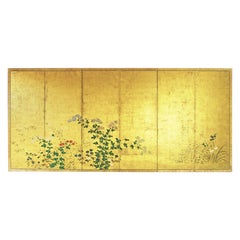
Japanese Folding Screen Six Panels Rinpa School on Gold Leaf

Japanese Folding Screen Six Panels Rinpa School on Gold Leaf

By Japanese Studio

Located in Brescia, IT

The style was consolidated by the brothers Ogata Korin (1658–1716) and Ogata Kenzan (1663–1743).

Category

Antique Late 18th Century Japanese Edo Paintings and Screens

Materials

Gold Leaf

Edo Japanese Folding Screen Four Panels Gold Leaf

Edo Japanese Folding Screen Four Panels Gold Leaf

Sold

H 45.67 in W 100.01 in D 0.79 in

Edo Japanese Folding Screen Four Panels Gold Leaf

By Japanese Studio

Located in Brescia, IT

The style was consolidated by the brothers Ogata Korin (1658–1716) and Ogata Kenzan (1663–1743).

Category

Antique Early 19th Century Japanese Edo Paintings and Screens

Materials

Gold Leaf

Paravento Giapponese -  Foglia d'oro

Paravento Giapponese - Foglia d'oro

Sold

H 67.33 in W 148.04 in D 0.79 in

Paravento Giapponese - Foglia d'oro

By Japanese Studio

Located in Brescia, IT

Rinpa è una delle maggiori scuole storiche della pittura giapponese. lo stile fu consolidato dai fratelli Ogata Korin (1658–1716) e Ogata Kenzan (1663–1743).

Category

Antique Mid-19th Century Japanese Edo Paintings and Screens

Materials

Gold Leaf

People Also Browsed

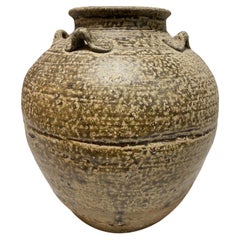
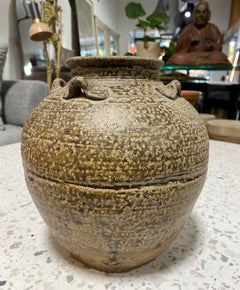
Japanese Antique Edo Wabi-Sabi Shigaraki Tamba Tanba Art Pottery Jar Tsubo Vase

Japanese Antique Edo Wabi-Sabi Shigaraki Tamba Tanba Art Pottery Jar Tsubo Vase

Located in Studio City, CA

A beautiful Tamba (Tanba) ware (or Sigaraki ware) Japanese pottery vase/jar/pot - produced sometime during the Edo Period (1603-1867). Tamba-yaki ware is a type of Japanese pottery a...

Category

Antique 18th Century Japanese Edo Ceramics

Materials

Pottery, Stoneware

Kaneshige Toyo National Treasure Signed Japanese Bizen Pottery Sake Bottle Vase

Kaneshige Toyo National Treasure Signed Japanese Bizen Pottery Sake Bottle Vase

Located in Studio City, CA

A beautiful, perfectly shaped and balanced antique Bizen ware shibui sake bottle (tokkuri) vase by renowned Japanese master potter/artist Kaneshige Toyo (1896-1967) featuring a uniqu...

Category

Mid-20th Century Japanese Showa Ceramics

Materials

Stoneware

Japanese Ao-Oribe Glazed Stoneware Dish, Early Edo Period, 17th Century, Japan

Japanese Ao-Oribe Glazed Stoneware Dish, Early Edo Period, 17th Century, Japan

Located in Austin, TX

A fine and rare Japanese ao-oribe glazed minoyaki stoneware dish, late Momoyama or early Edo period, 17th century, Japan. The circular dish of wheel thrown stoneware, glazed in the ...

Category

Antique 17th Century Japanese Edo Ceramics

Materials

Stoneware

Rosanjin Kitaoji Signed Painted Chawan Tea Bowl with Original Sealed Signed Box

Rosanjin Kitaoji Signed Painted Chawan Tea Bowl with Original Sealed Signed Box

By Rosanjin Kitaoji

Located in Studio City, CA

An absolutely gorgeous hand-painted pottery Chawan tea bowl by Japanese master potter Kitaoji Rosanjin (1883-1959) who was arguably one of if not the greatest artists/ceramicists of ...

Category

Mid-20th Century Japanese Showa Ceramics

Materials

Ceramic, Pottery

Japanese Asian Signed Studio Pottery Wabi-Sabi Ceramic Glazed Chawan Tea Bowl

Japanese Asian Signed Studio Pottery Wabi-Sabi Ceramic Glazed Chawan Tea Bowl

Located in Studio City, CA

A gorgeous Japanese studio pottery chawan tea bowl that features a mix of shifting colors, glazes and textures as well as elements of Shino Ware and Hagi Ware. The piece radiates in...

Category

20th Century Japanese Showa Ceramics

Materials

Earthenware, Pottery

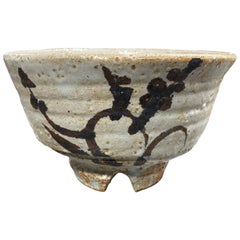
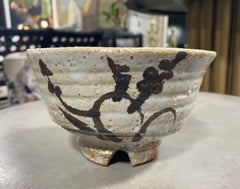
Japanese Glazed Ceramic Gohon Chawan Tea Bowl

Japanese Glazed Ceramic Gohon Chawan Tea Bowl

Located in Atlanta, GA

A bespoken Japanese ceramic glazed tea bowl with fabric insert, pouch and original padded wood tomobako box. The chawan has a slightly irregular wall supported by a high notched foot...

Category

Antique 19th Century Japanese Meiji Ceramics

Materials

Ceramic

Japanese Asian Signed Studio Pottery Wabi-Sabi Ceramic Glazed Chawan Tea Bowl

Japanese Asian Signed Studio Pottery Wabi-Sabi Ceramic Glazed Chawan Tea Bowl

Located in Studio City, CA

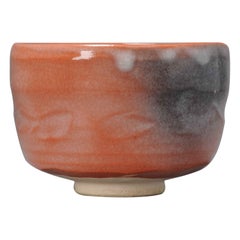
A gorgeous Japanese studio pottery chawan tea bowl that features a wonderful reddish-orange glaze with various shifts in colour and texture. This particular piece encompasses the...

Category

20th Century Japanese Showa Ceramics

Materials

Earthenware

Kaneshige Toyo National Treasure Signed Japanese Bizen Tea Ceremony Container

Kaneshige Toyo National Treasure Signed Japanese Bizen Tea Ceremony Container

Located in Studio City, CA

A beautiful, and somewhat whimsical antique Bizen ware stoneware pottery tea ceremony container (stated on the box) or incense burner by renowned Japanese master potter/artist Kanesh...

Category

Mid-20th Century Japanese Showa Ceramics

Materials

Stoneware

Antique Korean Ceramic Gohon Chawan Tea Bowl Joseon Dynasty

Antique Korean Ceramic Gohon Chawan Tea Bowl Joseon Dynasty

Located in Atlanta, GA

A ceramic chawan (tea bowl) circa 17-18th century fired in the Busan kiln in Southern Korean specifically for the Japanese market. The kilns were controlled by the So clan that ruled...

Category

Antique 17th Century Japanese Edo Ceramics

Materials

Ceramic

Antique Korean Mishma Tea Bowl Chawan Joseon Dynasty

Antique Korean Mishma Tea Bowl Chawan Joseon Dynasty

Located in Atlanta, GA

A Korean Hori-Mishima Chawan (tea bowl) circa 16th-17th century (Joseon Dynasty). The tea bowl is of an upright conical form supported by a high foot ring. It was decorated with inci...

Category

Antique 17th Century Korean Other Ceramics

Materials

Ceramic

Shiko Shikou Munakata Rare Signed Japanese Pottery Chawan Tea Bowl & Signed Box

Shiko Shikou Munakata Rare Signed Japanese Pottery Chawan Tea Bowl & Signed Box

By Shiko Munakata

Located in Studio City, CA

An exceptionally rare, wonderfully designed Chawan tea bowl by famed Japanese master woodblock printmaker/ artist Shiko Munakata (1903-1975) who is widely considered to be the most i...

Category

Mid-20th Century Japanese Showa Ceramics

Materials

Ceramic

Large Japanese Ceramic Vase by Makuzu Kozan Meiji Period

Large Japanese Ceramic Vase by Makuzu Kozan Meiji Period

By Makuzu Kozan

Located in Atlanta, GA

A large Japanese ceramic vase by the celebrated Meiji imperial potter Makuzu Kozan (1842-1916) circa 1880-1890s. Dated to his underglaze phase post 1887 after he successfully mastere...
Category

Antique Late 19th Century Japanese Meiji Ceramics

Materials

Ceramic

Get Updated with New Arrivals
Save "Ogata Kenzan", and we’ll notify you when there are new listings in this category.

Ogata Kenzan For Sale on 1stDibs

With a vast inventory of beautiful furniture at 1stDibs, we’ve got just the ogata kenzan you’re looking for. Each ogata kenzan for sale was constructed with extraordinary care, often using ceramic, gold leaf and gold. You’ve searched high and low for the perfect ogata kenzan — we have versions that date back to the 18th Century alongside those produced as recently as the 20th Century are available. Many designers have produced at least one well-made ogata kenzan over the years, but those crafted by Makuzu Kozan are often thought to be among the most beautiful.

How Much is a Ogata Kenzan?

Prices for a ogata kenzan start at $950 and top out at $16,797 with the average selling for $4,150.

Finding the Right Asian Art And Furniture for You

From Japanese handmade earthenware pottery, originating circa 14,500 B.C. and adorned with elaborate corded patterns known as jōmon, to natural elm case pieces and storage cabinets built in Qing dynasty–era China to mid-century Thai rice-paper charcoal rubbings, antique and vintage Asian art and furniture make for wonderful additions to all kinds of contemporary interiors.
Eastern elements elevate any home’s decor. Introduce zen sensibility to your living room, dining room and bedroom with the neutral color palettes and the natural materials such as rattan, bamboo and elm that we typically associate with traditional Asian furniture. Decorative handwoven embroideries and textiles originating from India and elsewhere on the continent, which can be draped over a bed or sofa or used as a wall hanging, can be as practical as they are functional, just as you wouldn’t seek out Japanese room-divider screens — often decorated with paintings but constructed to be lightweight and mobile — merely for privacy.
With everything from blanket chests to lighting fixtures to sculptures and carvings, it’s easy to tastefully bring serenity to your living space by looking to the treasures for which the East has long been known.

For British-born furniture designer Andrianna Shamaris, the Japanese concept of beauty in imperfection isn’t limited to her Wabi Sabi collection. She embraces it in her New York City apartment as well. In the living area, for instance, she retained the fireplace’s original black marble while swathing its frame and the rest of the room in bright white.

“We left the fireplace very clean and wabi-sabi, so that it blended into the wall,” says Shamaris, who further appointed the space with a hand-carved antique daybed whose plush pillows are upholstered in antique textiles from the Indonesian island of Sumba.

In the growing antique and vintage Asian art and furniture collection on 1stDibs, find ceramics from China, antiquities from Cambodia and a vast range of tables, seating, dining chairs and other items from Japan, India and other countries.