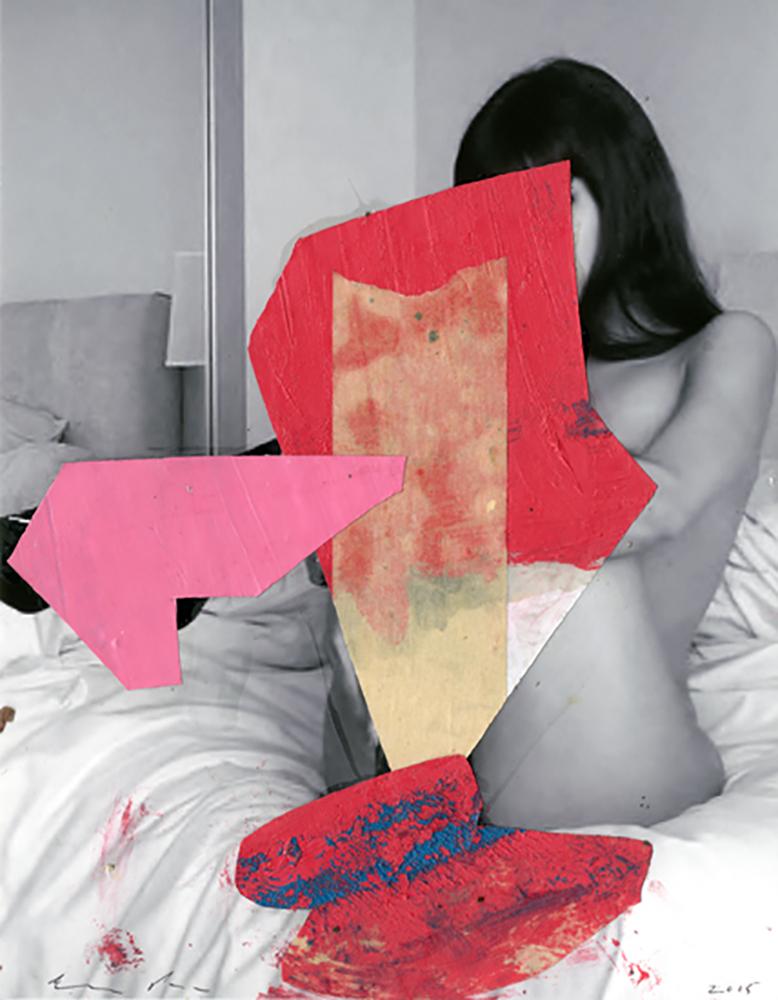
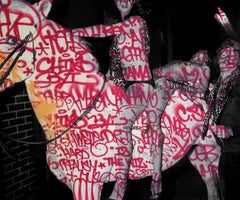
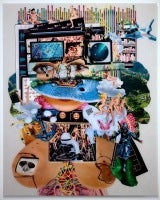
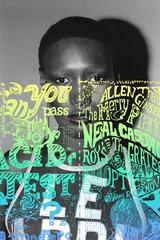
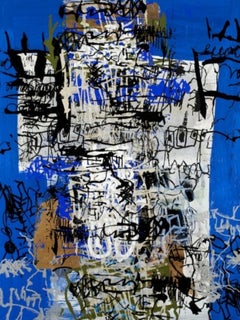
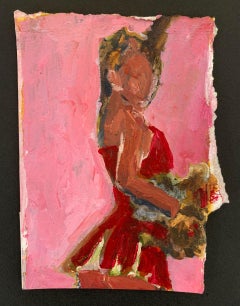
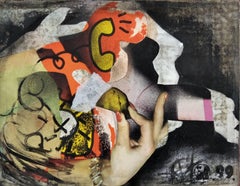
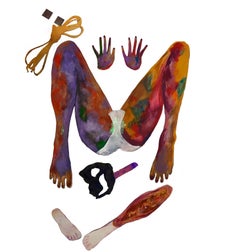
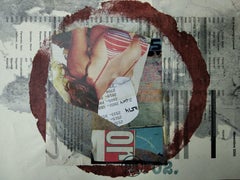
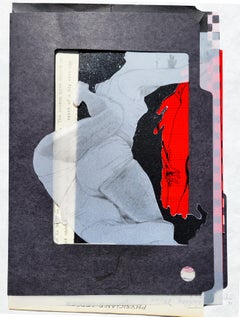
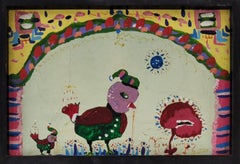
Monkees, 2016
Archival pigment print and silkscreen on archival mat paper
100 x 160 cm
Unique
Don’t Kill Bambi: The studio 54 phenomenon repositioned at times of crisis
With the opening of Studio 54 in 1977, Warhol’s magazine found its “new” Factory. It became a marionette theater in print: the same figures, month after month, fed the insatiable appetite of the middleclass symbiotic prototypes, created as mere objects of veneration that cavorted in the club’s proscenium, did a few twirls, sucked or snorted something, and tittupped off again. On the other hand, the time also called for the non-normative expressions of sexuality, as produced in the wake of the sexual liberation after ’68, questioning the political stakes and potentials of “the transgressive”, in terms of its expressions. With the 1972 release of the John Waters film Pink Flamingos, concerning the exertions of a brazen and voluptuous drag queen, by the name of Divine, the tradition of the 1960s pop artists, including Warhol and Claes Oldenburg, was on-continued, elevating the low brow and embracing mass culture. The film’s conventions and playfully deploying or defying genres, as exploited by Warhol, heightened Divine to the status of the “revolutionary safety valve” of Studio 54, able to claim some degree of “radical” political power for the nominal avant-garde. But such theater of the visual crackle captured all the incredible range of psychological insights among the club’s sitters. Jean-Michel Basquiat, though not such a regular at the Studio, could not avoid Warhol’s Pygmalion-ism, which formed a bromance of a suggestive artistic combat, at least in part staged for the benefit of the cameras and mutual mythmaking.
The team’s creative activity expresses the need for a collective visual dialogue with social perspectives. Versaweiss references’ range from everyday life, contemporary visual culture, architecture and history of art among others. The duo combines new media, digital printing, and graphic design with the traditional forms of art (painting, sculpture, installation, photography). Through their imagery the viewer is introduced to a fragile ‘’reality’’ and draws new connections regarding mental experiences and emotional states. Irony, sarcasm, ignorance, knowledge, romance, truth, belief but mainly the search for authentic skepticism is obvious in their artistic practices.