Old Masters Art

OLD MASTERS

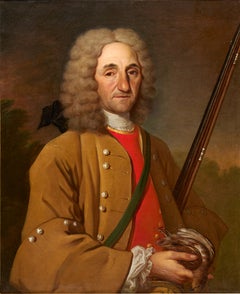
Encompassing centuries of change in Europe between 1300 and 1800, from booms of prosperity to bloody revolutions, Old Masters describes a wide range of artists. The informal term was derived from the title of an artist who trained in a guild long enough to become a master, such as Leonardo da Vinci, who studied in a Florence painters’ guild. However, Old Masters paintings, prints and other art is now used to refer to work made by any artist with a high level of skill in painting, drawing, sculpture or printmaking who worked during this era.

The 15th century’s expansive trade and commerce spread culture across borders. A vibrant period of art emerged, bolstered by studies of anatomy and nature that influenced a new visual realism. From Raphael and Michelangelo in the Renaissance to Rembrandt van Rijn and Johannes Vermeer in the Dutch Golden Age, artists expressed emotion, naturalism, color and light in new ways. El Greco and Paolo Veronese were leaders in the dramatic style of Mannerism, while Caravaggio and Peter Paul Rubens demonstrated the movement and meticulous detail of Baroque art.

Historically, most attention was concentrated on male artists, but recent research and exhibitions have elevated the impactful work of women such as Rachel Ruysch and Artemisia Gentileschi. In late-18th-century France, female artists like Adélaïde Labille-Guiard and Élisabeth Vigée Le Brun were prominent names. Nevertheless, access to the academies and guilds was highly restricted for women, and even those able to establish practices were expected to adhere to portraits and still lifes rather than the grand history paintings being created by men.

Find a collection of Old Masters prints, paintings, drawings and watercolors and other art on 1stDibs.

to
780
2,429
745
323
333
372
Overall Width
to
Overall Height
to
3,167
815
97
136
9
5
7
2
2
6
3
13
4
2,288
119,824
64,441
56,460
28,662
14,485
9,612
6,674
6,082
3,166
2,544
2,325
2,124
579
2,049
1,731
386
2,877
1,513
976
947
921
547
461
319
286
269
210
202
187
166
111
105
101
91
88
84
2,310
1,311
1,160
424
418
94
93
86
83
62
1,207
2,191
3,415
777
Style: Old Masters
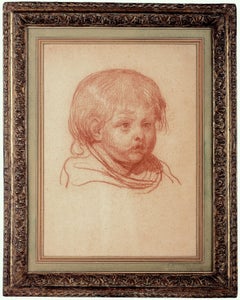
Jean-Baptiste Greuze Red Chalk Study for the Head of a Child, Jean Gigoux Proven

Jean-Baptiste Greuze Red Chalk Study for the Head of a Child, Jean Gigoux Proven

By Jean-Baptiste Greuze

Located in Paris, Île-de-France

Jean-Baptiste Greuze (Tournus, 1725 - Paris, 1805) Study for the Head of a Child Red chalk on paper, unsigned 16 7/8 x 11 3/4 in 43 x 29.7 cm This tender and highly evocative red ...

Category

Mid-18th Century Old Masters Art

Materials

Chalk

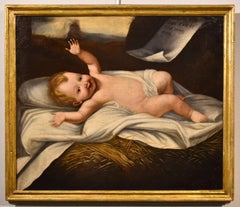
Child Jesus Paint Oil on canvas Old master 17th Century Baby Italian Religious

Child Jesus Paint Oil on canvas Old master 17th Century Baby Italian Religious

Located in Riva del Garda, IT

Lombard painter active in the 17th century Infant Jesus Oil painting on canvas 70 x 82 cm. - In antique frame 78 x 91 cm. This painting depicts an unusual and pleasant iconographic...

Category

17th Century Old Masters Art

Materials

Oil

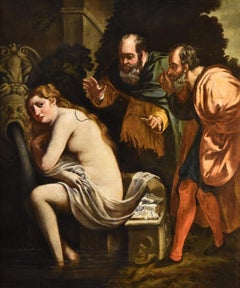
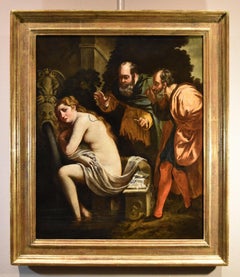
Susanna Old Men Religious Roma nschool 17th Century Paint Oiul on canvas Italy

Susanna Old Men Religious Roma nschool 17th Century Paint Oiul on canvas Italy

Located in Riva del Garda, IT

Painter active in Rome in the early 17th century Susanna and the Old Men Oil on canvas 76 x 62 cm. with frame 92 x 78 cm. This valuable painting illustrates the piquant episode, ta...

Category

17th Century Old Masters Art

Materials

Oil

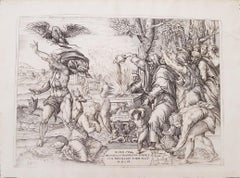
The Sacrifice of Iphigenia Etching, 16th Century, Old Masters Style

The Sacrifice of Iphigenia Etching, 16th Century, Old Masters Style

By Nicolas Beatrizet

Located in Roma, IT

Black and white etching and drypoint on wire rod paper, representing the myth of the sacrifice of Iphigenia. On the altar is inscribed "Iphigenia" in capital letters. On the lower left margin is inscribed "N. Beatrizet Lo Taringus F.", slightly discolored (Beatrizet usually signed his plates with the letters "N. B. L. F."). At the center of the lower margin is inscribed "Romae, Michaelis Tramezini formis cum privilegio summi Pont. M.D.L.III". After a drawing attributed to either Michelangelo Buonarroti, Salviati, or Baccio Bandinelli...

Category

16th Century Old Masters Art

Materials

Etching, Drypoint

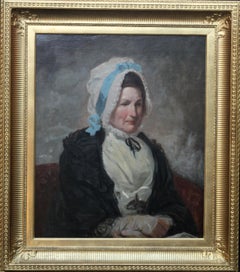
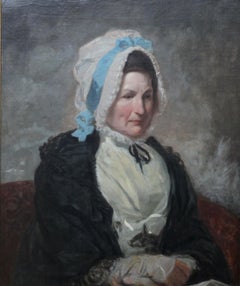
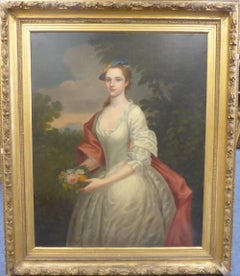
Portrait of a Lady - Old Master British early 19thC oil painting woman bonnet

Portrait of a Lady - Old Master British early 19thC oil painting woman bonnet

By Thomas Lawrence (circle)

Located in Hagley, England

A fantastic British oil painting which is unsigned and is circle of Thomas Lawrence. It depicts a portrait of a lady and dates to circa 1820. This is a super portrait painting which ...

Category

19th Century Old Masters Art

Materials

Oil

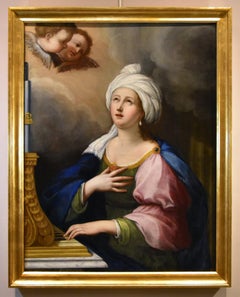
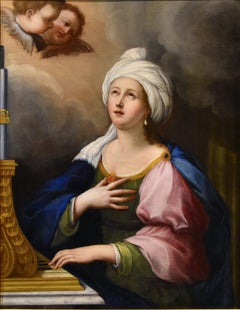
Saint Cecilia Angels De La Haye Paint 17th Century Oil on canvas Old master

Saint Cecilia Angels De La Haye Paint 17th Century Oil on canvas Old master

Located in Riva del Garda, IT

Lucas de la Haye, called Luca Fiammingo (Nivelles, 1612-Rome, 1682) Saint Cecilia and two cherubs Oil on canvas 118 x 91 cm. -Framed 129 x 102 cm. Expertise of Prof. Emilio Negro (Bologna) This evocative painting, which we are delighted to exhibit to you, has Saint Cecilia, the Roman noblewoman who later converted to Christianity and a very popular figure in the Baroque period as the patron saint of music, instrumentalists and singers, at the centre of the composition. She is depicted here as a splendid maiden dressed in regal robes...

Category

17th Century Old Masters Art

Materials

Oil

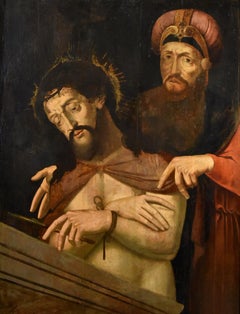
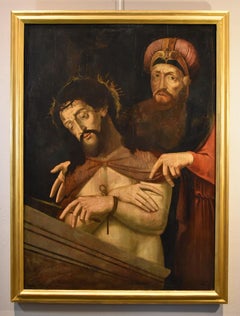
Ecce Homo Coxie Paint 16/17th Century Paint Oil on table Old master Flemish Art

Ecce Homo Coxie Paint 16/17th Century Paint Oil on table Old master Flemish Art

Located in Riva del Garda, IT

Circle of Michael Coxie (Malines, 1499 - Malines, 1592) Ecce Homo with Pontius Pilate Oil on panel Flemish school 16th-17th century 112 x 81 cm - framed 121 x 90 cm. The proposed p...

Category

16th Century Old Masters Art

Materials

Oil

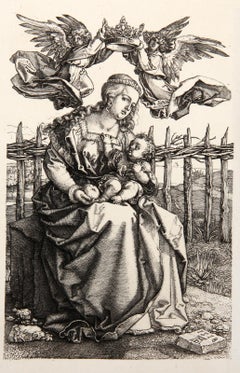
La Vierge Couronnee par Deux Anges, Heliogravure by Albrecht Dürer

La Vierge Couronnee par Deux Anges, Heliogravure by Albrecht Dürer

By Albrecht Dürer

Located in Long Island City, NY

Albrecht Durer, After by Amand Durand, German (1471 - 1528) - La Vierge Couronnee par Deux Anges, Year: 1873, Medium: Heliogravure, Size: 6.75 x 4.25 in. (17.15 x 10.8 cm), Print...

Category

Late 19th Century Old Masters Art

Materials

Etching

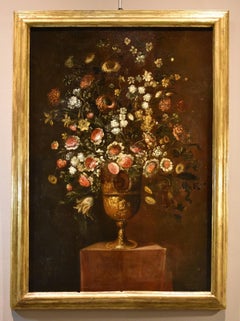
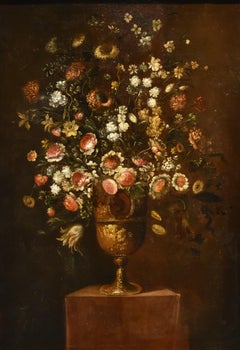
Flowers Still-life Scacciati 17th Century Paint Oil on canvas Old master (2/3)

Flowers Still-life Scacciati 17th Century Paint Oil on canvas Old master (2/3)

Located in Riva del Garda, IT

Andrea Scacciati (Florence 1642-1710) Composition of flowers within embossed vase (2 of 3) oil on canvas 130 x 90 cm In antique frame 145 x 105 cm. Work with expertise by Prof. Emi...

Category

17th Century Old Masters Art

Materials

Oil

Rebecca at the Well

Rebecca at the Well

Located in New York, NY

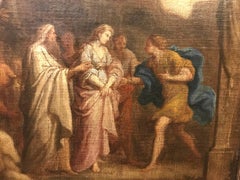
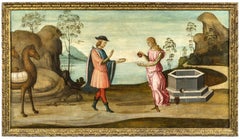
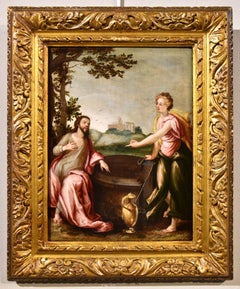
Provenance: Dr. James Henry Lancashire, Manchester-by-the-Sea, Massachusetts, by 1925; probably by descent to: Private Collection, Cumberland Foreside, Maine, until 2018 This unpublished panel is a characteristic work of the Master of the Apollo and Daphne Legend, an anonymous Florentine painter in the circle of Bartolommeo di Giovanni, Domenico Ghirlandaio, and Sandro Botticelli. The artistic personality of the Master of the Apollo and Daphne Legend was independently recognized by Everett Fahy and Federico Zeri at roughly the same moment in time. Fahy originally dubbed this artist the Master of the Ryerson Panels but later adopted Zeri’s name for the artist, which derives from his eponymous works from the Samuel H. Kress collection (Figs. 1-2). Fahy posited that the artist was most likely a pupil of Ghirlandaio active from roughly 1480 to 1510, and that he may be identifiable with one of Ghirlandaio’s documented pupils to whom no works have been securely attributed, such as Niccolò Cieco, Jacopo dell’Indaco, or Baldino Baldinetti. The present painting was first attributed to this master by Everett Fahy in 1989, who became aware of its existence only after publishing his definitive studies on the artist. The surviving body of work by the Master of the Apollo and Daphne Legend is largely composed of series of panels treating the same theme. In addition to the works illustrating the legend of Apollo and Daphne, there are also series on the themes of Susanna and the Elders and the story of Saint Joseph, among others. The subject of the present panel is drawn from Genesis 24, the story of Isaac. It is possible that our painting relates to another work by the artist depicting the Sacrifice of Isaac formerly in the collection of E. A. McGuire in Dublin, Ireland (Fig. 3), and that these two panels were originally part of a decorative scheme based on the story of Isaac. Although the Master’s paintings of this type have traditionally been considered painted fronts of wedding chests, known as cassoni, the scale of these paintings and the fact that they are often part of a series indicates that they are more likely spalliera panels—paintings set into furniture or the wainscoting of a room. The biblical episode depicted in this painting centers on the theme of marriage, which suggests that this work was likely commissioned for the domestic interior of a newly married couple. The Master has transcribed into paint even the minute details of this Old Testament story, in which Abraham sends a servant to travel by camel to the land of his father and seek out a wife for his son Isaac. The servant is here shown at the well...

Category

15th Century and Earlier Old Masters Art

Materials

Oil, Tempera, Wood Panel

Villagers in a Landscape - Flemish 17thC art figurative landscape oil painting

Villagers in a Landscape - Flemish 17thC art figurative landscape oil painting

Located in Hagley, England

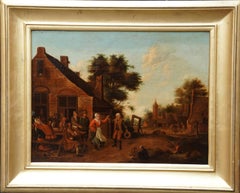
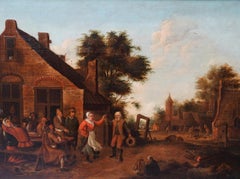
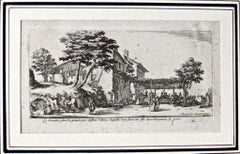
This fantastic Flemish 17th century Old Master oil painting is by Thomas Van Apshoven. It was painted circa 1650 and depicts a village with figures outside a tavern, eating, drinking and dancing. Beyond are more dwellings, villagers and animals, all under a blue summer's sky. The detail, brushwork and vibrant colouring are superb. This is an excellent example of Apshoven's work and a typical subject he loved to paint. Provenance. Leominster estate. Wax stamp verso. Condition. Oil on panel, 22 inches by 17 inches and in good condition. Frame. Housed In beautiful gilt frame, 30 inches by 25 inches and in good condition. Thomas van Apshoven (1622– 1664) was a Flemish painter known for his landscapes with peasant scenes and genre scenes in interiors. His genre scenes depict village festivals, the interiors of taverns, village scenes or landscapes with peasants engaged in various activities, singeries, guardroom scenes and laboratories of alchemists. Some still lifes have also been attributed to him. His themes and style are close to that of David Teniers the Younger. He was born on 30 November 1622 in Antwerp as the eldest son of Ferdinand van Apshoven the Elder and Leonora Wijns. His father was a painter who had studied with Adam van Noort and had become a master of the Antwerp Guild of Saint Luke in 1596. No paintings by his father are known. His younger brother Ferdinand van Apshoven the Younger became also a successful painter. Thomas studied under his father. Some sources state that he became a pupil of the prominent genre painter David Teniers the Younger. It is more likely, however, that he was an imitator of Teniers. He was registered as a 'wijnmeester' [son of a master] in the Guild of St. Luke of Antwerp in the guild year 1645–1646. He married Barbara Janssens on 22 March 1645. The couple had four children. The godfathers of the children included the painters Victor Wolfvoet...

Category

1650s Old Masters Art

Materials

Oil

Portraits King Louis XV Queen Gobert Paint Oil on canvas old master 18th Century

Portraits King Louis XV Queen Gobert Paint Oil on canvas old master 18th Century

Located in Riva del Garda, IT

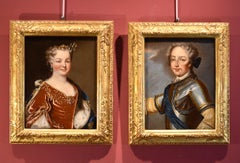
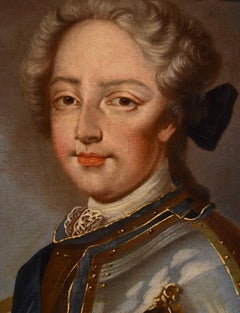
Pierre Gobert (Fontainebleau 1662 - Paris 1744) Atelier of Pair of fine portraits Louis XV, King of France and his wife, Maria Leszczyńska oils on canvas (2), 41 x 32 cm., in frame 53 x 44 cm. It is easy to identify the sitters of this charming pair of portraits in the rulers of France, namely Louis XV of Bourbon, who ascended the throne in 1715 at the age of just thirteen and was nicknamed the 'Beloved', and Maria Leszczyńska, Queen Consort of France and Navarre and daughter of the King of Poland Stanislaus I. The queen is depicted in a three-quarter-length figure, her face smiling and turned towards the spectator. She wears a wig in shades of grey with her hair gathered around the nape of her neck and a diadem on her head, and pendants on her ears. She wears a dress with a wide neckline made of red velvet, brocaded with gold threads, with rich lace sleeves, and a bodice adorned with a jewelled bodice of diamonds and pearls. On the shoulders rests a blue velvet mantle embroidered with the heraldic...

Category

18th Century Old Masters Art

Materials

Oil

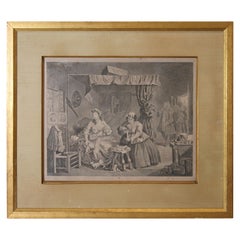
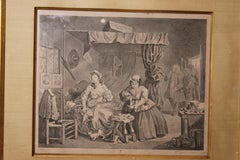
"A Harlot's Progress" Plate 3 Etching

"A Harlot's Progress" Plate 3 Etching

By William Hogarth

Located in Houston, TX

Etching from the series titled "A Harlots Progress" by William Hogarth. The series consists of six paintings and engravings. The story is about a woman named M. Hackabout who arrived in London and started working as a prostitute. The third plate is of her getting arrest for her choice in profession. The series is a satirical story that emphasizes the dangers of being a prostitute and the health risks that come from it. In 18th century engraving, the detail of the black mole on women and men's face is a symbol of the deadly venereal disease, syphilis. In this plate, Hackabout has already contracted the disease and that is why the black dot is visible on her forehead as well as her madam's. In 1828, William Innell Clement published Harlot's Progress in columns on a single page of his newspaper Bell's Life in London #330. The detail with the cross seen in earlier reproductions of the engraving. Dimensions without Frame: H 14.5 in x W 16.5 in. Artist Biography: William Hogarth ( 10 November 1697 – 26 October 1764) was an English painter, printmaker, pictorial satirist, social critic, and editorial cartoonist. His work ranged from realistic portraiture to comic strip-like series of pictures called "modern moral subjects", perhaps best known to be his moral series A Harlot's Progress, A Rake's Progress and Marriage A...

Category

1730s Old Masters Art

Materials

Etching

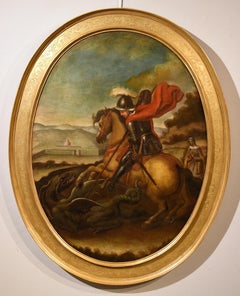
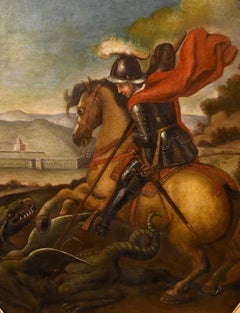
St. George Dragon Raphael Sanzio Paint Oil on canvas 17/18th Century Old master

St. George Dragon Raphael Sanzio Paint Oil on canvas 17/18th Century Old master

Located in Riva del Garda, IT

St. George Defeats the Dragon Follower of Raphael Sanzio (Urbino, 1483 - Rome, 1520), 17th-18th century Oil on oval canvas 124 x 95 cm./ in frame 148 x 118 cm. The painting evocati...

Category

18th Century Old Masters Art

Materials

Oil

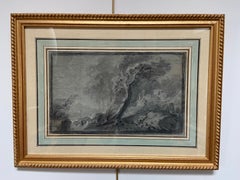
France 18th Century, Pastorale (Arcadian Landscape), original drawing

France 18th Century, Pastorale (Arcadian Landscape), original drawing

Located in Paris, FR

France 18th Century, Pastorale (Arcadian Landscape) Black chalk and heightenings of white gouache on blue-grey paper 19 x 31 cm Framed : 34.5 x 46.5 cm The atmosphere and the subje...

Category

1760s Old Masters Art

Materials

Chalk

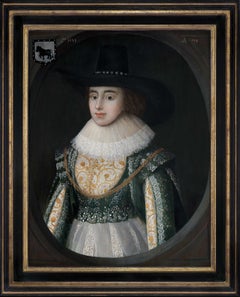
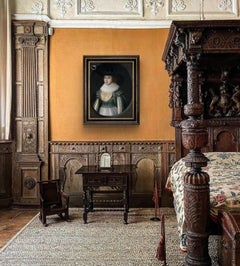
Rare Jacobean Portrait on Panel Lady Elizabeth Wheeler née Cole 1623 Historical

Rare Jacobean Portrait on Panel Lady Elizabeth Wheeler née Cole 1623 Historical

By Cornelius Johnson

Located in London, GB

A Rare Jacobean Portrait of Lady Elizabeth Wheeler (née Cole), 1623 Attributed to Cornelius Johnson (1593–1661) This remarkably rare early oil on panel, presented by Titan Fine Art, has emerged as far more than an anonymous “Portrait of a Lady.” Preserved in outstanding condition—its surface retaining exceptional clarity in the lace and textiles—it has only recently been reunited with the identity of its sitter: Elizabeth Cole (1607–1670), later Lady Elizabeth Wheeler, a Westminster gentlewoman whose later life brought her into intimate royal service as laundress for His Majesty’s person. That combination—high quality, uncommon survival, a newly identified sitter, and a life that intersects directly with the last acts of Charles I—places this portrait in a category of genuine rarity. It is not simply a beautiful Jacobean likeness; it is a rediscovered historical document - legible and compelling. The sitter is presented half-length against a dark ground, enclosed within a painted sculpted oval surround that functions like an architectural frame. This device, fashionable in the 1620s, concentrates the viewer’s attention and heightens the sense of social presentation: the sitter appears both physically and symbolically “set apart,” as if viewed through a refined aperture. The portrait’s immediate power, however, lies in the costume—an ensemble of striking modernity for c. 1623 and rendered with a precision that survives with remarkable crispness. She wears a deep green gown—a fitted overgown with open sleeves—over a finely embroidered linen jacket (a stiffened bodice/waistcoat garment). The sleeves form pronounced “wings” at the shoulder, a structurally assertive fashion detail of the early 1620s that enlarges the silhouette and signals sophistication. Beneath the green overlayer, the white linen jacket is richly ornamented in gilt embroidery. The goldwork is arranged as scrolling foliate forms—looping, curling tendrils punctuated by seed-like stippling—organised into balanced compartments across the bodice and sleeves. The motifs read as stylised botanical forms with rounded fruit-like terminals and leaf elements: not literal naturalism, but controlled abundance. The technique is described with extraordinary intelligence, mimicking couched metallic thread through patterned, “stitched” marks, while tiny dots and short dashes create a lively tactile shimmer. This embroidered jacket sits above a newly fashionable high-waisted, sheer apron or overskirt. The translucent fabric falls in soft vertical folds and is articulated with narrow lace-edged bands, giving the skirt a crisp rhythm of alternating sheer and patterned strips. At the neck, a fine ruff frames the face: a disciplined structure of pleated linen finished with delicate lace. Draped diagonally across the torso are long gold chains, painted to suggest weight and metallic gleam; they function both as ornament and as a further signifier of status. The cumulative effect is controlled luxury: she is not overloaded with jewels, but clothed in textiles whose cost and craftsmanship speak unmistakably. The recent sitter’s identification rests on heraldic and genealogical analysis: the arms shown on the painting correspond to those recorded for several families in armorial sources, but when the lines of descent are tested against survival and chronology, the viable bearer by 1623 resolves to Cole, and—crucially—to the London branch. That resolution matters because it anchors the portrait to a very specific social world: London/Westminster civic gentry and Crown administration, the milieu in which portraiture served as both self-fashioning and social instrument. The recent identification of the sitter (the London Cole branch of the family) is not merely genealogical; it has direct implications for authorship. A London-based mercantile or civic-gentry family would have ready access to leading immigrant artists, familiarity with heraldic display conventions, and the means to commission oil on panel, still standard among Netherlandish-trained painters. In that context, the portrait’s age inscription and date become especially revealing. The painting states the sitter to be nineteen years of age. Yet Elizabeth Cole’s birth in 1607 suggests she would be younger if the portrait is dated as early as 1623. The key insight is that the “incorrect” age is best understood not as a mistake but as a deliberate social adjustment, a performative statement rather than a documentary one. The most persuasive explanation is strategic. Portraits of high-status unmarried women were frequently made in connection with marriage negotiations. In the early 1620s, Elizabeth’s future husband, William Wheeler, was resident abroad at Middelburg in Zeeland in the Dutch Republic. If a portrait was intended to support or facilitate a match with an educated, ambitious man—“a man of learning and letters,” —then presenting a seventeen-year-old as nineteen would subtly reposition her as more mature and more nearly a peer in age, Wheeler being around twenty-two. The portrait thus becomes an instrument of alliance, not merely a likeness: an image designed to persuade, reassure, and elevate. This reading aligns perfectly with the period’s wider conditions. The early 1620s in England were charged with anxiety and expectation: James I’s later reign was marked by court faction, diplomatic tension, and the pressures of European conflict. The so-called “art market” was inseparable from these dynamics. Portraiture flourished because it served multiple functions: it fixed lineage, advertised alliance, signalled readiness for marriage, and projected the stability of elite households in an uncertain world. For Westminster families whose power came through office, portraiture was also a declaration of belonging—proof that administrative elites possessed the cultural polish traditionally associated with older aristocratic rank. Elizabeth’s later life vindicates the portrait’s impression of steadiness. Although no record survives of her marriage ceremony to William Wheeler, wills suggest she had married him by the mid-1630s, and there are strong grounds—consistent with the portrait’s implications—for a union already in place by the early 1630s, possibly earlier. Wheeler himself rose rapidly. By 1639 he held a manor at Westbury Leigh in Wiltshire and sought letters of denization due to overseas birth, enabling him to stand as Member of Parliament for Westbury. He leased the principal manor of Westbury the following year, coinciding with his election. In government service he became Remembrancer of the Exchequer and held office across regime change, a testament to administrative skill and political pragmatism. It is Elizabeth, however, who makes this portrait exceptional. She became laundress for His Majesty’s person, responsible for the washing and oversight of the King’s personal linen—an office that, despite its domestic description, required unusual trust, discretion, and access. Her role becomes visible in 1643 when she was granted a warrant signed by the Speaker of the House of Commons to follow the King to Oxford with her servant after the outbreak of the Civil War. She continued to serve during the King’s captivity after 1646, and at Carisbrooke Castle in 1647 she and her maid were implicated in smuggling secret correspondence to and from Charles I, in service of escape plans. After the King’s failed attempt to escape in March 1648, she was removed—yet the King’s trust persisted: he was permitted to send her remaining jewels in an ivory casket...

Category

17th Century Old Masters Art
Materials

Oil, Panel

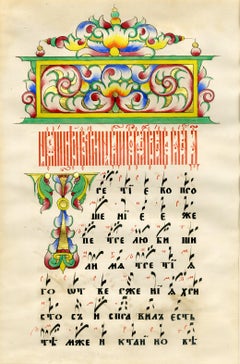
Russian Orthodox Church, Middle 19th Century

Russian Orthodox Church, Middle 19th Century

Located in Fairlawn, OH

Unknown Russian Artist Russian Orthodox Church, Middle 19th century Unsigned Illuminated in red, yellow blue and green pigments and gold leaf on paper ...

Category

Mid-19th Century Old Masters Art

Materials

Pigment

19th century oil, view London, the Thames, houses parliament, Francis Maltino

19th century oil, view London, the Thames, houses parliament, Francis Maltino

Located in York, GB

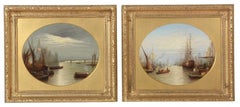
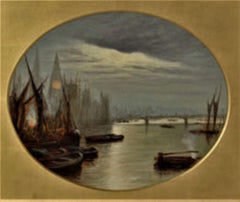
A fine pair of oil paintings, oil on board depicting views of the Thames one showing houses of parliament the other barges in busy shipping lane. Framed and Glazed the size being 26 ...

Category

19th Century Old Masters Art

Materials

Oil

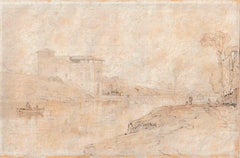
The Tiber, near Rome / Italian School 18th Century

The Tiber, near Rome / Italian School 18th Century

Located in Middletown, NY

Pen and sepia ink wash on cream laid paper, 4 1/8 x 6 3/16 inches (103 x 152 mm). In good condition with scattered areas of light brown discoloration, and un...

Category

Mid-18th Century Old Masters Art

Materials

Ink, Laid Paper, Pencil

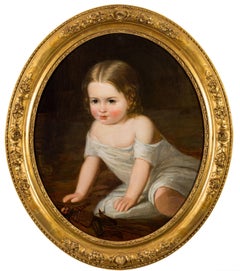
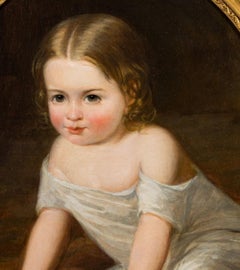
19th Century Portrait, Child At Play , Attributed To Henry Tanworth Wells

19th Century Portrait, Child At Play , Attributed To Henry Tanworth Wells

Located in York, GB

19th century portrait, child at play ,Attributed to Henry Tanworth Wells( unsigned) A beautiful oval portrait of a young child at play, attributed to the portrait painter Henry Tanworth Wells. finely executed, this oil on canvas is in excellent condition. Housed in a period frame. The size overall is 79 cm x 62 cm whilst the painting is 56 cm x 46 cm Henry Tanworth Wells [1828-1903] Henry Tanworth Wells RA was an English miniature and portrait painter. He was a member of the Pre-Raphaelite circle though he painted in the academic style. His most popular painting...

Category

19th Century Old Masters Art

Materials

Oil

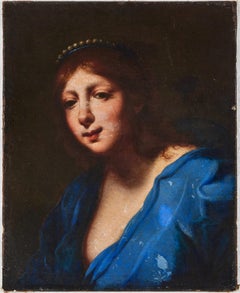
Portrait of a Woman, 17th Century Oil on canvas, Italian

Portrait of a Woman, 17th Century Oil on canvas, Italian

Located in Stockholm, Stockholm

Portrait of an Italian young woman in half length against a dark background executed with great softness and psychological subtlety. Her head inclines gently downward, her gaze withd...

Category

17th Century Old Masters Art
Materials

Canvas, Oil

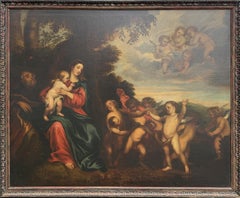
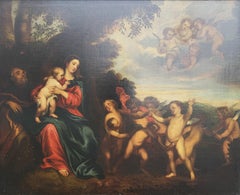
After Sir Anthony Van Dyck, Madonna & Child, The Rest on the Flight into Egypt

After Sir Anthony Van Dyck, Madonna & Child, The Rest on the Flight into Egypt

By (After) Anthony Van Dyck

Located in Milford, NH

A fine 18th/19th century oil painting in the old master style of the Madonna & Child titled The Rest on the Flight into Egypt, a well known painting circa 1630 by Flemish artist ...

Category

18th Century Old Masters Art

Materials

Canvas, Oil

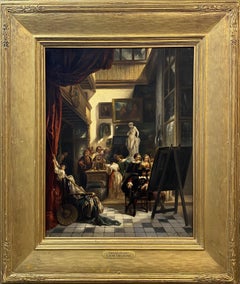
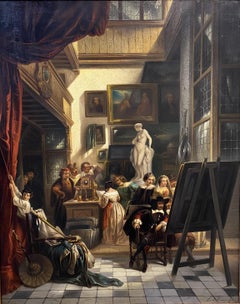
Titian's Studio
Titian's Studio

Titian's Studio

Located in Milford, NH

A wonderfully detailed interior genre oil painting by Flemish artist Louis Tielemans (1826-1856). Tielemans was born in Anvers, and became known for his active genre scenes, emulatin...

Category

Mid-19th Century Old Masters Art

Materials

Oil, Wood Panel

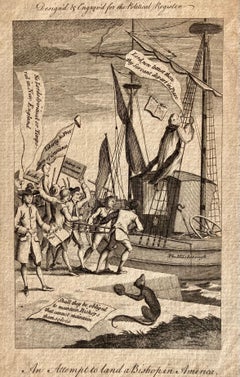
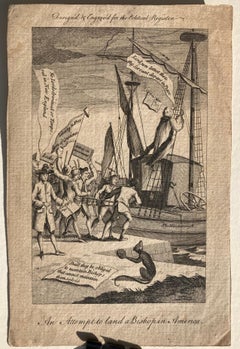
AMERICAN REVOLUTION - THE ATTEMPT TO LAND A BISHOP IN AMERICA, 1768

AMERICAN REVOLUTION - THE ATTEMPT TO LAND A BISHOP IN AMERICA, 1768

Located in Santa Monica, CA

AMERICAN REVOLUTION THE ATTEMPT TO LAND A BISHOP IN AMERICA, 1768 (LC Cresswell 636) Designed & for the "Political Register", Engraved, 1768, printed above. Engraving. Sheet 7 3...

Category

1760s Old Masters Art

Materials

Engraving

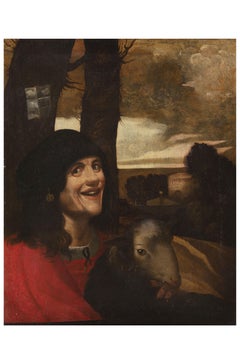
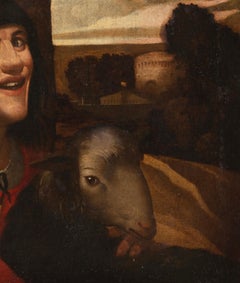
17th Century By Giuseppe Caletti The Court Jester From Dosso Dossi Oil on Canvas

17th Century By Giuseppe Caletti The Court Jester From Dosso Dossi Oil on Canvas

Located in Milano, Lombardia

Giuseppe Caletti (active until around 1660) Title: The Court Jester from Dosso Dossi Medium: Oil on canvas Dimensions: without frame 172 × 136 cm Beautiful original frame in carved a...

Category

17th Century Old Masters Art
Materials

Canvas, Oil

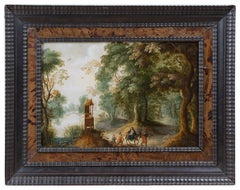
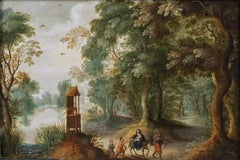
17th c. Flemish - Landscape with Flight to Egypt - Antwerp circa 1630

17th c. Flemish - Landscape with Flight to Egypt - Antwerp circa 1630

Located in PARIS, FR

LANDSCAPE WITH FLIGHT TO EGYPT, JASPER VAN DER LANEN (ANTWERP, 1585 - 1634) 17TH CENTURY FLEMISH SCHOOL ANTWERP CIRCA 1630 Oil on copper, dimensions: h. 10.23 in, w. 14.96 in Flemish style frame in ebonized wood adorned with wavy moldings and wood veneer. Framed dimensions: h. 17.32 in, w. 21.65 in This artwork is sold with a certificate of authenticity guaranteeing its origin, date of execution, and attribution to the artist. Provenance: Philips auction...

Category

Early 17th Century Old Masters Art
Materials

Copper

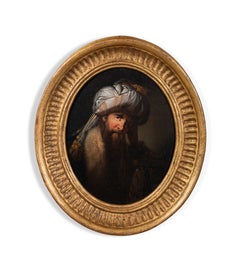
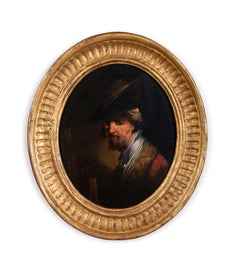
A pair of Orientalist portraits

A pair of Orientalist portraits

Located in Stoke, Hampshire

Edward Alcock (1745-1788) A pair of portraits of Orientalist subjects Both signed 'E. Alcock' Oil on copper Framed size 9 x 8 in Edward Alcock (active 1846–1905) is best known for h...

Category

18th Century Old Masters Art
Materials

Oil

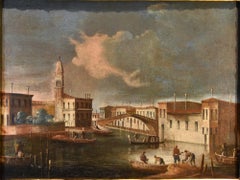
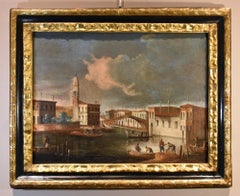
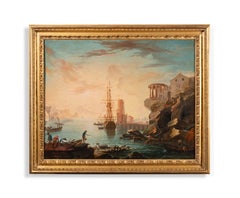
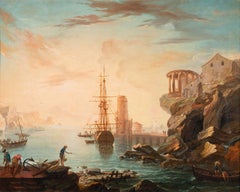
A classical view of a Mediterranean port

A classical view of a Mediterranean port

Located in Stoke, Hampshire

Circle of Charles-François Lacroix de Marseilles (c. 1700-1782) A mediterranean port Oil on canvas Canvas size - 26 3/4 x 34 1/4 in Framed size - 34 x 40 in Provenance With Norman A...

Category

18th Century Old Masters Art
Materials

Oil

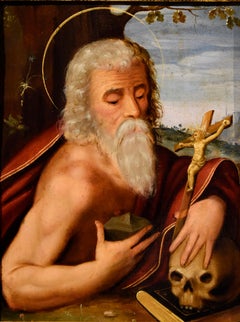
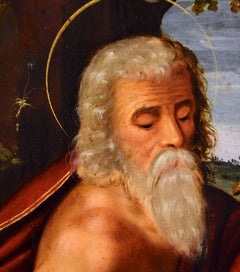
Saint Jerome Oil on copper 16th Century Paint Old master Italy Emilian school

Saint Jerome Oil on copper 16th Century Paint Old master Italy Emilian school

By Giuseppe Mazzuoli known as Bastarolo (Ferrara 1536 - 1589)

Located in Riva del Garda, IT

Ferrara school of the late sixteenth century - circle of Giuseppe Mazzuoli known as Bastarolo (Ferrara 1536 - 1589) St. Jerome penitent in the cave ...

Category

16th Century Old Masters Art
Materials

Oil

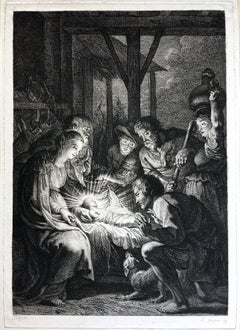
Adoration of the Shepherds

Adoration of the Shepherds

By Peter Paul Rubens

Located in New York, NY

Adoration of the Shepherds after Peter Paul Rubens (Flemish, 1577-1640), engraved by Pierre-Franois Basan (French, 1723-1797), engraving, c. 1750, in black on ivory laid paper, 282 x 200 mm., with small margins. In very good condition. A fine proof impression, before letters. A draft printing of letters is visible, lower left, below image: “P P Rubens inv.”; lower right: “F. Basan excudit”. Basan’s engraving after Rubens may be modeled after another engraving of the Adoration after Rubens by Theodor Galle (1571-1633), which appeared as an illustration to the 1618 reprint of 1616 edition of “Missale Romanum...

Category

1750s Old Masters Art

Materials

Engraving

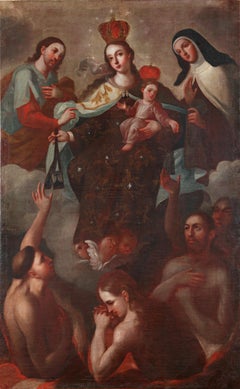
Virgen del Carmen
Virgen del Carmen

Virgen del Carmen

Located in Miami, FL

Colonial School, Mexico, XVIII Century "Virgen del Carmen" Oil on canvas 70 x 40 in

Category

18th Century Old Masters Art
Materials

Canvas, Oil

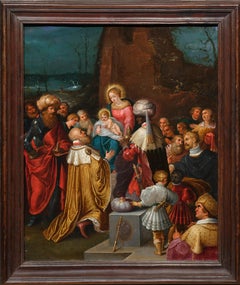
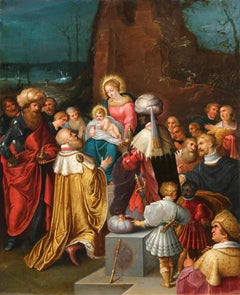
The Adoration of the Magi, an early painting by Frans Francken II (1581 - 1682)

The Adoration of the Magi, an early painting by Frans Francken II (1581 - 1682)

By Frans Francken II

Located in PARIS, FR

We would like to thank Dr. Ursula Härting who, after examining the work, confirmed the autograph nature of this painting by Frans Francken the Younger in a certificate issued on December 9, 2024. In this previously unpublished painting coming from a French private collection, Frans Francken the Younger tackles one of his favorite themes: the adoration of the Magi, the wise men who come from the East to adore the infant Jesus in Bethlehem, Judea. This theme was often taken up by the artist, but this version, which can be dated around 1610, is one of the earliest interpretations. 1. Frans Francken the Younger, "a surprisingly inventive painter". Frans Francken the Younger is the best-known member of an extended artistic family that worked in Antwerp from the late sixteenth to the late seventeenth century. Born in 1581, he almost certainly studied with his father, Frans Francken the Elder (c. 1542-1616), before becoming a master in the Antwerp Saint Luke's Guild in 1605. In 1627 he became a member of the Antwerp archers' guild De Oude Handboog. Francken was an extremely productive and imaginative artist who specialized in expressively rendered small-scale religious and mythological scenes. He also painted larger altarpieces for Catholic churches. His depictions of collectors' cabinets introduced a genre of painting that influenced several artists, including Jan Brueghel the Elder...

Category

1610s Old Masters Art

Materials

Copper

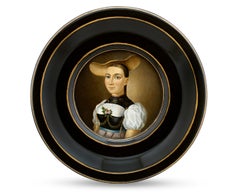
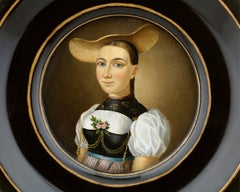
German Miniature of Young Lady in a Fancy Hat

German Miniature of Young Lady in a Fancy Hat

Located in New Orleans, LA

This charming German miniature painting, created of oil on copper, depicts a young woman wearing a large and lavish hat. With dark, braided hair and blue eyes, the sitter's cheerful ...

Category

19th Century Old Masters Art
Materials

Copper

Old Masters art for sale on 1stDibs.
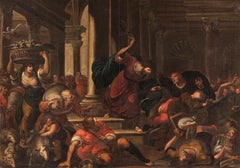
Find a wide variety of authentic Old Masters art available for sale on 1stDibs. Works in this style were very popular during the 21st Century and Contemporary, but contemporary artists have continued to produce works inspired by this movement. If you’re looking to add art created in this style to introduce contrast in an otherwise neutral space in your home, the works available on 1stDibs include elements of orange, yellow, blue and other colors. Many Pop art paintings were created by popular artists on 1stDibs, including Charles Amand Durand, Giuseppe Vasi, Thomas Holloway, and Vincenzo Campana. Frequently made by artists working with Etching, and Paint and other materials, all of these pieces for sale are unique and have attracted attention over the years. Not every interior allows for large Old Masters art, so small editions measuring 0.4 inches across are also available. Prices for art made by famous or emerging artists can differ depending on medium, time period and other attributes. On 1stDibs, the price for these items starts at $11 and tops out at $1,495,000, while the average work sells for $546.