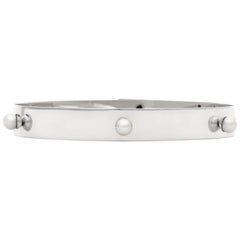
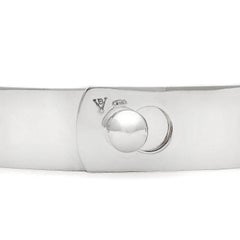
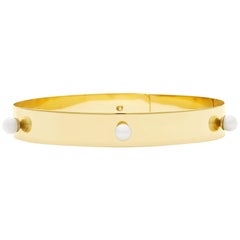
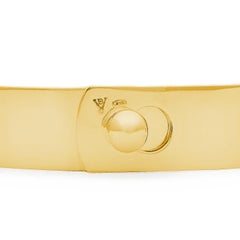
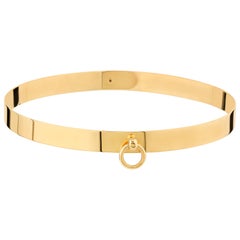
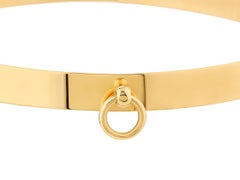
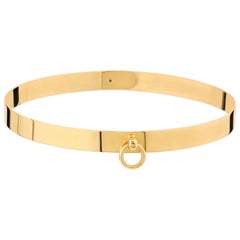
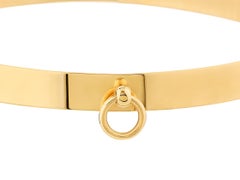
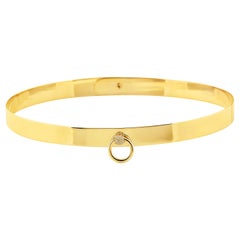
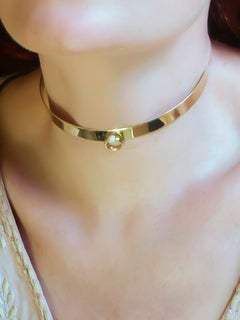
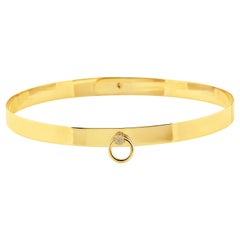
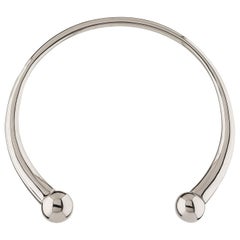
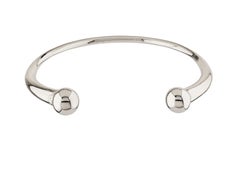
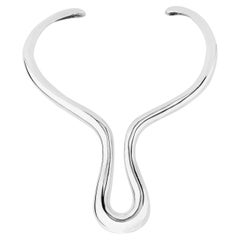
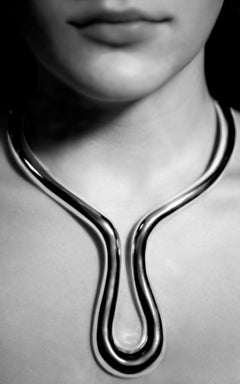
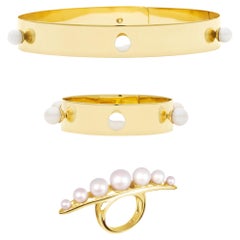
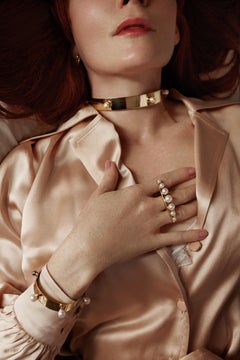
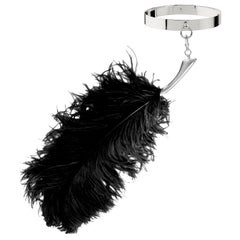
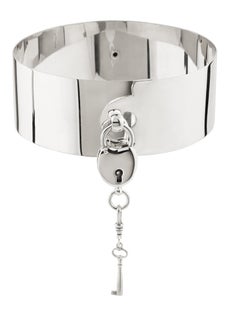
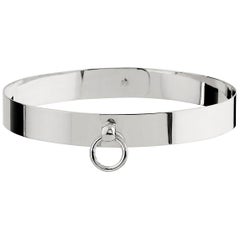
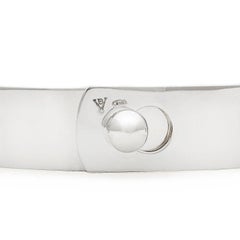
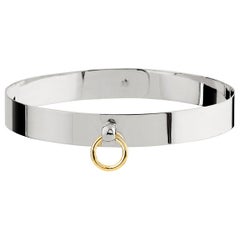
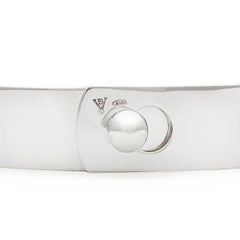
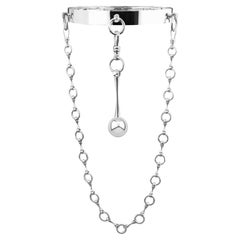
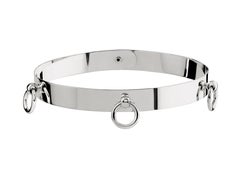
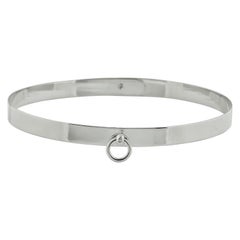
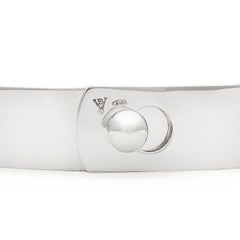
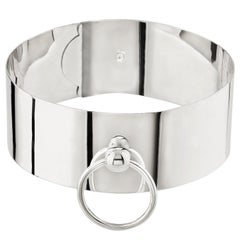
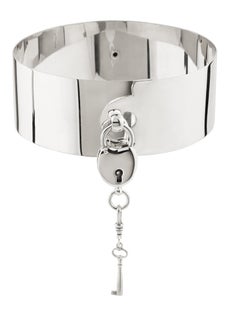
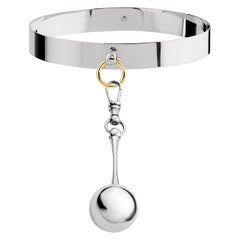
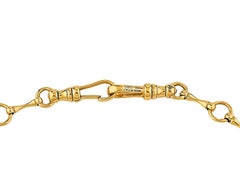
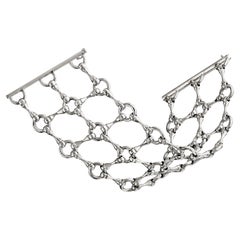
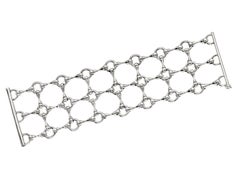
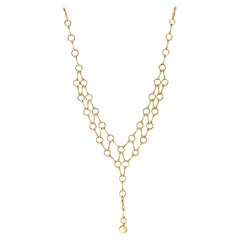
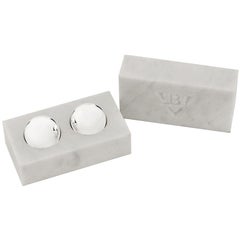
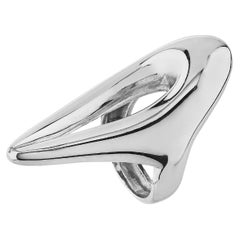
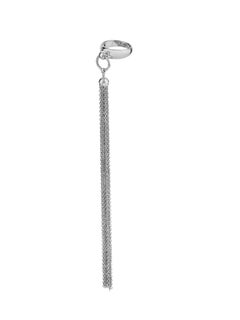
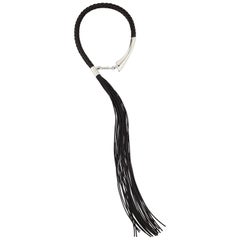
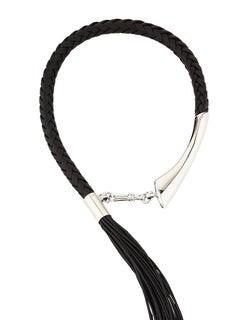
Betony Vernon Choker For Sale on 1stDibs
You are likely to find exactly the betony vernon choker you’re looking for on 1stDibs, as there is a broad range for sale. Frequently made of
silver,
sterling silver and
18k gold, this item was constructed with great care. If you’re looking for a betony vernon choker from a specific time period, our collection is diverse and broad-ranging, and you’ll find at least one that dates back to the 20th Century while another version may have been produced as recently as the 20th Century. Take a look at a betony vernon choker featuring
pearl from our inventory today to add the perfect touch to your look. Today, if you’re looking for a
ball cut version of this piece and are unable to find the perfect match, our selection also includes
brilliant cut alternatives. If you’re browsing our inventory for a betony vernon choker, you’ll find that many are available today for
women, but there are still pieces to choose from for unisex and
men.
How Much is a Betony Vernon Choker?
On average, a betony vernon choker at 1stDibs sells for $8,345, while they’re typically $2,265 on the low end and $92,200 for the highest priced versions of this item.
Betony Vernon for sale on 1stDibs
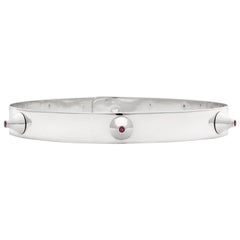
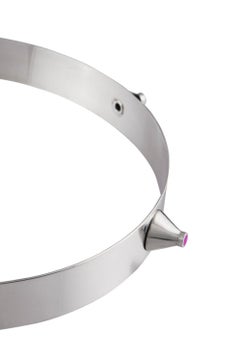
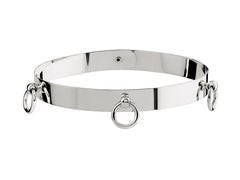
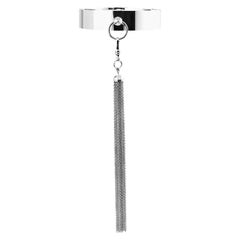
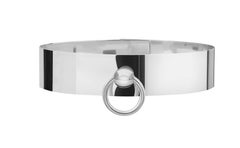
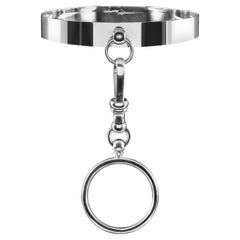
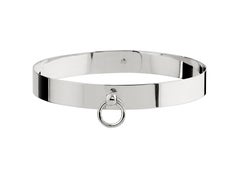
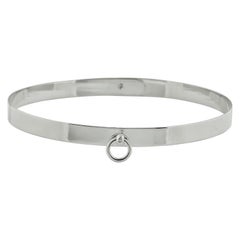
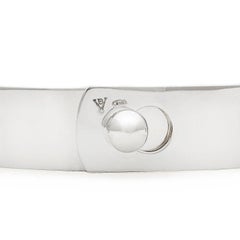
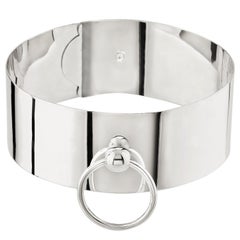
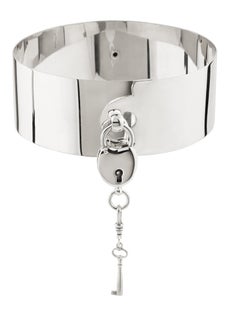
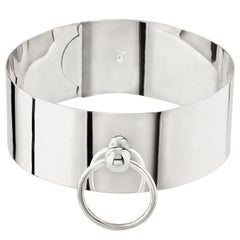
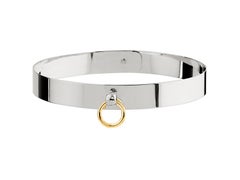
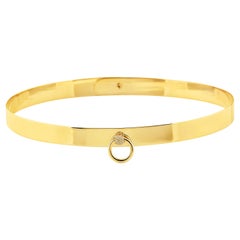
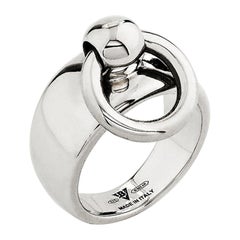
The paradigm shift took place over lunch in Florence, Italy, circa 1992. Betony Vernon, a striking flame-haired jewelry designer, was showing off her most recent creation: the 18-karat-gold O-ring, designed with a nod to a bondage collar, with a smaller ring affixed to its front.
Playfully, Vernon's partner put his pinky through the smaller ring as she donned the larger one. Then, the unexpected happened. “There was an electric impulse running through this piece,” she recalls. “We both felt it.” The feeling changed her life. “That was the moment I knew that jewelry can provide sensation and reinforce an intimate bond.”
Enabling others to experience electric moments like that — to “bring luxury, fantasy and sensual possibilities to the fine-jewelry world” — has been Vernon's aim ever since. “Sex and luxury were never associated,” she noticed, and the jewelry designer set out to change that. The result was her 1992 Sado-Chic collection, which became the Paradise Found collection.
Vernon grew up in Virginia and studied art history, religion and goldsmithing at Virginia Commonwealth University. Following her graduation in 1990, she moved to Florence, later earning a master’s in industrial design from the Domus Academy in Milan. Europe has been home ever since.
Vernon's designs are provocative, sexy. But if you look no further than that, you’re missing a much bigger (and more interesting) point. Vernon’s rings, necklaces, bracelets and other accessories represent a vital part of what she sees as her life’s mission.
“Pleasure,” she explains, “has been associated with sin, wrongness and naughtiness, not with joy, happiness and bonding.” Vernon has set out to demolish that “pleasure taboo.”
So, how is pleasure reflected in the design of Vernon's jewelry (and remember, we are talking sensuality not sexuality)? Early in the design process, she asks, “How many senses can I turn on?” Every detail relates to a sensual experience.
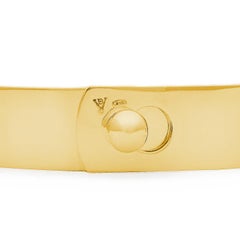
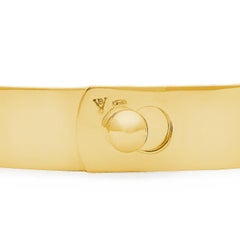
That crisp snap a clasp makes when opening or closing? A pleasure to the ear.
The softness and spring of noble metals, silver and gold? A pleasure to the touch.
And always, Vernon believes, jewelry embodies memory, legacy. A pleasure for the soul.
Find a collection of Betony Vernon jewelry on 1stDibs.
A Close Look at Contemporary Jewelry
Contemporary jewelry is inextricably linked with the moment in which it is created, frequently reflecting current social, cultural and political issues such as environmental consciousness, identity and sustainability. It’s informed by fashion trends, from the chokers of the 1990s to the large chain necklaces of the early 2000s.
Jewelry is one of the oldest forms of adornment. Lockets made of silver or gold have been treasured gifts for hundreds of years, for example, and charm bracelets, which have existed since prehistoric times, didn’t become especially popular until the 19th-century reign of Queen Victoria. For many centuries, fine jewelry was used primarily to express wealth or status through lavish materials. Then, in the 1960s, a concept known as the “critique of preciousness” emerged, with jewelers creating pieces that did not get their value from gemstones or precious metals. Instead, it was the jeweler’s artistic vision that was prized and elevated.
This shift still informs Contemporary jewelry being made by artists today. Whether they are using cheap, found materials and working with provocative geometric shapes or seeking out the rarest stones, they are imbuing their work with meaning through their skills, techniques and ideas. Innovative designers such as Elsa Peretti, who popularized sculptural sterling-silver jewelry for Tiffany & Co., and David Yurman, who twisted metal into the simple yet striking Cable bracelet, have also influenced the direction of Contemporary jewelry’s forms and aesthetics.
Meanwhile, technological advancements like metal alloys and laser engraving have led to new possibilities in jewelry design. Now, edgy makers and brands as well as minimalist designers are pushing Contemporary jewelry forward into the 21st century.
Find a collection of Contemporary rings, earrings, necklaces and other jewelry on 1stDibs.
Finding the Right Necklaces for You
We are fortunate to know much of the world’s long and dazzling history of necklaces, as this type of jewelry was so treasured that it was frequently buried with its owners. Today, Van Cleef necklaces, Tiffany necklaces and Cartier necklaces are some of the most popularly searched designer necklaces on 1stDibs.
Lapis lazuli beads adorned necklaces unearthed from the royal graves at the ancient Iraqi civilization of Sumer, while the excavation of King Tut’s burial chamber revealed a sense of style that led to a frenzy of Art Deco designs, with artisans of the 1920s seeking to emulate the elegant work crafted by Ancient Egypt’s goldsmiths and jewelry makers.
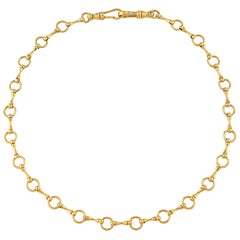
In ancient times, pendant necklaces worn by royalty and nobles conferred wealth and prestige. Today, wearing jewelry is about personal expression: Luxury diamond necklaces exude confidence and can symbolize the celebratory nature of a deep romantic relationship, while paper-clip chain-link necklaces designed by the likes of goldsmith Faye Kim are firmly planted in the past as well as the present. Kim works exclusively with eco-friendly gold, and these fashionable, fun accessories owe to the design of 19th-century watch fobs.
For some, necklaces are thought of as being a solely feminine piece, but this widely loved accessory has been gender-neutral for eons. In fact, just as women rarely took to wearing a single necklace during the Renaissance, men of the era layered chains and valuable pendants atop their bejeweled clothing. In modern times, the free-spirited hippie and counterculture movements of the 1960s saw costume-jewelry designers celebrating self-expression through colorful multistrand necklaces and no shortage of beads, which were worn by anyone and everyone.
Even after all of these years, the necklace remains an irrefutable staple of any complete outfit. Although new trends in jewelry are constantly emerging, the glamour and beauty of the past continue to inform modern styles and designs. In a way, the cyclical history of the necklace differs little from its familiar looped form: The celebrated French jewelry house Van Cleef & Arpels found much inspiration in King Tut, and, now, their Alhambra collection is a go-to for modern royals. Vintage David Webb necklaces — whose work landed him on the cover of Vogue in 1950, two years after opening his Manhattan shop — were likely inspired by the ornamental styles of ancient Greece, Mesopotamia and Egypt.
On 1stDibs, browse top designers like Dior, Chanel and Bulgari, or shop by your favorite style, from eye-catching choker necklaces to understated links to pearl necklaces and more.