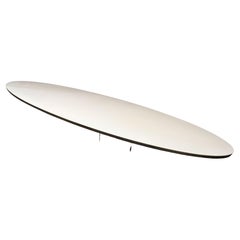
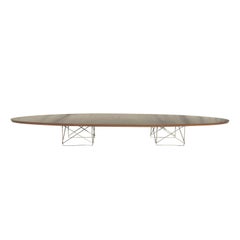
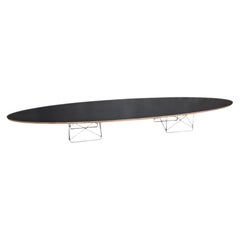
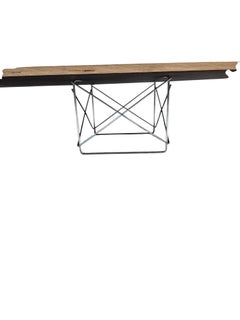
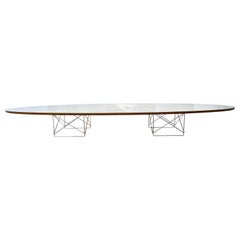
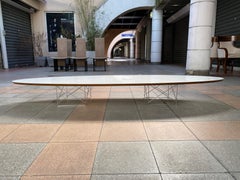
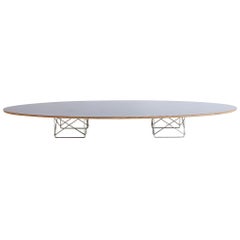
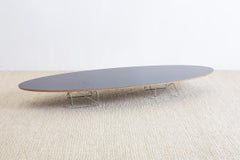
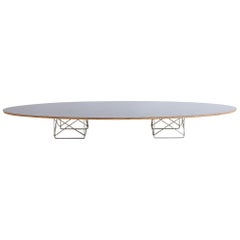
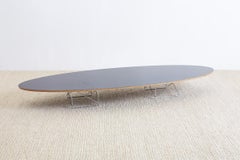
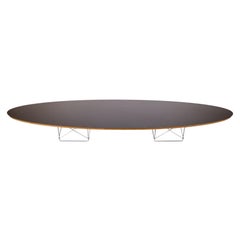
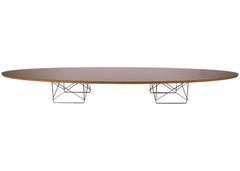
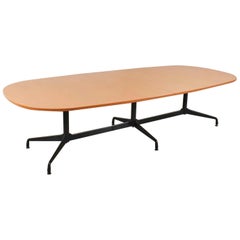
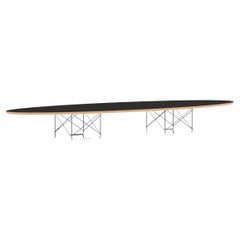
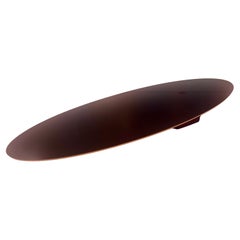
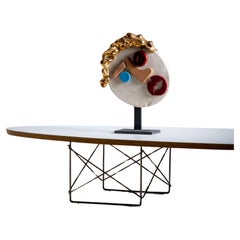
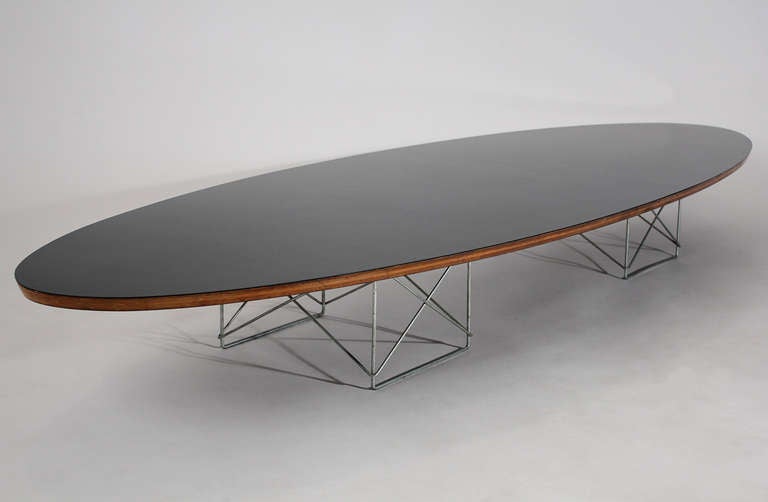
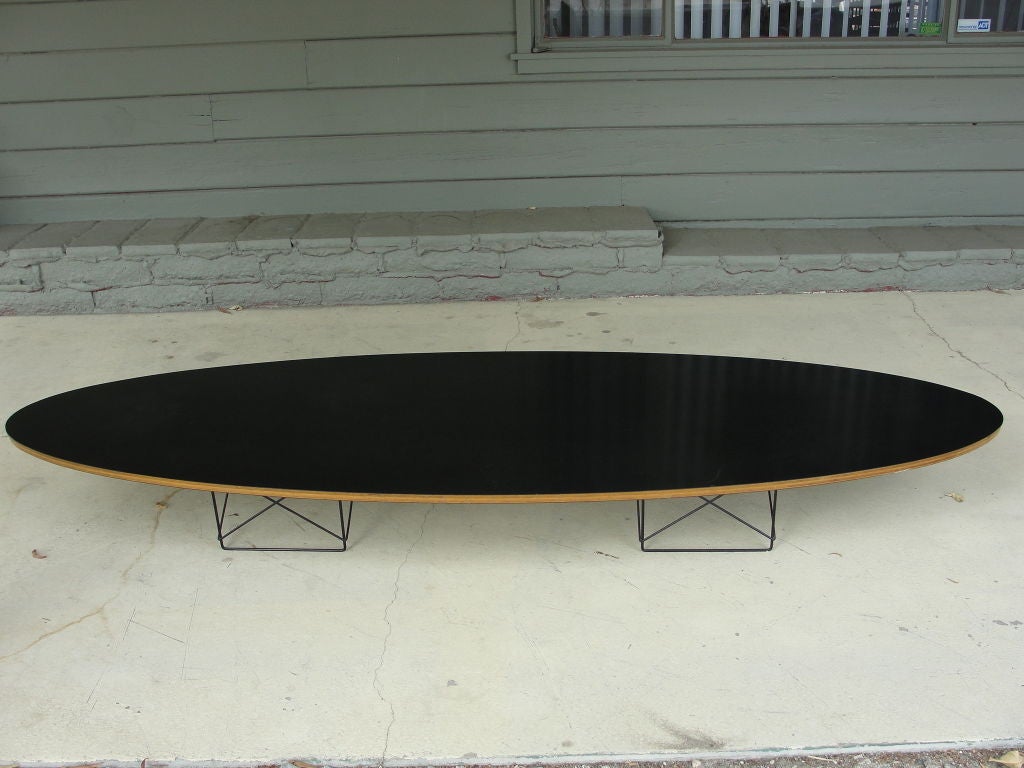
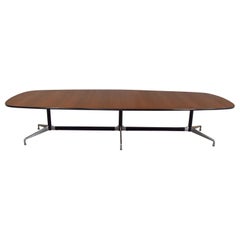
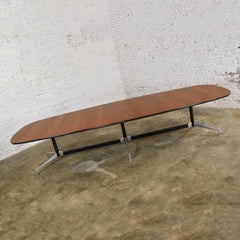
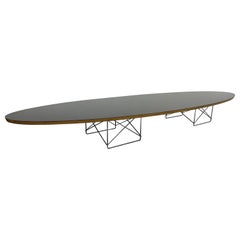
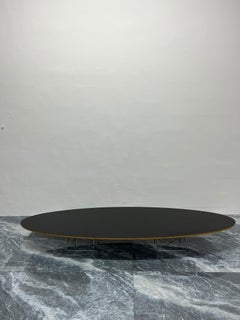
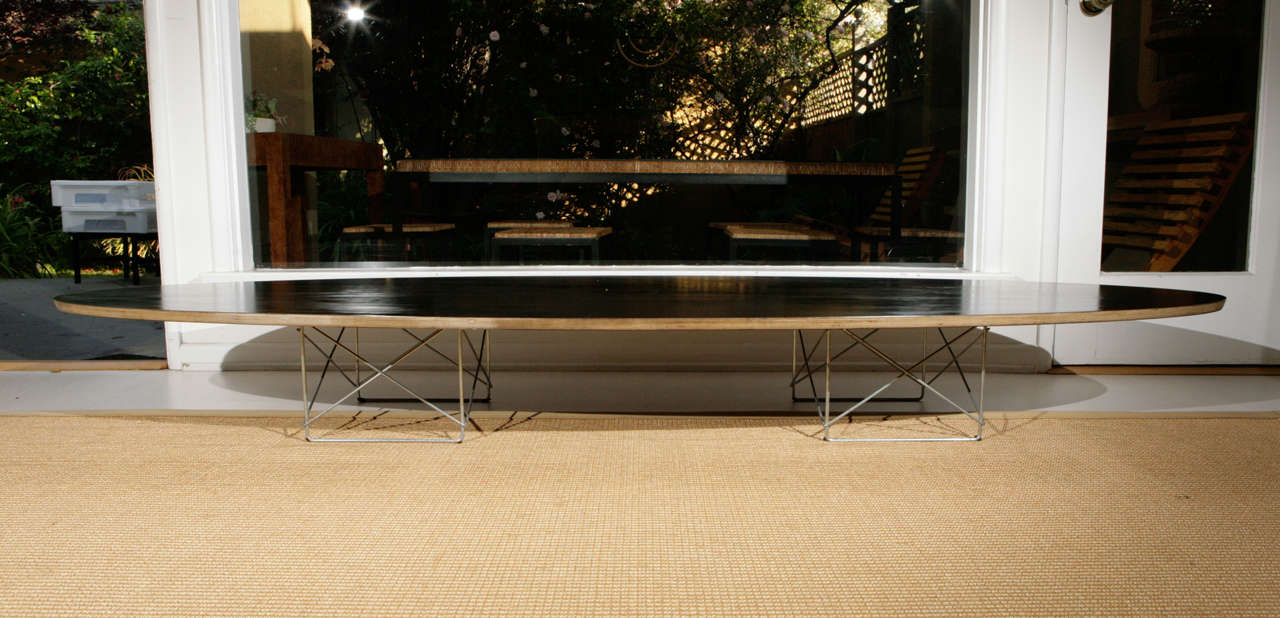
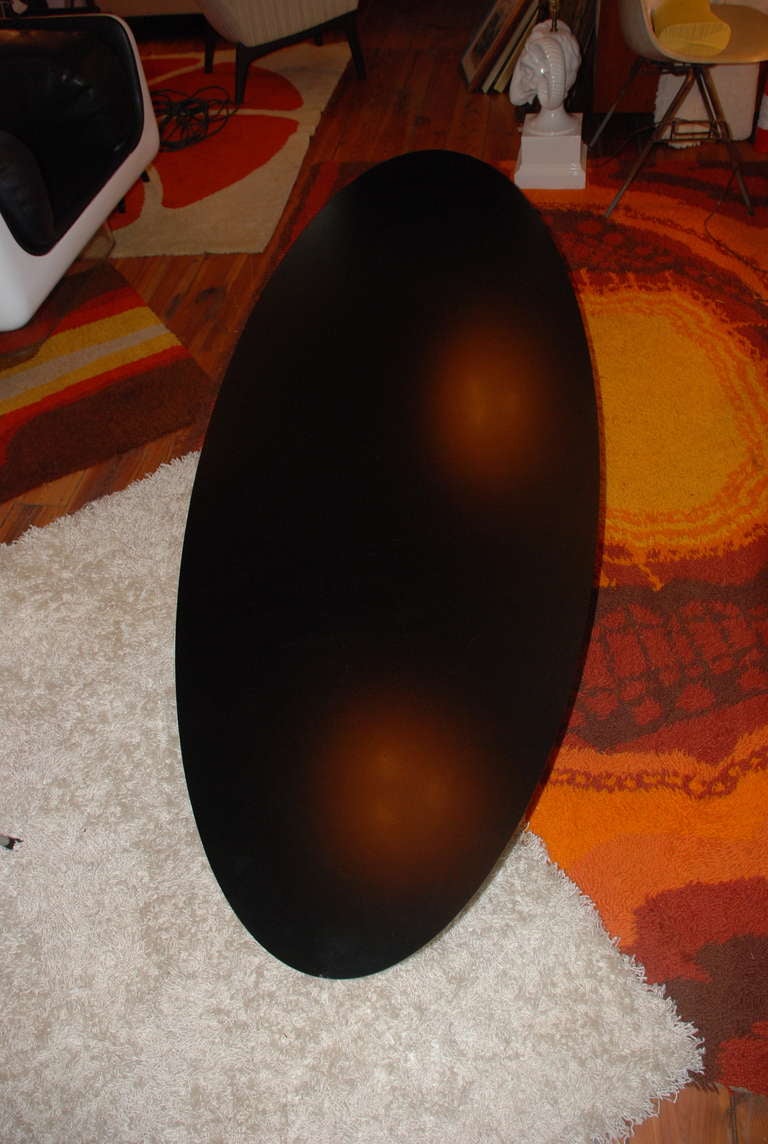
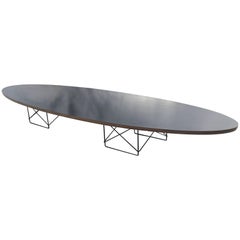
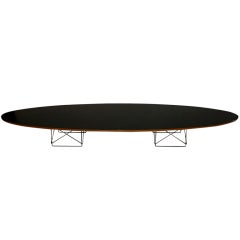
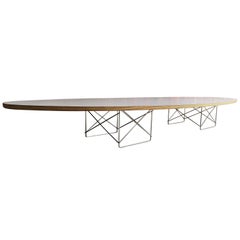
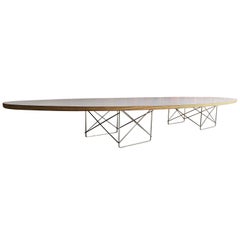
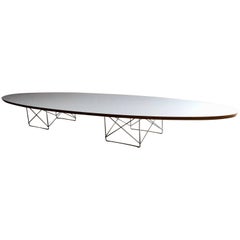
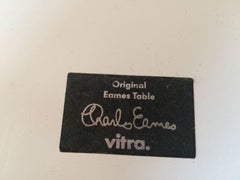
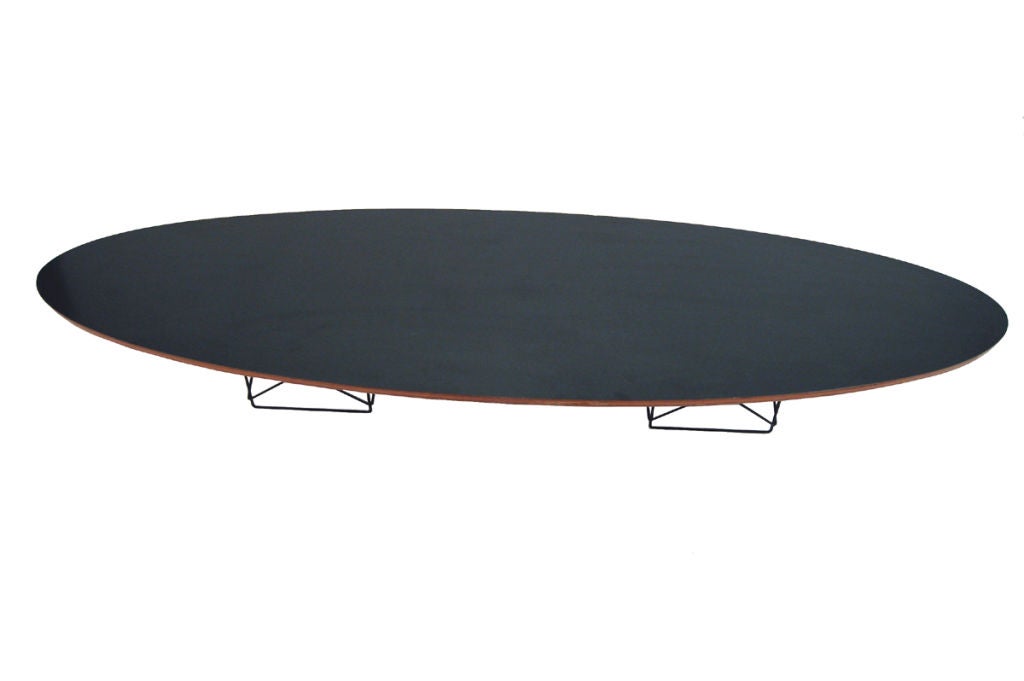
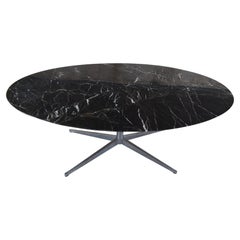
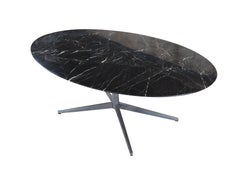
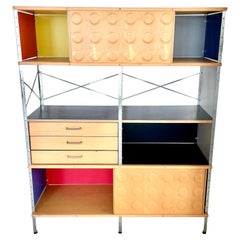
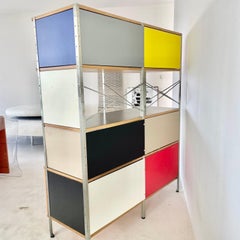
At 1stDibs, there are many versions of the ideal eames elliptical table for your home. Each eames elliptical table for sale was constructed with extraordinary care, often using
metal,
laminate and
steel. Your living room may not be complete without a eames elliptical table — find older editions for sale from the 20th Century and newer versions made as recently as the 20th Century. A eames elliptical table is a generally popular piece of furniture, but those created in
Mid-Century Modern styles are sought with frequency. Many designers have produced at least one well-made eames elliptical table over the years, but those crafted by
Charles and Ray Eames,
Herman Miller and
Charles Eames are often thought to be among the most beautiful.
A eames elliptical table can differ in price owing to various characteristics — the average selling price 1stDibs is $2,600, while the lowest priced sells for $1,850 and the highest can go for as much as $9,995.
Charles Eames and Ray Eames were the embodiment of the inventiveness, energy and optimism at the heart of mid-century modern American design, and have been recognized as the most influential designers of the 20th century. The Eameses were lovers of folk craft who had a genius for making highly original chairs, tables, case pieces and other furniture using traditional materials and forms.
As furniture designers, filmmakers, artists, textile and graphic designers and even toy and puzzle makers, the Eameses were a visionary and effective force for the notion that design should be an agent of positive change. They are the happy, ever-curious, ever-adventurous faces of modernism.
Charles Eames (1907–78) studied architecture and industrial design. Ray Eames (née Beatrice Alexandra Kaiser, 1912–88) was an artist, who studied under the Abstract Expressionist painter Hans Hofmann. They met in 1940 at the Cranbrook Academy of Art in suburban Detroit (the legendary institution where Charles also met his frequent collaborator Eero Saarinen and the artist and designer Harry Bertoia) and married the next year.
His technical skills and her artistic flair were wonderfully complementary. They moved to Los Angeles in 1941, where Charles worked on set design for MGM. In the evenings at their apartment, they experimented with molded plywood using a handmade heat-and-pressurization device they called the “Kazam!” machine. The next year, they won a contract from the U.S. Navy for lightweight plywood leg splints for wounded servicemen — vintage Eames splints are coveted collectibles today; more so those that Ray used to make sculptures.
The Navy contract allowed Charles to open a professional studio, and the attention-grabbing plywood furniture the firm produced prompted George Nelson, the director of design of the furniture-maker Herman Miller Inc., to enlist Charles and (by association, if not by contract) Ray in 1946. Some of the first Eames items to emerge from Herman Miller are now classics: the Eames chair, the LCW, or Lounge Chair Wood, and the DCM, or Dining Chair Metal, supported by tubular steel.
The Eameses eagerly embraced new technology and materials, and one of their peculiar talents was to imbue their supremely modern design with references to folk traditions.
Their Wire chair group of the 1950s, for example, was inspired by basket weaving techniques. The populist notion of “good design for all” drove their molded fiberglass chair series that same decade, and also produced the organic-form, ever-delightful La Chaise. In 1956 the Eames lounge chair and ottoman appeared — the supremely comfortable plywood-base-and-leather-upholstery creation that will likely live in homes as long as there are people with good taste and sense.
Charles Eames once said, “The role of the designer is that of a very good, thoughtful host anticipating the needs of his guests.” For very good collectors and thoughtful interior designers, a piece of design by the Eameses, the closer produced to original conception the better, is almost de rigueur — for its beauty and comfort, and not least as a tribute to the creative legacy and enduring influence of Charles and Ray Eames.
The original Eames furniture for sale on 1stDibs includes chairs, tables, case pieces and other items.
As a practical focal point in your living area, antique and vintage coffee tables and cocktail tables are an invaluable addition to any interior.
Low tables that were initially used as tea tables or coffee tables have been around since at least the mid- to late-1800s. Early coffee tables surfaced in Victorian-era England, likely influenced by the use of tea tables in Japanese tea gardens. In the United States, furniture makers worked to introduce low, long tables into their offerings as the popularity of coffee and “coffee breaks” took hold during the late 19th century and early 20th century.
It didn’t take long for coffee tables and cocktail tables to become a design staple and for consumers to recognize their role in entertaining no matter what beverages were being served. Originally, these tables were as simple as they are practical — as high as your sofa and made primarily of wood. In recent years, however, metal, glass and plastics have become popular in coffee tables and cocktail tables, and design hasn’t been restricted to the conventional low profile, either.
Visionary craftspeople such as Paul Evans introduced bold, geometric designs that challenge the traditional idea of what a coffee table can be. The elongated rectangles and wide boxy forms of Evans’s desirable Cityscape coffee table, for example, will meet your needs but undoubtedly prove imposing in your living space.
If you’re shopping for an older coffee table to bring into your home — be it an antique Georgian-style coffee table made of mahogany or walnut with decorative inlays or a classic square mid-century modern piece comprised of rosewood designed by the likes of Ettore Sottsass — there are a few things you should keep in mind.
Both the table itself and what you put on it should align with the overall design of the room, not just by what you think looks fashionable in isolation. According to interior designer Tamara Eaton, the material of your vintage coffee table is something you need to consider. “With a glass coffee table, you also have to think about the surface underneath, like the rug or floor,” she says. “With wood and stone tables, you think about what’s on top.”
Find the perfect centerpiece for any room, no matter what your personal furniture style on 1stDibs — shop Art Deco coffee tables, travertine coffee tables and other antique and vintage coffee tables and cocktail tables today.