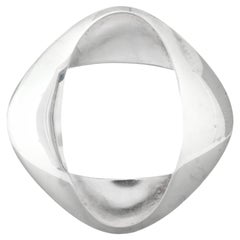
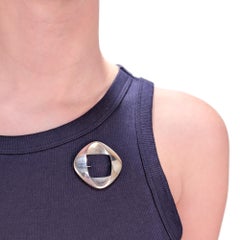
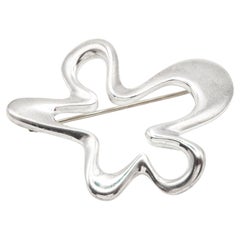
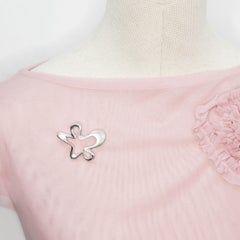
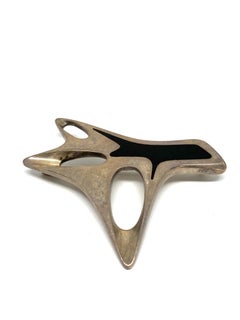
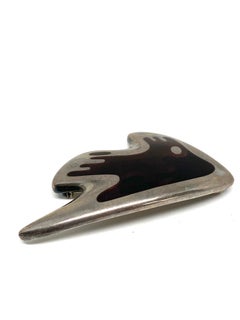
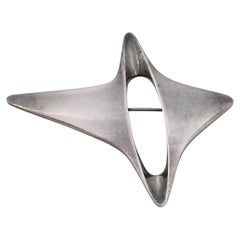
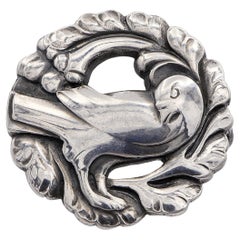
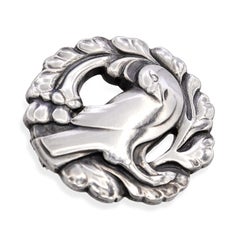
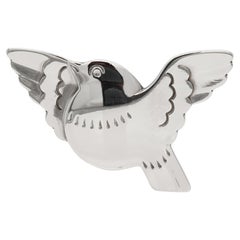
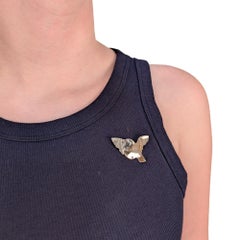
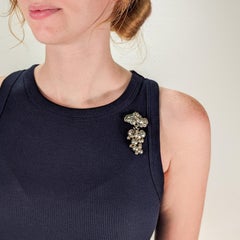
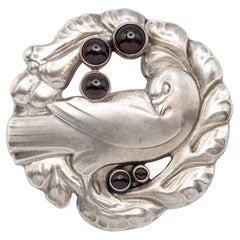
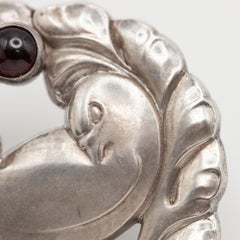
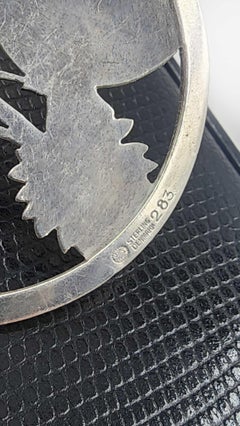
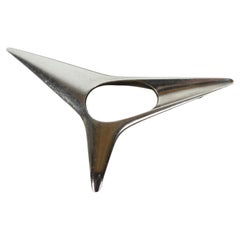
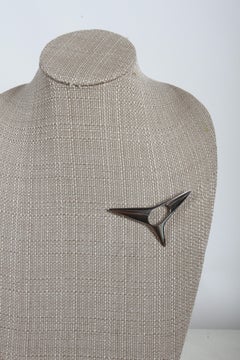
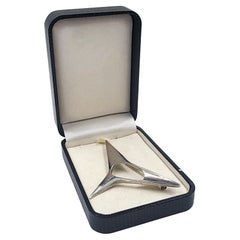
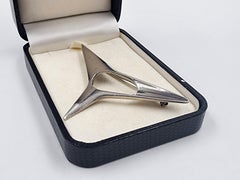
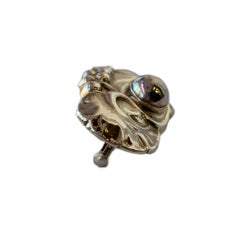
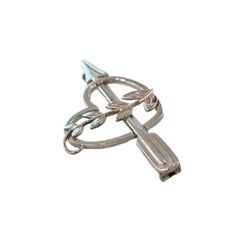
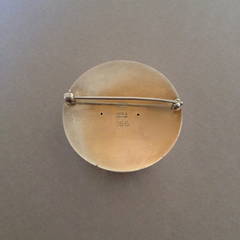
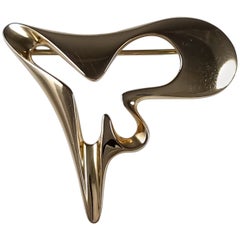
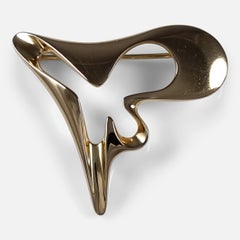
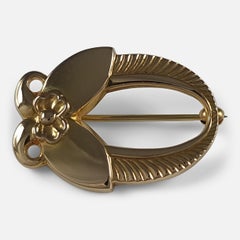
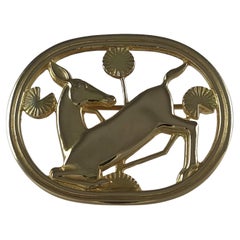
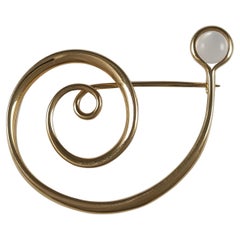
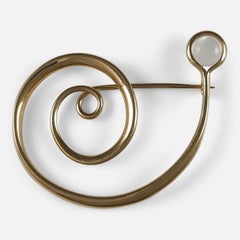
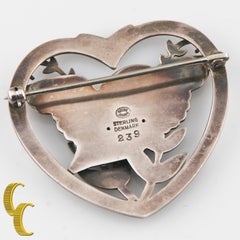
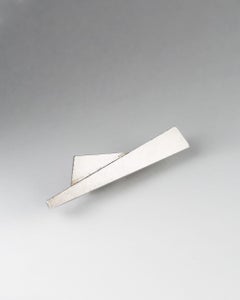
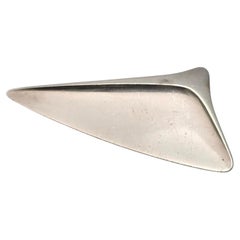
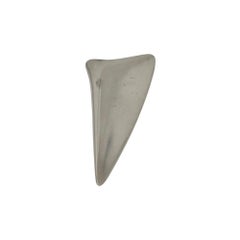
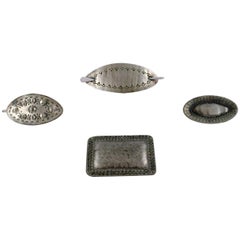
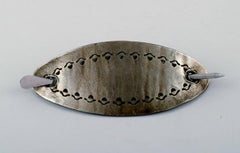
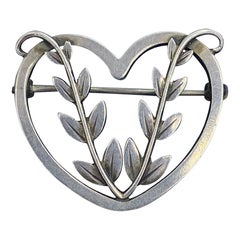
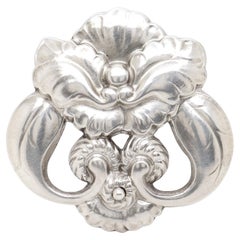
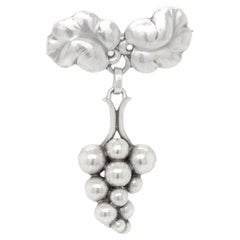
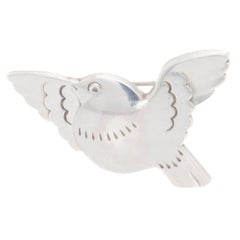
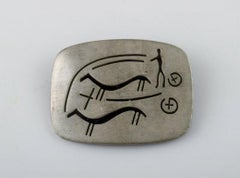
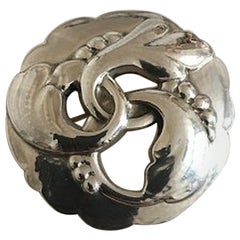
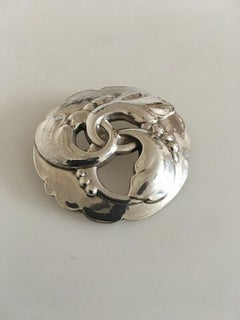
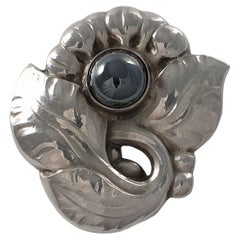
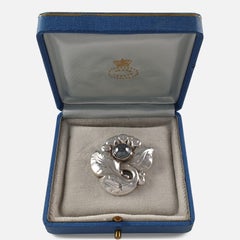
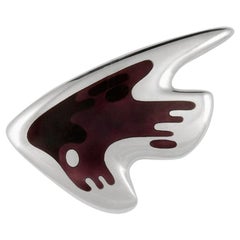
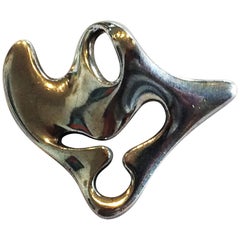
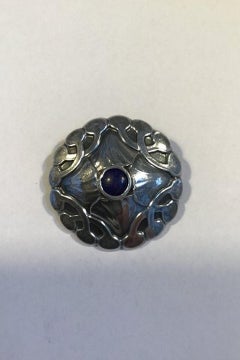
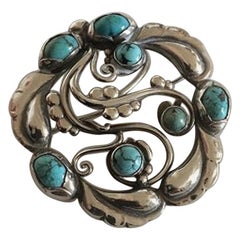
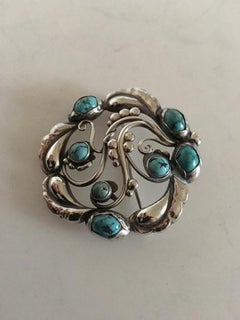
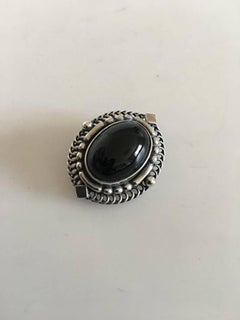
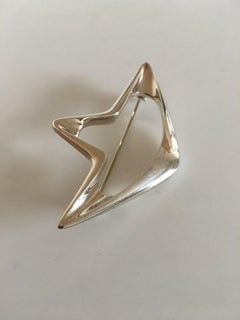
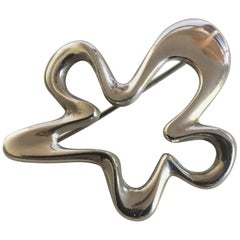
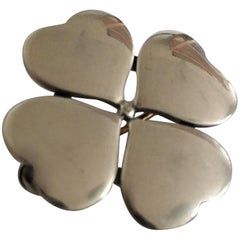
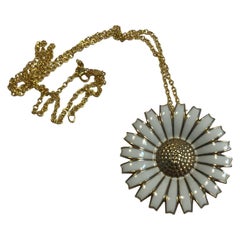
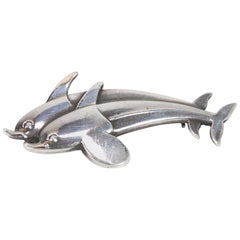
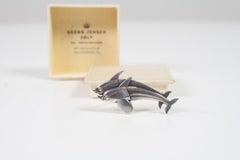
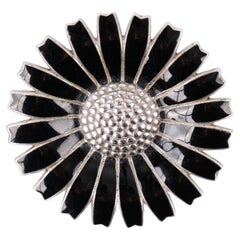
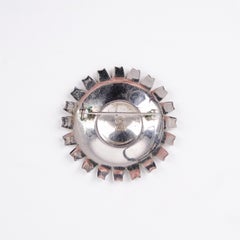
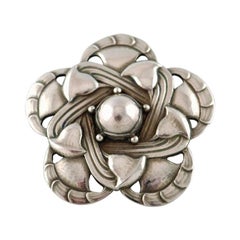
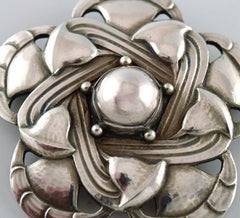
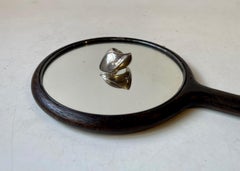
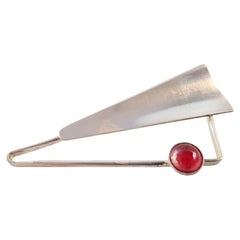
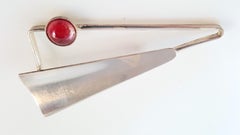
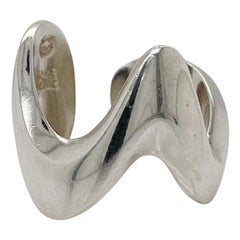
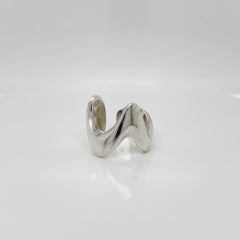
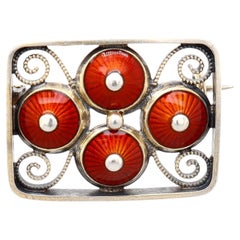
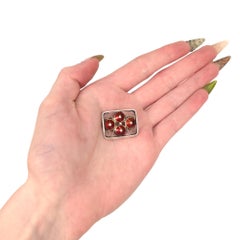
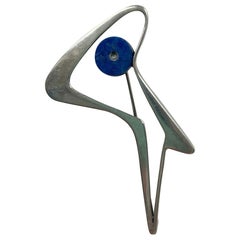
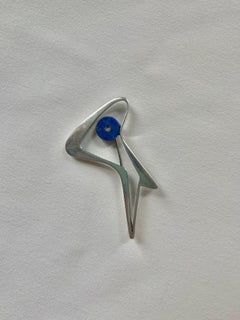
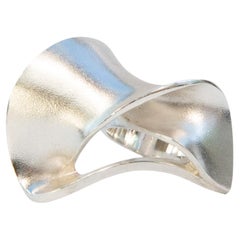
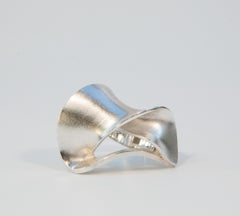
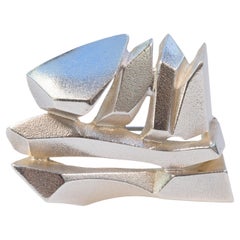
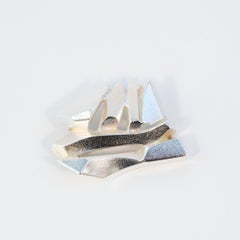
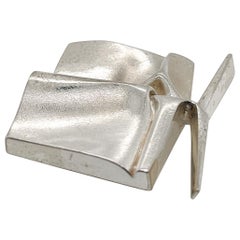
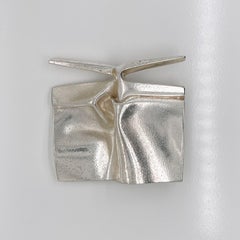
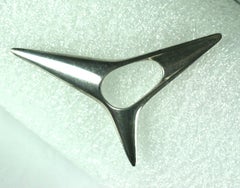
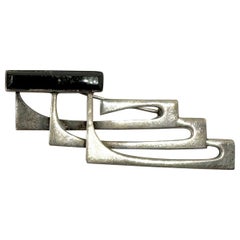
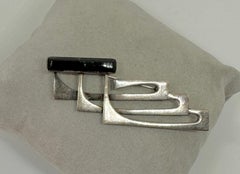
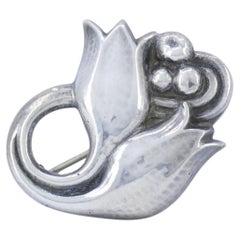
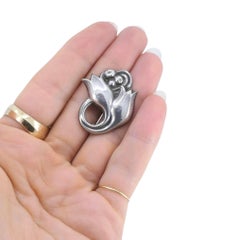
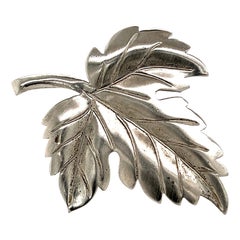
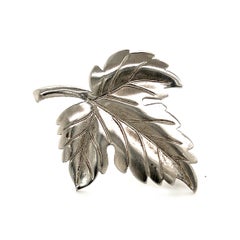
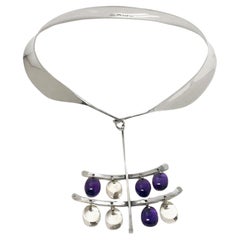
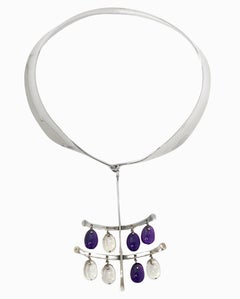
Jensen Brooch Modern For Sale on 1stDibs
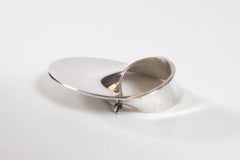
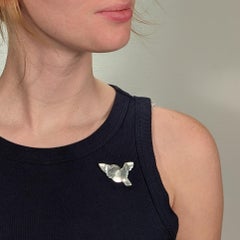
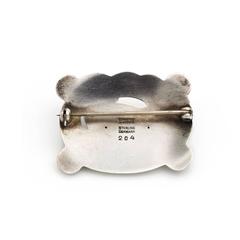
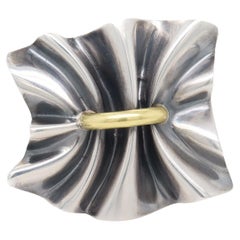
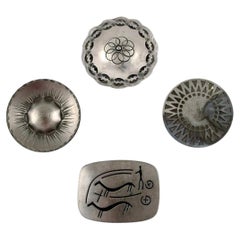
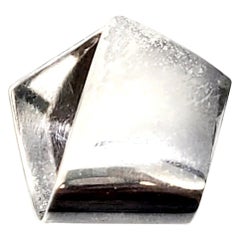
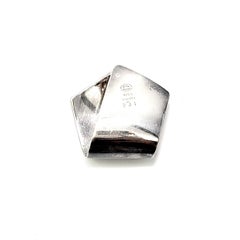
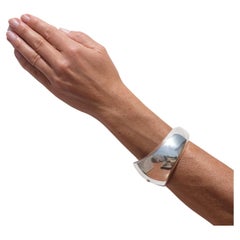
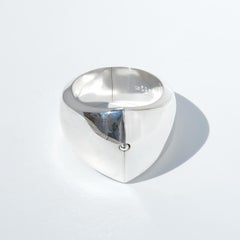
On 1stDibs, you can find the most appropriate jensen brooch modern for your needs in our varied inventory. Every item for sale was constructed with extraordinary care, often using
Silver,
Sterling Silver and
Gold. In our selection of items, you can find a vintage example as well as a contemporary version. Finding the perfect jensen brooch modern may mean sifting through those created during different time periods — you can find an early version that dates to the 20th Century and a newer variation that were made as recently as the 21st Century. Creating a jensen brooch modern has been a part of the legacy of many jewelers, but those produced by
Georg Jensen,
Henning Koppel and
Jorgen Jensen are consistently popular. A jensen brooch modern can make for a versatile accessory, but a selection from our variety of 4
Pearl versions can add an especially stylish touch. Today, if you’re looking for a
bead version of this piece and are unable to find the perfect match, our selection also includes alternatives. There aren’t many items for
men if you’re seeking a jensen brooch modern, as most of the options available are for
women and unisex.
How Much is a Jensen Brooch Modern?
On average, a jensen brooch modern at 1stDibs sells for $763, while they’re typically $60 on the low end and $2,708 for the highest priced versions of this item.
Georg Jensen for sale on 1stDibs
For over a century, Georg Jensen has produced some of the finest objects in Scandinavian modern design, including silver tableware, serving pieces, home decor, jewelry and more, frequently partnering with leading artisans to expand its offerings and respond to shifting tastes. Known for minimal aesthetics that reference nature, the craftsmanship of this legendary Danish silverware firm has regularly married function with thoughtful and beautiful design.
Founder Georg Jensen (1866–1935) was born in the small town of Radvaad, Denmark, and began his training as a goldsmith at 14. After studying sculpture and then training with master silversmith Mogens Ballin, he established his own silver business in Copenhagen in 1904. By 1918, the company was successful enough to open a shop in Paris.
Jensen’s firm produced an incredibly vast range of silver objects, from serving dishes and barware to centerpieces and chandeliers. For his early work, which bore ornate floral details and other organic forms of Art Nouveau, Jensen looked to the splendors of the natural world. The 1905 Blossom teapot, for instance, was topped with a magnolia bud and deftly balanced on toad feet, while some of Jensen’s best-known flatware patterns included Lily of the Valley, introduced in 1913, and Acorn, which debuted in 1915.
Collaboration with outside designers, long before such partnerships were common in design, would lead to some of the company’s most popular and enduring work of the mid-century. Sigvard Bernadotte and Vivianna Torun Bülow-Hübe created collections, as did Henning Koppel, whose curvy 1952 Pregnant Duck pitcher is a Georg Jensen classic.
After evolving and expanding throughout the 20th century, Georg Jensen was acquired by Investcorp in 2012. Today, the company is a global luxury brand with more than 1,000 stores around the world. It continues to produce seductive new pieces, such as a tea service made with Marc Newson in 2015, as well as timeless heritage designs, including the relaunch in 2019 of the 1018 solid sterling-silver Tureen 270. In 2020, the firm introduced the Jardinière 1505. Sculptural and richly decorative, the never-before-realized showpiece is hand-hammered from sheets of the finest sterling silver and is based on a 1915 sketch from Jensen’s archives.
Find an exquisite collection of Georg Jensen serveware, ceramics, silver and glass today on 1stDibs.
A Close Look at Modern Jewelry
Rooted in centuries of history of adornment dating back to the ancient world, modern jewelry reimagines traditional techniques, forms and materials for expressive new pieces. As opposed to contemporary jewelry, which responds to the moment in which it was created, modern jewelry often describes designs from the 20th to 21st centuries that reflect movements and trends in visual culture.
Modern jewelry emerged from the 19th-century shift away from jewelry indicating rank or social status. The Industrial Revolution allowed machine-made jewelry using electric gold plating, metal alloys and imitation stones, making beautiful jewelry widely accessible. Although mass production deemphasized the materials of the jewelry, the vision of the designer remained important, something that would be furthered in the 1960s with what’s known as the “critique of preciousness.”
A design fair called the “Exposition Internationale des Arts Décoratifs et Industriels Modernes” brought global attention to the Art Deco style in 1925 and gathered a mix of jewelry artists alongside master jewelers like Van Cleef & Arpels, Mauboussin and Boucheron. Art Deco designs from Cartier and Van Cleef & Arpels unconventionally mixed gemstones like placing rock crystals next to diamonds while borrowing motifs from eclectic sources including Asian lacquer and Persian carpets. Among Cartier’s foremost design preoccupations at the time were high-contrast color combinations and crisp, geometric forms and patterns. In the early 20th century, modernist jewelers like Margaret De Patta and artists such as Alexander Calder — who is better known for his kinetic sculptures than his provocative jewelry — explored sculptural metalwork in which geometric shapes and lines were preferred over elaborate ornamentation.
Many of the innovations in modern jewelry were propelled by women designers such as Wendy Ramshaw, who used paper to craft her accessories in the 1960s. During the 1970s, Elsa Peretti created day-to-night pieces for Tiffany & Co. while designers like Lea Stein experimented with layering plastic, a material that had been employed in jewelry since the mid-19th century and had expanded into Bakelite, acrylics and other unique materials.
Find a collection of modern watches, bracelets, engagement rings, necklaces, earrings and other jewelry on 1stDibs.
Finding the Right Brooches for You
Vintage brooches, which refer to decorative jewelry traditionally pinned to garments and used to fasten pieces of clothing together where needed, have seen increasing popularity in recent years.
While jewelry trends come and go, brooches are indeed back on the radar thanks to fashion houses like Gucci, Versace, Dior and Saint Laurent, all of which feature fun pinnable designs in their current collections. Whether a dazzlingly naturalistic Art Nouveau dragonfly, a whimsical David Webb animal, a gem-studded bloom or a streamlined abstract design, these jewels add color and sparkle to your look and a spring to your step.
Given their long history, brooches have expectedly taken on a variety of different shapes and forms over time, with jewelers turning to assorted methods of ornamentation for these accessories, including enameling and the integration of pearls and gemstones. Cameo brooches that originated during the Victorian age are characterized by a shell carved in raised relief that feature portraits of a woman’s profile, while 19th-century micromosaic brooches, comprising innumerable individually placed glass fragments, sometimes feature miniature depictions of a pastoral scene in daily Roman life.
At one time, brooches were symbols of wealth, made primarily from the finest metals and showcasing exquisite precious gemstones. Today, these jewels are inclusive and universal, and you don’t have to travel very far to find an admirer of brooches. They can be richly geometric in form, such as the ornate diamond pins dating from the Art Deco era, or designer-specific, such as the celebrated naturalistic works created by Tiffany & Co., the milk glass and gold confections crafted by Trifari or handmade vintage Chanel brooches of silk or laminated sheer fabric. Chanel, of course, has never abandoned this style, producing gorgeously baroque CC examples since the 1980s.
Brooches are versatile and adaptable. These decorative accessories can be worn in your hair, on hats, scarves and on the lower point of V-neck clothing. Pin a dazzling brooch to the lapel of your blazer-and-tee combo or add a cluster of smaller pins to your overcoat. And while brooches have their place in “mourning jewelry,” in that a mourning brooch is representative of your connection to a lost loved one, they’re widely seen as romantic and symbolic of love, so much so that a hardcore brooch enthusiast might advocate for brooches to be worn over the heart.
Today, find a wide variety of antique and vintage brooches for sale on 1stDibs, including gold brooches, sapphire brooches and more.