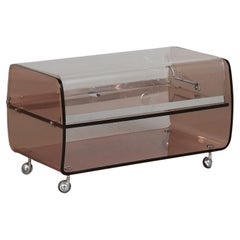
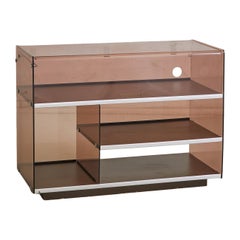
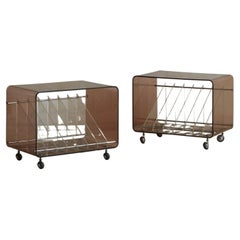
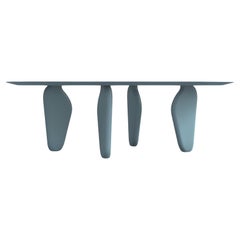
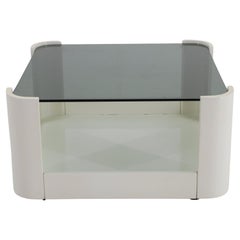
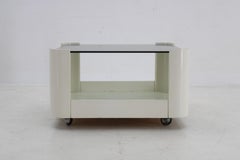
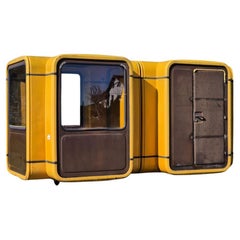
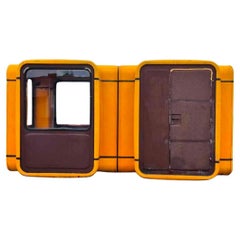
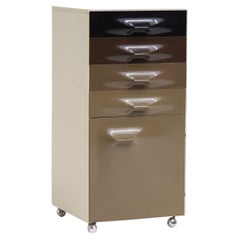
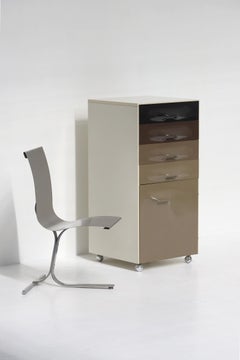
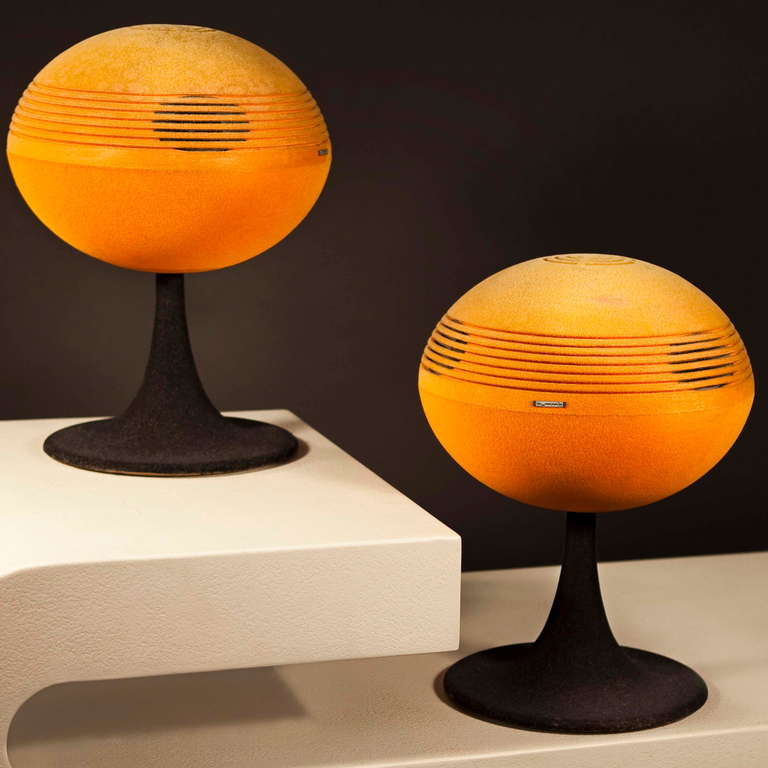
Arguably the world’s most ubiquitous man-made material, plastic has impacted nearly every industry. In contemporary spaces, new and vintage plastic furniture is quite popular and its use pairs well with a range of design styles.
From the Italian lighting artisans at Fontana Arte to venturesome Scandinavian modernists such as Verner Panton, who created groundbreaking interiors as much as he did seating — see his revolutionary Panton chair — to contemporary multidisciplinary artists like Faye Toogood, furniture designers have been pushing the boundaries of plastic forever.
When The Graduate's Mr. McGuire proclaimed, “There’s a great future in plastics,” it was more than a laugh line. The iconic quote is an allusion both to society’s reliance on and its love affair with plastic. Before the material became an integral part of our lives — used in everything from clothing to storage to beauty and beyond — people relied on earthly elements for manufacturing, a process as time-consuming as it was costly.
Soon after American inventor John Wesley Hyatt created celluloid, which could mimic luxury products like tortoiseshell and ivory, production hit fever pitch, and the floodgates opened for others to explore plastic’s full potential. The material altered the history of design — mid-century modern legends Charles and Ray Eames, Joe Colombo and Eero Saarinen regularly experimented with plastics in the development of tables and chairs, and today plastic furnishings and decorative objects are seen as often indoors as they are outside.
Find vintage plastic lounge chairs, outdoor furniture, lighting and more on 1stDibs.
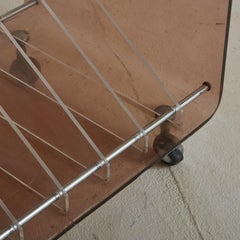
Forever a sleek and elegant furnishing that evokes luxury and sophistication, a vintage bar cart will prove both functional and fabulous in your living room.
Bar carts as we know them were originally conceived as tea trolleys — a modest-sized table on wheels, sometimes featuring both an upper and lower shelf — to help facilitate tea service during the Victorian era in England. Modern bar carts weren’t really a common fixture in American interiors until after the end of Prohibition in the 1930s, when they were rolled onto the sets of Hollywood films. There, they suggested wealth and status in the dining rooms of affluent characters.
As tough as the 1930s had been on the average working American, the postwar era yielded economic stability and growth in homeownership. Increasingly, bar carts designed by the likes of Edward Wormley and other furniture makers became an integral part of sunken living rooms across the United States in the 1950s.
Bar carts were a must-have addition to the sensuous and sleek low-profile furnishings that we now call mid-century modern, each outfitted with the finest spirits and savory snacks that people had to offer. And partially owing to critical darlings like Mad Men, vintage cocktail carts have since seen a resurgence and have even become a selling point in restaurants.
Bar carts not only boast tremendous utilitarian value but also introduce a fun, nostalgic dynamic to the layout of your space, be it in the bar area or elsewhere. In addition to showcasing your favorite bottles of rye and local small-batch gin — or juices and mocktail ingredients — there is an undeniable allure to stacking statement glassware, vintage martini cocktail shakers and Art Deco decanter sets atop your fully stocked mid-century modern bar cart. And one size or style doesn’t fit all — an evolution of cocktail cart design throughout history has yielded all manner of metal bar carts, rattan carts and more.
We invite you to add a few more dashes of class to cocktail hour — peruse the vast collection of antique and vintage carts and bar carts on 1stDibs today.