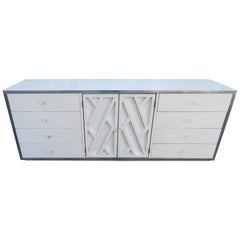
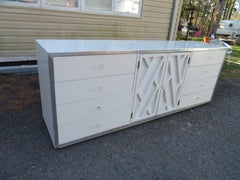
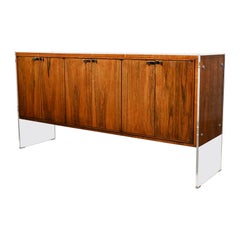
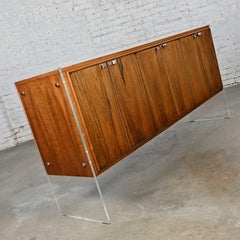
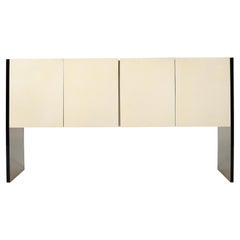
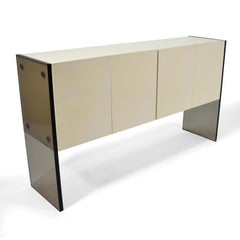
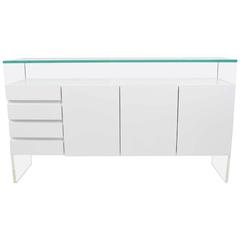
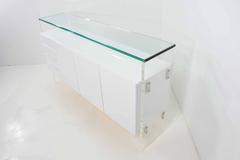
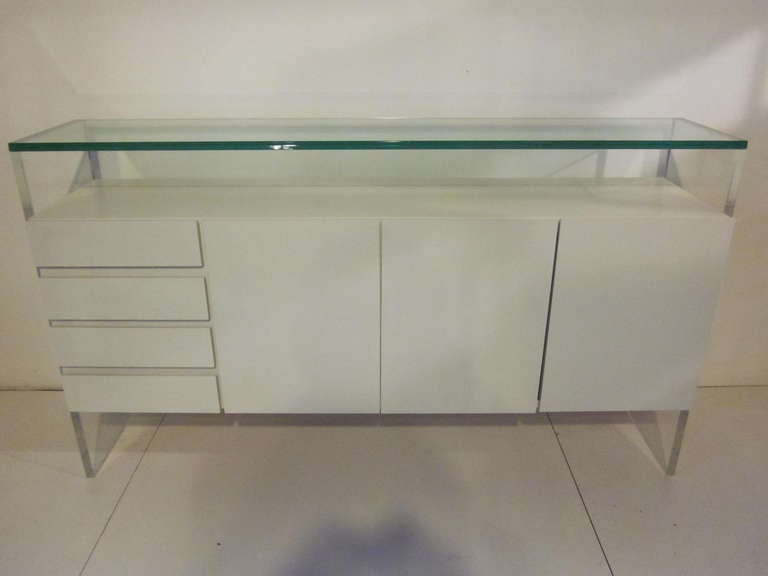
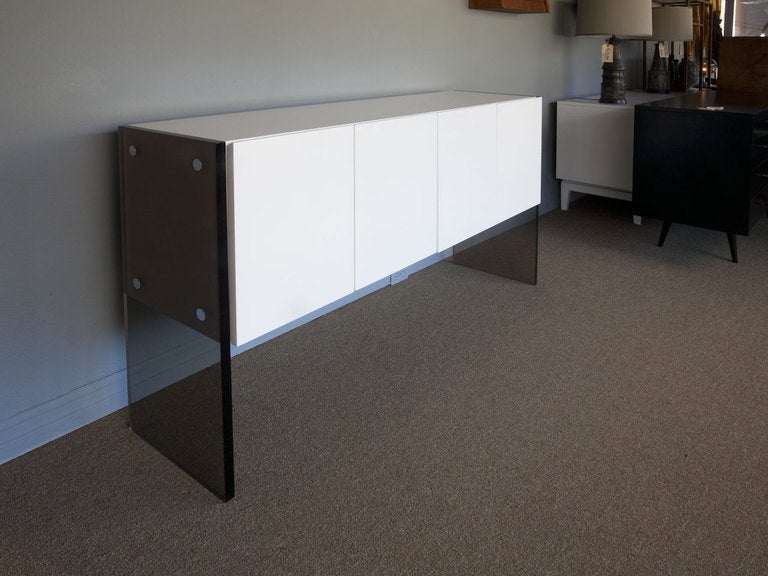
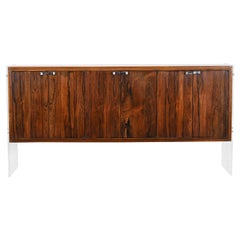
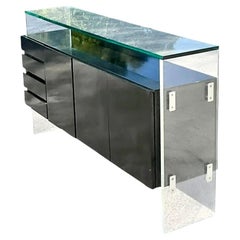
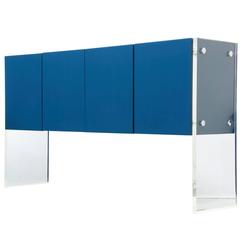
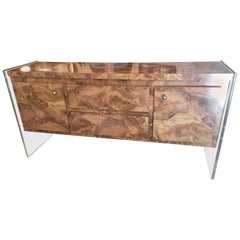
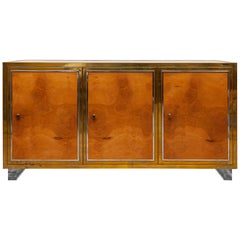
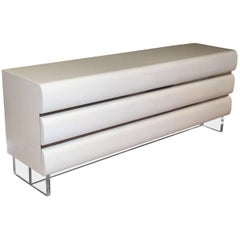
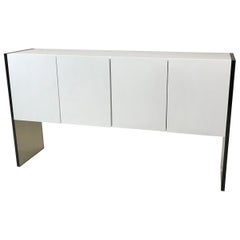
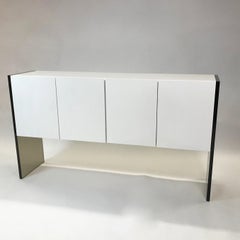
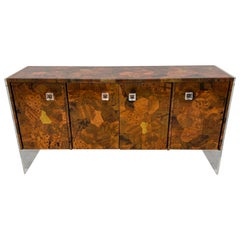
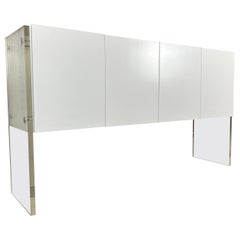
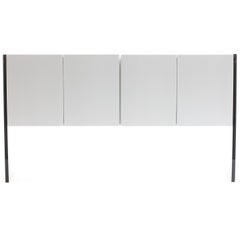
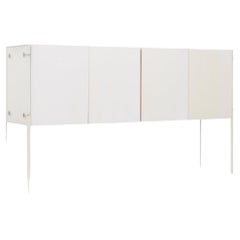
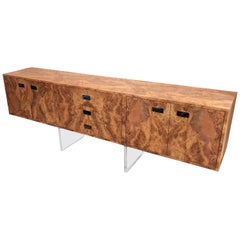
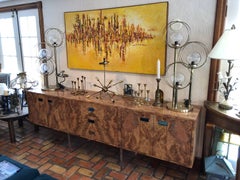
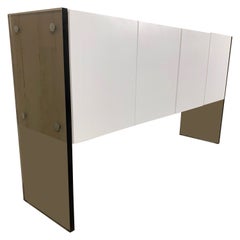
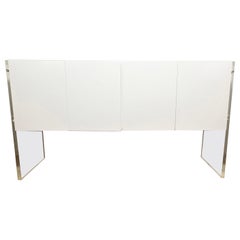
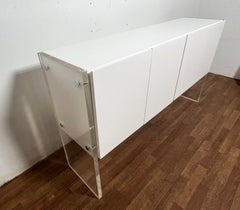
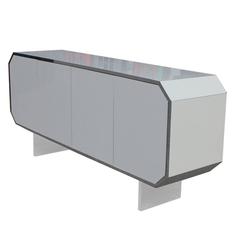
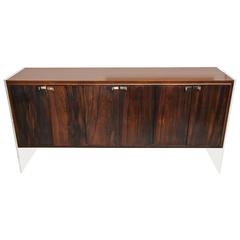
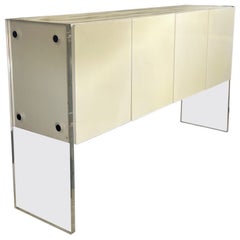
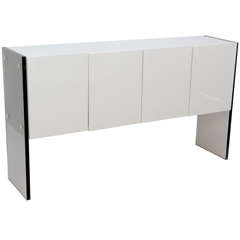
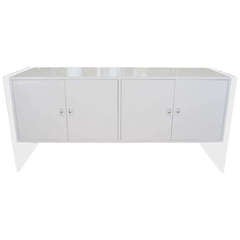
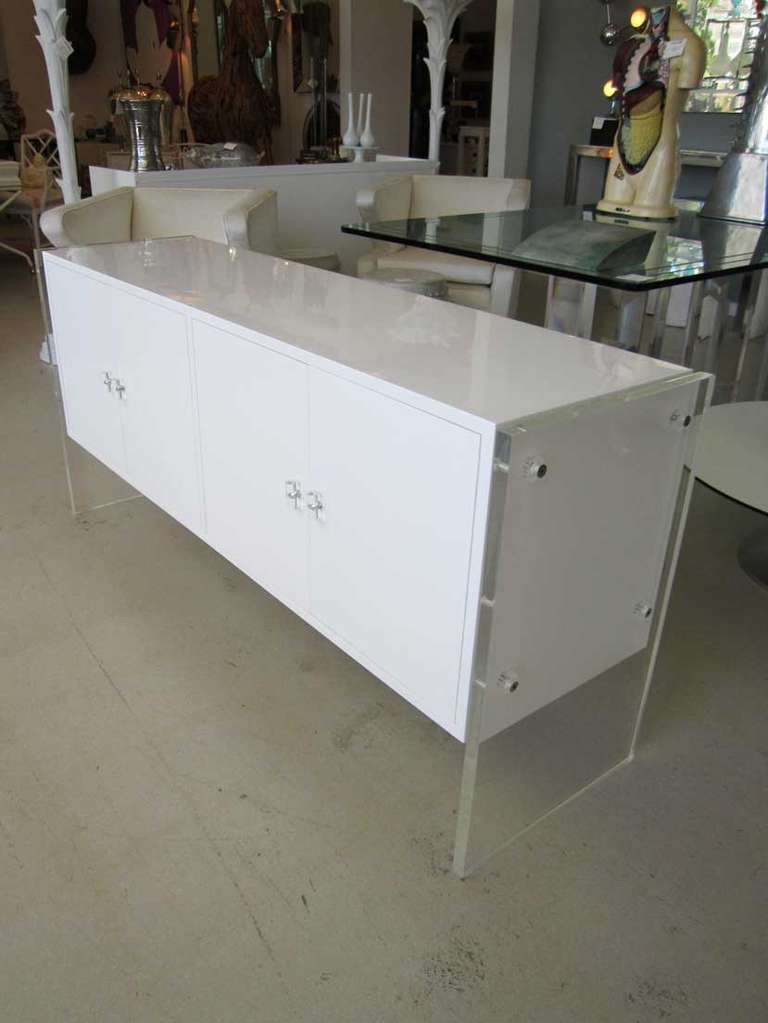
Arguably the world’s most ubiquitous man-made material, plastic has impacted nearly every industry. In contemporary spaces, new and vintage plastic furniture is quite popular and its use pairs well with a range of design styles.
From the Italian lighting artisans at Fontana Arte to venturesome Scandinavian modernists such as Verner Panton, who created groundbreaking interiors as much as he did seating — see his revolutionary Panton chair — to contemporary multidisciplinary artists like Faye Toogood, furniture designers have been pushing the boundaries of plastic forever.
When The Graduate's Mr. McGuire proclaimed, “There’s a great future in plastics,” it was more than a laugh line. The iconic quote is an allusion both to society’s reliance on and its love affair with plastic. Before the material became an integral part of our lives — used in everything from clothing to storage to beauty and beyond — people relied on earthly elements for manufacturing, a process as time-consuming as it was costly.
Soon after American inventor John Wesley Hyatt created celluloid, which could mimic luxury products like tortoiseshell and ivory, production hit fever pitch, and the floodgates opened for others to explore plastic’s full potential. The material altered the history of design — mid-century modern legends Charles and Ray Eames, Joe Colombo and Eero Saarinen regularly experimented with plastics in the development of tables and chairs, and today plastic furnishings and decorative objects are seen as often indoors as they are outside.
Find vintage plastic lounge chairs, outdoor furniture, lighting and more on 1stDibs.
Mid-century modern credenzas descend from the Renaissance-era sideboard, once used to serve and store food and dishware. The clean-lined, low-profile version prized today emerged from Italian and Scandinavian design in the mid-20th century, defined by tapered legs and warm walnut or teak veneers.
Styles to Know
Mid-century modern credenzas are one of the most searched storage silhouettes on 1stDibs. Sliding-door and open-shelf configurations serve different needs: books and displayed objects suit open shelving, while electronics and linens are better behind doors. A matching mid-century modern dresser extends the look to the bedroom, or an apothecary cabinet offers more drawer storage in a smaller footprint.
How to Choose the Right Vintage Credenza
Hardware and veneer condition vary considerably from piece to piece, so listing photographs deserve a close look; our guide to case pieces covers what else to look for in construction. Every credenza comes from a vetted 1stDibs seller, with era, designer and condition on record, and the 1stDibs Promise stands behind every purchase.