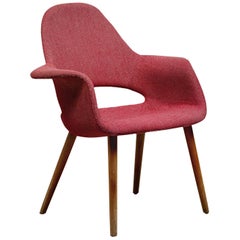
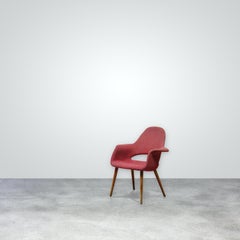
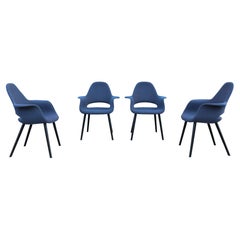
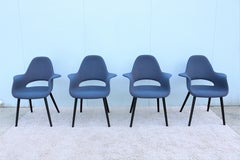
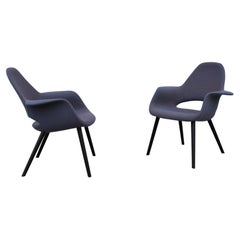
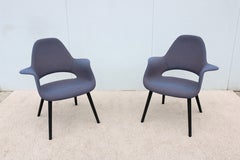
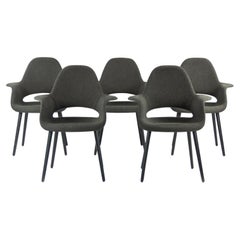
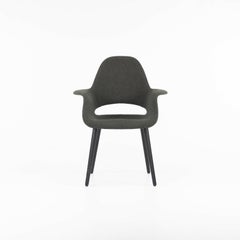
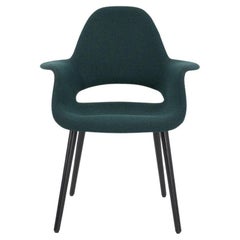
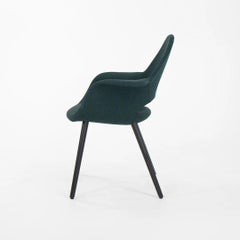
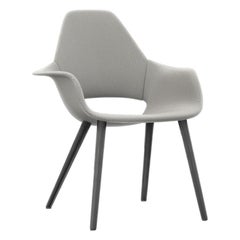
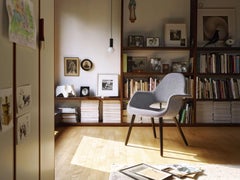
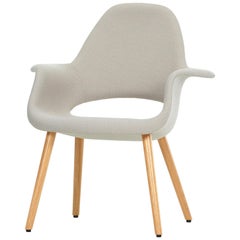
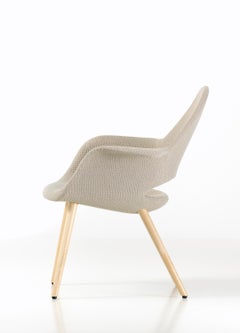
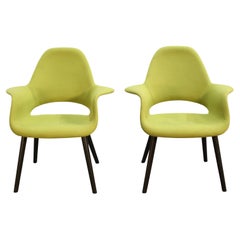
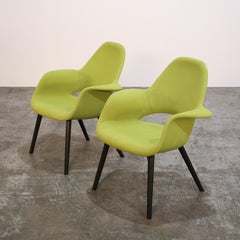
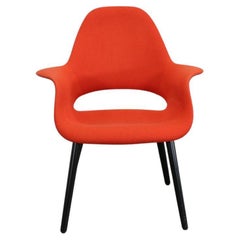
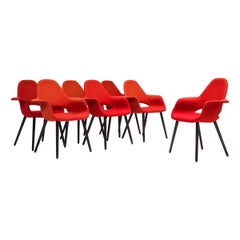
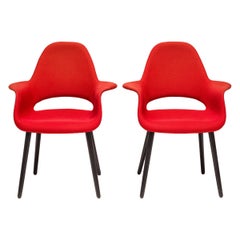
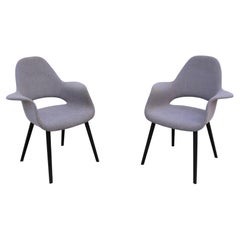
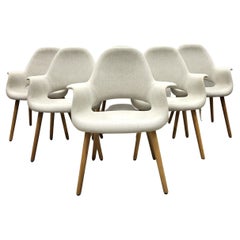
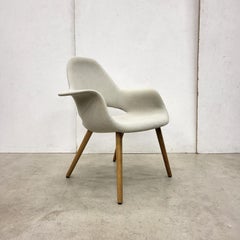
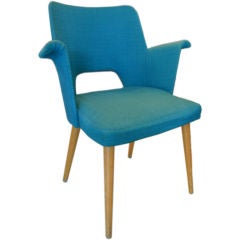
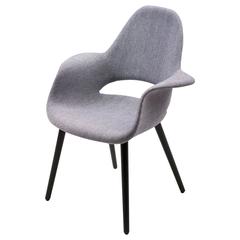
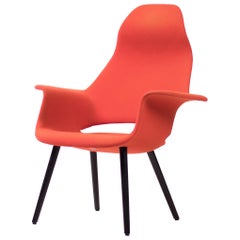
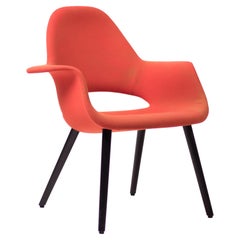
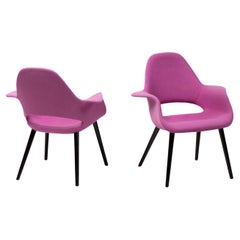
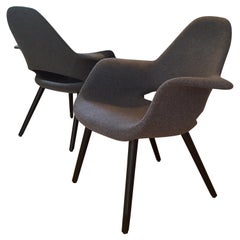
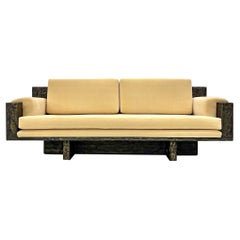
Find many varieties of an authentic organic chair eames saarinen available at 1stDibs. Frequently made of
fabric,
metal and
wood, every organic chair eames saarinen was constructed with great care. You’ve searched high and low for the perfect organic chair eames saarinen — we have versions that date back to the 20th Century alongside those produced as recently as the 21st Century are available. When you’re browsing for the right organic chair eames saarinen, those designed in
mid-century modern and
Scandinavian Modern styles are of considerable interest. Many designers have produced at least one well-made organic chair eames saarinen over the years, but those crafted by
Eero Saarinen,
Charles and Ray Eames and
Vitra are often thought to be among the most beautiful.
The legacy of Charles Eames looms large in design. In partnership with his wife, Ray, Charles was at the forefront of pioneering innovation in the use of molded plywood for furniture making. The Eameses’ cheerful and inviting work has endured among the most important advancements in the history of 20th-century design.
Together, visionary mid-century modern duo Charles and Ray Eames introduced a wide range of renowned furniture to the postwar market, including iconic designs such as the Eames lounge chair and ottoman, the wildly colorful birch plywood-and-plastic-laminate Eames storage unit, the Eames compact sofa and more. The designers were trailblazers in molded plywood furniture and brought lively organic form to metal and plastic.
Charles Eames studied architecture at Washington University in St. Louis. He traveled to Mexico and Europe, and experienced firsthand the work of designer-architects Le Corbusier and Ludwig Mies van der Rohe. In 1930, upon returning to Missouri, Eames opened an architecture practice with Charles M. Gray but later moved to Michigan in 1938. He received a fellowship at Cranbrook Academy of Art, which would become a breeding ground for the stars of mid-century design. Eames continued his architecture studies at Cranbrook and also taught in the design department.
In 1940, Eames met his future wife, artist and designer Beatrice Alexandra "Ray" Kaiser, who was studying at Cranbrook under Abstract Expressionist painter Hans Hofmann. Charles teamed up with another Cranbrook instructor, Finnish-American designer Eero Saarinen, to explore the possibilities of plywood for use in furniture design.
With support from Ray, Charles and Eero created chairs and case pieces and submitted them to the “Organic Design in Home Furnishings” competition at the Museum of Modern Art in New York City — among them was the groundbreaking organic Side chair made of molded plywood with maple legs. It was upholstered by Heywood-Wakefield. This exhibition is considered critical by many to the popularization of what is known as mid-century modernism. Eames and Saarinen won first place for their submissions to the competition.
Charles and Ray were married in 1941 and soon after moved to Los Angeles, California, and lived in an apartment building designed by architect Richard Neutra. Charles worked on set design at MGM, and at night, in a humble workshop they established in the guest bedroom, he and Ray experimented with molded plywood on a homemade device they called the “Kazaam!” machine. In 1942, the couple won a U.S. Navy contract to create molded plywood leg splints that would be used to support wartime medical efforts. Soon, the Evans Product Company was making the splints and the Eameses opened the famed Eames Office and studio.
The Eameses’ innovative use of wire framing, molded plywood and applied fabrics caught the attention of many notable figures in interior design and architecture, including George Nelson, director of design at Herman Miller, a now-legendary modern furniture manufacturer. The company enlisted the Eameses’ talents and was eventually home to the couple’s classic pieces such as the Eames DCW chair and the DCM chair.
Find an extensive array of vintage Charles Eames seating, tables and case pieces on 1stDibs.
With entire areas of our homes reserved for “sitting rooms,” the value of quality antique and vintage seating cannot be overstated.
Fortunately, the design of side chairs, armchairs and other lounge furniture — since what were, quite literally, the early perches of our ancestors — has evolved considerably.
Among the earliest standard seating furniture were stools. Egyptian stools, for example, designed for one person with no seat back, were x-shaped and typically folded to be tucked away. These rudimentary chairs informed the design of Greek and Roman stools, all of which were a long way from Sori Yanagi's Butterfly stool or Alvar Aalto's Stool 60. In the 18th century and earlier, seats with backs and armrests were largely reserved for high nobility.
The seating of today is more inclusive but the style and placement of chairs can still make a statement. Antique desk chairs and armchairs designed in the style of Louis XV, which eventually included painted furniture and were often made of rare woods, feature prominently curved legs as well as Chinese themes and varied ornaments. Much like the thrones of fairy tales and the regency, elegant lounges crafted in the Louis XV style convey wealth and prestige. In the kitchen, the dining chair placed at the head of the table is typically reserved for the head of the household or a revered guest.
Of course, with luxurious vintage or antique furnishings, every chair can seem like the best seat in the house. Whether your preference is stretching out on a plush sofa, such as the Serpentine, designed by Vladimir Kagan, or cozying up in a vintage wingback chair, there is likely to be a comfy classic or contemporary gem for you on 1stDibs.
With respect to the latest obsessions in design, cane seating has been cropping up everywhere, from sleek armchairs to lounge chairs, while bouclé fabric, a staple of modern furniture design, can be seen in mid-century modern, Scandinavian modern and Hollywood Regency furniture styles.
Admirers of the sophisticated craftsmanship and dark woods frequently associated with mid-century modern seating can find timeless furnishings in our expansive collection of lounge chairs, dining chairs and other items — whether they’re vintage editions or alluring official reproductions of iconic designs from the likes of Hans Wegner or from Charles and Ray Eames. Shop our inventory of Egg chairs, designed in 1958 by Arne Jacobsen, the Florence Knoll lounge chair and more.
No matter your style, the collection of unique chairs, sofas and other seating on 1stDibs is surely worthy of a standing ovation.