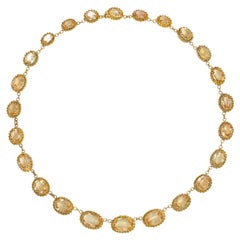
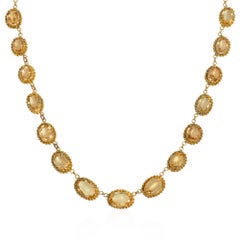
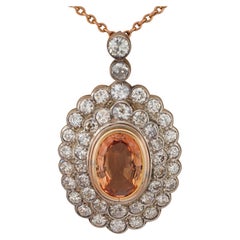
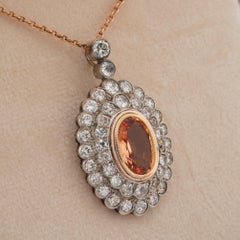
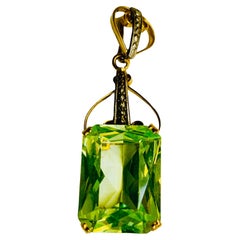
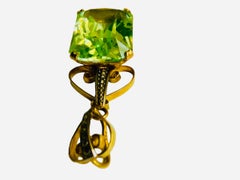
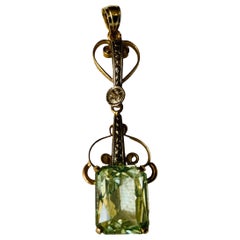
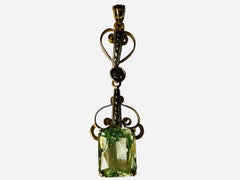
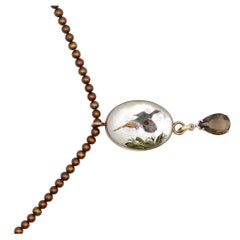
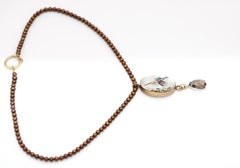
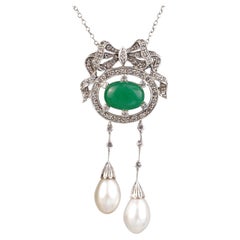
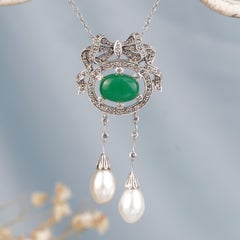
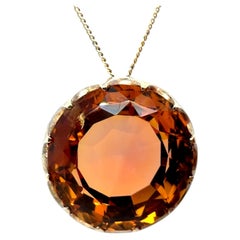
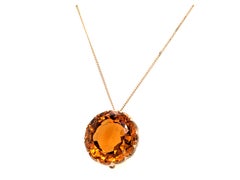
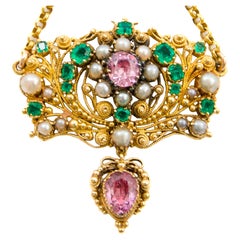
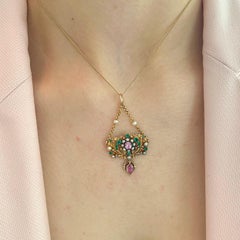
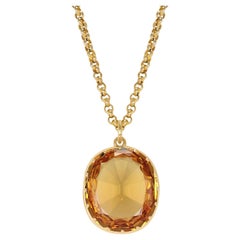
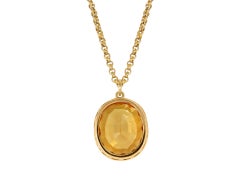
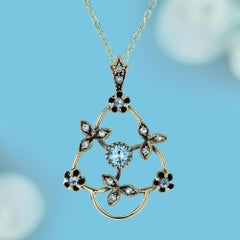
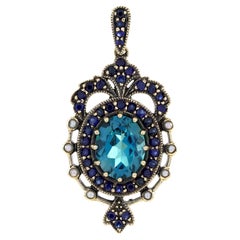
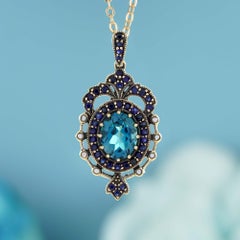
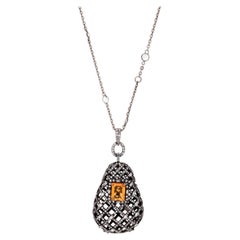
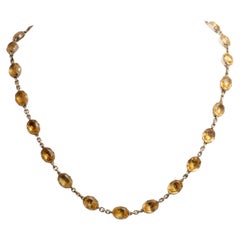
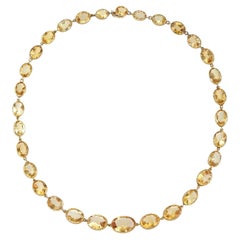
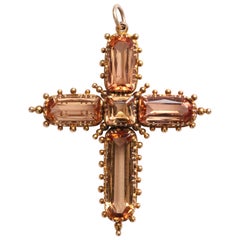
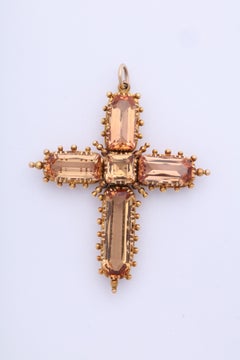
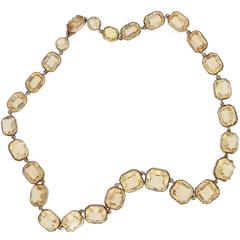
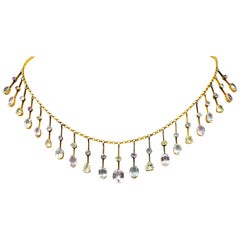
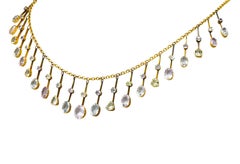
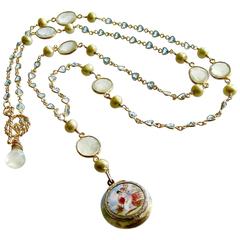
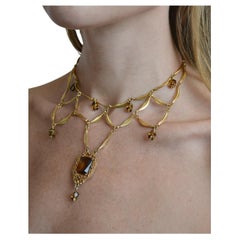
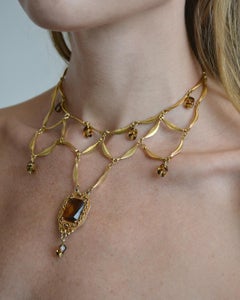
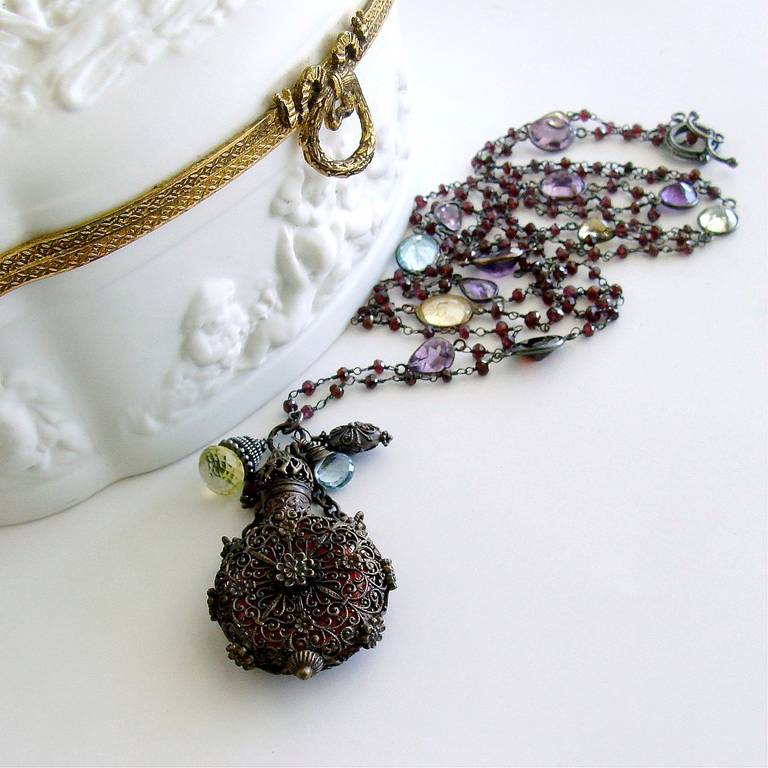
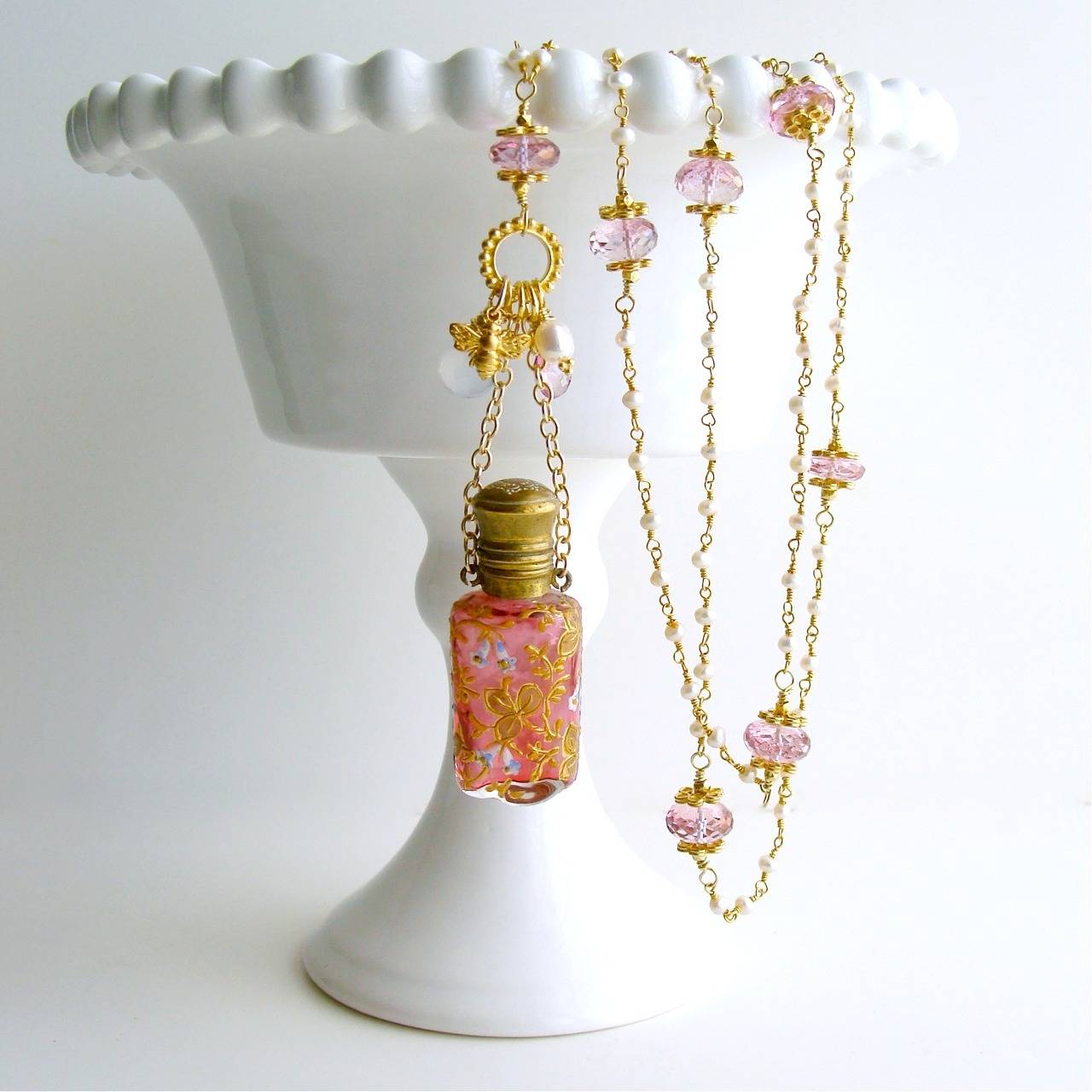
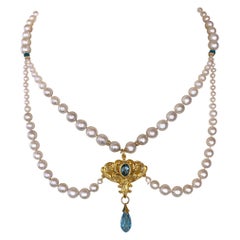
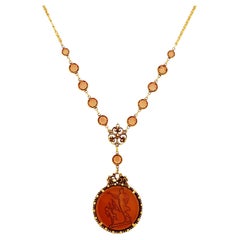
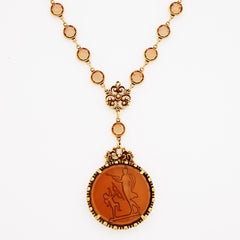
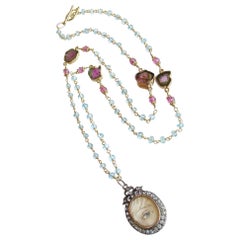
Victorian Topaz Necklace For Sale on 1stDibs
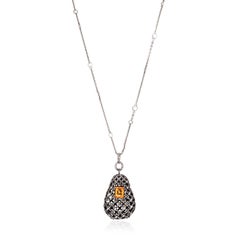
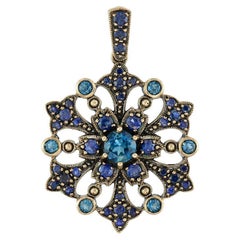
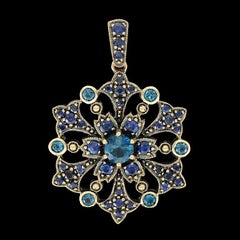
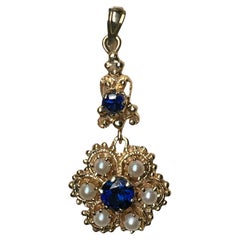
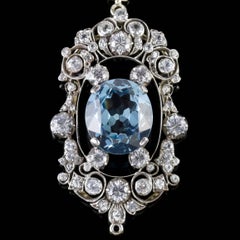
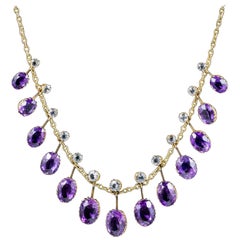
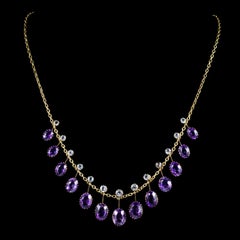
You are likely to find exactly the victorian topaz necklace you’re looking for on 1stDibs, as there is a broad range for sale. Every item for sale was constructed with extraordinary care, often using
Gold,
Silver and
Sterling Silver. You can easily find a 6 antique edition and 5 modern creations to choose from as well. You’re likely to find the perfect victorian topaz necklace among the distinctive items we have available, which includes versions made as long ago as the 19th Century as well as those produced as recently as the 21st Century. There have been many well-made iterations of the classic victorian topaz necklace over the years, but those made by
Asprey London,
Karen Sugarman Designs and
William Llewellyn Griffiths are often thought to be among the most beautiful. See these pages for an
oval cut iteration of this accessory, while there are also
mixed cut cut and
old mine cut cut versions available here, too. Most of our victorian topaz necklace for sale are for
women, but there are 5 pieces available to browse for
men.
How Much is a Victorian Topaz Necklace?
On average, a victorian topaz necklace at 1stDibs sells for $3,360, while they’re typically $281 on the low end and $35,000 for the highest priced versions of this item.
A Close Look at Victorian Jewelry
The reign of Queen Victoria encapsulates a quickly evolving period of history — and jewelry styles were no exception. No single period has seen such a diverse group of jewelry attributed to it than the Victorian era. Today, there is a vast collection of authentic antique Victorian jewelry and watches on 1stDibs.
Victorian jewelry is named after Queen Victoria, whose reign lasted from 1837 to 1901, making her the second longest-ruling monarch. (She was surpassed by Queen Elizabeth II in 2015.) During this time, different styles of fashion and jewelry came and went. Thanks to our fascination with royalty and swoon-worthy melodramas like Netflix’s The Crown — which is rife with evocative fashion, jewelry and interiors — and the 2017 feature film Victoria & Abdul, we are all familiar with her story. After the death of Victoria’s father and three childless uncles, she ascended to the throne at age 18. In 1840, Queen Victoria married the love of her life, her first cousin Prince Albert of Saxe-Coburg and Gotha.
Queen Victoria loved serpentine jewels, and she had even more power to shape trends than Kate Middleton and Meghan Markle do today. The British monarch’s best-known piece in this mold is the gold coiled-snake engagement ring she received from Prince Albert — the sinuous reptile was considered a symbol of everlasting love.
The Queen's 63-year reign has been divided by historians into the Romantic period, the early happy years, circa 1837–60; the Grand period, marked by the deaths of the Queen’s mother and husband, circa 1860–80; and the late Victorian or Aesthetic period, which lasted from about 1880 until 1901 and ushered in the Belle Époque. Queen Victoria wore her heart on her sleeve, and her fashion and jewelry reflected her emotions.
Romantic period jewelry, which featured common decorative motifs and was embellished with seed pearls, coral and turquoise, was a celebration of the young monarch’s love. Everything changed with the death of Prince Albert, and the Grand period is most often associated with mourning jewelry. Jewelry was smaller, lighter and more dainty during the late Victorian period. During this era, diamonds came into fashion, and semiprecious gems such as amethysts and opals became prevalent, too. Using gemstones for their natural beauty and not their worth was something that jewelers of the era felt passionate about, and this ideology would really become relevant in Art Nouveau jewelry.
Find a collection of authentic antique Victorian jewelry — from rings, necklaces and brooches to a range of other accessories — on 1stDibs.
The Legacy of Topaz in Jewelry Design
The word “topaz” comes from Topazios, the Greek name for St. James Island on the Red Sea (presently known as Zabargad). And even though the Greeks believed that topaz protected the wearer and gave them strength, we unfortunately cannot promise that your antique and vintage topaz jewelry will give you any superhuman abilities.
Beloved by royalty, topazes were once believed to possess special powers for curing diseases and breaking magical spells. While they may not have supernatural properties, these autumnal gems are enchanting just the same.
It’s appropriate that as the temperatures cool and the leaves turn yellow, the birthstone for November is a gem found in autumnal hues. The deep browns, reds and oranges of the topaz, a stone once believed to have the power to cure fevers, is perfect for this time of year. In fact, the palette has also inspired a second birthstone for the month: citrine, which is less expensive and easier to find. Truth be told, topazes can be found in a wide variety of colors (which can get confusing since the blue topaz, along with turquoise, is a birthstone for the month of December), but it’s nice to wax poetic about the season.
The topaz can be blue, green, yellow, pink, purple and red. The colors of this allochromatic stone result from impurities in its crystal structure and are not part of its chemical composition, which is aluminum silicate fluoride hydroxide. The true color of topaz is no color at all. Isn’t it fascinating that a stone that can come in a variety of colors is colorless in its purest form?
Find a range of vintage and antique topaz rings, topaz necklaces and other accessories on 1stDibs.
Finding the Right Necklaces for You
We are fortunate to know much of the world’s long and dazzling history of necklaces, as this type of jewelry was so treasured that it was frequently buried with its owners. Today, Van Cleef necklaces, Tiffany necklaces and Cartier necklaces are some of the most popularly searched designer necklaces on 1stDibs.
Lapis lazuli beads adorned necklaces unearthed from the royal graves at the ancient Iraqi civilization of Sumer, while the excavation of King Tut’s burial chamber revealed a sense of style that led to a frenzy of Art Deco designs, with artisans of the 1920s seeking to emulate the elegant work crafted by Ancient Egypt’s goldsmiths and jewelry makers.
In ancient times, pendant necklaces worn by royalty and nobles conferred wealth and prestige. Today, wearing jewelry is about personal expression: Luxury diamond necklaces exude confidence and can symbolize the celebratory nature of a deep romantic relationship, while paper-clip chain-link necklaces designed by the likes of goldsmith Faye Kim are firmly planted in the past as well as the present. Kim works exclusively with eco-friendly gold, and these fashionable, fun accessories owe to the design of 19th-century watch fobs.
For some, necklaces are thought of as being a solely feminine piece, but this widely loved accessory has been gender-neutral for eons. In fact, just as women rarely took to wearing a single necklace during the Renaissance, men of the era layered chains and valuable pendants atop their bejeweled clothing. In modern times, the free-spirited hippie and counterculture movements of the 1960s saw costume-jewelry designers celebrating self-expression through colorful multistrand necklaces and no shortage of beads, which were worn by anyone and everyone.
Even after all of these years, the necklace remains an irrefutable staple of any complete outfit. Although new trends in jewelry are constantly emerging, the glamour and beauty of the past continue to inform modern styles and designs. In a way, the cyclical history of the necklace differs little from its familiar looped form: The celebrated French jewelry house Van Cleef & Arpels found much inspiration in King Tut, and, now, their Alhambra collection is a go-to for modern royals. Vintage David Webb necklaces — whose work landed him on the cover of Vogue in 1950, two years after opening his Manhattan shop — were likely inspired by the ornamental styles of ancient Greece, Mesopotamia and Egypt.
On 1stDibs, browse top designers like Dior, Chanel and Bulgari, or shop by your favorite style, from eye-catching choker necklaces to understated links to pearl necklaces and more.