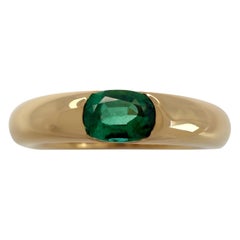
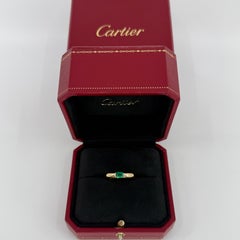
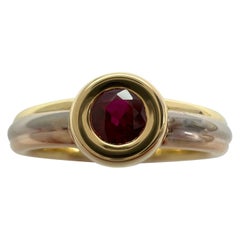
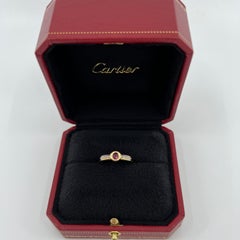
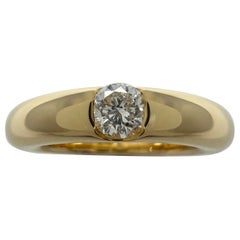
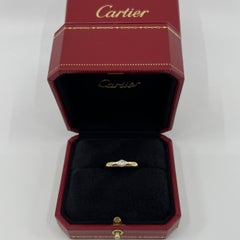
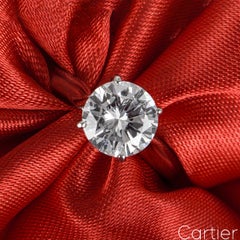
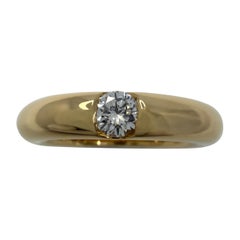
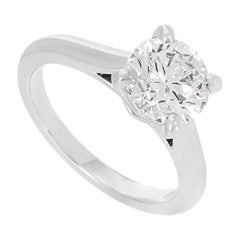
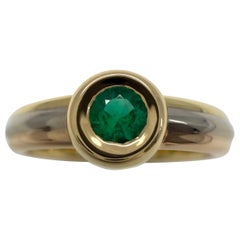
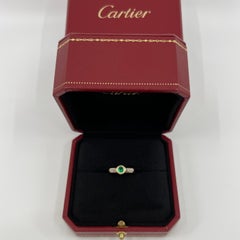
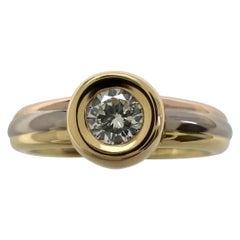
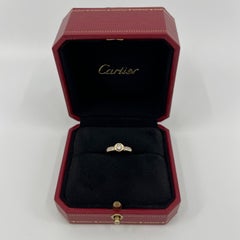
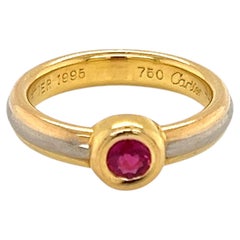
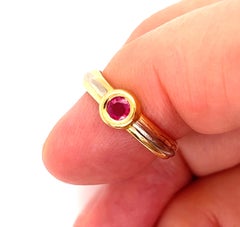
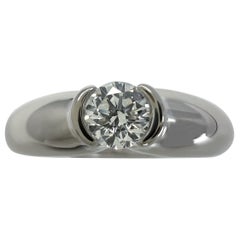
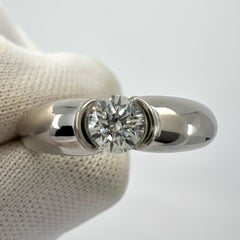
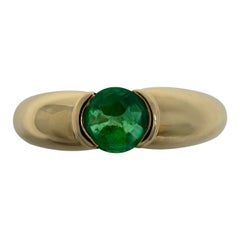
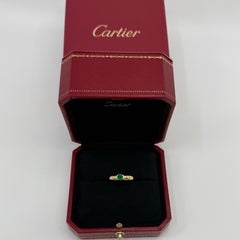
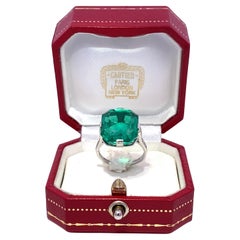
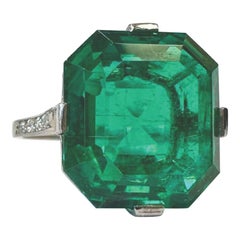
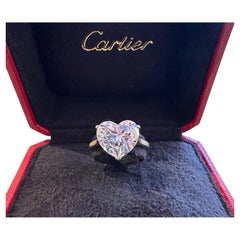
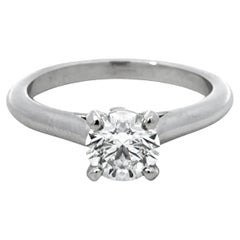
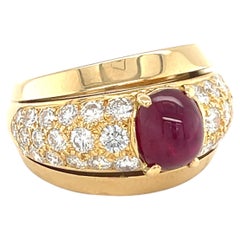
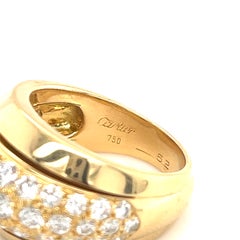
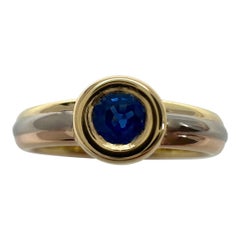
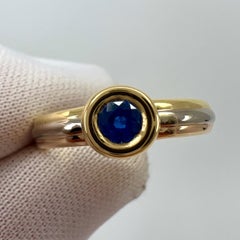
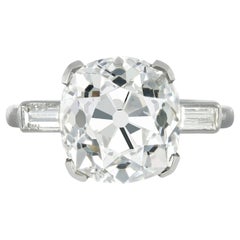
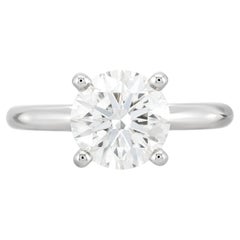
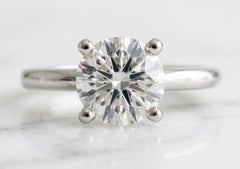
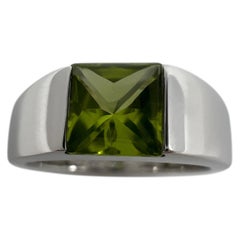
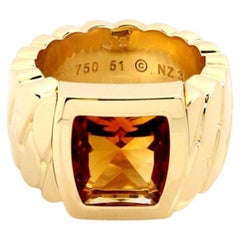
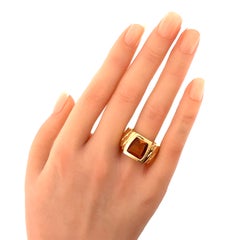
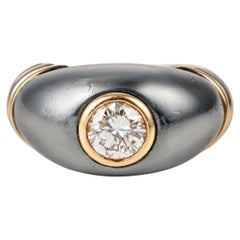
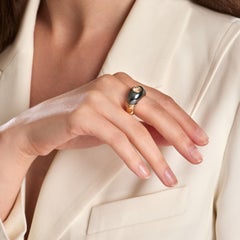
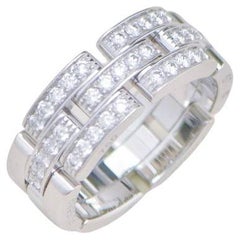
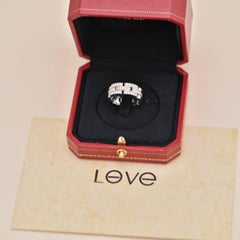
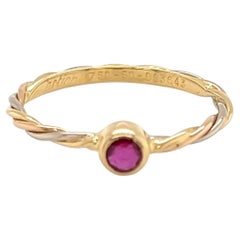
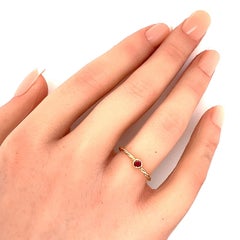
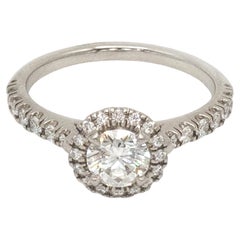
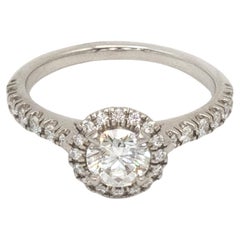
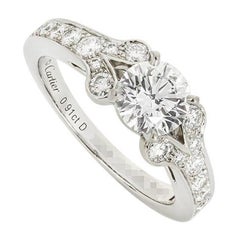
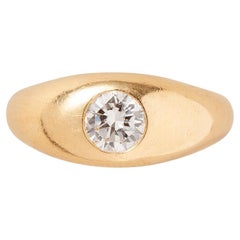
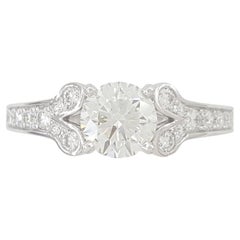
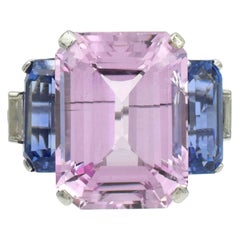
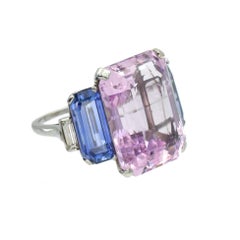
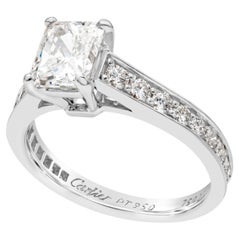
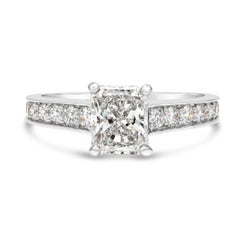
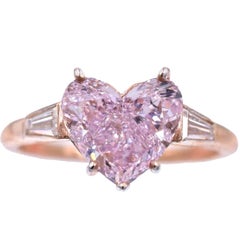
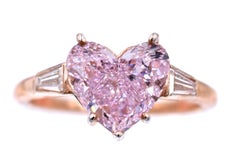
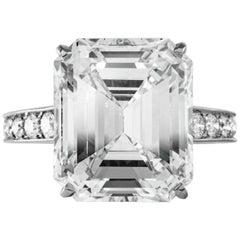
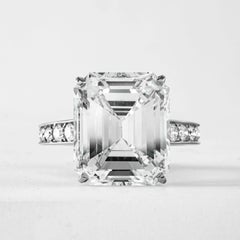
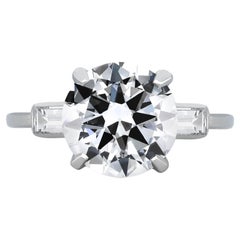
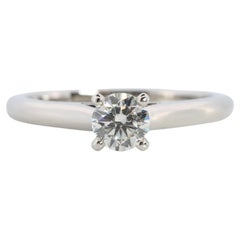
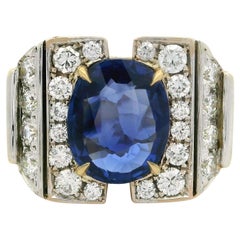
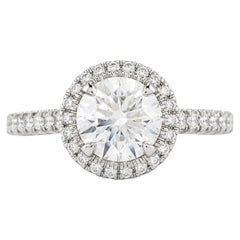
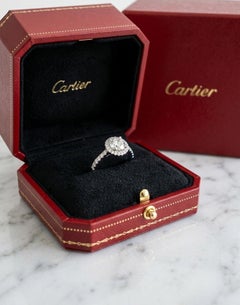
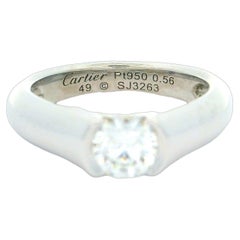
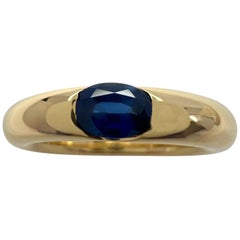
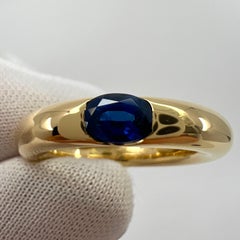
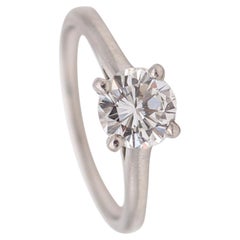
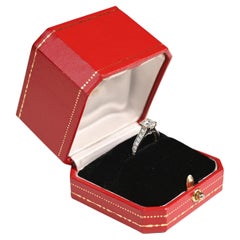
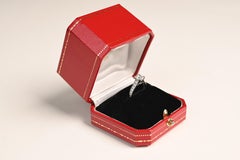
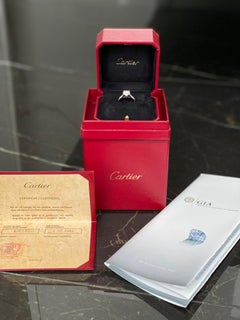
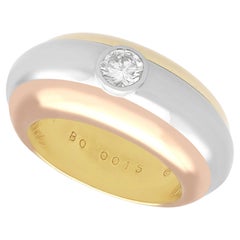
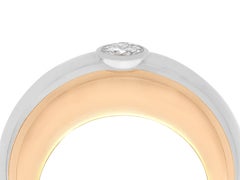
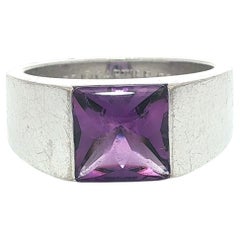
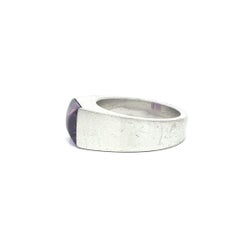
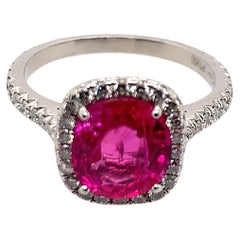
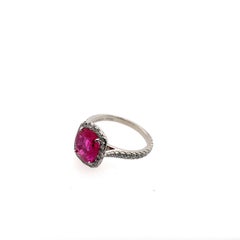
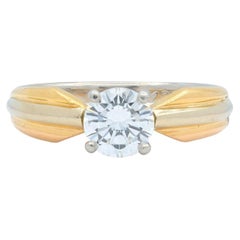
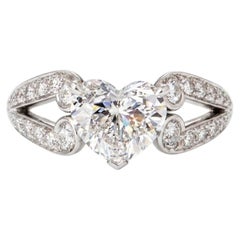
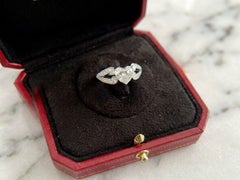
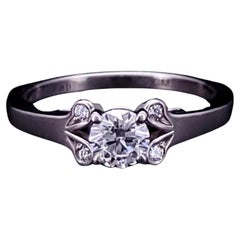
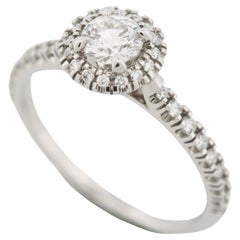
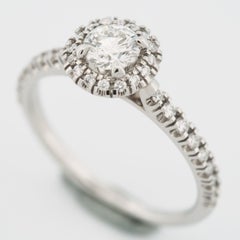
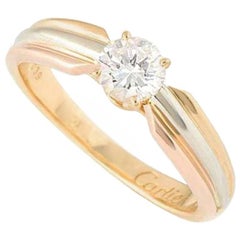
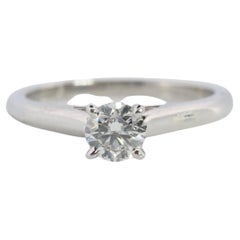
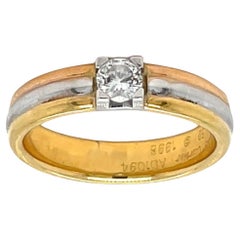
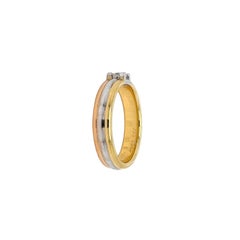
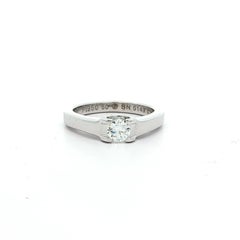
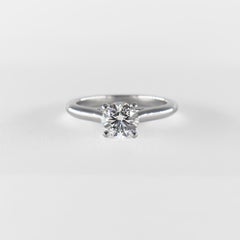
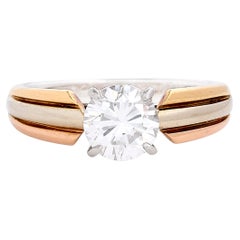
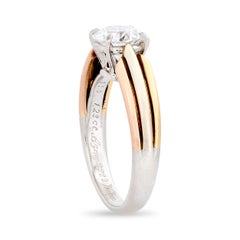
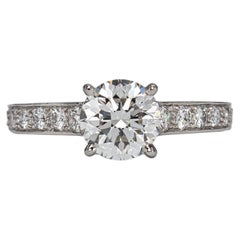
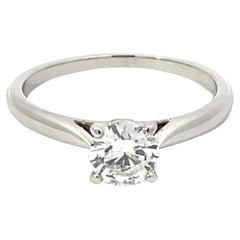
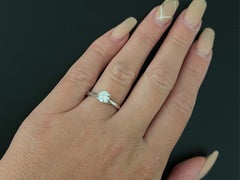
In the 19th century, Cartier sought to render the diamonds in their rings as brilliantly as possible, initially sourcing platinum specifically from Russian mines and matching the durable metal with an equally robust precious stone. The French jewelry house, founded in 1847 by Louis-François Cartier (1819–1904), pioneered the use of platinum in fine jewelry in the late 1800s, identifying the strong, lustrous metal as ideal for bringing out the true qualities of diamonds in Cartier solitaire rings, panthère rings, engagement rings and other exquisite rings offered by the brand.
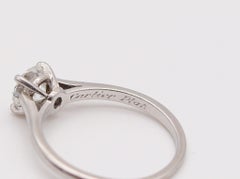
While platinum had been a part of jewelry making before, it hadn’t been used in the way that Cartier intended. The house's shimmering rings, such as the timeless Solitaire 1895 engagement ring, gave the impression of delicate lace when they debuted. Platinum was the metal of choice in Cartier engagement rings and other rings because it was strong enough to handle complex mountings and its hue made the diamonds look exceptionally white, which made the onyx, enamel and colored-gem elements pop.
The house’s offerings were wholly distinct, standing out from the era’s old-fashioned gold or silver pieces and emblematic of what would come to be called the “Cartier style.”
Perhaps 1847 was not the ideal time to open a new watchmaking and jewelry business, as the French Revolution was not kind to the aristocracy who could afford such luxuries. Nevertheless, it was the year Louis-François Cartier (1819–1904) — who was born into poverty — founded his eponymous empire, assuming control of the workshop of watchmaker Adolphe Picard, under whom he had previously been employed as an assistant. Of course, in the beginning, it was a relatively modest affair, but by the late 1850s, Cartier had its first royal client, Princess Mathilde Bonaparte, niece of Napoleon Bonaparte, who commissioned the jeweler to design brooches, earrings and other accessories.
Under the leadership of Louis-François’s son, Alfred, who took over in 1874, business boomed. Royalty around the world wore Cartier pieces, including Tsar Nicholas II of Russia, the Maharaja of Patiala and King Edward VII, who had 27 tiaras made by the jewelry house for his coronation in 1902 and issued Cartier a royal warrant in 1904.
Cartier’s golden years, however, began when Alfred introduced his three sons, Louis, Pierre and Jacques, to the business. The brothers expanded Cartier globally: Louis reigned in Paris, Pierre in New York and Jacques in London, ensuring their brand’s consistency at their branches across the world. The trio also brought in such talents as Charles Jacqueau and Jeanne Toussaint.
Cartier helped define Art Deco, and a few iconic palettes were expressed in gem-set rings and other jewelry and objects in the Art Deco era, most notably in geometric formations. Green/black/white and coral/black/white are as classic Art Deco as it gets, and Cartier had plenty of these two combinations on view at the 1925 Exposition Internationale des Arts Décoratifs et Industriels Modernes. Cartier designers heightened the impact of these color stories by working in swaths of bright white diamonds that, through innovations in diamond cutting, could now be faceted into carré cuts, baguettes and other elegantly chiseled linear shapes.
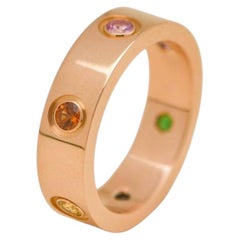
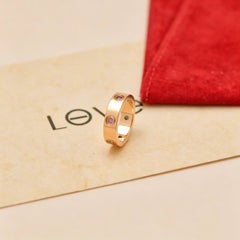
Cartier’s internationally renowned offerings include the Tutti Frutti collection, which featured colorful carved gemstones inspired by Jacques’s trip to India and grew in popularity during the Art Deco years. Cartier Tutti Frutti rings — marked by a lush profusion of carved ruby and sapphire berries and blossoms amid emerald leaves offset by bright white diamonds — reflect an absolutely singular vision of how to pair colors and textures in a design as opulent as it is optimistic. Elsewhere, there was the panthère motif, which has been incorporated into everything from brooches to rings; and the Love bracelet, a minimal, modernist locking bangle inspired by medieval chastity belts that transformed fine jewelry. The Cartier Love ring was originally dotted with miniature faux screwheads that mirrored those of the groundbreaking cuff before it.
While the Cartier family sold the business following the death of Pierre in 1964, the brand continues to innovate today, renewing old hits and creating new masterpieces. For its extraordinary range of rings, watches and other adornments, Cartier is undeniably one of the most well known and internationally revered jewelers in the world among clients both existing and aspirational.
Find contemporary and vintage Cartier solitaire rings and other accessories on 1stDibs.