By Harry Bowers
Located in Surfside, FL
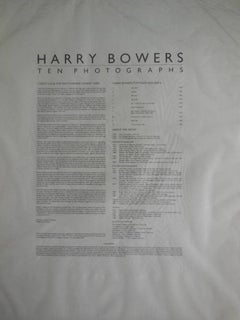
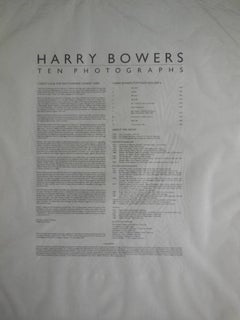
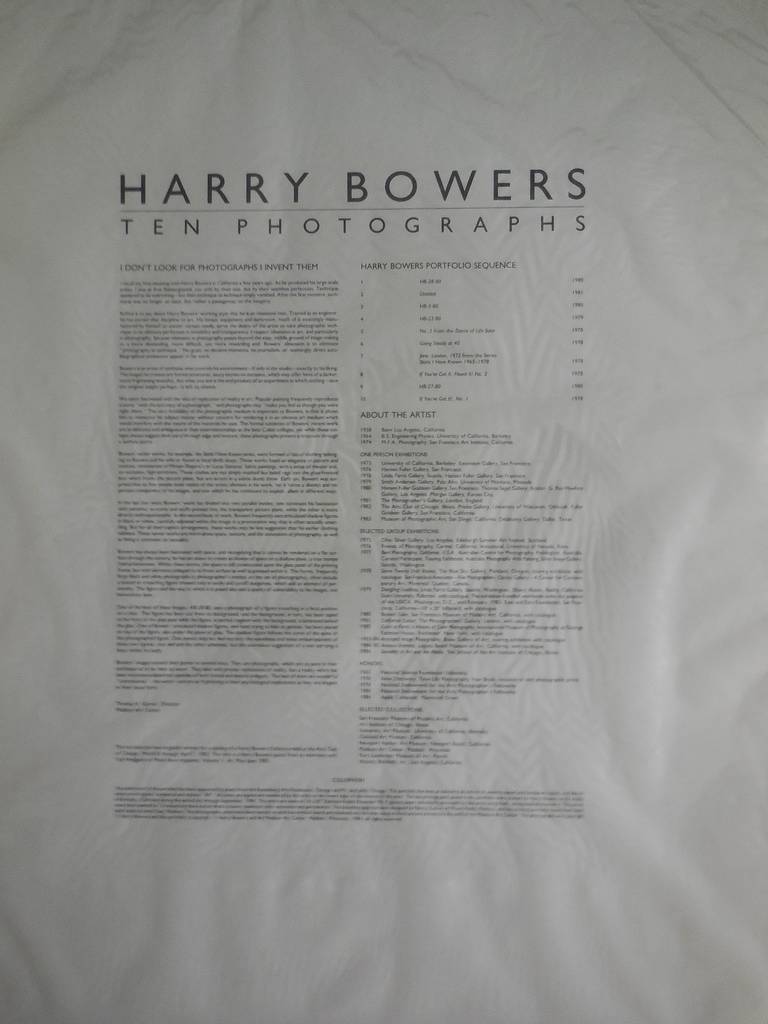
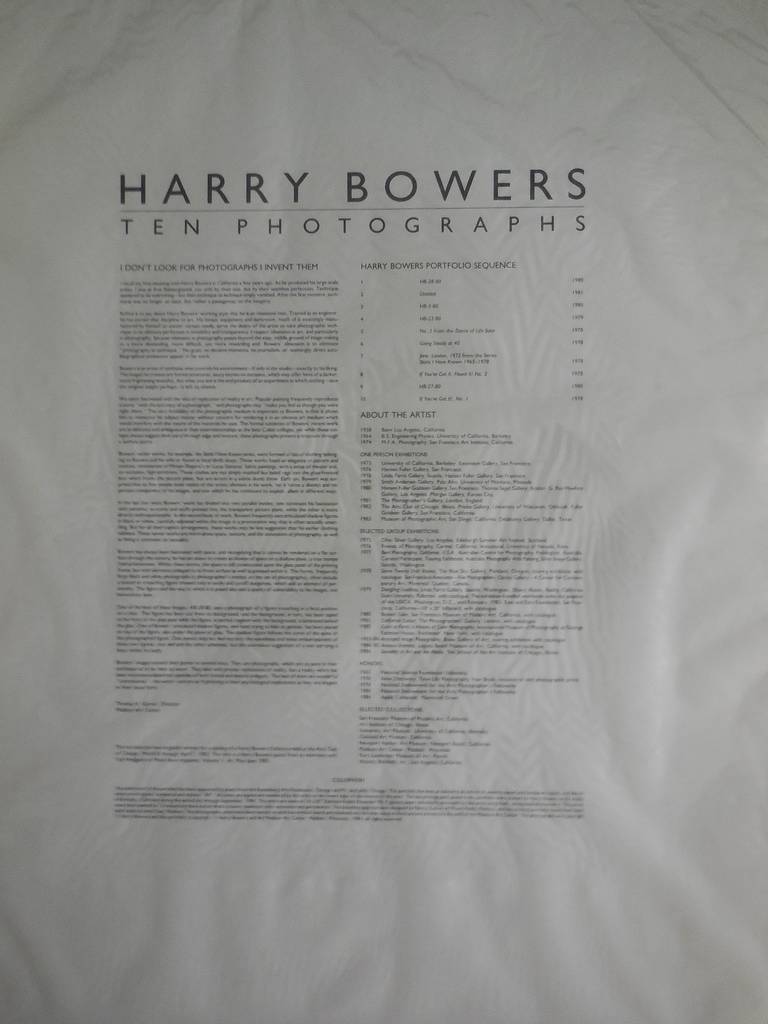
HARRY BOWERS
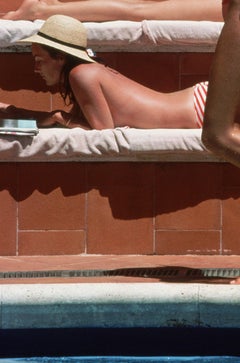
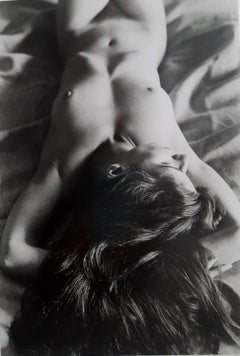
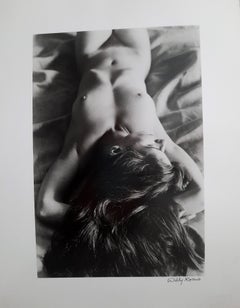
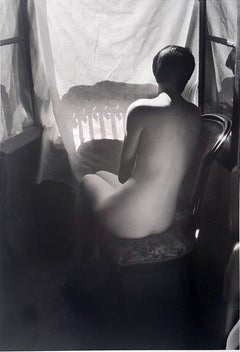
T E N P H O T O G R A P H S
I DON'T LOOK FOR PHOTOGRAPHS I INVENT THEM
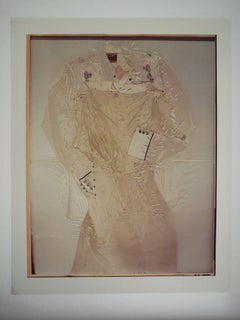
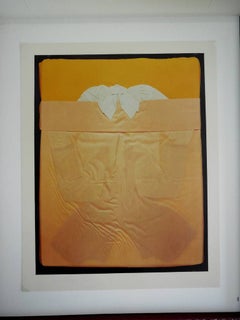
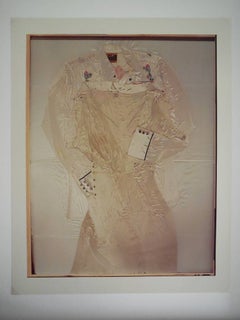
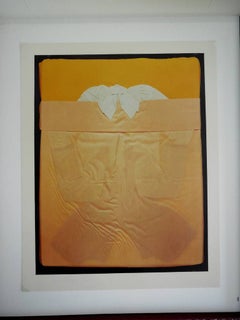
I recall my first meeting with Harry Bowers in California a few years ago. As he produced his large-scale prints, I was at first flabbergasted, not only by their size, but by their seamless perfection. Technique appeared to be everything but then technique as technique simply vanished. After the first moment, technique was no longer an issue, but rather a passageway to the imagery.
Suffice it to say about Harry Bowers' working style that he is an obsessive man. Trained as an engineer, he has turned that discipline to art. His lenses, equipment and darkroom, much of it exactingly manufactured by himself to answer certain needs, serve the desire of the artist to take photographic technique to its ultimate perfection in invisibility and transparency. I respect obsession in art, and particularly in photography, because obsession in photography passes beyond the easy, middle ground of image making to a more demanding, more difficult, yet more rewarding end. Bowers' obsession is to eliminate "photography as technique." No grain, no decisive moments, no journalism, or, seemingly, direct autobiographical endeavors appear in his work.
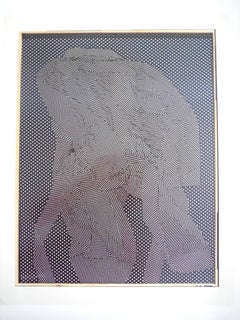
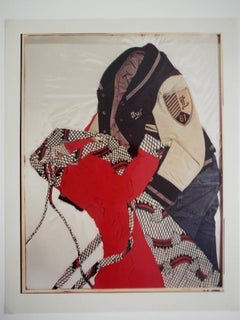
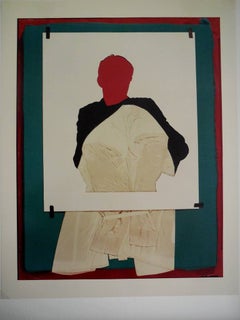
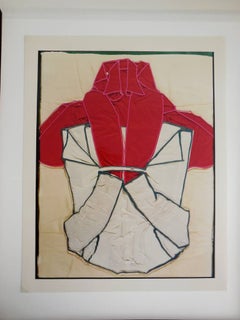
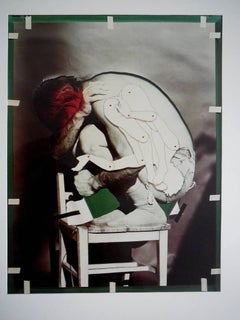
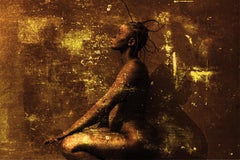
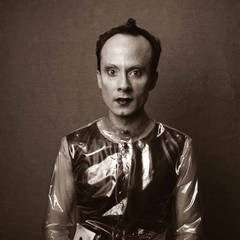
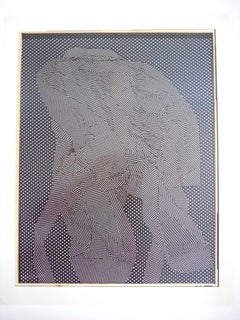
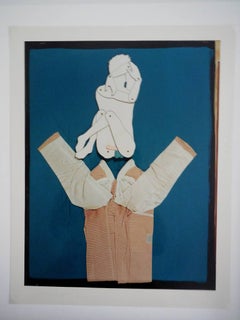
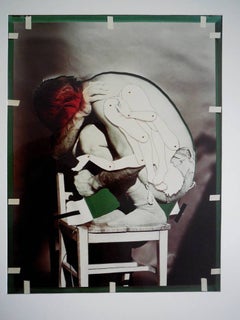
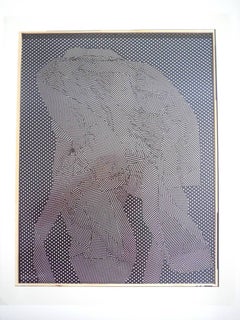
Bowers is an artist of synthesis who controls his environment if only in the studio exactly to his liking. The images he creates are formal structures, saucy stories on occasion, which may offer hints of a darker, more frightening sexuality, but what you see is the end product of an experiment in which nothing save the original insight perhaps is left to chance.
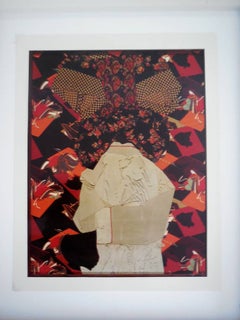
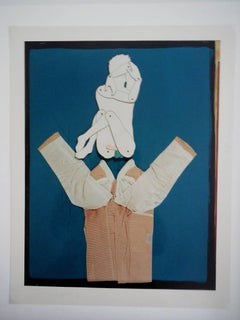
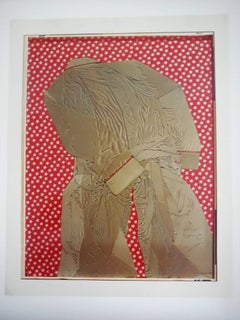
We seem fascinated with the idea of replication of reality in art. Popular painting frequently reproduces a scene "with the accuracy of a photograph," and photographs may "make you feel as though you were right there." The very invisibility of the photographic medium is important to Bowers, in that it allows him to maneuver his subject matter without concern for rendering it in an obvious art medium which would interfere with the nature of the materials he uses. The formal subtleties of Bowers' recent work are as delicious and ambiguous in their interrelationships as the best Cubist collages, yet while those collages always suggest their parts through edge and texture, these photographs present a structure through a surface purity.
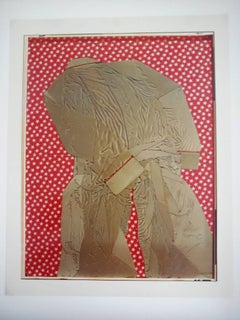
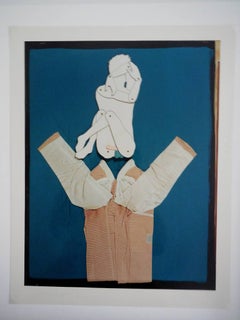
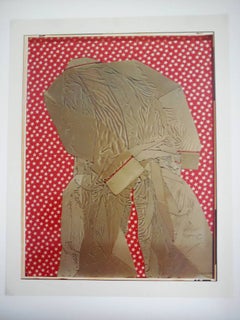
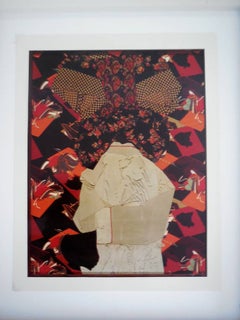
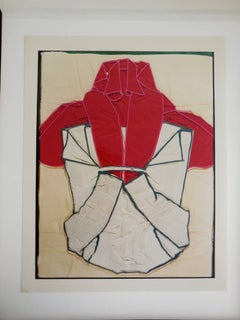
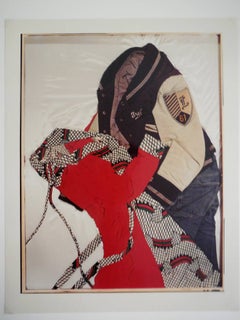
Bowers' earlier works, for example, the Skirts I Have Known series, were formed of bits of clothing belonging to Bowers and his wife or found at local thrift shops. These works fused an elegance of pattern and texture, reminiscent of Miriam Shapiro...
Category
1980s American Modern Harry Bowers Art
MaterialsPhotographic Paper, C Print