Bartele Gallery

Recognized
Platinum
5 / 5
Langweer, NL
THANKS!
Follow

About Bartele Gallery

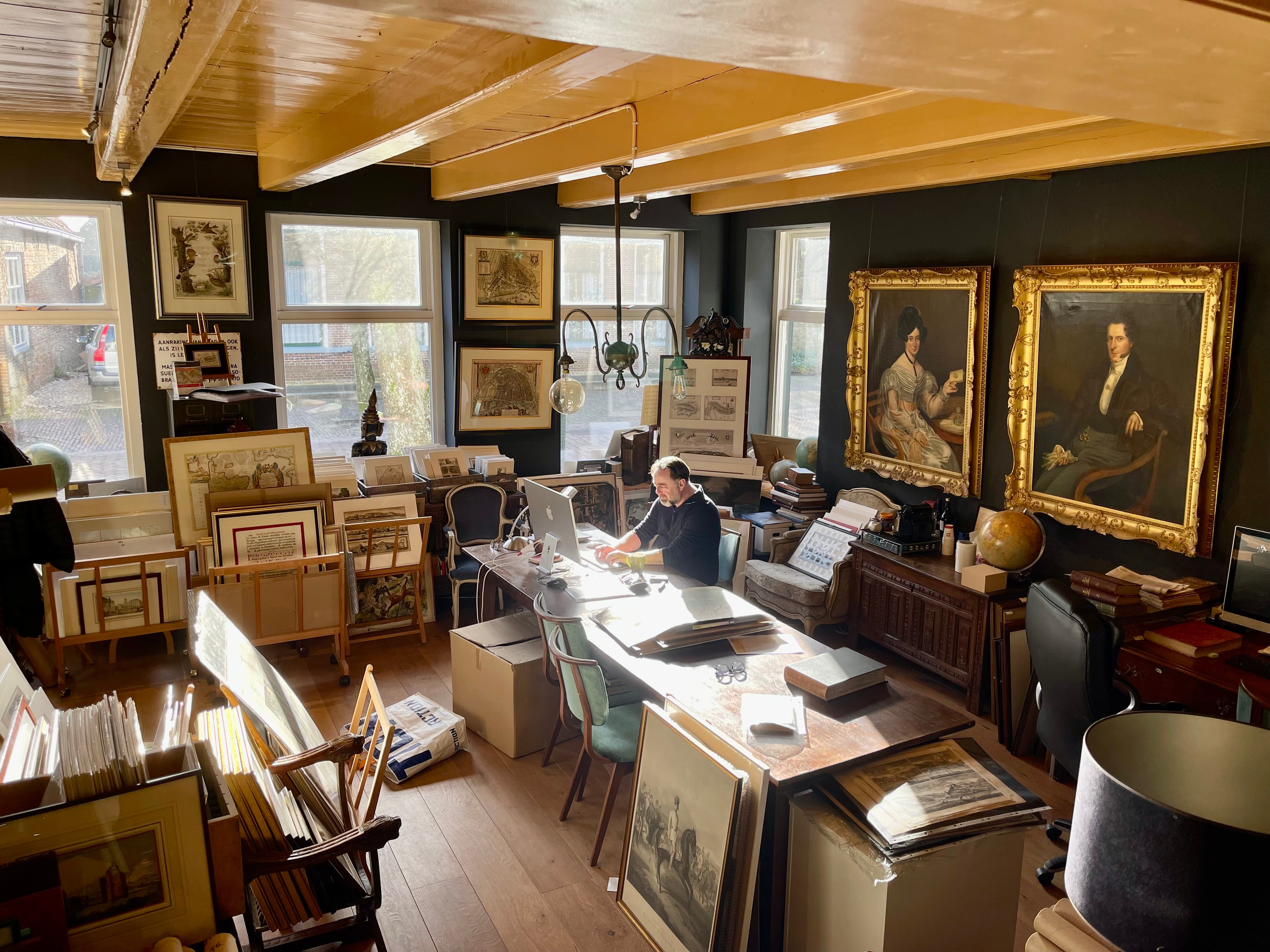
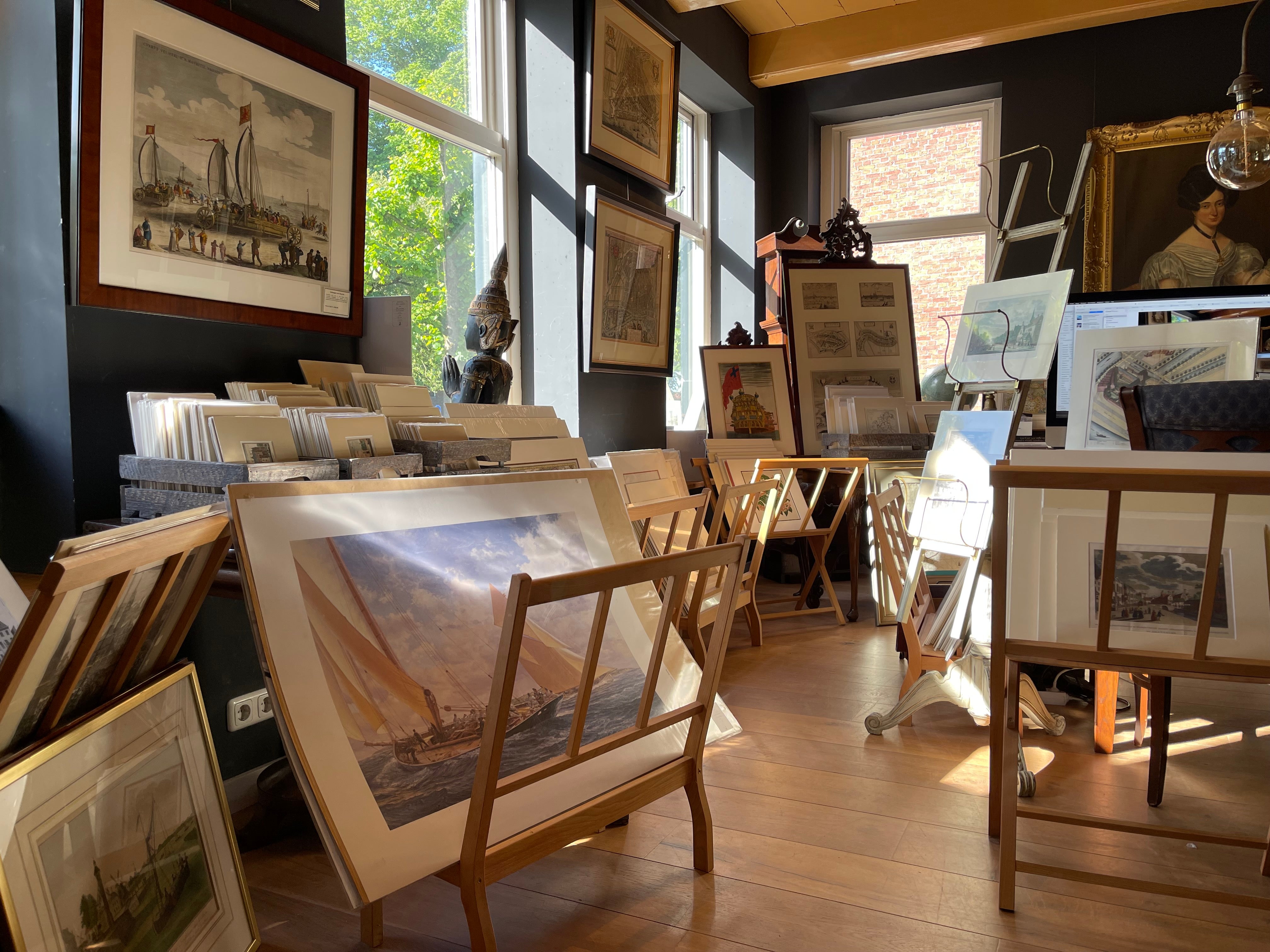
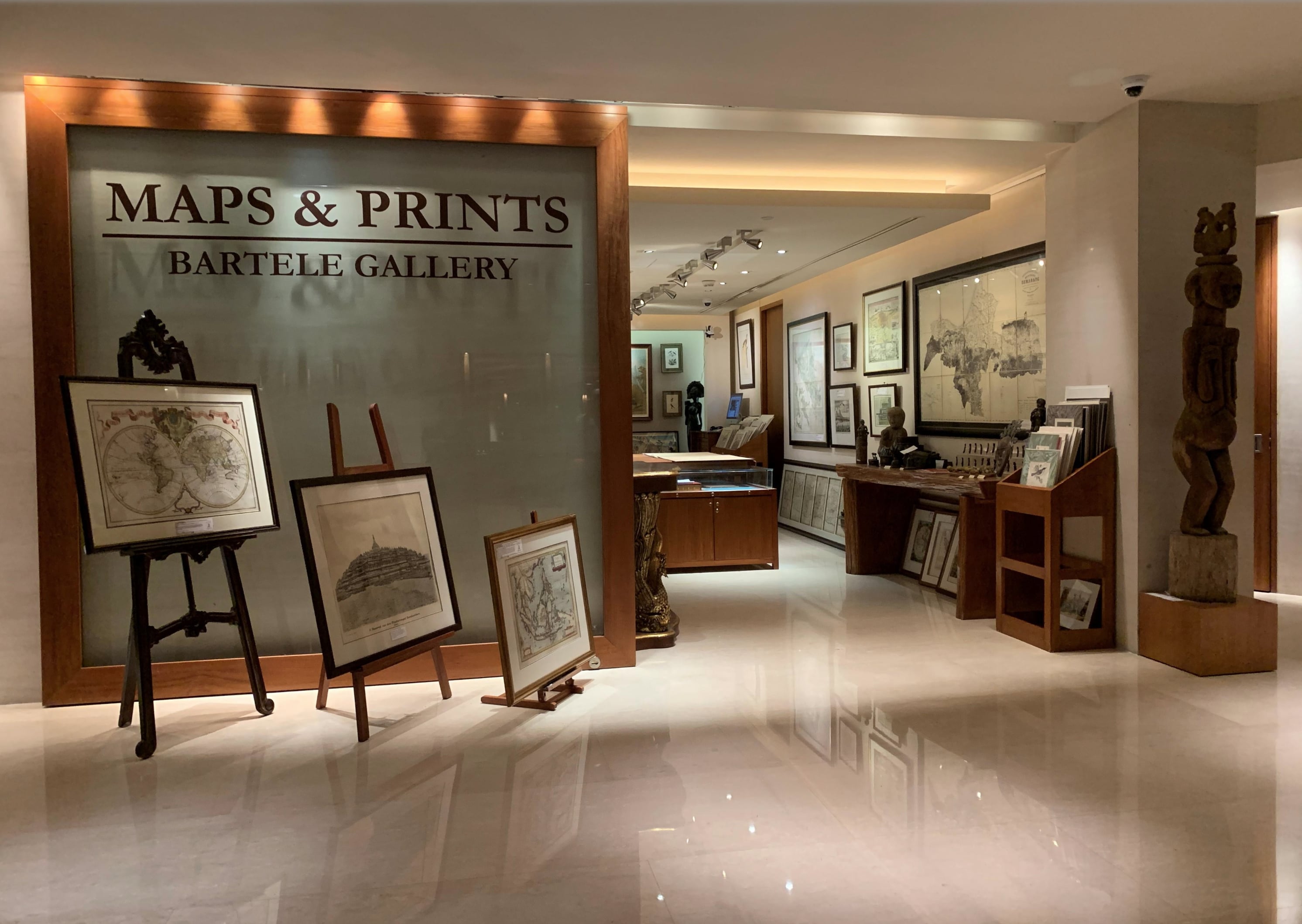
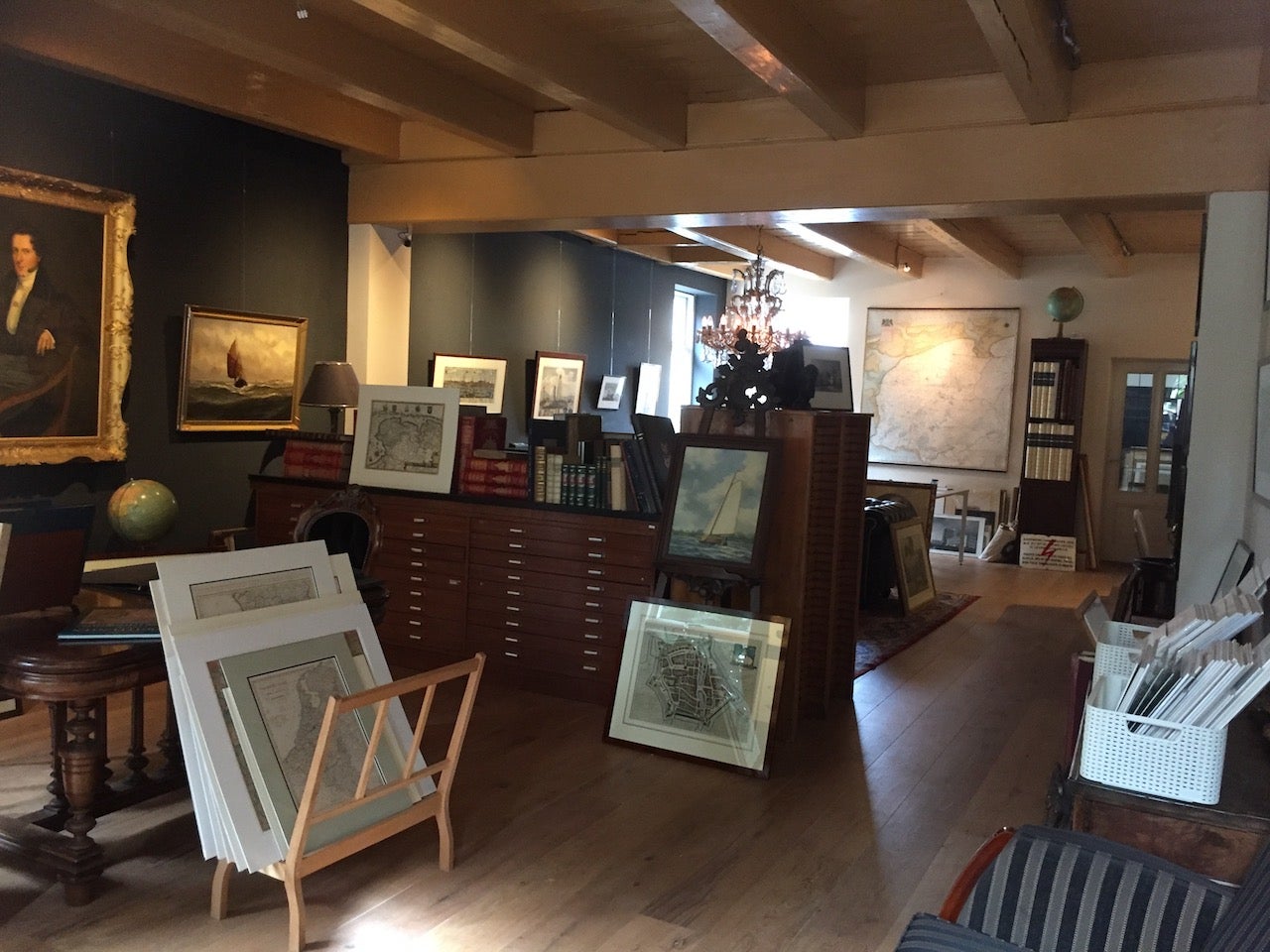
Bartele Gallery offers a wide range of antique maps, prints and rare books. Our extensive collection of antique maps covers every part of the world. Whilst cartography holds a special place in our collection, we also offer thousands of antique prints covering fields of interest as diverse as architecture, natural history, religion, ethnology and many more. Bartele Gallery is managed by Bartele Santema, in 2009 he founded the first gallery in Indonesia. This gallery is located in the Kempinski Hotel Jakarta and supported by curator Dr. David Parry, who wrote 'The Cartogra...Read More

Bartele Gallery

Established in 20091stDibs seller since 2017

Featured Pieces

Cornflower Botanical Study, Centaurea Cyanus, Carl Lindman, c.1905
Located in Langweer, NL
Cornflower Botanical Study, Centaurea Cyanus, Carl Lindman, c. 1905 Description: A beautiful early 20th-century botanical chromolithograph depicting the cornflower, Centaurea cyanus L., known in Swedish as “Blåklint.” The composition is dominated by the distinctive intense blue flower of the cornflower, accompanied by unopened flower heads, slender foliage and a series of finely rendered botanical details. Numbered studies surrounding the principal specimen illustrate individual florets, reproductive structures and other anatomical components, combining considerable decorative appeal with scientific precision. Carl Axel Magnus Lindman (1856–1928) was a distinguished Swedish botanist, professor and botanical illustrator. He is particularly celebrated for “Bilder ur Nordens Flora,” his monumental illustrated survey of Scandinavian flora. The publication became one of the most recognizable botanical works produced in Scandinavia during the early 20th century. The cornflower has a long history as both a wildflower and ornamental garden plant. Its brilliant blue blossoms make this one of the particularly attractive plates from Lindman’s botanical work. Artist / Maker: Carl Axel Magnus Lindman (1856–1928) Botanical Name: Centaurea cyanus L. Common Name: Cornflower / Blåklint Publication: Bilder ur Nordens Flora Date: Early 20th Century, circa 1905 Medium: Chromolithograph Dimensions: Approximately 23 x 16 cm (9.1 x 6.3 inches) Condition Good antique condition overall, with expected signs of age including light toning, occasional spotting, minor marks and some wear to the edges. Please examine the photographs carefully as they form an important part of the condition description. Please contact us if you would like a more detailed condition report. This is an original early 20th-century botanical print, not a modern reproduction. Sold unframed. Any framed or interior images are for presentation and inspiration only. Keywords: cornflower botanical print, blue cornflower, Centaurea cyanus, Blåklint, Carl Lindman, Swedish botanical print...
Category

Early 20th Century Scandinavian Art Nouveau Prints

Materials

Paper

Red Achimenes Flower Botanical Lithograph, Charles Morren, 1845
Located in Langweer, NL
Red Achimenes Flower Botanical Lithograph, Charles Morren, 1845 Description: A vivid mid-19th-century botanical lithograph depicting Achimenes rosea Lindl. var. formosa, a highly de...
Category

Antique Mid-19th Century Belgian Victorian Prints

Materials

Paper

Ancient British Isles & Early Bishoprics Map, François Halma, 1704
Located in Langweer, NL
Ancient British Isles & Early Bishoprics Map, François Halma, 1704 Description: A highly decorative early 18th-century map of the British Isles, presenting Britain and Ireland accor...
Category

Antique Early 18th Century Dutch Baroque Maps

Materials

Paper

American Civil War “Seat of War” Map, Published Just After Bull Run, 1861
Located in Langweer, NL
American Civil War “Seat of War” Map, Published Just After Bull Run, 1861 Description: An important and highly detailed original map published at the outbreak of the American Civil ...
Category

Antique Mid-19th Century British Victorian Maps

Materials

Paper

Decorative Botanical Engraving of Sedum & Succulent Plants, 1737
Located in Langweer, NL
Decorative Botanical Engraving of Sedum & Succulent Plants, 1737 Description: An original 18th-century botanical plate from Johann Wilhelm Weinmann’s celebrated “Phytanthoza Iconographia,” one of the most ambitious and visually striking botanical publications of the early 18th century. This finely detailed plate, numbered 93, depicts several varieties of Sedum and related succulent plants, including stonecrop and houseleek. The plants are presented with remarkable botanical detail, showing fleshy leaves, flowering stems, delicate blossoms and exposed root systems. Soft shades of green, yellow and pink give the composition an especially decorative quality. Johann Wilhelm Weinmann (1683–1741) was a German apothecary and botanist. His monumental “Phytanthoza Iconographia,” published in Regensburg between 1737 and 1745, contained more than 1,000 botanical plates and was particularly innovative for its use of color printing combined with hand finishing. The illustrations are today admired both as important works of botanical documentation and as highly decorative examples of 18th-century natural history illustration. Artist / Maker: Johann Wilhelm Weinmann (1683–1741) Publication: Phytanthoza Iconographia Plate: No. 93 Date: circa 1737–1745 Medium: Color-printed mezzotint and engraving with hand coloring Condition: Good antique condition overall, with expected signs of age including light toning, occasional spotting, minor marks and small imperfections to the paper. Please examine the photographs carefully as they form an important part of the condition description. Please contact us if you would like a more detailed condition report. This is an original antique print published in the 18th century, not a modern reproduction. Sold unframed. Any framed or interior images are for presentation and inspiration only. Keywords: Johann Wilhelm Weinmann, Weinmann botanical print...
Category

Antique Mid-18th Century German Baroque Prints

Materials

Paper

Buffon Dromedary Camel, Buffalo & Bison Hand-Colored Engraving, c.1835
Located in Langweer, NL
Buffon Dromedary Camel, Buffalo & Bison Hand-Colored Engraving, c. 1835 Description: Original antique hand-colored engraving titled “Le Dromadaire – Le Buffle – Le Bison,” depicting...
Category

Antique Early 19th Century French Neoclassical Prints

Materials

Paper

Greater Bird of Paradise Male & Female Hand-Colored Lithograph, c.1875
Located in Langweer, NL
Greater Bird of Paradise Male & Female Hand-Colored Lithograph, c. 1875 Description: Original antique hand-colored lithograph depicting a magnificent pair of Greater Birds of Paradise, identified beneath the image as “Der gemeine Paradiesvogel (Paradisea apoda).” The composition shows the spectacular male Greater Bird of Paradise perched above a female. The male is represented with his characteristic golden-yellow ornamental flank plumes cascading dramatically around the body, contrasting with his dark chest and greenish-yellow head and throat. Two extremely elongated tail wires descend beneath him. The more restrained brown plumage of the female provides a striking illustration of the sexual dimorphism for which birds of paradise became celebrated. Birds of paradise were among the most extraordinary exotic birds known to European naturalists and collectors. Early specimens reached Europe from the Indonesian archipelago without their feet, contributing to centuries of myths that the birds lived perpetually in the air. This history is reflected in the scientific name Paradisea apoda, meaning essentially “footless bird of paradise.” The plate is numbered Fig. 139 and bears the German title “Der gemeine Paradiesvogel.” It was produced for a German 19th-century natural-history publication and is a fine example of the period's increasingly sophisticated ornithological illustration. Although the composition is reminiscent of the celebrated bird illustrations associated with John Gould, I would not attribute this particular plate directly to Gould. The available evidence does not establish Gould as its artist or publisher, and the German typography and figure numbering indicate that it belongs to a separate German natural-history publication. Greater Bird of Paradise Paradisea apoda “Der gemeine Paradiesvogel” Fig. 139 German School c. 1870–1880 Original hand-colored lithograph This is an original antique print from the 19th century, not a modern reproduction. Condition: Good antique condition with overall age-related toning, scattered light foxing and minor spotting and marks, particularly within the margins. Some minor handling wear is consistent with age. The colors remain attractive and the principal image is well preserved. Please study the photographs carefully as they form part of the condition description. Period: Late 19th Century Style: Victorian Medium: Hand-colored lithograph on paper Subject: Greater Bird of Paradise Bird of Paradise Paradisea apoda Male and Female Birds Tropical Birds Ornithology Natural History Keywords: Greater Bird of Paradise, Bird of Paradise, Paradisea apoda, Paradiesvogel, Der gemeine Paradiesvogel, paradise bird, tropical bird, exotic bird, male bird of paradise, female bird of paradise, Indonesian birds...
Category

Antique Early 19th Century German Victorian Prints

Materials

Paper

French Turbo Sea Shells Hand-Colored Natural History Engraving, 1832
Located in Langweer, NL
French Turbo Sea Shells Hand-Colored Natural History Engraving, 1832 Description: Original antique hand-colored engraving depicting four species of Turbo sea shells, published in Pa...
Category

Antique Early 19th Century French Neoclassical Prints

Materials

Paper

Persian Woman in Veil, Cornelis de Bruyn Travel Engraving, 1704
Located in Langweer, NL
Persian Woman in Veil, Cornelis de Bruyn Travel Engraving, 1704 Description: Original antique engraving titled “Femme Persienne,” depicting a Persian woman dressed in a long, enveloping veil and traditional costume. The female figure stands almost entirely concealed beneath layers of flowing fabric, with only her eyes visible through the face covering. The dramatic treatment of the drapery and the dark architectural background create a particularly striking image of early 18th-century European representations of Persian dress. The engraving appears directly within a page of French text describing Persian clothing...
Category

Antique Early 18th Century Dutch Baroque Prints

Materials

Paper

Bertuch African Slave Trade & Slave Ship Engraving, 1805
Located in Langweer, NL
Bertuch African Slave Trade & Slave Ship Engraving, 1805 Description: Original antique hand-coloured copperplate engraving illustrating the transatlantic slave trade, published by F...
Category

Antique Early 19th Century German Neoclassical Prints

Materials

Paper

Early Frisian and Hungarian Horse Engraving by Jonstonus & Merian, 1650
Located in Langweer, NL
Jonstonus Friesian and Hungarian Horses Engraving, 1650 Description: Original antique copper engraving depicting two European horse breeds: the Friesian horse (“Equus Frisicus – Frisisch Pferd”) and the Pannonian or Hungarian horse (“Equus Pannonicus sive Hungaric – Hungarisches Pferd”). The upper composition shows the powerful Friesian horse standing in profile, distinguished by its heavy build, long flowing mane and feathered legs. Below, the Hungarian horse is represented in a dramatic rearing pose, creating a particularly lively and decorative equestrian composition. The engraving was published in Joannes Jonstonus’ important Historiae naturalis de quadrupetibus, Frankfurt am Main, 1650. The work was issued by the heirs of Matthäus Merian and forms part of Jonstonus’ celebrated multi-volume natural history of animals. Joannes Jonstonus (1603–1675), also known as John Johnston or Jan Jonston, was a Polish-born physician, naturalist and scholar. His extensive natural-history publications were among the important illustrated zoological works of the 17th century, preceding the systematic classification of Linnaeus by more than a century. From the first edition of Historiae naturalis de quadrupetibus, published in Frankfurt by the Merian publishing house in 1650. Plate II, titled within the engraving: “Equus Frisicus – Frisisch Pferd” “Equus Pannonicus sive Hungaric – Hungarisches Pferd” A beautiful early representation of the Friesian horse and an appealing decorative work for an equestrian, country-house or natural-history collection. Joannes Jonstonus (1603–1675) Historiae naturalis de quadrupetibus Frankfurt am Main Published by the heirs of Matthäus Merian 1650 Original copper engraving Plate II This is an original antique print published in 1650, not a modern reproduction. Condition: Good antique condition with overall age-related toning, scattered spotting and surface marks. Noticeable old staining and discoloration to the lower left corner and margin. Minor handling creases and wear along the sheet edges. The engraved image remains strong and well defined. Please study the photographs carefully as they form part of the condition description. Period Mid-17th Century Style Baroque Natural History Equestrian Subject Friesian Horse Hungarian Horse Equestrian Horses Natural History Zoology Frisian Keywords: Joannes Jonstonus, John Johnston, Jan Jonston, Matthäus Merian, Merian, Friesian horse, Frisian horse, Friesisch Pferd, Equus Frisicus, Hungarian horse, Pannonian horse, Equus Pannonicus, horse engraving, antique horse print, equestrian engraving, equestrian art, horse wall art...
Category

Antique Mid-17th Century German Baroque Prints

Materials

Paper

Basilius Besler Spurge, Glasswort & Pennywort Botanical Engraving, 1613
Located in Langweer, NL
Basilius Besler Spurge, Glasswort & Pennywort Botanical Engraving, 1613 Original antique hand-colored copper engraving from Basilius Besler’s celebrated Hortus Eystettensis, published in Eichstätt and Nuremberg in 1613. This magnificent botanical plate depicts three plants identified beneath the image as: I. Cataputia vulgaris II. Parietaria sylvestris III. Nummularia Traditionally described as spurge, glasswort and pennywort, the plants are presented on a monumental scale, with the large central specimen surrounded by two more delicate flowering plants. The composition combines remarkably precise botanical observation with the decorative elegance for which Besler’s work is renowned. Basilius Besler (1561–1629) was a Nuremberg apothecary and botanist. His Hortus Eystettensis was created to document the extraordinary gardens of Johann Konrad von Gemmingen, Prince-Bishop of Eichstätt, at Willibaldsburg. First published in 1613, the work is considered one of the greatest achievements in botanical illustration and one of the most spectacular natural history books of the 17th century. A particularly attractive impression with strong, fresh hand coloring. Text is printed on the verso and is faintly visible through the paper. Artist: Basilius Besler (1561–1629) Work: Hortus Eystettensis Place: Eichstätt and Nuremberg Date: 1613 Medium: Hand-colored copper engraving Plate size: approximately 48 x 40 cm (18.9 x 15.7 inches) Sheet size: approximately 51.2 x 42.8 cm (20.2 x 16.9 inches) Condition: Very good antique condition. A strong impression with fresh and vibrant coloring. The sheet is slightly age-toned, with minor spotting and signs of age. Minimal losses and irregularities along the right margin. Text on verso. Please study the images carefully. Original antique print, more than 400 years old. Not a modern reproduction. Sold unframed. Keywords: Basilius Besler, Hortus Eystettensis, Besler botanical...
Category

Antique Early 17th Century German Baroque Prints

Materials

Paper

More About Bartele Gallery