Items Similar to Meiji Period Shagreen Clad Cane with Minamoto Clan Crest
Want more images or videos?
Request additional images or videos from the seller
1 of 8
Meiji Period Shagreen Clad Cane with Minamoto Clan Crest
About the Item
Rare late 19th century Meiji period cane clad in spiraled shagreen with the Minamoto Clan Crest in sterling, which at one point was the imperial family and a shogun of Japan. Cap is sterling and the bottom foot is hand forged. The Minamoto Clan established the first shogunate, marking the rise of the samurai class and the beginning of a period of over 600 years during which Japan would be under samurai (warrior) rule.
- Dimensions:Height: 35.5 in (90.17 cm)Diameter: 1.5 in (3.81 cm)
- Style:Meiji (Of the Period)
- Materials and Techniques:
- Place of Origin:
- Period:
- Date of Manufacture:1880s
- Condition:Wear consistent with age and use. cap is at an angle, but has been that way for a long time.
- Seller Location:Kilmarnock, VA
- Reference Number:1stDibs: LU883018320192
About the Seller
4.7
Vetted Seller
These experienced sellers undergo a comprehensive evaluation by our team of in-house experts.
Established in 2004
1stDibs seller since 2009
141 sales on 1stDibs
Typical response time: 1 hour
- ShippingRetrieving quote...Ships From: Kilmarnock, VA
- Return PolicyA return for this item may be initiated within 2 days of delivery.
More From This SellerView All
- Gilt Bronze Bust of Shakyamuni BuddhaLocated in Kilmarnock, VAA beautiful depicted version of Siddhartha Gautama from the early part of the 20th century. Wonderful worn gilt bronze patina, with the perfect amou...Category
Early 20th Century Thai Scholar's Objects
MaterialsBronze
- Sculptural Bronze Art Deco Floor Lamp by The Crest Company circa 1930By The Crest Company, ChicagoLocated in Kilmarnock, VASculptural bronze and silvered bronze floor lamp by The Crest Company out of Chicago circa 1930 with original bronzed steel shade. This is a transitional piece between deco and mode...Category
Vintage 1930s American Floor Lamps
MaterialsBronze
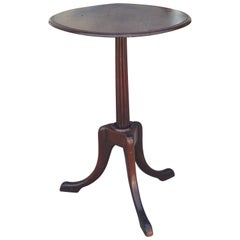
- Regency Period Thebes Style GueridonLocated in Kilmarnock, VAA rare egyptian influenced Regency Period candlestand or gueridon. Great thebes style legs and neoclassical motif.Category
Antique 1830s English Egyptian Revival Gueridon
MaterialsWalnut
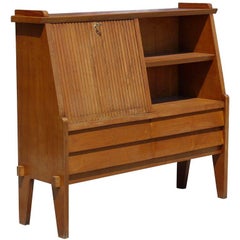
- Italian Slant Front Desk with BookshelfBy Paolo BuffaLocated in Kilmarnock, VAArchitectural Slant front Desk constructed from oak with shelves on one side over top of 4 slant front drawers for storage design attributed to Paolo Buffa.Category
Vintage 1950s Italian Desks
MaterialsBrass
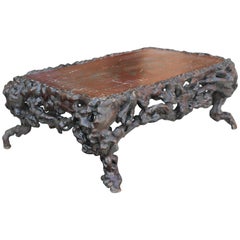
- Chinese Rootwood Low Table with Lacquer TopLocated in Kilmarnock, VAStunning sculptural Chinese rootwood low table with lacquer top. Flaking finish underneath. Lacquer is done on top of a piece of hardwood and base is ...Category
Antique Late 19th Century Chinese Other Coffee and Cocktail Tables
MaterialsHardwood
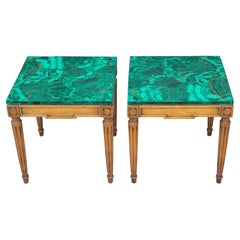
- Pair of Jansen Style Side Tables with Malachite TopsBy Maison JansenLocated in Kilmarnock, VAStunning pair of Jansen Style tables with Malachite tops. Great pushed next to each other and used as side tables or as low end tables on e...Category
Vintage 1950s American Neoclassical Revival Side Tables
MaterialsMalachite
You May Also Like
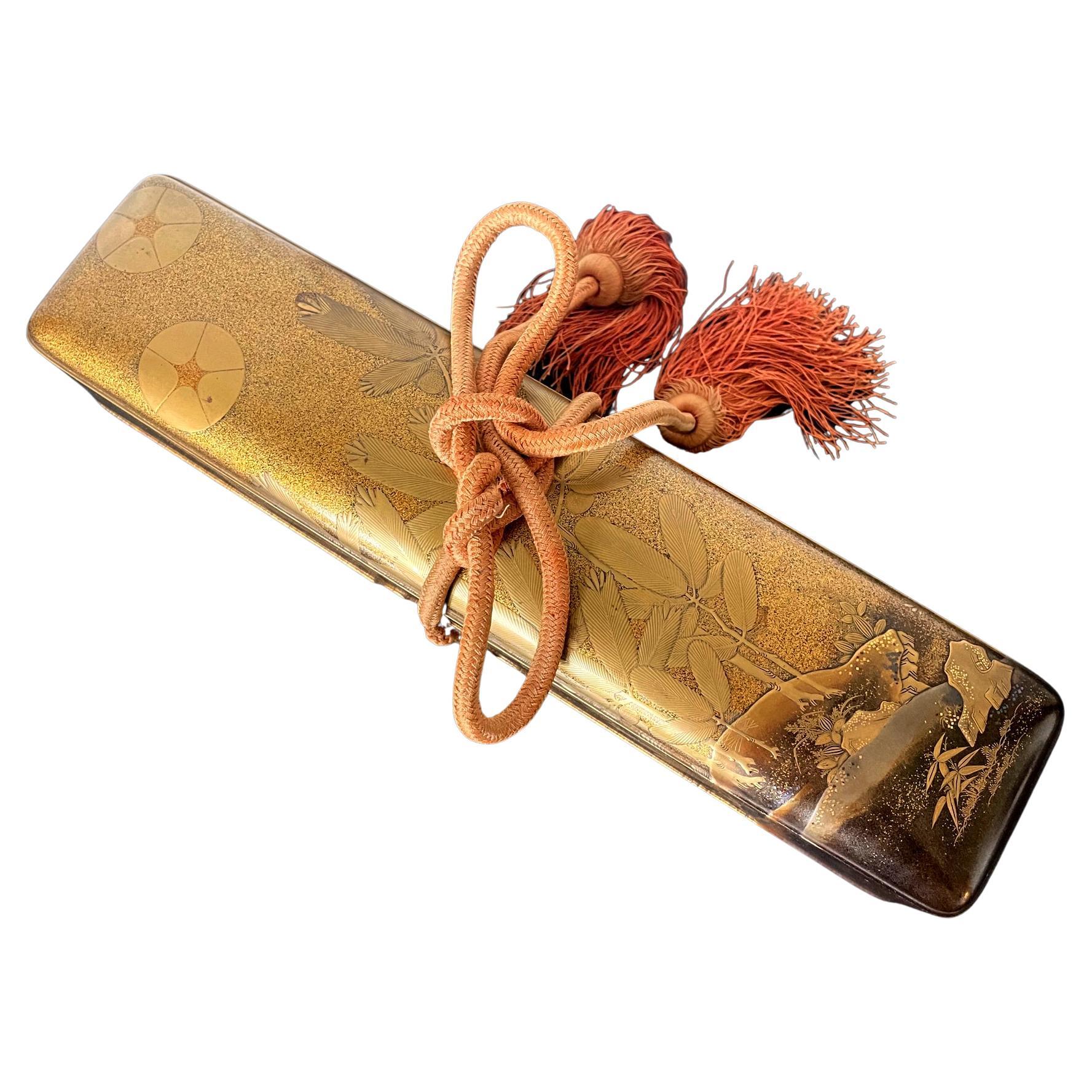
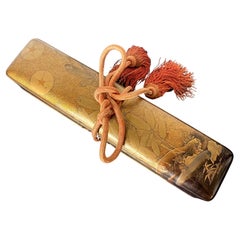
- Japanese Lacquered Gold Maki-E Naga Fubako Meiji PeriodLocated in Atlanta, GAA Japanese lacquered wood Naga Fubako (a long box used to store document or large scroll painting), circa 19th century Meiji period. The rectangular box features an unusually deep lipped lid with slightly rounded corners, a conforming lower box with bronze medallion rings with tasseled...Category
Antique 19th Century Japanese Meiji Lacquer
MaterialsWood, Lacquer
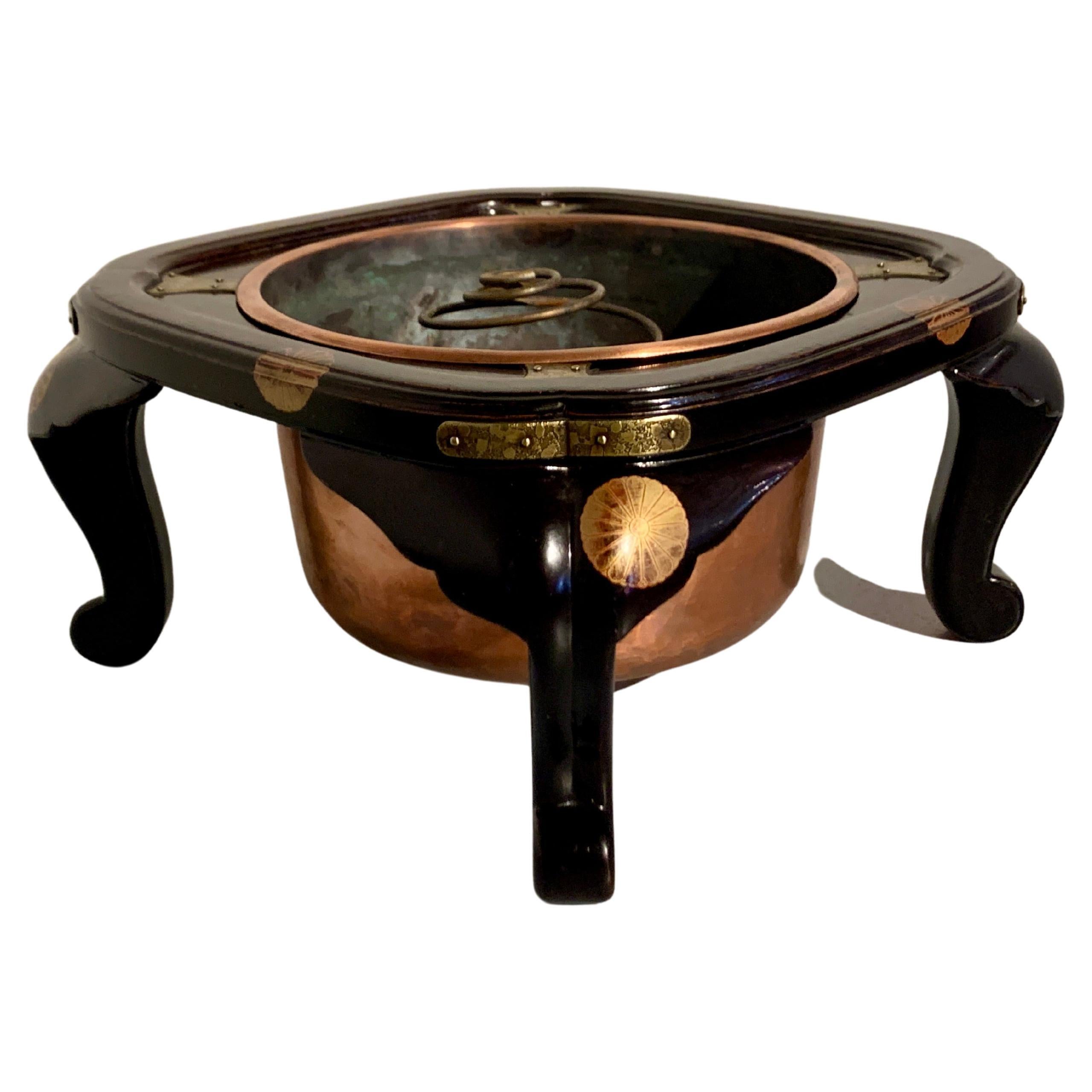
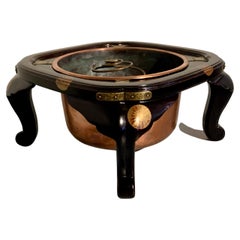
- Japanese Lacquer Hibachi with Imperial Chrysanthemum, Meiji Period, JapanLocated in Austin, TXA simple and elegant Japanese lacquer hibachi stand with imperial chrysanthemum mon and copper liner, now modified as an usubata, late Meiji Period, ci...Category
Antique Early 1900s Lacquer
MaterialsCopper
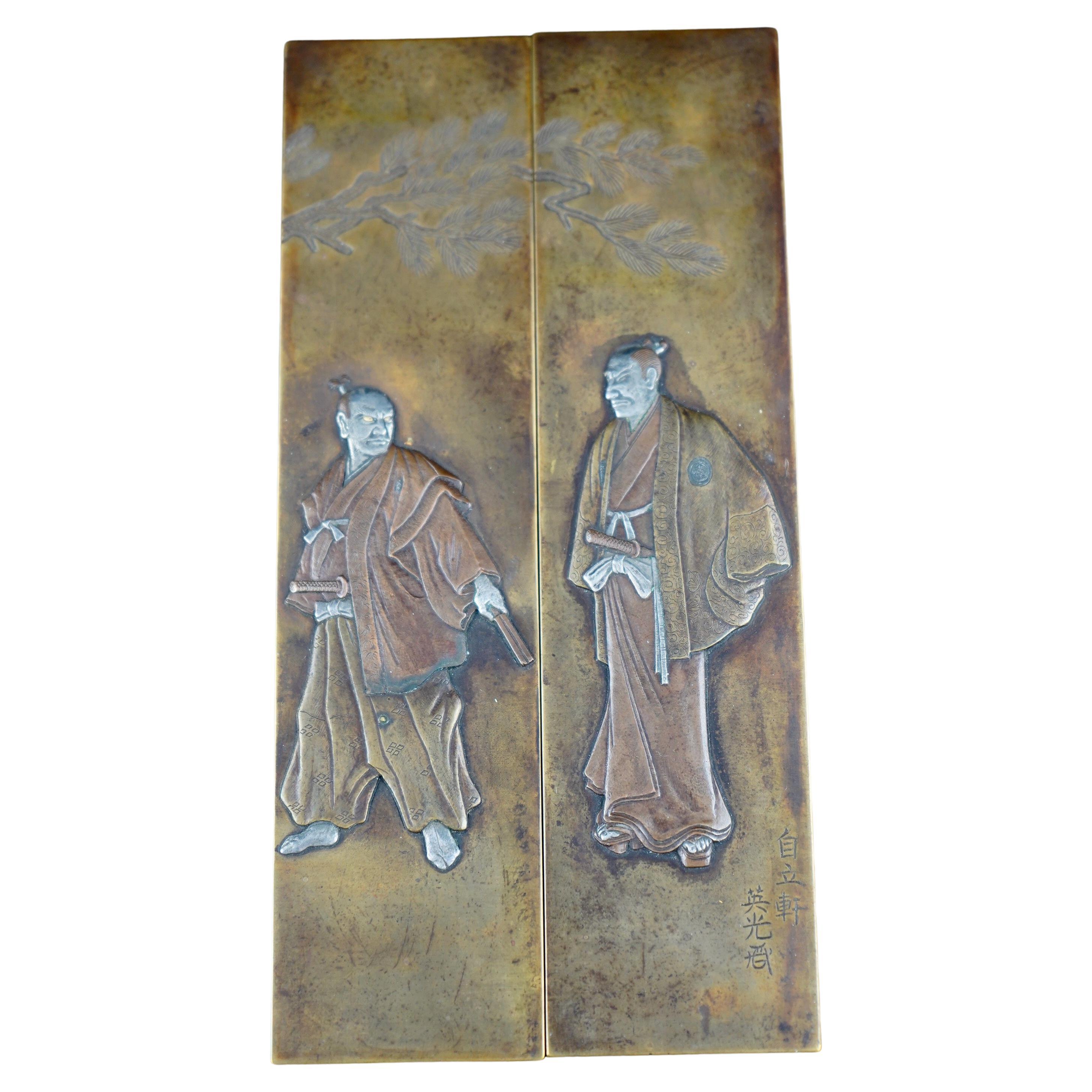
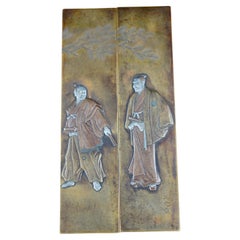
- Japanese Meiji Period Mixed Metal Pair of Scroll Weights Depicting SamuraiLocated in Gainesville, FLJapanese Meiji period fine pair of scroll weights decorated with shakudo and silver samurai figures. The weights fill solid and heavy. One of the weights has Japanese writing ( see i...Category
Antique 19th Century Japanese Meiji Metalwork
MaterialsMetal
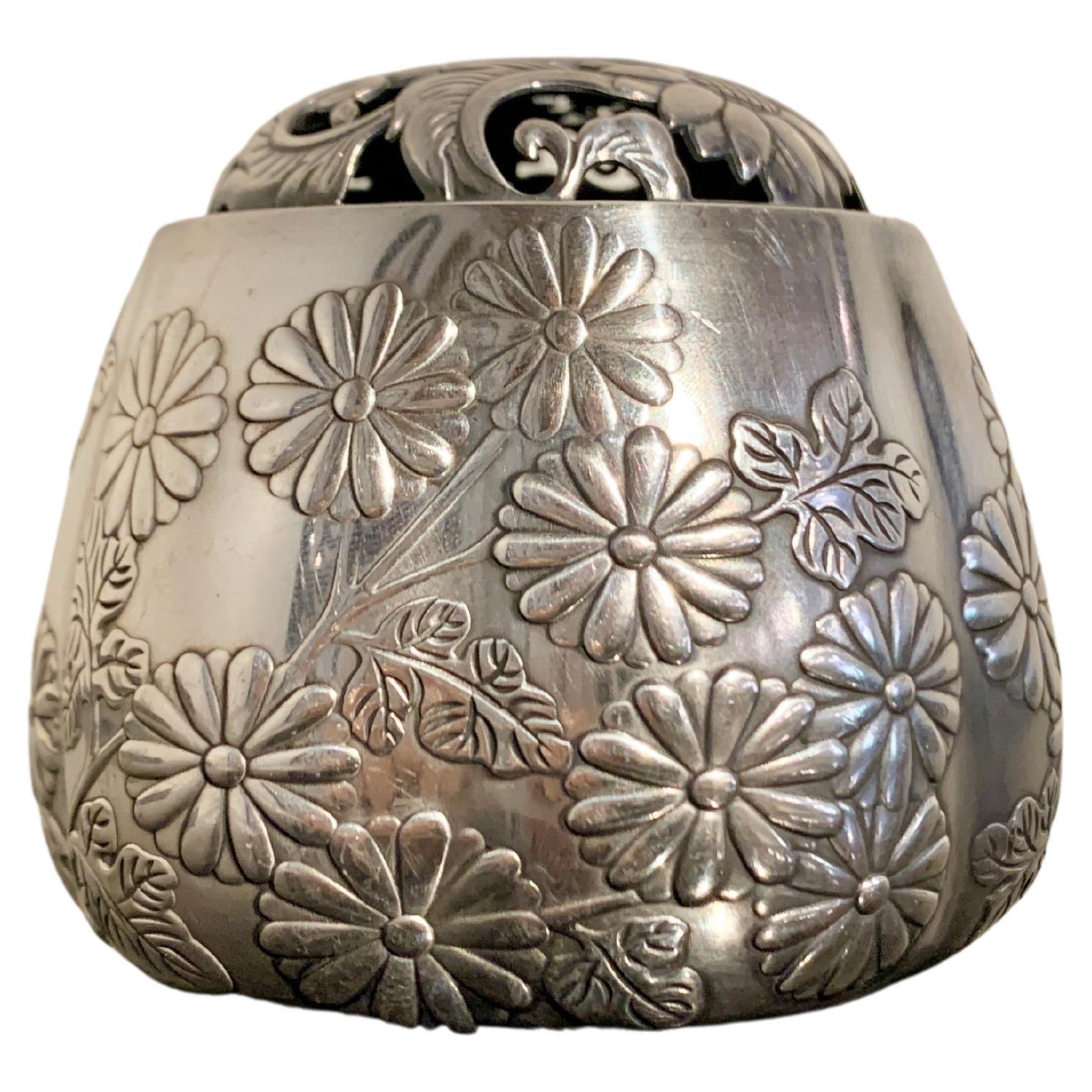
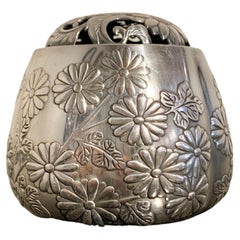
- Japanese Silver Incense Burner, Akoda Koro, by Norurma, Meiji Period, JapanLocated in Austin, TXA lovely and luxurious Japanese silver incense burner of lobed melon form, akoda koro, marked jungin and signed Nomura, Meiji Period, circa 1900, Japan. The silver koro...Category
Vintage 1910s Japanese Meiji Metalwork
MaterialsSilver, Sterling Silver
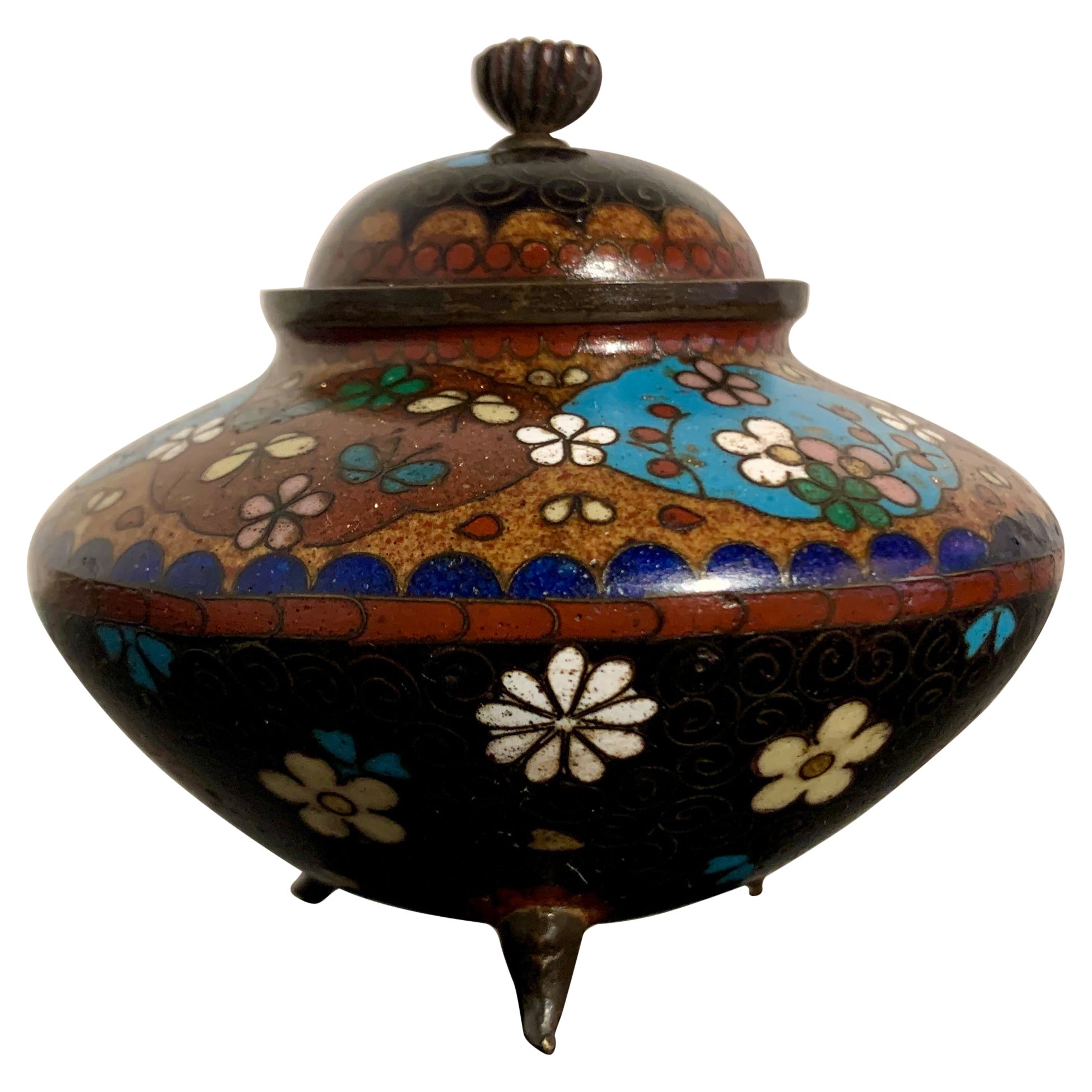
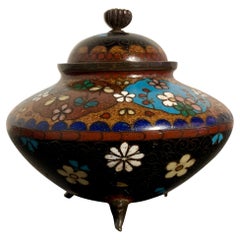
- Small Japanese Cloisonné Censer, Koro, Meiji Period, Late 19th Century, JapanLocated in Austin, TXA small and delightful Japanese cloisonné and goldstone tripod incense burner and cover, Meiji period, late 19th century, Japan. The small incense burner...Category
Antique Late 19th Century Japanese Meiji Metalwork
MaterialsCopper, Enamel
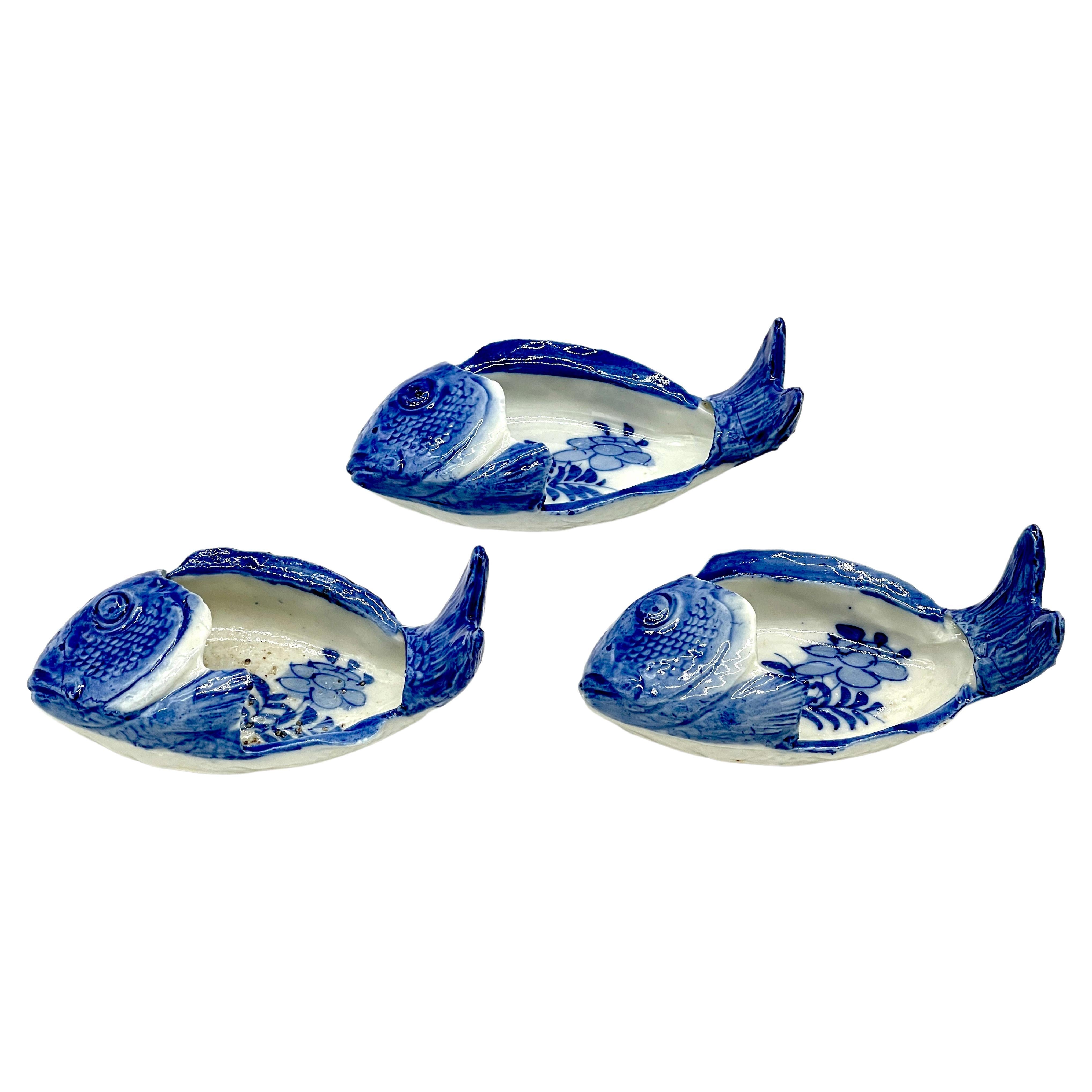
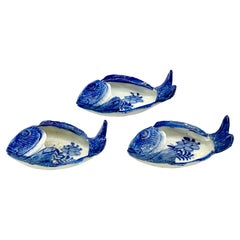
- Set of Three Meiji Period Blue & White Imari Fish Form Brush WashersLocated in West Palm Beach, FLSet of Three Meiji Period Blue & White Imari Fish Form Brush Washers Japan, circa 1890s Embrace the elegance of Japanese artistry with this captivating set of three Meiji period blu...Category
Antique Late 19th Century Japanese Meiji Scholar's Objects
MaterialsPorcelain
Recently Viewed
View AllMore Ways To Browse
Antique Crests
Antique Crest
Silver Clad
Rare Antique Hammers
Iron Crest
Japanese Iron Meiji
Asian Samurai Art
Hand Wrought Sterling Silver
19th Japanese Samurai
Asian Warrior
Antique Silver Cane
Antique Shagreen
Antique Japanese Sterling Silver
Japanese Cane
Japanese Family Crest
Meiji Samurai
Sterling Cane
Meiji Imperial Art