Questions & Answers
Our trusted network of 1stDibs sellers answer common questions
How do I identify Chinese porcelain marks?
1 Answer
To identify Chinese porcelain marks, consult trusted online resources. Most markings on Chinese porcelain consist of four to six characters, and the last two often represent when a piece was produced. Since there is a lot of variation in the markings, looking at images shared on trustworthy websites is the best way to make an identification. Alternatively, you can use the services of a certified appraiser or knowledgeable antique dealer. On 1stDibs, explore a wide range of Chinese porcelain.
1stDibs ExpertAugust 20, 2024
Related Questions
- How do I identify porcelain marks?1 Answer
- How do I identify French porcelain marks?1 Answer
- How do you identify Furstenberg porcelain marks?1 Answer
- How do you identify Staffordshire porcelain marks?1 Answer
- How do I identify German porcelain marks?1 Answer
Shop for Chinese Porcelain on 1stDibs
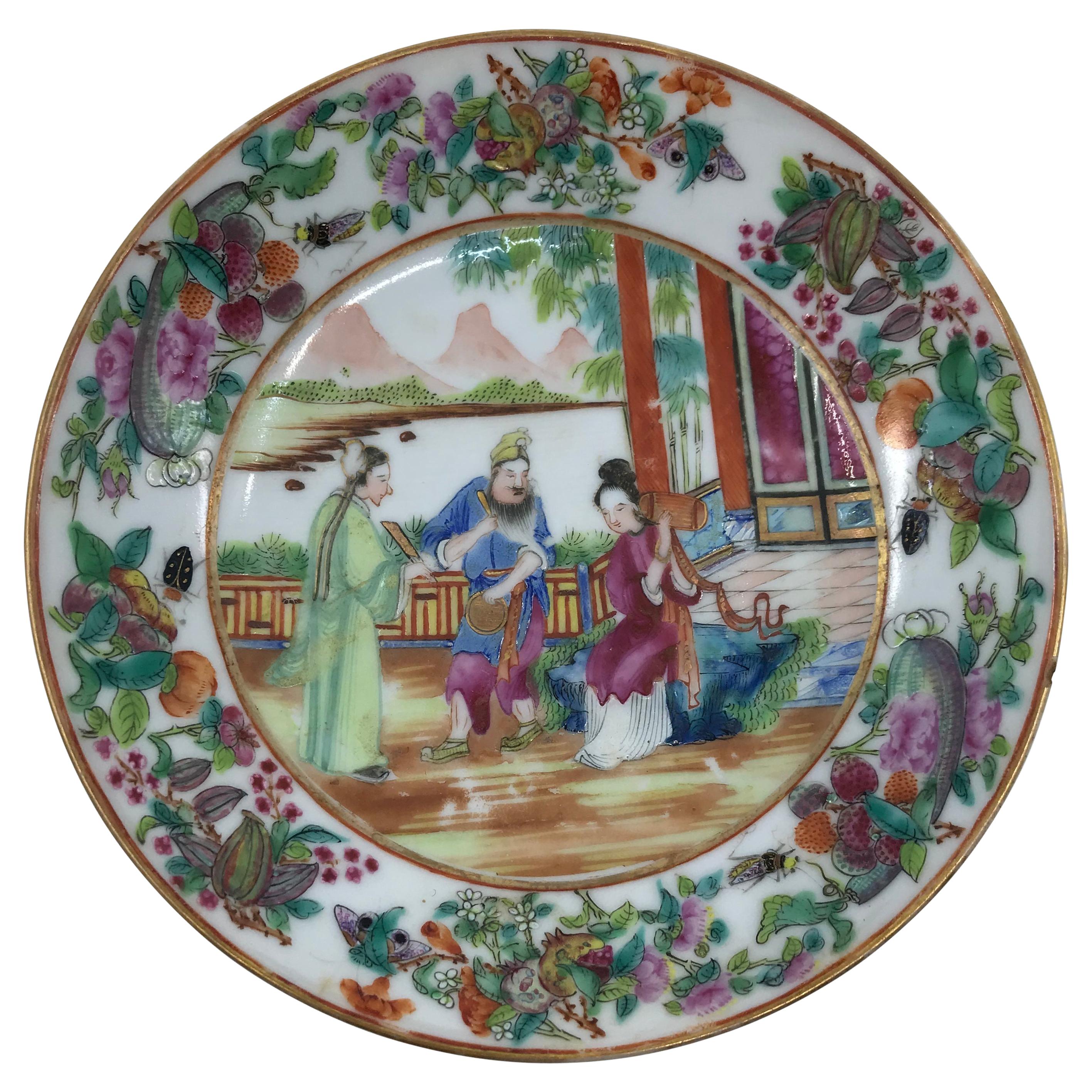
Pair of 19th Century Chinese Export Rose Medallion Porcelain Shrimp Dishes
Located in Houston, TX
A beautiful and increasingly hard-to-find pair of 19th century Chinese Export Rose Medallion shrimp dishes, richly decorated in the classic palette of famille rose enamels.
Each dis...
Category
Antique 19th Century Chinese Chinese Export Porcelain
Materials
Porcelain
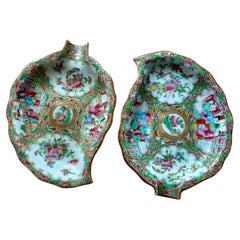
Chinese Kangxi Period Large Plate or Dish, Imari Hand Painted, Circa 1700, 13.9"
Located in Lincoln, Lincolnshire
This is a very beautifully hand painted Chinese-Imari porcelain Large Dish or Plate / Platter from the Qing, Kangxi period, 1662-1722, dating to Circa 1700.
Large diameter ( 13.9 i...
Category
Antique Late 17th Century Chinese Qing Ceramics
Materials
Porcelain
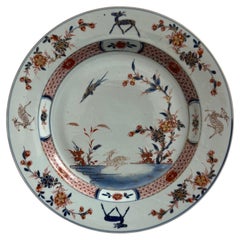
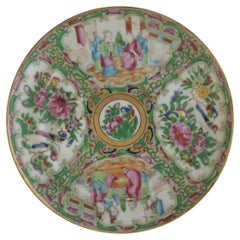
Chinese Export Porcelain Plate Rose Medallion Hand Painted, Qing, circa 1875
Located in Lincoln, Lincolnshire
This is a very decorative Chinese Export, porcelain, Rose Medallion dish or plate which we date to the 19th century, Qing dynasty, circa 1875.
I...
Category
Antique 19th Century Chinese Chinese Export Ceramics
Materials
Porcelain
$291 Sale Price
20% Off
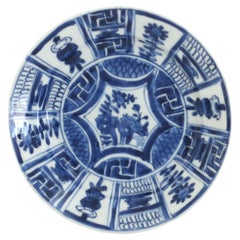
Hand-Painted Chinese Kraak Porcelain Plate, Ming Wanli, Circa 1610
Located in Lincoln, Lincolnshire
This is a hand-painted Chinese Export Kraak porcelain blue and white Side Plate or Dish, which we date to the Ming, Wanli period,( 1573-1620 ), datin...
Category
Antique Early 17th Century Chinese Chinese Export Ceramics
Materials
Porcelain
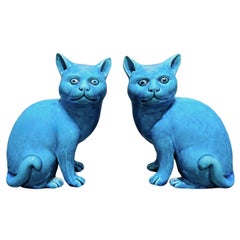
Chinese Export Porcelain Turquoise Cats
Located in Downingtown, PA
Pair of Chinese Export Porcelain Cats with Turquoise Glaze
This striking pair of Chinese porcelain figures, dating from the Early 20th Century, depicts two domesticated cats posed a...
Category
Early 20th Century Chinese Chinese Export Porcelain
Materials
Porcelain
$1,250 / set
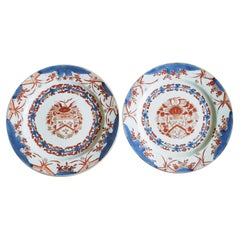
Chinese Export Porcelain Dutch Armorial Plates, Arms of Van Gellicum, Kangxi
Located in Downingtown, PA
Chinese Export Porcelain Dutch Armorial Plates, Arms of Van Gellicum,
Chinese Imari Rouge de Fer,
Late Kangxi Period,
Circa 1720–1730
This exceptional pair of Chinese Export porcelain armorial plates was commissioned for the Dutch Van Gellicum family in the late Kangxi period, circa 1720–1730. The plates are masterfully decorated in the striking rouge de fer palette of the Chinese Imari taste, featuring a central coat of arms encircled by a delicate floral scroll border. The outer rim is richly adorned with rocks, flowers, leaves, and distinctive zig-zag lines. These zig-zag motifs represent a thunderbolt, a design element frequently seen on Delft faience of the first quarter of the 18th century, itself heavily influenced by Japanese patterns. Between the center and rim lies an elegant band of scrollwork and intricate flower sprays.
The prominent coat of arms features a chevron between three eagles and a bezant, with an unidentified charge in chief. The crest displays a heron-like bird clutching an eel or snake in its beak, positioned gracefully between two wings. According to Jochem Kroes in Chinese Armorial Porcelain for the Dutch Market, Chinese porcelain bearing this Dutch family...
Category
Antique Early 18th Century Chinese Chinese Export Porcelain
Materials
Porcelain