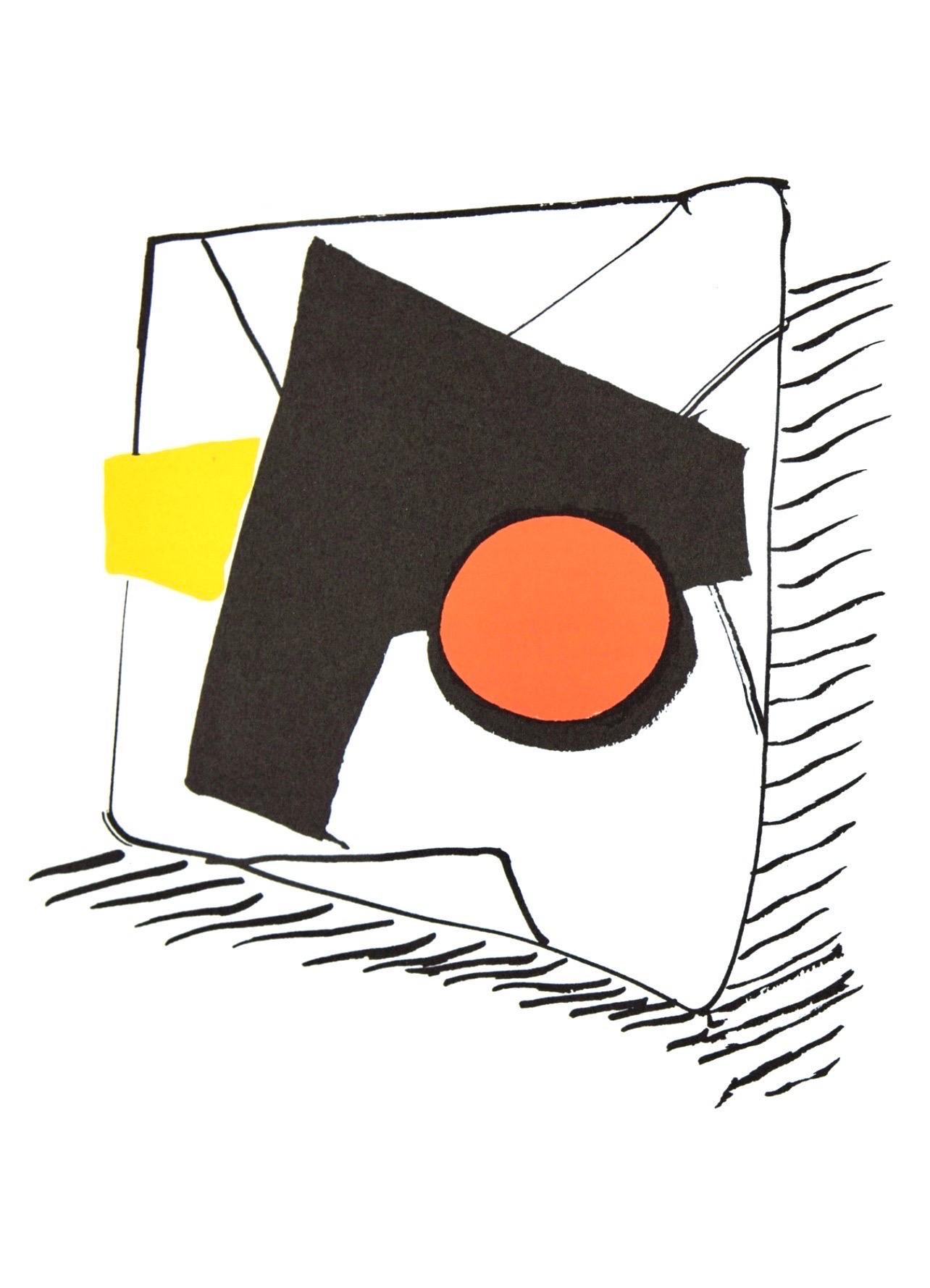
Items Similar to "Six-Day War" (FRAMED) Abstract Lithograph 10" x 13" in (1967) by Zaccaria Zeini
Want more images or videos?
Request additional images or videos from the seller
1 of 5
Zaccaria Zeini"Six-Day War" (FRAMED) Abstract Lithograph 10" x 13" in (1967) by Zaccaria Zeini1967
1967
$9,000
£6,883.42
€7,877.39
CA$12,809.47
A$13,868.92
CHF 7,373.47
MX$167,268.78
NOK 92,725.52
SEK 86,446.59
DKK 58,834.15
About the Item
"Six-Day War" (FRAMED) Abstract Lithograph 10" x 13" in (1967) by Zaccaria Zeini
Medium: lithograph
Signed and dated
Zaccaria El Zeini (1932 - 1993) was raised in the popular district of Sayyida Zienab in Old Cairo and graduated from the Faculty of Fine Arts in the city’s capital, where his graduation project revolved around the birth of the female saint, the namesake of the area where he was born. He was a postwar Modernist who received his formal training in painting in Venice, graduating from the Academy of Pravana, and it was in Italy that he gained his fascination with Greco-Roman architecture, which would develop into a preferred subject in his painting. He later became a professor at his alma mater, the Faculty of Fine Arts, and ended his career as head of its painting department. El Zeini’s oeuvre spans predominantly expressionist and abstract-figurative painting styles, with a strong proclivity towards using different personal symbols in his work and throughout several periods. These symbols connote each of the three wives he had during his life, and he cryptically places these symbols as markers throughout his paintings, whether discreetly or overtly. His formative upbringing in the Sayyida Zeinab district remained one of the most significant influences on his trajectory as an artist, having been exposed to since birth the popular celebrations and festivities surrounding the birth of the granddaughter of the Prophet Muhammed.
The first period was predicated on the quintessentially Egyptian practices and folk rituals and rites of ‘el moulid’ and ‘el zar.’ His work has always been distinguished for portraying the human figure (face and torso) enclosed in a geometric shape of either a square or a rectangle, often in a prominent contrasting color like green or red against backgrounds in predominantly neutral and earthy textured tones. Despite this rigid, enclosed portrayal, the viewer still feels the sympathy that the painter emotes toward these human beings living or oftentimes trapped, in this constrained and confined space in the reductionist form of a house, door, or window. El Zeini used this form of representation as a commentary on the impacts of societal constraints, norms, prejudices, and discrimination. It was through these ‘el moulid’ and ‘el zar’ periods that El Zeini was able to enrich his imagination and that of his audience and find refuge in it, thus transmitting to us his message in a poignant and enduring manner.
In some early works when he concentrated on the plight of the woman, and constantly featured women enclosed by such simplified bars, windows, or doors, in his basic geometric enclosures, in doing so he was criticizing the passivity of women and her role vis-à-vis her society. In his second period, El Zeini devoted himself to the artistic study of the concept of garbage and waste, ‘el zibala.’ El Zeini emphasized the salient topic of waste management on the streets of Cairo, he accomplished this by often dividing the painting in two and depicting abstract forms of detritus, debris, and discarded waste throughout the canvas and on either side of the divide. This period was a thoroughly original artistic undertaking and underscored the artist’s innate predilection for dedicating his art to social themes and with an underlying message that permeated his work, which has remained especially pertinent in today’s world. In his final period, El Zeini focused on the impression of flowers, introducing us to an alternative view of the subject by using geometric design and three-dimensional shapes. El Zeini also left us various examples of impressive lithography, which he became deeply involved with later on towards the end of his career and death, covering the more calming and serene themes of landscapes and flowers.
- Creator:Zaccaria Zeini (1932 - 1993, Egyptian)
- Creation Year:1967
- Dimensions:Height: 10 in (25.4 cm)Width: 13 in (33.02 cm)
- Medium:
- Movement & Style:
- Period:
- Condition:
- Gallery Location:Culver City, CA
- Reference Number:1stDibs: LU1085117317722
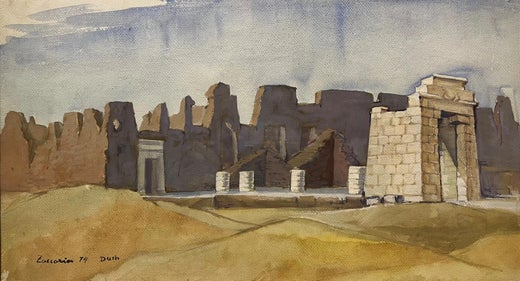
Zaccaria El Zeini (1932 - 1993) was raised in the popular district of Sayyida Zienab in Old Cairo and graduated from the Faculty of Fine Arts in the city’s capital, where his graduation project revolved around the birth of the female saint, the namesake of the area where he was born. He was a postwar Modernist who received his formal training in painting in Venice, graduating from the Academy of Pravana, and it was in Italy that he gained his fascination with Greco-Roman architecture, which would develop into a preferred subject in his painting. He later became a professor at his alma mater, the Faculty of Fine Arts, and ended his career as head of its painting department. El Zeini’s oeuvre spans predominantly expressionist and abstract-figurative painting styles, with a strong proclivity towards using different personal symbols in his work and throughout several periods. These symbols connote each of the three wives he had during his life, and he cryptically places these symbols as markers throughout his paintings, whether discreetly or overtly. His formative upbringing in the Sayyida Zeinab district remained one of the most significant influences on his trajectory as an artist, having been exposed to since birth the popular celebrations and festivities surrounding the birth of the granddaughter of the Prophet Muhammed. The first period was predicated on the quintessentially Egyptian practices and folk rituals and rites of ‘el moulid’ and ‘el zar.’ His work has always been distinguished for portraying the human figure (face and torso) enclosed in a geometric shape of either a square or a rectangle, often in a prominent contrasting color like green or red against backgrounds in predominantly neutral and earthy textured tones. Despite this rigid, enclosed portrayal, the viewer still feels the sympathy that the painter emotes toward these human beings living or oftentimes trapped, in this constrained and confined space in the reductionist form of a house, door, or window. El Zeini used this form of representation as a commentary on the impacts of societal constraints, norms, prejudices, and discrimination. It was through these ‘el moulid’ and ‘el zar’ periods that El Zeini was able to enrich his imagination and that of his audience and find refuge in it, thus transmitting to us his message in a poignant and enduring manner. In some early works when he concentrated on the plight of the woman, and constantly featured women enclosed by such simplified bars, windows, or doors, in his basic geometric enclosures, in doing so he was criticizing the passivity of women and her role vis-à-vis her society. In his second period, El Zeini devoted himself to the artistic study of the concept of garbage and waste, ‘el zibala.’ El Zeini emphasized the salient topic of waste management on the streets of Cairo, he accomplished this by often dividing the painting in two and depicting abstract forms of detritus, debris, and discarded waste throughout the canvas and on either side of the divide.
About the Seller
4.8
Vetted Professional Seller
Every seller passes strict standards for authenticity and reliability
Established in 2016
1stDibs seller since 2018
434 sales on 1stDibs
Typical response time: 1 hour
- ShippingRetrieving quote...Shipping from: Cairo, Egypt
- Return Policy
More From This Seller
View All"Triangle & Cross" (FRAMED) Lithograph 9" x 12" in (1972) by Zaccaria Zeini
Located in Culver City, CA
"Triangle & Cross" (FRAMED) Lithograph 9" x 12" in (1972) by Zaccaria Zeini
Medium: lithograph
Signed and dated
Zaccaria El Zeini (1932 - 1993) was raised in the popular district ...
Category
20th Century Abstract Prints
Materials
Lithograph
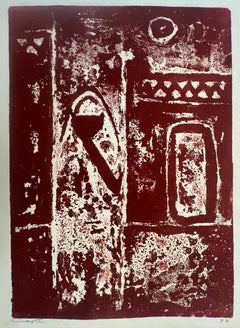
"Nubian I" (FRAMED) Abstract Lithograph 20" x 14" in (1979) by Zaccaria Zeini
Located in Culver City, CA
"Nubian I" (FRAMED) Abstract Lithograph 20" x 14" in (1979) by Zaccaria Zeini
Medium: lithograph
Signed and dated
Zaccaria El Zeini (1932 - 1993) was raised in the popular distric...
Category
20th Century Abstract Prints
Materials
Lithograph
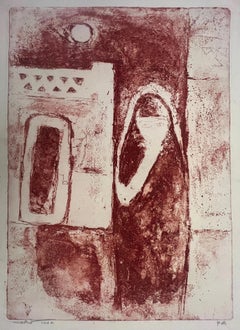
"Nubian II" (FRAMED) Abstract Lithograph 20" x 14" in (1980) by Zaccaria Zeini
Located in Culver City, CA
"Nubian II" (FRAMED) Abstract Lithograph 20" x 14" in (1980) by Zaccaria Zeini
Medium: lithograph
Signed and dated
Zaccaria El Zeini (1932 - 1993) was raised in the popular distri...
Category
20th Century Abstract Prints
Materials
Lithograph
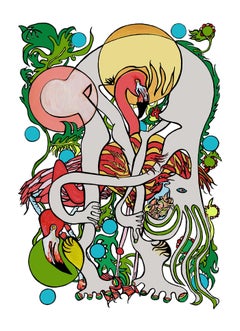
"Silent Reality Everywhere" Print 53" × 40" inch Ed. 1/10 by Kate Garner
By Kate Garner
Located in Culver City, CA
"Silent Reality Everywhere" Print 53" × 40" inch Ed. 1/10 by Kate Garner
Signed and numbered by the artist.
Not framed. Ships in a tube.
Kate Garner is an English photographer, fine artist, and singer. Garner has photographed a wide range of musicians and celebrities, including Dr. Dre, Leigh Bowery, JT LeRoy, Angelina Jolie, Cate Blanchett, Anne Hathaway, David Bowie, Cameron Diaz, PJ Harvey, John Galliano, Björk, and Kate Moss.
Her work has appeared in the American and British versions of Vogue and Harper’s Bazaar as well as W magazine, Interview, GQ, Vanity Fair, Elle, and The Sunday Times.
Kate Garner was expelled from high school at the age of 16 and became a runaway who joined The Children Of God. To escape the grasp of the cult she hitchhiked from London through Eastern Europe to India in 1970, where she lived for a year as a traveler before being located by her parents. She attended art school at Blackpool in the North of England and later moved to London, where she began to both photograph and model for up-and-coming magazines such as The Face and i-D.
Kate Garner first came widely into the public eye as one-third of the 1980s avant-garde, new wave pop project Haysi Fantayzee, along with other members Jeremy Healy and Paul Caplin. Emanating from street art scenes such as the Blitz Kids that were cropping up in London in the early 1980s, Haysi’s music combined reggae, country, and electro with political and sociological lyrics couched as nursery rhymes.
Catapulted to stardom by their visual sensibilities, Haysi Fantayzee combined their extreme clothes sense – described as combining white Rasta, tribal chieftain, and Dickensian styles – with a quirky musical sound comparable to other new wave musical pop acts of the era, such as Bow Wow Wow...
Category
21st Century and Contemporary Pop Art Still-life Prints
Materials
Archival Ink, Archival Paper
$1,600 Sale Price
20% Off
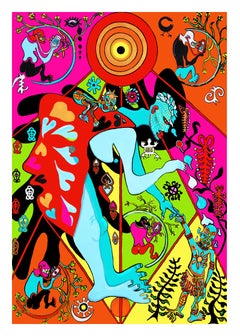
"Did I know Her?" Print 28 × 20 in. Edition 1/10 by Kate Garner
By Kate Garner
Located in Culver City, CA
"Did I know Her?" Print 28 × 20 in. Edition 1/10 by Kate Garner
Signed and numbered by the artist.
Not framed. Ships in a tube.
Kate Garner is an English photographer, fine artist, and singer. Garner has photographed a wide range of musicians and celebrities, including Dr. Dre, Leigh Bowery, JT LeRoy, Angelina Jolie, Cate Blanchett, Anne Hathaway, David Bowie, Cameron Diaz, PJ Harvey, John Galliano, Björk, and Kate Moss.
Her work has appeared in the American and British versions of Vogue and Harper’s Bazaar as well as W magazine, Interview, GQ, Vanity Fair, Elle, and The Sunday Times.
Kate Garner was expelled from high school at the age of 16 and became a runaway who joined The Children Of God. To escape the grasp of the cult she hitchhiked from London through Eastern Europe to India in 1970, where she lived for a year as a traveler before being located by her parents. She attended art school at Blackpool in the North of England and later moved to London, where she began to both photograph and model for up-and-coming magazines such as The Face and i-D.
Kate Garner first came widely into the public eye as one-third of the 1980s avant-garde, new wave pop project Haysi Fantayzee, along with other members Jeremy Healy and Paul Caplin. Emanating from street art scenes such as the Blitz Kids that were cropping up in London in the early 1980s, Haysi’s music combined reggae, country, and electro with political and sociological lyrics couched as nursery rhymes.
Catapulted to stardom by their visual sensibilities, Haysi Fantayzee combined their extreme clothes sense – described as combining white Rasta, tribal chieftain, and Dickensian styles – with a quirky musical sound comparable to other new wave musical pop acts of the era, such as Bow Wow Wow, Adam and the Ants and Bananarama. They appeared several times on the BBC Television program Top of the Pops. Despite being touted by Bowie producer Tony Visconti as the next big thing, the group quickly disbanded after releasing three hit singles “John Wayne Is Big Leggy”, “Shiny Shiny”, and “Holy Joe”, and an album, Battle Hymns for Children Singing, that went gold.
Garner then returned to painting, photography, and video, launching a successful media arts career, starting with her collaboration with Sinéad O’Connor...
Category
21st Century and Contemporary Pop Art Still-life Prints
Materials
Archival Ink, Archival Paper
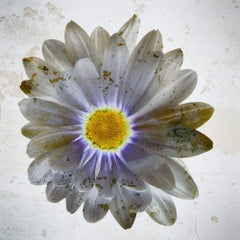
"Daisy (yellow center #1)" Print on Canvas 43x43in Ed. of 15 by Mick Fleetwood
By Mick Fleetwood
Located in Culver City, CA
"Daisy (yellow center #1)" Print on Aluminum 43x43in Ed. of 15 by Mick Fleetwood
Digital print on Canvas
Mick Fleetwood, the legendary drummer and founding member of Fleetwood Mac,...
Category
21st Century and Contemporary Contemporary Figurative Photography
Materials
Digital, Canvas
You May Also Like
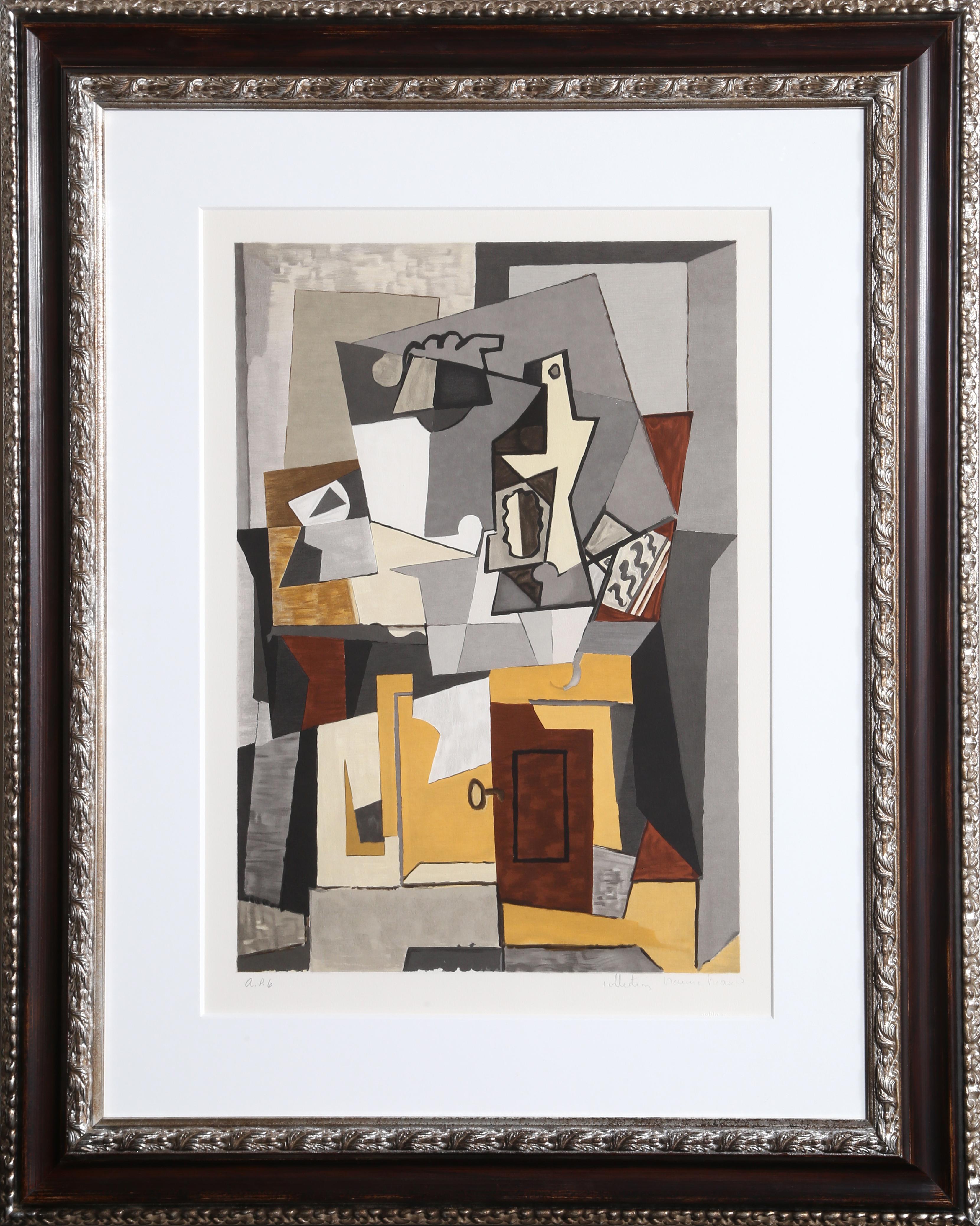
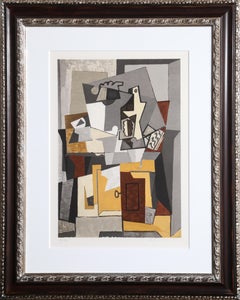
Nature Morte a la Porte et a la Clef, Cubist Lithograph after Pablo Picasso
By Pablo Picasso
Located in Long Island City, NY
A lithograph from the Marina Picasso Estate Collection after the Pablo Picasso painting "Nature Morte a la Porte et a la Clef". The original painting was completed in 1920. In the 19...
Category
1980s Modern Abstract Prints
Materials
Lithograph
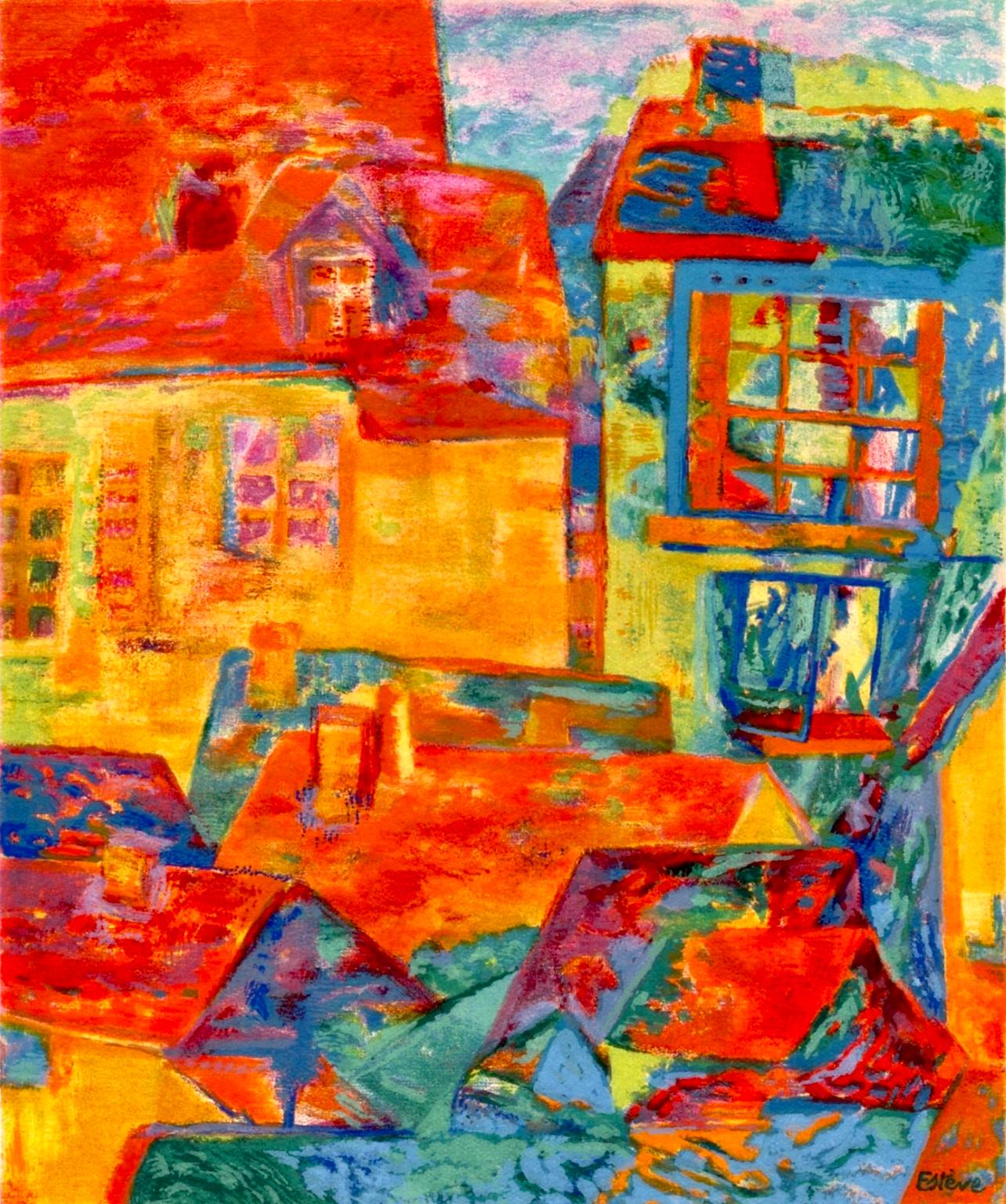
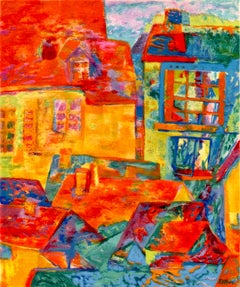
Estève, La mariee de banlieue, Galerie Louis Carré (after)
By Maurice Estève
Located in Southampton, NY
Lithograph on wove paper. Inscription: Unsigned and unnumbered, as issued. Good Condition. Notes: From the volume, Bazaine. Estève. Lapique. Published by Galerie Louis Carré, Paris; ...
Category
1940s Modern Abstract Prints
Materials
Lithograph
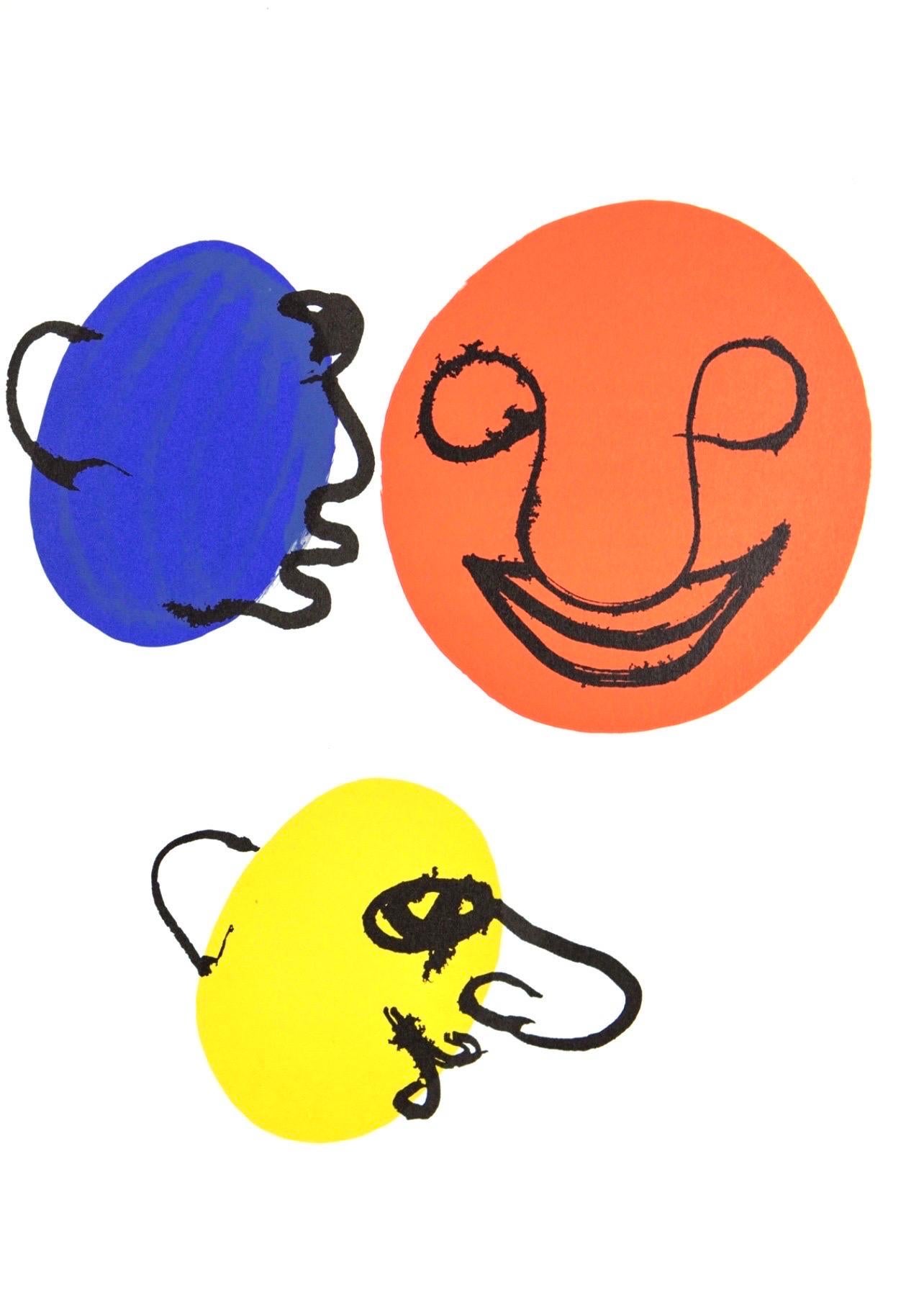
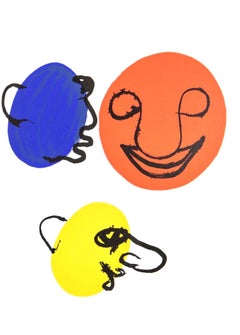
Alexander Calder, The Three Faces, from Derriere le miroir, 1976
By Alexander Calder
Located in Southampton, NY
This exquisite lithograph by Alexander Calder (1898–1976), titled Les Trois Visages (The Three Faces), from the folio Derriere le miroir, No. 221, originates from the 1976 edition pu...
Category
1970s Modern Still-life Prints
Materials
Lithograph
$716 Sale Price
20% Off
Free Shipping
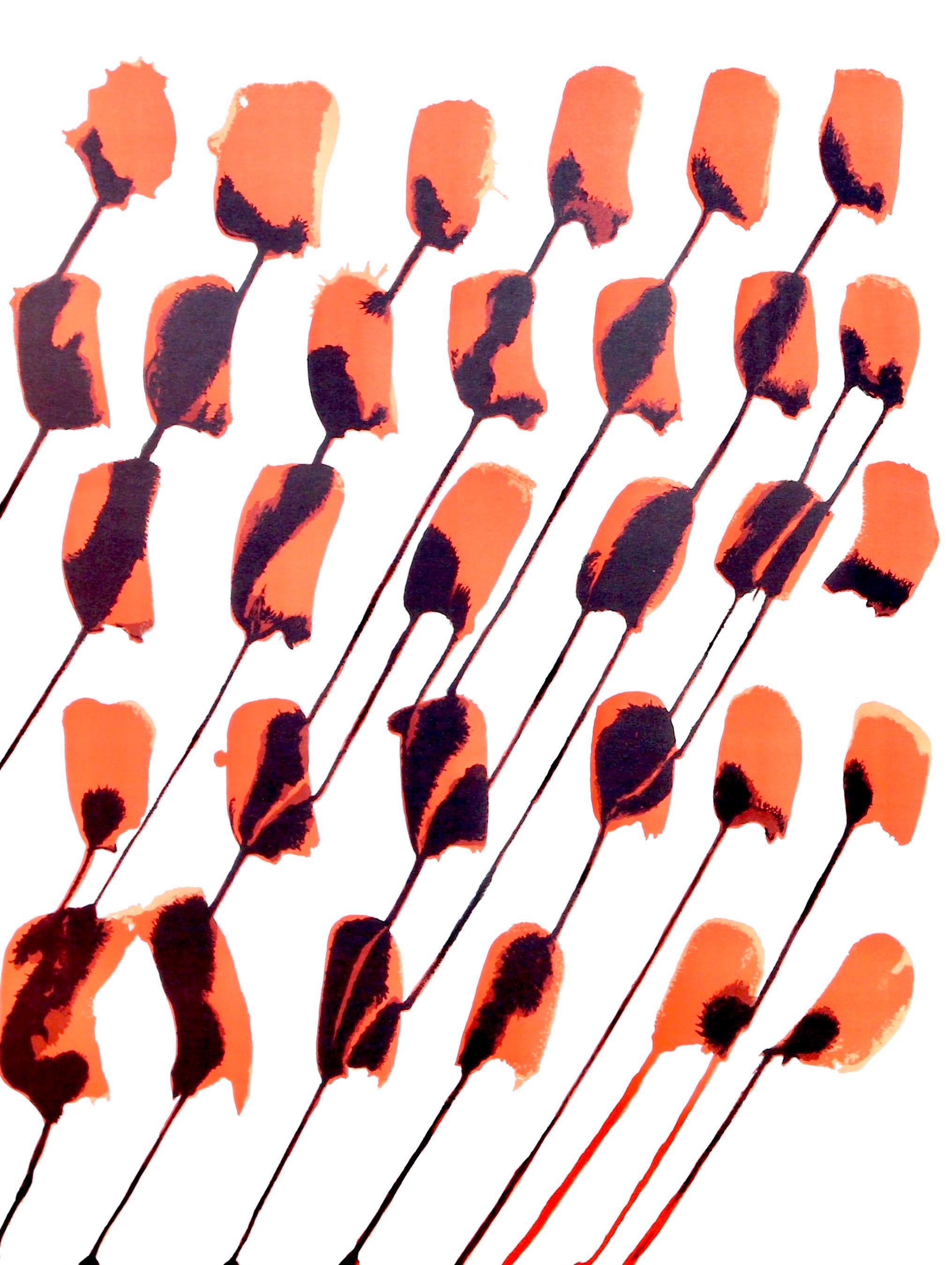
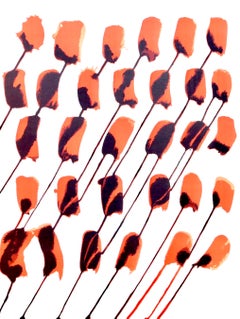
Alexander Calder, Untitled, from Derriere le miroir, 1966
By Alexander Calder
Located in Southampton, NY
This exquisite lithograph by Alexander Calder (1898–1976), titled Sans titre (Untitled), from the folio Derriere le miroir, No. 156, originates from the 1966 edition published by Mae...
Category
1960s Modern Abstract Prints
Materials
Lithograph
$716 Sale Price
20% Off
Free Shipping
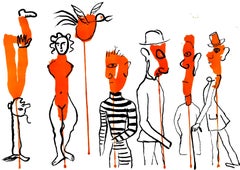
Alexander Calder, Untitled, from Derriere le miroir, 1966
By Alexander Calder
Located in Southampton, NY
This exquisite lithograph by Alexander Calder (1898–1976), titled Sans titre (Untitled), from the folio Derriere le miroir, No. 156, originates from the 1966 edition published by Mae...
Category
1960s Modern Abstract Prints
Materials
Lithograph
$716 Sale Price
20% Off
Free Shipping
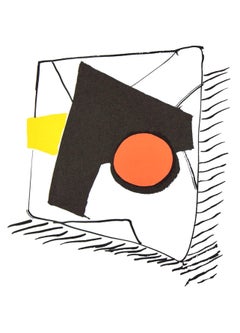
Alexander Calder, Untitled, from Derriere le miroir, 1976
By Alexander Calder
Located in Southampton, NY
This exquisite lithograph by Alexander Calder (1898–1976), titled Sans titre (Untitled), from the folio Derriere le miroir, No. 221, originates from the 1976 edition published by Mae...
Category
1970s Modern Still-life Prints
Materials
Lithograph
$716 Sale Price
20% Off
Free Shipping