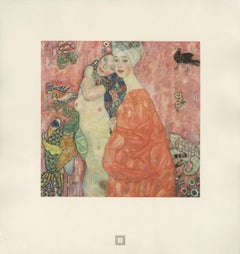
Items Similar to Gustav Klimt, The Sisters, from The Work of Gustav Klimt, 1918 (after)
Want more images or videos?
Request additional images or videos from the seller
1 of 10
Gustav Klimt, The Sisters, from The Work of Gustav Klimt, 1918 (after)1918
1918
$23,996
$29,99520% Off
£18,519.70
£23,149.6320% Off
€21,083.58
€26,354.4820% Off
CA$34,264.21
CA$42,830.2620% Off
A$37,371.82
A$46,714.7720% Off
CHF 19,691.76
CHF 24,614.7020% Off
MX$448,187.75
MX$560,234.6920% Off
NOK 247,944.37
NOK 309,930.4720% Off
SEK 231,327.08
SEK 289,158.8620% Off
DKK 157,457.14
DKK 196,821.4320% Off
About the Item
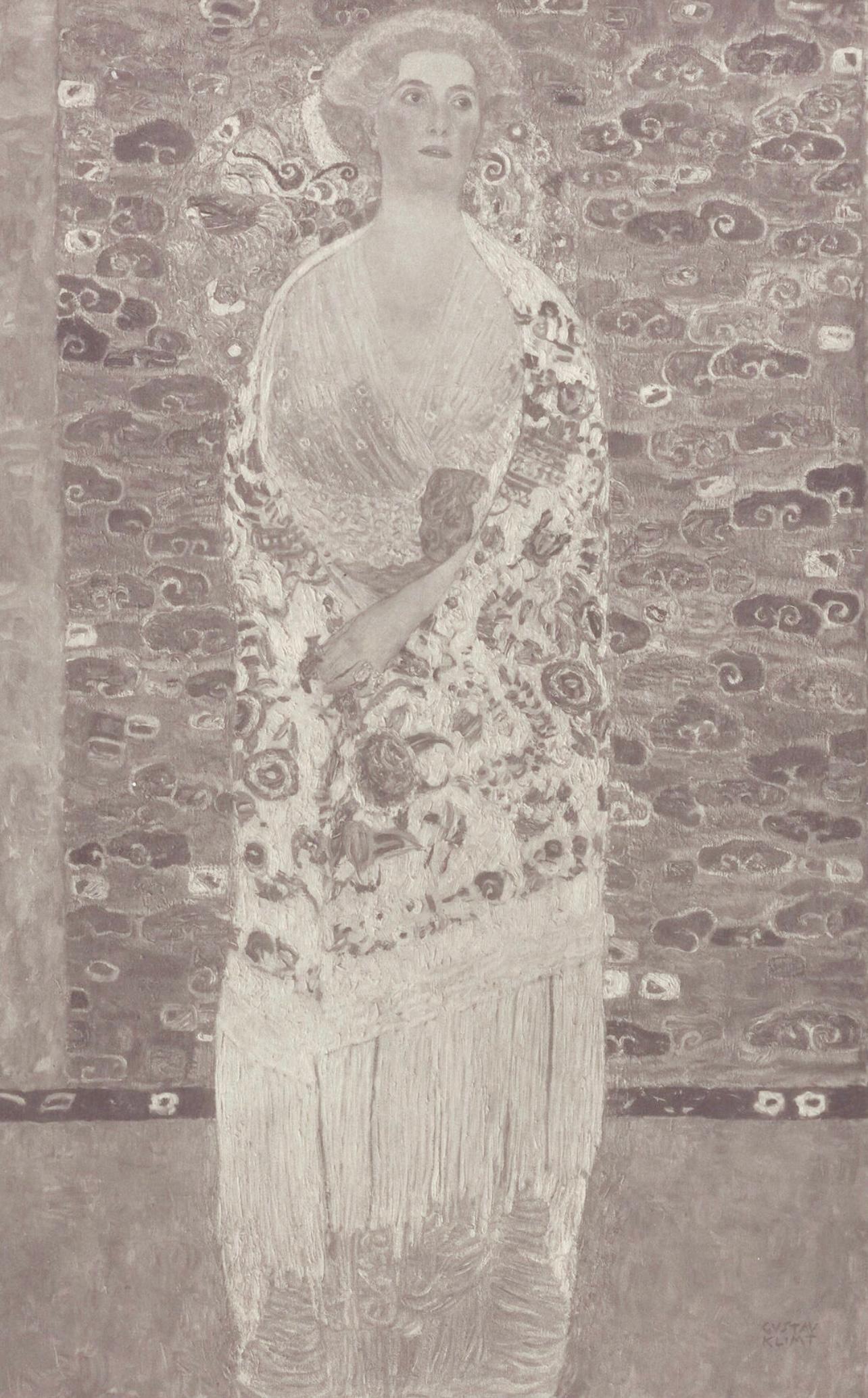
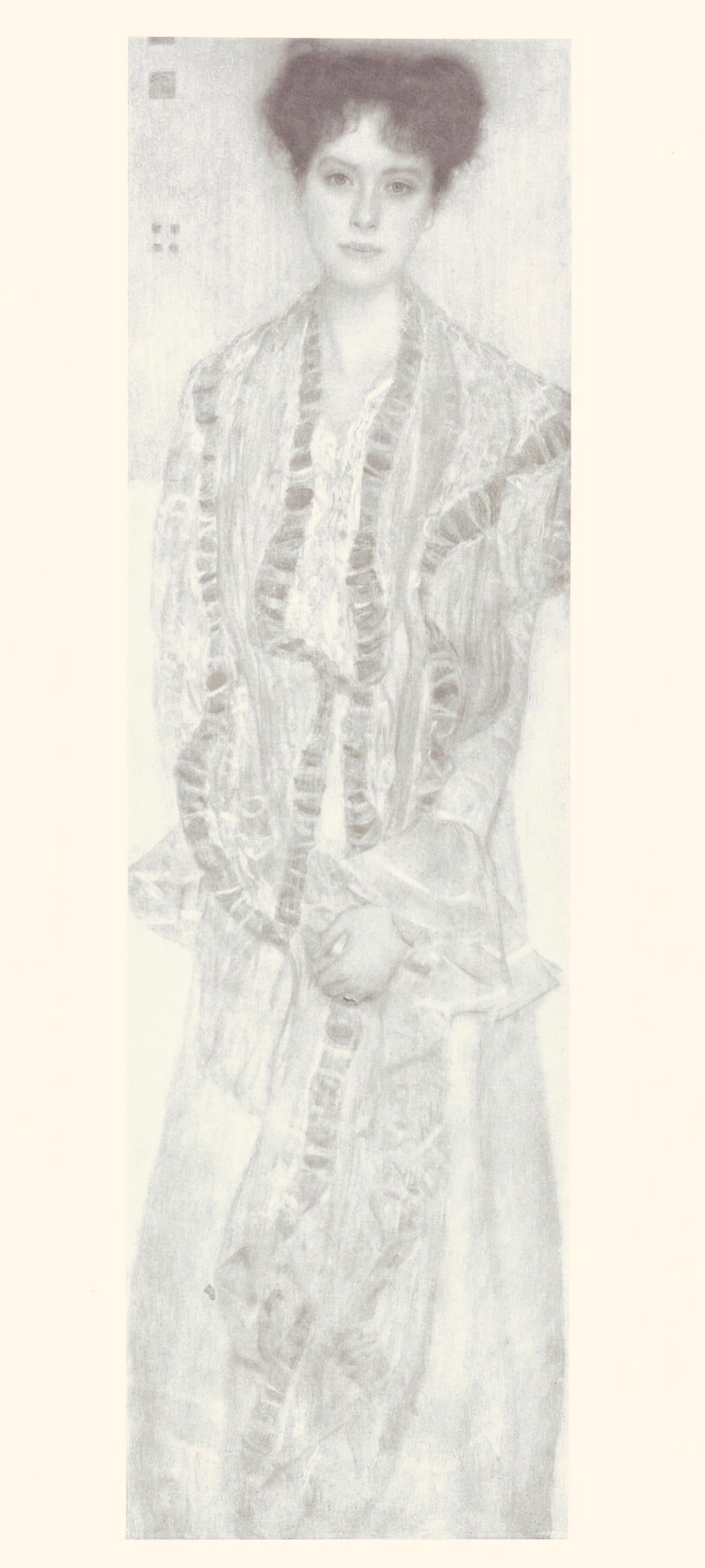
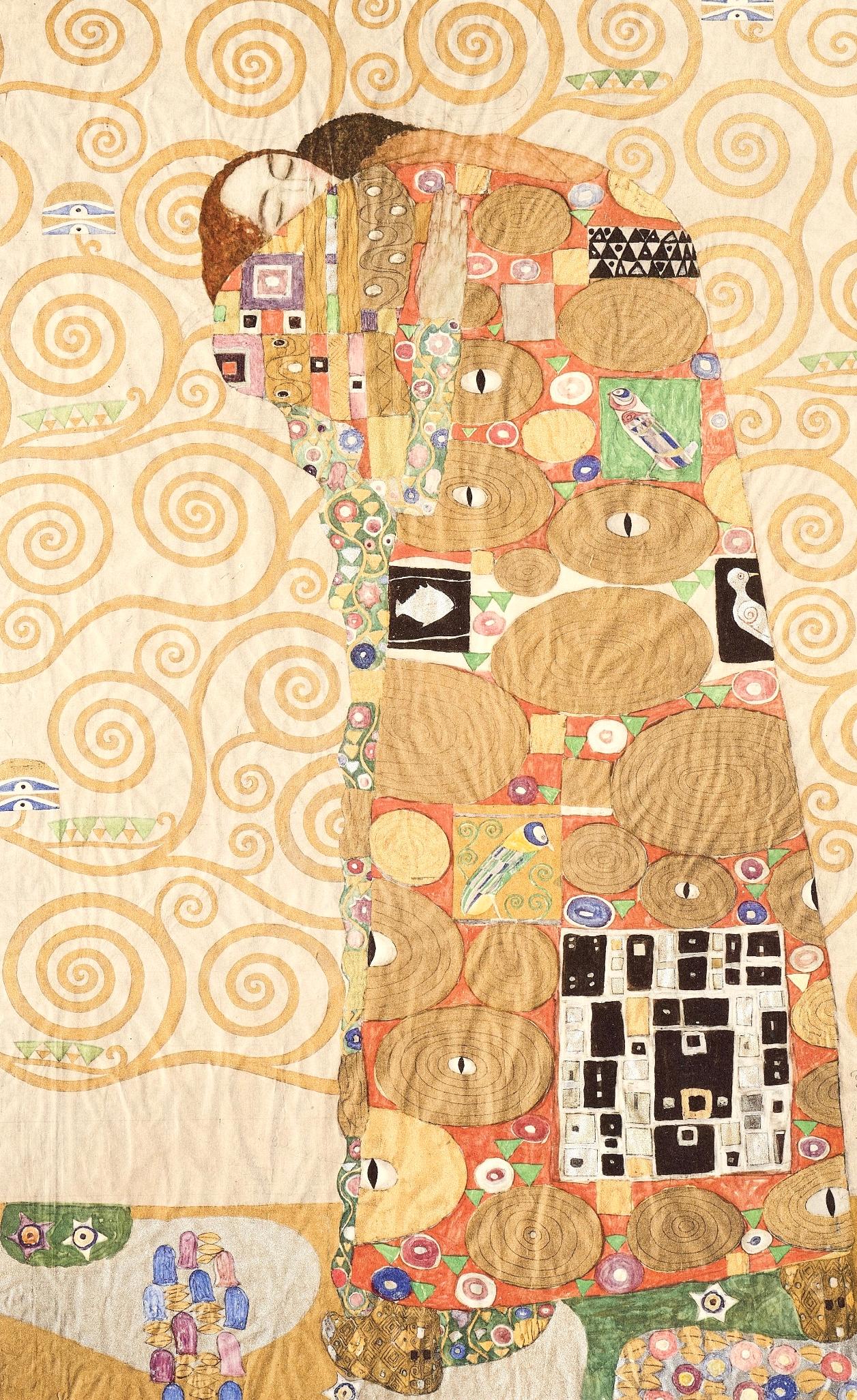
This exquisite heliogravure and collotype after Gustav Klimt (1862–1918), titled Die Schwestern (The Sisters), from the folio Das Werk von Gustav Klimt (The Work of Gustav Klimt), originates from the 1918 edition published by Kunstverlag Hugo Heller et Cie, Wien und Leipzig, and printed by kaiserlich-konigliche Hof-und Staatsdruckerei, Wien-Landstrasse. The work reflects Klimt's synthesis of ornamental abstraction, symbolic depth, and psychological intensity, embodying the visionary modernism that made him a central figure of early twentieth century art.
Executed as a heliogravure and collotype on velin paper, this work measures 18.23 x 17.32 inches overall (46.3 x 44 cm) and 14.92 x 6.14 inches image size (37.9 x 15.6 cm). Signed in the plate and unnumbered as issued. The edition exemplifies the refined craftsmanship of kaiserlich-konigliche Hof-und Staatsdruckerei, Wien-Landstrasse.
Artwork Details:
Artist: After Gustav Klimt (1862–1918)
Title: Die Schwestern (The Sisters), from the folio Das Werk von Gustav Klimt (The Work of Gustav Klimt)
Medium: Heliogravure and collotype on velin paper
Dimensions: 18.23 x 17.32 inches overall (46.3 x 44 cm); 14.92 x 6.14 inches image size (37.9 x 15.6 cm)
Inscription: Signed in the plate and unnumbered as issued
Date: 1918
Publisher: Kunstverlag Hugo Heller et Cie, Wien und Leipzig
Printer: kaiserlich-konigliche Hof-und Staatsdruckerei, Wien-Landstrasse
Condition: Well preserved, consistent with age and medium
Provenance: From the folio Das Werk von Gustav Klimt (The Work of Gustav Klimt), published by Kunstverlag Hugo Heller et Cie, Wien und Leipzig; printed by kaiserlich-konigliche Hof-und Staatsdruckerei, Wien-Landstrasse, 1918
Notes:
Excerpted from the folio (translated from German), This work was printed in a one-time numbered edition of CCC examples by the kaiserlich-konigliche Hof-und Staatsdruckerei, Wien-Landstrasse in heliogravure and collotype printing, under the supervision of the artist. The album is manufactured by the bookbinder Julius Dratwa in Vienna. Examples I to XXXV were attached an original hand drawing by Gustav Klimt. In these examples, the colophon and the X colored sheets are signed with the printed signature of the artist. In the examples XXXVI to LXX, only the title page with the printed signature of the artist. The other examples carry the numbering I to CCXXX.
About the Publication:
Das Werk von Gustav Klimt (The Work of Gustav Klimt), published in 1918 by Kunstverlag Hugo Heller et Cie, Wien und Leipzig, is one of the most important and historically significant portfolios of Klimt's career. Conceived during the final phase of the artist’s life and issued shortly after his death, the folio was created with Klimt's direct supervision and intended as a definitive visual record of his mature work. The plates were produced by the prestigious kaiserlich-konigliche Hof-und Staatsdruckerei in Vienna, the imperial state printing house renowned for its technical precision and ability to interpret complex tonal images through heliogravure and collotype, capturing the intricate surfaces, ornamental structures, and subtle tonal gradations of Klimt's paintings. The edition was issued in a carefully structured hierarchy of paper states and numbering, with the earliest examples including original drawings by Klimt, underscoring the project’s importance. The folio exemplifies the highest achievements of Viennese fine press culture and the aesthetic ideals of the Vienna Secession, and it remains a foundational art historical document that has shaped global understanding of Klimt’s contribution to modernism.
About the Artist:
Gustav Klimt (1862–1918) was an Austrian painter and central force of the Vienna Secession whose revolutionary fusion of gold leaf opulence, expressive symbolism, and psychological intensity reshaped modern art and positioned him as a foundational influence on later innovators such as Pablo Picasso, Alexander Calder, Alberto Giacometti, Salvador Dali, Joan Miro, Wassily Kandinsky, Marcel Duchamp, and Man Ray; emerging from rigorous academic training and shaped by the mentorship of Hans Makart, Klimt evolved from a gifted history painter into the leading artistic visionary of fin-de-siecle Vienna, synthesizing Byzantine mosaics, Japanese ukiyo-e, Arts and Crafts design, and Symbolist literature into an unmistakable visual language defined by ornamental abstraction, sensual figuration, and metaphysical atmosphere, and as a founder of the Vienna Secession he championed artistic freedom, interdisciplinary collaboration, and the elevation of applied arts, with his partnerships with Josef Hoffmann, Koloman Moser, and the Wiener Werkstatte helping to define early modern design culture and positioning him as a guiding figure for European avant-gardes; his deeply intimate portraits, particularly of women, explored desire, identity, and interiority, while iconic works such as The Kiss epitomized his belief that ornament and emotion could be seamlessly united, and his influence shaped contemporaries including Egon Schiele and Oskar Kokoschka as well as later artists like Mark Rothko, Frida Kahlo, Yayoi Kusama, Kehinde Wiley, and countless contemporary painters who draw from his lavish surfaces, symbolic depth, and experimental handling of pattern and form; today his masterpieces are held in major museums worldwide and remain among the most coveted works on the global market, with the highest auction price for a Gustav Klimt artwork being Dame mit Facher (Lady with a Fan), which sold for 108.4 million USD at Sotheby's London on June 27, 2023.
Gustav Klimt Die Schwestern 1918, Klimt Das Werk von Gustav Klimt, Klimt heliogravure collotype, Klimt collectible print.
- Creation Year:1918
- Dimensions:Height: 18.23 in (46.31 cm)Width: 17.32 in (44 cm)
- Medium:
- Movement & Style:
- After:Gustav Klimt (1862 - 1918, Austrian)
- Period:
- Condition:
- Gallery Location:Southampton, NY
- Reference Number:1stDibs: LU1465217222282
About the Seller
4.9
Platinum Seller
Premium sellers with a 4.7+ rating and 24-hour response times
Established in 1978
1stDibs seller since 2021
1,231 sales on 1stDibs
Typical response time: <1 hour
- ShippingRetrieving quote...Shipping from: Southampton, NY
- Return Policy
More From This Seller
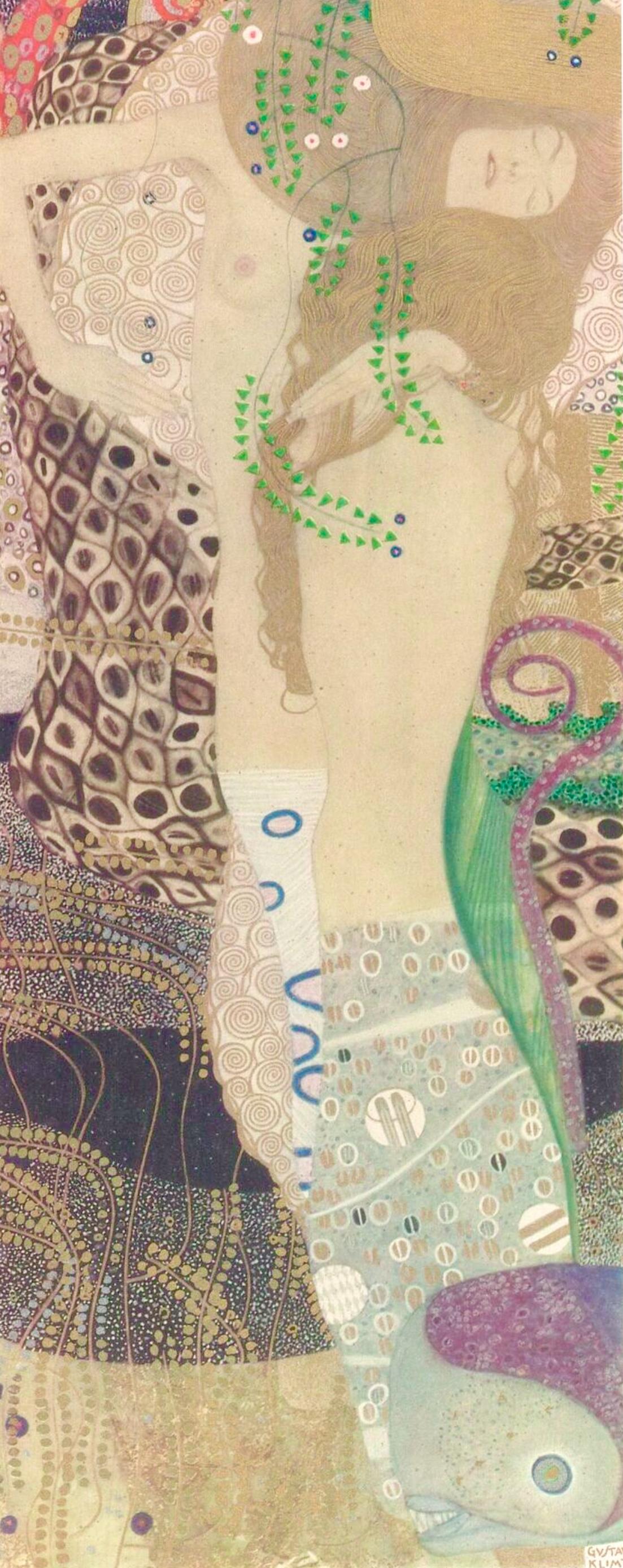
View AllGustav Klimt, The Friends, from The Work of Gustav Klimt, 1918 (after)
By Gustav Klimt
Located in Southampton, NY
This exquisite heliogravure and collotype after Gustav Klimt (1862–1918), titled Die Freundinnen (The Friends), from the folio Das Werk von Gustav Klimt (The Work of Gustav Klimt), o...
Category
1910s Symbolist Figurative Prints
Materials
Lithograph

$27,996 Sale Price
20% Off
Free Shipping
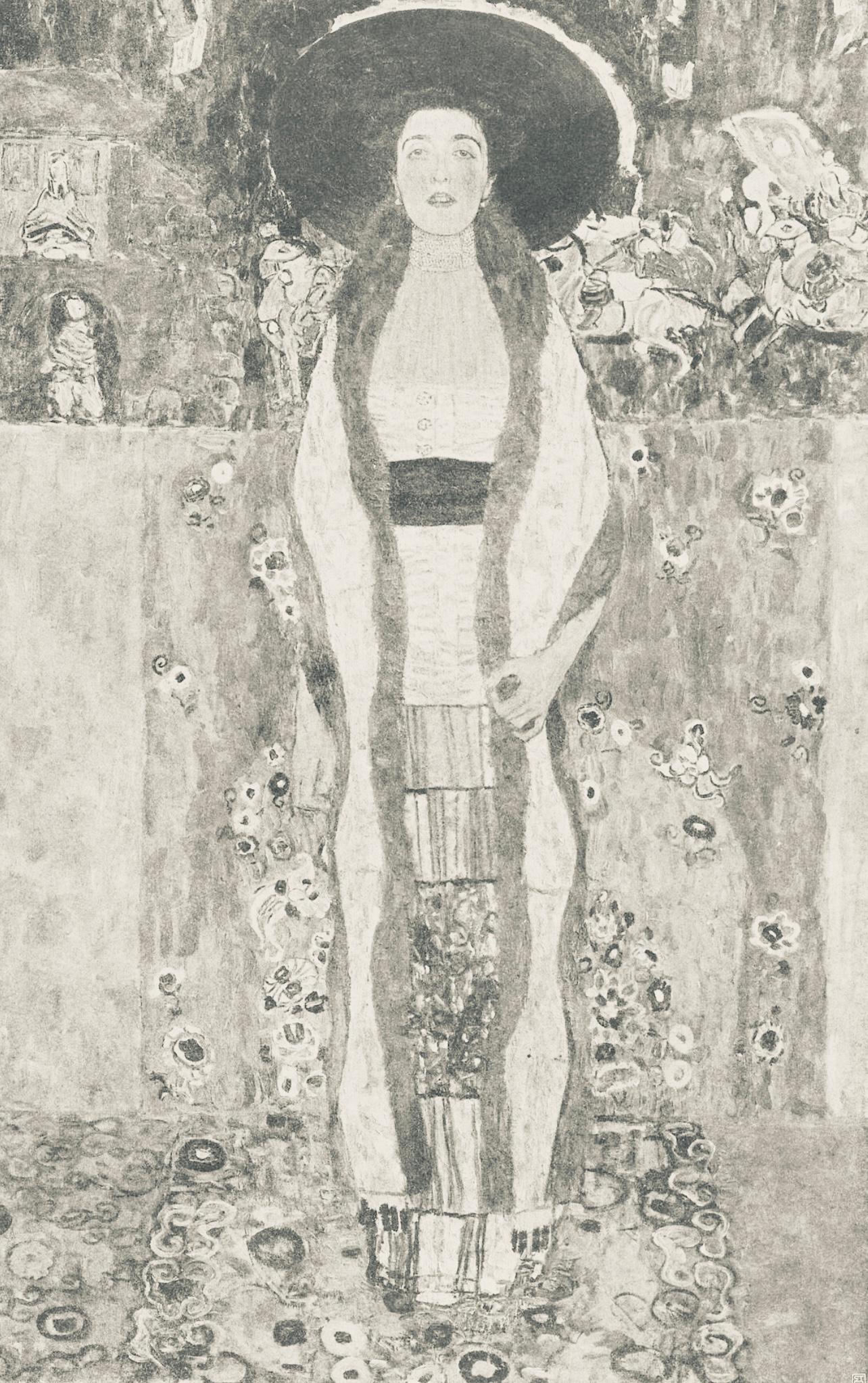
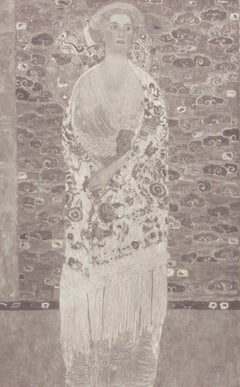
Gustav Klimt, Female Portrait, from The Work of Gustav Klimt, 1918 (after)
By Gustav Klimt
Located in Southampton, NY
This exquisite heliogravure and collotype after Gustav Klimt (1862–1918), titled Weibliches Bildnis (Female Portrait), from the folio Das Werk von Gustav Klimt (The Work of Gustav Kl...
Category
1910s Symbolist Figurative Prints
Materials
Lithograph
$23,996 Sale Price
20% Off
Free Shipping
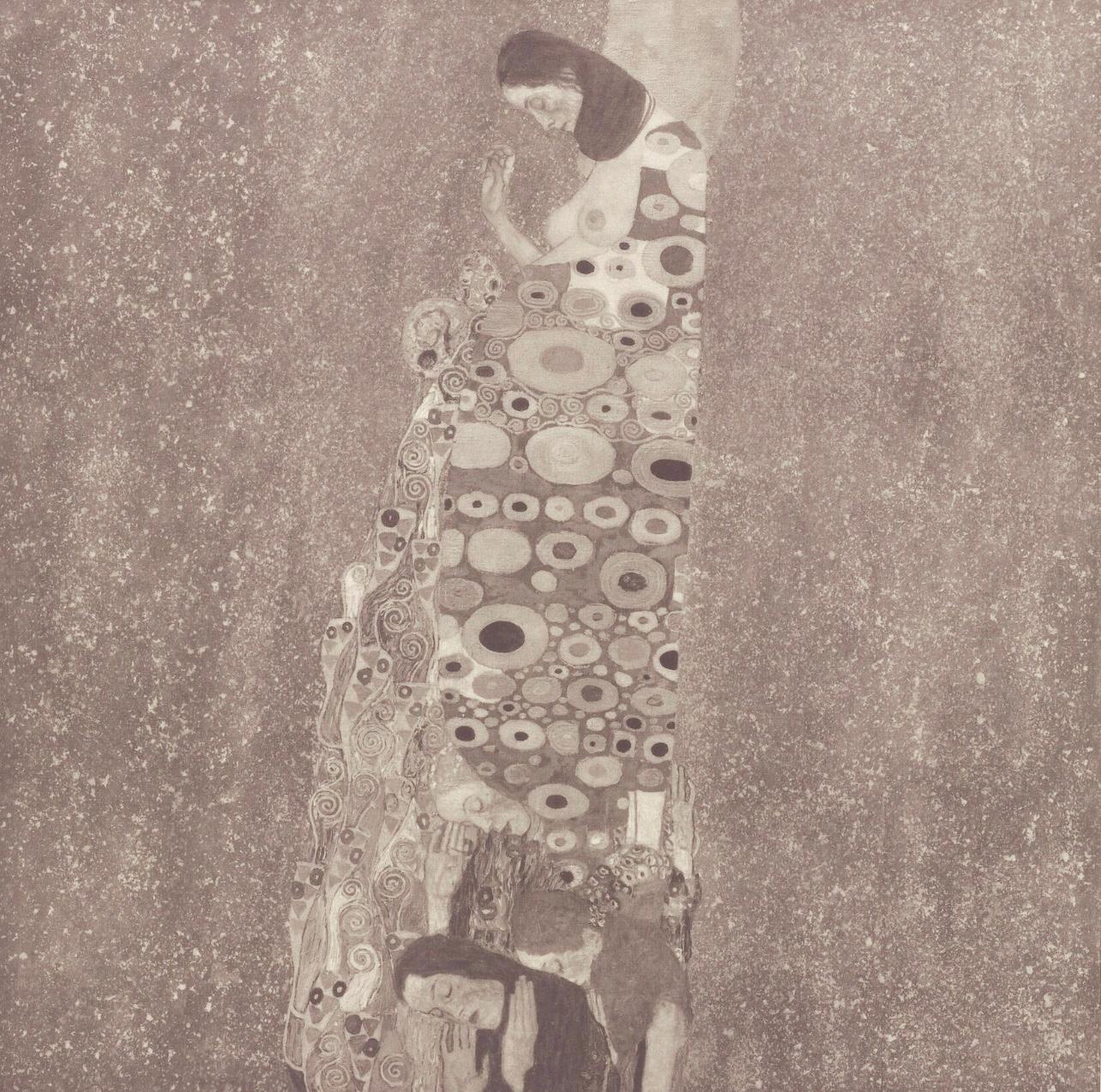
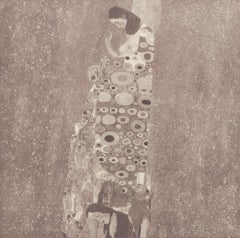
Gustav Klimt, Vision, from The Work of Gustav Klimt, 1918 (after)
By Gustav Klimt
Located in Southampton, NY
This exquisite heliogravure and collotype after Gustav Klimt (1862–1918), titled Vision (Vision), from the folio Das Werk von Gustav Klimt (The Work of Gustav Klimt), originates from...
Category
1910s Symbolist Figurative Prints
Materials
Lithograph
$23,996 Sale Price
20% Off
Free Shipping
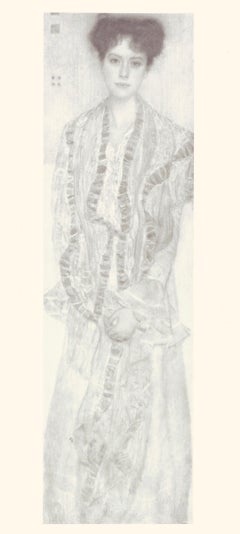
Gustav Klimt, Female Portrait, from The Work of Gustav Klimt, 1918 (after)
By Gustav Klimt
Located in Southampton, NY
This exquisite heliogravure and collotype after Gustav Klimt (1862–1918), titled Weibliches Bildnis (Female Portrait), from the folio Das Werk von Gustav Klimt (The Work of Gustav Kl...
Category
1910s Symbolist Figurative Prints
Materials
Lithograph
$23,996 Sale Price
20% Off
Free Shipping
Gustav Klimt, Female Portrait, from The Work of Gustav Klimt, 1918 (after)
By Gustav Klimt
Located in Southampton, NY
This exquisite heliogravure and collotype after Gustav Klimt (1862–1918), titled Weibliches Bildnis (Female Portrait), from the folio Das Werk von Gustav Klimt (The Work of Gustav Kl...
Category
1910s Symbolist Figurative Prints
Materials
Lithograph
$23,996 Sale Price
20% Off
Free Shipping
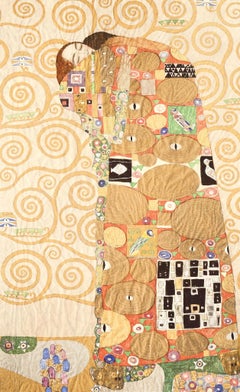
Gustav Klimt, The Embrace, Gustav Klimt, 1931 (after)
By Gustav Klimt
Located in Southampton, NY
This exquisite heliogravure and collotype with metallic inks after Gustav Klimt (1862–1918), titled Die Umarmung (The Embrace), from the folio Gustav Klimt, Eine Nachlese (Gustav Kli...
Category
1930s Symbolist Figurative Prints
Materials
Lithograph
You May Also Like
H.O. Miethke Das Werk folio "The Sisters" collotype print
By Gustav Klimt & K.K. Hof-und Staatsdruckerei
Located in Palm Beach, FL
DAS WERK GUSTAV KLIMTS, a portfolio of 50 prints, ten of which are multicolor collotypes on chine colle paper laid down on hand-made heavy cream wove paper with deckled edges; under each of the 50 prints is a gold signet intaglio printed on the cream paper each of which Klimt designed for the publication as unique and relating to its corresponding image; H.O. Miethke, Editor-Publisher; k.k. Hof-und Staatsdruckerei, Printer; printed in a limited edition of 300 numbered plus several presentation copies; Vienna, 1908-1914.
The idea of collaboration in the arts is anything but new; however it has so often been viewed and assessed as somehow devaluing the intrinsic worth of art. It’s as if it was a dirty secret to be hidden away. More so even than the eroticism explored by Klimt, which divided public opinion, the artistic avant-garde began to boldly flaunt artistic collaboration beginning in the 19th century- which gained steam in the first part of the 20th century- to become a driving vehicle of contemporary artistic creation. Viewed in this context, the folios of collotype prints published by H.O. Miethke in Vienna between 1908-1914 known as Das Werk Gustav Klimts, are important art documents worthy of as much consideration for their bold stand they take on established ways of thinking about artistic collaboration as they are for their breathtakingly striking images.
1908 is indeed a watershed moment in the history of art. To coincide with the 60th anniversary of the reign of Emperor Franz Joseph I, Kunstschau opened in Vienna in May of that year. It was there that Klimt delivered the inaugural speech. Speaking about the avant-garde group’s unifying philosophy of Gesamtkunstwerk, or the synthesis of the arts, Klimt shared his belief that the ideal means to bring artists and an audience together was via “work on major art projects.” It was at Kunstschau 1908 that Klimt first exhibited his most iconic painting, The Kiss, as well as The Sunflower, Water Snakes I and II and Danae. It was at Kunstschau 1908 that Das Werk Gustav Klimts was first available for purchase. Thanks to Galerie Miethke’s organization, Kunstschau 1908 was possible. Miethke’s pioneering art house had become Klimt’s exclusive art dealer and main promoter of his modernist vision. Paul Bacher and Carl Moll, a founding member with Klimt of the Vienna Secession, who all broke away during the rift in 1905, took stewardship of the gallery following the fallout with the Secession. Das Werk Gustav Klimts is a prime example of Miethke’s masterful and revolutionary approach to marketing art. Miethke’s innovative marketing strategy played to a penchant for exclusivity. The art gallery and publishing house utilized the press and art critics- such as Austria’s preeminent Art Historian, Hugo Haberfield, who became Director of the gallery in 1912- as a means of gaining publicity as well as maintaining effective public relations. Miethke used the grand exposition format to extend the art gallery’s market reach, cultivating their product’s prestige by stroking the egos of current art patrons while simultaneously creating accessibility for newcomers and others avid collectors to share a relative proximity to other wealthy and respected members of the art collecting community. Essentially, their approach paved the way for what is still the predominant means of marketing.
Between 1908 and 1914, H.O. Miethke published a total of 5 installments of print folios of Klimt’s painted work, each comprising 10 prints. The series was limited in availability to 300 and purchase was arranged through subscription. Each issue was presented unbound in a gold embossed black paper folder. Included in the folio was a Title Page, a Justification page and a Table of Contents page itemizing each of the 10 printed works with details about their corresponding painted works as well as information about each work’s current owner. These folios were not comprehensive of Klimt’s work; but rather, they feature what he believed were his most important paintings from 1898-1913. Only 2 collotypes in each folio were multicolored.
To punctuate the fact that Klimt, himself, was very much an active player in creating these printed works, he created square-shaped signets, unique to each collotype which were intaglio printed in gold ink at the bottom of the cream wove papers to which the chine collie papers were affixed.These signets relate thematically to their corresponding printed images and designate each of those images by their placement in the folio’s Table...
Category
Early 1900s Vienna Secession Figurative Prints
Materials
Archival Paper
H.O. Miethke Das Werk folio "The Family" collotype print
By Gustav Klimt & K.K. Hof-und Staatsdruckerei
Located in Palm Beach, FL
DAS WERK GUSTAV KLIMTS, a portfolio of 50 prints, ten of which are multicolor collotypes on chine colle paper laid down on hand-made heavy cream wove paper w...
Category
Early 1900s Vienna Secession Figurative Prints
Materials
Paper
H.O. Miethke Das Werk folio "The Hope II" collotype print
By Gustav Klimt & K.K. Hof-und Staatsdruckerei
Located in Palm Beach, FL
DAS WERK GUSTAV KLIMTS, a portfolio of 50 prints, ten of which are multicolor collotypes on chine colle paper laid down on hand-made heavy cream wove paper with deckled edges; under ...
Category
Early 1900s Vienna Secession Figurative Prints
Materials
Paper
Sketch for a Frieze - Original Collotype Print - 1919
By (after) Gustav Klimt
Located in Roma, IT
Sketch for a Frieze is a vintage, beautiful, and rare collotype from “Gustav Klimt: Fünfundzwanzig Handzeichnungen”, a limited-edition collection of 25 monochrome and two-color collotypes after drawings by Gustav Klimt.
Published by Gilhofer and Ranschburg, Vienna, July 1919, just one year after Klimt...
Category
1910s Modern Portrait Prints
Materials
Black and White
H.O. Miethke Das Werk folio "Death and Life" collotype print
By Gustav Klimt & K.K. Hof-und Staatsdruckerei
Located in Palm Beach, FL
DAS WERK GUSTAV KLIMTS, a portfolio of 50 prints, ten of which are multicolor collotypes on chine colle paper laid down on hand-made heavy cream wove paper with deckled edges; under ...
Category
Early 1900s Vienna Secession Figurative Prints
Materials
Paper

Max Eisler Eine Nachlese folio "Girlfriends II" collotype print
By (after) Gustav Klimt
Located in Palm Beach, FL
After Gustav Klimt, Max Eisler #1, Die Freundinnen II; multi-color collotype after 1916/17 painting in oil on canvas which was destroyed by fire in May 1945 at Immendorf Castle Lower Austria.
Eisler’s choice to begin his 1931 portfolio of works by Klimt with Girlfriends II was both bold and prescient. Just 14 years later, the painting was tragically destroyed in a fire. With such a loss, this rare and exquisite image is all the more valuable by virtue of having been made in color. In works from his late period, Klimt continued his fascination with exploring female dynamics and their various forms of love. Girlfriends II is a fine example of how space, color and ornament play a noticeable role in the evolution of his symbolic language. Wide swaths of space in the background as well as the two female forms create the structure. Klimt’s strong brushstrokes show a painterly quality and a new move toward abstraction which feels very far away from his earlier work. Nor should Klimt’s economy of line be overlooked. His draughtsmanship is what infuses the female bodies with movement, emotion and a profundity of life. Both women confront the viewer’s gaze unselfconsciously, as if they are modern-day Viennese women stepping out of a Klimtesque ukiyo-e print. Characteristic of this late period, Klimt uses ornament...
Category
1930s Vienna Secession Figurative Prints
Materials
Paper