Items Similar to ANDROMEDA 1859

Want more images or videos?
Request additional images or videos from the seller
1 of 7
Zannoni UgoANDROMEDA 18591859
1859
$30,883.86
£23,151.31
€26,000
CA$42,704.66
A$46,479.03
CHF 24,836.74
MX$561,289.42
NOK 312,136.98
SEK 290,323.71
DKK 198,116.86
About the Item
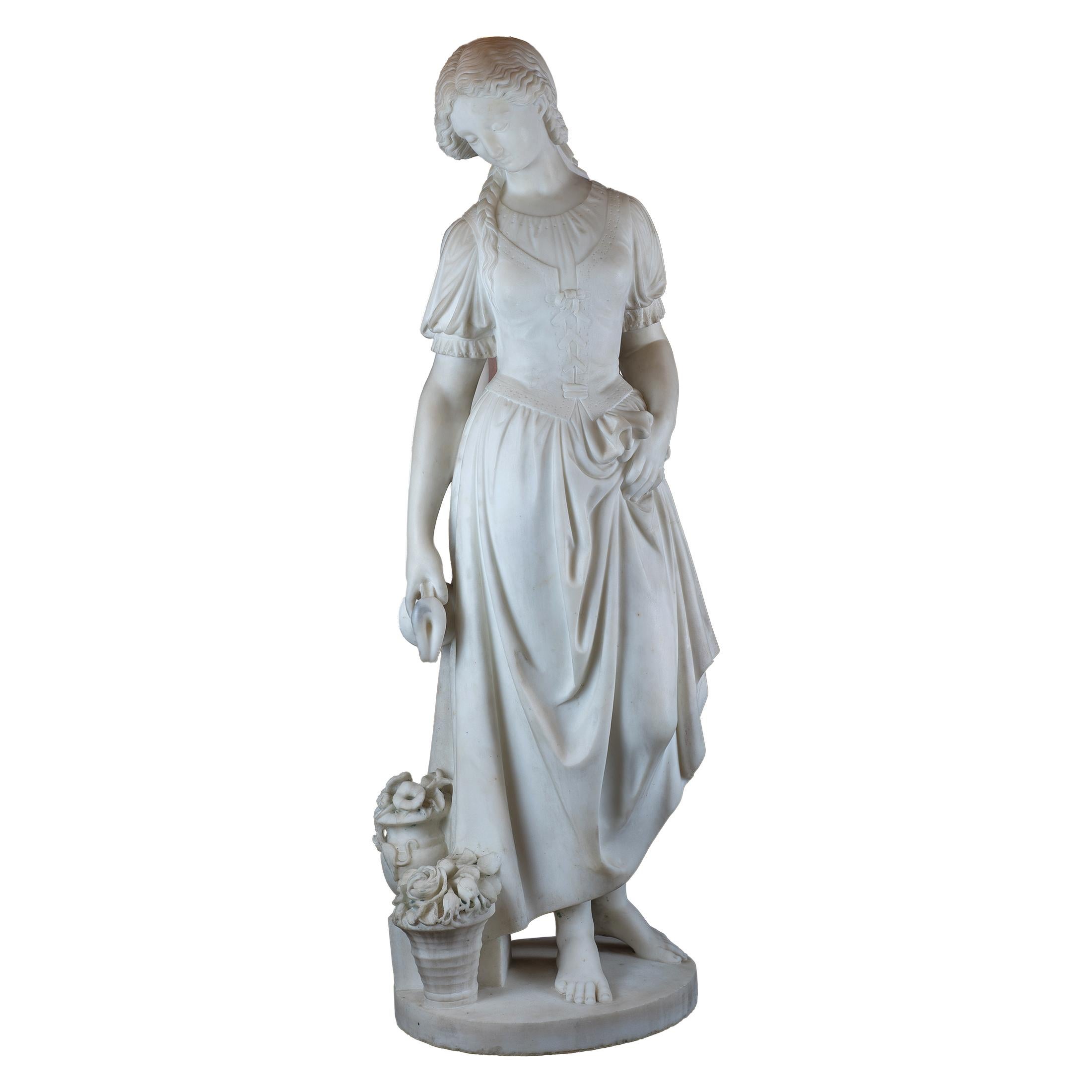
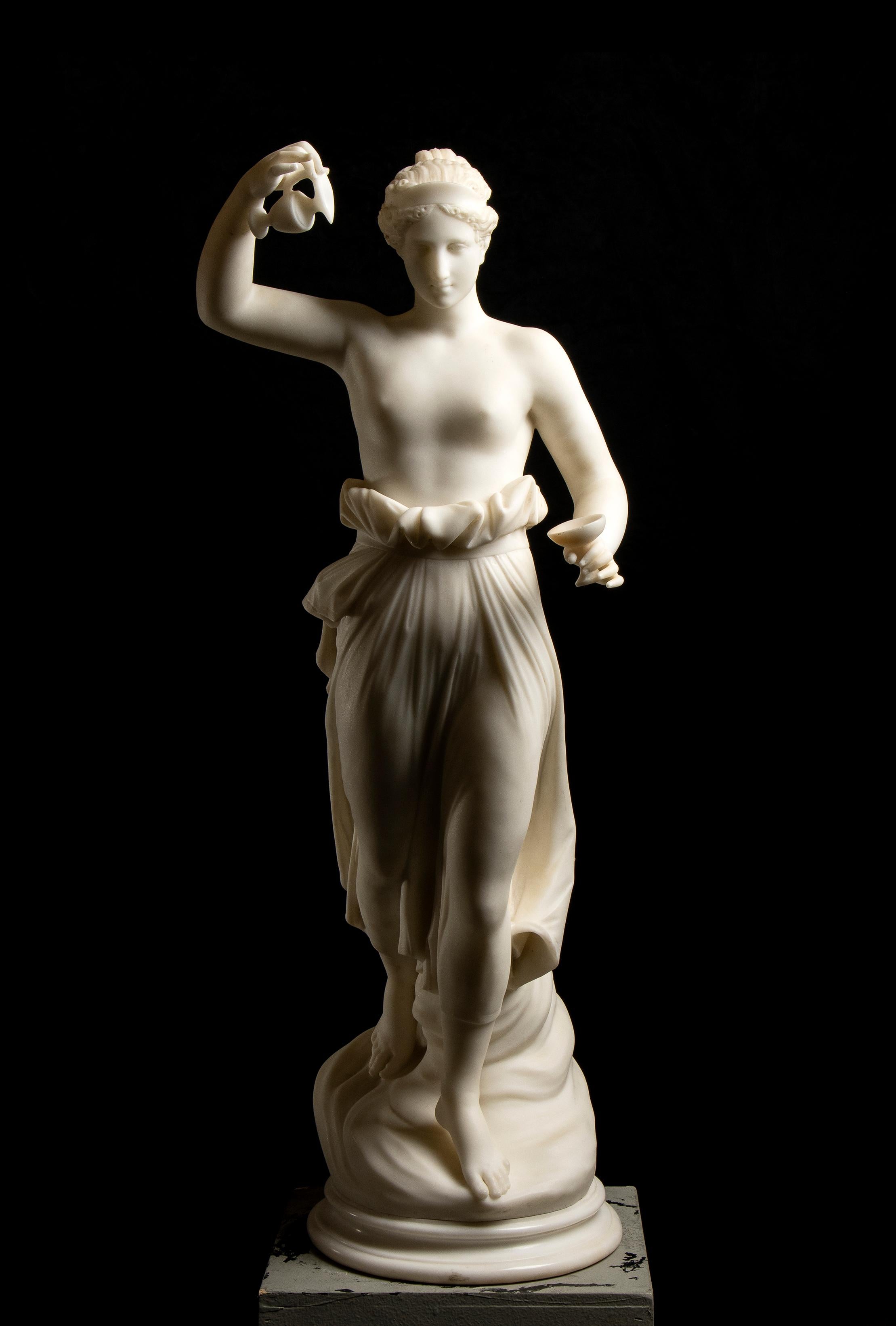
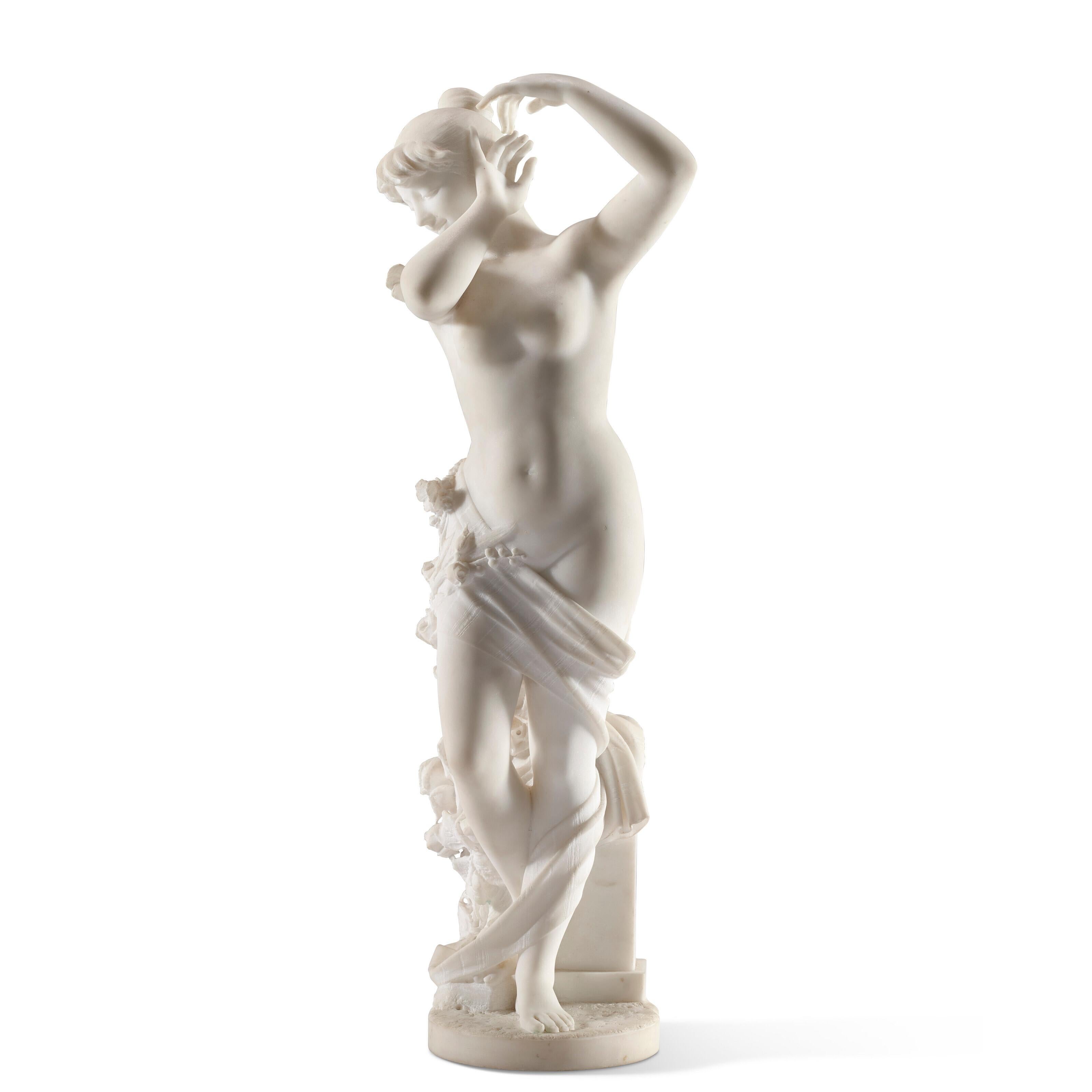
Andromeda, 1859, statue by Ugo Zannoni (1836-1919),
Palazzo Spinola, Milan, Lombardy, Italy.
- Creator:Zannoni Ugo (1836 - 1919, Italian)
- Creation Year:1859
- Dimensions:Height: 25.6 in (65 cm)Width: 17.72 in (45 cm)Depth: 17.72 in (45 cm)
- Medium:
- Movement & Style:
- Period:
- Condition:
- Gallery Location:Padova, IT
- Reference Number:1stDibs: LU2918217293602
About the Seller
New to 1stDibs
Joined in the past six months.
No Reviews Yet
Vetted Professional Seller
Every seller passes strict standards for authenticity and reliability
1stDibs seller since 2025
- ShippingRetrieving quote...Shipping from: Padova, Italy
- Return Policy
More From This Seller
View AllL' AMICO FERITO
Located in Padova, IT
He was a very active sculptor who gained considerable fame; he died in 1879 at the age of only 50, mourned by all. Having no heirs, he left his estate to the Brera Academy and his mo...
Category
1870s Italian School Figurative Sculptures
Materials
Marble
PRIMI FIORI
Located in Padova, IT
He was a very active sculptor who gained considerable fame; he died in 1879 at the age of only 50, mourned by all. Having no heirs, he left his estate to the Brera Academy and his mo...
Category
Mid-19th Century Italian School Figurative Sculptures
Materials
Marble
Portrait of a Lady
By Giovanni Boldini
Located in Padova, IT
GIOVANNI BOLDINI
(FERRARA 1842–1931 PARIS)
Profilo di Giovane Seduta 1915 circa
Expertise by Prof. Dini ( see photo attached)
oil on panel
cm 35 x 26,8
Category
1910s Italian School Portrait Paintings
Materials
Oil Crayon, Wood Panel

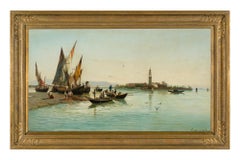
Venetian Lagoon
Located in Padova, IT
Amazing painting
perfect condition.
Venetian Lagoon made by Gavagnin 1886
original frame
Category
1870s Italian School Landscape Paintings
Materials
Oil
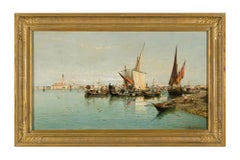
Bacino San Marco Venice
Located in Padova, IT
Amazing painting
perfect condition.
Venetian Lagoon made by Natale Gavagnin 1886
original frame
Category
1870s Italian School Landscape Paintings
Materials
Oil
VENICE GRAN CANAL
Located in Padova, IT
Josef Carl Berthold Püttner (Planá, 26 luglio 1821 – Bad Vöslau, 29 luglio 1881), noto pittore paesaggista e marino austriaco.
Biografia
Püttner iniziò ufficialmente la sua carrier...
Category
1850s Landscape Paintings
Materials
Oil, Canvas

You May Also Like
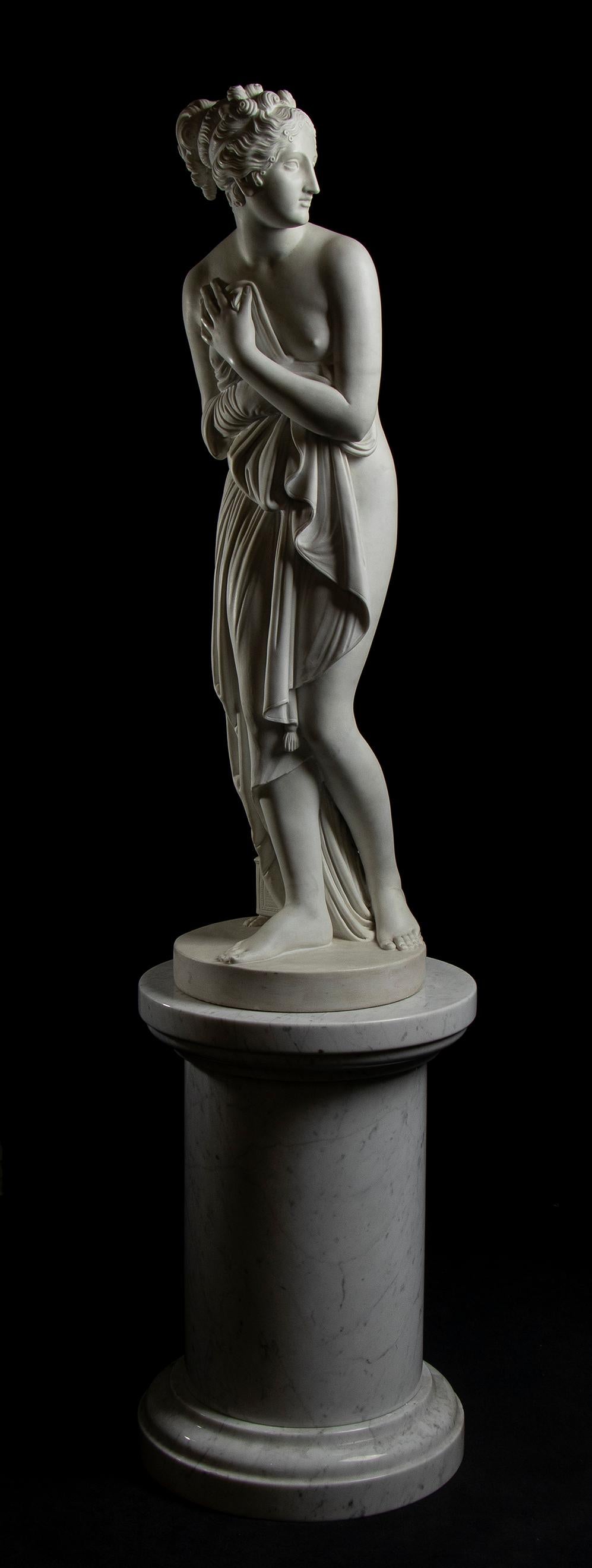
Antonio Canova (After) Marble Sculpture Of Venus Italica On Marble Base
By Antonio Canova
Located in Roma, IT
a superb scale size of the Venere italica, the famous and notable sculpture carved by Antonio Canova in the 19th century standing on circular Carrara marble base.
At the top of his ...
Category
19th Century Other Art Style Figurative Sculptures
Materials
Marble
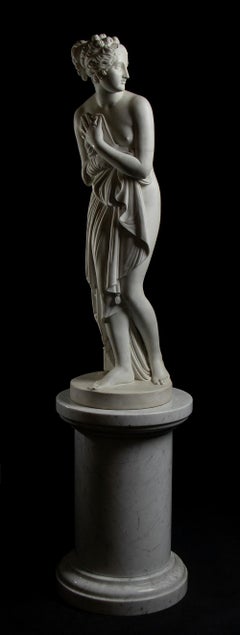
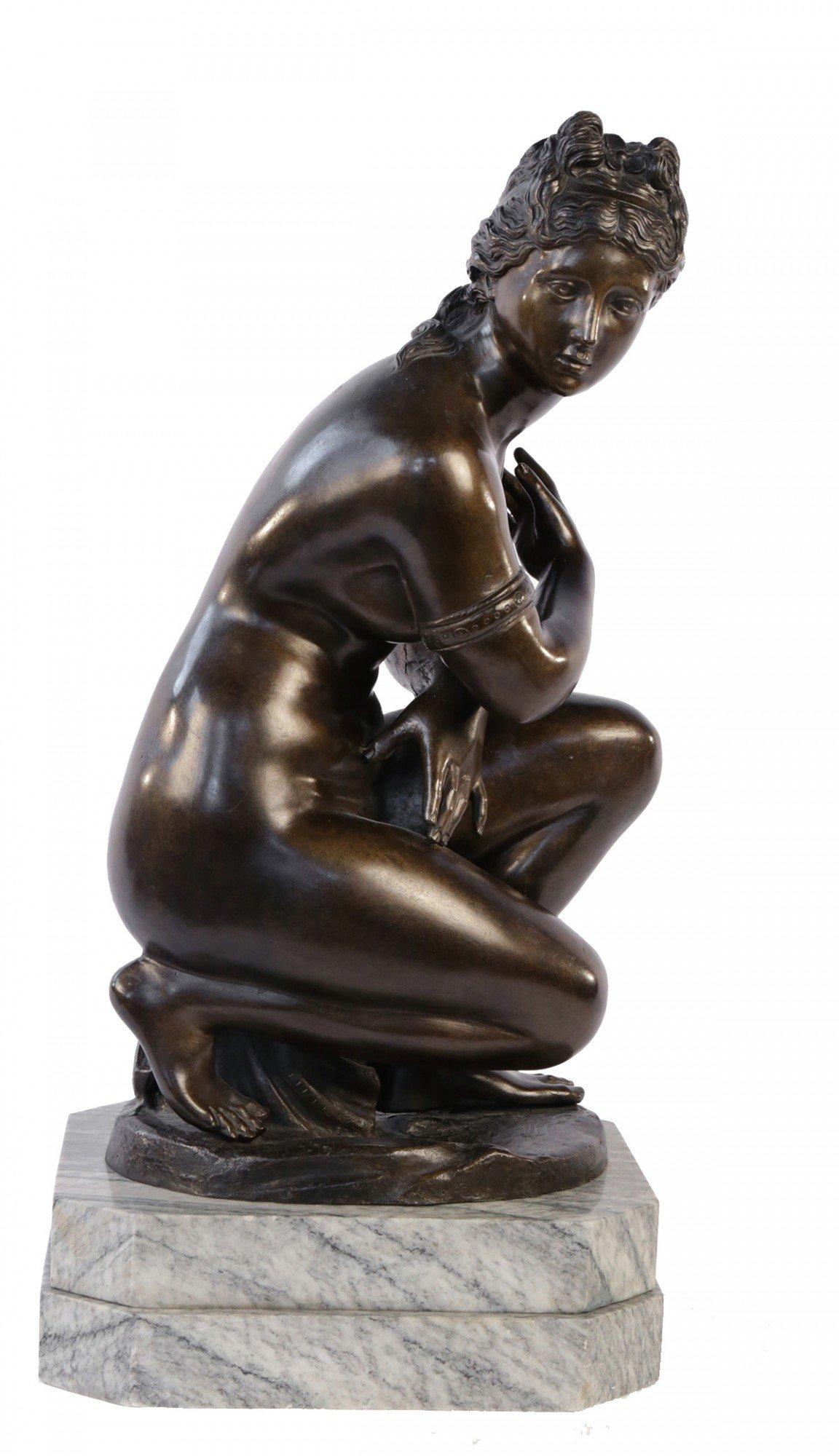
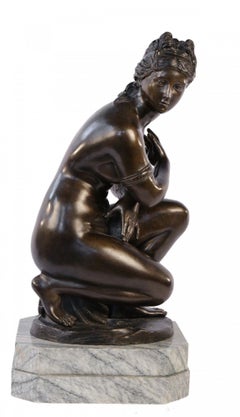
Figure of Crouching Venus/Naked Aphrodite, 19th Century Italian School Sculpture
Located in Beachwood, OH
Bronze Figure of Crouching Venus, or The Naked Aphrodite, 19th Century Italian School
Bronze raised on a marble base
21 in. h. x 10 in. w. x 7 in. d., overall
18 in. h. x 8.5 in. w....
Category
19th Century Figurative Sculptures
Materials
Marble, Bronze
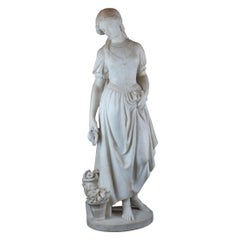
Italian Marble Sculpture Statue of a Young Beauty
By Giuseppe Gambogi
Located in New York, NY
Attributed to G. GAMBOGI, Italian (FL. LATE 19TH / EARLY 20TH C.)
Origin: Italian
Date: Late 19th century
Dimension: 42 in. x 15 in.
Category
19th Century Figurative Sculptures
Materials
Marble
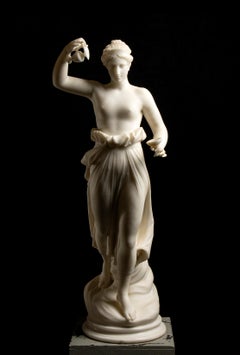
Antonio Canova Ebe Aprés Ebe White Marble Sculpture 19th Century Italian
By Antonio Canova
Located in Roma, IT
An important grand tour Antonio Canova Ebe (Aprés), carved in white marble by an Italian sculptor artist in the 19th century from a block of white marble.
The work depicts the go...
Category
19th Century Other Art Style Figurative Sculptures
Materials
Marble
$29,102 Sale Price
30% Off
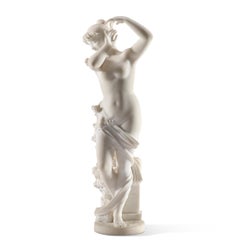
Allegory Of Spring
By Pietro Barzanti
Located in New York, NY
PIETRO BARZANTI
Italian, 1825-1895
Allegory Of Spring
Signed ‘P. Milanes/Galleria/P.Bazzanti/Florence.’
Carved White Italian marble circa 19TH C...
Category
Late 19th Century Figurative Sculptures
Materials
Marble
NYDIA, THE BLIND FLOWER GIRL OF POMPEII Marble Sculpture 1856-1870
Located in Soquel, CA
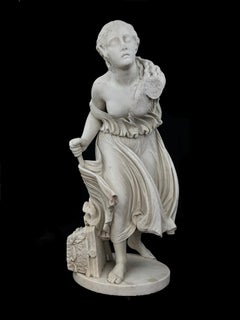
Randolph John Rogers (American, 1825 - 1892) Randolph Rogers' Nydia, the Blind Flower Girl of Pompeii debuted in 1856 to critical and public acclaim, solidifying Rogers’ position as a pre-eminent American sculptor and it remains one of the artist’s most celebrated works today. The subject of Nydia is drawn from Edward Bulwer-Lytton's The Last Days of Pompeii 1834. After touring the ruins of the ancient city in 1833, and inspired by the stories of blinding volcanic ash, he composed the tale of Nydia, a slave who led her master, Glaucus, to safety. Rogers depicts Nydia at the moment that she and Glaucus have become separated in their perilous journey through the rubble and Nydia seeks familiarity in the surrounding chaos, her distress evident in her pained expression. The grace of the sculpture is at odds with the turmoil portrayed; a toppled Corinthian capital lies at her feet and obstructs her next step, indicated by the tilt of her back foot and grip on her walking stick. Examples of this model can be found in major American collections, including The Metropolitan Museum of Art, the Art Institute of Chicago, the Detroit Institute of Arts, the Los Angeles County Museum of Art, and the Museum of Fine Arts, Boston.
Literature, Millard F Rogers, Jr. Randolph Rogers, American Sculptor in Rome. University of Massachusetts Press, 1971, American Figurative Sculpture in the Museum of Fine Arts Boston. Museum of Fine Arts, Boston, 1986. Joyce K Schiller. "Nydia, A Forgotten Icon of the Nineteenth Century." Bulletin of the Detroit Institute of Arts,
Born in Waterloo, New York, Randolph John Rogers became an expatriate* sculptor of idealized figures, portraits, and commemorative works in Neo-Classical* and Realist* styles. He worked in clay, plaster, marble and bronze, and lived both in Italy and the United States. He made 167 examples of Nydia in two sizes (varies depending on base height) 36" and 54'.
Rogers was raised in Ann Arbor, Michigan, and as a young man did woodcuts* for the local newspaper, The Michigan Argus, and also worked as a baker's assistant and a dry goods clerk. In 1847, he moved to New York City, where he hoped to find work as an engraver*, but failing to do so, worked in a dry goods store owned by John Steward...
Category
1850s Italian School Figurative Sculptures
Materials
Marble