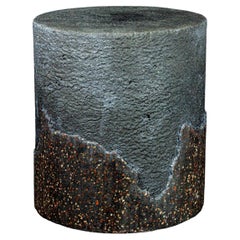
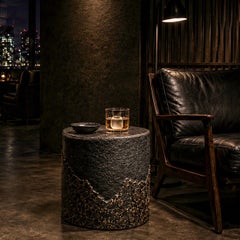
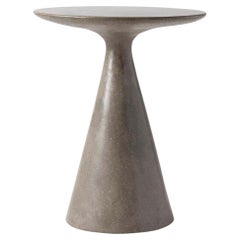
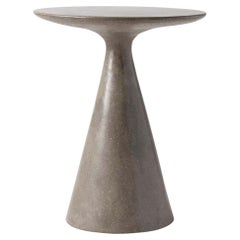
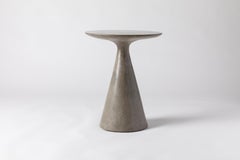
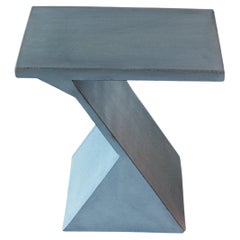
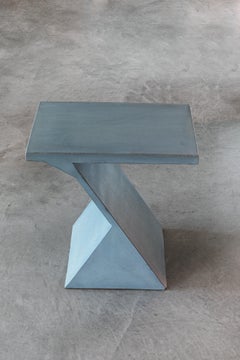
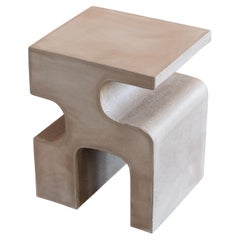
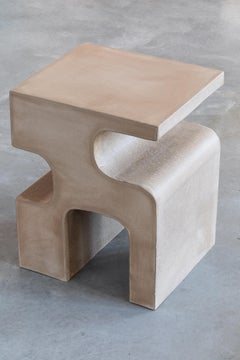
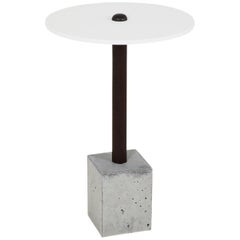
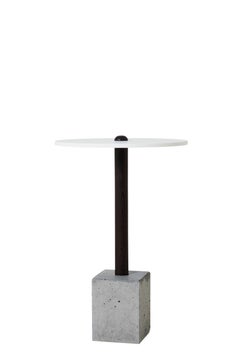
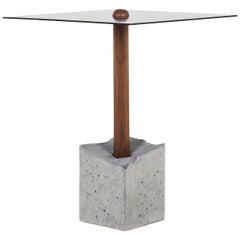
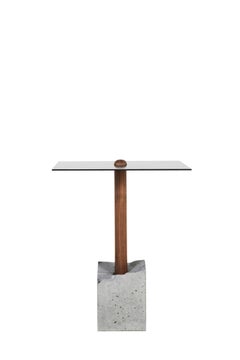
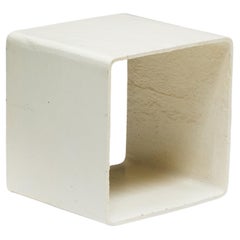
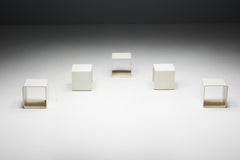
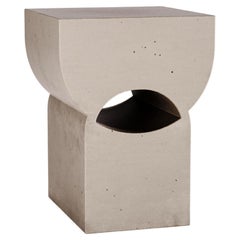
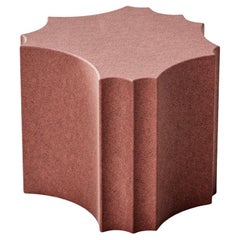
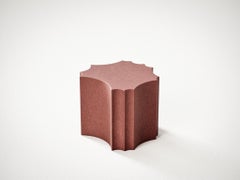
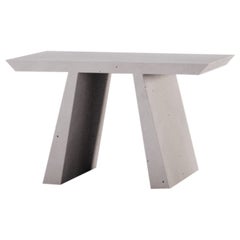
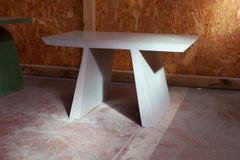
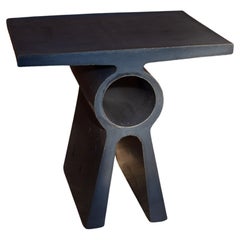
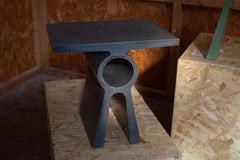
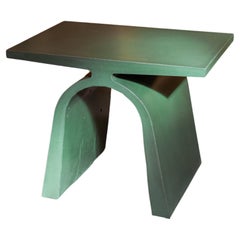
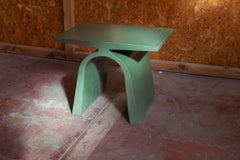
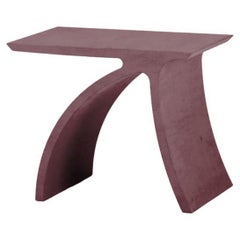
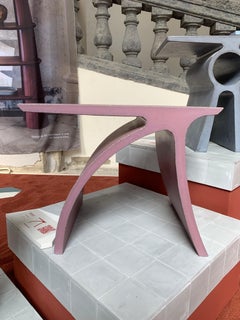
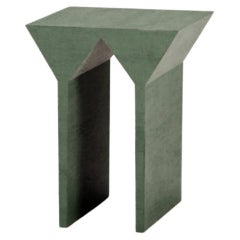
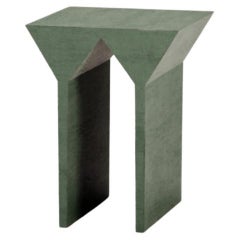
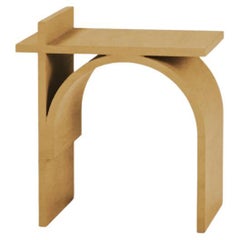
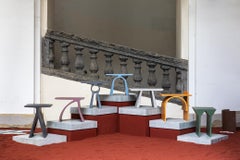
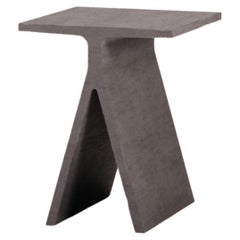
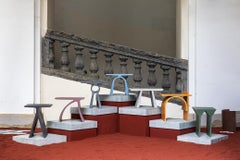
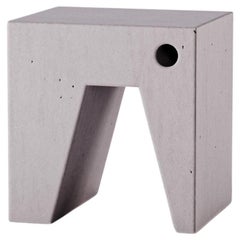
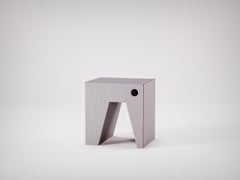
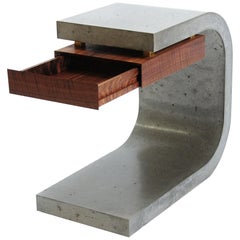
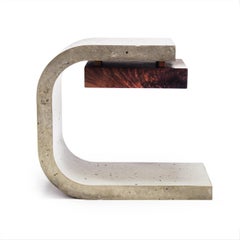
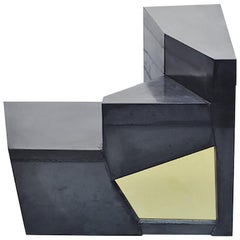
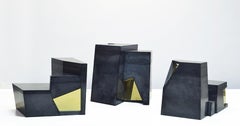
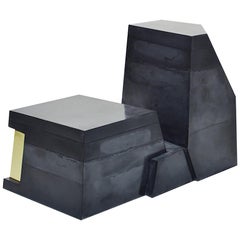
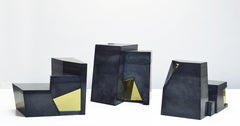
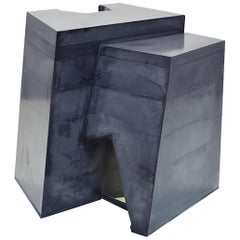
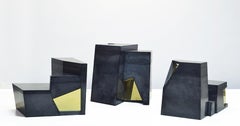
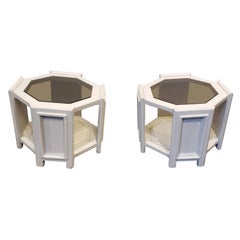
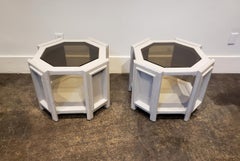
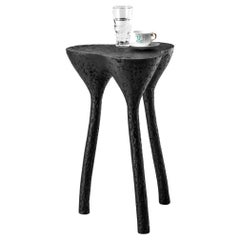
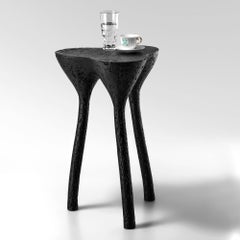
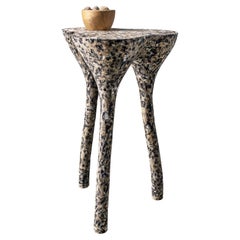
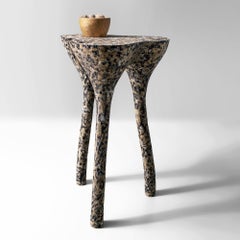
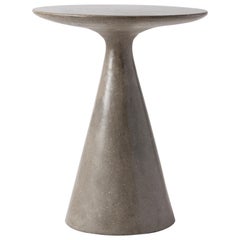
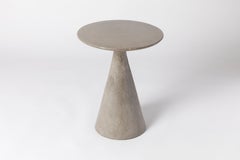
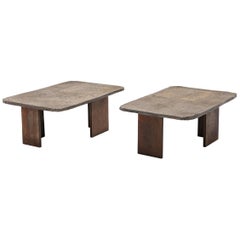
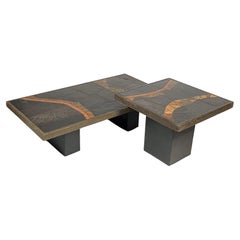
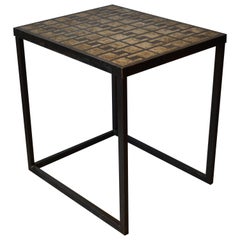
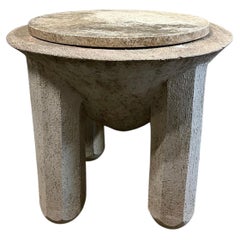
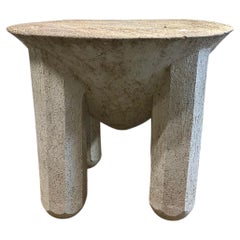
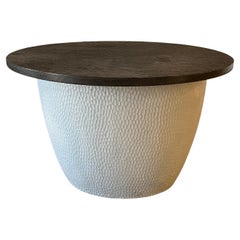
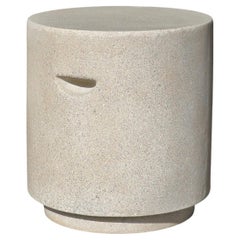
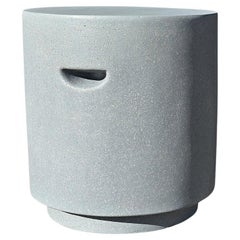
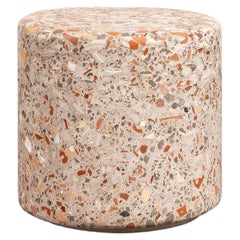
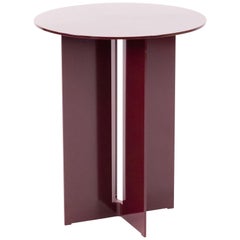
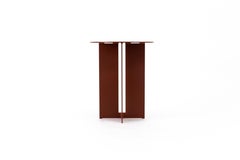
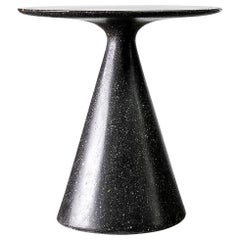
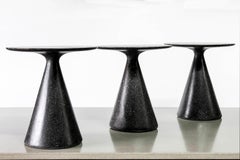
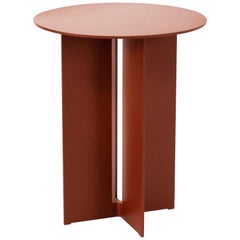
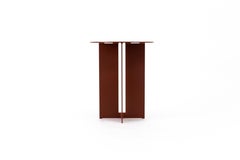
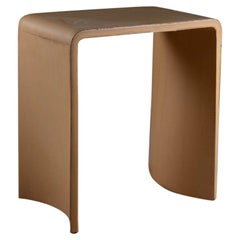
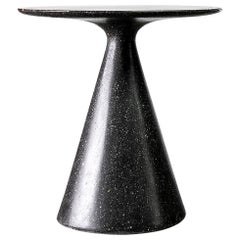
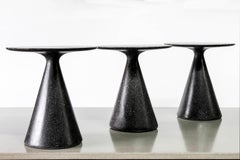
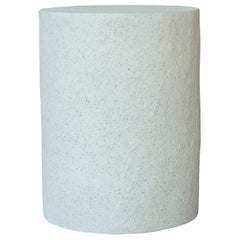
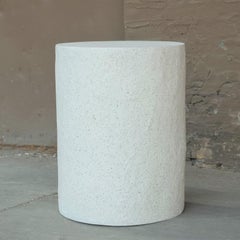
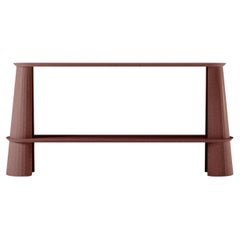
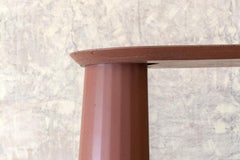
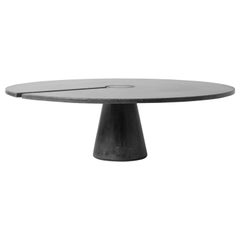
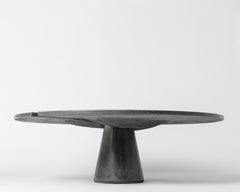
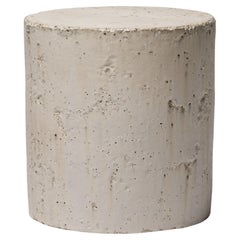
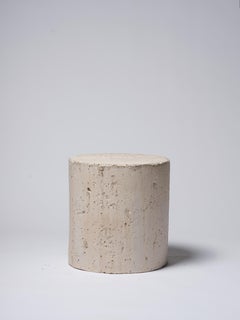
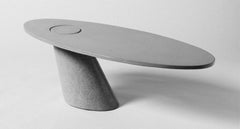
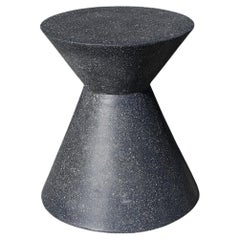
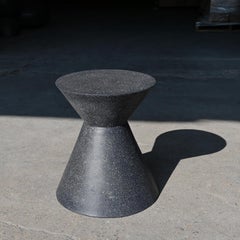
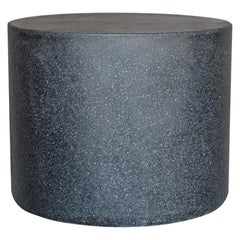
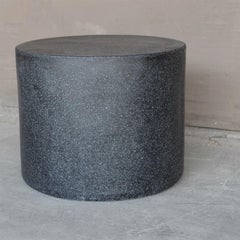
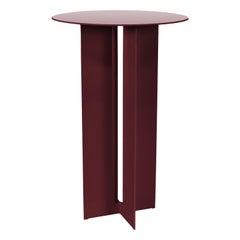
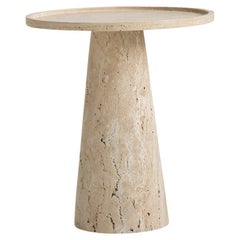
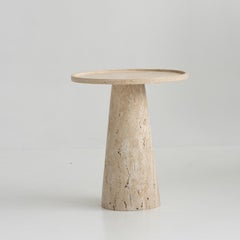
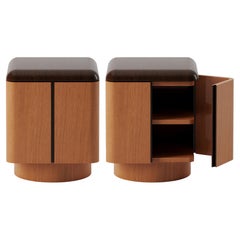
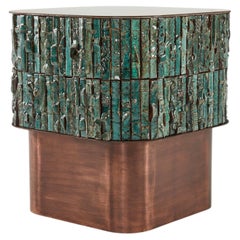
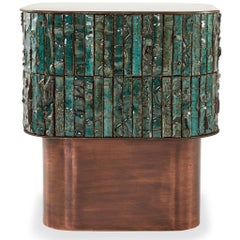
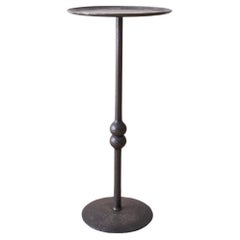
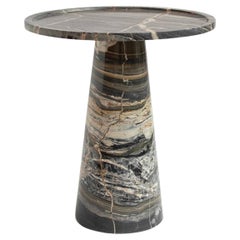
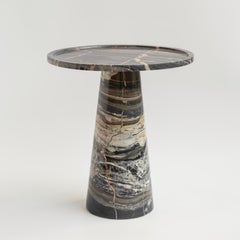
At 1stDibs, there are many versions of the ideal brutalist concrete side table for your home. A brutalist concrete side table — often made from
cast stone,
stone and
concrete — can elevate any home. If you’re shopping for a brutalist concrete side table, we have 5 options in-stock, while there are 7 modern editions to choose from as well. There are many kinds of the brutalist concrete side table you’re looking for, from those produced as long ago as the 20th Century to those made as recently as the 21st Century. A brutalist concrete side table is a generally popular piece of furniture, but those created in
Industrial styles are sought with frequency. Many designers have produced at least one well-made brutalist concrete side table over the years, but those crafted by
Paul Kingma,
Stefan Rurak and
James de Wulf are often thought to be among the most beautiful.
The design of brutalist furniture encompasses that which is crafted, hewn and worked by hand — an aesthetic rebuke (or, at least, a counterpoint) to furniture that is created using 21st-century materials and technology. Lately, the word “brutalist” has been adopted by the realms of furniture design and the decorative arts to refer to chairs, cabinets, tables and accessory pieces such as mirror frames and lighting that are made of rougher, deeply textured metals and other materials that are the visual and palpable antithesis of the sleek, smooth and suave.
ORIGINS OF BRUTALIST FURNITURE DESIGN
CHARACTERISTICS OF BRUTALIST FURNITURE DESIGN
- Use of industrial materials — tubular steel, concrete, glass, granite
- Prioritizes functionalism, minimalism and utilization of negative space
- Spare silhouettes, pronounced geometric shapes
- Stripped-down, natural look; rugged textures, modular construction
- Interiors featuring airy visual flow and reliance on neutral palettes
BRUTALIST FURNITURE DESIGNERS TO KNOW
VINTAGE BRUTALIST FURNITURE ON 1STDIBS
The term brutalism — which derives from the French word brut, meaning “raw” — was coined by architecture critic Reyner Banham to describe an architectural style that emerged in the 1950s featuring monumental buildings, usually made of unornamented concrete, whose design was meant to project an air of strength and solidity.
Le Corbusier essentially created the brutalist style; its best-known iterations in the United States are the Whitney Museum of American Art, which was designed by Marcel Breuer, and Paul Rudolph's Yale Art and Architecture Building. The severe style might have been the most criticized architectural movement of the 20th century, even if it was an honest attempt to celebrate the beauty of raw material. But while the brutalist government buildings in Washington, D.C., seemingly bask in their un-beauty, brutalist interior design and decor is much more lyrical, at times taking on a whimsical, romantic quality that its exterior counterparts lack.
Paul Evans is Exhibit A for brutalist furniture design. His Sculpture Front cabinets laced with high-relief patinated steel mounts have become collector's items nonpareil, while the chairs, coffee table and dining table in his later Cityscape series and Sculpted Bronze series for Directional Furniture are perhaps the most expressive, attention-grabbing pieces in American modern design. Other exemplary brutalist designers are Silas Seandel, the idiosyncratic New York furniture designer and sculptor whose works in metal — in particular his tables — have a kind of brawny lyricism, and Curtis Jere, a nom-de-trade for the California team of Curtis Freiler and Jerry Fels, the bold makers of expressive scorched and sheared copper and brass mirror frames and wall-mounted sculptures.
Brutalist furniture and sculptures remain popular with interior designers and can lend unique, eccentric, human notes to an art and design collection in any home.
Find authentic vintage brutalist chairs, coffee tables, decorative objects and other furniture on 1stDibs.
The right vintage, new or antique tables can help make any space in your home stand out.
Over the years, the variety of tables available to us, as well as our specific needs for said tables, has broadened. Today, with all manner of these must-have furnishings differing in shape, material and style, any dining room table can shine just as brightly as the guests who gather around it.
Remember, when shopping for a dining table, it must fit your dining area, and you need to account for space around the table too — think outside the box, as an oval dining table may work for tighter spaces. Alternatively, if you’ve got the room, a Regency-style dining table can elevate any formal occasion at mealtime.
Innovative furniture makers and designers have also redefined what a table can be. Whether it’s an unconventional Ping-Pong table, a brass side table to display your treasured collectibles or a Louis Vuitton steamer trunk to add an air of nostalgia to your loft, your table can say a lot about you.
The visionary work of French designer Xavier Lavergne, for example, includes tables that draw on the forms of celestial bodies as often as they do aquatic creatures or fossils. Elsewhere, Italian architect Gae Aulenti, who looked to Roman architecture in crafting her stately Jumbo coffee table, created clever glass-topped mobile coffee tables that move on bicycle tires or sculpted wood wheels for Fontana Arte.
Coffee and cocktail tables can serve as a room’s centerpiece with attention-grabbing details and colors. Glass varieties will keep your hardwood flooring and dazzling area rugs on display, while a marble or stone coffee table in a modern interior can showcase your prized art books and decorative objects. A unique vintage desk or writing table can bring sophistication and even a bit of spice to your work life.
No matter your desired form or function, a quality table for your living space is a sound investment. On 1stDibs, browse a collection of vintage, new and antique bedside tables, mid-century end tables and more .