Clarence H Carter For Sale on 1stDibs
Surely you’ll find the exact clarence h carter you’re seeking on 1stDibs — we’ve got a vast assortment for sale. You can easily find an example made in the
Abstract style, while we also have 10
Abstract versions to choose from as well. When looking for the right clarence h carter for your space, you can search on 1stDibs by color — popular works were created in bold and neutral palettes with elements of
gray,
blue,
black and
brown. Artworks like these — often created in
screen print,
paint and
watercolour — can elevate any room of your home. If space is limited, you can find a small clarence h carter measuring 16 high and 14.75 wide, while our inventory also includes works up to 75.5 across to better suit those in the market for a large clarence h carter.
How Much is a Clarence H Carter?
A clarence h carter can differ in price owing to various characteristics — the average selling price for items in our inventory is $750, while the lowest priced sells for $395 and the highest can go for as much as $48,000.
Clarence Holbrook Carter for sale on 1stDibs
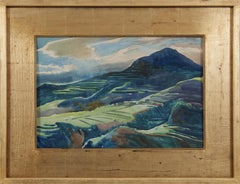
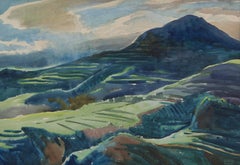
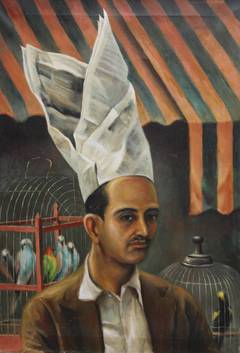
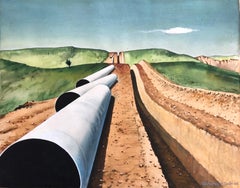
Clarence Holbrook Carter achieved a level of national artistic success that was nearly unprecedented among Cleveland School artists of his day, with representation by major New York dealers, scores of awards and solo exhibits, and streams of praise flowing from pens of the top art critics. Over the course of his 60+ year career Carter evolved from an exceptionally fine American Scene painter capable of evoking deep reservoirs of mood, into an abstractionist with a strongly surrealist bent.
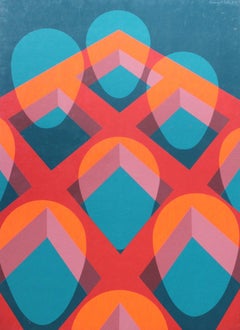
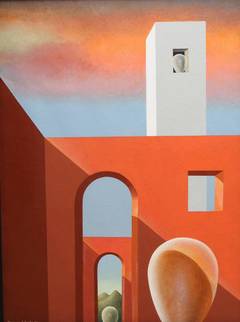
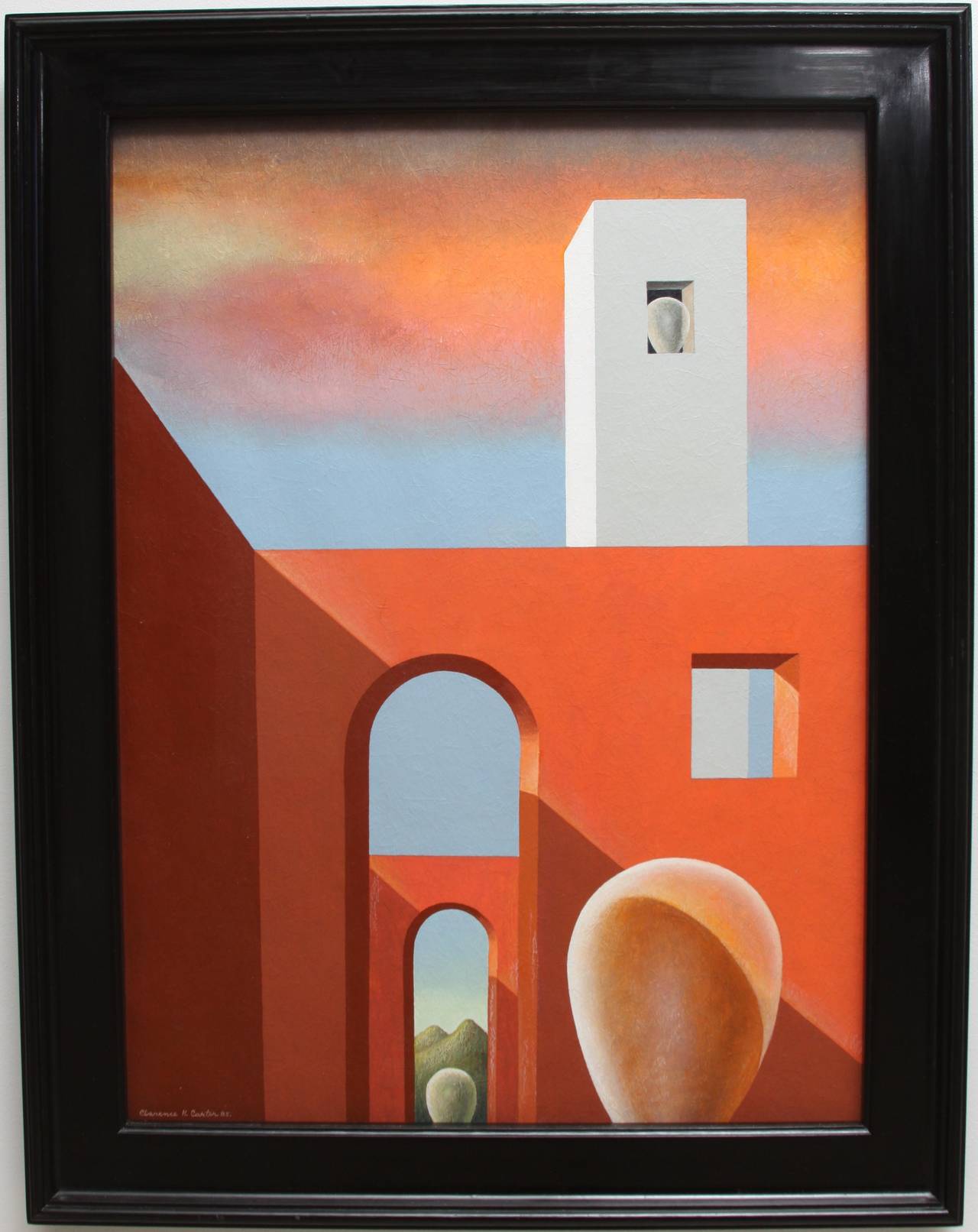
While his two bodies of work seem at first to be worlds apart, owing to their different formal vocabularies, they, in fact, explore virtually the same subject: the nexus between life and death and the transition from earth to spirit. The early work finds its expressive power through specific people, events, and landscapes—most of which are drawn from his experiences growing up in the river town of Portsmouth, Ohio—while the later work from the 1960s on evokes potent states of being through pure flat shape, color and form that read as universals. As his primary form he adopted the ovoid or egg shape, endowing it with varying degrees of transparency. Alone or in multiples, the egg moves through Carter’s landscapes and architectural settings like a sentient spirit on a restless quest.
Born and raised in southern Ohio along the banks of the mercurial Ohio River and its treacherous floods, Carter developed a love of drawing as a child, and was encouraged by both his parents. He was self-directed, found inspiration all around him, and was strongly encouraged by the fact that his teenage work consistently captured art prizes in county and state fairs. Carter studied at the Cleveland School of Art from 1923-27, where he trained under painters Henry Keller, Frank Wilcox and Paul Travis.
Returning to Cleveland in 1929, Carter had his first solo show, and through Milliken taught studio classes at the Cleveland Museum of Art from 1930-37. In 1938, he moved to Pittsburgh to teach at the Carnegie Institute of Technology until 1944. Carter’s American Scene paintings of the ’30s and ’40s, which launched his artistic star, are the works for which the artist remains best known.
During and immediately after World War II, Clarence Carter realized his attraction to bold pattern, dramatic perspective and eye-catching hard-edged design was a poor fit with the prevailing style of Abstract Expressionism. Fortunately, these same hallmarks of his style were prized within the realm of commercial art.
Around 1964 Carter acknowledged a need to break from the confines of representational painting. Once Carter had found a potent symbol in the egg, he used it to create an astounding body of imagery for the rest of his life. Among the most ambitious of all his later paintings were his Transections, a theological term meaning to cross, specifically between life and death.