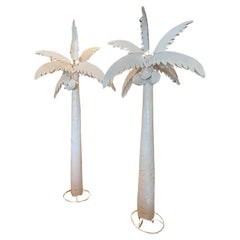
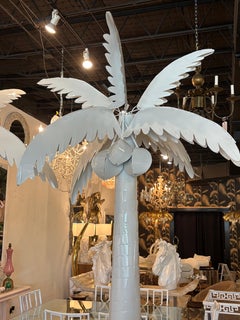
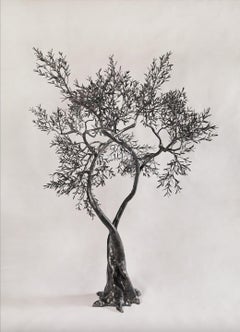
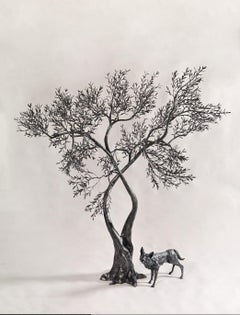
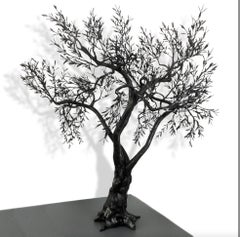
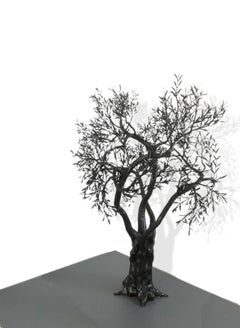
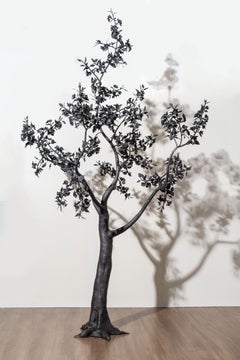
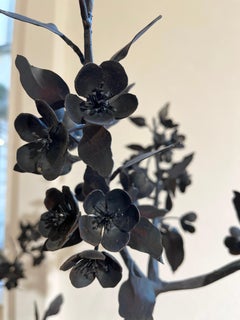
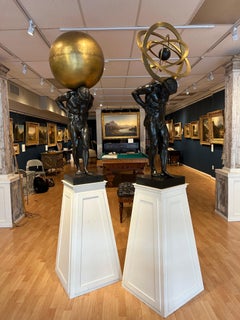
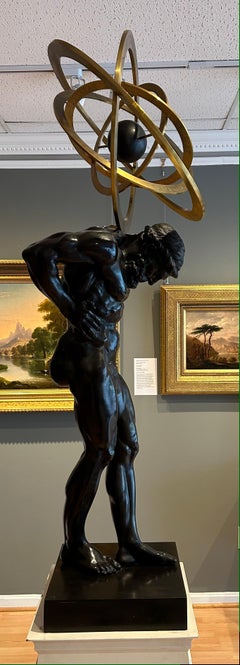
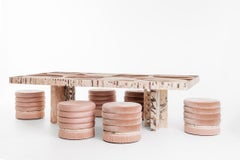
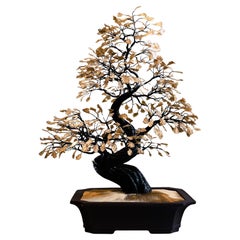
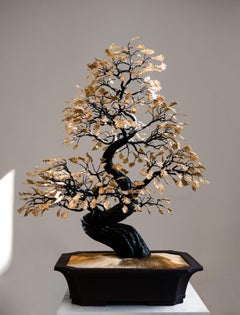
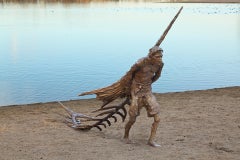
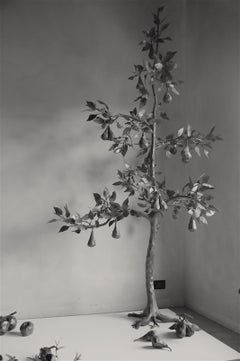
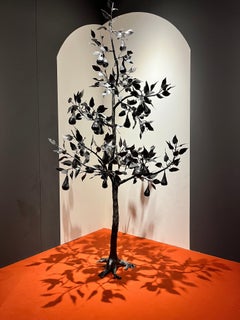
Choose from an assortment of styles, material and more in our collection of indoor tree sculpture on 1stDibs. A piece of indoor tree sculpture — often made from
ceramic,
metal and
wood — can elevate any home. Find 19 options for an antique or vintage item from our selection of indoor tree sculpture now, or shop our selection of 84 modern versions for a more contemporary example of this long-cherished piece. You’ve searched high and low for the perfect choice in our collection of indoor tree sculpture — we have versions that date back to the 20th Century alongside those produced as recently as the 21st Century are available. Each object in our assortment of indoor tree sculpture bearing
modern,
mid-century modern or
folk art hallmarks is very popular. Many designers have produced at least one well-made option in this array of indoor tree sculpture over the years, but those crafted by
Pandemic Design Studio,
David Rozek and
Michael Olshefski are often thought to be among the most beautiful.
Prices for a piece of indoor tree sculpture can differ depending upon size, time period and other attributes — at 1stDibs, they begin at $74 and can go as high as $57,581, while the average can fetch as much as $1,295.
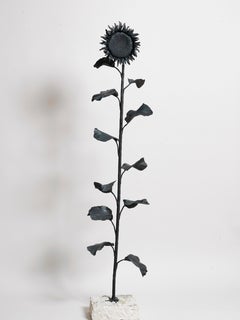
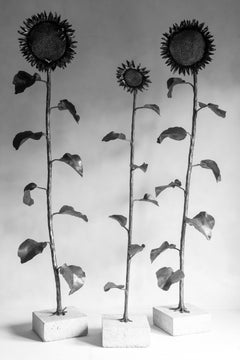
Sculptor Ivan Zanoni is likely among the last blacksmiths in the world who relies on medieval techniques to create magnificent iron sculptures. Having learned the craft from his father, sculptor Luciano Zanoni, Ivan is celebrated internationally for his provocative animal sculptures and other works.
Ivan Zanoni was born in Caldes, Trento, Italy, and wasted no time getting his little hands into all sorts of trouble. Burning himself was just the first of many lessons he would learn while working in his father’s workshop, but in the years that followed, Ivan would come to master the traditions most closely associated with the family name. There is a long history of blacksmithing in the Zanoni family, and many artisans have passed down skills to younger generations, who’ve managed to formulate their own unique approach to their craft.
Today, father and son work together in their shared workshop even as their subjects and methods vary. Luciano’s ideas take shape in his head, and while he may draw the initial outlines of a concept in chalk on the ground before lighting the fire, he usually skips the concepting stage altogether. Ivan, on the other hand, tends to sketch out ideas, make plasticine models and cut sheet metal accordingly before beginning to work with his material. Sometimes a given work can take years to complete.
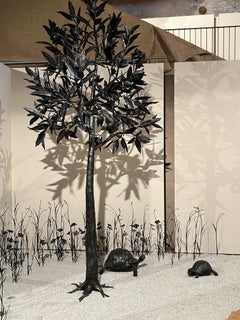
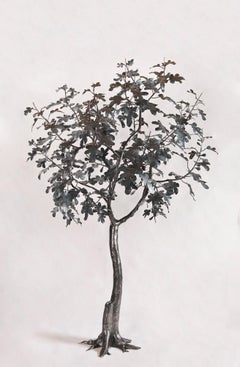
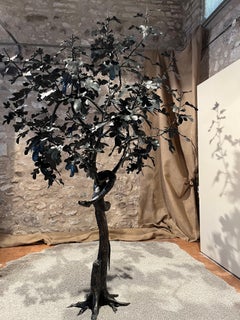
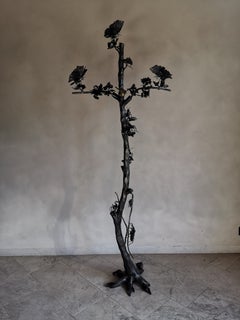
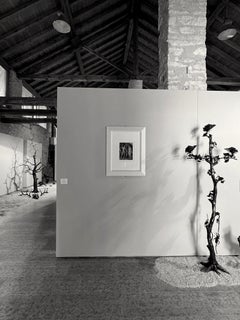
Ivan is probably best known for the vast range of figurative sculptures he’s created over the years, all of which draw on the wonders of the animal kingdom, while his father specializes in sculpting olive trees and other plant life in iron. Their approaches intersect with a love of nature, each holding a firm belief that remaining rooted to the earth, grounded both emotionally and spiritually, is critical to much more than just their art.
Ivan began to explore sculpture on his own in 1998. He has exhibited his work at the Museum of Modern and Contemporary Art of Trento and Rovereto. He created a series of sculptures representing the fables of La Fontaine and has completed multiple feline sculptures inspired by the stories of Italian writer Emilio Salgari. The Salamon Fine Art gallery in Milan represents both Ivan and Luciano Zanoni, and some of their work is held in the gallery’s permanent collection.
On 1stDibs, find a collection of Ivan Zanoni sculptures.
The history of sculpture as we know it is believed to have origins in Ancient Greece, while small sculptural carvings are among the most common examples of prehistoric art. In short, sculpture as a fine art has been with us forever. A powerful three-dimensional means of creative expression, sculpture has long been most frequently associated with religion — consider the limestone Great Sphinx in Giza, Egypt — while the tradition of collecting sculpture, which has also been traced back to Greece as well as to China, far precedes the emergence of museums.
Technique and materials in sculpture have changed over time. Stone sculpture, which essentially began as images carved into cave walls, is as old as human civilization itself. The majority of surviving sculpted works from ancient cultures are stone. Traditionally, this material and pottery as well as metal — bronze in particular — were among the most common materials associated with this field of visual art. Artists have long sought new ways and materials in order to make sculptures and express their ideas. Material, after all, is the vehicle through which artists express themselves, or at least work out the problems knocking around in their heads. It also allows them to push the boundaries of form, subverting our expectations and upending convention. As an influential sculptor as much as he was a revolutionary painter and printmaker, Pablo Picasso worked with everything from wire to wood to bicycle seats.
If you are a lover of art and antiques or are thinking of bringing a work of sculpture into your home for the first time, there are several details to keep in mind. As with all other works of art, think about what you like. What speaks to you? Visit local galleries and museums. Take in works of public art and art fairs when you can and find out what kind of sculpture you like. When you’ve come to a decision about a specific work, try to find out all you can about the piece, and if you’re not buying from a sculptor directly, work with an art expert to confirm the work’s authenticity.
And when you bring your sculpture home, remember: No matter how big or small your new addition is, it will make a statement in your space. Large- and even medium-sized sculptures can be heavy, so hire some professional art handlers as necessary and find a good place in your home for your piece. Whether you’re installing a towering new figurative sculpture — a colorful character by KAWS or hyperreal work by Carole A. Feuerman, perhaps — or an abstract work by Won Lee, you’ll want the sculpture to be safe from being knocked over. (You’ll find that most sculptures should be displayed at eye level, while some large busts look best from below.)
On 1stDibs, find a broad range of exceptional sculptures for sale. Browse works by your favorite creator, style, period or other attribute.