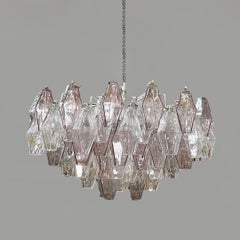
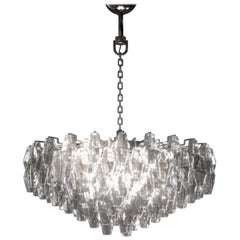
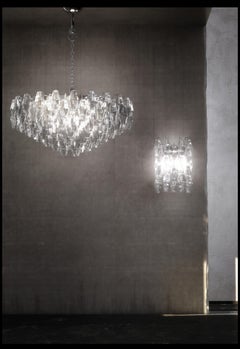
Carlo Scarpa Furniture

Italian, 1906-1978

Carlo Scarpa was born in Venice in 1906 and became one of the leading figures of architecture and international design during the 20th century. At merely 21 years old — and still a student at the Academy of Fine Arts — Scarpa began working as a designer for master Murano glassmaker M.V.M. Cappellin. Within a few years, he completely revolutionized the approach to art glass. 

In a short time, under the guidance of Scarpa, the Capellin furnace not only established itself as the top glass company, but above all it introduced modernity and international fame to Murano glassmaking. Scarpa created a personal style of glassmaking, a new vision that irreversibly changed glass production. 

The young Scarpa experimented with new models and colors: his chromatic combinations, impeccable execution and geometric shapes became his modus operandi. Thanks to Scarpa’s continuous research on vitreous matter, Cappellin produced a series of high-quality glass objects, that saw the company revisiting ancient processing techniques such as the watermark and Phoenician decoration. 

When he encountered the challenge of opaque glass, Scarpa proposed introducing textures of considerable chromatic impact, such as glass pastes and glazed glass with bright colors. Scarpa also collaborated in the renovation of Palazzo da Mula in Murano, the home of Cappellin. At the academy, he obtained the diploma of professor of architectural design and obtained an honorary degree from the Venice University Institute of Architecture of which he was director. 

In 1931, Scarpa's collaboration with Cappellin ended, following the bankruptcy of the company because it was not able to withstand the economic crisis linked to the Great Depression. But Scarpa did not go unnoticed by Paolo Venini — in 1933, the young designer became the new artistic director of the biggest glass company in Murano. 

Master glassmakers thought Scarpa's projects and sketches were impossible, but the passionate and curious designer always managed to get exactly what he wanted. Until 1947 he remained at the helm of Venini & Co., where he created some of the best known masterpieces of modern glassmaking. Scarpa’s work with Venini was characterized by the continuous research on the subject, the use of color and techniques that he revisited in a very personal way, and the development of new ways of working with master glassmakers. 

At the beginning of the 1930s, "bubble", "half filigree" and "submerged" glass appeared for the first time on the occasion of the Venice Biennale of 1934. A few years later, at the Biennale and the VI Triennale of Milan, Venini exhibited its lattimi and murrine romane pieces, which were born from a joint idea between Scarpa and Paolo Venini. 

In 1938 Scarpa increased production, diversifying the vases from "objects of use" to sculptural works of art. In the same year he laid the foundation for the famous "woven" glass collection, exhibited the following year. In the subsequent years, Scarpa–Venini continued to exhibit at the Biennale and in various other shows their the "black and red lacquers," the granulari and the incisi, produced in limited series, and the "Chinese," which was inspired by Asian porcelain

Scarpa's creations for Venini garnered an international response and were a great success, leaving forever an indelible mark on the history of glassmaking. The last Biennale in which Carlo Scarpa participated as artistic director of Venini was in 1942. He left the company five years later. 

The time that Scarpa spent in the most important glass factory in Murano would attach a great artistic legacy to the company. His techniques and styles were resumed in the postwar period under the guidance of Tobia Venini, Paolo's son. In the 1950s, after the departure of Scarpa, Fulvio Bianconi was the new visionary at the Biennials with Venini.

On 1stDibs, vintage Carlo Scarpa glass and lighting are for sale, including decorative objects, tables, chandeliers and more.

(Biography provided by Ophir Gallery Inc.)
to
37
250
32
216
70
145
29
17
1
1
215
70
3
123
81
3
34
26
29
13
68
6
2
170
83
82
75
36
275
272
1
286
216
217
187
12,314
3,886
2,482
2,226
Creator: Carlo Scarpa
Golden Murano Bullicante Clover Bowl by Scarpa & Schiavon, 1950s
By Carlo Scarpa, Schiavon
Located in Bad Säckingen, DE
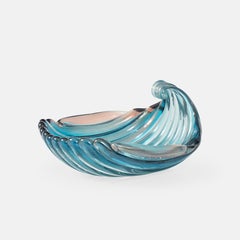
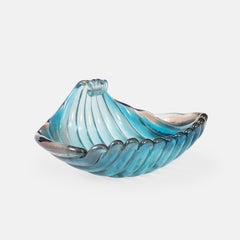
This exquisite Murano art glass bowl by Vetreria Artistica Scarpa & Schiavon is shaped like an elegant five-leaf clover and crafted in a rich golden yellow tone. Made in the 1950...
Category

1950s Italian Mid-Century Modern Vintage Carlo Scarpa Furniture

Materials

Glass, Art Glass, Blown Glass, Sommerso

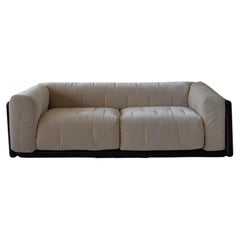
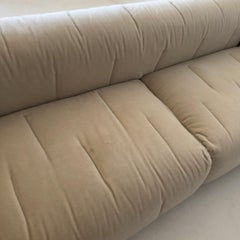
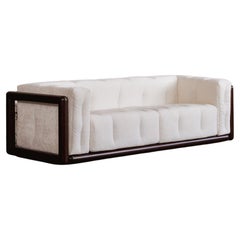
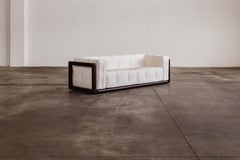
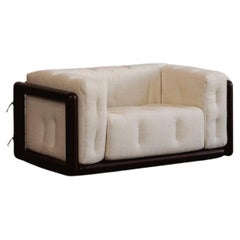
Carlo Scarpa “Cornaro” Two-seater Sofa for Gavina, Ivory Velvet, 1973
By Carlo Scarpa, Gavina
Located in Lonigo, Veneto
Carlo Scarpa “Cornaro” sofa for Gavina, wood and ivory velvet, 1973. The Cornaro sofa represents a sublime exemplification of the harmony be...
Category

1970s Italian Post-Modern Vintage Carlo Scarpa Furniture

Materials

Velvet, Foam, Wood

Carlo Scarpa for Venini 1906 - 1978 “Pennellate” vase, 1942
By Venini, Carlo Scarpa
Located in Zurich, CH
Carlo Scarpa for Venini 1906 - 1978 “Pennellate” vase, 1942 Carlo Scarpa for Venini “Pennellate” vase 1942 While the world was at war in 1942, Scarpa and Venini produced a rare ser...
Category

1940s Italian Vintage Carlo Scarpa Furniture

Materials

Murano Glass

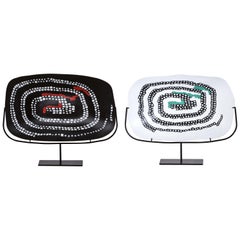
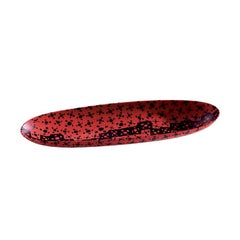
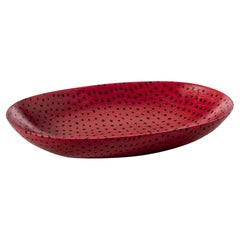
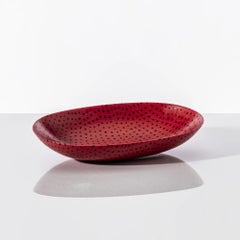
Venini Murrine Elliptical Opache Plate in Red and Black by Carlo Scarpa
By Venini, Carlo Scarpa
Located in Brooklyn, NY
Murrine Opache plates, designed by Carlo Scarpa and manufactured by Venini, are available in four different versions. Handmade glass with “murrine” technique. Numbered edition per ye...
Category

21st Century and Contemporary Italian Modern Carlo Scarpa Furniture

Materials

Glass

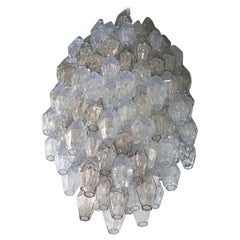
Poliedri lamp designed by Carlo Scarpa and edited by Venini, Italy 1950
By Carlo Scarpa
Located in Madrid, ES
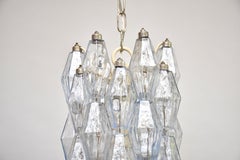
Suspension lamp model “Poliedri” designed by Carlo Scarpa and edited by Venini. Structure made of lacquered metal composed of unique pieces in Murano glass. Italy 1950s. Carlos Scarpa's Poliedri lamps...
Category

1950s Italian Mid-Century Modern Vintage Carlo Scarpa Furniture

Materials

Metal

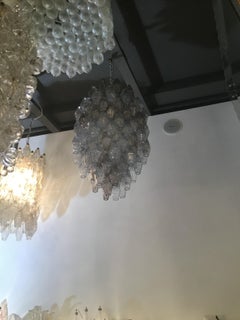
Venini Carlo Scarpa Chandelier Poliedri Murano Light Bluend Brass, 1950
By Carlo Scarpa
Located in Milano, IT
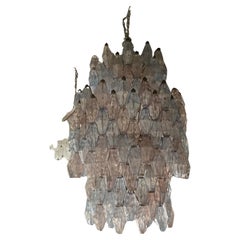
Venini Carlo Scarpa chandelier Poliedri Murano light gray celestial and iron 1950.
Category

1950s Italian Other Vintage Carlo Scarpa Furniture

Materials

Murano Glass

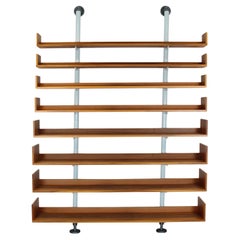
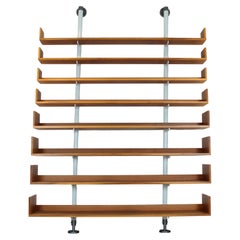
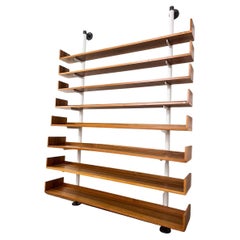
Bookcase Model 795 by Carlo Scarpa for Bernini, Italy, 1980, Walnut and Steel
By Carlo Scarpa, Bernini
Located in Vicenza, IT
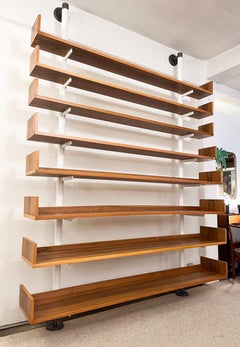
Originally designed by Carlo Scarpa in 1935 and produced for the first time by Bernini in 1980, the Bookcase Model 795 perfectly embodies Scarpa’s architectural approach to furniture. The design features two vertical steel uprights with adjustable feet and wall mounts, supporting eight solid walnut shelves that gradually decrease in depth from bottom to top. The height is adjustable from 290 to 300 cm, emphasizing Scarpa’s fascination with precision mechanics and structural balance. Although conceived decades earlier, this bookcase anticipates the modular and architectural systems that would later define postwar Italian design, such as Franco Albini’s LB7...
Category

1980s Italian Mid-Century Modern Vintage Carlo Scarpa Furniture

Materials

Steel

Carlo Scarpa for Bernini Dining Chair in Walnut and Black Leather
By Bernini, Carlo Scarpa
Located in Waalwijk, NL
Carlo Scarpa for Bernini, dining chair, model '765', walnut veneer, leather, designed in 1934, produced in 1977. This well-proportioned chair is designed by Carlo Scarpa in 1934, a...
Category

1920s Italian Mid-Century Modern Vintage Carlo Scarpa Furniture

Materials

Leather, Walnut

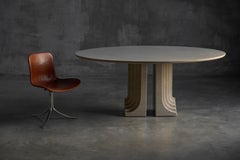
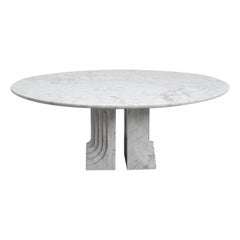
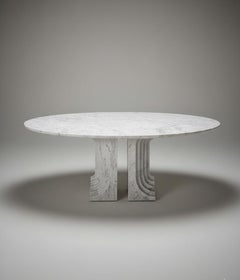
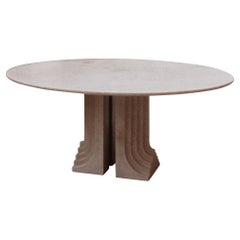
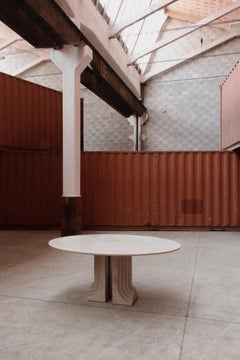
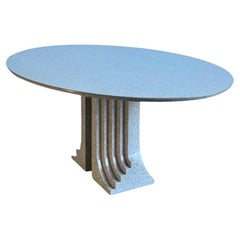
Dining Table Mod, 'Samo' by Carlo Scarpa Dining Table Mod, 'Samo' by Carlo Scar
By Carlo Scarpa
Located in Milano, Lombardia
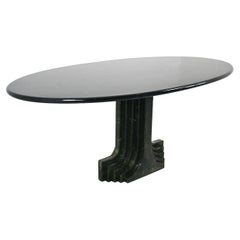
Dining table mod. 'Samo' by Carlo Scarpa. Series 'Ultrarazionale'. Italy, 1970. Manufactured by Simon. Granite. Literature: Giuliana Gramigna, Repertorio 1950-2000, Allemandi, Torino...
Category

1970s Italian Mid-Century Modern Vintage Carlo Scarpa Furniture

Materials

Granite

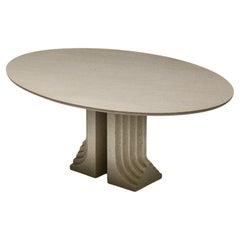
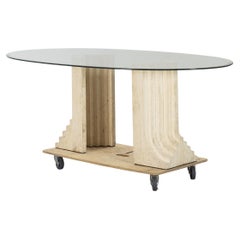
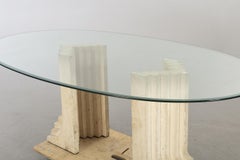
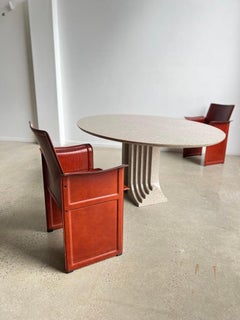
Carlo Scarpa “Argo” Oval Table for Simon Gavina in Red Travertine, 1975
By Gavina, Carlo Scarpa
Located in Lonigo, Veneto
Carlo Scarpa “Argo” oval table for Simon Gavina in red travertine marble, Italy, 1975. The “Argo” travertine console-table is part of the ‘Ultrarazionale’ collection by Simon Gavina...
Category

1970s Italian Mid-Century Modern Vintage Carlo Scarpa Furniture

Materials

Marble

Venini Murrine Opache Plate in Coral & Black by Carlo Scarpa
By Venini, Carlo Scarpa
Located in Brooklyn, NY
Venini Murrine Opache plate in coral/black by Carlo Scarpa. Numbered Edition. Handmade glass with “murrine” technique. Color: Coral/Black Technique:...
Category

21st Century and Contemporary Italian Modern Carlo Scarpa Furniture

Materials

Glass

Vaso in vetro di Murano battuto vintage anni 50 design Carlo Scarpa per Venini
By Venini, Carlo Scarpa
Located in None, IT
Vaso color ambra, in vetro di Murano martellato con motivo a nido d'ape, disegno attribuito a Carlo Scarpa per Venini, anni '50. CONDIZIONE: in buone condizioni, potrebbe presentare...
Category

1950s Italian Mid-Century Modern Vintage Carlo Scarpa Furniture

Materials

Murano Glass

Grande vaso in vetro di Murano battuto anni 50 design Carlo Scarpa per Venini
By Venini, Carlo Scarpa
Located in None, IT
Vaso color ambra, in vetro di Murano martellato con motivo a nido d'ape, disegno attribuito a Carlo Scarpa per Venini, anni '50. CONDIZIONE: In buone condizioni, con una piccola sch...
Category

1950s Italian Mid-Century Modern Vintage Carlo Scarpa Furniture

Materials

Murano Glass

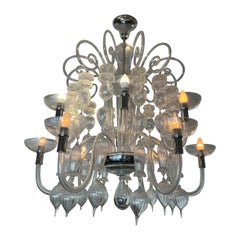
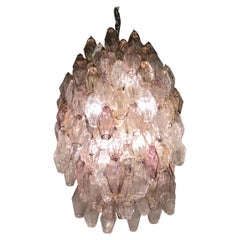
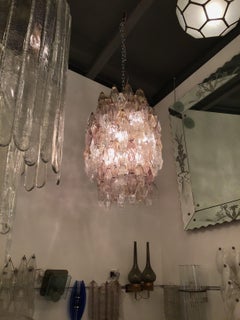
Poliedri Chandelier by Venini
By Venini, Carlo Scarpa
Located in Los Angeles, CA
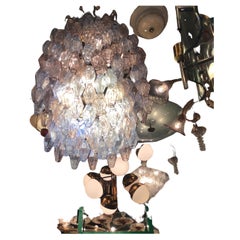
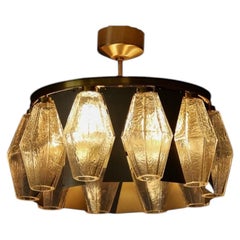
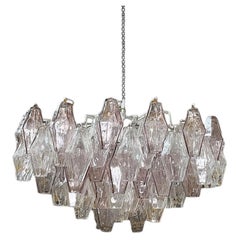
Vintage Italian chandelier with hand blown polyhedron/polyhedral shaped Murano glasses in clear, light pink, and light green colors, designed by Carlo Scarpa for Venini, made in Ital...
Category

20th Century Italian Mid-Century Modern Carlo Scarpa Furniture

Materials

Metal

Carlo Scarpa Cornaro Living Room Set in Lacquered Wood and Fabric by Gavina 1970
By Simon Gavina Editions, Carlo Scarpa
Located in Cascina, Pisa
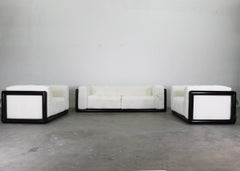
Cornaro living room set is composed of a two-seater sofa with two armchairs, a frame in lacquered wood seat, and a back in padded fabric, with leather ties. Designed by Carlo Scarpa...
Category

1970s European Mid-Century Modern Vintage Carlo Scarpa Furniture

Materials

Fabric, Wood

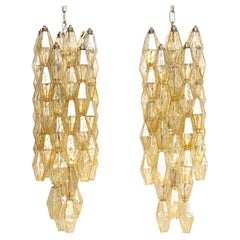
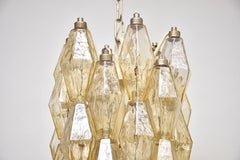
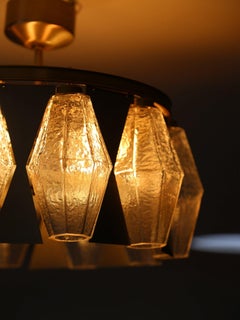
Carlo Scarpa Poliedri Ceiling Lamp for Venini in Yellow and Grey, Italy 1950s
By Venini, Carlo Scarpa
Located in Milan, IT
Carlo Scarpa Murano Glass Poliedri ceiling lamp for Venini in yellow and Grey, Italy 1950s.
Category

1950s Italian Mid-Century Modern Vintage Carlo Scarpa Furniture

Materials

Metal

CARLO SCARPA VENINI LAMpADA DA TAVOLO VETRO DI MURANO 1940 ITALIA
By Carlo Scarpa
Located in Milano, IT
ECCEZIONALE LAMPADA DA TAVOLO IN VETRO DI MURANO...DEL 1940 DELLA VENINI CARLO SCARPA.. PROVENIENTE DA UNA VILLA SUL LAGO DI COMO..... in ottimo stato.
Category

1940s Other Vintage Carlo Scarpa Furniture

Materials

Murano Glass

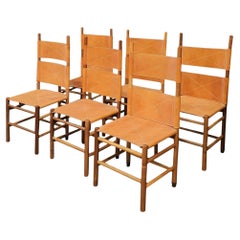
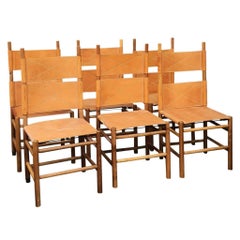
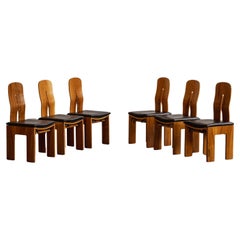
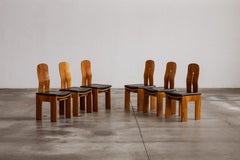
Set of Six Carlo Scarpa 1934/765 Walnut Chairs for Bernini, Italy, 1977
By Carlo Scarpa, Bernini
Located in Sacile, PN
Set of Six Carlo Scarpa 1934/765 Walnut and Brown Leather Chairs for Bernini, Italy, 1977 765 is planned by Carlo Scarpa in 1934, year from which the chair will take subsequently th...
Category

1970s Italian Mid-Century Modern Vintage Carlo Scarpa Furniture

Materials

Leather, Walnut

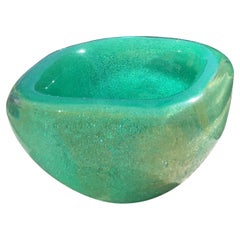
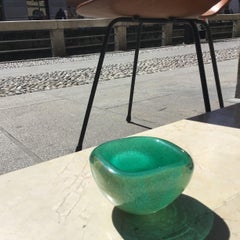
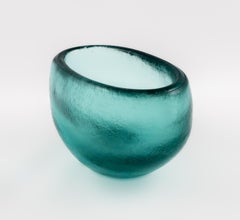
VENINI Carlo Scarpa - Pulegoso Vase Murano Glass 1935 Italy
By Carlo Scarpa
Located in Milano, IT
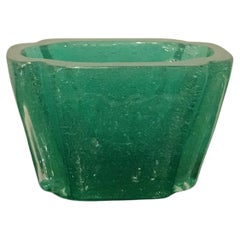
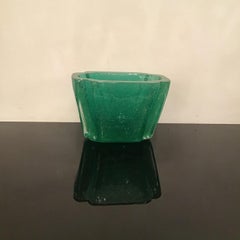
VENINI - CARLO SCARPA / pulegoso workmanship in murano glass. 1930s ,emerald green color
Category

1930s Italian Other Vintage Carlo Scarpa Furniture

Materials

Murano Glass

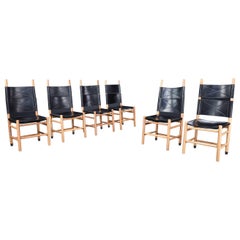
Carlo Scarpa Cognac Leather “Kentucky” Dining Chair for Bernini, 1977, Set of 5
By Carlo Scarpa, Bernini
Located in Vicenza, IT
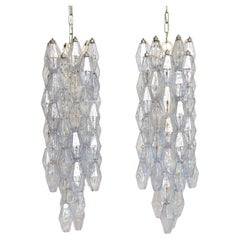
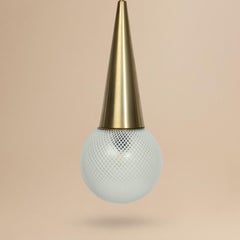
Set of 5 mod. 783 “Kentucky” dining chairs, designed by Carlo Scarpa for the Italian manufacturer Bernini in 1977. Structure made from oak and walnut timber. Seats and backrest made from cognac leather. Excellent vintage condition. Carlo Scarpa designed this chair for the “Scuderia” series., the last project he made for Bernini. The architect took inspiration from the “shaker” movement. He designed the chair slightly inclined at the front. This feature allows you to swing backward (until you lean on a wall) and remain in balance. Born in Venice on June 2nd, 1906, Carlo Scarpa began working at a very early age. A year after he had first qualified as an architect in 1926, he began working for the Murano glassmakers Cappellin & Co. in a consultative capacity. From 1927, Carlo Scarpa began to experiment with the Murano glass, and this research not only gave him excellent results here but would also inform his progress for many years to come. Between 1935 and 1937, as he entered his thirties, Carlo Scarpa accepted his first important commission, the renovation of Venice’s Cà Foscari. He adapted the spaces of this stately University building that stands on the Grand Canal banks, creating rooms for the Dean’s offices and a new hall for academic ceremonies; Mario Sironi and Mario De Luigi were charged with doing the restoration work on the frescos. After 1945, Carlo Scarpa found himself constantly busy with new commissions, including various furnishings and designs for the renovation of Venice’s Hotel Bauer and designing a tall building in Padua and a residential area in Feltre, all worth mentioning. One of his key works, despite its relatively modest diminished proportions, was the [bookshop known as the] Padiglione del Libro, which stands in Venice’s Giardini di Castello and clearly shows Scarpa’s passion for the works of Frank Lloyd Wright. In the years which were to follow, after he had met the American architect, Scarpa repeated similar experiments on other occasions, as can be seen, in particular, in the sketches he drew up in 1953 for villa Zoppas in Conegliano, which show some of his most promising work. However, this work unfortunately never came to fruition. Carlo Scarpa later created three museum layouts to prove pivotal in terms of how twentieth-century museums were set up from then on. Between 1955 and 1957, he completed extension work on Treviso’s Gipsoteca Canoviana [the museum that houses Canova’s sculptures] in Possagno, taking a similar experimental approach to the one he used for the Venezuelan Pavilion at [Venice’s] Giardini di Castello which he was building at the same time (1954-56). In Possagno Carlo Scarpa was to create one of his most significant ever works, which inevitably bears comparison with two other museum layouts that he was working on over the same period, those of: – Galleria Nazionale di Sicilia, housed in the Palazzo Abatellis in Palermo (1953-55) – Castelvecchio in Verona (1957- 1974), all of which were highly acclaimed, adding to his growing fame. Two other buildings, which are beautifully arranged in spatial terms, can be added to this long list of key works that were started and, in some cases, even completed during the nineteen fifties. After winning the Olivetti award for architecture in 1956, Scarpa began work in Venice’s Piazza San Marco on an area destined to house products made by the Industrial manufacturers Ivrea. Over the same period (1959-1963), he also worked on the renovation and restoration of the gardens and ground floor of the Fondazione Querini Stampalia in Venice, which many consider one of his greatest works. While he busied himself working on-site at the Fondazione Querini Stampalia, Carlo Scarpa also began work building a villa in Udine for the Veritti family. To shed some light on the extent to which his work evolved over the years, it may perhaps be useful to compare this work with that of his very last building, villa Ottolenghi Bardolino, which was near to completion at the time of his sudden death in 1978. Upon completion of villa Veritti over the next ten years, without ever letting up on his work on renovation and layouts, Scarpa accepted some highly challenging commissions, working on the Carlo Felice Theatre in Genoa and another theatre in Vicenza. Towards the end of this decade, in 1969, Rina Brion commissioned Carlo Scarpa to build the Brion Mausoleum in San Vito d’Altivole (Treviso), a piece he continued to work on right up until the moment of his death. Nevertheless, even though he was totally absorbed by work on this mausoleum, there are plenty of other episodes which can offer some insight into the final years of his career. As work on the San Vito d’Altivole Mausoleum began to lessen from 1973, Carlo Scarpa started building the new headquarters for the Banca Popolare di Verona. He drew up plans that were surprisingly different from the work he was carrying out at the same time on the villa Ottolenghi. However, the plans Carlo Scarpa drew up, at different times, for a monument in Brescia’s Piazza della Loggia commemorating victims of the terrorist attack on May 28th, 1974, make a sharp contrast to the work he carried out in Verona, almost as if there is a certain hesitation after so many mannered excesses. The same Pietas that informs his designs for the Piazza Della Loggia can also be seen in the presence of the water that flows through the Brion Mausoleum, almost as if to give a concrete manifestation of pity in this twentieth-century work of art. Carlo Scarpa has put together a highly sophisticated collection of structures, occupying the mausoleum’s L-shaped space stretching across both sides of the old San Vito d’Altivole cemetery. A myriad of different forms and an equally large number of different pieces, all of which are separate and yet inextricably linked to form a chain that seems to offer no promise of continuity, rising up out of these are those whose only justification for being there is to bear the warning “si vis vitam, para mortem,” [if you wish to experience life prepare for death] as if to tell a tale that suggests the circle of time, joining together the commemoration of the dead with a celebration of life. At the entrance of the Brion Mausoleum stand the “propylaea” followed by a cloister which ends by a small chapel, with an arcosolium bearing the family sarcophagi, the main pavilion, held in place on broken cast iron supports, stands over a mirror-shaped stretch of water and occupies one end of the family’s burial space. The musical sound of the walkways teamed with the luminosity of these harmoniously blended spaces shows how, in keeping with his strong sense of vision, Carlo Scarpa could make the most of all of his many skills to come up with this truly magnificent space. As well as a great commitment to architectural work, with the many projects which we have already seen punctuating his career, Carlo Scarpa also made many equally important forays into the world of applied arts. Between 1926 and 1931, he worked for the Murano glassmakers Cappellin, later taking what he had learned with him when he went to work for the glassmakers Venini from 1933 until the 1950s. The story of how he came to work on furniture design is different, however, and began with the furniture he designed to replace lost furnishings during his renovation of Cà Foscari. The later mass-produced furniture started differently, given that many pieces were originally one-off designs “made to measure.” Industrial manufacturing using these designs as prototypes came into being thanks to the continuity afforded him by Dino Gavina, who, as well as this, also invited Carlo Scarpa to become president of the company Gavina SpA, later to become SIMON, a company Gavina founded eight years on, in partnership with Maria Simoncini (whose own name accounts for the choice of company name). Carlo Scarpa and Gavina forged a strong bond in 1968 as they began to put various models of his into production for Simon, such as the “Doge” table, which also formed the basis for the “Sarpi” and “Florian” tables. In the early seventies, other tables that followed included “Valmarana,” “Quatour,” and “Orseolo.” While in 1974, they added couch and armchair “Cornaro” to the collection and the “Toledo” bed...
Category

1970s Italian Mid-Century Modern Vintage Carlo Scarpa Furniture

Materials

Walnut, Leather, Plastic

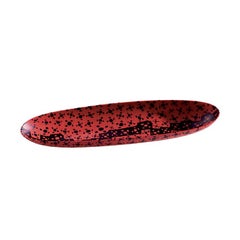
Venini Murrine Opache Plate in Red with Black Details by Carlo Scarpa
By Venini, Carlo Scarpa
Located in Brooklyn, NY
Murrine Opache plates, designed by Carlo Scarpa and manufactured by Venini, are available in four different versions. Handmade glass with “murrine” technique. Numbered edition per ye...
Category

21st Century and Contemporary Italian Modern Carlo Scarpa Furniture

Materials

Glass

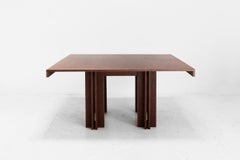
Doge Large Dining Table by Carlo Scarpa for Cassina
By Cassina, Carlo Scarpa
Located in Barcelona, Barcelona
Doge Large Dining Table designed by Carlo Scarpa. Manufactured by Cassina (Italy) ULTRARATIONAL EMBLEM A sculptural structure that has become an emblem of Italian design, a trademar...
Category

2010s Italian Mid-Century Modern Carlo Scarpa Furniture

Materials

Aluminum

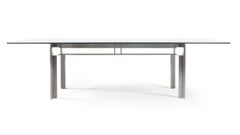
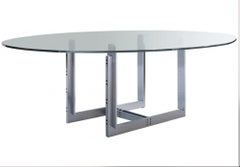
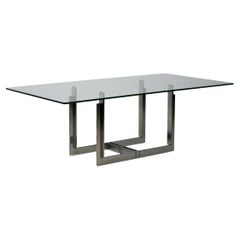
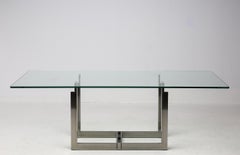
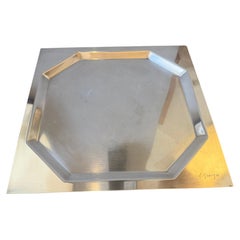
Carlo Scarpa Auriga glass dining table for Anonima Castelli, Italy
By Anonima Castelli, Dino Gavina, Carlo Scarpa
Located in Amsterdam, NL
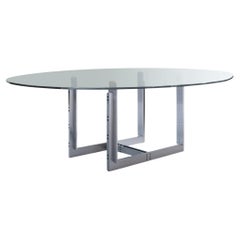
Architectural dining table designed by Carlo Scarpa in 1968. The design was part of the 'Ultrarazionale' collection, initiated by Dino Gavina in collaboration with Carlo Scarpa in 19...
Category

Mid-20th Century Italian Mid-Century Modern Carlo Scarpa Furniture

Materials

Glass

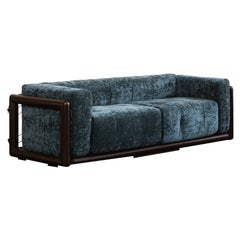
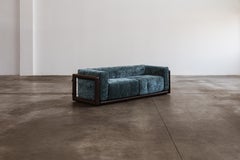
Carlo Scarpa Iroko Wood and Jacquard Velvet Cornaro Sofa for Studio Simon, 1974
By Studio Simon, Carlo Scarpa
Located in Vicenza, IT
Cornaro two-seater sofa, designed by Carlo Scarpa and manufactured by Studio Simon in 1974. Made of Iroko wood, foam, and light blue jacquard velvet by Zimmer + Rohde. Fully restor...
Category

1970s Italian Mid-Century Modern Vintage Carlo Scarpa Furniture

Materials

Chenille, Velvet, Foam, Wood

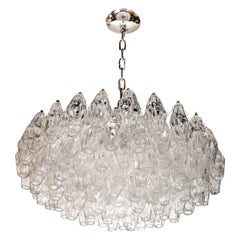
Carlo Scarpa Poliedri Chandelier 1969 Murano Glass Light 110cm Mid Century Italy
By Carlo Scarpa, Venini
Located in Munster, NRW
Called "Poliedri" in Italian and known as "Polyhedral" in English, this design was created by Carlos Scarpa (1906-1978) for Venini when he was their art...
Category

1960s Italian Mid-Century Modern Vintage Carlo Scarpa Furniture

Materials

Blown Glass

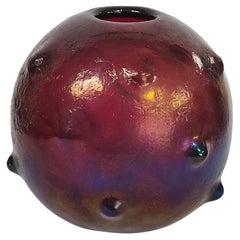
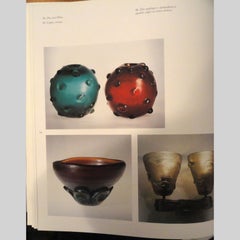
Carlo Scarpa, 'Bugne' vase, 1940
By Venini, Carlo Scarpa
Located in Zurich, CH
Carlo Scarpa (1906-1978), 'Bugne' vase, 1936 hand-blown glass, iridescent surface modell 3739 produced by Venini & C., Murano, Italy signed with four-line acid stamp to underside ...
Category

1940s Italian Vintage Carlo Scarpa Furniture

Materials

Murano Glass

Carlo Scarpa, 'Battuto' vase, 1940, signed
By Venini, Carlo Scarpa
Located in Zurich, CH
Carlo Scarpa, 'Battuto' vase, 1940 Hand-blown glass, battuto surface produced by Venini & C., Murano, Italy 24 cm (height) signed with two-line a...
Category

1940s Italian Vintage Carlo Scarpa Furniture

Materials

Murano Glass

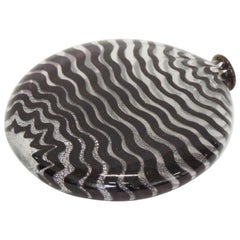
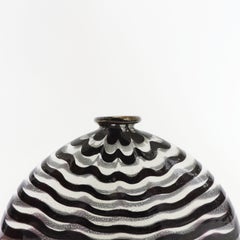
Carlo Scarpa for Venini 1906 - 1978 “Pennellate” vase, 1942
By Venini, Carlo Scarpa
Located in Zurich, CH
Carlo Scarpa for Venini 1906 - 1978 “Pennellate” vase, 1942 Carlo Scarpa for Venini “Pennellate” vase 1942 While the world was at war in 1942, Scarpa and Venini produced a rare ser...
Category

1940s Italian Vintage Carlo Scarpa Furniture

Materials

Murano Glass

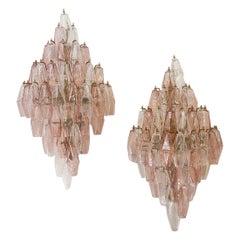
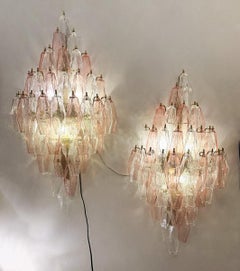
Mid Century Modern Murano Glass Poliedri Italian Sconces by Carlo Scarpa, Venini
By Carlo Scarpa
Located in Madrid, ES
Pair of wall lights with four lightpoints, Poliedri model designed by Carlo Scarpa, edited by Venini. Composed by Murano crystal pieces over a structure made in white lacquer metal. ...
Category

1950s Italian Mid-Century Modern Vintage Carlo Scarpa Furniture

Materials

Crystal, Metal

Carlo Scarpa “Cornaro” Two-seater Sofa for Gavina, Turquoise Velvet, 1973
By Carlo Scarpa, Gavina
Located in Lonigo, Veneto
Carlo Scarpa “Cornaro” sofa for Gavina, wood and turquoise velvet, 1973. The Cornaro sofa represents a sublime exemplification of the harmon...
Category

1970s Italian Post-Modern Vintage Carlo Scarpa Furniture

Materials

Velvet, Foam, Wood

Doge Large Dining Table by Carlo Scarpa for Cassina
By Cassina, Carlo Scarpa
Located in Barcelona, Barcelona
Doge Large Dining Table designed by Carlo Scarpa. Manufactured by Cassina (Italy) ULTRARATIONAL EMBLEM A sculptural structure that has become an emblem of Italian design, a trademar...
Category

2010s Italian Mid-Century Modern Carlo Scarpa Furniture

Materials

Aluminum

Valmanara Table by Carlo Scarpa for Simon International - Gavina
By Simon Gavina Editions, Carlo Scarpa, Gavina
Located in Argelato, BO
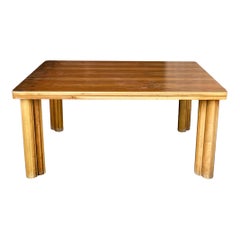
Carlo Scarpa, “Valmarana” table, 1971-72, in its original bleached Ash version. "Valmarana with its solid and essential design shows Scarpa’s passion for conceiving designs that add...
Category

1970s Italian Mid-Century Modern Vintage Carlo Scarpa Furniture

Materials

Wood, Oak

"Kentucky" chair by Carlo Scarpa for Bernini, 1977
By Carlo Scarpa
Located in Misinto, IT
"Kentucky" chair by Carlo Scarpa for Bernini, 1977 The Kentucky chair is the result of an extraordinary collaboration between Carlo Scarpa and the Bernini company, and is a perfect ...
Category

Late 20th Century Italian Carlo Scarpa Furniture

Materials

Other

Carlo Scarpa Sommerso a Bollicine Bowl
By Carlo Scarpa
Located in Brooklyn, NY
Elegant sommerso a bollicine Murano glass bowl, designed by Carlo Scarpa for Venini. Hundreds of air bubbles in the case glass form create a light-catching...
Category

1940s Italian Mid-Century Modern Vintage Carlo Scarpa Furniture

Materials

Murano Glass

Large Poliedri wall sconces designed by Carlo Scarpa for Venini 1958
By Carlo Scarpa
Located in Arezzo, Italy
Large Poliedri wall lamps designed by Carlo Scarpa in 1958 for Venini glassworks. Painted metal frame, blown glass in transparent and smoky tones, in the rare version consisting of ...
Category

1950s Italian Mid-Century Modern Vintage Carlo Scarpa Furniture

Materials

Iron

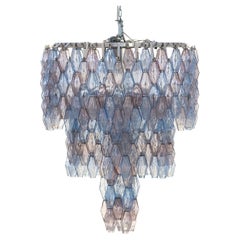
Original Blue Glass Poliedri Chandelier by Carlo Scarpa for Venini, Italy, c1960
By Venini, Carlo Scarpa
Located in London, GB
A rare circular blue glass poliedri (polyhedron) chandelier designed by the Italian architect and designer, Carlo Scarpa, c.1960. Produced by the prestigious Murano glass company, Ve...
Category

1960s Italian Mid-Century Modern Vintage Carlo Scarpa Furniture

Materials

Steel

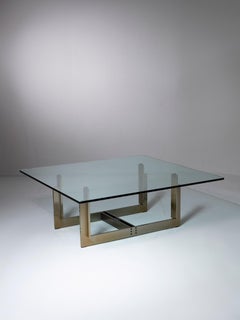
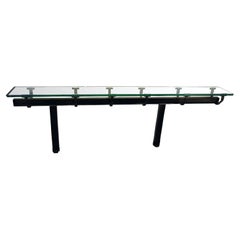
Console, Iron Shelves with Cut Glass, Italy 1950
By Carlo Scarpa
Located in Milan, IT
A Cast iron industrial elements, converted in a console, iron shelves with cut glass top. Italy 1950 ca.
Category

Mid-20th Century Italian Carlo Scarpa Furniture

Materials

Iron

Carlo Scarpa “Cornaro” Armchairs for Gavina, Ivory Linen, 1973, Set of 2
By Carlo Scarpa, Gavina
Located in Lonigo, Veneto
Carlo Scarpa “Cornaro” armchairs for Gavina, ivory linen, Italy, 1973, set of two The “Cornaro” armchair, designed by Carlo Scarpa in 1973 for Gavina, distills the essence of archit...
Category

1970s Italian Post-Modern Vintage Carlo Scarpa Furniture

Materials

Velvet, Foam, Wood

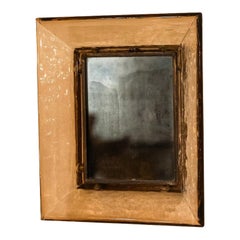
Carlo Scarpa for Venini, Murano Glass Table Mirror 'A Trecchia', 1930s
By Carlo Scarpa, Venini
Located in Wargrave, Berkshire
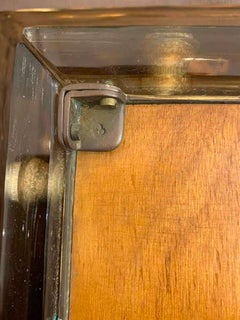
Carlo Scarpa (1906-1978) Art Deco Glass Table Mirror handworked in twisted colourless Murano glass, the spiral design known as “a treccia” after its resemblance to a braid. The glass frame lined with a brass band, secured with a pierced trapezoid clip to the wooden back-plate, with brass folding...
Category

1930s Italian Art Deco Vintage Carlo Scarpa Furniture

Materials

Brass

Venini floor lamp model n° 529 attributed to Carlo Scarpa, 1942
By Venini, Carlo Scarpa
Located in Renens, CH
Venini floor lamp model n° 529 attributed to Carlo Scarpa, 1942 Rare Model n° 529 floor lamp often attributed to Carlo Scarpa for Venini 1942. A masterpiece of early 1940's Veneti...
Category

1950s Italian Mid-Century Modern Vintage Carlo Scarpa Furniture

Materials

Brass

Carlo Scarpa, 'Incamiciato' vase, ca. 1930 M.V.M. Cappellin & Co, Murano, Italy
By Carlo Scarpa, Cappellin, Pauly & Co.
Located in Zurich, CH
Carlo Scarpa (1906-1978), rare 'Incamiciato' vase, ca. 1930 amber-colored glass, opaque white underlay; base and mouth are transparent amber; spherical shape on a cylindrical stand. ...
Category

1930s Italian Vintage Carlo Scarpa Furniture

Materials

Murano Glass

Carlo Scarpa Mid-Century Modern Venini Pair of Murano Glass Poliedri Lamps
By Carlo Scarpa
Located in Madrid, ES
Pair of model lamps "Poliedri" designed by Carlo Scarpa and edited by Venini, with structure in lacquered metal and Murano glass, Italy, 1950s. Enhance your space with a touch of mid-century elegance with this pair of Poliedri lamps...
Category

1950s Italian Mid-Century Modern Vintage Carlo Scarpa Furniture

Materials

Metal

Large Poliedri wall sconces designed by Carlo Scarpa for Venini 1961
By Carlo Scarpa
Located in Arezzo, Italy
Large Poliedri wall lamps designed by Carlo Scarpa in 1961 for Venini glassworks. Painted metal frame, transparent blown glass, in the rare version consisting of 48 polyhedra, excel...
Category

1950s Italian Mid-Century Modern Vintage Carlo Scarpa Furniture

Materials

Iron

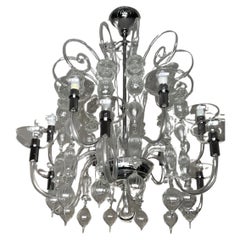
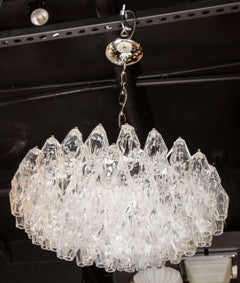
Poliedri Chandelier in Murano Glass by Carlo Scarpa for Venini, Italy, 1960's
By Carlo Scarpa, Venini
Located in Melbourne, VIC
The Poliedri Chandelier by Carlo Scarpa for Venini is a stunning mid-century Italian masterpiece, blending light, geometry, and artisan glasswork. Scarpa's innovative design features...
Category

20th Century Italian Mid-Century Modern Carlo Scarpa Furniture

Materials

Metal

A 'battuto' glass vase by Carlo Scarpa for Venini, circa 1940
By Venini, Carlo Scarpa
Located in Zurich, CH
A 'battuto' glass vase by Carlo Scarpa for Venini, circa 1940 Acid-stamped venini murano ITALIA 33 cm in hight Excellent condition see christies 933822 (58750$) Literature: Ba...
Category

1940s Italian Vintage Carlo Scarpa Furniture

Materials

Murano Glass

Carlo Scarpo 'Cornaro' Sofa in Iroko wood for Gavina early ed., Italy, 1970's
By Carlo Scarpa, Simon Gavina Editions
Located in Uithoorn, NL
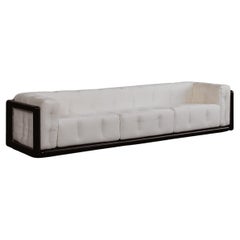
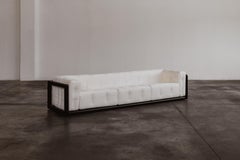
Early production Cornaro sofa by Carlo Scarpa for Simon, Italy, 1973. This rare first version was crafted in solid Iroko wood, a dense African hardwood used only in the earliest prod...
Category

1970s Italian Mid-Century Modern Vintage Carlo Scarpa Furniture

Materials

Wood

Carlo Scarpa, 'A Bugne corroso' vase, ca. 1936
By Carlo Scarpa, Venini
Located in Zurich, CH
Carlo Scarpa (1906-1978), 'A Bugne corroso' vase, ca. 1936 model no. 4100 cylindrical with nubs, flashed glass, uncoloured and green, etched in a technique reminiscent of ice-glass (...
Category

1930s Italian Vintage Carlo Scarpa Furniture

Materials

Murano Glass

Carlo Scarpa, Set of 6 Wooden Chairs for Gavina, Italy 1970s
By Carlo Scarpa, Gavina
Located in Argelato, BO
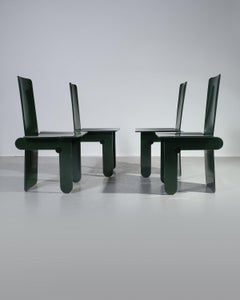
All the rigor and geometry of the great Italian designer Carlo Scarpa are expressed in this splendid and rare set of 6 wooden chairs made for Gavina in the early 1970s. An essential...
Category

1970s Italian Post-Modern Vintage Carlo Scarpa Furniture

Materials

Wood

Carlo Scarpa for Bernini Dining Chair in Walnut and Leather
By Carlo Scarpa, Bernini
Located in Waalwijk, NL
Carlo Scarpa for Bernini, dining chair model '765', walnut, black leather, designed in 1934, production in 1970s This well-proportioned chair was designed by Carlo Scarpa in 1934, t...
Category

1930s Italian Mid-Century Modern Vintage Carlo Scarpa Furniture

Materials

Leather, Walnut

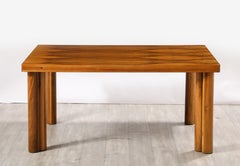
Gritti Table by Carlo Scarpa with crystal top, 1976
By Carlo Scarpa
Located in Ozzano Dell'emilia, IT
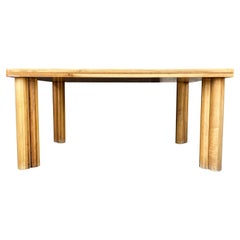
Gritti table by Carlo Scarpa produced by Simon in 1976. A large table made with solid wood cylinders, crystal top, plexiglass feet ends. Bibliography: ...
Category

1970s Italian Mid-Century Modern Vintage Carlo Scarpa Furniture

Materials

Crystal

Carlo Scapa for Venini, corroso, signed, 1936
By Venini, Carlo Scarpa
Located in Zurich, CH
Carlo Scapa for Venini, signed Small bowl from the corrosi series made of dipped glass, the surface of which has been completely treated with acid. Venini Murano acid signature Dim...
Category

1930s Italian Vintage Carlo Scarpa Furniture

Materials

Murano Glass

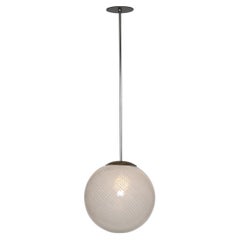
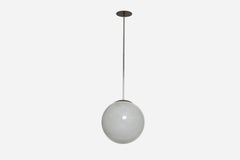
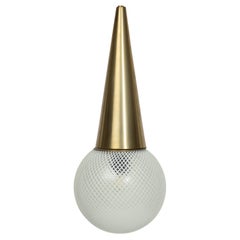
Carlo Scarpa for Venini Reticello Murano Glass Globe, Italy, circa 1940
By Venini, Carlo Scarpa
Located in New York, NY
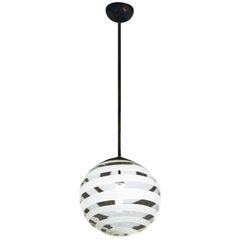
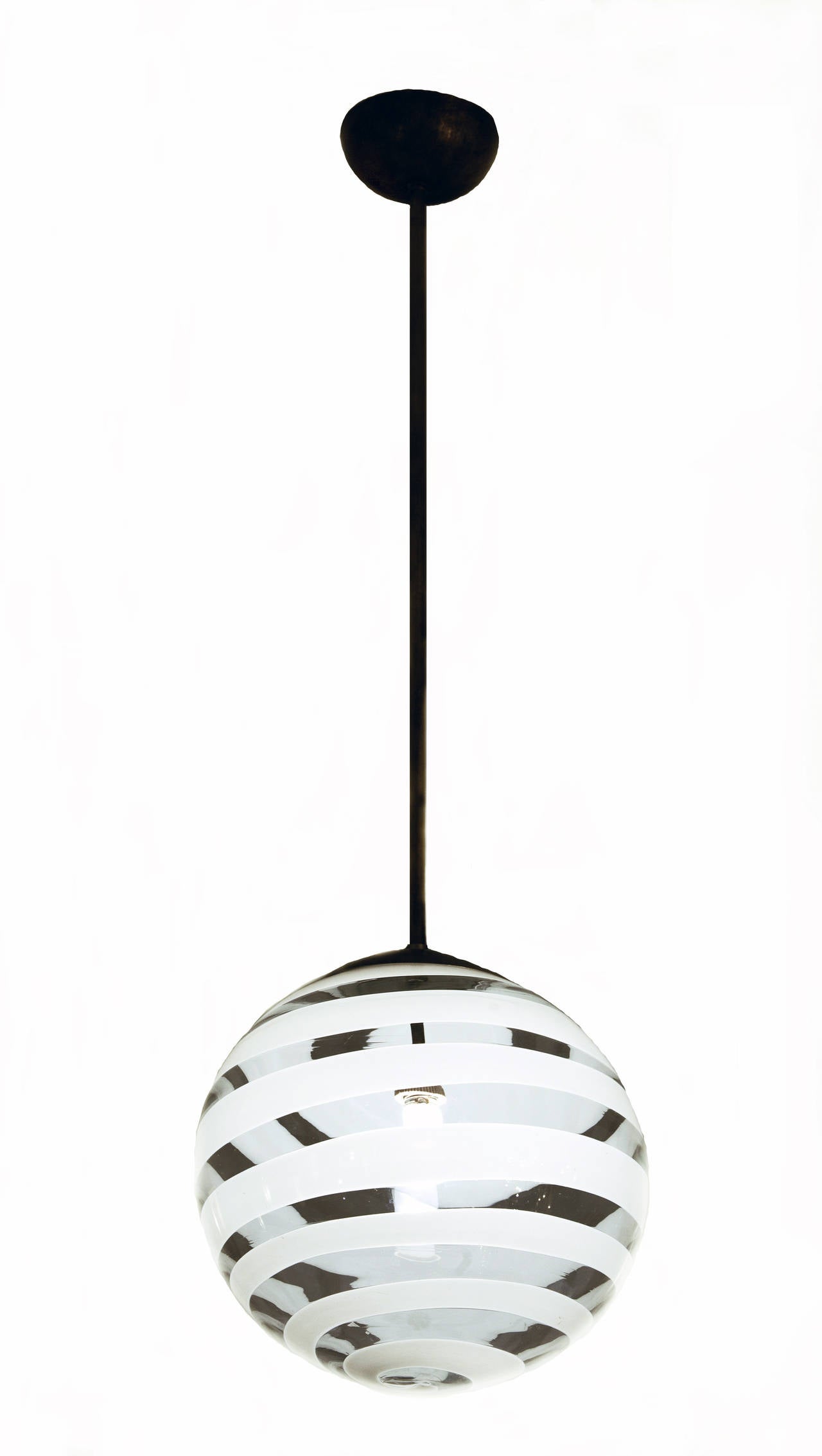
A hand blown glass globe / sphere with stunning reticello glass design, wiith brass stem and canopy. Designed by Carlo Scarpa for Venini, circa 1940. A c...
Category

1940s Italian Vintage Carlo Scarpa Furniture

Materials

Brass

Carlo Scarpa Black Leather Kentucky Dining room Chairs for Bernini, Italy 1977
By Carlo Scarpa, Bernini
Located in Almelo, NL
Carlo Scarpa Black Leather “Kentucky” Dining room Chairs for Bernini, Italy 1977 "Set of six model 783 "Kentucky" dining room chairs, designed by Carlo Scarpa for the Italian manuf...
Category

Late 20th Century Italian Mid-Century Modern Carlo Scarpa Furniture

Materials

Leather, Oak

Carlo Scarpa, 'Battuto' vase, 1940, signed
By Venini, Carlo Scarpa
Located in Zurich, CH
Carlo Scarpa, 'Battuto' vase, 1940 Hand-blown glass, battuto surface produced by Venini & C., Murano, Italy 24 cm (height) signed with two-line a...
Category

1940s Italian Vintage Carlo Scarpa Furniture

Materials

Murano Glass

Carlo Scarpa, bowl model 'Battuto', 1940-42
By Venini, Carlo Scarpa
Located in Zurich, CH
Carlo Scarpa (1906-1978), bowl model 'Battuto', 1940-42 hand-blown glass, battuto surface produced by Venini & C., Murano, Italy 16 x 10 x 10 cm signed with four-line acid stamp to ...
Category

1940s Italian Vintage Carlo Scarpa Furniture

Materials

Murano Glass

VENINI Carlo Scarpa Chandelier Poliedri Murano Glass Iron 1955 Italy
By Carlo Scarpa
Located in Milano, IT
Chandelier VENINI ,originale di Carlo Scarpa. Murano glass 1950
Category

1950s Italian Other Vintage Carlo Scarpa Furniture

Materials

Murano Glass

Carlo Scarpa Valmarana Table in Ashwood by Simon Gavina 1970s
By Carlo Scarpa, Gavina
Located in Cascina, Pisa
Valmarana table in ash wood designed by Carlo Scarpa and produced by Simon Gavina in the 1970s. Carlo Scarpa is a renowned architect with deep ties to Venice, where he was born and...
Category

1970s Italian Mid-Century Modern Vintage Carlo Scarpa Furniture

Materials

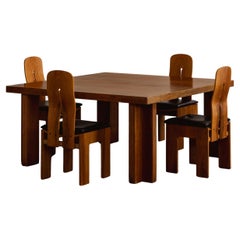
Ash

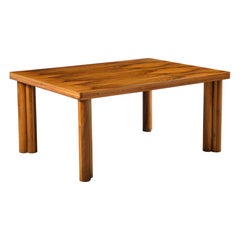
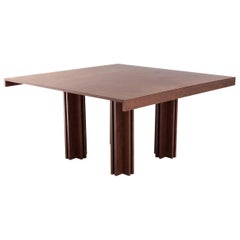
Carlo Scarpa Mid-Century Brown Walnut “Scuderia” Dining Table for Bernini, 1977
By Carlo Scarpa, Bernini
Located in Vicenza, IT
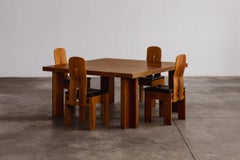
“Scuderia” dining table, designed by Carlo Scarpa and produced by the Italian manufacturer Bernini in 1977. Originally, Carlo Scarpa designed the table to restore the stable of Villa Valmarana in Vicenza in 1972. The table features a solid walnut structure. Available also five “Kentucky” dining...
Category

1970s Italian Mid-Century Modern Vintage Carlo Scarpa Furniture

Materials

Walnut

Carlo Scarpa & Hiroyuki Toyoda for Simon Gavina Large 'Gritti' Table 410cm
By Hiroyuki Toyoda, Carlo Scarpa, Simon Gavina Editions
Located in Waalwijk, NL
Carlo Scarpa and Hiroyuki Toyoda for Simon Gavina, 'Gritti' dining or conference table, fabric top, chromed steel, brass, Italy, design 1973 The Gritti table was originally designed...
Category

1980s Italian Post-Modern Vintage Carlo Scarpa Furniture

Materials

Chrome, Brass, Steel

Vase "nero irridato". Design possibly by Carlo Scarpa by Cappelin
By Carlo Scarpa, Pauly & Co.
Located in Zurich, CH
Vase "nero irridato". Design possibly by Carlo Scarpa for Cappelin. Provenance Pauly & C. Murano glass ca. 1960-70 Vase red Design Carlo Scarpa Provenance Pauly & C. / CVM Murano gl...
Category

1960s Italian Vintage Carlo Scarpa Furniture

Materials

Murano Glass

Carlo Scarpa furniture for sale on 1stDibs.

Carlo Scarpa furniture are available for sale on 1stDibs. These distinctive items are frequently made of glass and are designed with extraordinary care. There are many options to choose from in our collection of Carlo Scarpa furniture, although brown editions of this piece are particularly popular. We have 192 vintage editions of these items in-stock, while there is 45 modern edition to choose from as well. Many of the original furniture by Carlo Scarpa were created in the mid-century modern style in europe during the 20th century. If you’re looking for additional options, many customers also consider furniture by Paolo Venini, Flavio Poli, and Alfredo Barbini. Prices for Carlo Scarpa furniture can differ depending upon size, time period and other attributes — on 1stDibs, these items begin at $333 and can go as high as $63,453, while a piece like these, on average, fetch $8,791.
Questions About Carlo Scarpa Furniture
  • 1stDibs ExpertJune 6, 2024
    Yes, Tobia Scarpa is related to Carlo Scarpa. A well-known architect and designer in his own right, Tobia is the son of the legendary architect Carlo Scarpa. Tobia studied architecture at the Università Iuav di Venezia in Venice, where he met designer Afra Bianchin, who would become his wife and long-time collaborator. On 1stDibs, shop a collection of Tobia Scarpa furniture.

Recently Viewed

View All