Items Similar to EXQUISiTE ANTIQUE 18TH CENTURY CHINESE BUTTERFLY CINNABAR LACQUER BOWL & COVER
Want more images or videos?
Request additional images or videos from the seller
1 of 10
EXQUISiTE ANTIQUE 18TH CENTURY CHINESE BUTTERFLY CINNABAR LACQUER BOWL & COVER
$4,430.58
$5,538.2320% Off
£3,160
£3,95020% Off
€3,754.59
€4,693.2320% Off
CA$6,046.47
CA$7,558.0920% Off
A$6,733.29
A$8,416.6220% Off
CHF 3,504.31
CHF 4,380.3820% Off
MX$83,020.70
MX$103,775.8720% Off
NOK 44,630.03
NOK 55,787.5420% Off
SEK 41,947.90
SEK 52,434.8820% Off
DKK 28,013.87
DKK 35,017.3420% Off
Shipping
Retrieving quote...The 1stDibs Promise:
Authenticity Guarantee,
Money-Back Guarantee,
24-Hour Cancellation
About the Item
Royal House Antiques
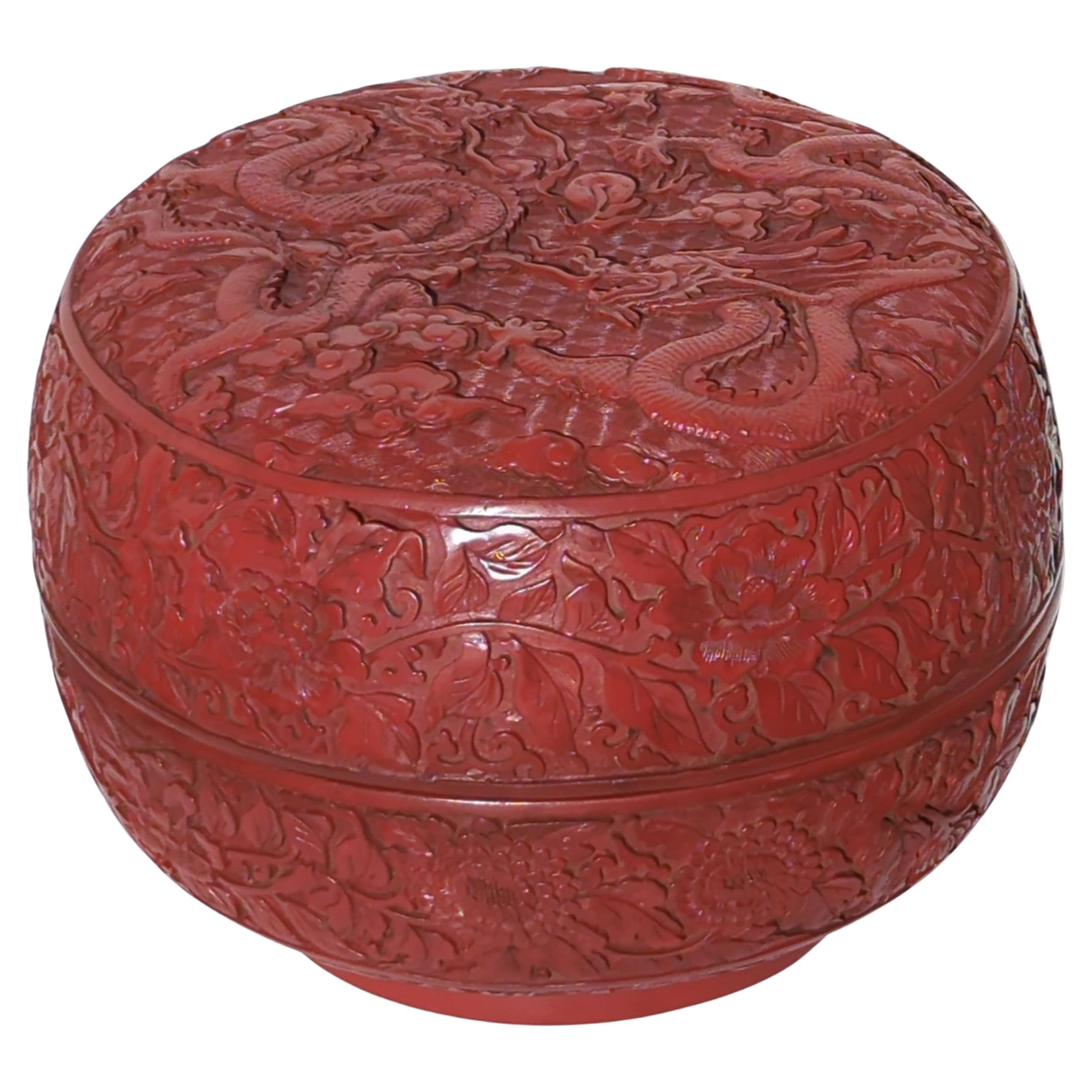
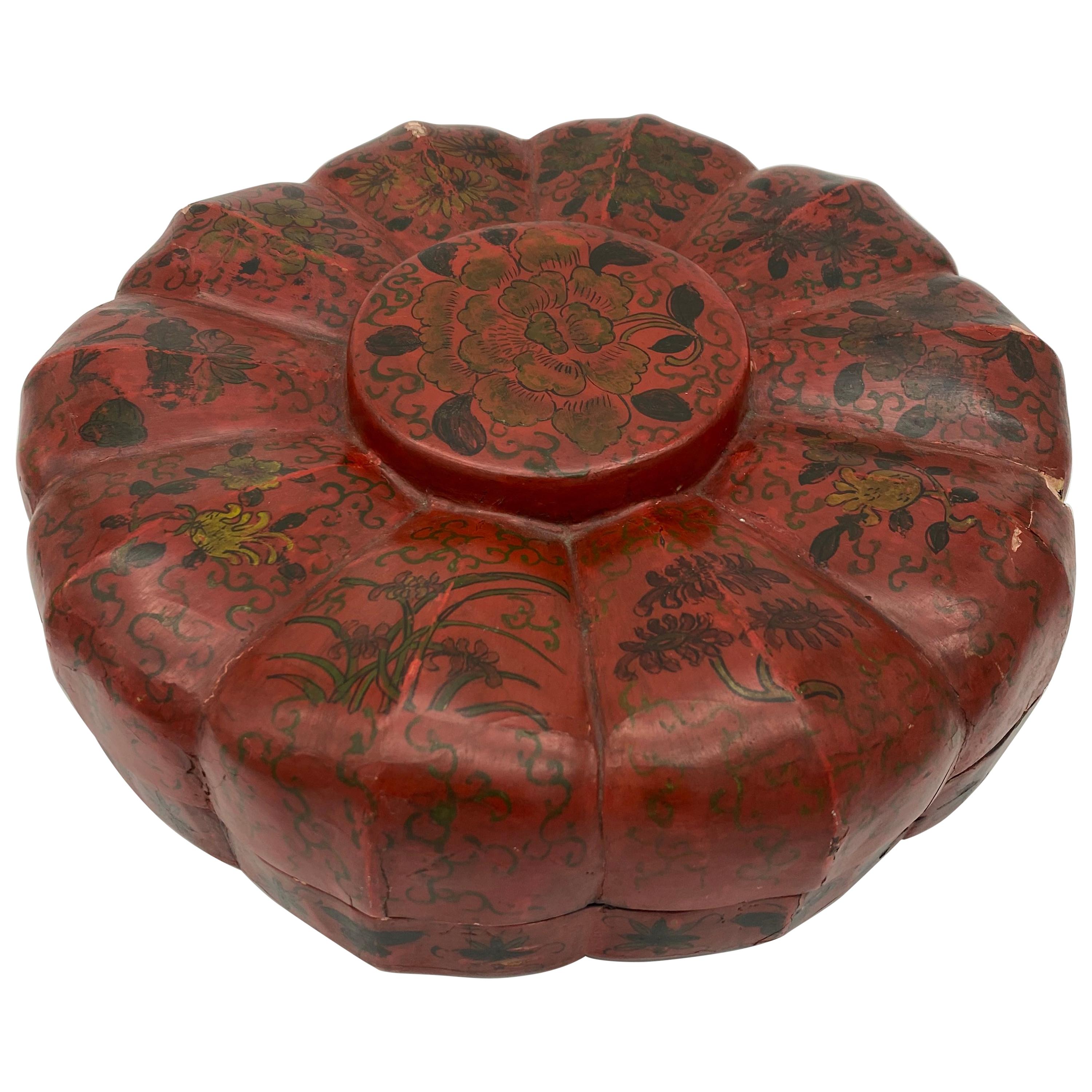
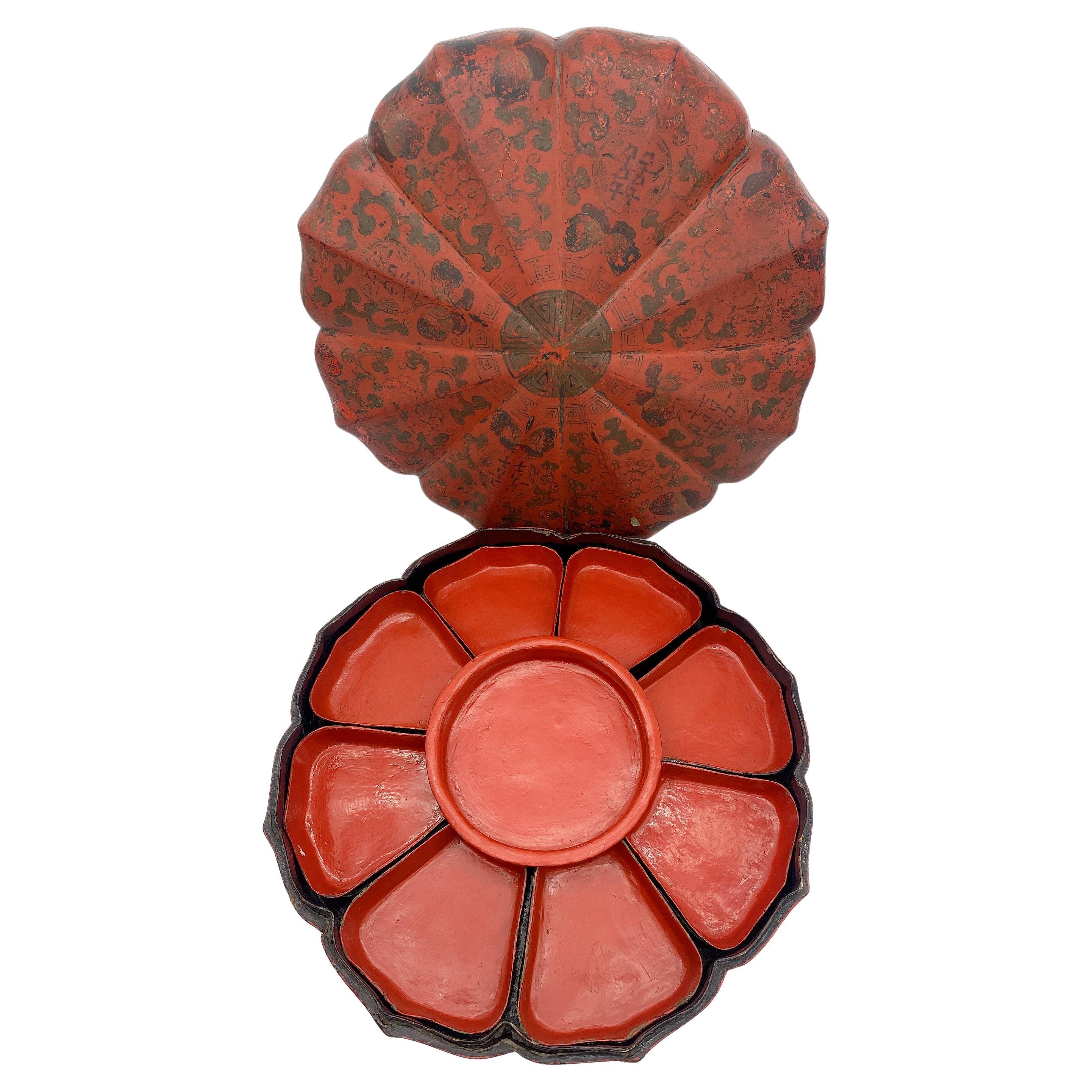
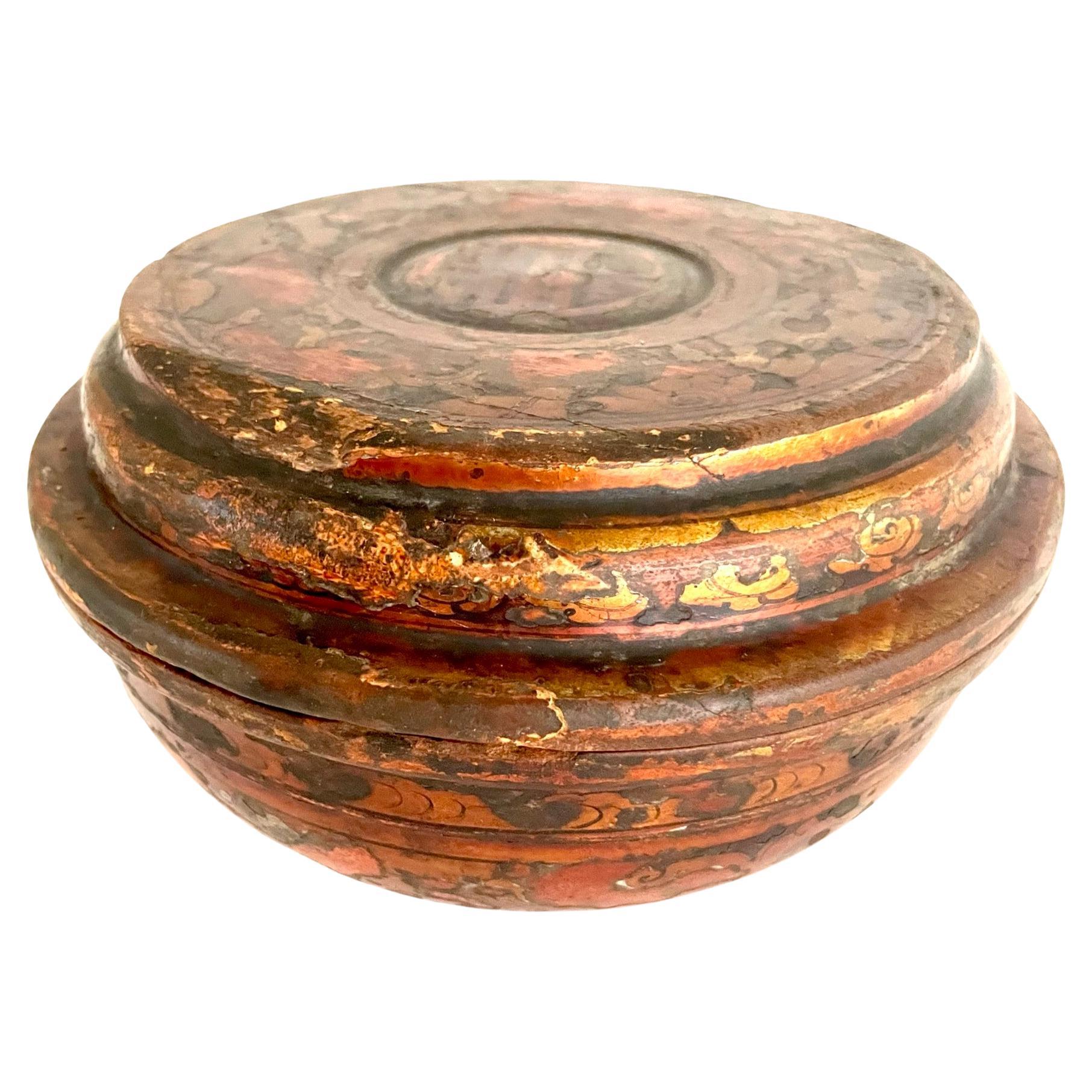
Royal House Antiques is delighted to offer for sale this rather exceptional Chinese cinnabar lacquer box and cover circa 18th century with a top depicting Butterfly’s
A very important little piece of Chinese history, as you can see I have included an extra which details exactly what this is way better than I can describe
The condition is period perfect, it has a nice patina which has aged to the dark brownish black, when freshly produced these are a vibrant red but over the years they develop a much darker hew and the older they are, the darker they become
Dimensions
Height:- 4cm
Width:- 9cm
Depth:- 9cm
Please note all measurements are taken at the widest point, if you would like any additional or specific measurements please ask
Any questions please feel free to ask before you bid
Cinnabar - Cinnabar is an intense deep red colouring agent that has been in use for thousands of years, derived from crystallized red mercuric sulphide. It is made into a coating by grinding ore into a fine powder then mixing the powder with lacquer made from the sap of the Rhus tree, which grows in East Asia.
As applied to Oriental antiques, cinnabar refers to successive layers of lacquer applied to the metal base of an object. Once the coating has dried and hardened, a further layer is applied. The layers continue to be applied until the thickness is 3 to 6 mm, and this may take up to 200 to 300 coats. At this stage, the surface is ready for the carving, that is characteristic of cinnabar items.
Because of the labour required, cinnabar items are usually small, such as vases, boxes, trays and snuff bottles.
However buyers should be aware that the cinnabar technique has been copied using modern plastic type materials that are moulded rather than carved. A close examination of a genuine cinnabar item under a strong magnifying glass or jewellers loupe should show evidence of the many layers that make up its thickness, and possibly tool marks left by the carver.
Lacquered Lacquerware - Lacquer is a clear or coloured resin that is obtained from the sap of several species of trees in the genus Rhus, particularly the Rhus verniciflua tree, which is native to China and Japan. The resin is harvested by making incisions in the tree bark and collecting the sap that oozes out.
The sap is then processed and refined through a series of steps, which may include filtration, heating, and chemical treatments. The resulting lacquer is a highly durable and glossy material that is used as a finish for furniture, musical instruments, and other objects.
Lacquer has been used for thousands of years in Asia, where it is valued for its beauty and durability. It is applied in multiple thin layers, with each layer being allowed to dry and harden before the next one is added. The process can take several weeks or even months to complete, but the resulting finish is incredibly hard, glossy, and resistant to scratches and wear.
The lacquer derived from the resin of the Rhus tree has been used for decoration of furniture in several countries in Asia, particularly China, Japan, Korea, and Vietnam. These countries have rich traditions of using lacquer for furniture decoration and have developed unique techniques and styles of lacquer work.
In China, lacquer has been used for furniture decoration for over 2,000 years, and it became a major art form during the Ming (1368-1644) and Qing (1644-1912) dynasties. Chinese lacquerware is known for its intricate carving, painting, and inlay work, as well as its use of bold colours and designs. Lacquer was used to decorate furniture such as cabinets, screens, and chairs.
In Japan, lacquer has been used for furniture decoration for over 1,000 years. Japanese lacquerware is characterized by its simplicity and elegance, and it often incorporates natural materials such as wood, bamboo, and shells. Lacquer was used to decorate furniture such as chests, cabinets, and trays.
In Korea, lacquer has been used for furniture decoration for over a thousand years. Korean lacquerware is known for its restrained and understated beauty, and it often features delicate patterns and designs that are achieved through careful layering and carving. Lacquer was used to decorate furniture such as cabinets, chests, and screens.
In Vietnam, lacquer has been used for furniture decoration for over 2,000 years. Vietnamese lacquerware is known for its vibrant colours and intricate designs, and it often features scenes from daily life, nature, and mythology
Condition
Please view the very detailed pictures as they form part of the description around condition
Please note vintage period and original items such as leather seating will always have natural patina in the form of cracking creasing and wear, we recommend regular waxing to ensure no moisture is lost, also hand dyed leather is not recommended to sit in direct sunlight for prolonged periods of time as it will dry out and fade.
- Dimensions:Height: 1.58 in (4 cm)Diameter: 3.55 in (9 cm)
- Style:Chinese Export (Of the Period)
- Materials and Techniques:
- Place of Origin:
- Period:
- Date of Manufacture:18th century
- Condition:Wear consistent with age and use. Minor fading.
- Seller Location:West Sussex, GB
- Reference Number:1stDibs: LU2823343304982
About the Seller
4.7
Platinum Seller
Premium sellers with a 4.7+ rating and 24-hour response times
Established in 2012
1stDibs seller since 2017
1,984 sales on 1stDibs
Typical response time: 1 hour
- ShippingRetrieving quote...Shipping from: West Sussex, United Kingdom
- Return Policy
Authenticity Guarantee
In the unlikely event there’s an issue with an item’s authenticity, contact us within 1 year for a full refund. DetailsMoney-Back Guarantee
If your item is not as described, is damaged in transit, or does not arrive, contact us within 7 days for a full refund. Details24-Hour Cancellation
You have a 24-hour grace period in which to reconsider your purchase, with no questions asked.Vetted Professional Sellers
Our world-class sellers must adhere to strict standards for service and quality, maintaining the integrity of our listings.Price-Match Guarantee
If you find that a seller listed the same item for a lower price elsewhere, we’ll match it.Trusted Global Delivery
Our best-in-class carrier network provides specialized shipping options worldwide, including custom delivery.More From This Seller
View AllEXQUISITE ANTIQUE CHINESE COPPER & SiLVER CABOCHON LID MEIJI DYNASTY DRAGON POT
Located in West Sussex, Pulborough
Royal House Antiques
Royal House Antiques is delighted to offer for sale this absolutely exquisite Meiji Dynasty Copper pot with Silver dragons and Cabochons to the top
A very good...
Category
20th Century Chinese Chinese Export Antiquities
Materials
Silver, Copper
$555 Sale Price
20% Off
SMALL ANTIQUE ORIENTAL COPPER & BRONZE REPOUSSE JEWELLERY BOX DEPICTING CHICKENs
Located in West Sussex, Pulborough
Royal House Antiques
Royal House Antiques is delighted to offer for sale this lovely small antique circa 1900-1920 bronzed and copper Oriental Jewelry trinket box with Repoussé top ...
Category
Antique Early 1900s Chinese Chinese Export Antiquities
Materials
Wood
$330 Sale Price
20% Off
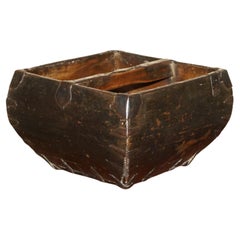
ANTIiQUE DECORATIVE HAND HAMMERED CHINESE RICE MEASURE MASKET GREAT FRUIT BOWL!
Located in West Sussex, Pulborough
Royal House Antiques
Royal House Antiques is delighted to offer for sale this lovely antique Chinese rice bowl measure which can be used as ...
Category
20th Century Chinese Chinese Export Antiquities
Materials
Iron
$443 Sale Price
20% Off
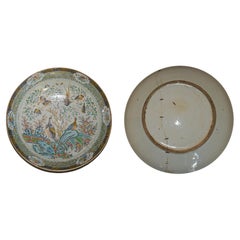
ANTiQUE REPAIRED 18TH CENTURY CHINESE FAMILLE VERTE PORCELAIN CHARGER PLATE
Located in West Sussex, Pulborough
Royal House Antiques
Royal House Antiques is delighted to offer for sale this absolutely stunning circa 1780 Chinese Famille Verte porcelain charger plate with highly collectable antique staple repair...
Category
Antique 1780s Chinese Chinoiserie Ceramics
Materials
Porcelain
$3,308 Sale Price
20% Off
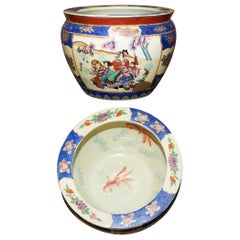
Vintage Large Chinese Export Satsuma Moriage Geishas Koi Fish Bowl Decorative
Located in West Sussex, Pulborough
We are delighted to offer for sale this lovely Vintage Chinese Export Satsuma Moriage Geishas Koi Fish Bowl
A very good looking well made and decorat...
Category
Early 20th Century Chinese Chinese Export Decorative Bowls
Materials
Earthenware
$841 Sale Price
20% Off
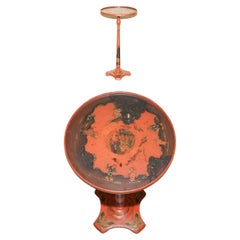
LOVELY ANTiQUE CHINESE CHINOISERIE LACQUERED & HAND PAINTED SIDE LAMP WINE TABLE
Located in West Sussex, Pulborough
Royal House Antiques
Royal House Antiques is delighted to offer for sale this exquisite hand made in China Chinoiserie painted and lacquered side table
Please note the delivery fee...
Category
Early 20th Century Chinese Chinoiserie Furniture
Materials
Wood
$1,626 Sale Price
20% Off
You May Also Like
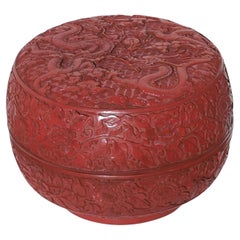
Lrg Antique Chinese Carved Cinnabar Lacquer Style Round Dragon Box Qianlong Mk
Located in Richmond, CA
Large antique Chinese carved and painted cinnabar lacquer style covered round box, top decorated in relief with two fierce, scaly, slithering dragons chasing a flaming pearl amongst ...
Category
Early 20th Century Chinese Qing Lacquer
Materials
Lacquer
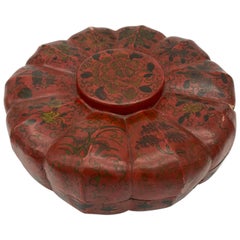
Qing Dynasty Chinese Red Lacquer Box
Located in Brea, CA
Chinese red lacquer box from Qing dynasty. Includes nine-pieces. Before in excellent condition. But when I take pictures, accidentally fell t...
Category
Antique Early 17th Century Chinese Qing Lacquer
Materials
Lacquer
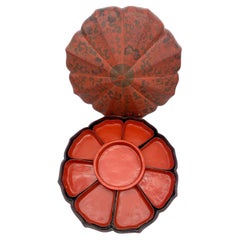
Qing Dynasty Chinese Wooden Red Lacquered Presentation Box
Located in Brea, CA
Qing Dynasty Chinese wooden red lacquered presentation box, lovely and beautiful red lacquer box with popular snacks like roasted melon seeds, dried fruit, this auspicious objects ar...
Category
Antique Mid-19th Century Chinese Qing Lacquer
Materials
Lacquer
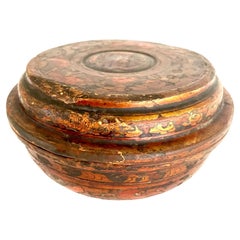
19th Century, Gilded Lacquer Tsampa Bowl from Tibet
Located in Atlanta, GA
A beautiful late 19th century lacquer covered bowl that was once used for storing the famous Tibetan barley flour (Tsampa). This beautifully handcrafted wooden bowl has a gorgeous, l...
Category
Antique Late 19th Century Tibetan Sculptures and Carvings
Materials
Wood, Lacquer, Paint
Chinese Cloisonné Bowl with Ruji head borders, Qing Circa 1840
Located in Lincoln, Lincolnshire
This is a good shallow cloisonne bowl made in China in the mid-19th century.
The bowl is circular with a short foot, beautifully made of bronze with rich, bold colorful enamels, i...
Category
Antique Mid-19th Century Chinese Qing Ceramics
Materials
Ceramic
19th Century Chinese Lacquer Jewelry Box
Located in Brea, CA
19th century Qing Dynasty Chinese lacquer jewelry box detailed with various genre scenes in gold detail. Pink silk lining, can be locked, does not ...
Category
Antique 19th Century Chinese Qing Lacquer
Materials
Lacquer
More Ways To Browse
Antique Well Cover
Bowl And Cover
Chinese Antiques Metal
18th Century Carved Shell
Carved Butterfly
Chinese Tool
18th Century Chinese Painting
Used Harden
Chinese Bowl Small
Oriental Screen
Leather Covered Chest
Antique Bark
18th Century Chinese Bowl
Vietnam Antiques
Antique Chinese Coat
Cinnabar Furniture
Tree Of Life Chair
Butterfly Inlay