Continental US - More Objets d'Art and Vertu

to
11
72
63
44
31
21
37
11
10
10
10
6
31
102
25
13
2
5
1
4
6
5
8
6
5
5
124
37
3
24
7
7
7
6
to
13
9
5
5
2
17
11
10
9
8
6
5
3
2
2
2
1
1
1
142
22
164
240
164
Item Ships From: Continental US
Mutton Fat Disk Late Ming Certified Untreated Nephrite
Located in Northampton, MA
Dragonets are baby dragons, and this white nephrite pi disk features a pair of them. Flawlessly carved by a skilled lapidary artist more than 100 years ago, this white nephrite pi disk is a superior example of a late Ming...
Category

19th Century Chinese Artisan Antique Continental US - More Objets d'Art and Vertu

Materials

Jade, Silver

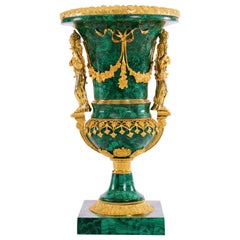
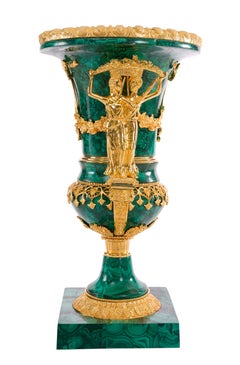
Stunning Malachite and Brass Vase
Located in New York, NY
Pure luxury and uniqueness in this Malachite and Brass combination Vase. Malachite is a precious stone which is usually found in small quantities and is formed over thousands of year...
Category

Late 18th Century Indian Classical Roman Antique Continental US - More Objets d'Art and Vertu

Materials

Malachite, Brass

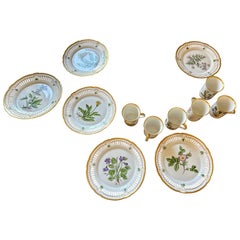
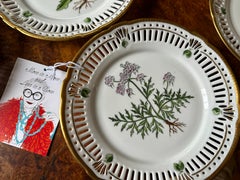
Iris Apfel Estate Personal Teacups And Plates Denmark Hand Painted Wildflowers
Located in New York, NY
From the personal collection of style icon Iris Apfel we have her Set of Six Hand Painted Danish Teacups and Dessert Plates with images of Wildflowers in the style of Royal Copenhage...
Category

20th Century Danish Contemporary Continental US - More Objets d'Art and Vertu

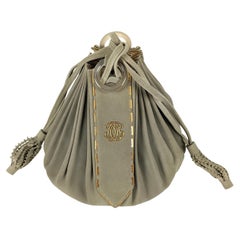
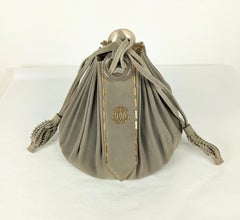
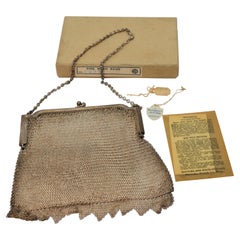
Antique Whiting & Davis Mesh Purse Bag
By Whiting & Davis
Located in Mount Kisco, NY
New, in its original box with tags, Antique Whiting & Davis Mesh Purse / Bag. Includes original care instructions from the maker. Popular in the 1920s & ear...
Category

Early 20th Century American Continental US - More Objets d'Art and Vertu

Materials

Other

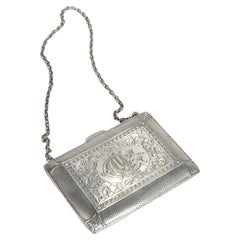
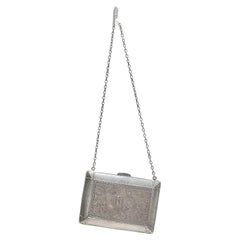
Antique Edwardian William B Kerr Sterling Silver Purse or Lady's Evening Bag
Located in Philadelphia, PA
A fine antique Edwardian purse or evening bag. In sterling silver. By William B. Kerr & Co. The purse has a small chain and opens with a button. The interior has two pockets on ei...
Category

Early 20th Century American Edwardian Continental US - More Objets d'Art and Vertu

Materials

Sterling Silver

Antique Chinese Jade Good Fortune Pendant Plaque, Guan Yin, Qilin, Lotus, Bat
Located in New York, NY
Fine antique 19th century Qing Dynasty celadon jade pendant plaque of rectangular form, exceptionally well carved on both sides. On one side, a b...
Category

19th Century Chinese Antique Continental US - More Objets d'Art and Vertu

Materials

Jade

Vintage Tiffany & Co. Sterling Silver Key Holder or Key Chain
By Tiffany & Co.
Located in Philadelphia, PA
A very fine Tiffany and Co. key holder in sterling silver. With an unengraved pendant tag. A great Tiffany everyday piece! Date: 20th Century Overall Condition: It is in overall ...
Category

20th Century Unknown Modern Continental US - More Objets d'Art and Vertu

Materials

Sterling Silver

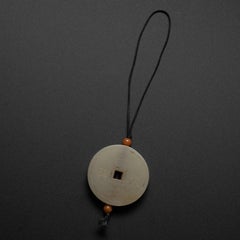
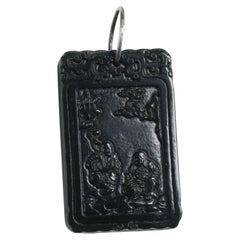
Chinese Antique Qing Carved "Mutton Fat" Nephrite Plaque Pendant Certified
Located in Northampton, MA
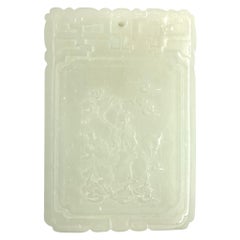
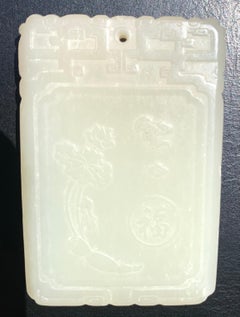
Elegant, rare, and dating to the late Qing period (circa 1890s), this hand-carved nearly colorless white nephrite plaque has been etched on both sides. One one, the Chinese mythological figure known as Zhang Guo Lao is depicted riding a mule. On the opposite side, a magpie sits on a branch of cherry blossoms. The magpie is associated with intelligence. The carving is breathlessly simple and excellent; the work executed -of course- without the aid of electricity or modern tools. Measuring 42.54mm x 29.92mm, the plaque has a hole drilled through the center, which is original to the piece. A silver bail is threaded through the hole and a pair of beads -black jade and coral- reside at the bottom. The jade plaque hands from a 1920s silver chain that is 32" in length. Prior to the discovery of and appreciation for the very fine green jadeite from Burma, colorless, opaque, pure white nephrite jade from the Northern mountains of China was the most revered jade; the original "imperial jade, as only members of the royal court could wear or even touch it. Most of what is commercially sold today as "mutton fat...
Category

Late 19th Century Chinese Artisan Antique Continental US - More Objets d'Art and Vertu

Materials

Jade, Silver

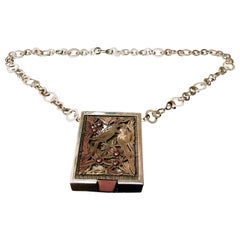
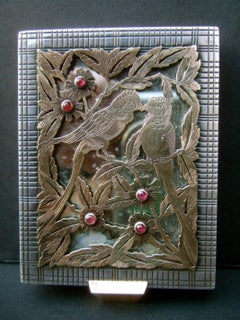
Boucheron Paris 1940s Art Deco Sterling Gold Ruby Necklace Compact
By Boucheron
Located in University City, MO
Boucheron Paris 1940s Art Deco sterling, gold & ruby jeweled compact - necklace The exquisite Boucheron compact is designed with a beautiful gold pie...
Category

1940s French Art Deco Vintage Continental US - More Objets d'Art and Vertu

Materials

Ruby, Gold, Sterling Silver

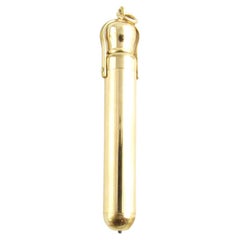
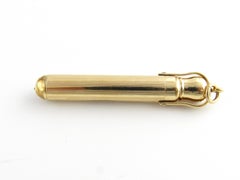
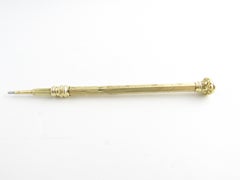
10 Karat Yellow Gold Telescopic Pencil
Located in Washington Depot, CT
10 Karat Yellow Gold Telescopic Pencil- This elegant piece features a telescopic pencil that opens to 110 mm. Case has hanging ring to attach to chain or fob...
Category

20th Century Continental US - More Objets d'Art and Vertu

Materials

10k Gold, Yellow Gold

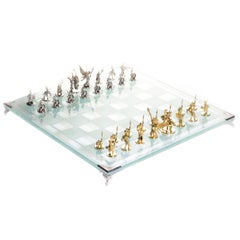
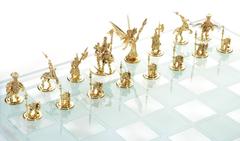
White and Yellow Gold Tempered Glass Chess Set
Located in Southampton, PA
The foremost game of strategy unfolds between the most fantastic cast of characters with this unique and stunning handmade, custom designed chess set. Consider first the sheer weight...
Category

21st Century and Contemporary American Continental US - More Objets d'Art and Vertu

Materials

14k Gold, White Gold, Yellow Gold

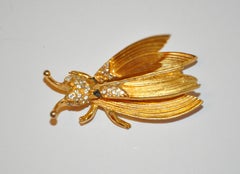
Hattie Carnegie Whimsical "Insect" with Movable Wings Gilded Hardware Brooch
By Hattie Carnegie
Located in New York, NY
Hattie Carnegie wonderfully whimsical etched gilded gold vermeil hardware "Insect" brooch is accented with movable wings as if in flight whether being worn or just simply plac...
Category

1970s American Baroque Vintage Continental US - More Objets d'Art and Vertu

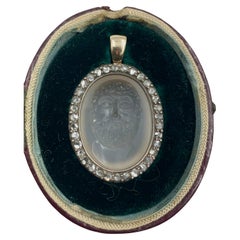
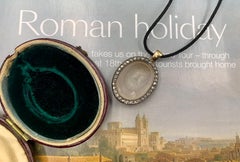
18th Century Grand Tour Bocca Della Verita Calcedony Intaglio Diamond Pendant
Located in New York, NY
Exceptionally rare 18th century diamond set calcedony intaglio pendant depicting the famed Roman marble Bocca della Verita, the Mouth of Truth. The eni...
Category

18th Century European Georgian Antique Continental US - More Objets d'Art and Vertu

Materials

Diamond, Gold, Silver

Navajo Needlepoint Turquoise Concho Belt
By Navajo
Located in Coeur d Alene, ID
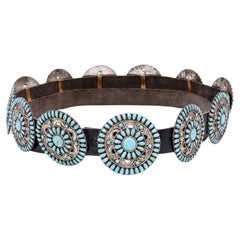
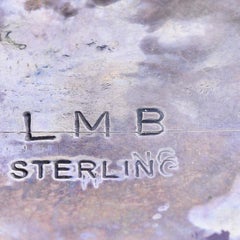
Navajo needlepoint concho belt. Signed LMB, marked sterling. 11 conchos total. Exceptional design on each concho, featuring floral style center with complementary scalloped silverwork and final layer of turquoise framing concho. Old Pawn. Acquired from a Navajo trader. PERIOD: After 1950 ORIGIN: Navajo, Southwest SIZE: Total Belt Length 62 1/2" Leather; conchos 2 1/4"D The word “concho” sometimes spelled “concha”, comes from the Spanish word meaning shell. Some of the first “conchos” were made of melted silver dollars and resembled a shell. Concho belts reportedly began appearing in Navajo country in the late 1860s. Other Native Americans including Zuni and Hopi also made traditional concho belts before long. Concho belts can cost into the thousands of dollars depending upon the craftsmanship, amount of silver, rarity of turquoise and stones used. Belts in the upper end of the price scales are usually made before the turn of the century. Buyers should deal with reputable dealers as many fakes and look-a-likes exist. A well-made belt with age to it will fetch a bigger premium and hold its value better. The earliest concho belts are now referred to as “First Phase” belts. This style of belt was made before Native silversmith had learned much about soldering. The conchos were hammered out from melted coins, cut, and filed into shape, engraved and a diamond shape slot was cut out of the middle of the concho, with a bar left across the center of the diamond shaped slot for the leather loop. Conchos that required no soldering are generally thought to be made from 1860-1880. Second phase conchos were done 1890-1900s in which silversmith began to solder. Third phase conchos is when you start to see the “butterfly” or “bow” appear between conchos and the use of turquoise as an adornment. A butterfly (bow) is a smaller concho in between bigger conchos. A belt with butterflies and sometimes turquoise would be from the early 1900s – 1930s. The timelines may slightly differentiate depending upon who you ask. Natives first had concho belts for personal use only, but around the turn of the last century, tourist demand had kicked in and a new outlet emerged. belts & buckles jewelry silver belts conchos navajo needlepoint southwest turquoise...
Category

1950s American Native American Vintage Continental US - More Objets d'Art and Vertu

Materials

Turquoise, Sterling Silver
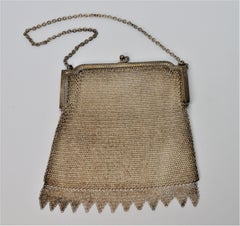
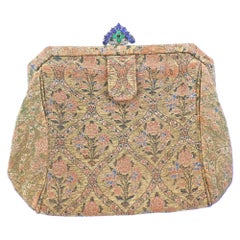
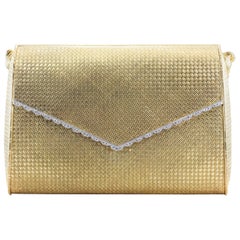
Van Cleef & Arpels Sapphire Opening Cabochon Emerald Yellow Gold Compact
By Van Cleef & Arpels
Located in New York, NY
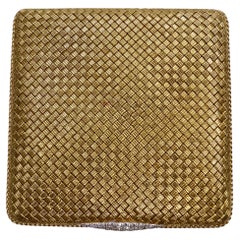
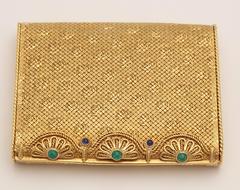
Very elegant VCA 18kts woven Yellow Gold & brocaded pattern Compact. Made in the 1960 - when all you needed was your compact and your jewels. The opening spans the compact and is...
Category

1960s American Vintage Continental US - More Objets d'Art and Vertu

Materials

Emerald, Sapphire

Cartier Paris Retro Ruby and Sapphire Gold Double Lipstick
By Cartier
Located in New York, NY
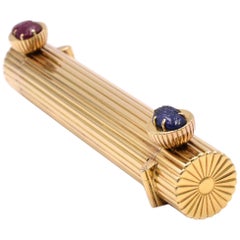
Cartier Double Headed Lipstick Holder This accessory has two heads that can hold lipstick and 2 carved gemstones (ruby and sapphire) all set in 1...
Category

20th Century French Artist Continental US - More Objets d'Art and Vertu

Materials

Ruby, Sapphire, 18k Gold, Gold

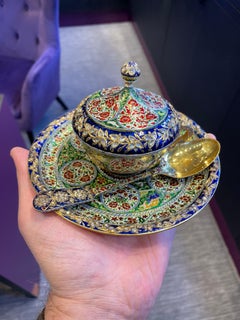
Antique Mughal Indian Enamel and Diamond Cup Saucer & Spoon Set
Located in New York, NY
Antique Mughal Indian Enamel and Diamond Cup Saucer & Spoon Set A 200+ year old masterpiece: Incredible enamel on gold tea cup, saucer, and spoon. Set w...
Category

18th Century Indian Antique Continental US - More Objets d'Art and Vertu

Materials

Diamond, Enamel

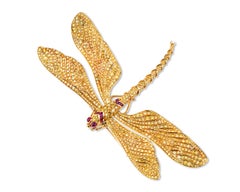
Fancy Vivid Yellow Diamond Dragonfly Brooch
By Fred Leighton
Located in New Orleans, LA
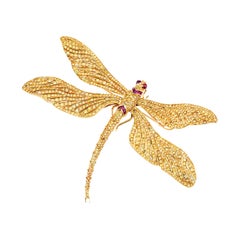
Enveloped in a sea of 60.26 carats of fancy vivid yellow diamonds is this tour de force of jewelry craftsmanship from the collaboration of jewelry legends Fred Leighton and Carvin French. Made for Patricia Kluge...
Category

20th Century American Contemporary Continental US - More Objets d'Art and Vertu

Materials

Yellow Diamond, Ruby, 18k Gold, Yellow Gold

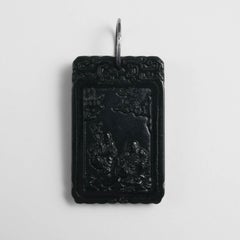
Antique Nephrite Pendant Qing Period Certified Untreated
Located in Northampton, MA
This excruciatingly beautiful and spare hand-carved nephrite jade pendant was created during the Qing period, most likely in the late 1800s, however, it co...
Category

19th Century Chinese Artisan Antique Continental US - More Objets d'Art and Vertu

Materials

Jade

Pearl and Diamond Masbaha Prayer Beads
By GEMME
Located in New York, NY
Beautiful Prayer Beads for the traditional and stylish man. Consists of 33 Akoya Light Gray Pearls. Very hard to find Color. Set in 18 Karat Yellow Gold w...
Category

2010s Continental US - More Objets d'Art and Vertu

Materials

Diamond, Pearl

Mario Buccellati Silver Squirrel
By Mario Buccellati
Located in New York, NY
Mario Buccellati Silver Squirrel, silver texted fur with glass eyes, enamel nose and gilt acorns. Signed on one leaf Mario Buccellati, 925, and 15-MI M...
Category

1980s Vintage Continental US - More Objets d'Art and Vertu

Materials

Silver

Cameo of the Last Supper Engraved Brooch and Pendant
Located in Berkeley, CA
This beautiful cameo brooch/ pendant depicts the Last Supper in great detail. A true cameo is a miniature sculpture in relief, carved from a single shell. Travelers touring Europe he...
Category

Early 1800s American Late Victorian Antique Continental US - More Objets d'Art and Vertu

Materials

14k Gold

Navajo Turquoise, Coral and Bear Claw Belt Buckle
By Navajo
Located in Coeur d Alene, ID
Navajo Kingman turquoise and bear claw buckle with small nugget of red coral. Stones and claw set in sterling silver surrounded by leaves, scrolls and beads....
Category

1980s American Native American Vintage Continental US - More Objets d'Art and Vertu

Materials

Turquoise, Coral, Sterling Silver

Cartier Platinum Yellow Gold Diamond Black Enamel Pendant Watch Necklace
By Cartier
Located in New York, NY
This unique and wonderful Cartier Paris Pendant-Watch necklace was manufactured ca. 1920 with the dial movement and case signed Cartier. The original guilloche dial has enamel roman numerals and fine enamel minute bars on the perimeter. The watch crystal is held within a fine gold ring...
Category

Early 20th Century French Art Deco Continental US - More Objets d'Art and Vertu

Materials

Diamond, Pearl, Gold, 18k Gold, Yellow Gold, Platinum, Enamel

Sterling Silver Decorated Vanity Box
Located in Coeur d Alene, ID
Eight sided silver lidded box with decorated sides and courting scene. Bottom marked "800 Germany" with maker's mark. Beautifully designed and perfect for a...
Category

Late 19th Century English Antique Continental US - More Objets d'Art and Vertu

Materials

Sterling Silver

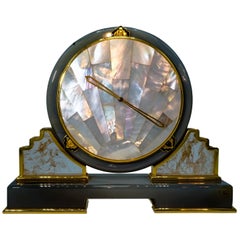
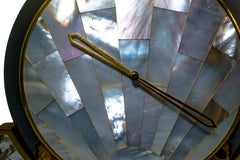
Cartier Mother of Pearl, Rock Crystal and Agate Desk Clock
By Cartier
Located in New York, NY
This Cartier Mother of Pearl, Rock Crystal and Agate Desk Clock is of French Origin, and dates back to the 1980s. SKU#W-00755
Category

1980s French Retro Vintage Continental US - More Objets d'Art and Vertu

Materials

Agate, Rock Crystal

Cartier Paris Diamond Gold Evening Purse
By Cartier
Located in Beverly Hills, CA
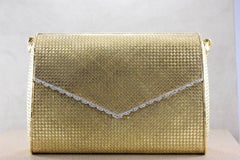
A special piece made in Cartier's Paris workshops, a diamond studded gold evening purse. In excellent condition, this purse opens to reveal a mirror...
Category

1960s French Vintage Continental US - More Objets d'Art and Vertu

Materials

18k Gold, Yellow Gold, Gold

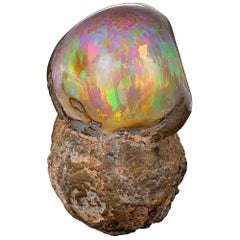
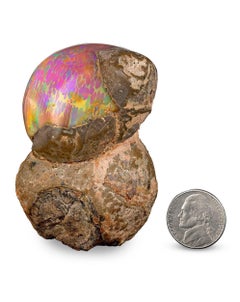
Ethiopian Mezezo Chocolate Opal Specimen
Located in New Orleans, LA
This extraordinary Mezezo opal specimen hails from the highlands of Africa and is, quite simply, one of the most amazing opals we have ever seen. Found i...
Category

20th Century Ethiopian Modern Continental US - More Objets d'Art and Vertu

Materials

Opal

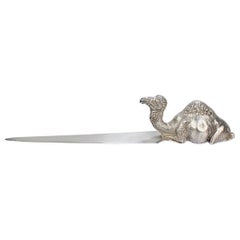
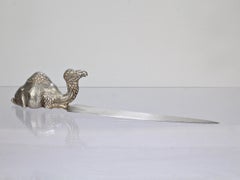
H A Cary Figural Orientalist One Hump Camel Sterling Silver Letter Opener
Located in Philadelphia, PA
A wonderful figural sterling silver letter in the form of a one hump camel. The camel wears a wry expression on its face and has a finely detailed, sculptural quality. This is...
Category

Early 20th Century American Egyptian Revival Continental US - More Objets d'Art and Vertu

Materials

Sterling Silver

Two 100 Gold Austrian Corona from 1915
Located in New York, NY
A set of two 100 corona gold coins from Austria, marked 1915. The front of each gold coin features the right-profile bust of Emperor Franz Joseph I, the crowned King of Hungary and E...
Category

1910s Austrian Vintage Continental US - More Objets d'Art and Vertu

Materials

Gold

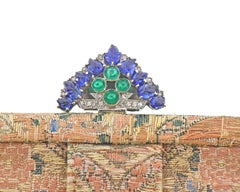
Cartier Art Deco Platinum Carved Sapphire Emerald Diamond Evening Clutch Bag
By Cartier
Located in New York, NY
Art Deco Cartier evening clutch bag, with platinum clasp, decorated with carved sapphires and emeralds, with diamonds. Clasp measures 30mm x 18mm. Bag measures 7" x 5.5". With gold...
Category

1920s French Art Deco Vintage Continental US - More Objets d'Art and Vertu

Materials

Diamond, Emerald, Sapphire, Platinum

Mellerio Paris, a French Gold, Diamond, Silver-Gilt, Rock-Crystal, & Lapis Horse
By Mellerio Paris
Located in Long Island City, NY
Mellerio Paris, A French Gold, Diamond, Silver-Gilt, Rock-Crystal, Obsidian & Lapis Horse An extremely rare and unique, one of a kind French gold, diamonds, Silver-gilt rock-crystal, obsidian and lapis lazuli jeweled sculpture "Bucéphale, Chevaux de légende", "Bucephalus, A Legendary Horse" by Mellerio, Paris, circa 1998. Sitting on black obsidian base, the solid rock crystal slab is finely applied with a lapis lazuli half-horse with harness mounted in 18k gold and brilliant cut diamonds, between two crystal and lapis lazuli columns adorned with gold and diamonds, insert with 7 ruby cabochons and 1 emerald cabochon, the obsidian base with a plaque engraved: CHEVAUX DE LEGENDE / MELLERIO DITS MELLER / PARIS / 5029 DIV Bucephalus (c355-326 BC) is among the most famous horses in history, and it was said that this he could not be tamed. The young Alexander the Great, of course, tamed him – and went on to ride his beloved equine companion for many years and into many battles. The piece is in excellent condition and comes with a custom made wood case made for transport. It's very elegant and has French hallmarks throughout. A truly magnificent piece. Measures 10" high x 9" wide x 4" deep Founded in France in 1613 by the descendants of Italian immigrants from the Vigezzo Valley in the north of Italy, Mellerio is one of the oldest jewellery houses in Europe. The family business soon attracted the attention of the Royal Court and Marie Antoinette herself reportedly purchased a precious bracelet featuring 7 cameos surrounded by rubies in 1780. Later on, in the 19th century, Mellerio became the official supplier of the French Royal family and the Court of Netherland. Mellerio creates many jewellery items, all set with rare gems such as peridots, amethysts, aquamarines, citrines and topaz, applying for a patent, the flexible stem, a very supple and light jewellery mechanism. Mellerio remains also well known for their spectacular series of Art Nouveau jewels, created at the beginning of the 20th century, as well as for the creation of trophies rewarding some of the greatest footfall and tennis players of history. In 1993, the jewellery house launched their first watch collection. Today, Mellerio has stores in Paris, Japan and Hong Kong. July 14, 1789: this date is known throughout the world as the beginning of the French Revolution. According to a ledger belonging to House of Mellerio, this was also the day that the jeweler sold a golden key to the Comte de Coutance for 10 livres. This ledger, as well as inventories dating as far back as 1768, are the jeweler’s oldest archives. These archives have continued to grow over the years, as the House, established on rue de la Paix in Paris, still lives on today, still in the hands of the same family from Craveggia, in the North of Italy. The tumultuous history of the Mellerio family in France probably goes as far back as the Italian wars of the Renaissance, but the first official document proving their commercial activity in Paris dates back to 1613. This document is the famous royal warrant awarded by Marie de Medici to a number of Italian families established along the rue des Lombards, including the Mellerios, allowing them to sell “small jewelery items”, therefore granting them a small exception to the traditional monopoly enjoyed by Parisian jewelers. At that time, powerful corporations regulated the operations and customs of Parisian business, but thanks to this exceptional warrant, the Mellerios managed to escape the confines of this framework. Today, this wax-sealed document is kept at the city hall of Craveggia. From 1613 to the Revolution, the Mellerios lived between France and Italy. The corporations tried many times to put an end to their trade privileges, but all in vain, as a dynasty of sovereigns renewed the warrant. Always marrying and often retiring in Craveggia, the Mellerios continued to maintain their jewelry business in Paris. At first, they did this without a shop. Wearing backpacks (wooden boxes divided into small compartments where jewels were kept), they would tour town fairs around Paris and royal castles. This is how Jean-Baptiste Mellerio (1765-1850) is said to have sold a bracelet set with rubies and Antique cameos to Marie-Antoinette, which still exists today. Many elements seem to prove the veracity of this anecdote. The queen was particularly fond of cameos, which cover the entire background of her famous jewelry cabinet, and ruby was her favorite stone after diamond. The famous bracelet, reacquired a few years ago by the House of Mellerio, is indeed an 18th century jewel, set with antique cameos representing the profiles of Roman emperors. Two branches of the family were operating in Paris during this time, under the reign of Louis XVI: that of Jean-François (1746-1828), the paternal ancestor of the current Mellerios, and that of Jean-Baptiste (1765-1850). The French Revolution forced them to return to Italy. However, both Jean-Baptiste and François Mellerio (1772-1843), who was the son of Jean-François, were eventually able to return to Paris after the founding of the Consulate. Jean-Baptiste opened a shop at the Iron Crown of rue Vivienne, and François opened his at the Palais des Tuileries, rue du Coq Saint-Honoré. His well-organized order books give an idea of his high-ranking clientele during the “Old Regime”, among which were the Comte and Comtesse Octave de Segur, the Marquise (later Duchess) de Tourzel, former governess of the royal children, and her daughter, the Comtesse de Bearn, the Craufurds -who organized the flight to Varennes, the Duc and Duchess de Gramont, the Comtesse de Boigne, and Madame de Souza, Talleyrand’s mistress. We also see the names of the imperial family: Empress Josephine, the Queen of Holland, Princess Elisa, Caroline and Pauline. At that time, the House of Mellerio specialized, among other things, in the trade of antique cameos, a newly fashionable genre of jewel that captured the imagination of all the princesses and noble women of the time. The years of the Restauration and July Monarchy were among the most glorious. The Bourbons were back on the throne, and the clientele of the House of Mellerio had regained its former wealth. Mellerio supplied Louis-Philippe, Duke of Orléans, as well as his mother, wife and sister, with sumptuous jewels, including a set of emeralds made piece by piece, while the Duke of Bourbon, last prince of the House of Condé, offered diamonds to his mistress, the scheming Baronne de Feucheres, and Monsieur de LaFayette also bought cameos for one of his granddaughters. For the first time, Mellerio ventured into the world of arts in 1815, when Carlotta Grisi, a famous dancer who created Giselle, as well as an actress named Rachel, bought jewels at the Mellerio store on rue de la Paix. 1848 marked a new turning point. France once again became a Republic. François Mellerio handed the company over to his son, Jean, and the latter decided to travel to Spain to build a new clientele. He later became one of the jewelers of the royal family, and met Eugénie de Montijo, who remained a faithful client when she became empress of the French people. The Imperial years were lavish. During the Second Empire, Paris was a pageant of crinoline dresses designed by Worth, while jewels by Mellerio, Worth’s neighbour on the rue de la Paix, adorned the noble women of the Tuileries court. The Empress bought pearls. Mathilde Bonaparte...
Category

21st Century and Contemporary French Continental US - More Objets d'Art and Vertu

Materials

Diamond, Lapis Lazuli, Rock Crystal, Gold, Silver

Renaissance Cameo Pendant
Located in New Orleans, LA
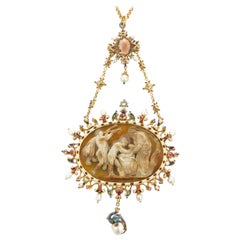
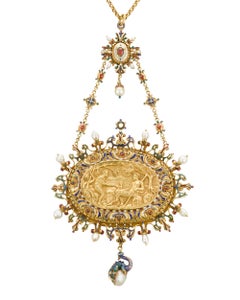
The cameo at the center of this exceptional pendant is a stunning example of the art of gem engraving during the Renaissance. It likely dates to the early 17th century and features a sacrificial scene inspired by the Greco-Roman era. The central flaming altar is flanked by two figures preparing to sacrifice a ram, while a figure in a lion skin blowing horns stands in the left corner. The carver brilliantly uses the natural layers of the stone to achieve the illusion of shadow and musculature on the figures. A second, smaller cameo is set at the top of the pendant, while a myriad of multi-colored gems, pearls and enamel adorns the 18K gold setting. A large Baroque pearl suspended from an enamel dragon finishes the design, which embodies the opulence and theatricality of jewels from the Renaissance age. Cameos and intaglios were highly popular amongst wealthy connoisseurs in Renaissance Italy, and owning the finest pieces was the privilege of princes. Although they were often elaborately mounted for display alone, cameos were also frequently worn as pendants, surrounded by enameled and stone-set gold frames. Such pieces were particularly prized by the Medici and Lorraine families, many of which can now be seen at the National Archeological Museum in Florence. Very few Renaissance cameos...
Category

17th Century Italian Renaissance Antique Continental US - More Objets d'Art and Vertu

Materials

Multi-gemstone, Pearl, 18k Gold, Enamel

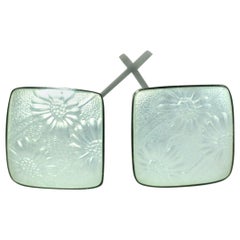
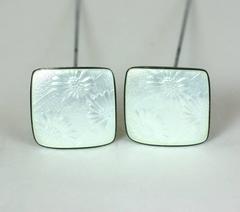
Sterling Art Deco Enameled Hat Pins
Located in New York, NY
Art Deco pair of sterling and enamel hat pins. Of opal white engine turned enamel with incised flower head motifs. Hallmarked, sterling silver. Excellen...
Category

1920s Unknown Art Deco Vintage Continental US - More Objets d'Art and Vertu

Materials

Silver, Sterling Silver, Steel

Cartier Paris 1950 Mid-Century Bamboo Mechanical Pencil in 14 Karat Yellow Gold
By Cartier
Located in Miami, FL
Bamboo pencil designed by Cartier. Very unusual and useful luxury piece, created in Paris France by the iconic house of Cartier, during the mid century period, back in the 1950's. T...
Category

1950s French Post-War Vintage Continental US - More Objets d'Art and Vertu

Materials

Gold, 14k Gold, Yellow Gold

Cartier 18k 750 Yellow Gold and Diamond Compact
By Cartier
Located in Scottsdale, AZ
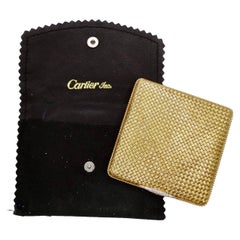
Vintage 18K yellow gold Cartier compact powder box with a woven texture and diamond encrusted thumb-piece. Circa 1950's. The compact is stamped with th...
Category

1950s French Vintage Continental US - More Objets d'Art and Vertu

Materials

Diamond, 18k Gold, Yellow Gold

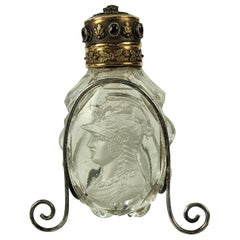
Amythest and Gold Sulphide Scent Bottle on Stand
Located in Riverdale, NY
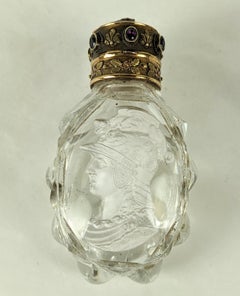
Amythest and 18k Tri Color Gold Sulphide Cameo Scent Bottle on Stand, early 19th Century, possibly by Baccarat. A custom made period stand in sterling allows the bottle to be display...
Category

1820s French Georgian Antique Continental US - More Objets d'Art and Vertu

Materials

Amethyst, Gold, 18k Gold

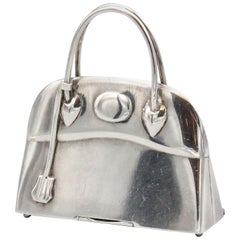
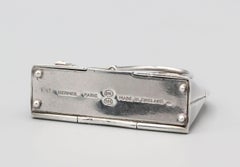
Hermès Paris Sterling Silver Bolide Bag Pill Box Charm Pendant
By Hermès
Located in New York City, NY
Fine sterling silver pill box in the likeness of an Hermes Bolide bag, by Hermes. The box can be used in a multitude of ways: as a standard pillbox, a pendant, or as a charm. Almost 2 inches wide and approx. 30 grams in weight. This Hermes pill box is a unique and luxurious accessory that pays homage to the iconic Hermes Bolide bag. Shaped like a miniature version of the famous Hermes Bolide bag, which is celebrated for its structured silhouette and distinctive closure. Hermes itself is a renowned French luxury brand known for its exquisite craftsmanship and timeless designs. This particular piece, designed primarily as a pill box, can be used as a charm or pendant as well. It is crafted from sterling silver, which is highly prized for its durability and lustrous appearance. The sterling silver material provides a sleek and elegant backdrop for the intricate details of the Bolide bag pill box charm...
Category

Late 20th Century Continental US - More Objets d'Art and Vertu

Materials

Sterling Silver

Antique French Ruby 18 Karat Gold Perfume Bottle
Located in New York City, NY
Very fine and unusual ruby and 18K yellow gold perfume bottle of French origin, circa late 19th century. Originally from the estate of Queen Nazli of Egypt. Hallmarks: maker's mark...
Category

Late 19th Century Antique Continental US - More Objets d'Art and Vertu

Materials

Ruby, Gold, 18k Gold

Pair of Antique Whiting Sterling Silver Whist Game Counters or Markers
By Whiting
Located in Philadelphia, PA
A fine pair of Whist game counters or markers. Made by Whiting and retailed by Bailey, Banks, and Biddle. In sterling silver. Each with sealed wheel co...
Category

20th Century American Edwardian Continental US - More Objets d'Art and Vertu

Materials

Sterling Silver

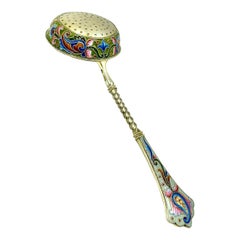
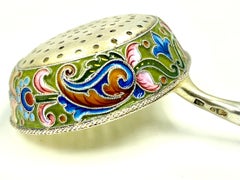
Antique Russian Pan-Slavic Silver Shaded Enamel Tea Strainer, Nikolai Alekseyev
Located in New York, NY
Exceptional quality antique Russian vermeil silver and shaded enamel Pan-Slavic Style tea strainer by Nikolai Alekseyev. The handle decorated in dove grey...
Category

Late 19th Century Russian Russian Empire Antique Continental US - More Objets d'Art and Vertu

Materials

Vermeil, Silver, Enamel

Magnificent French Retro Sapphire Gold Box
Located in New York, NY
Magnificent retro sapphire gold box. Sapphires are perfectly set in graduation with total weight of 25 carats The box has the maker's mark RL & numbe...
Category

1940s French Retro Vintage Continental US - More Objets d'Art and Vertu

Materials

Blue Sapphire, 18k Gold

Buccellati Sterling Silver Dominoes Set
By Buccellati
Located in New York City, NY
Elevate game night with this exquisite vintage Buccellati sterling silver dominoes set. Crafted with the renowned Italian jeweler's signatur...
Category

20th Century Italian Continental US - More Objets d'Art and Vertu

Materials

Sterling Silver

Rare English Silver-Gilt Book-Form Chess and Backgammon Game Board, circa 1976
Located in Long Island City, NY
Rare English silver-gilt book-form chess and backgammon game board, circa 1976. This exceptional and rare solid silver chess board converts into a backgammon board and can also be placed in a bookshelf to add more opulence. (3 in 1). This was most definitely a private commissioned piece by the House of Garrard...
Category

20th Century British Continental US - More Objets d'Art and Vertu

Materials

Silver

Rare Carved Hawk's Eye Agate Tiger on a 14K Gold Mounted Rock Crystal Base
Located in Long Island City, NY
A rare carved Hawk's Eye agate tiger on a 14k gold mounted rock crystal base, circa 1960. "A Jeweled Sculpture" An incredible carved tiger made fro...
Category

20th Century Continental US - More Objets d'Art and Vertu

Materials

Agate, Rock Crystal, 14k Gold

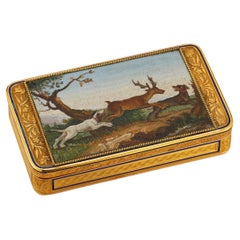
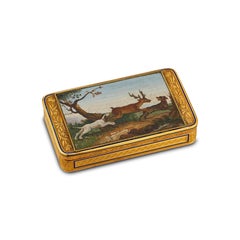
Micro Mosaic Gold Snuff Box
Located in New York, NY
Micro Mosaic Gold Snuff Box An 18 karat gold snuff box accented with blue enamel set with a micro mosaic of dogs hunting a deer Circa 1850's Dimensi...
Category

1850s Antique Continental US - More Objets d'Art and Vertu

Materials

Gold, 18k Gold, Yellow Gold, Enamel

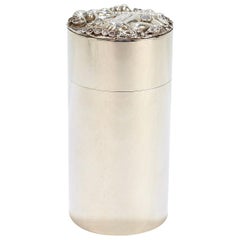
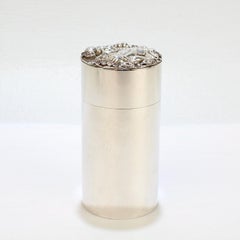
Jocelyn Burton Seashell and Moonstone Encrusted Sterling Silver Box
Located in Philadelphia, PA
A very fine cylindrical sterling silver box by Jocelyn Burton. The box's lid is richly encrusted with miniature silver sea shells and bezel set with 2 ...
Category

1970s British Modern Vintage Continental US - More Objets d'Art and Vertu

Materials

Moonstone, Sterling Silver

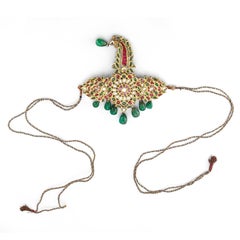
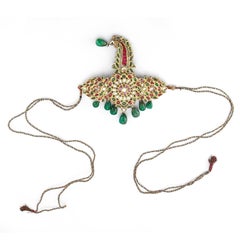
Museum Quality Antique Indian Sarpech Necklace
Located in New York, NY
Museum Quality Antique Indian Sarpech Necklace Rose cut emeralds, rubies & diamonds set in 22k gold with 8 emerald bead drops. Reverse with very fine hand enamel designs. With adjustable cord Originally a turban ornament...
Category

1880s Indian Antique Continental US - More Objets d'Art and Vertu

Materials

Diamond, Emerald, Ruby, 22k Gold

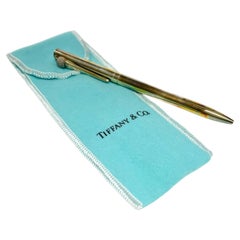
Tiffany & Co. Sterling Golf Ball Tee Ballpoint Pen - 018
By Tiffany & Co.
Located in Palm Desert, CA
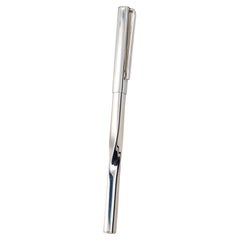
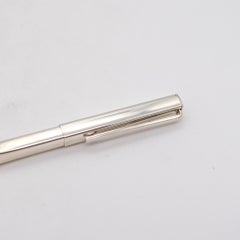
Tiffany & Co. Sterling Golf Ball Tee Ballpoint Pen. The simple & sleek design is functional and stylish. This piece has a twist retractable closure and a...
Category

1990s French Contemporary Continental US - More Objets d'Art and Vertu

Materials

Sterling Silver

Cartier, Paris 18 Karat Gold Evening Minaudière
By Cartier
Located in New York, NY
Cartier Woven Two tone 18k Gold Purse. This purse has a woven design of 18k yellow and white gold with a twisted rope chain (length 14 inches). Inside th...
Category

Mid-20th Century French Artist Continental US - More Objets d'Art and Vertu

Materials

Gold, 18k Gold

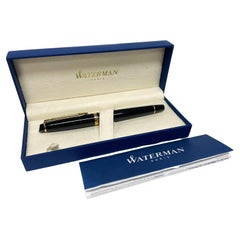
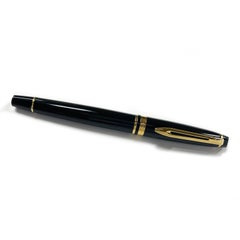
Waterman Expert Gold Plated Fountain Pen
Located in Palm Desert, CA
Waterman Gold Plated Fountain Pen. The Waterman Expert fountain pen has a gloss lacquer finish with 23 karat gold plated trim. The pen has a cigar-shaped barrel, a beveled button cap...
Category

Early 2000s French Contemporary Continental US - More Objets d'Art and Vertu

Materials

Gold Plate

Ruser solid Gold Framed Evening Bag Mirror
By William Ruser
Located in Chicago, IL
Circa 1960s Ruser 14K yellow Gold Evening Bag Mirror, 2 sided with a beveled Mirror and a very cute, figural and detailed baby, a Ruser trade mark looking at his own reflection in th...
Category

1960s American Vintage Continental US - More Objets d'Art and Vertu

Materials

14k Gold

Navajo Walrus Ivory and Turquoise Concho Belt
By Navajo
Located in Coeur d Alene, ID
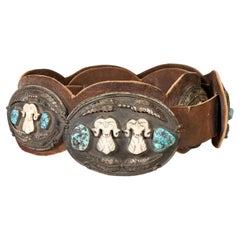
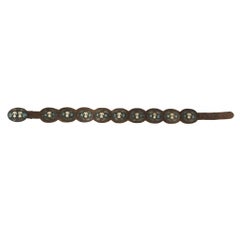
Carved ivory bighorns with Blue Kingman Mine turquoise. Wonderful patina. Original leather; nine conchos total. Signed A.J.M. PERIOD: After 1950 ORIGIN: Navajo, Southwest SIZE: Total belt length 56"; buckle 3 1/2" x 5"; conchos 3" x 4" The word “concho” sometimes spelled “concha”, comes from the Spanish word meaning shell. Some of the first “conchos” were made of melted silver dollars and resembled a shell. Concho belts reportedly began appearing in Navajo country in the late 1860s. Other Native Americans including Zuni and Hopi also made traditional concho belts before long. Concho belts can cost into the thousands of dollars depending upon the craftsmanship, amount of silver, rarity of turquoise and stones used. Belts in the upper end of the price scales are usually made before the turn of the century. Buyers should deal with reputable dealers as many fakes and look-a-likes exist. A well-made belt with age to it will fetch a bigger premium and hold its value better. The earliest concho belts are now referred to as “First Phase” belts. This style of belt was made before Native silversmith had learned much about soldering. The conchos were hammered out from melted coins, cut, and filed into shape, engraved and a diamond shape slot was cut out of the middle of the concho, with a bar left across the center of the diamond shaped slot for the leather loop. Conchos that required no soldering are generally thought to be made from 1860-1880. Second phase conchos were done 1890-1900s in which silversmith began to solder. Third phase conchos is when you start to see the “butterfly” or “bow” appear between conchos and the use of turquoise as an adornment. A butterfly (bow) is a smaller concho in between bigger conchos. A belt with butterflies...
Category

1950s American Native American Vintage Continental US - More Objets d'Art and Vertu

Materials

Turquoise, Sterling Silver
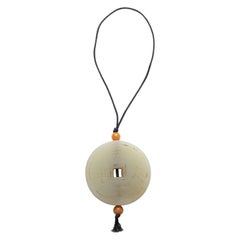
Alice Caviness Sterling Silver with Gold Overlay Moveable Butterfly Wings Brooch
By Alice Caviness
Located in New York, NY
Alice Caviness wonderfully detailed sterling silver with gold overlay butterfly brooch has all four wings moveable if desired. Filigree handwork and made in Germany. The upper...
Category

1970s German Artisan Vintage Continental US - More Objets d'Art and Vertu

Schlumberger Gold Poodle Lighter
By Jean Schlumberger for Tiffany & Co.
Located in New York, NY
Schlumberger Gold Poodle Lighter , 18k carved gold with ruby eyes .Circa 1950 Measurements: 5.5 x 3.3 x 2.1 cm Gram Weight: 47.3 grams Gold Type: 1...
Category

1950s French Vintage Continental US - More Objets d'Art and Vertu

Materials

Ruby, Gold, 14k Gold

Tiffany & Co. Sterling Golf Ball Tee Ballpoint Pen - 017
By Tiffany & Co.
Located in Palm Desert, CA
Tiffany & Co. Sterling Golf Ball Tee Ballpoint Pen. The simple & sleek design is functional and stylish. This piece has a twist retractable closure and a...
Category

1990s North American Contemporary Continental US - More Objets d'Art and Vertu

Materials

Sterling Silver
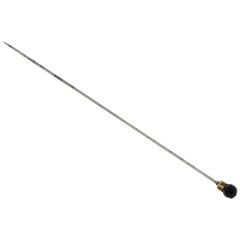
10 Karat Yellow Gold Mechanical Pencil
Located in Washington Depot, CT
10 Karat Yellow Gold Mechanical Pencil- This lovely piece features a mechanical pencil with a beautifully engraved 10K case and clear stone acc...
Category

20th Century Continental US - More Objets d'Art and Vertu

Materials

10k Gold, Yellow Gold

Tiffany & Co. Retro 14 Karat Gold Shoehorn
By Tiffany & Co.
Located in New York City, NY
Chic and unusual 14K yellow gold shoehorn by Tiffany & Co. It features a ribbed design to both sides of the handle with initials on bottom. A handsome g...
Category

Mid-20th Century Continental US - More Objets d'Art and Vertu

Materials

14k Gold

Antique Platinum Brooch with European Cut Diamonds
By Sarosi By Timeless Gems
Located in Los Angeles, CA
This antique platinum brooch is set with approximately 0.60 carats in diamond rounds and has such a beautifully refined craftsmanship! The design of this piece is a delicate leaf pat...
Category

21st Century and Contemporary Artisan Continental US - More Objets d'Art and Vertu

Materials

Diamond, Platinum

Mellerio Paris, a French Gold, Diamonds, Silver, and Smoky Quartz Carved Horse
By Mellerio dits Meller
Located in Long Island City, NY
Mellerio Paris, A French Gold, Diamonds, Silver-Gilt, Rock-Crystal, Jade, Mother-Of-Pearl and Smoky Quartz, Carved Horse Sculpture, Jeweled Mounted Object. An extremely rare and unique, one of a kind French gold, diamonds, Silver-gilt, rock-crystal, jade, obsidian, mother-of-pearl, and smoky quartz carved jeweled sculpture "CHEVAUX DE LEGENDE", "A Legendary Horse" by Mellerio, Paris, circa 1991. Sitting on black obsidian base, the solid rock-crystal slab is finely applied with a carved smoky -quartz and jade horse with a harness mounted in 18k gold, brilliant -cut diamonds, rubies, turquoise, and amethyst chains and pendants. The top columns adorned with 18k gold and brilliant cut diamond pendants, the bottom with gold and mother of pearl plaques. The obsidian base with a plaque engraved: CHEVAUX DE LEGENDE" / N° 05 / MELLERIO DITS MELLER / PARIS / 5003 D The piece is in excellent condition and comes with a custom made wood case made for transport. It's very elegant and has French hallmarks throughout. A truly magnificent piece. Measures 10.5" high x 8.5" wide x 4" deep Founded in France in 1613 by the descendants of Italian immigrants from the Vigezzo Valley in the north of Italy, Mellerio is one of the oldest jewellery houses in Europe. The family business soon attracted the attention of the Royal Court and Marie Antoinette herself reportedly purchased a precious bracelet featuring 7 cameos surrounded by rubies in 1780. Later on, in the 19th century, Mellerio became the official supplier of the French Royal family and the Court of Netherland. Mellerio creates many jewellery items, all set with rare gems such as peridots, amethysts, aquamarines, citrines and topaz, applying for a patent, the flexible stem, a very supple and light jewellery mechanism. Mellerio remains also well known for their spectacular series of Art Nouveau jewels, created at the beginning of the 20th century, as well as for the creation of trophies rewarding some of the greatest footfall and tennis players of history. In 1993, the jewellery house launched their first watch collection. Today, Mellerio has stores in Paris, Japan and Hong Kong. July 14, 1789: this date is known throughout the world as the beginning of the French Revolution. According to a ledger belonging to House of Mellerio, this was also the day that the jeweler sold a golden key to the Comte de Coutance for 10 livres. This ledger, as well as inventories dating as far back as 1768, are the jeweler’s oldest archives. These archives have continued to grow over the years, as the House, established on rue de la Paix in Paris, still lives on today, still in the hands of the same family from Craveggia, in the North of Italy. The tumultuous history of the Mellerio family in France probably goes as far back as the Italian wars of the Renaissance, but the first official document proving their commercial activity in Paris dates back to 1613. This document is the famous royal warrant awarded by Marie de Medici to a number of Italian families established along the rue des Lombards, including the Mellerios, allowing them to sell “small jewelery items”, therefore granting them a small exception to the traditional monopoly enjoyed by Parisian jewelers. At that time, powerful corporations regulated the operations and customs of Parisian business, but thanks to this exceptional warrant, the Mellerios managed to escape the confines of this framework. Today, this wax-sealed document is kept at the city hall of Craveggia. From 1613 to the Revolution, the Mellerios lived between France and Italy. The corporations tried many times to put an end to their trade privileges, but all in vain, as a dynasty of sovereigns renewed the warrant. Always marrying and often retiring in Craveggia, the Mellerios continued to maintain their jewelry business in Paris. At first, they did this without a shop. Wearing backpacks (wooden boxes divided into small compartments where jewels were kept), they would tour town fairs around Paris and royal castles. This is how Jean-Baptiste Mellerio (1765-1850) is said to have sold a bracelet set with rubies and Antique cameos to Marie-Antoinette, which still exists today. Many elements seem to prove the veracity of this anecdote. The queen was particularly fond of cameos, which cover the entire background of her famous jewelry cabinet, and ruby was her favorite stone after diamond. The famous bracelet, reacquired a few years ago by the House of Mellerio, is indeed an 18th century jewel, set with antique cameos representing the profiles of Roman emperors. Two branches of the family were operating in Paris during this time, under the reign of Louis XVI: that of Jean-François (1746-1828), the paternal ancestor of the current Mellerios, and that of Jean-Baptiste (1765-1850). The French Revolution forced them to return to Italy. However, both Jean-Baptiste and François Mellerio (1772-1843), who was the son of Jean-François, were eventually able to return to Paris after the founding of the Consulate. Jean-Baptiste opened a shop at the Iron Crown of rue Vivienne, and François opened his at the Palais des Tuileries, rue du Coq Saint-Honoré. His well-organized order books give an idea of his high-ranking clientele during the “Old Regime”, among which were the Comte and Comtesse Octave de Segur, the Marquise (later Duchess) de Tourzel, former governess of the royal children, and her daughter, the Comtesse de Bearn, the Craufurds -who organized the flight to Varennes, the Duc and Duchess de Gramont, the Comtesse de Boigne, and Madame de Souza, Talleyrand’s mistress. We also see the names of the imperial family: Empress Josephine, the Queen of Holland, Princess Elisa, Caroline and Pauline. At that time, the House of Mellerio specialized, among other things, in the trade of antique cameos, a newly fashionable genre of jewel that captured the imagination of all the princesses and noble women of the time. The years of the Restauration and July Monarchy were among the most glorious. The Bourbons were back on the throne, and the clientele of the House of Mellerio had regained its former wealth. Mellerio supplied Louis-Philippe, Duke of Orléans, as well as his mother, wife and sister, with sumptuous jewels, including a set of emeralds made piece by piece, while the Duke of Bourbon, last prince of the House of Condé, offered diamonds to his mistress, the scheming Baronne de Feucheres, and Monsieur de LaFayette also bought cameos for one of his granddaughters. For the first time, Mellerio ventured into the world of arts in 1815, when Carlotta Grisi, a famous dancer who created Giselle, as well as an actress named Rachel, bought jewels at the Mellerio store on rue de la Paix. 1848 marked a new turning point. France once again became a Republic. François Mellerio handed the company over to his son, Jean, and the latter decided to travel to Spain to build a new clientele. He later became one of the jewelers of the royal family, and met Eugénie de Montijo, who remained a faithful client when she became empress of the French people. The Imperial years were lavish. During the Second Empire, Paris was a pageant of crinoline dresses designed by Worth, while jewels by Mellerio, Worth’s neighbour on the rue de la Paix, adorned the noble women of the Tuileries court. The Empress bought pearls. Mathilde Bonaparte...
Category

20th Century French Continental US - More Objets d'Art and Vertu

Materials

Amethyst, Diamond, Jade, Quartz, Rock Crystal, Ruby, Turquoise, Gold, Si...

Still Thinking About These?

All Recently Viewed