Items Similar to 41. Rosa hemisphaerica, Dagger moth
Want more images or videos?
Request additional images or videos from the seller
1 of 5
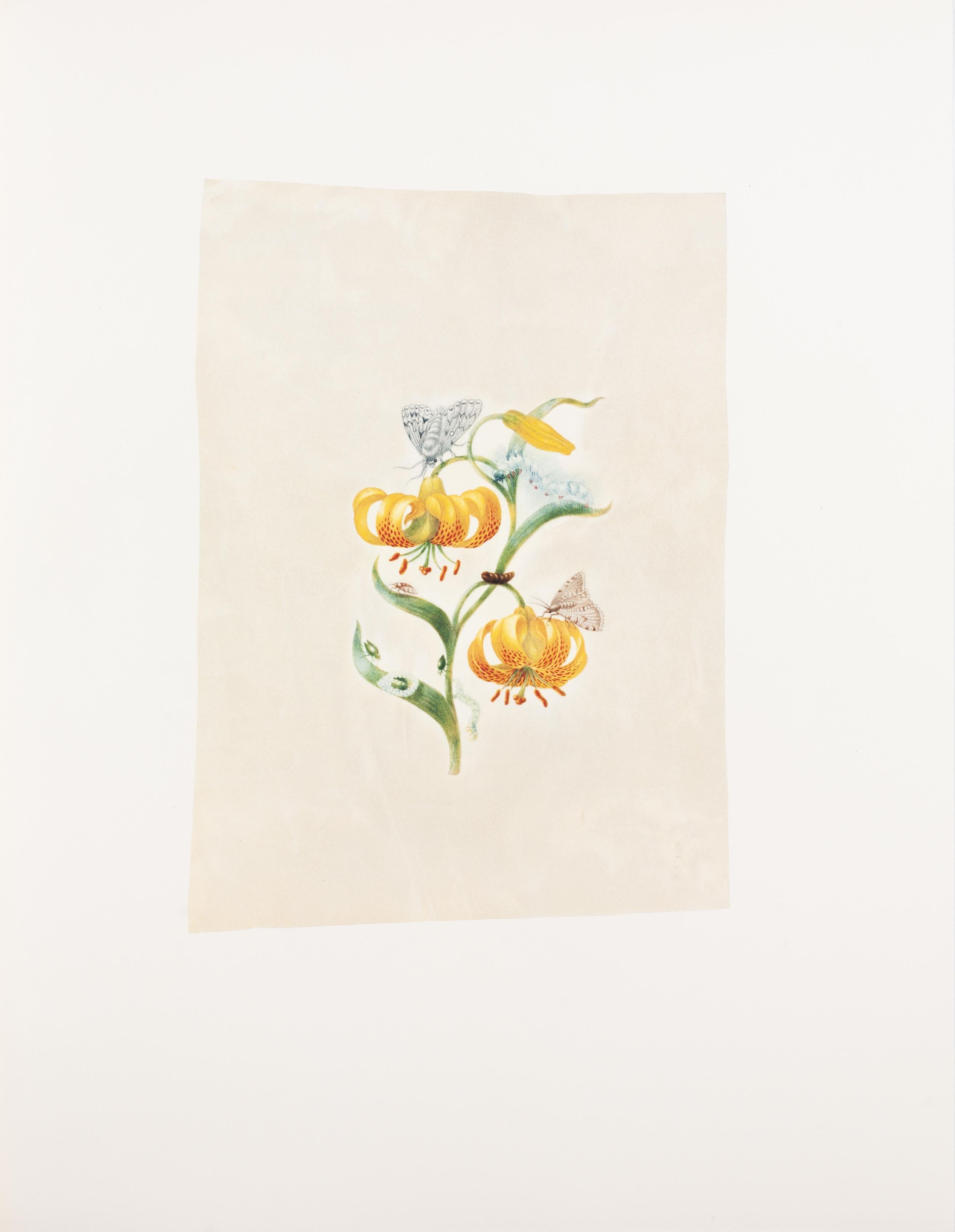
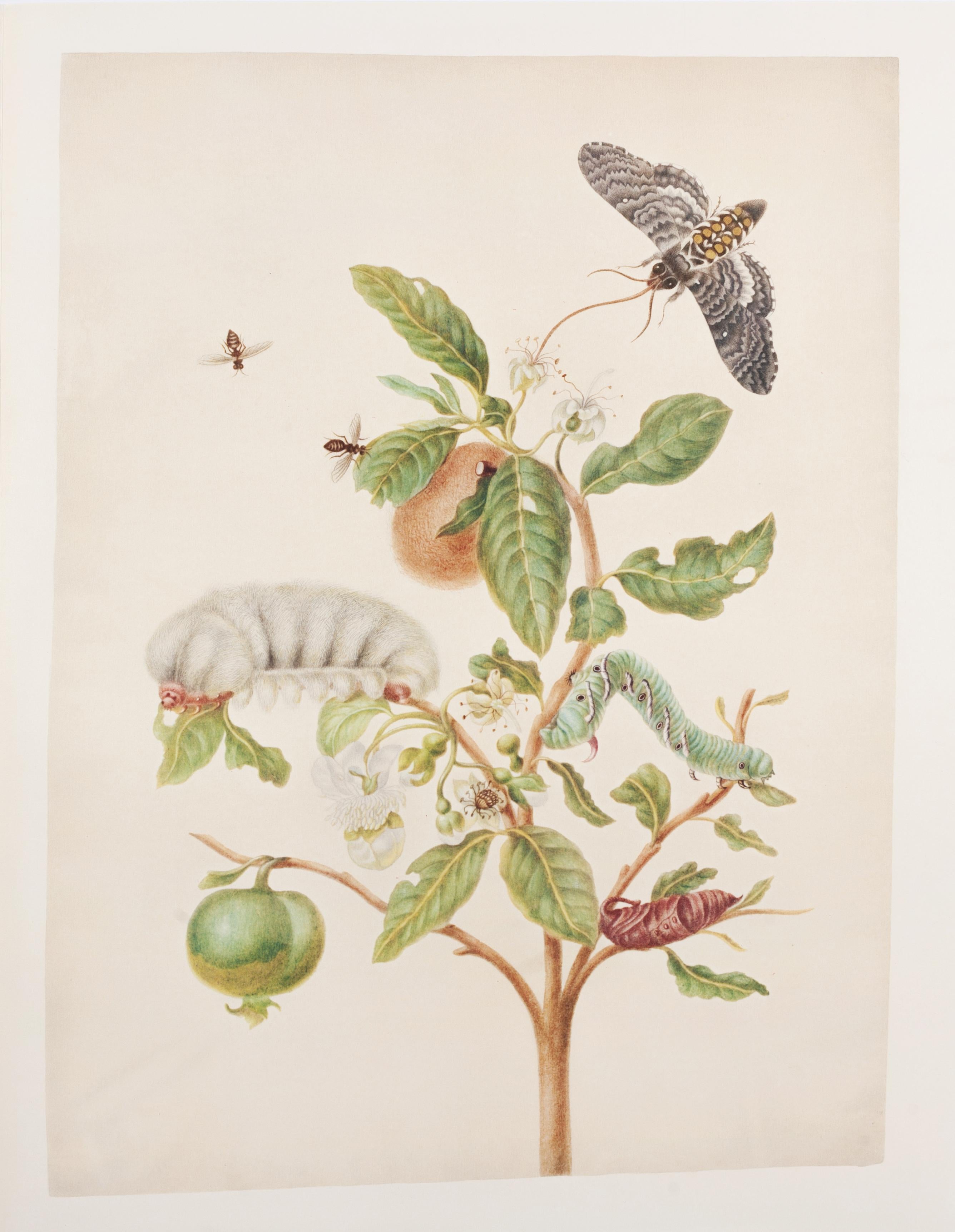
Maria Sibylla Merian41. Rosa hemisphaerica, Dagger moth1974
1974
$420
£317.38
€366.50
CA$586.89
A$651.20
CHF 341.11
MX$7,985.46
NOK 4,338.84
SEK 4,095.68
DKK 2,733.19
Shipping
Retrieving quote...The 1stDibs Promise:
Authenticity Guarantee,
Money-Back Guarantee,
24-Hour Cancellation
About the Item
Maria Sibylla Merian was born in Germany in 1647 and received early artistic training from her stepfather, an established still life painter. She was fascinated by insects and collected, cultivated, and drew them as a child. She began to publish hand-etched and printed catalogues of illustrations in 1679, and became a reliable source for new entomological and botanical documentation. Her work was even cited by Carl Linnaeus. After her death in Amsterdam in 1717, Peter the Great acquired numerous original watercolors of Merian’s, many of which he’d seen during a visit with the artist in the final years of her life. These pieces from his collection, still housed in St. Petersburg, were later termed the Leningrad Watercolors, and 50 of them were beautifully reproduced in 1974.
- Creator:Maria Sibylla Merian (1647 - 1717, Dutch)
- Creation Year:1974
- Dimensions:Height: 17.75 in (45.09 cm)Width: 13.75 in (34.93 cm)
- More Editions & Sizes:UnknownPrice: $420
- Medium:
- Movement & Style:
- Period:
- Condition:
- Gallery Location:Columbia, MO
- Reference Number:1stDibs: LU1976213691012
Maria Sibylla Merian
Maria Sibylla Merian (1647—1717) was a naturalist and artist. Her contributions to entomology were never appropriately recognized in her lifetime. She is now considered to be a pioneer in the fields of botany and zoology. She made detailed observations of live specimens, which was a departure from previous studies that used preserved specimens. She focused great detail on the processes of metamorphosis, which had not been studied so comprehensively before her work. The engravings for the publication were done by J. Mulder, P. Sluyter and A. Stopendaal, all after paintings on vellum by Merian. The work is considered to be one of the most beautiful, and famous illustrated natural history works of the 18th century. The work was the result of Merian's trip in 1699 with her daughter Dorothea to Surinam, a Dutch colony on the northeastern coast of South America. The pair studied and recorded plants and insects for two years under difficult conditions. They came back to Amsterdam with specimens, notes and drawings and there completed their astounding work. One naturalist proclaimed "Her portrayals of living insects and other animals were imbued with a charm, a minuteness of observation and an artistic sensibility that had not previously been seen in a natural history book; if Gould and Audubon have 'a spiritual ancestor, then it is difficult to think of a more worthy claimant to the title than Maria Sibylla Merian." On the day Maria Sibylla Merian died, Tsar Peter the Great purchased a two-volume collection of her unbound paintings, as well as her journal. Born in Frankfurt am Main, Maria Sibylla Merian was the daughter of Matthaus Merian the Elder (1593—1650), a famous German-Swiss painter, engraver and publisher. Her father died when she was three and her mother remarried Jacob Marrel (1614-1681), who was a still-life painter. From the time she was eleven, Marrel schooled Maria Sibylla Merian in the tradition of northern European still life painting, working directly from life. As her interests evolved toward the study of insects, she employed these artistic skills to create her outstanding scientific and esthetically beautiful works. She was truly at the crossroads of art and science.
About the Seller
No Reviews Yet
Vetted Professional Seller
Every seller passes strict standards for authenticity and reliability
1stDibs seller since 2022
43 sales on 1stDibs
Typical response time: 16 hours
- ShippingRetrieving quote...Shipping from: Columbia, MO
- Return Policy
Authenticity Guarantee
In the unlikely event there’s an issue with an item’s authenticity, contact us within 1 year for a full refund. DetailsMoney-Back Guarantee
If your item is not as described, is damaged in transit, or does not arrive, contact us within 7 days for a full refund. Details24-Hour Cancellation
You have a 24-hour grace period in which to reconsider your purchase, with no questions asked.Vetted Professional Sellers
Our world-class sellers must adhere to strict standards for service and quality, maintaining the integrity of our listings.Price-Match Guarantee
If you find that a seller listed the same item for a lower price elsewhere, we’ll match it.Trusted Global Delivery
Our best-in-class carrier network provides specialized shipping options worldwide, including custom delivery.More From This Seller
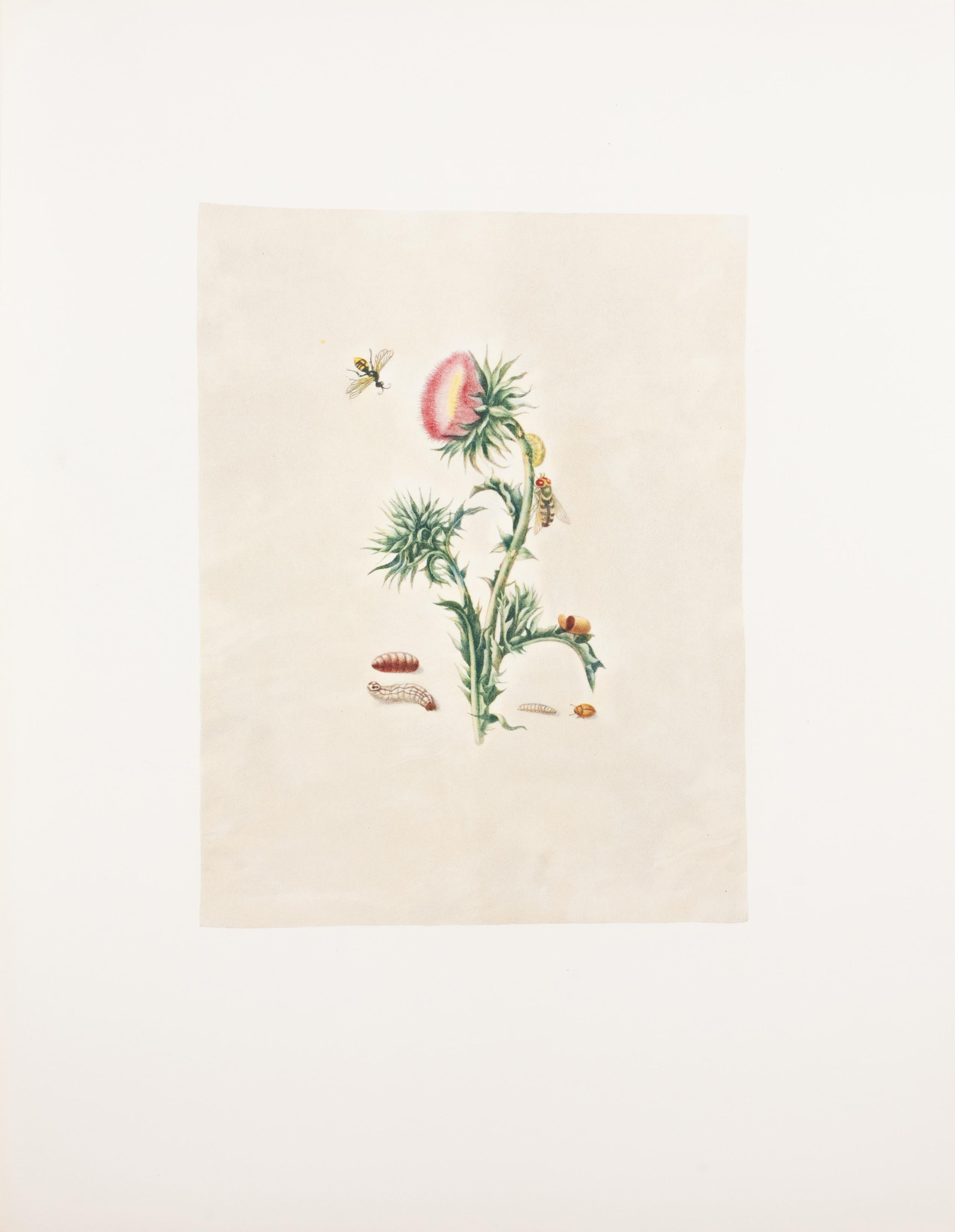
View All38. Musk-thistle, Syrphid-fly
By Maria Sibylla Merian
Located in Columbia, MO
Maria Sibylla Merian was born in Germany in 1647 and received early artistic training from her stepfather, an established still life painter. She was fascinated by insects and collec...
Category
18th Century Realist Prints and Multiples
Materials
Pigment
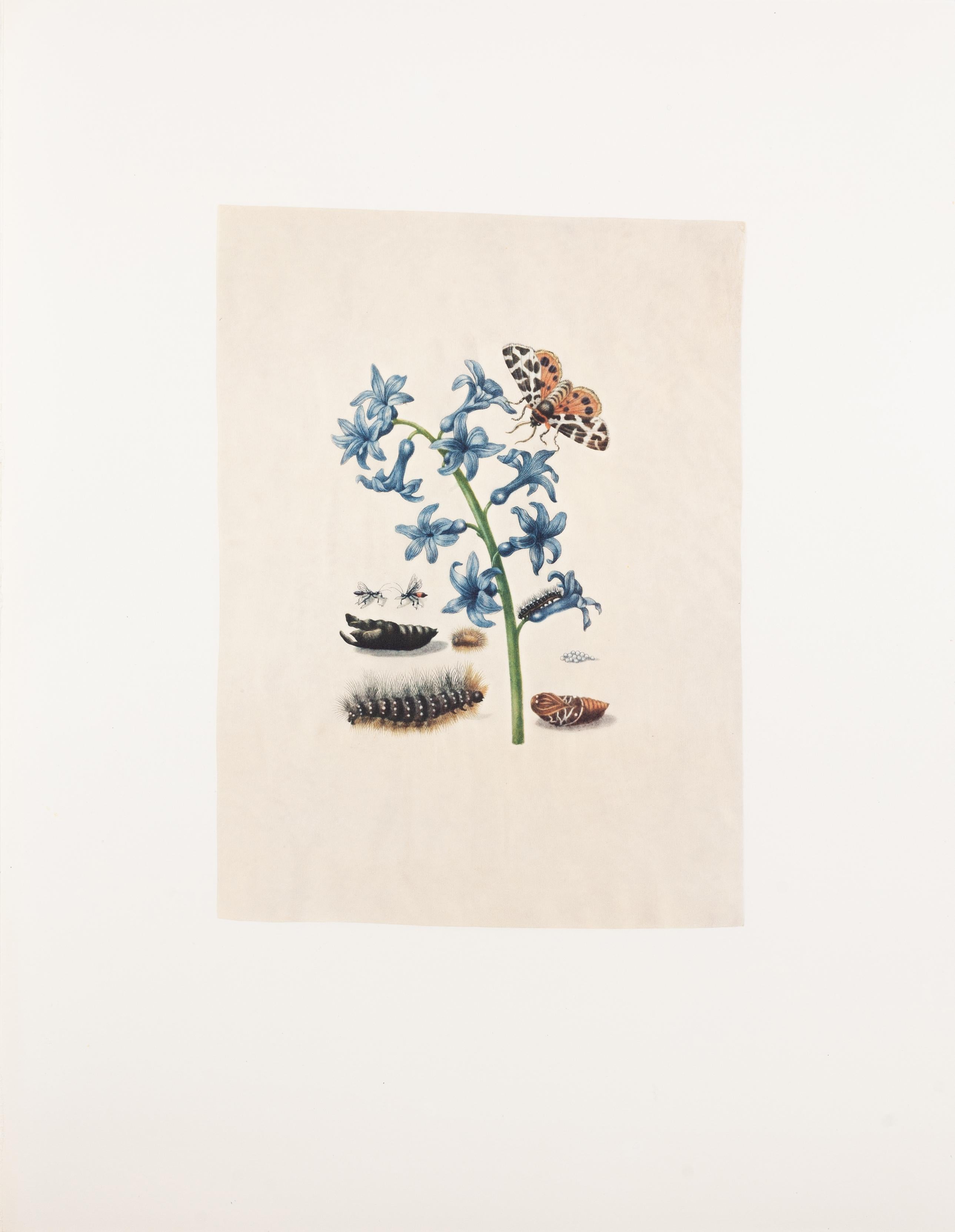
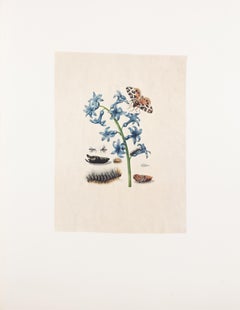
35. Common hyacinth, Common tiger, moth
By Maria Sibylla Merian
Located in Columbia, MO
Maria Sibylla Merian was born in Germany in 1647 and received early artistic training from her stepfather, an established still life painter. She was fascinated by insects and collec...
Category
18th Century Realist Prints and Multiples
Materials
Pigment
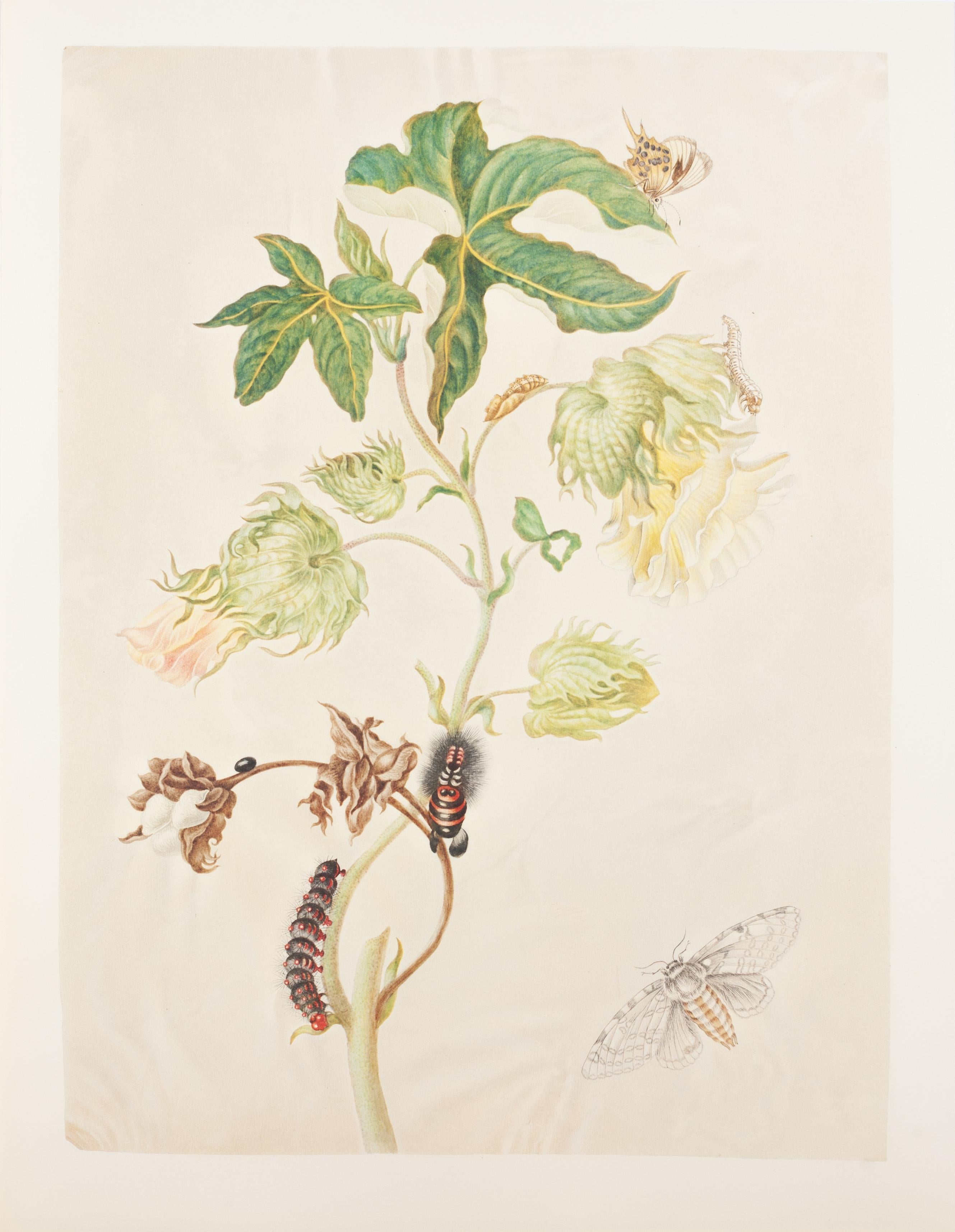
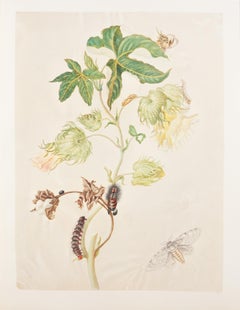
45. Hairy cotton, Helicopis cupido
By Maria Sibylla Merian
Located in Columbia, MO
Maria Sibylla Merian was born in Germany in 1647 and received early artistic training from her stepfather, an established still life painter. She was fascinated by insects and collec...
Category
18th Century Realist Prints and Multiples
Materials
Pigment
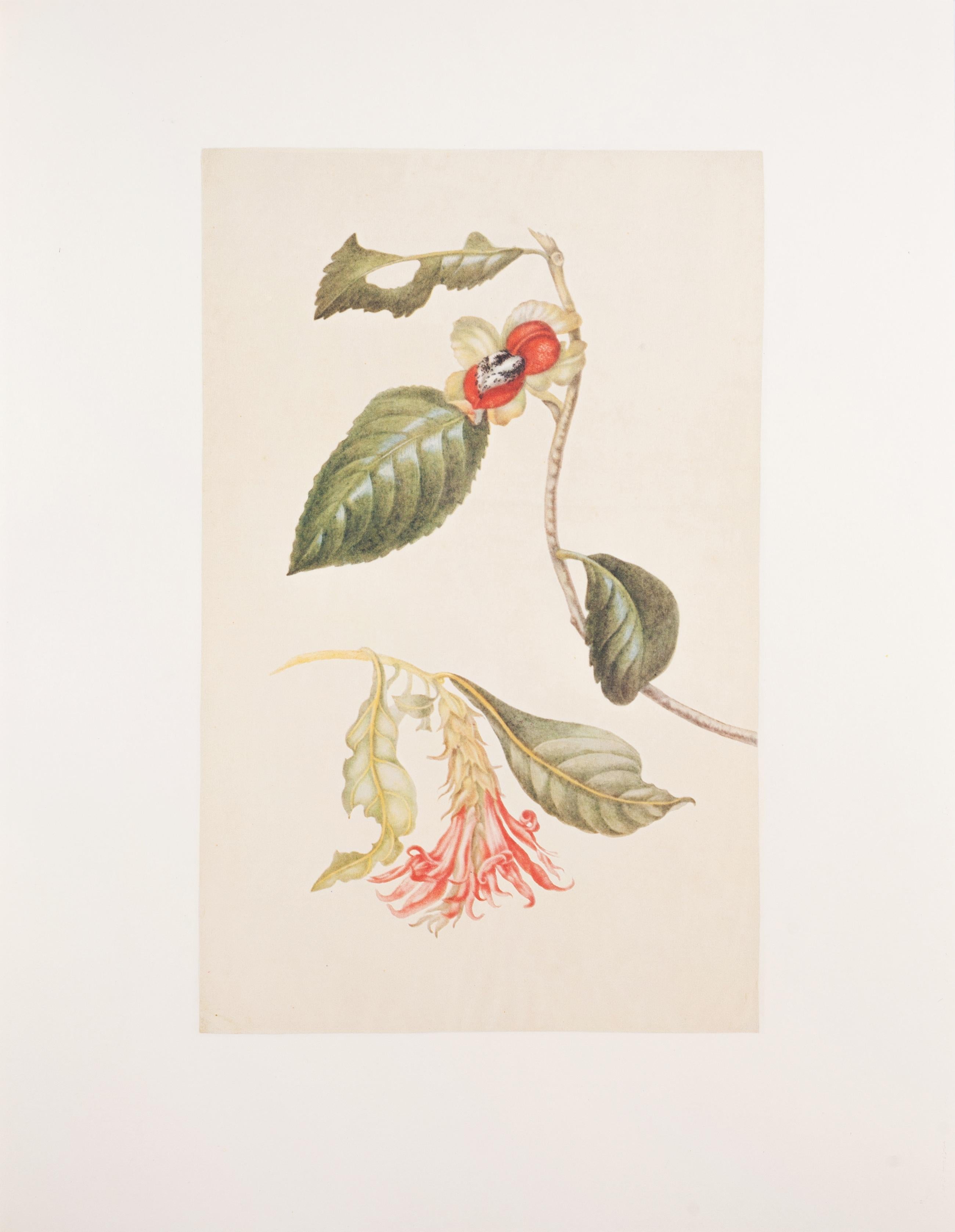
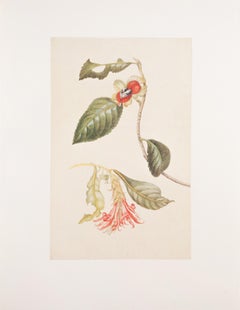
25. Spray of flowers, not clearly identifiable
By Maria Sibylla Merian
Located in Columbia, MO
Maria Sibylla Merian was born in Germany in 1647 and received early artistic training from her stepfather, an established still life painter. She was fascinated by insects and collec...
Category
18th Century Realist Prints and Multiples
Materials
Pigment
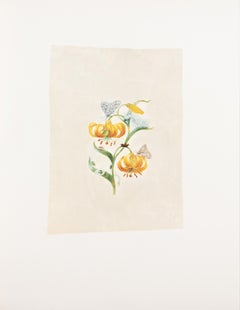
42. Martagon lily, Frog-hopper, Acronicta leporina, Looper, inchworm
By Maria Sibylla Merian
Located in Columbia, MO
Maria Sibylla Merian was born in Germany in 1647 and received early artistic training from her stepfather, an established still life painter. She was fascinated by insects and collec...
Category
18th Century Realist Prints and Multiples
Materials
Pigment
49. White guava, Manduca sexta
By Maria Sibylla Merian
Located in Columbia, MO
Maria Sibylla Merian was born in Germany in 1647 and received early artistic training from her stepfather, an established still life painter. She was fascinated by insects and collec...
Category
18th Century Realist Prints and Multiples
Materials
Pigment
You May Also Like
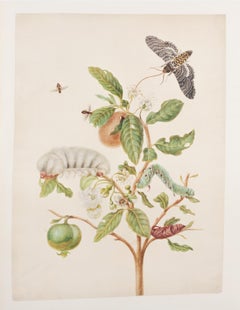
Thistle and Moths, plate no. 6, Metamorphosis Insectorum Surinamensium
By Maria Sibylla Merian
Located in Middletown, NY
Metamorphosis Insectorum Surinamensium, Plate No. 6; Thistle and Moths. The Netherlands: 1705. Engraving with hand coloring in w...
Category
Early 18th Century Naturalistic Still-life Prints
Materials
Watercolor, Engraving
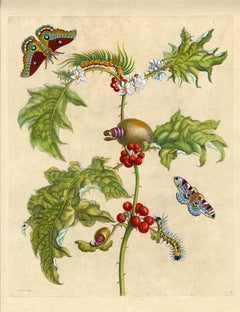
Tree with moth, caterpillar..., Plate 39, Metamorphosis Insectorum Surinamensium
By Maria Sibylla Merian
Located in Middletown, NY
Metamorphosis Insectorum Surinamensium, Plate No. 39; Unidentified tree with moth, caterpillar and pupa.
The Netherlands: 1705....
Category
Early 18th Century Naturalistic Still-life Prints
Materials
Watercolor, Engraving
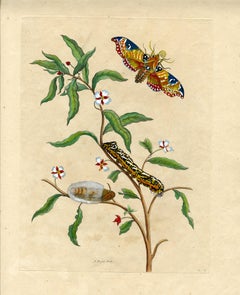
4 plates from The Wondrous Transformation of Caterpillars & their Strange Diet..
By Maria Sibylla Merian
Located in Middletown, NY
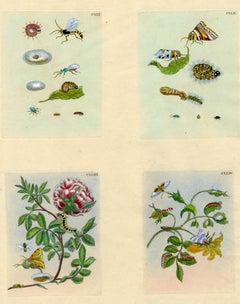
Four plates from The Wondrous Transformation of Caterpillars and their Strange Diet of Flowers. “Wolfsmelk Rupsen;" “Wolfsmilch, Raupe und Schmetterling" Amsterdam: J F Bernard, 1730. Each an engraving with hand coloring in watercolor and gouache printed on one sheet of watermarked Honig cream laid paper, each measures 6 1/4 x 5 inches (157 x 121 mm), sheet measures 20 5/8 x 14 inches (522 x 355 mm), full margins. With handling creases in the lower right sheet quadrant, as well as minor, loose cockling, otherwise in very good condition. The colors are superb with exceptionally fresh and bright saturation. Engraved between 1679 and 1683, printed 1730. Plates included: LIV, LV, LVI, & LVII.
MARIA SIBYLLA MERIAN was one of the most highly respected entomologists of the 17th century, and remains today one of the field's most significant figures. A German-born naturalist and scientific illustrator, she reared herself on the study of caterpillars, and made tremendous contributions to the knowledge of the life cycles of numerous species. Until her detailed and careful study of the process of metamorphosis it was thought that insects were "born of mud," through spontaneous generation.
Trained as a miniature painter by her stepfather, she published her first book of illustrations in 1675, at the age of 28. In 1679, Merian published the first volume of the two-volume series on caterpillars, The Wondrous Transformation of Caterpillars and their Strange Diet of Flowers; the second volume followed in 1683. Each volume contained 50 plates that she engraved and etched. In 1699, Merian traveled to Dutch Guiana...
Category
Early 18th Century Naturalistic Still-life Prints
Materials
Watercolor, Engraving
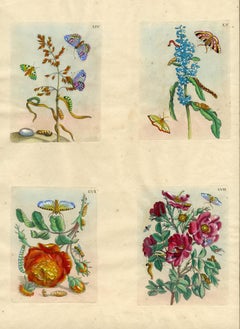
3 plates from The Wondrous Transformation of Caterpillars & their Strange Diet..
By Maria Sibylla Merian
Located in Middletown, NY
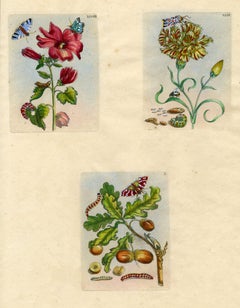
Three plates from The Wondrous Transformation of Caterpillars and their Strange Diet of Flowers. “Wolfsmelk Rupsen;" “Wolfsmilch, Raupe und Schmetterling" Amsterdam: J F Bernard, 1730. Each an engraving with hand coloring in watercolor and gouache printed on one sheet of watermarked Honig cream laid paper, each measures 6 1/4 x 5 inches (157 x 121 mm), sheet measures 20 5/8 x 14 inches (522 x 355 mm), full margins. With handling creases in the lower right sheet quadrant, as well as minor, loose cockling, otherwise in very good condition. The colors are superb with exceptionally fresh and bright saturation. Engraved between 1679 and 1683, printed 1730. Plates included: XLVIII; XLIX & L.
MARIA SIBYLLA MERIAN was one of the most highly respected entomologists of the 17th century, and remains today one of the field's most significant figures. A German-born naturalist and scientific illustrator, she reared herself on the study of caterpillars, and made tremendous contributions to the knowledge of the life cycles of numerous species. Until her detailed and careful study of the process of metamorphosis it was thought that insects were "born of mud," through spontaneous generation.
Trained as a miniature painter by her stepfather, she published her first book of illustrations in 1675, at the age of 28. In 1679, Merian published the first volume of the two-volume series on caterpillars, The Wondrous Transformation of Caterpillars and their Strange Diet of Flowers; the second volume followed in 1683. Each volume contained 50 plates that she engraved and etched. In 1699, Merian traveled to Dutch Guiana...
Category
Early 18th Century Naturalistic Still-life Prints
Materials
Watercolor, Engraving
4 plates from The Wondrous Transformation of Caterpillars & their Strange Diet..
By Maria Sibylla Merian
Located in Middletown, NY
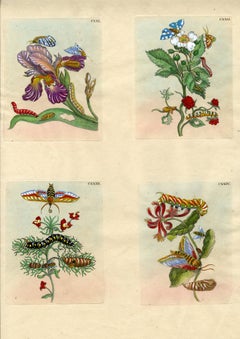
Four plates from The Wondrous Transformation of Caterpillars and their Strange Diet of Flowers. “Wolfsmelk Rupsen;" “Wolfsmilch, Raupe und Schmetterling" Amsterdam: JF Bernard, 1730. Each an engraving with hand coloring in watercolor and gouache printed on one sheet of watermarked Honig cream laid paper, each measures 6 1/4 x 5 inches (157 x 121 mm), sheet measures 20 5/8 x 14 inches (522 x 355 mm), full margins. With handling creases in the lower right sheet quadrant, as well as minor, loose cockling, otherwise in very good condition. The colors are superb with exceptionally fresh and bright saturation. Engraved between 1679 and 1683, printed 1730. Plates included: CXLI, CXLII, CXIII & CXLIV.
MARIA SIBYLLA MERIAN was one of the most highly respected entomologists of the 17th century, and remains today one of the field's most significant figures. A German-born naturalist and scientific illustrator, she reared herself on the study of caterpillars, and made tremendous contributions to the knowledge of the life cycles of numerous species. Until her detailed and careful study of the process of metamorphosis it was thought that insects were "born of mud," through spontaneous generation.
Trained as a miniature painter by her stepfather, she published her first book of illustrations in 1675, at the age of 28. In 1679, Merian published the first volume of the two-volume series on caterpillars, The Wondrous Transformation of Caterpillars and their Strange Diet of Flowers; the second volume followed in 1683. Each volume contained 50 plates that she engraved and etched. In 1699, Merian traveled to Dutch Guiana...
Category
Early 18th Century Naturalistic Still-life Prints
Materials
Watercolor, Engraving
4 plates from The Wondrous Transformation of Caterpillars & their Strange Diet..
By Maria Sibylla Merian
Located in Middletown, NY
Four plates from The Wondrous Transformation of Caterpillars and their Strange Diet of Flowers. “Wolfsmelk Rupsen;" “Wolfsmilch, Raupe und Schmetterling" Amsterdam: J F Bernard, 1730. Each an engraving with hand coloring in watercolor and gouache printed on one sheet of watermarked Honig cream laid paper, each measures 6 1/4 x 5 inches (157 x 121 mm), sheet measures 20 5/8 x 14 inches (522 x 355 mm), full margins. With one 1.5 inch inch tear across the area of the top-left corner, well outside of image area. Handling creases in the lower right sheet quadrant, as well as minor, loose cockling, otherwise in very good condition. The colors are superb with exceptionally fresh and bright saturation. Engraved between 1679 and 1683, printed 1730. Plates included: CXXI, CXXII, CXXIII, & CXXIV.
MARIA SIBYLLA MERIAN was one of the most highly respected entomologists of the 17th century, and remains today one of the field's most significant figures. A German-born naturalist and scientific illustrator, she reared herself on the study of caterpillars, and made tremendous contributions to the knowledge of the life cycles of numerous species. Until her detailed and careful study of the process of metamorphosis it was thought that insects were "born of mud," through spontaneous generation.
Trained as a miniature painter by her stepfather, she published her first book of illustrations in 1675, at the age of 28. In 1679, Merian published the first volume of the two-volume series on caterpillars, The Wondrous Transformation of Caterpillars and their Strange Diet of Flowers; the second volume followed in 1683. Each volume contained 50 plates that she engraved and etched. In 1699, Merian traveled to Dutch Guiana...
Category
Early 18th Century Naturalistic Still-life Prints
Materials
Watercolor, Engraving
More Ways To Browse
Antique Moth
Antique Daggers
Antique Dagger
Carl Linnaeus
18th Century Dagger
Austrian Woodcut
David Roberts Jerusalem
Marc Chagall Derriere
Peace Portfolio
Rembrandt Etching Amsterdam
Samurai Prints
The Last Supper Art
Vintage Cow Print
Antique Silhouette Prints
Cuban Lithograph
David Burns
Franco Midcentury Painting
History Of Portugal And Spain