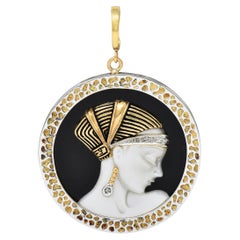
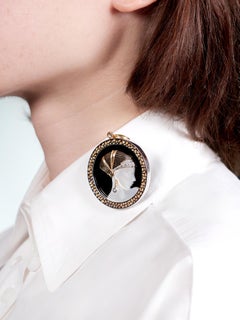
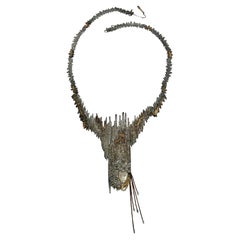
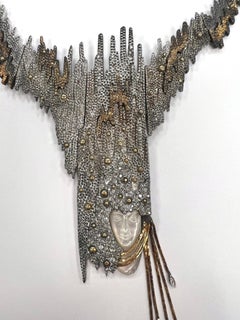
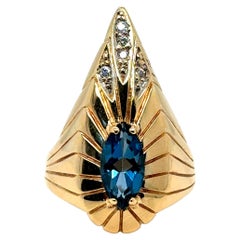
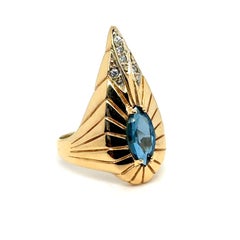
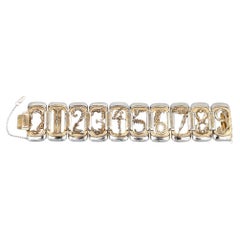
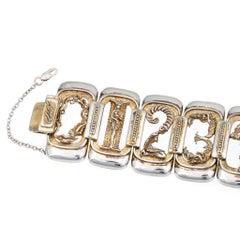
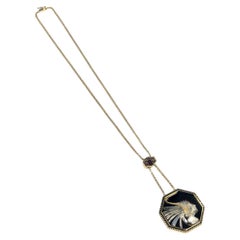
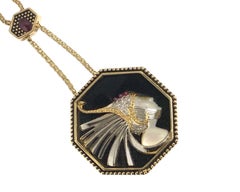
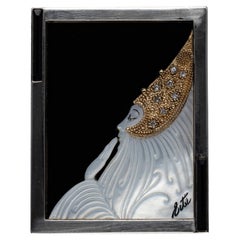
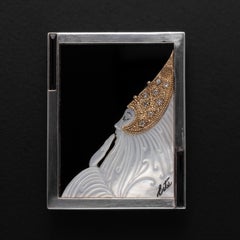
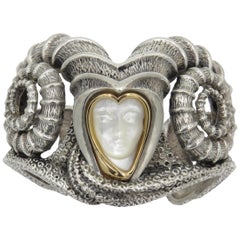
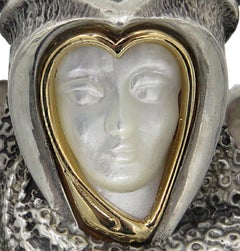
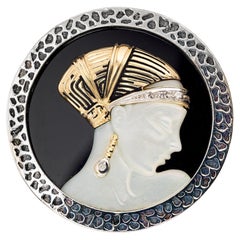
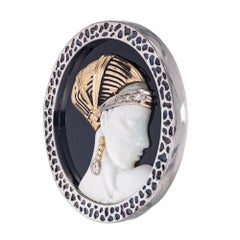
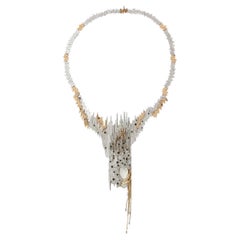
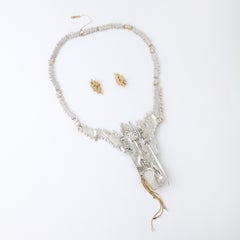
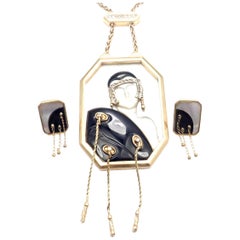
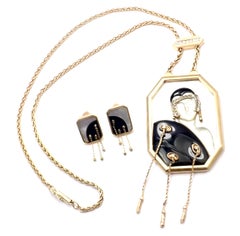
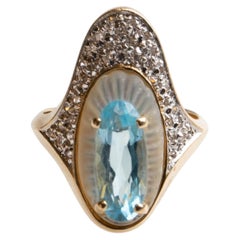
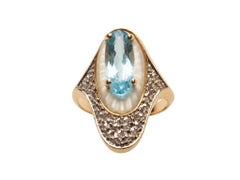
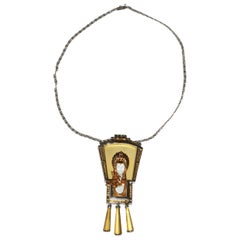
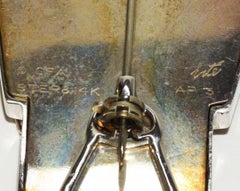
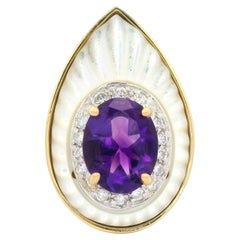
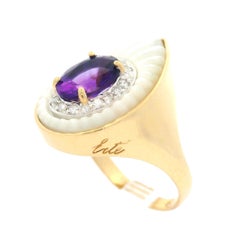
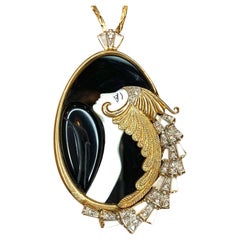
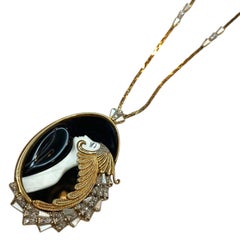
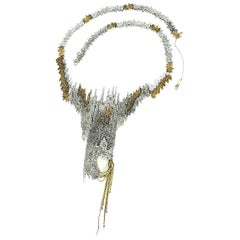
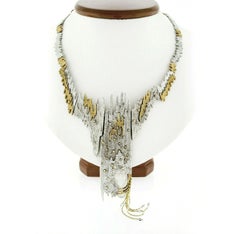
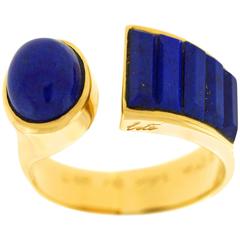
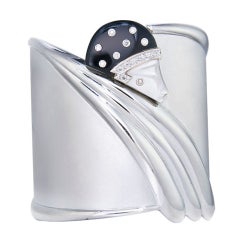
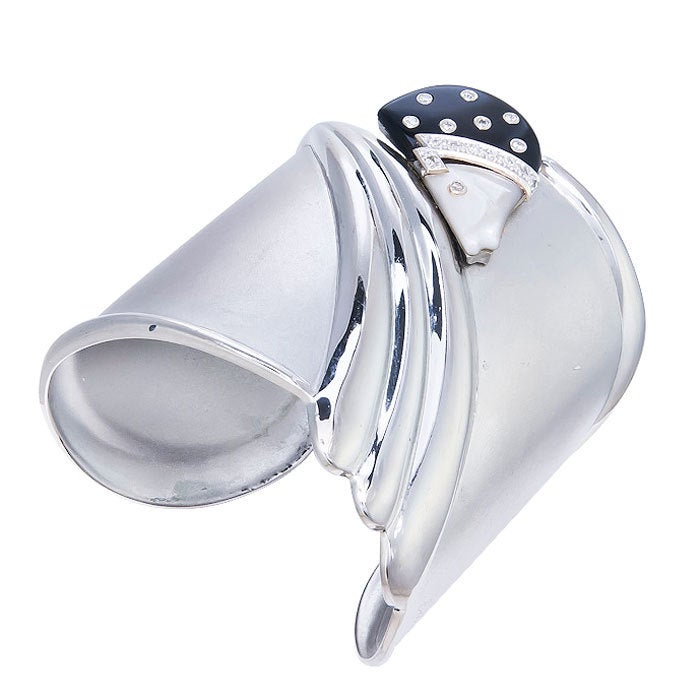
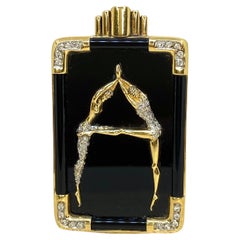
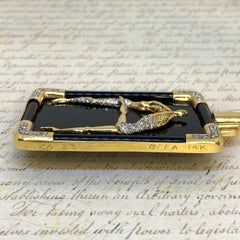
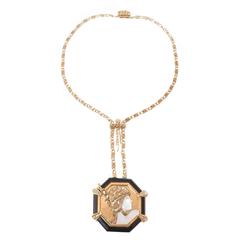
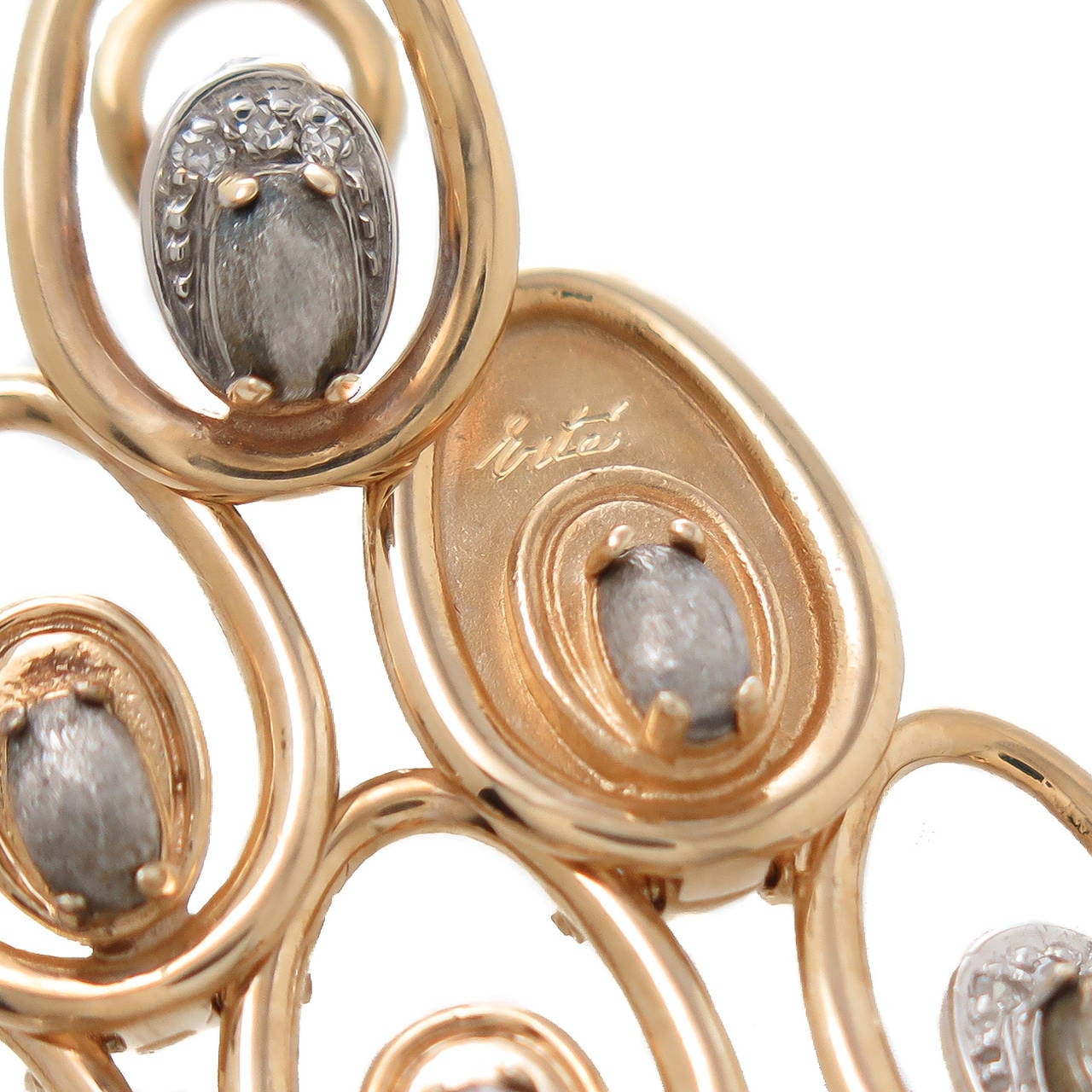
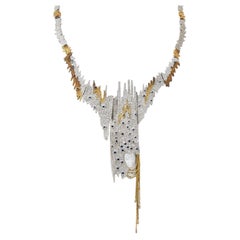
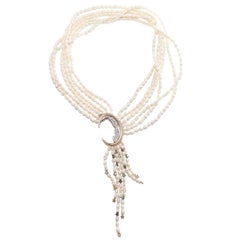
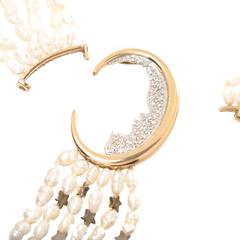
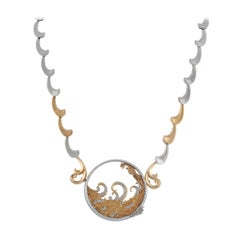
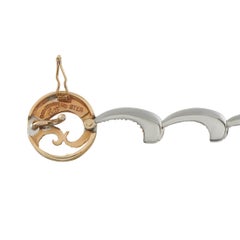
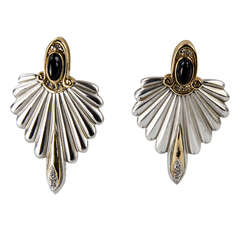
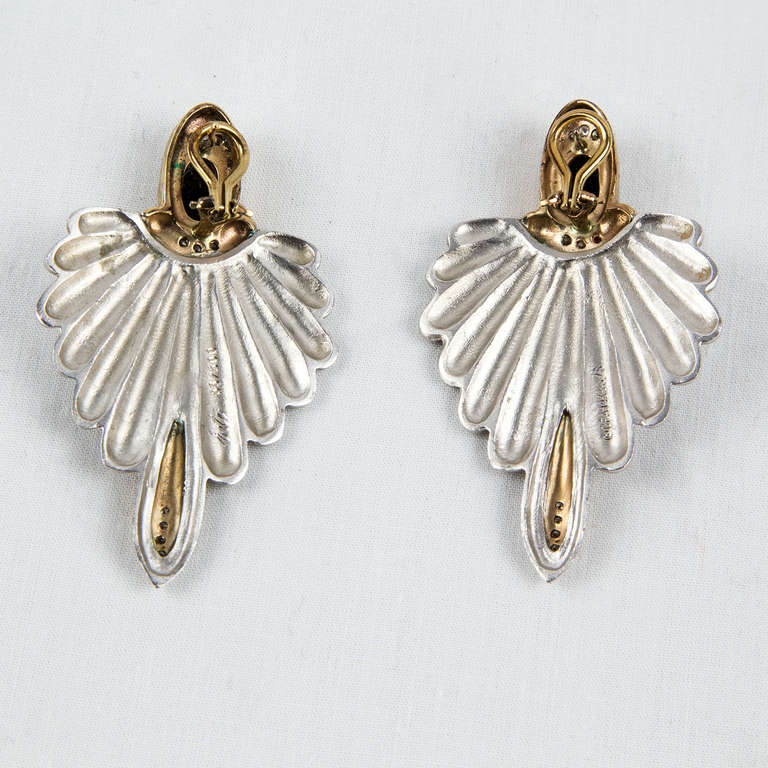
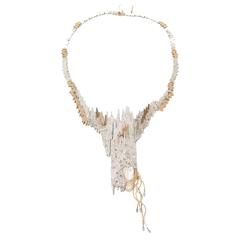
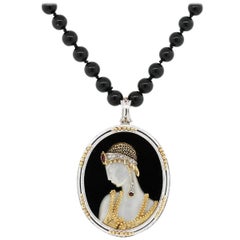
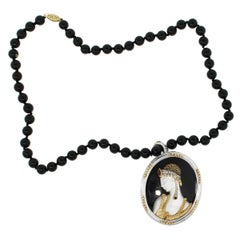
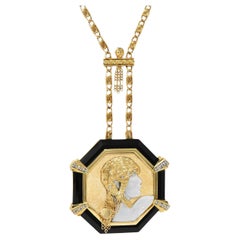
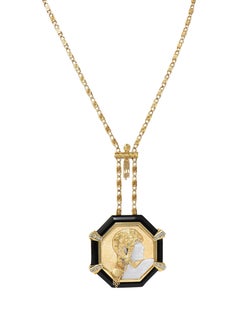
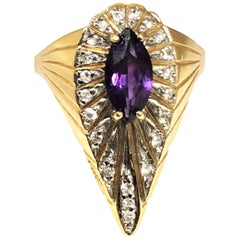
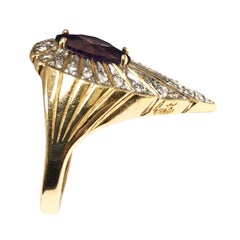
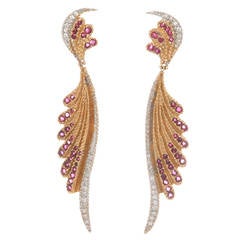
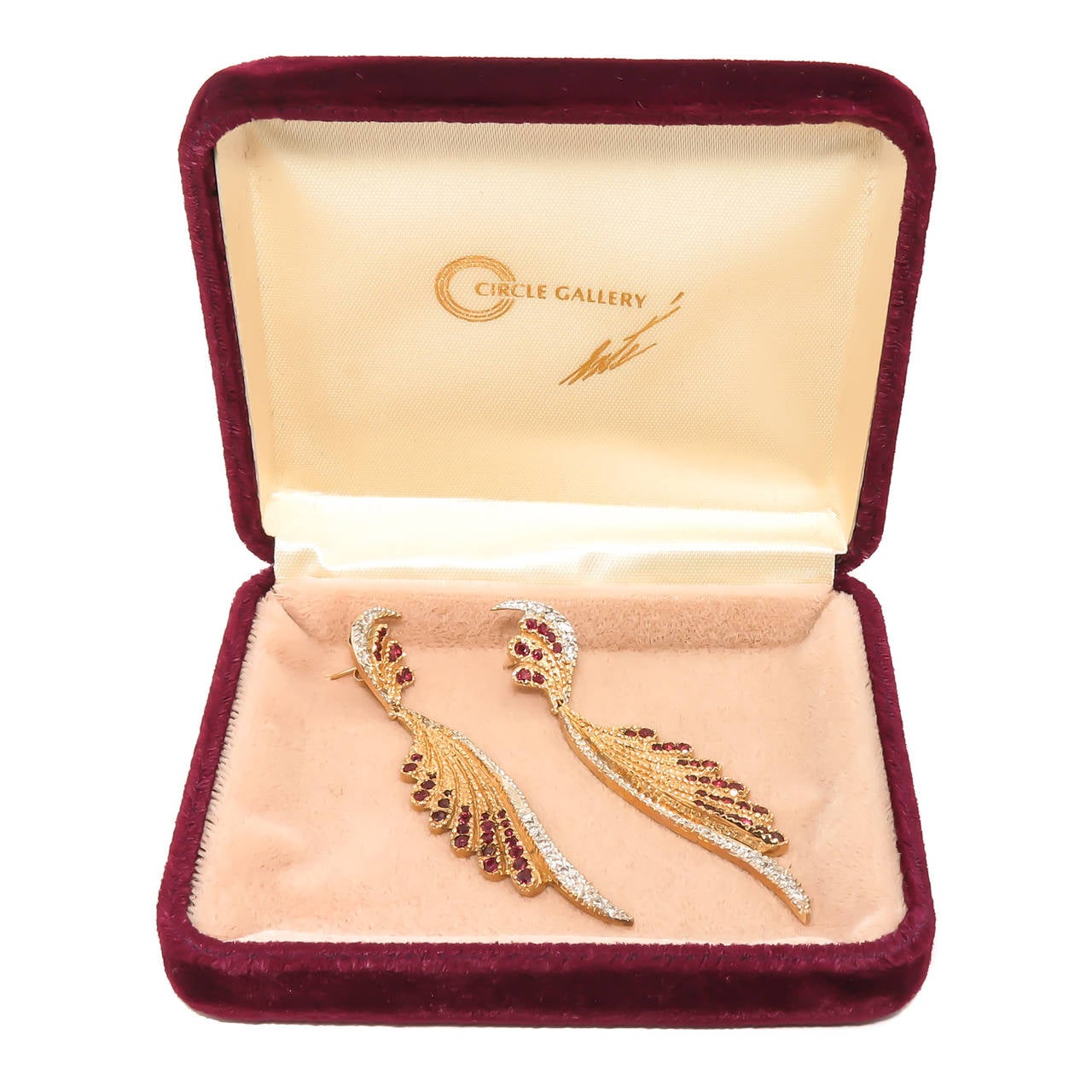
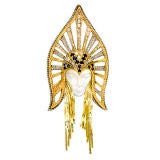
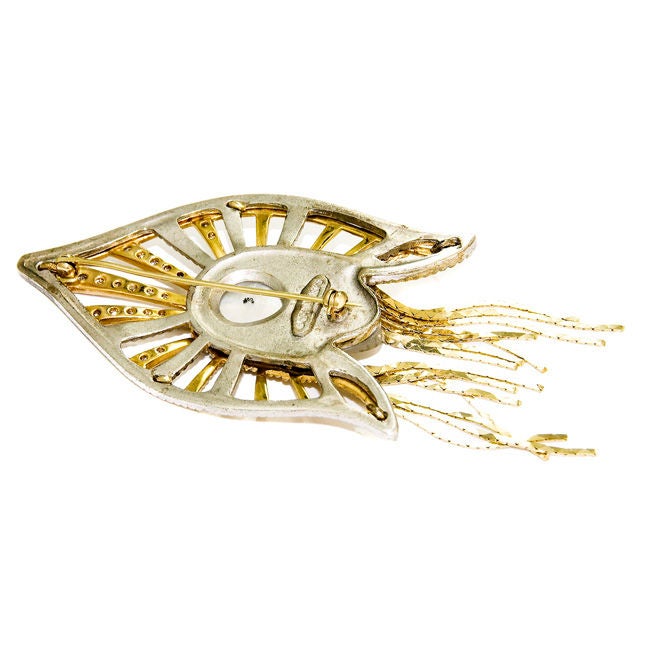
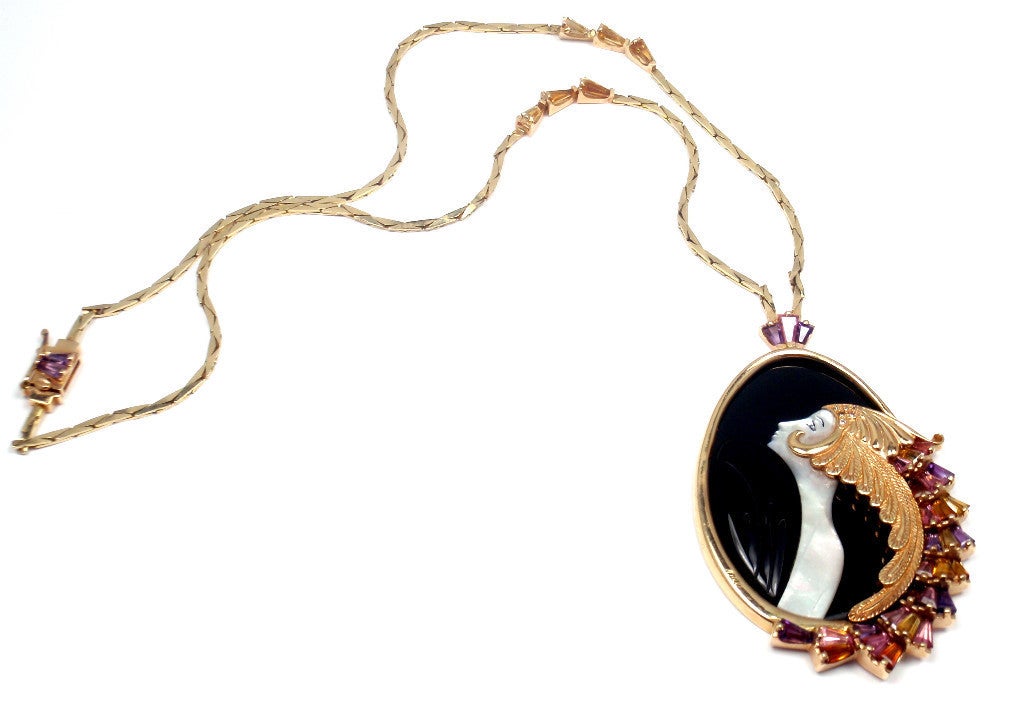
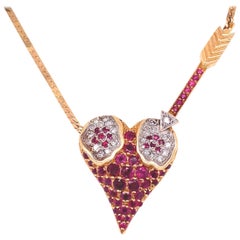
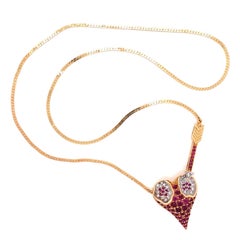
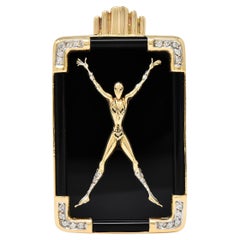
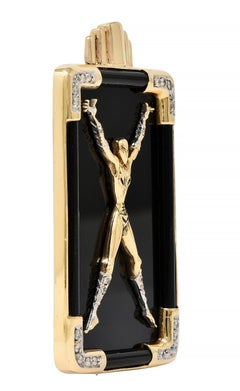
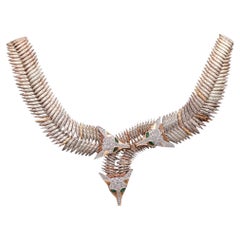
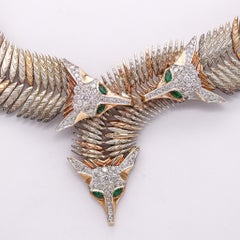
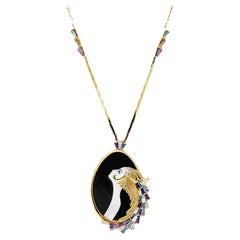
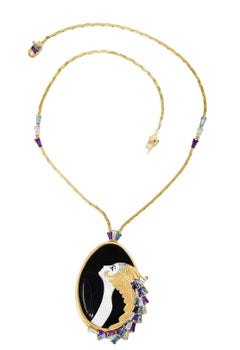
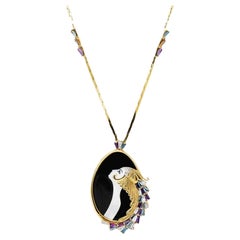
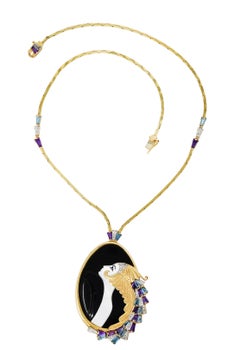
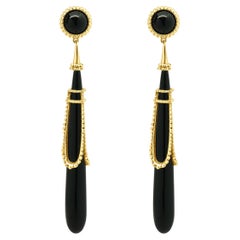
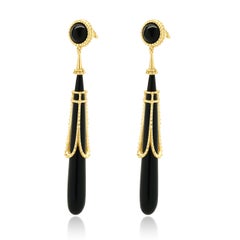
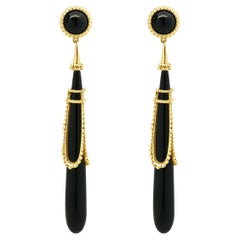
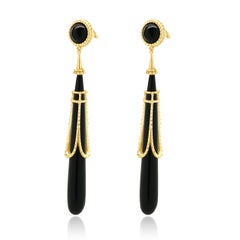
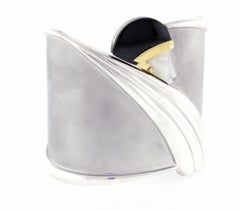
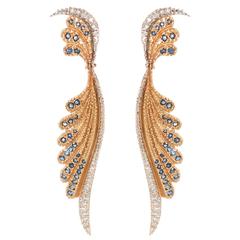
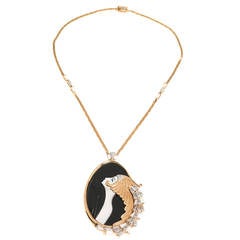
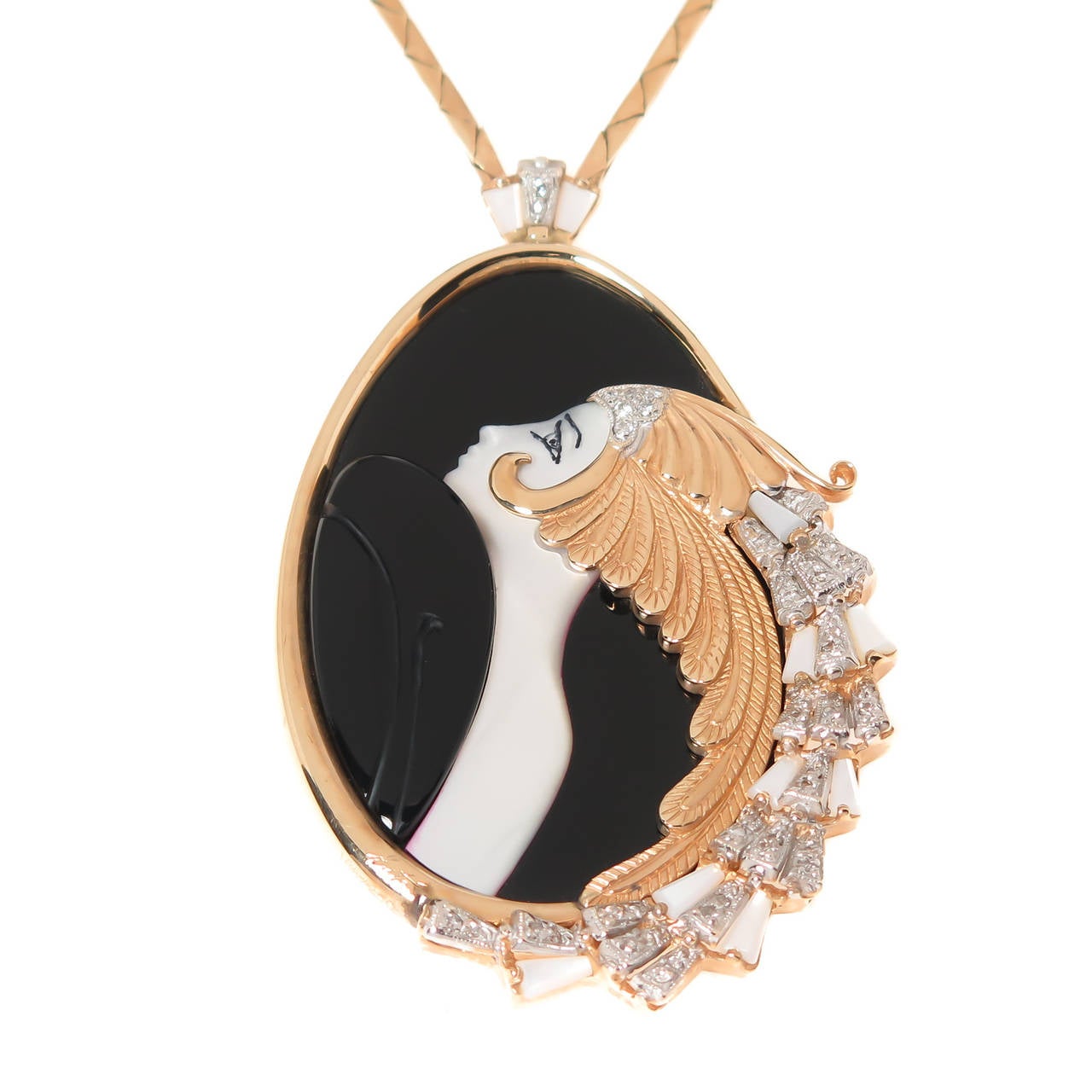
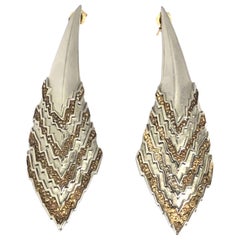
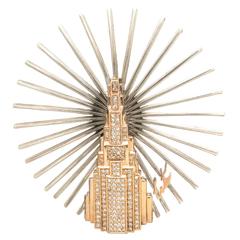
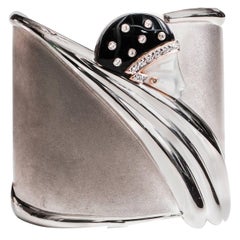
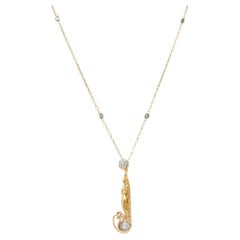
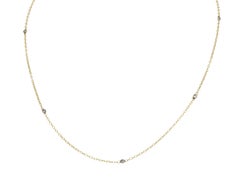
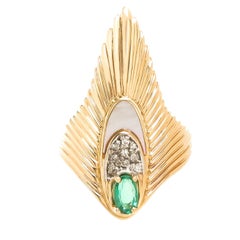
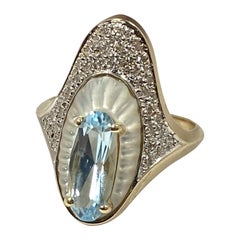
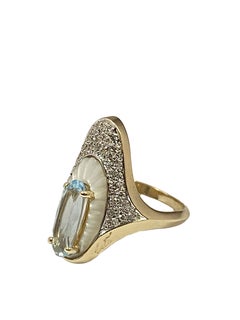
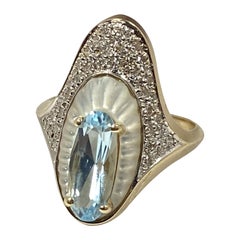
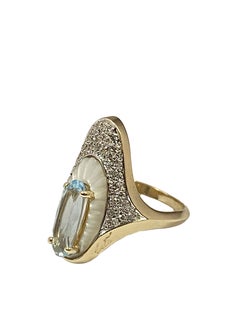
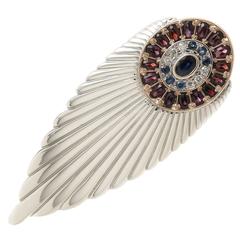
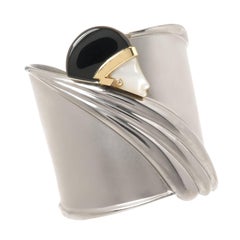
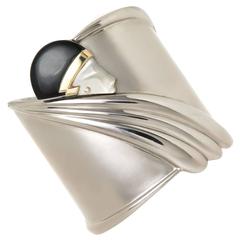
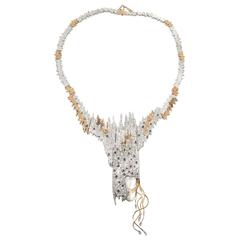
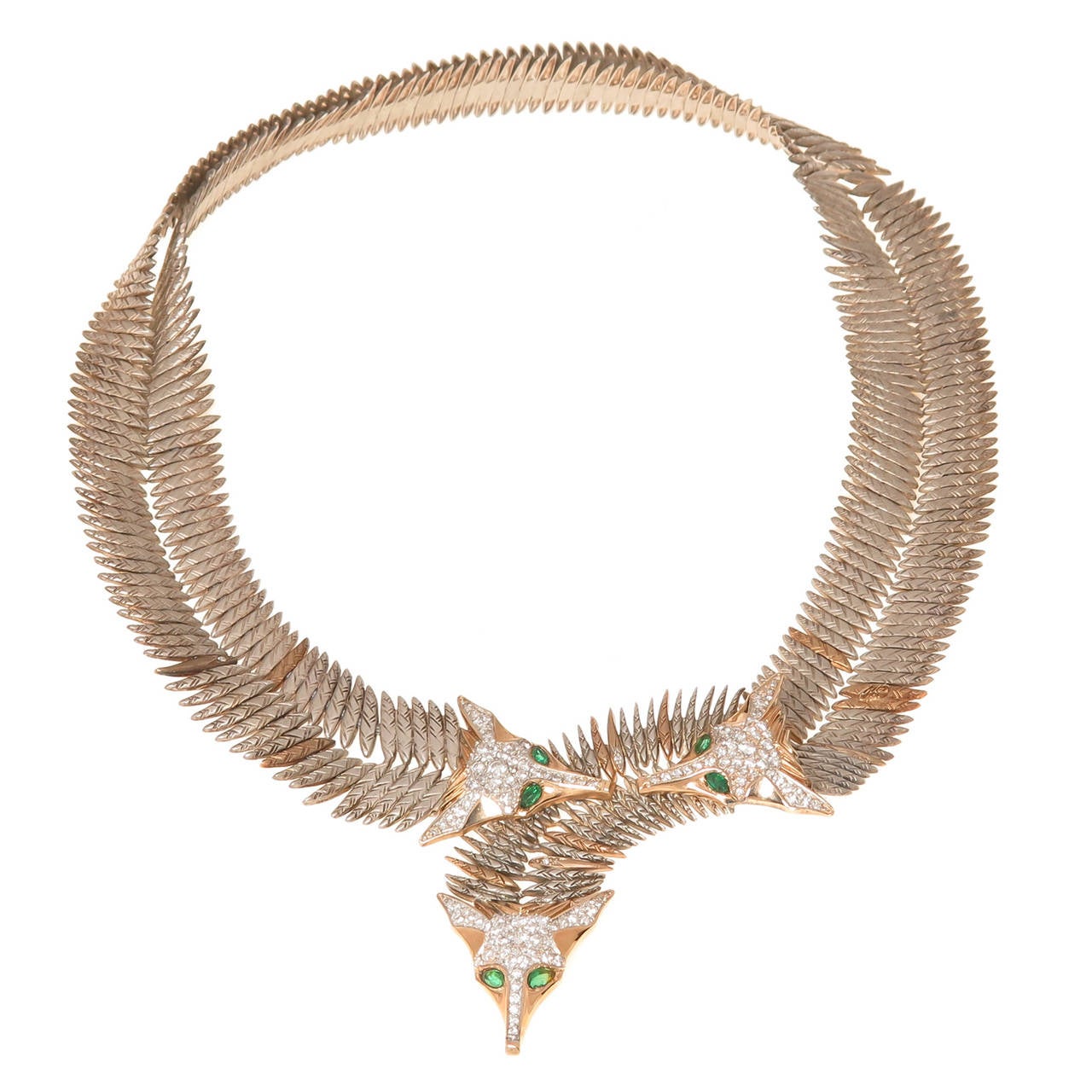
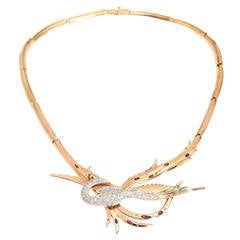
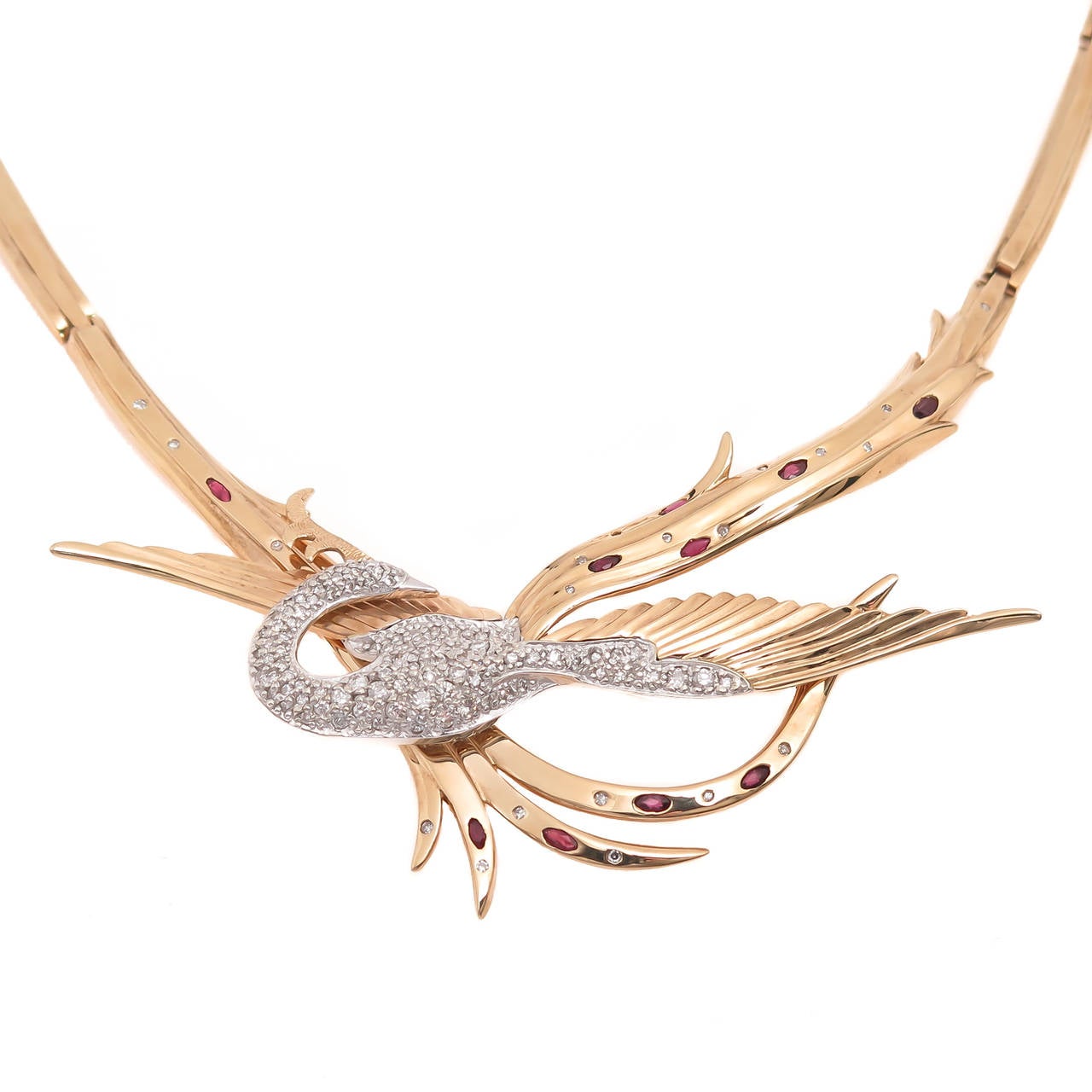
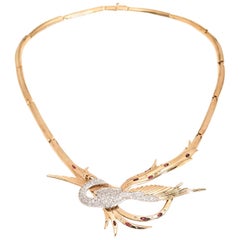
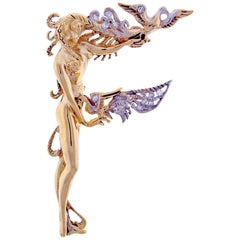
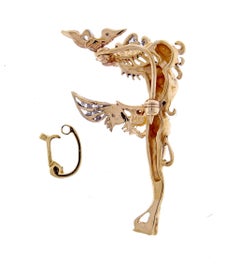
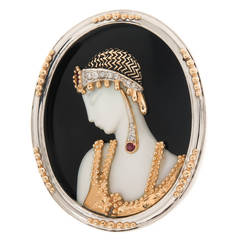
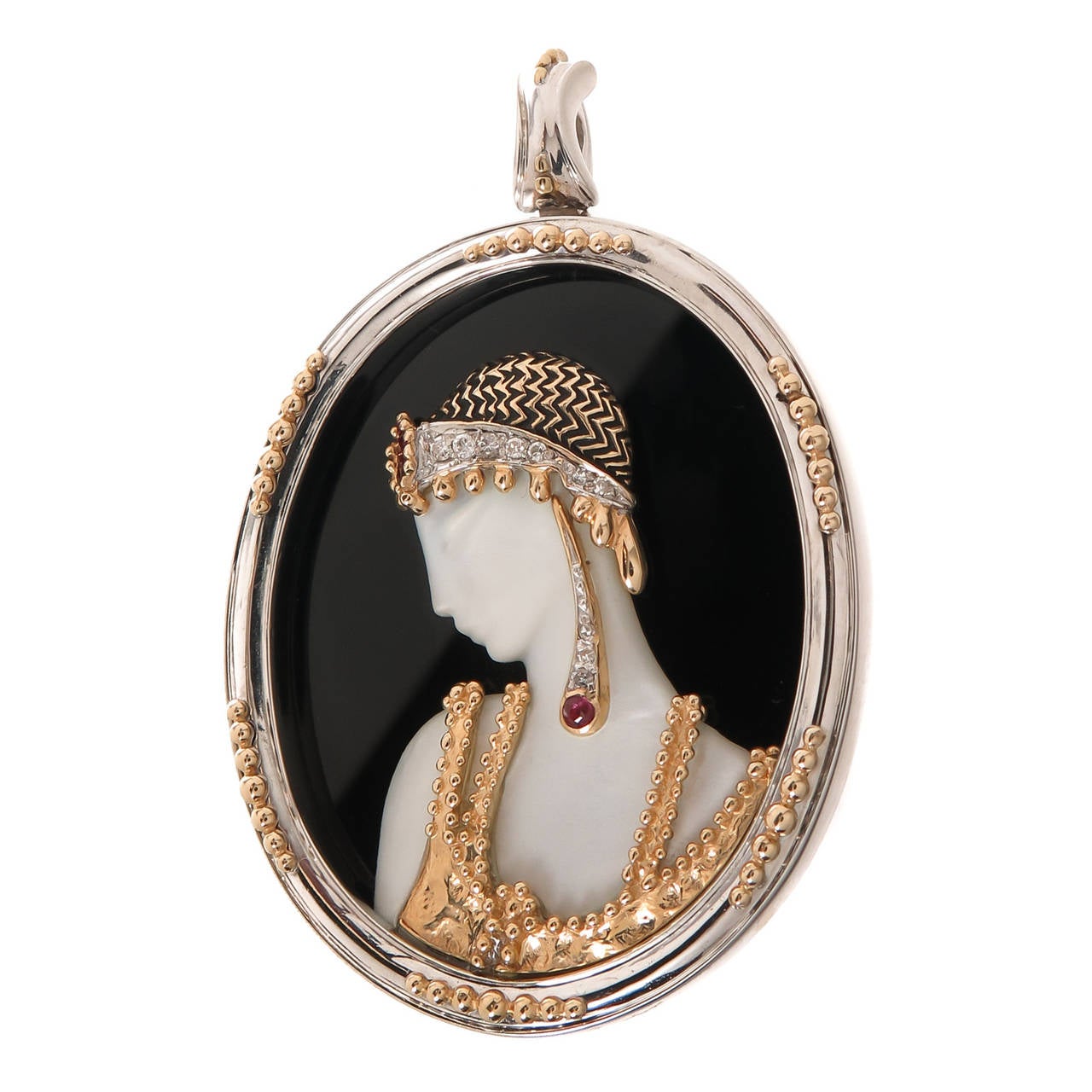
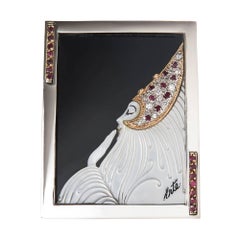
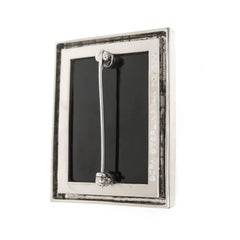
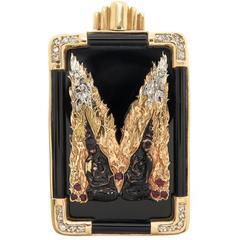
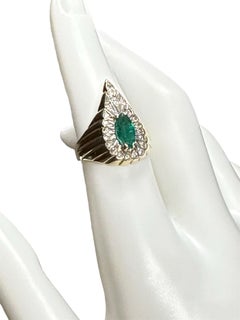
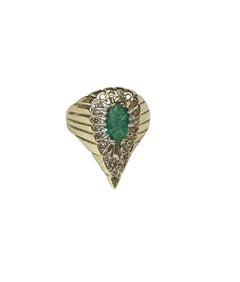
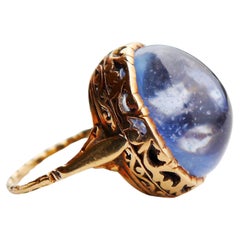
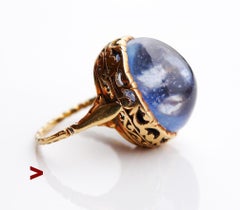
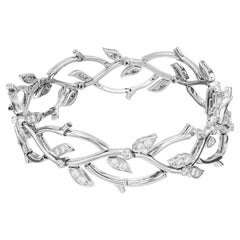
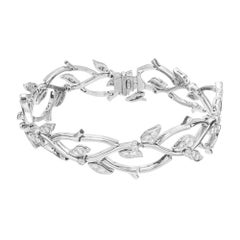
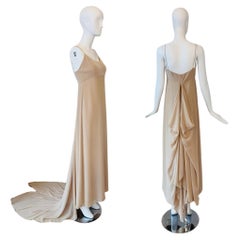
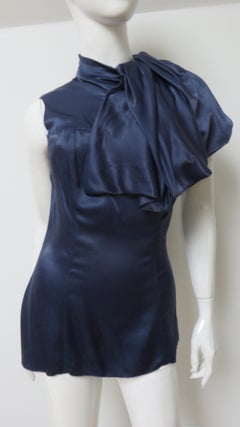
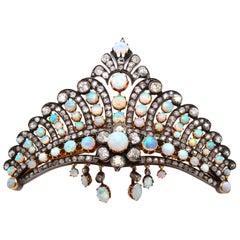
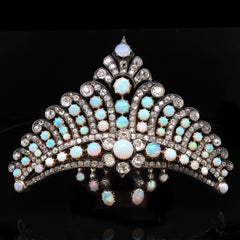
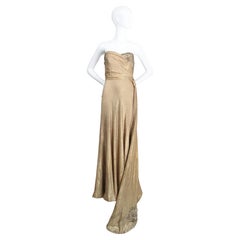
Surely you’ll find the exact 14k erte you’re seeking on 1stDibs — we’ve got a vast assortment for sale. Frequently made of
Gold,
14k Gold and
Silver, this item was constructed with great care. Find an antique version now, or shop for 142 vintage or 4 modern creation for a more contemporary example of these cherished accessories. Making the right choice when shopping for a 14k erte may mean carefully reviewing examples of this item dating from different eras — you can find an early iteration of this piece from the 20th Century and a newer version made as recently as the 21st Century, both of which have proven very popular over the years. Take a look at a 14k erte featuring
Diamond from our inventory today to add the perfect touch to your look. A
round cut version of this piece has appeal, but there are also
brilliant cut and
cabochon versions for sale. If you’re browsing our inventory for a 14k erte, you’ll find that many are available today for
women, but there are still pieces to choose from for unisex and
men.
Born Romain de Tirtoff (1892–1990) in St. Petersburg, Russia, to an aristocratic family, the artist known as Erté — a pseudonym derived from the French pronunciation of his initials — was a Renaissance man of the art and design world. He worked in graphic arts, interior design, fashion, jewelry and set design for the stage and silver screen, becoming a leader of the Art Deco style.
Moving to Paris in 1912, Erté worked as a fashion designer under couturier Paul Poiret before securing a job with Harper’s Bazaar as a cover artist. Over 22 years, Erté created more than 240 magazine covers alongside his ongoing work in fashion design.
Extending his prolific career into theater sets, costumes, prints and lithographs, Erté became one of the most famous artists of the era. His style — a combination of the nature-inspired flourishes of Art Nouveau and bold, geometric linework — directly contributed to the birth of Art Deco, earning him the nickname “the Father of Art Deco.”
After a lull of creative production in the 1940s and 1950s, Erté reentered the public eye in the 1960s, when a renewed interest in Art Deco had taken shape.
Creating colorful lithographs, bold serigraphs (silk-screen prints) and bronze sculptures, he contributed to a resurgence of the style in France and beyond. This late-life acclaim for his art led to exhibitions in museums and galleries all over the world as well as his first published monograph in 1970. That same year he was awarded the title of Chevalier du Mérite Artistique et Cultural and in 1976 was named Officier des Arts et Lettres by the French government.
Today, Erté’s works are in the collections of the Metropolitan Museum of Art and the Cooper Hewitt, Smithsonian Design Museum, in New York, the Victoria and Albert Museum in London and LACMA in Los Angeles.
On 1stDibs, browse a collection of Erté art, including fine art prints, paintings and other works.
Gold is the feel-good metal, the serotonin of jewelry. Wear vintage and antique gold necklaces, watches, gold bracelets or gold rings and you feel happy, you feel dressed, you feel, well, yourself.
Gold, especially yellow gold, with its rich patina and ancient pedigree going back thousands of years, is the steady standby, the well-mannered metal of choice. Any discussion of this lustrous metal comes down to a basic truth: Gold is elementary, my dear. Gold jewelry that couples the mystique of the metal with superb design and craftsmanship achieves the status of an enduring classic. Many luxury houses have given us some of our most treasured and lasting examples of gold jewelry over the years.
Since its founding, in 1837, Tiffany & Co. has built its reputation on its company jewelry as well as its coterie of boutique designers, which has included Jean Schlumberger, Donald Claflin, Angela Cummings and Elsa Peretti. There are numerous gold Tiffany classics worth citing. Some are accented with gemstones, but all stand out for their design and the workmanship displayed.
For the woman who prefers a minimalist look, the Tiffany & Co. twist bangle (thin, slightly ovoid) is stylishly simple. For Cummings devotees, signature pieces feature hard stone inlay, such as her pairs of gold ear clips inlaid with black jade (a play on the classic Chanel black and tan), or bangles whose design recalls ocean waves, with undulating lines of lapis lazuli and mother-of-pearl. And just about any design by the great Jean Schlumberger is by definition a classic.
Even had he eschewed stones and diamonds, Southern-born David Webb would be hailed for the vast arsenal of heavy gold jewelry he designed. Gold, usually hammered or textured in some manner, defines great David Webb jewelry. The self-taught jeweler made very au courant pieces while drawing inspiration from ancient and out-of-the-way sources — East meets West in the commanding gold necklaces made by Webb in the early 1970s. The same could be said for his endlessly varied gold cuffs.
In Europe, many houses have given us gold jewelry that sets the highest standard for excellence, pieces that were highly sought after when they were made and continue to be so.
Numerous designs from Cartier are homages to gold. There are the classic Trinity rings, necklaces and bracelets — trifectas of yellow, white and rose gold. As a testament to the power of love, consider the endurance of the Cartier Love bracelet.
Aldo Cipullo, Cartier’s top in-house designer from the late 1960s into the early ’70s, made history in 1969 with the Love bracelet. Cipullo frequently said that the Love bracelet was born of a sleepless night contemplating a love affair gone wrong and his realization that “the only remnants he possessed of the romance were memories.” He distilled the urge to keep a loved one close into a slim 18-karat gold bangle.
BVLGARI and its coin jewelry, gemme nummarie, hit the jackpot when the line launched in the 1960s. The line has been perennially popular. BVLGARI coin jewelry features ancient Greek and Roman coins embedded in striking gold mounts, usually hung on thick link necklaces of varying lengths. In the 1970s, BVLGARI introduced the Tubogas line, most often made in yellow gold. The Tubogas watches are classics, and then there is the Serpenti, the house's outstanding snake-themed watches and bracelets.
A collection called Monete that incorporated the gold coins is one of several iconic BVLGARI lines that debuted in the 1970s and ’80s, catering to a new generation of empowered women. Just as designers like Halston and Yves Saint Laurent were popularizing fuss-free ready-to-wear fashion for women on the go, BVLGARI offered jewels to be lived in.
Since Van Cleef & Arpels opened its Place Vendôme doors in 1906, collection after collection of jewelry classics have enchanted the public. As predominantly expressed in a honeycomb of gold, there is the Ludo watch and accessories, circa the 1920s, and the golden Zip necklace, 1951, whose ingenious transformation of the traditional zipper was originally proposed by the Duchess of Windsor. Van Cleef's Alhambra, with its Moroccan motif, was introduced in 1968 and from the start its popularity pivoted on royalty and celebrity status. It remains one of VCA’s most popular and collected styles.
Mention must be made of Buccellati, whose name is synonymous with gold so finely spun that it suggests tapestry. The house’s many gold bracelets, typically embellished with a few or many diamonds, signified taste and distinction and are always in favor on the secondary market. Other important mid-20th-century houses known for their gold-themed jewelry include Hermès and Ilias Lalaounis.
Find a stunning collection of vintage and antique gold jewelry on 1stDibs.