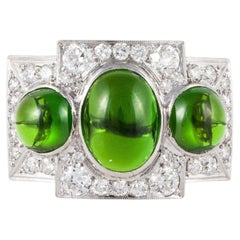
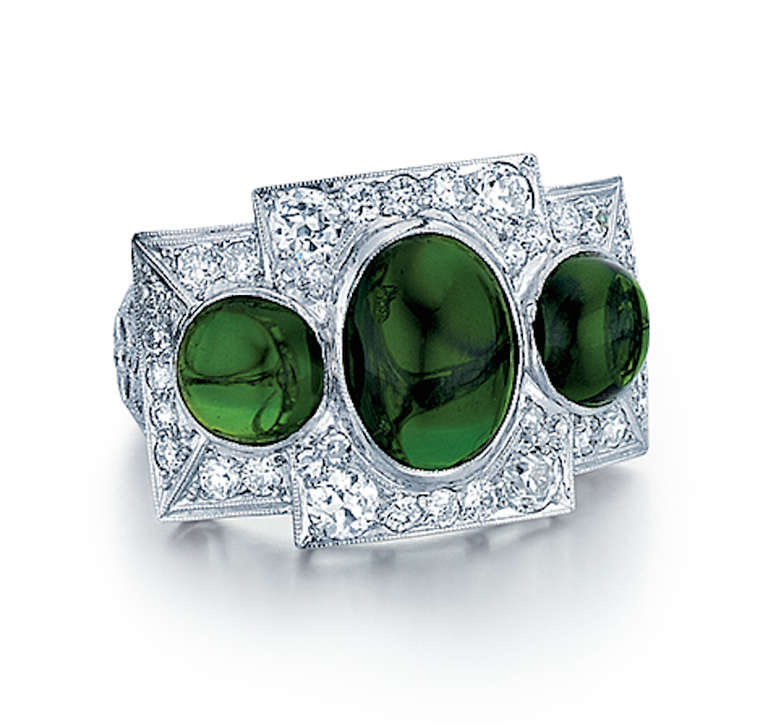
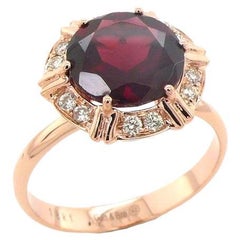
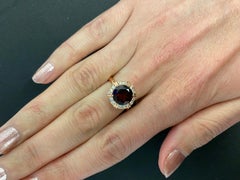
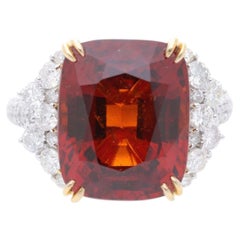
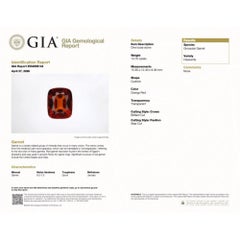
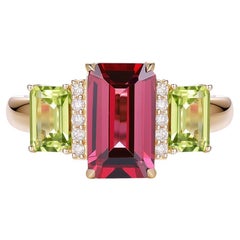
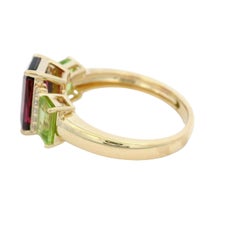
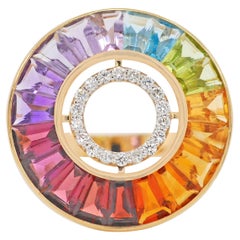
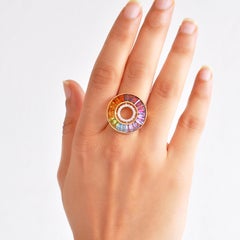
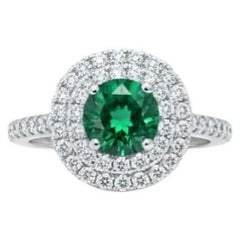
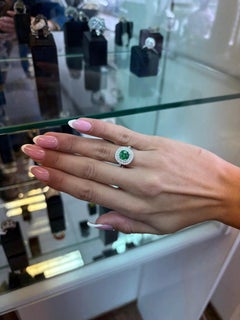
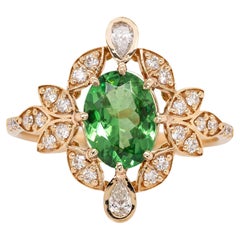
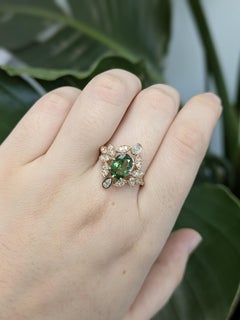
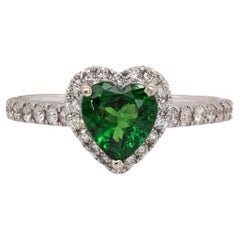
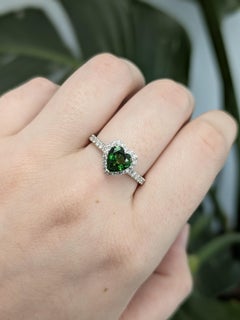
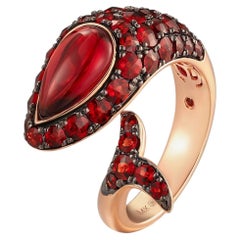
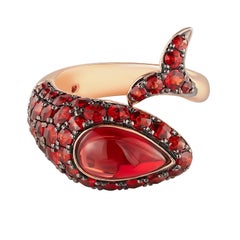
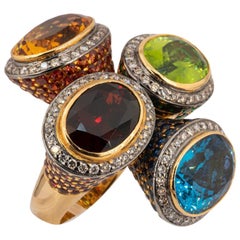
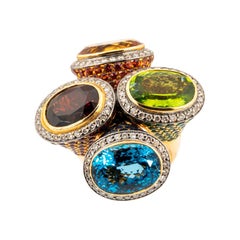
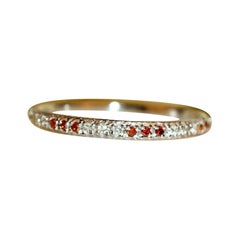
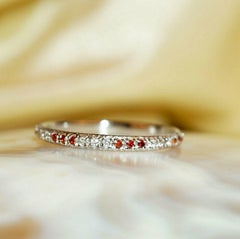
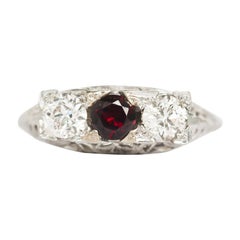
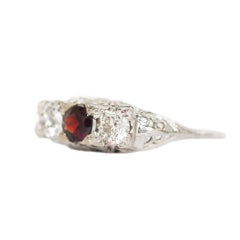
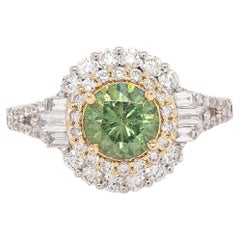
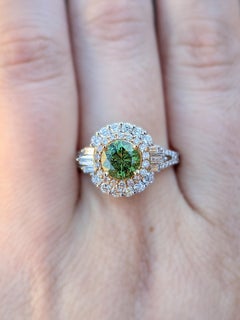
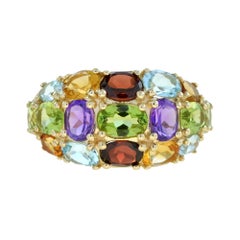
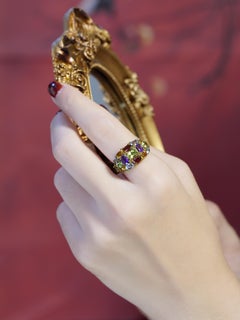
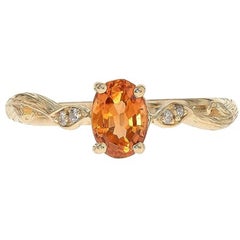
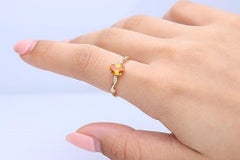
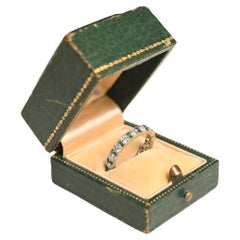
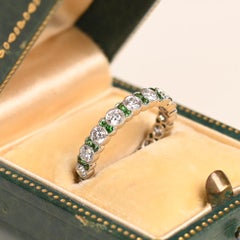
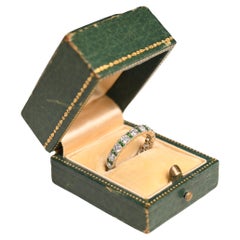
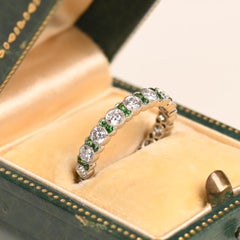
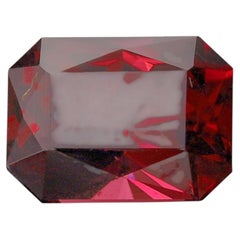
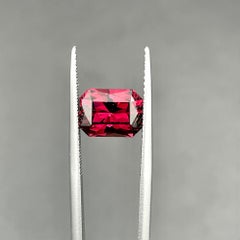
Art Deco Garnet Ring For Sale on 1stDibs
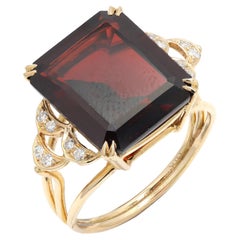
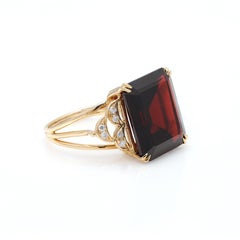
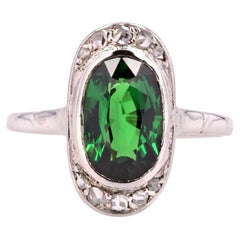
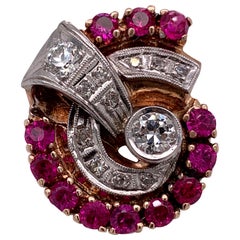
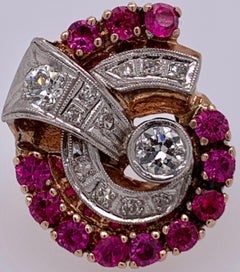
On 1stDibs, you can find the most appropriate art deco garnet ring for your needs in our varied inventory. Frequently made of
Gold,
Platinum and
18k Gold, this item was constructed with great care. In our selection of items, you can find a vintage example as well as a contemporary version. Finding the perfect art deco garnet ring may mean sifting through those created during different time periods — you can find an early version that dates to the 19th Century and a newer variation that were made as recently as the 21st Century. As it relates to this specific piece, our collection includes designs that are universally popular, but
1.5 Carat and
2 Carat carat weights, specifically, are sought with frequency. Creating an art deco garnet ring has been a part of the legacy of many jewelers, but those produced by
Kian Design,
Gregory Mikaelian & Sons, Inc. and
Royaal Stones Ltd are consistently popular. An
oval cut version of this piece has appeal, but there are also
round cut and
old european cut versions for sale. When shopping for an art deco garnet ring, you’ll find that there are less available pieces for unisex or
men today than there are for
women.
How Much is a Art Deco Garnet Ring?
Prices for an art deco garnet ring can differ depending upon size, time period and other attributes — at 1stDibs, these accessories begin at $369 and can go as high as $98,500, while this accessory, on average, fetches $3,120.
A Close Look at Art Deco Jewelry
Fascination with the Jazz Age is endless, and even today jewelry designers continue to be inspired by authentic Art Deco jewelry and watches.
The Art Deco period, encompassing the 1920s and ’30s, ushered in a very distinct look in the design of jewelry. There were many influences on the jewelry of the era that actually began to take shape prior to the 1920s. In 1909, Serge Diaghilev brought the Ballet Russes to Paris, and women went wild for the company’s exotic and vibrant costumes It’s no wonder, then, that jade, lapis lazuli, coral, turquoise and other bright gemstones became all the rage. There already existed a fascination with the East, particularly China and Japan, and motifs consisting of fans and masks started to show up in Art Deco jewelry.
However, the event that had the greatest influence on Deco was the excavation of the tomb of King Tut in 1922. When the world saw what was hidden in Tut’s burial chamber, it sent just about everyone into a frenzy. Pierre Cartier wrote in 1923 that “the discovery of the tomb will bring some sweeping changes in fashion jewelry.” And he couldn’t have been more right. “Egyptomania” left an indelible mark on all of the major jewelry houses, from Cartier to Van Cleef & Arpels, Boucheron and Georges Fouquet. (Cartier created some of the most iconic jewelry designs that defined this era.)
While a lot of Art Deco jewelry was black and white — the black coming from the use of onyx or black enamel and the white from rock crystal and diamonds — there is plenty of color in jewelry of the era. A perfect accent to diamonds in platinum settings were blue sapphires, emeralds and rubies, and these stones were also used in combination with each other.
Many designers employed coral, jade and lapis lazuli, too. In fact, some of the most important avant-garde jewelers of the period, like Jean Després and Jean Fouquet (son of Georges), would combine white gold with ebony and malachite for a jolt of color.
A lot of the jewelry produced during this time nodded to current fashion trends, and women often accessorized their accessories. The cloche hat was often accented with geometric diamond brooches or double-clip brooches. Backless evening dresses looked fabulous with sautoir necklaces, and long pearl necklaces that ended with tassels, popular during the Edwardian period, were favored by women everywhere, including Coco Chanel.
Find unique Art Deco necklaces, earrings, bracelets and other jewelry on 1stDibs.
The Legacy of Garnet in Jewelry Design
Vintage and antique garnet jewelry has been around for a long time.
Garnets have been used for adornment going all the way back to the Bronze Age. While we will never know if garnets can be used to prevent plagues or heal warriors, as has been suggested, we do know that both the Egyptians and the Romans felt that it was a worthy stone to set in gold for their nobility. In more “recent” times, garnets were ubiquitous in Victorian jewelry. The “G” in REGARD rings, the equivalent of the modern-day engagement ring, implied garnet.
Garnets were also highly valued in the region of Bohemia. The Smithsonian Museum of Natural History has in its collection an antique hairpin with Bohemian pyrope garnets from the Czech Republic. Bohemian pyrope got its name from Bohuslav Balbín, sometimes referred to as the “Czech Pliny,” in 1679. Abundant in the region, it was used often in jewelry during this time. In fact, it became so popular that in 1762, Empress Marie Terezie forbade its export. Stonecutting workshops opened in several regions across Bohemia, and pyrope became the country’s mineralogical symbol. While there was never a decline in its popularity, it was only in the mid-20th century that garnets enjoyed a revival.
Garnets can come in many shapes and sizes — one of the largest ever discovered is a 68.82-carat Tsavorite garnet. This stone is also in the collection of the Smithsonian Museum of Natural History.
According to the Gemological Institute of America, Brazil’s mines are rich in garnets, including spessartine, which can also be found in the Myanmar area, recognized for a specific shade of reddish-orange. While red garnets are the most popular, garnets actually come in a medley of colors.
Find a collection of antique and vintage garnet rings, necklaces and other jewelry today on 1stDibs.
Finding the Right Rings for You
Antique and vintage rings have long held a special place in the hearts of fine jewelry lovers all over the world.
No matter their origin or specific characteristics, rings are timeless, versatile accessories. They’ve carried deep meaning since at least the Middle Ages, when diamond rings symbolized strength and other kinds of rings were worn to signify romantic feelings or to denote an affiliation with a religious order. Rings have also forever been emblematic of eternity.
Over time, rings have frequently taken the form of serpents, which have long been associated with eternal life, health and renewal. Italian luxury jewelry house Bulgari has become famous for its widely loved Serpenti motif, for example, and its Serpenti ring, like the other accessories in the collection, began as an homage to jewelry of the Roman and Hellenistic eras. The serpent is now a popular motif in fine jewelry. Jewelry devotees have long pined for rings adorned with reptiles, thanks to antique Victorian rings — well, specifically, Queen Victoria’s illustrious engagement ring, which took the form of a gold snake set with rubies, diamonds and an emerald (her birthstone). Designs for Victorian-era engagement rings often featured repoussé work and chasing, in which patterns are hammered into the metal.
Engagement rings, which are reliably intimidating to shop for, are still widely recognized as symbols of love and commitment. On 1stDibs, a range of buying guides can be found for those in the market for antique engagement rings, vintage engagement rings or Art Deco engagement rings.
The most collectible antique engagement rings and vintage engagement rings are those from the Victorian, Edwardian and Art Deco eras. Named for the monarchies of the four King Georges, who in succession ruled England starting in 1714 (plus King William’s reign), antique Georgian rings, be they engagement rings or otherwise, are also coveted by collectors. Pearls, along with colored gemstones like garnets, rubies and sapphires, were widely used in Georgian jewelry. The late-1700s paste jewelry was a predecessor to what we now call fashion or costume jewelry.
The Art Nouveau movement (1880–1910) brought with it rings inspired by the natural world. Antique Art Nouveau rings might feature depictions of winged insects and fauna as well as women, who were simultaneously eroticized and romanticized, frequently with long flowing hair. Art Deco jewelry, on the other hand, which originated during the 1920s and ’30s, is by and large “white jewelry.” White metals, primarily platinum, were favored over yellow gold in the design of antique Art Deco rings and other accessories as well as geometric motifs, with women drawn to the era’s dazzling cocktail rings in particular.
Whether you’re hunting down a chunky classic for a Prohibition-themed cocktail party or seeking a clean contemporary design to complement your casual ensemble, find an exquisite collection of antique, new and vintage rings on 1stDibs.