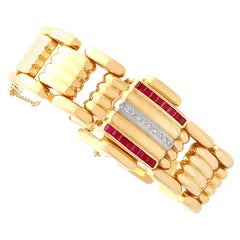
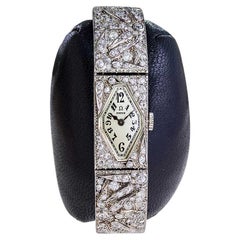
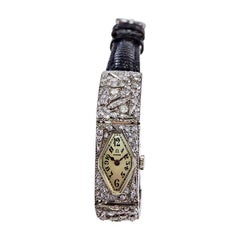
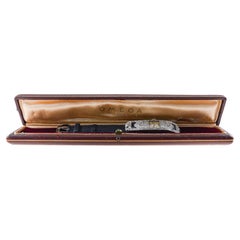
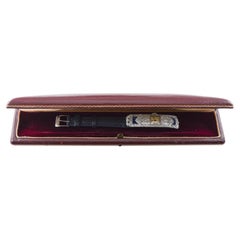
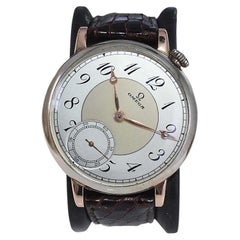
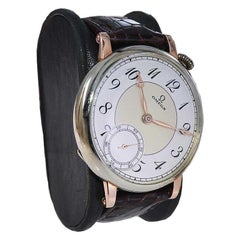
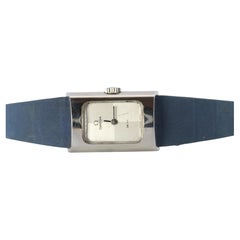
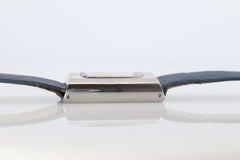
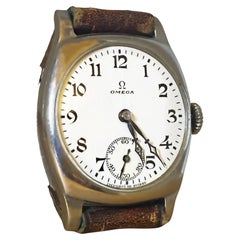
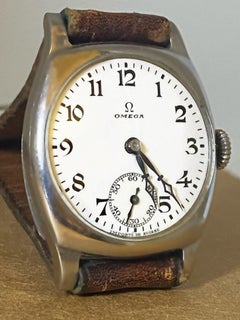
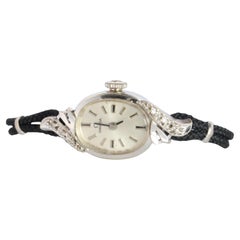
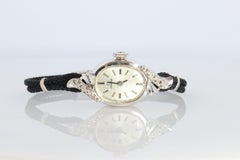
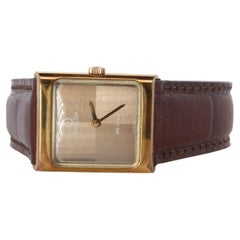
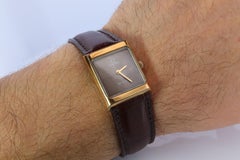
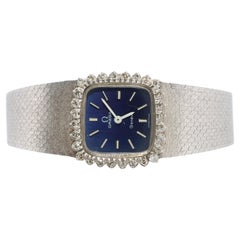
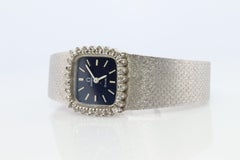
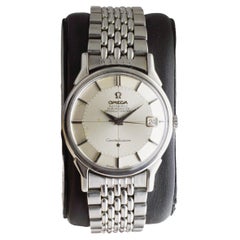
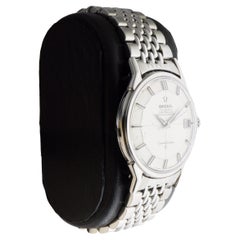
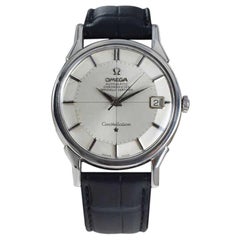
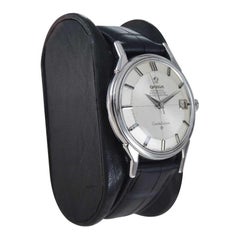
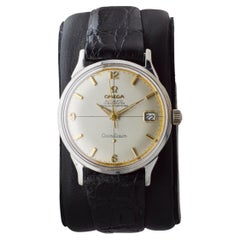
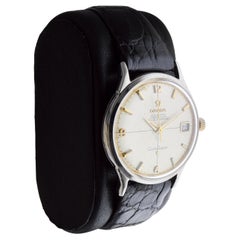
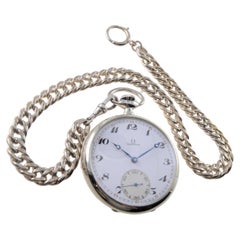
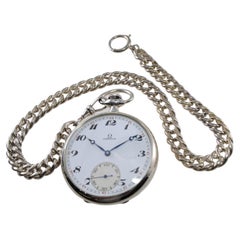
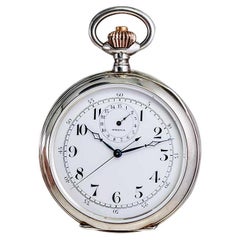
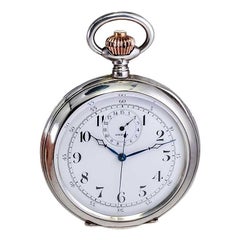
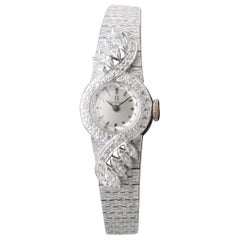
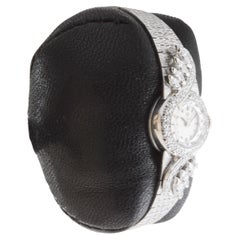
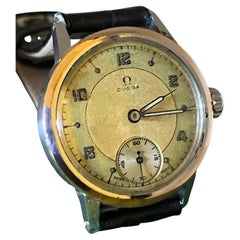
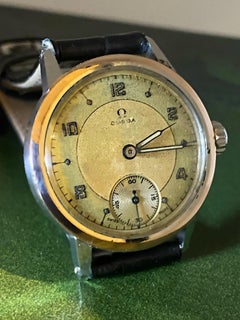
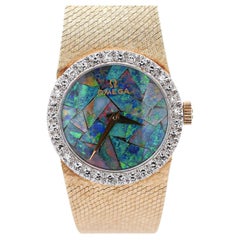
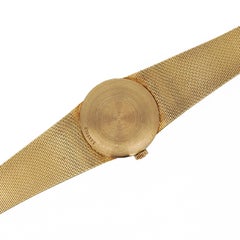
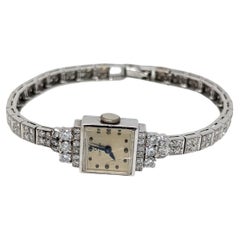
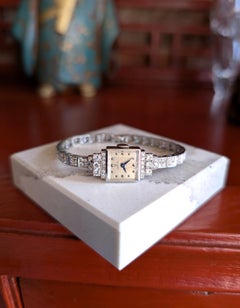
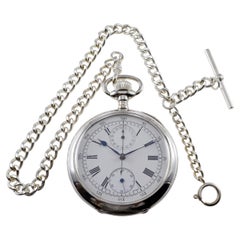
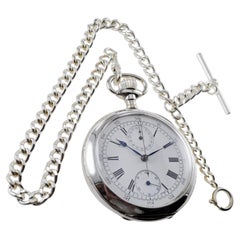
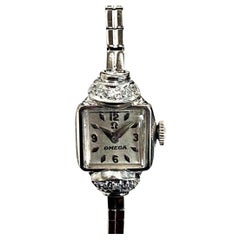
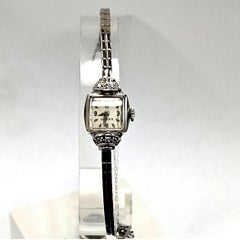
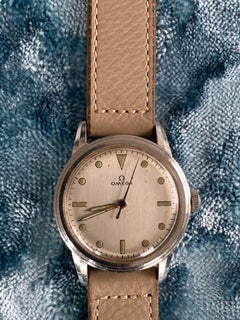
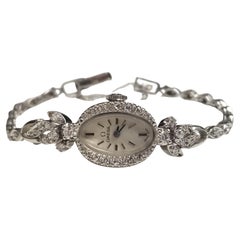
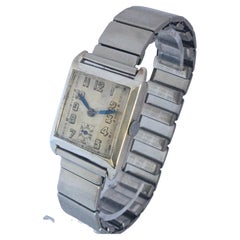
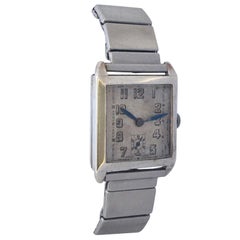
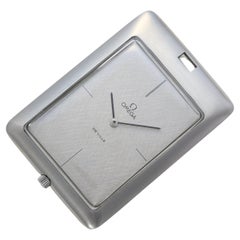
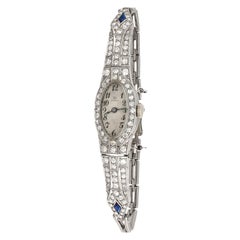
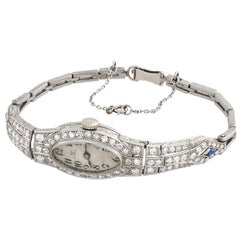
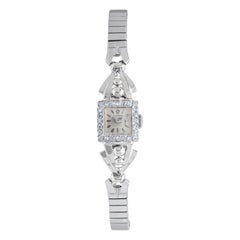
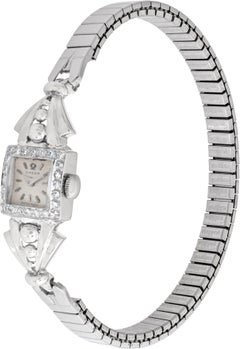
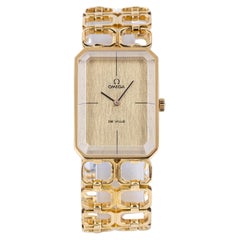
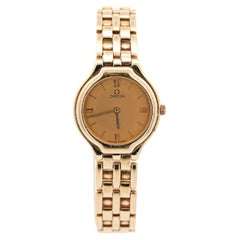
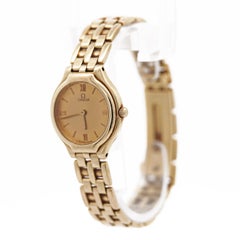
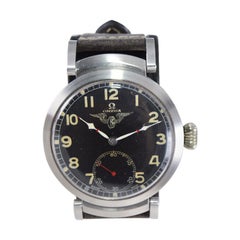
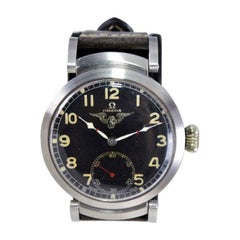
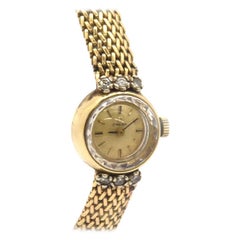
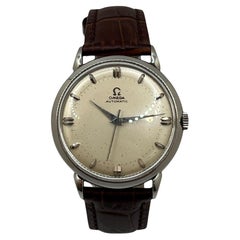
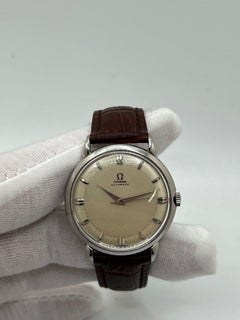
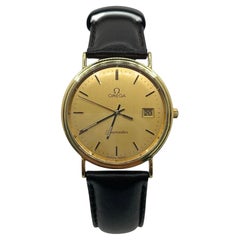
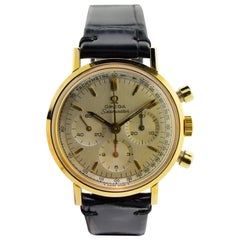
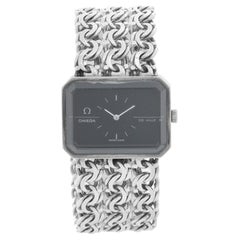
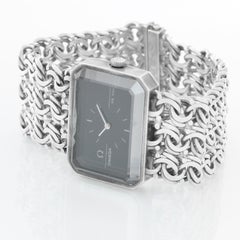
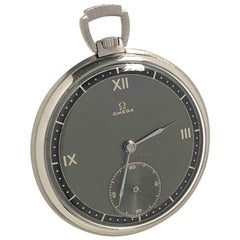
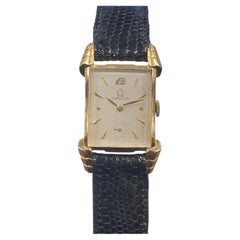
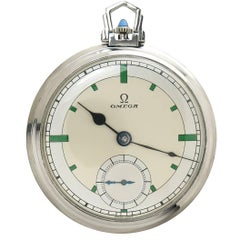
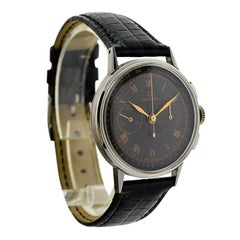
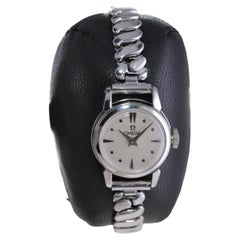
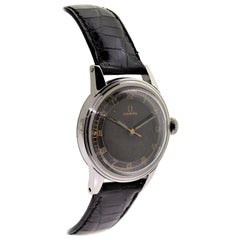
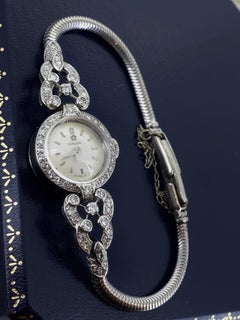
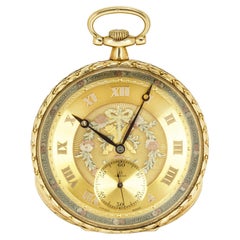
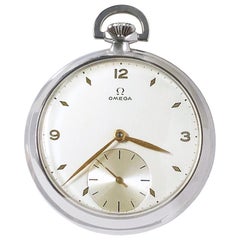
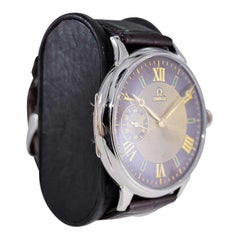
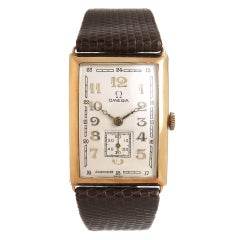
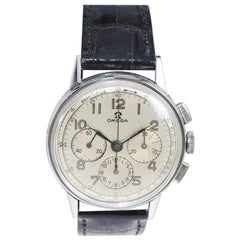
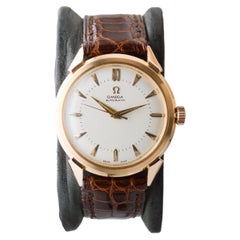
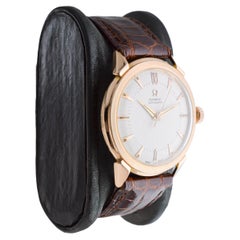
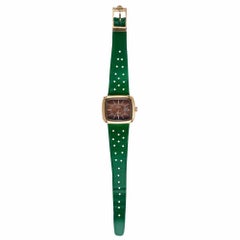
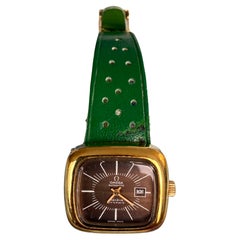
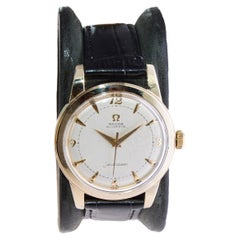
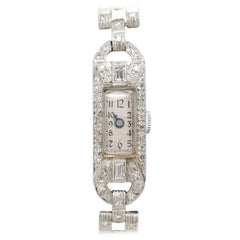
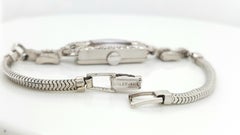
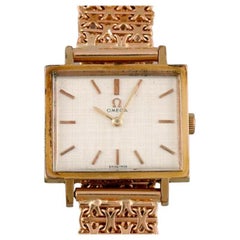
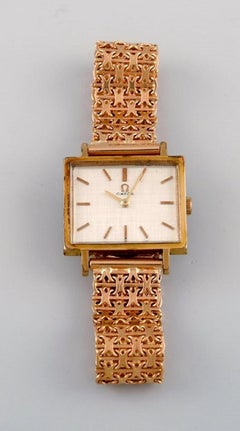
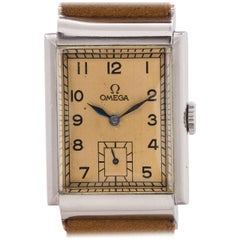
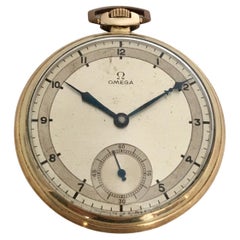
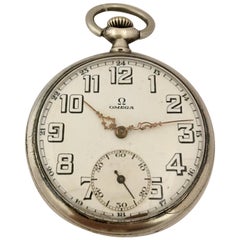
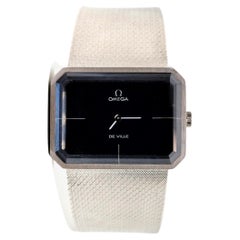
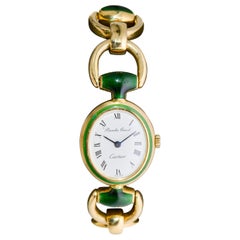
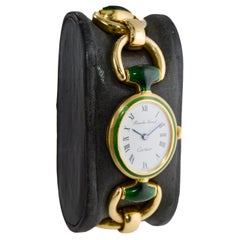
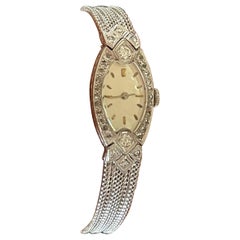
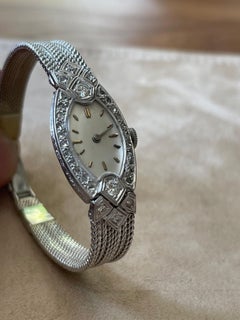
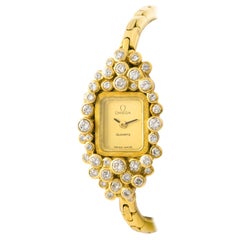
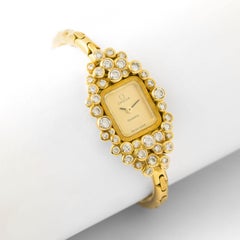
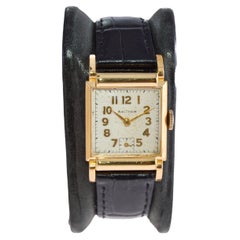
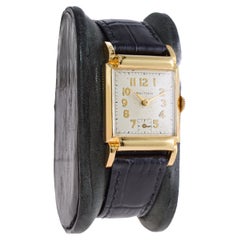
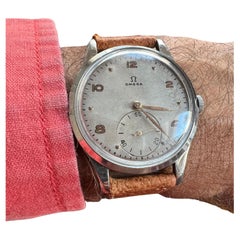
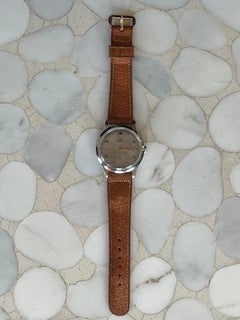
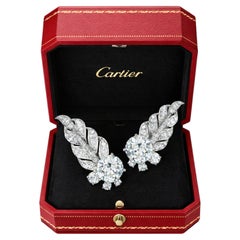
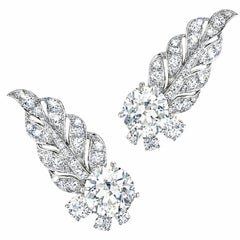
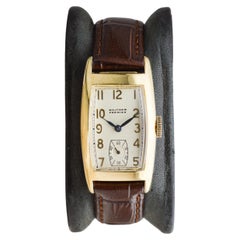
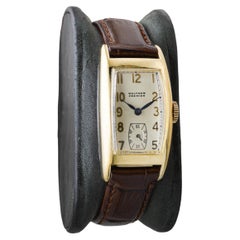
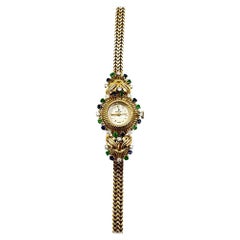
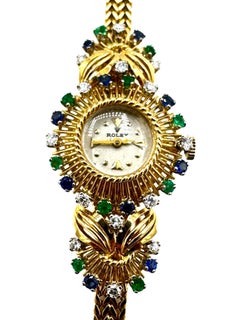
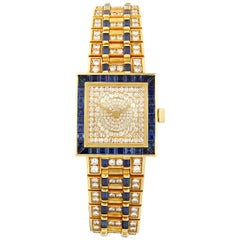
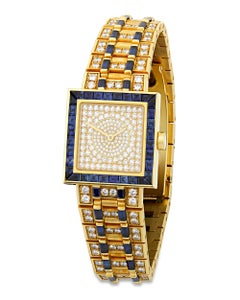
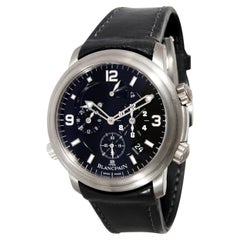
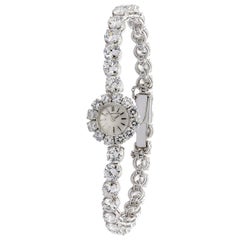
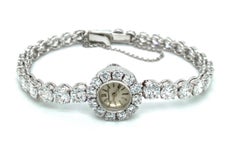
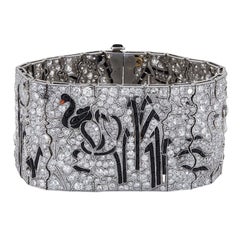
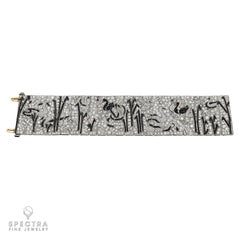
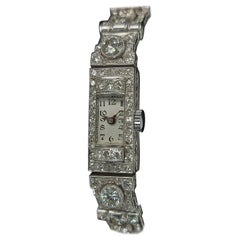
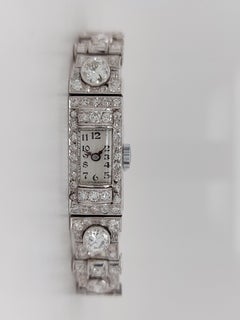
Art Deco Omega Watch For Sale on 1stDibs
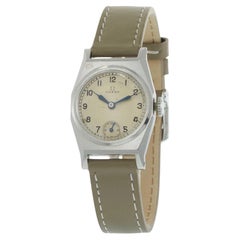
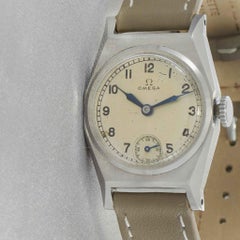
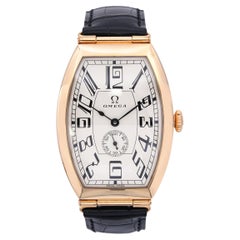
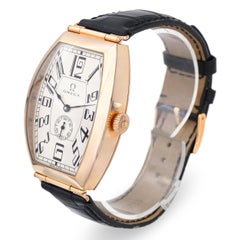
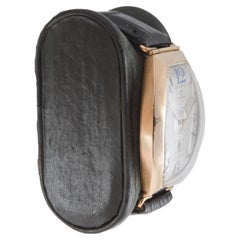
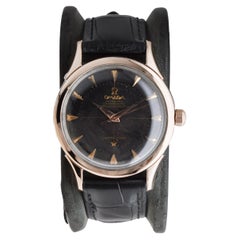
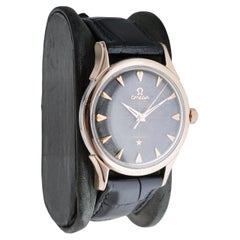
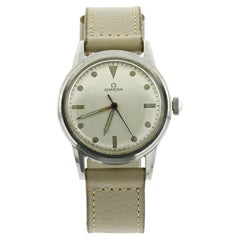
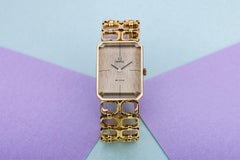
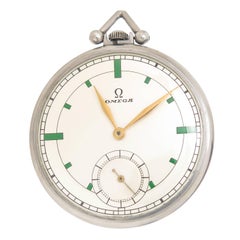
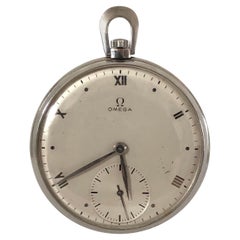
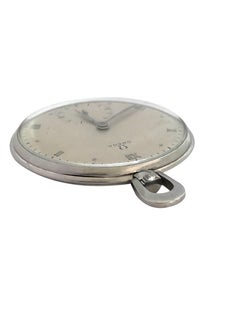
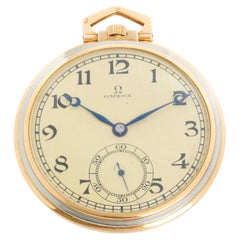
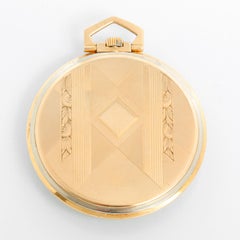
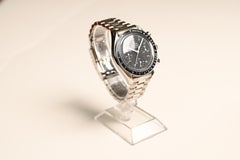
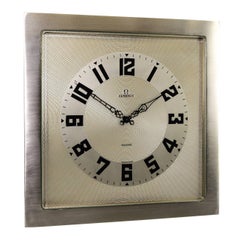
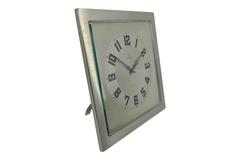
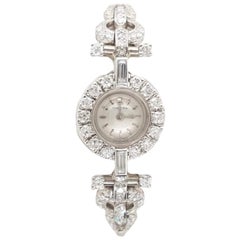
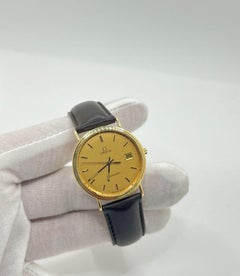
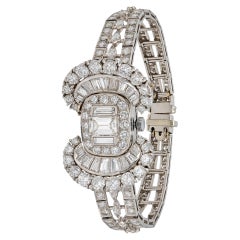
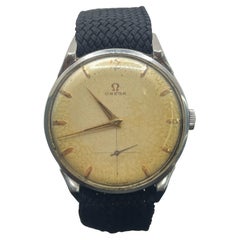
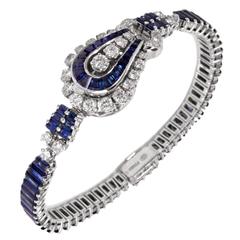
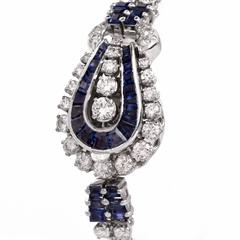
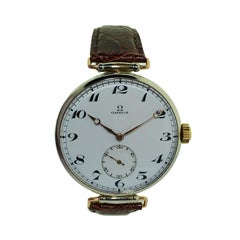
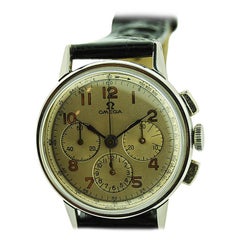
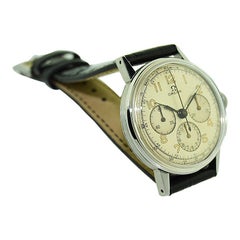
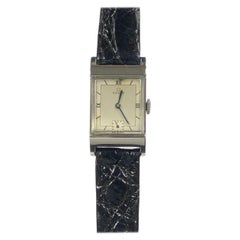
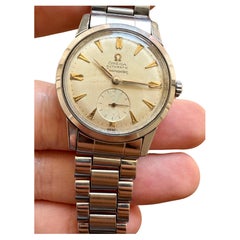
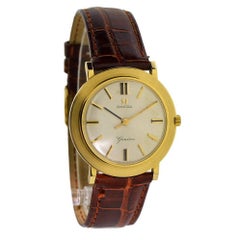
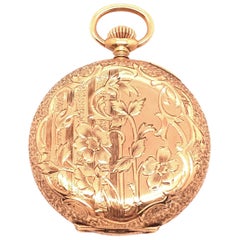
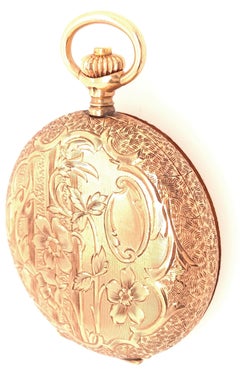
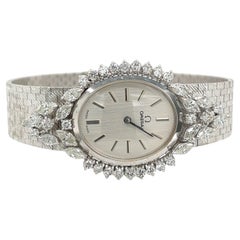
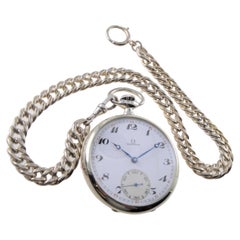
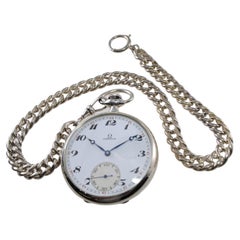
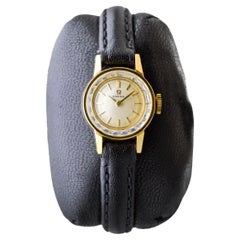
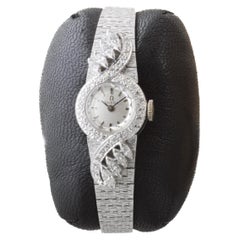
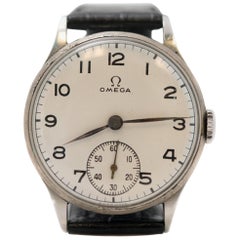
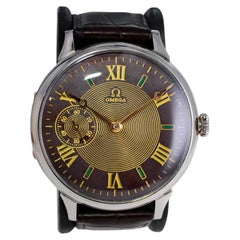
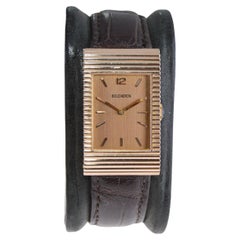
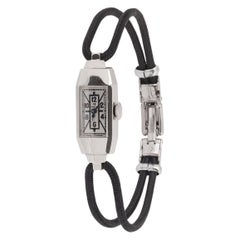
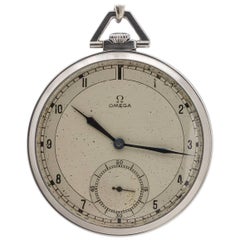
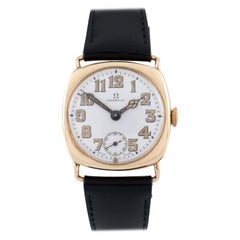
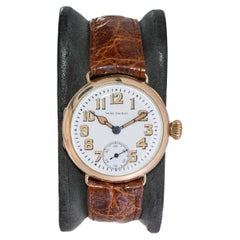
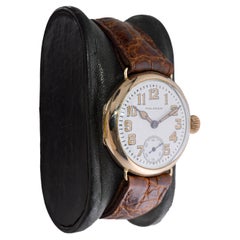
On 1stDibs, you can find the most appropriate art deco omega watch for your needs in our varied inventory. Frequently made of
Gold,
Stainless Steel and
Platinum, this item was constructed with great care. You’re likely to find the perfect art deco omega watch among the distinctive items we have available, which includes versions made as long ago as the 20th Century as well as those produced as recently as the 20th Century. While most can agree that any art deco omega watch from our collection can easily elevate most outfits, but the choice of a
Diamond version from the 7 available is guaranteed to add a special touch to your ensemble. Today, if you’re looking for a
round cut version of this piece and are unable to find the perfect match, our selection also includes
square cut alternatives. When shopping for an art deco omega watch, you’ll find that there are less available pieces for unisex or
women today than there are for
men.
How Much is a Art Deco Omega Watch?
On average, an art deco omega watch at 1stDibs sells for $3,183, while they’re typically $626 on the low end and $16,999 for the highest priced versions of this item.
Omega for sale on 1stDibs
It’s a celebrated part of Omega lore that the brand’s Speedmaster Professional Chronograph was the first watch to make a lunar landing. But the universal love for vintage Omega watches isn't confined to astronomers, and there’s more to the company’s heritage than the story of the Moonwatch.
The house’s origins date to 1848, when Swiss watchmaker Louis Brandt first set up shop. His sons Louis-Paul and César took over after his death, and in 1894, the pair developed an intriguing new movement.
Not only was it highly accurate, but every part was replaceable, making it easy for any professional to service. The Brandts called their movement the Omega, and as its popularity spread, they changed their company’s name to that of its flagship product.
In 1917, the British Royal Flying Corps designated Omega as an official supplier, and during World War II it became the principal watch supplier for the British forces and their allies. These commissions further strengthened Omega’s commitment to ensuring its products’ reliability under extreme conditions. In 1948, it launched the versatile Seamaster. Developed as a dive watch, the Seamaster proved its durability at high altitudes and freezing temperatures, as well. (Here is the 1stDibs guide to spotting a fake Omega Seamaster.)
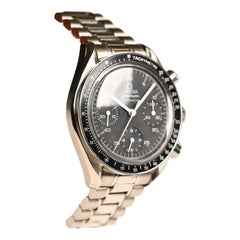
Thanks in part to its rugged reputation and Omega’s links to the British military, it became James Bond’s watch of choice in 1995, appearing in GoldenEye and every succeeding Bond movie; it returned in 2021’s No Time to Die. Nevertheless, the most famous Omega by far is the Speedmaster, introduced in 1957. The first chronograph to display its tachymeter scale on the bezel instead of the dial for easier readability, it was quickly adopted by engineers and scientists.
Worn by Buzz Aldrin during the 1969 Apollo 11 lunar mission, it’s the only watch certified by NASA for extravehicular activity (space walks) — and, as far as we know, the only one approved by the Russian space agency, too.
Watch aficionados and aficionadas alike can find vintage Omega watches today on 1stDibs.
A Close Look at Art-deco Jewelry
Fascination with the Jazz Age is endless, and even today jewelry designers continue to be inspired by authentic Art Deco jewelry and watches.
The Art Deco period, encompassing the 1920s and ’30s, ushered in a very distinct look in the design of jewelry. There were many influences on the jewelry of the era that actually began to take shape prior to the 1920s. In 1909, Serge Diaghilev brought the Ballet Russes to Paris, and women went wild for the company’s exotic and vibrant costumes It’s no wonder, then, that jade, lapis lazuli, coral, turquoise and other bright gemstones became all the rage. There already existed a fascination with the East, particularly China and Japan, and motifs consisting of fans and masks started to show up in Art Deco jewelry.
However, the event that had the greatest influence on Deco was the excavation of the tomb of King Tut in 1922. When the world saw what was hidden in Tut’s burial chamber, it sent just about everyone into a frenzy. Pierre Cartier wrote in 1923 that “the discovery of the tomb will bring some sweeping changes in fashion jewelry.” And he couldn’t have been more right. “Egyptomania” left an indelible mark on all of the major jewelry houses, from Cartier to Van Cleef & Arpels, Boucheron and Georges Fouquet. (Cartier created some of the most iconic jewelry designs that defined this era.)
While a lot of Art Deco jewelry was black and white — the black coming from the use of onyx or black enamel and the white from rock crystal and diamonds — there is plenty of color in jewelry of the era. A perfect accent to diamonds in platinum settings were blue sapphires, emeralds and rubies, and these stones were also used in combination with each other.
Many designers employed coral, jade and lapis lazuli, too. In fact, some of the most important avant-garde jewelers of the period, like Jean Després and Jean Fouquet (son of Georges), would combine white gold with ebony and malachite for a jolt of color.
A lot of the jewelry produced during this time nodded to current fashion trends, and women often accessorized their accessories. The cloche hat was often accented with geometric diamond brooches or double-clip brooches. Backless evening dresses looked fabulous with sautoir necklaces, and long pearl necklaces that ended with tassels, popular during the Edwardian period, were favored by women everywhere, including Coco Chanel.
Find unique Art Deco necklaces, earrings, bracelets and other jewelry on 1stDibs.
Finding the Right Wrist-watches for You
Antique, vintage and luxury wristwatches have captured the hearts and minds of all manner of watch collectors as well as the watchmakers themselves — it's time you found your own.
Certain vintage watches for men and iconic watch designs for women are sought after not only because of their graceful proportions or innovative materials but also because of the illustrious histories of the houses that created them, histories that they stylishly embody.
Bulgari’s legendary Serpenti watch was on everyone’s list after the collection’s bold bracelet, which technically debuted after the timepiece, graced the wrist of actress Elizabeth Taylor. If anything, elaborately crafted timepieces — the unmistakably boxy silhouette of Cartier Tank watches, the elegant and minimal Calatrava designed by legendary Swiss house Patek Philippe — are even more effective than the shape we associate with traditional wristwatches.
Form watches — the all-encompassing moniker bestowed upon non-round watches — are making headlines and completing contemporary fashionable ensembles the world over. At the same time, both casual fans and careful collectors are drawn to the unbeatable charm of vintage styles, such as the icons designed by Omega that even James Bond can’t resist.
In the early days of watchmaking, watches were fragile enough that they necessitated protection from the elements. Now, wristwatches made of gold and steel can withstand the harshest climates — even 100 meters underwater, in the case of Rolex’s Submariner. Designer Gérald Genta, whose range of clients included Rolex, created for Audemars Piguet the first luxury sports timepiece to be made from stainless steel. First introduced in 1972, the Royal Oak was a perfect choice for blending the form and function that are now synonymous with sports watches.
Are you shopping for a wristwatch? It’s good to keep your needs as well as your specific personal style in mind: A smaller, subtle timepiece is a good fit for small wrists. When will you be wearing your new accessory? There’s a versatile model out there for everyday wear, while a rugged, feature-heavy watch is a safe bet if you’re prone to embarking on all-weather activities in the great outdoors.
Find antique, vintage and luxury wristwatches for sale on 1stDibs.