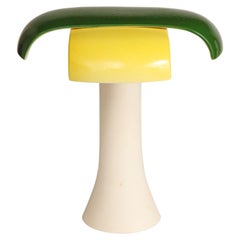
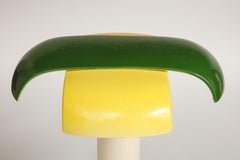
Green and Yellow Desk Lamp by Jos Devriendt
Located in New York, NY
Jos Devriendt Night and Day 92, 2015 Glazed ceramic Measures: 16.54 H x 15.75 x 15.75 inches Unique artwork.
Category
2010s Belgian Modern Table Lamps
Materials
Ceramic
Green and Yellow Desk Lamp by Jos Devriendt
Located in New York, NY
Jos Devriendt Night and Day 92, 2015 Glazed ceramic Measures: 16.54 H x 15.75 x 15.75 inches Unique artwork.
Ceramic
The late 19th and early 20th centuries saw sweeping social change and major scientific advances — both of which contributed to a new aesthetic: modernism. Rejecting the rigidity of Victorian artistic conventions, modernists sought a new means of expression. References to the natural world and ornate classical embellishments gave way to the sleek simplicity of the Machine Age. Architect Philip Johnson characterized the hallmarks of modernism as “machine-like simplicity, smoothness or surface [and] avoidance of ornament.”
Early practitioners of modernist design include the De Stijl (“The Style”) group, founded in the Netherlands in 1917, and the Bauhaus School, founded two years later in Germany.
Followers of both groups produced sleek, spare designs — many of which became icons of daily life in the 20th century. The modernists rejected both natural and historical references and relied primarily on industrial materials such as metal, glass, plywood, and, later, plastics. While Bauhaus principals Marcel Breuer and Ludwig Mies van der Rohe created furniture from mass-produced, chrome-plated steel, American visionaries like Charles and Ray Eames worked in materials as novel as molded plywood and fiberglass. Today, Breuer’s Wassily chair, Mies van der Rohe’s Barcelona chair — crafted with his romantic partner, designer Lilly Reich — and the Eames lounge chair are emblems of progressive design and vintage originals are prized cornerstones of collections.
It’s difficult to overstate the influence that modernism continues to wield over designers and architects — and equally difficult to overstate how revolutionary it was when it first appeared a century ago. But because modernist furniture designs are so simple, they can blend in seamlessly with just about any type of décor. Don’t overlook them.
Antique table lamps became a category of their own once electricity moved light off the wall and onto furniture. The form split quickly: task-driven designs like the Anglepoise on one side, decorative ceramic and glass on the other.
Styles to Know
Base material shapes the light as much as the shade does: ceramic and glass diffuse a softer glow, while brass and metal read more directional. Layer the look with a mid-century modern floor lamp for ambient light, or set a pair on a mid-century modern nightstand for a bedroom.
How to Choose the Right Vintage Table Lamp
Buying individually rather than as a pair allows more flexibility when mixing eras across a room. For those shopping by name rather than by shape, the history of the Anglepoise lamp is worth a read. Each piece comes from a vetted 1stDibs seller, with era, designer and condition detailed, and the 1stDibs Promise stands behind every purchase.
Patrizio Chiarparini of Brooklyn’s Duplex gallery sheds light on the lasting legacy of Italy’s postwar furniture boom.
There are many lessons to be learned from the lofts, apartments and townhouses of architects and decorators in Manhattan and beyond.
Having created extravagant homes for reality TV’s biggest stars, the designer is stepping into the spotlight with his first book.
The Louisiana-born and -bred architect talks to 1stdibs about the art of making timeless places that matter.
Damon Liss and Stelle Lomont Rouhani Architects collaborated on this serene getaway for a minimalism-minded Manhattan family of four.
The Palm Springs interior decorator developed a mid-century style that defined the vacation homes of celebrities and other notables, including Bob Hope and Lucille Ball.
Wielding her influence on the international scene, founding partner Andrea Cesarman expands the platform for Mexican artisans.
The houses from this New York studio cloak modernist tendencies within what are often more traditional trappings.