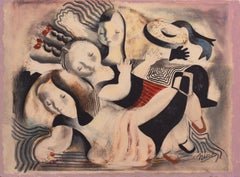
Nura Woodson Ulreich
'After School', Art Deco, Woman Artist, AIC, ASL, Paris, Salon d'Automne, PAFA
By Nura Ulreich
Located in Santa Cruz, CA
Signed lower right, 'Nura' for Nura Woodson Ulreich (American, 1899-1950) and painted circa 1935
Category
1930s Art Deco Figurative Drawings and Watercolors
Materials
Crayon, Watercolor, Gouache, Illustration Board, Pen, Pencil

$6,500
H 11 in W 15 in D 0.25 in
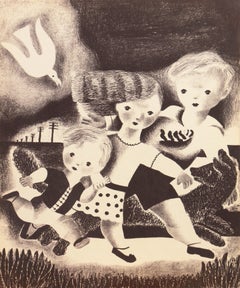
'Bert, Bob and Betsy', Paris, Salon d'Automne, New York, ASL, Corcoran, PAFA
By Nura Ulreich
Located in Santa Cruz, CA
A stone lithograph titled 'Bert, Bob and Betsy' by Nura Woodson Ulreich (American, 1899-1950
Category
1940s Art Deco Figurative Prints
Materials
Paper, Lithograph
$750
H 10.5 in W 8.5 in
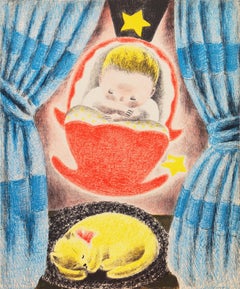
'Christopher', Art Deco Lithograph, Woman Artist, Salon d'Automne, Paris, AIC
By Nura Ulreich
Located in Santa Cruz, CA
A mid-century, stone lithograph titled 'Christopher' by Nura Woodson Ulreich (American, 1899-1950
Category
1940s Art Deco Figurative Prints
Materials
Paper, Lithograph
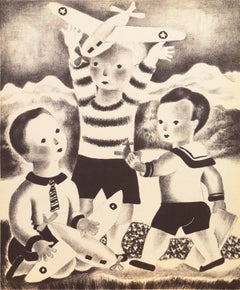
'David, Walter & Blake', Woman Artist, Art Deco, Children, Walker Art Center
By Nura Ulreich
Located in Santa Cruz, CA
A stone lithograph titled 'David, Walter and Blake' by Nura Woodson Ulreich (American, 1899-1950
Category
1940s Surrealist Figurative Prints
Materials
Paper, Lithograph
'Edward', Woman Artist, PAFA, Art Students League, Smithsonian, Art Deco Figural
By Nura Ulreich
Located in Santa Cruz, CA
A color, stone lithograph titled 'Edward' by Nura Woodson Ulreich (American, 1899–1950) stamped
Category
1940s Surrealist Figurative Prints
Materials
Paper, Lithograph
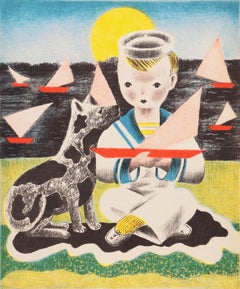
'Mimi and Bemi', Art Student's League, Salon d'Automne, Paris, Art Deco, Surreal
By Nura Ulreich
Located in Santa Cruz, CA
A mid-century, stone lithograph titled 'Mimi and Bemi' by Nura Woodson Ulreich (American, 1899-1950
Category
1940s Surrealist Figurative Prints
Materials
Paper, Lithograph
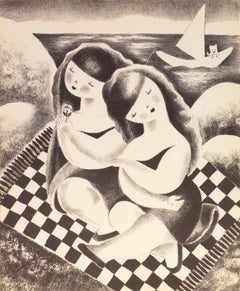
'Anabel & Millicent', Art Deco, Woman Artist, AIC, ASL, Paris, Salon d'Automne
By Nura Ulreich
Located in Santa Cruz, CA
A mid-century, stone lithograph titled 'Anabel & Millicent' by Nura Woodson Ulreich (American, 1899
Category
1930s Surrealist Figurative Prints
Materials
Paper, Lithograph
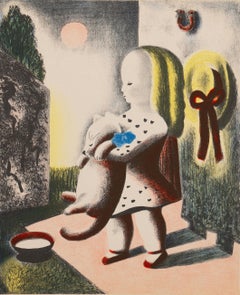
'Childhood', Paris, Salon d'Automne, New York, ASL, Corcoran, PAFA, Art Deco
By Nura Ulreich
Located in Santa Cruz, CA
Signed lower right 'Nura' for Nura Woodson Ulreich (American, 1899–1950). Titled, verso, 'Childhood
Category
1920s Surrealist Figurative Drawings and Watercolors
Materials
Illustration Board, Watercolor, Gouache
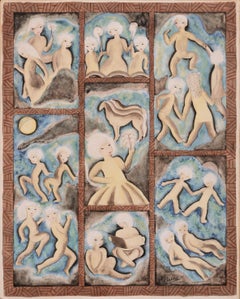
$4,800
H 16 in W 12 in D 0.13 in
'Age 9', Art Deco, Woman Artist, AIC, ASL, Paris, Salon d'Automne, Corcoran
By Nura Ulreich
Located in Santa Cruz, CA
Painted by Nura Woodson Ulreich (American, 1899-1950) as a full-page illustration for the book 'The
Category
1930s Art Deco Figurative Drawings and Watercolors
Materials
Gouache, Illustration Board, Pen, Pencil
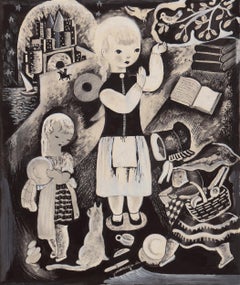
$6,500
H 11.25 in W 9.25 in
'Story Time', Paris, Salon d'Automne, New York, ASL, Corcoran, PAFA, Art Deco
By Nura Ulreich
Located in Santa Cruz, CA
Signed lower left 'Nura' for Nura Woodson Ulreich (American, 1899–1950). Additionally signed, verso
Category
1920s Surrealist Figurative Paintings
Materials
Oil, Illustration Board
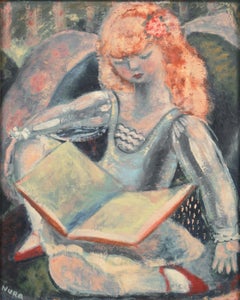
$4,800
H 20 in W 16 in D 0.25 in
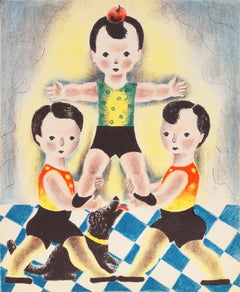
'Tom, Dick & Harry', Paris, Salon d'Automne, Art Deco, Woman Artist, ASL, AIC
By Nura Ulreich
Located in Santa Cruz, CA
A fresh, hand-colored stone lithograph titled 'Tom, Dick and Harry' by Nura Woodson Ulreich
Category
1940s Art Deco Figurative Prints
Materials
Paper, Lithograph
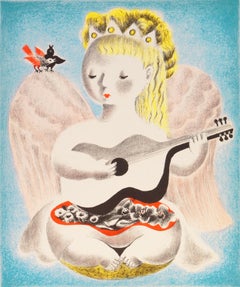
'Angel and Harmony', Art Deco Lithograph, Woman Artist, Salon d'Automne, Paris
By Nura Ulreich
Located in Santa Cruz, CA
A mid-century, stone lithograph titled 'Angel and Harmony' by Nura Woodson Ulreich (American, 1899
Category
1940s Art Deco Figurative Prints
Materials
Paper, Lithograph
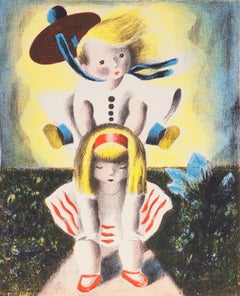
'Greta & Grace', Leapfrog, Modernism, Woman Artist, Art Deco, Smithsonian, Paris
By Nura Ulreich
Located in Santa Cruz, CA
A mid-century, stone lithograph titled 'Greta and Grace' by Nura Woodson Ulreich (American, 1899
Category
1940s Art Deco Figurative Prints
Materials
Paper, Lithograph
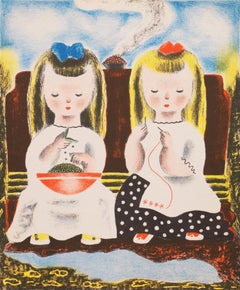
'Sisters', Paris, Salon d'Automne, New York, Art Deco, AIC, ASL, Woman Artist
By Nura Ulreich
Located in Santa Cruz, CA
Signed center left, 'Nura' for Nura Woodson Ulreich (American, 1899–1950) and created circa 1935
Category
1930s Art Deco Figurative Prints
Materials
Paper, Lithograph
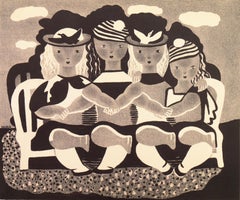
'Peggy and Dot', Art Deco Sisters, Woman Artist, AIC, Paris, Salon d'Automne
By Nura Ulreich
Located in Santa Cruz, CA
Signed lower right 'Nura' for Nura Woodson Ulreich (American, 1899–1950) and created circa 1935
Category
1940s Art Deco Figurative Prints
Materials
Paper, Lithograph
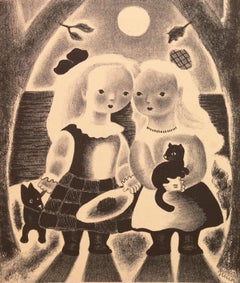
'Judy & Jessica', Art Deco Lithograph, Woman Artist, Salon d'Automne, Paris, AIC
By Nura Ulreich
Located in Santa Cruz, CA
A mid-century. stone lithograph titled 'Judy and Jessica' by Nura Woodson Ulreich (American, 1899
Category
1940s Art Deco Figurative Prints
Materials
Paper, Lithograph
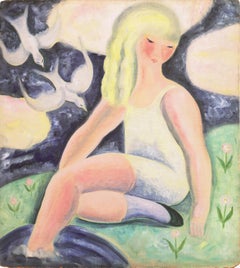
'Young Woman with Doves', AIC, Salon d'Automne, Paris, Art Deco
By Nura Ulreich
Located in Santa Cruz, CA
with white doves flying in a clouded, blue sky.
Signed verso 'Nura' for Nura Woodson Ulreich
Category
1930s Surrealist Figurative Paintings
Materials
Oil, Illustration Board
$6,500
H 20.25 in W 17.75 in D 0.13 in
'Sylvia', Woman Artist, Art Student's League, Salon D'Automne, Art Deco, Paris
By Nura Ulreich
Located in Santa Cruz, CA
A mid-century, stone lithograph titled 'Sylvia' by Nura Woodson Ulreich (American, 1899-1950
Category
1940s Art Deco Figurative Prints
Materials
Paper, Lithograph
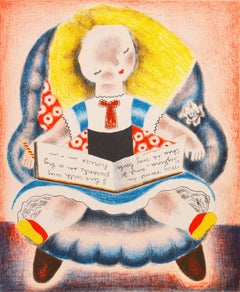
Eduard Buk Ulreich Black Runner 1933
By Eduard Buk Ulreich
Located in Hudson, NY
Art and Gump's Gallery in San Francisco.
His wife, Nura Woodson Ulreich, was an author and
Category
Vintage 1930s American Art Deco Paintings
Materials
Canvas, Paint
Recent Sales
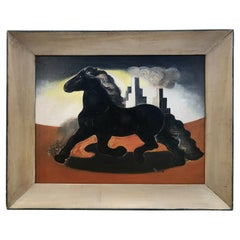
Modernist 1939 Oil Painting of Girl and her Dog by American Artist Nura Ulreich
By Nura Ulreich
Located in Atlanta, GA
An incredibly sweet and whimsical painting by American artist Nura Woodson Ulreich. The sweet
Category
Mid-20th Century American Mid-Century Modern Paintings
Materials
Canvas, Wood, Paint
H 23.75 in W 28 in D 2 in
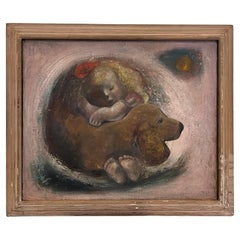
Play Like a Horse
By Eduard Buk Ulreich
Located in Los Angeles, CA
American Art and Gump's Gallery in San Francisco.
His wife, Nura Woodson Ulreich, was an author and
Category
1930s Art Deco Figurative Paintings
Materials
Mixed Media, Panel
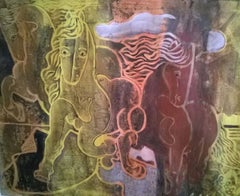
Before Egypt Was
By Eduard Buk Ulreich
Located in Los Angeles, CA
Woodson Ulreich, was an author and illustrator of children's books and an art instructor.
Category
1930s Art Deco Nude Paintings
Materials
Canvas, Mixed Media
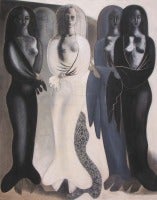
Associated American Artists Ceramic Plate by Nura Woodson Ulreich, 1940s
By Nura Ulreich
Located in Phoenix, AZ
.
Nura Woodson Ulreich (1899-1950) was active or lived in New York, Kansas & Missouri. She is known for
Category
Mid-20th Century American Mid-Century Modern Ceramics
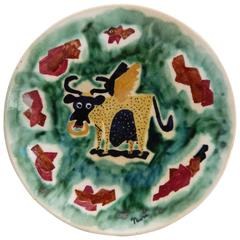
'Peggy and Dot', Chicago Academy of Fine Arts, Art Students League, Smithsonian
By Nura Ulreich
Located in Santa Cruz, CA
A stone lithograph titled 'Peggy and Dot' by Nura Woodson Ulreich (American, 1899-1950), created in
Category
1940s Art Deco Figurative Prints
Materials
Paper, Lithograph
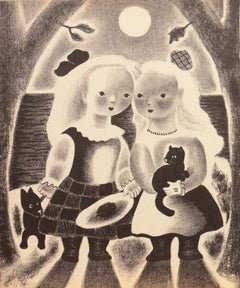
'Tom, Dick and Harry', Art Student's League, Salon d'Automne, Paris
By Nura Ulreich
Located in Santa Cruz, CA
A bright, hand-colored stone lithograph titled 'Tom, Dick and Harry' by Nura Woodson Ulreich
Category
1940s Art Deco Figurative Prints
Materials
Paper, Gouache, Lithograph
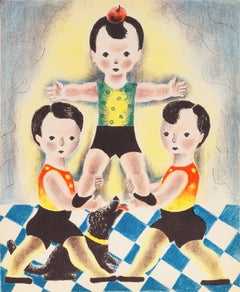
'David, Walter & Blake', Woman Artist, Art Deco, children, Walker Art Center
By Nura Ulreich
Located in Santa Cruz, CA
A stone lithograph titled 'David, Walter and Blake' by Nura Woodson Ulreich (American, 1899-1950
Category
1940s Art Deco Figurative Prints
Materials
Paper, Lithograph
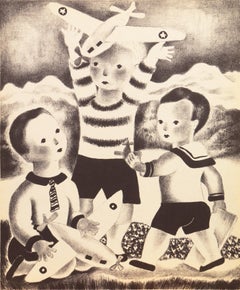
'Mimi and Bemi', Art Student's League, Salon d'Automne, Paris, Art Deco
By Nura Ulreich
Located in Santa Cruz, CA
A mid-century, stone lithograph titled 'Mimi and Bemi' by Nura Woodson Ulreich (American, 1899-1950
Category
1940s Art Deco Figurative Prints
Materials
Paper, Lithograph
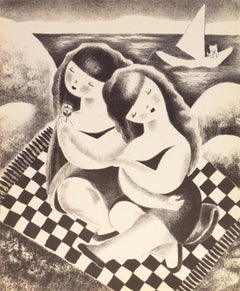
'Edward', Woman Artist, PAFA, Art Students League, Smithsonian, Art Deco Figural
By Nura Ulreich
Located in Santa Cruz, CA
A color, stone lithograph titled 'Edward' by Nura Woodson Ulreich (American, 1899–1950) with
Category
1940s Art Deco Figurative Prints
Materials
Paper, Lithograph
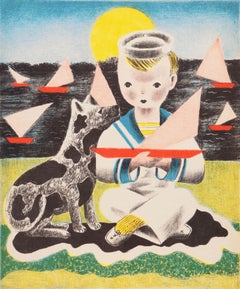
'Bert, Bob and Betsy', Paris, Salon d'Automne, New York, ASL, Corcoran, PAFA
By Nura Ulreich
Located in Santa Cruz, CA
A stone lithograph titled 'Bert, Bob and Betsy' by Nura Woodson Ulreich (American, 1899-1950
Category
1940s Art Deco Figurative Prints
Materials
Paper, Lithograph
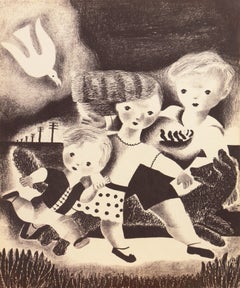
'Starlight Blanket', Paris, Salon d'Automne, New York, ASL, Corcoran, PAFA
By Nura Ulreich
Located in Santa Cruz, CA
Signed lower right 'Nura' for Nura Woodson Ulreich (American, 1899–1950). Additionally signed
Category
1920s Art Deco Figurative Paintings
Materials
Oil, Illustration Board
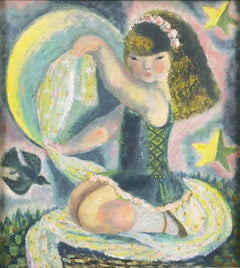
H 20.25 in W 18.25 in D 0.25 in
Kitten and Pet (Woman Artist, Modernism, New York, framed, art deco, cat)
By Nura Ulreich
Located in Santa Cruz, CA
Signed lower right, 'Nura' for Nura Woodson Ulreich (American, 1899–1950); additionally signed
Category
1920s Surrealist Figurative Drawings and Watercolors
Materials
Illustration Board, Paper, India Ink, Gouache
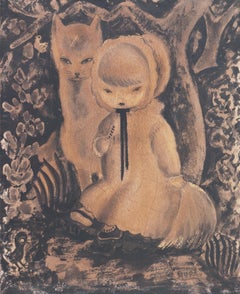
H 10.75 in W 8.75 in D 0.13 in
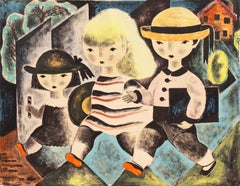
Off to School, New York, 1934
By Nura Ulreich
Located in Santa Cruz, CA
Signed lower right, 'hand colored by Nura' for Nura Woodson Ulreich (American, 1899–1950), dated
Category
1930s Surrealist Figurative Prints
Materials
Paper, Lithograph
Eduard Buk Ulreich Water Color
By Eduard Buk Ulreich
Located in Los Angeles, CA
and East Coast during the late 1930s and 1940s.
Along with his wife, artist Nura Woodson Ulreich
Category
20th Century Austrian Paintings
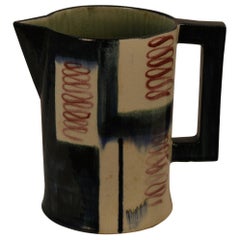
Nura Ulreich Modernist "Seven Seas" Ceramic Pitcher for Stonelain, c. 1949
By Stonelain, Nura Ulreich
Located in Portland, ME
Modernist ceramic pitcher by Nura Woodson Ulreich (1899-1950), titled "Seven Seas". Created in 1949
Category
Vintage 1940s American Modern Ceramics
Materials
Ceramic
H 9.5 in W 9.75 in D 5.75 in
People Also Browsed
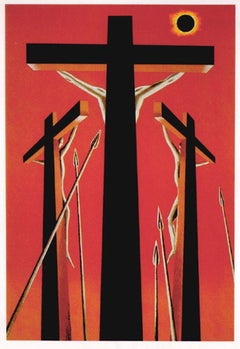
The Ninth Hour, Signed Screenprint by Clarence Carter
By Clarence Holbrook Carter
Located in Long Island City, NY
The Ninth Hour
Clarence Holbrook Carter
American (1904–2000)
Date: 1978
Screenprint, signed and numbered in pencil
Edition of 200, AP 30
Size: 40 in. x 26 in. (101.6 cm x 66.04 cm)
Category
1970s American Modern More Prints
Materials
Screen
Get Updated with New Arrivals
Save "Nura Woodson Ulreich", and we’ll notify you when there are new listings in this category.
Nura Woodson Ulreich For Sale on 1stDibs
Find the exact nura woodson ulreich you’re shopping for in the variety available on 1stDibs. You can easily find an example made in the Surrealist style, while we also have 4 Surrealist versions to choose from as well. You’re likely to find the perfect nura woodson ulreich among the distinctive items we have available, which includes versions made as long ago as the 20th Century as well as those made as recently as the 20th Century. When looking for the right nura woodson ulreich for your space, you can search on 1stDibs by color — popular works were created in bold and neutral palettes with elements of beige, brown, gray and black. Artworks like these of any era or style can make for thoughtful decor in any space, but a selection from our variety of those made in lithograph, paper and board can add an especially memorable touch.
How Much is a Nura Woodson Ulreich?
A nura woodson ulreich can differ in price owing to various characteristics — the average selling price for items in our inventory is $750, while the lowest priced sells for $325 and the highest can go for as much as $3,800.
Nura Ulreich for sale on 1stDibs
Nora Woodson Ulreich was born in 1899 in Kansas City, Missouri, and was known professionally as “Nura.” She was a painter, printmaker, author, and illustrator, particularly of children’s books. Ulreich studied at the Kansas City Art Institute, the Chicago Academy of Fine Arts, and the Art Students League in New York. She also studied in Paris where she met her Hungarian-born husband, fellow artist Eduard Buk Ulreich, and first exhibited at the Théâtre des Champs Elysées in 1926. Her style was a studied but naïve form of modernism and she often portrayed seemingly innocent views of children and their pets. Nura was a strong believer in Christian Science and sometimes included spiritual motifs in her whimsical pieces with an Art Deco-inspired palette. Nura frequently collaborated with Edward and their combined works often use the moniker “Bukannura.” In 1927, their work was exhibited at the Dudensing Gallery on 57th Street in New York. Eduard was also a muralist who completed commissions for the Treasury Department’s Section of Fine Arts between 1937 and 1940. Both Nura and Eduard are listed in Who Was Who in American Art and all other standard references.