Prototype Viscount David Linley Folding Desk and Chair in Satin Birch Art Modern
About the Item
- Creator:David Linley (Designer)
- Dimensions:Height: 26.38 in (67 cm)Width: 48.04 in (122 cm)Depth: 30.71 in (78 cm)
- Sold As:Set of 2
- Style:Modern (Of the Period)
- Materials and Techniques:
- Place of Origin:
- Period:
- Date of Manufacture:20th Century
- Condition:Wear consistent with age and use. Minor fading.
- Seller Location:West Sussex, GB
- Reference Number:1stDibs: LU2823318777852
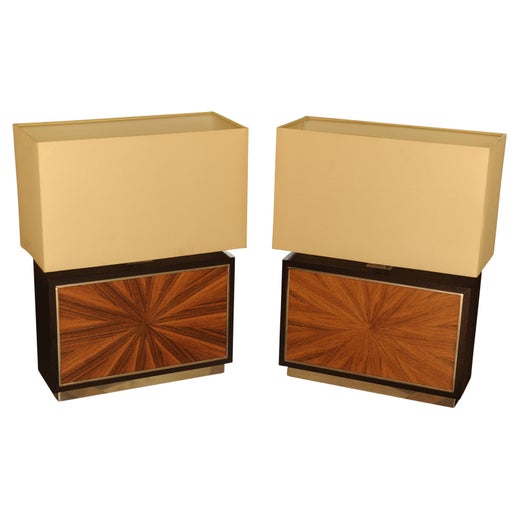
David Linley
Consider it the ultimate royal seal of approval: When the young Linley founder, David Linley, made a decorative box as a teenager — a project he’d crafted at Bedales School that impressed his teacher — it was proudly passed around as a cigar box at parties by the Queen Mother. Of course, the royal treatment makes a bit more sense when you consider that the Queen was simply grandmother to the future furniture designer Linley, formally David Albert Charles Armstrong-Jones, second earl of Snowdon, son of Princess Margaret and photographer Antony Armstrong-Jones.
Born in London, Linley was creative from an early age — a characteristic eagerly encouraged at home with his parents and at Kensington Palace with the extended family. After completing his studies in carpentry and design at Parnham House in 1982, Linley set up his first studio. Within three years he had moved to King’s Road in Chelsea and, with his friend painter and designer Matthew Rice, officially cofounded Linley, a source for luxury furniture and accessories and bespoke carpentry and millwork.
The brand was a quick success. When Linley presented its first line at Christie’s in 1985 — a collection of furniture and more called “Venetian,” which was inspired by the Italian city’s grandiose Gothic architecture — the entire lot sold out on the day of its presentation. Besides Linley the brand being a commercial success, Linley the founder was somewhat of a marvel: At the time, the designer was the first of the royal family to undertake any sort of vocational work, let alone establish their own brand.
David Linley’s furniture has become known over the years for its fine craftsmanship, detailed marquetry and inlay and use of rare and exquisite woods. His tables, seating, other furnishings and decorative objects owe consistently to traditional methods and conventions as often as they do clean modernity. The designer has long looked to Chippendale furniture as well as other styles that gained prominence during the 18th century as much as he has toward the future.
Now, in addition to its furniture, accessories and custom millwork, Linley operates an interior design business, outfitting homes (and a few cars and yachts) in the brand’s singularly chic style. And while the company’s output is marked by style, craftsmanship still comes first: “I’m a maker, not a designer,” the earl once proclaimed.
Find a collection of David Linley furniture on 1stDibs.
You May Also Like
Antique Early 1900s Italian Art Nouveau Desks and Writing Tables
Bronze
Vintage 1930s French Art Deco Desks
Chrome
Vintage 1940s German Art Deco Desks and Writing Tables
Chrome
Vintage 1940s German Art Deco Desks and Writing Tables
Chrome
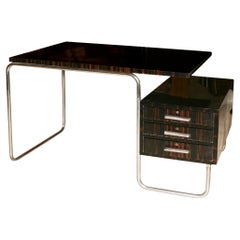
21st Century and Contemporary Vietnamese Modern Desks and Writing Tables
Metal
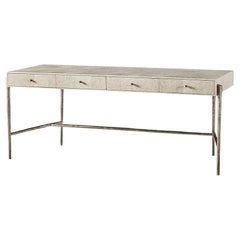
Antique 1810s American Hepplewhite Desks
Brass
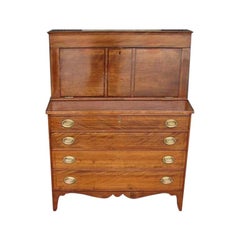
21st Century and Contemporary Asian Modern Desks
Metal
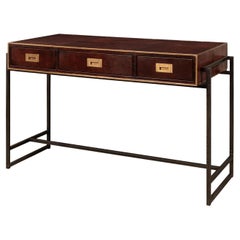
21st Century and Contemporary Asian Modern Desks
Metal
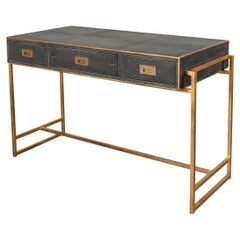
21st Century and Contemporary Asian Scandinavian Modern Desks and Writin...
Wood
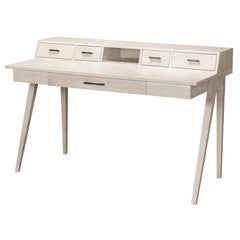
21st Century and Contemporary Vietnamese Industrial Desks and Writing Ta...
Metal
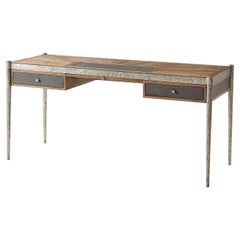
More From This Seller
View All20th Century English Art Deco Desks
Walnut

21st Century and Contemporary English Modern Wall Mirrors
Mirror, Sycamore
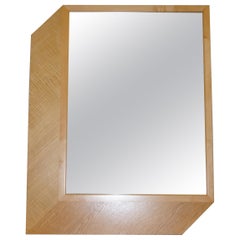
20th Century English Country Side Chairs
Sycamore
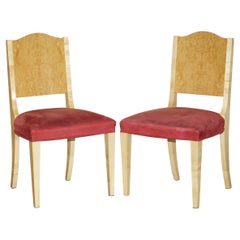
20th Century English Mid-Century Modern Coffee and Cocktail Tables
Chrome
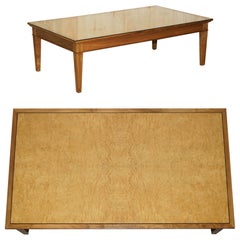
20th Century English Art Deco Coffee and Cocktail Tables
Sycamore, Walnut

20th Century British Modern Mantel Mirrors and Fireplace Mirrors
Satinwood, Sycamore, Walnut