New Arrivals: Prints and Multiples

Vintage, New and Antique Prints and Multiples

  • Shop New Arrivals

    New day. New (outstanding) designs. Be the first to shop pieces — from furniture to fine jewelry — arriving daily.
to
701
925
471
766
416
351
Overall Width
to
Overall Height
to
727
483
265
247
234
79
70
39
27
18
11
7
4
1
107
77
69
51
48
15
144
1,894
876
7
6
39
38
51
260
375
275
352
192
14
1,803
887
230
740
390
255
223
192
179
148
108
107
100
87
78
71
55
55
54
52
48
45
43
1,369
445
342
341
334
441
658
1,392
1,372
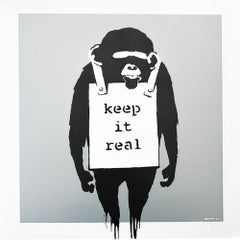
Keep It Real, Laugh Now LP (Silver) by Banksy
By (after) Andy Warhol
Located in Dubai, Dubai
Keep It Real, Laugh Now LP (Silver) by Banksy 2008 Vinyl record with limited edition number included. Lithograph printed in colors on both sides. Vinyl 31 x 31 cm/ 12.2 x 12.2 ...
Category

2010s Contemporary Figurative Prints

Materials

Lithograph

La Comédie Humaine
By Pablo Picasso
Located in OPOLE, PL
Pablo Picasso (1881-1973) - La Comédie Humaine Lithograph from 1954. Dimensions of work: 35.5 x 26.5 cm Publisher: Tériade, Paris. The work is in Excellent condition. Fast and s...
Category

1950s Modern Figurative Prints

Materials

Lithograph

La Porta del Paradiso - Screenprint by Antonio Saliola - 1990s
Located in Roma, IT
Screen print realized by Antonio Saliola in 1990s. Hand signed and titled in pencil. Very good condition.
Category

1990s Contemporary Figurative Prints

Materials

Screen

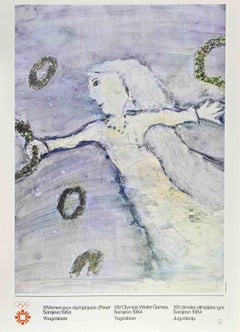
XIV Olympic Winter Games Sarajevo - 1984
Located in Roma, IT
Vintage poster realized in 1984 in occasion of the XIV Olympic Winter Games in Sarajevo. Edition of 1000. Created by the Slovenian painter Gabriel Stupica, one of the foremost representatives of post-war Yugoslav modernism, this evocative composition was commissioned for the XIV Olympic Winter Games, Sarajevo 1984 (Yugoslavia). Executed in Stupica’s distinctive lyrical and figurative style, the work depicts a dynamic, dreamlike athlete in motion, surrounded by abstract Olympic rings, against a vaporous lavender and blue background. The piece encapsulates both the energy of winter sports and the poetic sensibility of Stupica’s artistic vision. Stupica, a member of the Ljubljana School of Graphic Arts and a central figure in Slovenian modern painting, was internationally recognized for his psychologically charged and symbolist works. His contribution to the Sarajevo Olympic poster series reflects both the optimism of the Games and the avant-garde tendencies of Yugoslav art...
Category

1980s Contemporary Figurative Prints

Materials

Offset

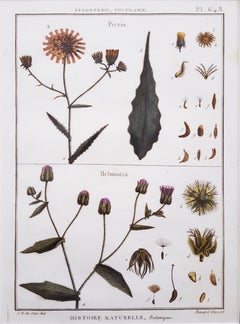
Picris (Sunflower); Helmintia (Bristly Oxtongue) /// Botanical Botany Plants Art
By Georges-Louis Leclerc, Comte de Buffon
Located in Saint Augustine, FL
Artist: Georges-Louis Leclerc, Comte de Buffon (French, 1707-1788) Title: "Picris (Sunflower); Helmintia (Bristly Oxtongue)" (Syngenesie; Polygamie, Plate 648) Portfolio: Histoire Na...
Category

1740s Old Masters Still-life Prints

Materials

Watercolor, Laid Paper, Engraving, Intaglio
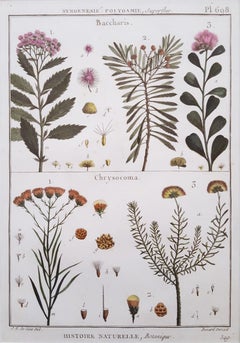
Baccharis (Baccharises); Chrysocoma (Golden Bitter Bush) /// Botanical Botany
By Georges-Louis Leclerc, Comte de Buffon
Located in Saint Augustine, FL
Artist: Georges-Louis Leclerc, Comte de Buffon (French, 1707-1788) Title: "Baccharis (Baccharises); Chrysocoma (Golden Bitter Bush)" (Syngenesie; Polygamie, Plate 698) Portfolio: His...
Category

1740s Old Masters Still-life Prints

Materials

Watercolor, Laid Paper, Engraving, Intaglio
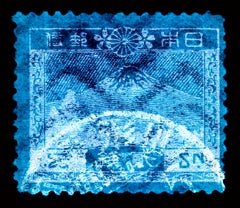
Japanese Stamp Collection Mount Fuji - Framed Photographic Print
By Heidler & Heeps
Located in Cambridge, GB
Taken upon leaving Las Vegas, photograph from Richard Heeps' 'Dream in Colour' series, this artwork features a classic American neon Googie sign, with the Las Vegas cityscape lights ...
Category

2010s Pop Art Color Photography

Materials

Photographic Paper, C Print, Color, Silver Gelatin
64x48 Black & White Bison Photography Print "The Beast" Fine Art Buffalo
By Shane Russeck
Located in Los Angeles, CA
This is a contemporary photograph of an North American Bison shot by Shane Russeck 64x48 Edtiton of 10 Signed and numered by the artist Printed on Archival Luster paper. Shane R...
Category

21st Century and Contemporary Black and White Photography

Materials

Archival Pigment

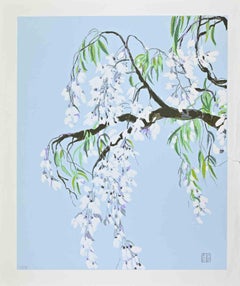
Spring (Primavera) - Screenprint by Aldo Riso - 1990s
By Aldo Riso
Located in Roma, IT
Screen print realized in 1990s. Hand signed and numbered. Edition of 199. Good condition except for some folds in the right side.
Category

1990s Contemporary Landscape Prints

Materials

Screen

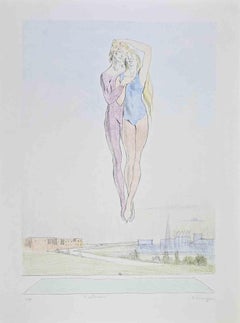
The Acrobats - Lithograph by Romano Parmeggiani - 1990s
By Romano Parmeggiani
Located in Roma, IT
Lithograph on paper realized by Romano Parmeggiani in 1990s. Hand signed, titled and numbered. Edition of 99. Excellent condition.
Category

1990s Contemporary Figurative Prints

Materials

Lithograph

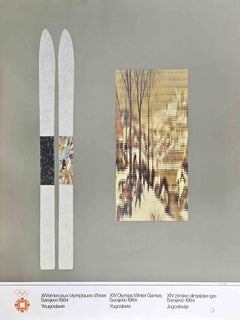
XIV Olympic Winter Games Sarajevo - Poster after Jiri Kolar - 1984
By Jiri Kolar
Located in Roma, IT
Offset print realized after Kiri Kolar, in occasion of the XIV Olympic Winter Games in Sarajevo. Limited edition of 100. Very good condition. Designed by celebrated Czech artist a...
Category

1980s Contemporary Figurative Prints

Materials

Offset

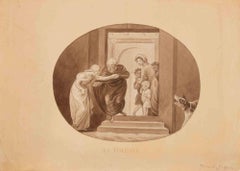
La Timidité - Lithograph by Gérard Séguin - mid-19th Century
Located in Roma, IT
Lithograph on paper. Signed in the plte. A delicate and rare lithograph by Gérard Séguin, showcasing his refined neoclassical style and allegorical sensibility. The composition, fr...
Category

Mid-19th Century Modern Figurative Prints

Materials

Lithograph

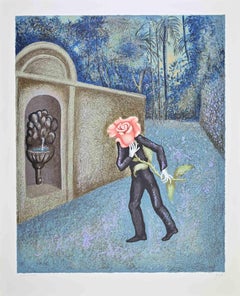
The Gardener in Love - Screenprint by Enrico Benaglia - 2000s
By Enrico Benaglia
Located in Roma, IT
Screenprint realized by Enrico Benaglia in the early 2000s. Artist proof, aside of an edition of 150. Hand signed and titled.
Category

Early 2000s Contemporary Figurative Prints

Materials

Screen

Oscar (Sesame Street) by KAWS
By KAWS
Located in Dubai, Dubai
Oscar (Sesame Street) By KAWS 2025 Allrightsreserve x DDT store Vinyl 25,4 cm / 10 in Limited edition
Category

2010s Contemporary Figurative Prints

Materials

Vinyl

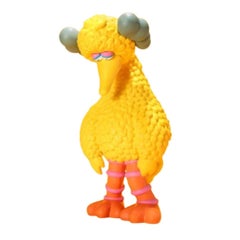
Big Bird (Sesame Street) by KAWS
By KAWS
Located in Dubai, Dubai
Big Bird (Sesame Street) By KAWS 2025 Allrightsreserve x DDT store Vinyl 33 cm / 13 in Limited edition
Category

2010s Contemporary Figurative Prints

Materials

Vinyl

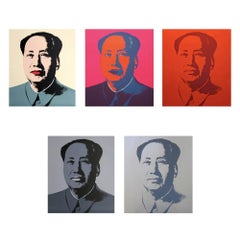
Sunday B Morning - Mao
By (after) Andy Warhol
Located in Dubai, Dubai
Andy Warhol - Mao By Sunday B Morning 2011 Screen print 85 x 75 cm/ 33.46 x 29.52 in Open edition
Category

2010s Pop Art Figurative Prints

Materials

Screen

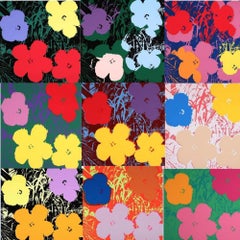
Sunday B Morning - Flowers
By (after) Andy Warhol
Located in Dubai, Dubai
Andy Warhol - Flowers By Sunday B Morning 2018 Screen print in color 91 x 91 cm / 36 x 36 in
Category

2010s Pop Art Figurative Prints

Materials

Screen

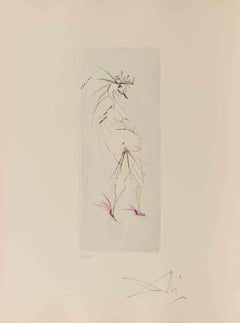
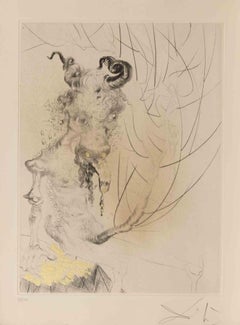
Grotesque - Etching - 1960s
By Salvador Dalí­
Located in Roma, IT
Etching on chamois-colored laid paper, realized in 1968/69. Plate from "Faust (La Nuit de Walpurgis), published by Argillet, Paris. Edition of 49/150, hand colored. Hand signed an...
Category

1960s Surrealist Figurative Prints

Materials

Etching

Original Sirops Cazanove French vintage poster Grade A on linen
Located in Spokane, WA
SIROPS CAZANOVE Original Vintage French Poster by Eric — Excellent condition, Grade A. Linen-backed. Printer: Akarcher, Paris. Circa 1945–1955. Mid-century modern. Discover a rare o...
Category

1950s Art Deco Portrait Prints

Materials

Lithograph

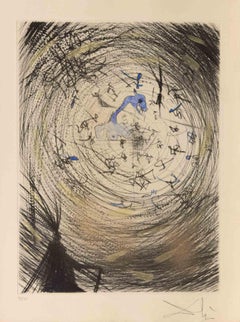
Sator - Etching - 1960s
By Salvador Dalí­
Located in Roma, IT
Etching on chamois-colored laid paper, realized in 1968/69. Plate from "Faust (La Nuit de Walpurgis), published by Argillet, Paris. Edition of 49/150, hand colored. Hand signed an...
Category

1960s Surrealist Figurative Prints

Materials

Etching

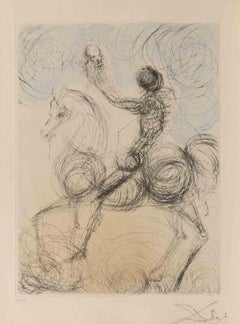
Cavalier et sa Mort (Knight and Death) - Etching - 1960s
By Salvador Dalí­
Located in Roma, IT
Etching on chamois-colored laid paper, realized in 1968/69. Plate from "Faust (La Nuit de Walpurgis), published by Argillet, Paris. Edition of 49/150, hand colored. Hand signed an...
Category

1960s Surrealist Figurative Prints

Materials

Etching

Tete de Veau (Calf's Head) - Etching - 1960s
By Salvador Dalí­
Located in Roma, IT
Etching on chamois-colored laid paper, realized in 1968/69. Plate from "Faust (La Nuit de Walpurgis), published by Argillet, Paris. Edition of 49/150, hand colored. Hand signed an...
Category

1960s Surrealist Figurative Prints

Materials

Etching

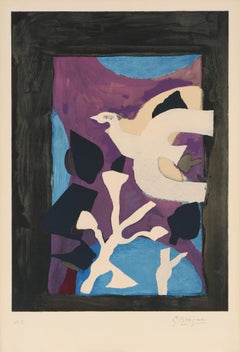
Georges Braque(1882–1963) - Oiseau et Lotus - Color lithograph on paper - 1963
By George Braque
Located in Varese, IT
Color lithograph on paper, edited 1963 Limited edition of 50 copies, numbered HC (hors commerce) in lower left corner. Signed in pencil by artist in lower right corner. On the rever...
Category

1960s Abstract Animal Prints

Materials

Lithograph

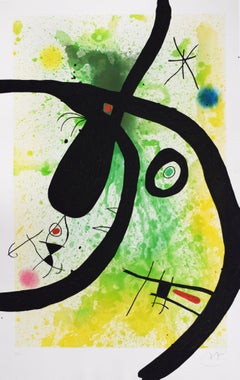
The Octopus Hunter - Spanish Surrealism
By Joan Miró
Located in London, GB
This original etching and aquatint with carborundum is hand signed in pencil by the artist "Miró" at the lower right margin. It is also hand numbered in pencil 2 from the edition of ...
Category

1960s Abstract Prints

Materials

Etching, Aquatint

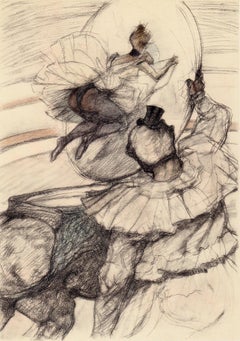
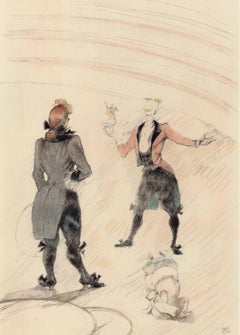
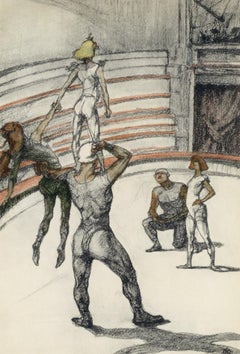
Henri de Toulouse-Lautrec, Work on the Panel, from The Circus, 1952 (after)
By Henri de Toulouse-Lautrec
Located in Southampton, NY
This exquisite lithograph after Henri de Toulouse-Lautrec (1864–1901), titled Travail sur le panneau (Work on the Panel), originates from the 1952 album The Circus of Toulouse-Lautre...
Category

1950s Post-Impressionist Figurative Prints

Materials

Lithograph

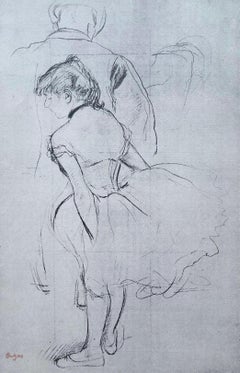
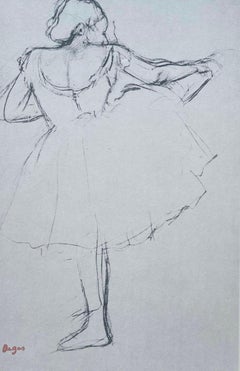
Edgar Degas, Dancer Arranging Her Dress, 1945 (after)
By Edgar Degas
Located in Southampton, NY
This exquisite lithograph after Edgar Degas (1834–1917), titled Danseuse arrangeant sa robe (Dancer Arranging Her Dress), originates from the 1945 folio Degas, Ten Ballet Sketches. Published by The Studio Publications, Inc., New York, rendered and printed by Albert Carman, City Island, 1945, this work reflects Degas’s sensitive mastery of line, movement, and intimate observation, capturing the grace, poise, and psychological immediacy that define his iconic ballet imagery. In Danseuse arrangeant sa robe (Dancer Arranging Her Dress), Degas reveals gesture and inner emotion through economical contour and lyrical nuance. Executed as a lithograph and pochoir on velin paper, this work measures 17 x 13 inches (43.18 x 33.02 cm). Signed in the plate and unnumbered as issued. Rendered and printed by Albert Carman, City Island, one of the notable American ateliers specializing in fine art lithography during the mid-20th century. Artwork Details: Artist: After Edgar Degas (1834–1917) Title: Danseuse arrangeant sa robe (Dancer Arranging Her Dress), from Degas, Ten Ballet Sketches, 1945 Medium: Lithograph and pochoir on velin paper Dimensions: 17 x 13 inches (43.18 x 33.02 cm) Inscription: Signed in the plate and unnumbered as issued Date: 1945 Publisher: The Studio Publications, Inc., New York Printer: Albert Carman, City Island, 1945 Condition: Well preserved, consistent with age and medium Provenance: From the 1945 folio Degas, Ten Ballet Sketches, published by The Studio Publications, Inc., New York Notes: Excerpted from the album, Born in Paris in 1834, Edgar Degas lived, and surely loved the life of that city during most of his years. These continued somewhat sadly beyond those of most of his friends— into the debacle of the first World War, during which he died in 1917. Judging by the frequency with which he used them as models, he must have had an especial admiration for the ballet girls who followed a profession that at the time brought none of the glory and prosperity which attend it today. New aspects of the human body, revealed in movement, fascinated him. But his occupation with the simply anatomical side of his subjects never resulted in a cold interpretation. On the contrary there is a warmth and sympathy that pervades all of his work. The drawings here represent the painter in one important phase of his multi-sensitive view of life; and permit an insight which a more ambitious work might not do-into the operation of the creative process, the artist's transformation of reality as it passes through the mesh of his sensibilities. The Edition of this Portfolio is limited to MMMD examples. Rendered by Albert Carman. About the Publication: Degas, Ten Ballet Sketches, published in 1945 by The Studio Publications, Inc., New York, stands as one of the most elegant and scholarly mid-century American fine art folios devoted to the ballet imagery of Edgar Degas. Conceived as a high-quality interpretive portfolio, the album presents a series of lithograph-and-pochoir renderings based on Degas’s original drawings, executed with exceptional attention to tonal subtlety, contour fidelity, and the emotional interiority that defines the artist’s draftsmanship. Rendered and printed by Albert Carman on City Island, the publication embodies an American postwar effort to restore and celebrate European masterworks through meticulous handcraft and artisanal color application, honoring Degas’s distinctive line and the atmospheric delicacy of his studio-based studies. Produced in a substantial edition of MMMD examples, the portfolio offered audiences rare access to Degas’s private working drawings—images rarely seen outside institutional collections—while exemplifying the technical refinement and interpretive care characteristic of Carman’s workshop. Today, Degas, Ten Ballet Sketches remains a sought-after historical publication, valued for its craft, fidelity to Degas’s aesthetic, and its role in preserving and disseminating the artist’s intimate ballet imagery in a beautifully executed mid-century fine art format. About the Artist: Edgar Degas (1834–1917) was a French painter, draughtsman, printmaker, and sculptor whose groundbreaking fusion of classical draftsmanship, modern experimentation, and psychological depth helped define the trajectory of Western art, positioning him as one of the most influential figures of the nineteenth and early twentieth centuries; renowned for his depictions of ballet dancers, racehorses, theater scenes, cafe life, domestic interiors, milliners, laundresses, and women at their toilette, Degas reimagined observational realism through radical compositional innovation—employing extreme cropping, asymmetrical framing, oblique viewpoints, and dramatic lighting that anticipated photographic and cinematic language long before these technologies shaped visual culture, and although associated with Impressionism, he rejected plein-air spontaneity in favor of studio-based discipline rooted in the linear precision of Jean-Auguste-Dominique Ingres, the expressive chromaticism of Eugene Delacroix, and the modernity of Edouard Manet while also drawing inspiration from Japanese ukiyo-e prints, classical sculpture, and early photography; his independent artistic philosophy resonated with and helped shape the innovations of Pablo Picasso, Alexander Calder, Alberto Giacometti, Salvador Dali, Joan Miro, Wassily Kandinsky, Marcel Duchamp, and Man Ray, whose explorations of movement, form, dream logic, abstraction, and conceptualism all find antecedents in Degas’s investigations into seriality, temporality, and the fragmented figure, and his pioneering use of pastel, monotype, and wax sculpture fundamentally transformed each medium, influencing artists from Henri Matisse, Francis Bacon, Lucian Freud, and Giacomo Manzu to Paula Rego, contemporary realists, experimental photographers, and choreographers; his works are held in nearly every major museum collection worldwide—including the Musee dOrsay, the Louvre, the Metropolitan Museum of Art, the National Gallery of Art, the Art Institute of Chicago, the Courtauld Institute, and the National Gallery, London—affirming his central place in the history of art, and the highest auction record for Degas was achieved at Sothebys London on February 3, 2015, when Danseuses en Bleu sold for 37,033,000 GBP, cementing his status as one of the most sought-after and enduringly significant artists of the Western canon. Edgar Degas lithograph...
Category

1940s Impressionist Figurative Prints

Materials

Lithograph

Henri de Toulouse-Lautrec, Chocolate, scene, from The Circus, 1952 (after)
By Henri de Toulouse-Lautrec
Located in Southampton, NY
This exquisite lithograph after Henri de Toulouse-Lautrec (1864–1901), titled Chocolat, scene (Chocolate, scene), originates from the 1952 album The Circus of Toulouse-Lautrec. Publi...
Category

1950s Post-Impressionist Figurative Prints

Materials

Lithograph

Henri de Toulouse-Lautrec, Clowness, from The Circus, 1952 (after)
By Henri de Toulouse-Lautrec
Located in Southampton, NY
This exquisite lithograph after Henri de Toulouse-Lautrec (1864–1901), titled Clownesse (Clowness), originates from the 1952 album The Circus of Toulouse-Lautrec. Published by Paris ...
Category

1950s Post-Impressionist Figurative Prints

Materials

Lithograph

"Wild" 40x60 Fine Art Black and White Photography Wild Horse Mustang
By Shane Russeck
Located in Los Angeles, CA
This is a contemporary black and white photograph of a Wild Mustang by Shane Russeck. "They represent the ultimate expression of American freedom" Unsigned print Printed on archival...
Category

21st Century and Contemporary Black and White Photography

Materials

Archival Pigment

Edgar Degas, Dancer at the Barre, 1945 (after)
By Edgar Degas
Located in Southampton, NY
This exquisite lithograph after Edgar Degas (1834–1917), titled Danseur au bar (Dancer at the Barre), originates from the 1945 folio Degas, Ten Ballet Sketches. Published by The Studio Publications, Inc., New York, rendered and printed by Albert Carman, City Island, 1945, this work reflects Degas’s sensitive mastery of line, movement, and intimate observation, capturing the grace, poise, and psychological immediacy that define his iconic ballet imagery. In Danseur au bar (Dancer at the Barre), Degas reveals gesture and inner emotion through economical contour and lyrical nuance. Executed as a lithograph and pochoir on velin paper, this work measures 17 x 13 inches (43.18 x 33.02 cm). Signed in the plate and unnumbered as issued. Rendered and printed by Albert Carman, City Island, one of the notable American ateliers specializing in fine art lithography during the mid-20th century. Artwork Details: Artist: After Edgar Degas (1834–1917) Title: Danseur au bar (Dancer at the Barre), from Degas, Ten Ballet Sketches, 1945 Medium: Lithograph and pochoir on velin paper Dimensions: 17 x 13 inches (43.18 x 33.02 cm) Inscription: Signed in the plate and unnumbered as issued Date: 1945 Publisher: The Studio Publications, Inc., New York Printer: Albert Carman, City Island, 1945 Condition: Well preserved, consistent with age and medium Provenance: From the 1945 folio Degas, Ten Ballet Sketches, published by The Studio Publications, Inc., New York Notes: Excerpted from the album, Born in Paris in 1834, Edgar Degas lived, and surely loved the life of that city during most of his years. These continued somewhat sadly beyond those of most of his friends— into the debacle of the first World War, during which he died in 1917. Judging by the frequency with which he used them as models, he must have had an especial admiration for the ballet girls who followed a profession that at the time brought none of the glory and prosperity which attend it today. New aspects of the human body, revealed in movement, fascinated him. But his occupation with the simply anatomical side of his subjects never resulted in a cold interpretation. On the contrary there is a warmth and sympathy that pervades all of his work. The drawings here represent the painter in one important phase of his multi-sensitive view of life; and permit an insight which a more ambitious work might not do-into the operation of the creative process, the artist's transformation of reality as it passes through the mesh of his sensibilities. The Edition of this Portfolio is limited to MMMD examples. Rendered by Albert Carman. About the Publication: Degas, Ten Ballet Sketches, published in 1945 by The Studio Publications, Inc., New York, stands as one of the most elegant and scholarly mid-century American fine art folios devoted to the ballet imagery of Edgar Degas. Conceived as a high-quality interpretive portfolio, the album presents a series of lithograph-and-pochoir renderings based on Degas’s original drawings, executed with exceptional attention to tonal subtlety, contour fidelity, and the emotional interiority that defines the artist’s draftsmanship. Rendered and printed by Albert Carman on City Island, the publication embodies an American postwar effort to restore and celebrate European masterworks through meticulous handcraft and artisanal color application, honoring Degas’s distinctive line and the atmospheric delicacy of his studio-based studies. Produced in a substantial edition of MMMD examples, the portfolio offered audiences rare access to Degas’s private working drawings—images rarely seen outside institutional collections—while exemplifying the technical refinement and interpretive care characteristic of Carman’s workshop. Today, Degas, Ten Ballet Sketches remains a sought-after historical publication, valued for its craft, fidelity to Degas’s aesthetic, and its role in preserving and disseminating the artist’s intimate ballet imagery in a beautifully executed mid-century fine art format. About the Artist: Edgar Degas (1834–1917) was a French painter, draughtsman, printmaker, and sculptor whose groundbreaking fusion of classical draftsmanship, modern experimentation, and psychological depth helped define the trajectory of Western art, positioning him as one of the most influential figures of the nineteenth and early twentieth centuries; renowned for his depictions of ballet dancers, racehorses, theater scenes, cafe life, domestic interiors, milliners, laundresses, and women at their toilette, Degas reimagined observational realism through radical compositional innovation—employing extreme cropping, asymmetrical framing, oblique viewpoints, and dramatic lighting that anticipated photographic and cinematic language long before these technologies shaped visual culture, and although associated with Impressionism, he rejected plein-air spontaneity in favor of studio-based discipline rooted in the linear precision of Jean-Auguste-Dominique Ingres, the expressive chromaticism of Eugene Delacroix, and the modernity of Edouard Manet while also drawing inspiration from Japanese ukiyo-e prints, classical sculpture, and early photography; his independent artistic philosophy resonated with and helped shape the innovations of Pablo Picasso, Alexander Calder, Alberto Giacometti, Salvador Dali, Joan Miro, Wassily Kandinsky, Marcel Duchamp, and Man Ray, whose explorations of movement, form, dream logic, abstraction, and conceptualism all find antecedents in Degas’s investigations into seriality, temporality, and the fragmented figure, and his pioneering use of pastel, monotype, and wax sculpture fundamentally transformed each medium, influencing artists from Henri Matisse, Francis Bacon, Lucian Freud, and Giacomo Manzu to Paula Rego, contemporary realists, experimental photographers, and choreographers; his works are held in nearly every major museum collection worldwide—including the Musee dOrsay, the Louvre, the Metropolitan Museum of Art, the National Gallery of Art, the Art Institute of Chicago, the Courtauld Institute, and the National Gallery, London—affirming his central place in the history of art, and the highest auction record for Degas was achieved at Sothebys London on February 3, 2015, when Danseuses en Bleu sold for 37,033,000 GBP, cementing his status as one of the most sought-after and enduringly significant artists of the Western canon. Edgar Degas lithograph...
Category

1940s Impressionist Figurative Prints

Materials

Lithograph

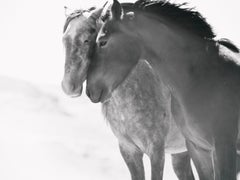
"Soulmates" 40x60 Black and White Photography of Wild Horses Mustangs Photograph
By Shane Russeck
Located in Los Angeles, CA
This is a contemporary black and white photograph of Northern California Wild Mustangs. "They represent the ultimate expression of American freedom" Unsigned 40 x 60 Framing availab...
Category

21st Century and Contemporary Black and White Photography

Materials

Archival Pigment

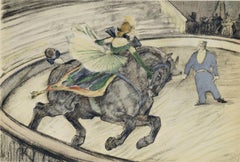
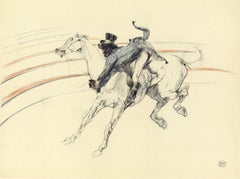
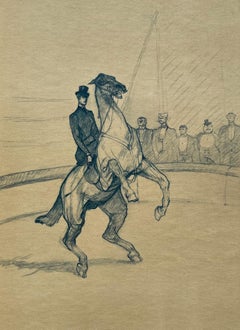
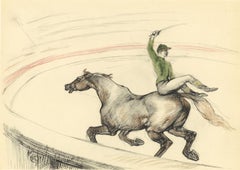
Henri de Toulouse-Lautrec, High School Rider, from The Circus, 1952 (after)
By Henri de Toulouse-Lautrec
Located in Southampton, NY
This exquisite lithograph after Henri de Toulouse-Lautrec (1864–1901), titled Ecuyere de haute ecole (High School Rider), originates from the 1952 album The Circus of Toulouse-Lautre...
Category

1950s Post-Impressionist Figurative Prints

Materials

Lithograph

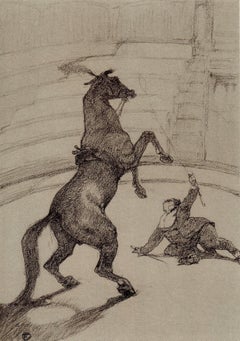
Henri de Toulouse-Lautrec, Pointing Horse, from The Circus, 1952 (after)
By Henri de Toulouse-Lautrec
Located in Southampton, NY
This exquisite lithograph after Henri de Toulouse-Lautrec (1864–1901), titled Cheval pointant (Pointing Horse), originates from the 1952 album The Circus of Toulouse-Lautrec. Publish...
Category

1950s Post-Impressionist Figurative Prints

Materials

Lithograph

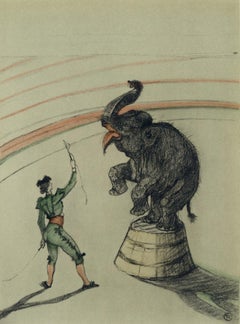
Henri de Toulouse-Lautrec, Elephant at Liberty, from The Circus, 1952 (after)
By Henri de Toulouse-Lautrec
Located in Southampton, NY
This exquisite lithograph after Henri de Toulouse-Lautrec (1864–1901), titled Elephant en liberte (Elephant at Liberty), originates from the 1952 album The Circus of Toulouse-Lautrec...
Category

1950s Post-Impressionist Figurative Prints

Materials

Lithograph

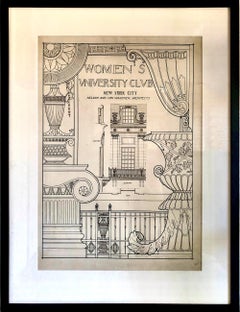
Architectural Drawing, Women’s University Club New York City
Located in San Francisco, CA
On offer is a lithograph of a detailed presentation drawing, likely intended for publication or display, showcasing the ornate architectural details of a proposed building for the Wo...
Category

1910s Other Art Style More Prints

Materials

Lithograph

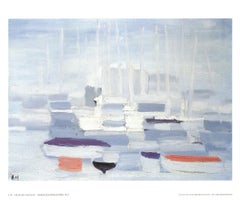
Boats in the Harbour of Antibes, France
By Nicolas de Stael (after)
Located in Brooklyn, NY
This 1986 reproduction presents Nicolas de Staël’s Boats in the Harbour, a composition originally painted in 1955 during the artist’s celebrated Antibes period. In this late body of ...
Category

1950s Impressionist Landscape Prints

Materials

Offset

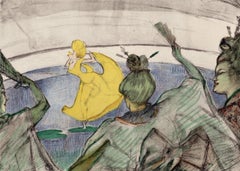
Henri de Toulouse-Lautrec, Ballets, Fantasy, from The Circus, 1952 (after)
By Henri de Toulouse-Lautrec
Located in Southampton, NY
This exquisite lithograph after Henri de Toulouse-Lautrec (1864–1901), titled Ballets, fantaisie (Ballets, Fantasy), originates from the 1952 album The Circus of Toulouse-Lautrec. Pu...
Category

1950s Post-Impressionist Figurative Prints

Materials

Lithograph

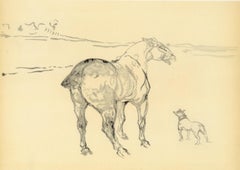
Henri de Toulouse-Lautrec, A Small Cob, from The Circus, 1952 (after)
By Henri de Toulouse-Lautrec
Located in Southampton, NY
This exquisite lithograph after Henri de Toulouse-Lautrec (1864–1901), titled Un Petit Cob (A Small Cob), originates from the 1952 album The Circus of Toulouse-Lautrec. Published by ...
Category

1950s Post-Impressionist Figurative Prints

Materials

Lithograph

Henri de Toulouse-Lautrec, Trainer Clown, from The Circus, 1952 (after)
By Henri de Toulouse-Lautrec
Located in Southampton, NY
This exquisite lithograph after Henri de Toulouse-Lautrec (1864–1901), titled Clown dresseur (Trainer Clown), originates from the 1952 album The Circus of Toulouse-Lautrec. Published...
Category

1950s Post-Impressionist Figurative Prints

Materials

Lithograph

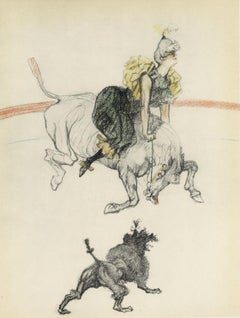
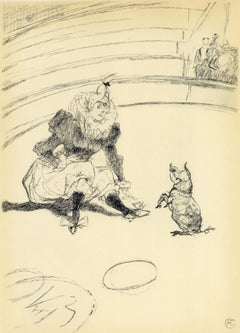
Henri de Toulouse-Lautrec, Clowness and Pig, from The Circus, 1952 (after)
By Henri de Toulouse-Lautrec
Located in Southampton, NY
This exquisite lithograph after Henri de Toulouse-Lautrec (1864–1901), titled Clownesse et cochon (Clowness and Pig), originates from the 1952 album The Circus of Toulouse-Lautrec. P...
Category

1950s Post-Impressionist Figurative Prints

Materials

Lithograph

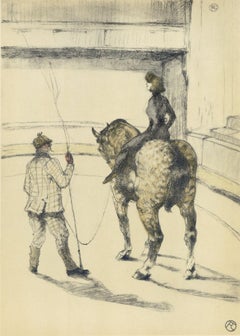
Henri de Toulouse-Lautrec, High School Rider, from The Circus, 1952 (after)
By Henri de Toulouse-Lautrec
Located in Southampton, NY
This exquisite lithograph after Henri de Toulouse-Lautrec (1864–1901), titled Ecuyere de haute ecole (High School Rider), originates from the 1952 album The Circus of Toulouse-Lautre...
Category

1950s Post-Impressionist Figurative Prints

Materials

Lithograph

Henri de Toulouse-Lautrec, Panel Work, from The Circus, 1952 (after)
By Henri de Toulouse-Lautrec
Located in Southampton, NY
This exquisite lithograph after Henri de Toulouse-Lautrec (1864–1901), titled Travail de panneau (Panel Work), originates from the 1952 album The Circus of Toulouse-Lautrec. Publishe...
Category

1950s Post-Impressionist Figurative Prints

Materials

Lithograph

Henri de Toulouse-Lautrec, Tightrope Dancer, from The Circus, 1952 (after)
By Henri de Toulouse-Lautrec
Located in Southampton, NY
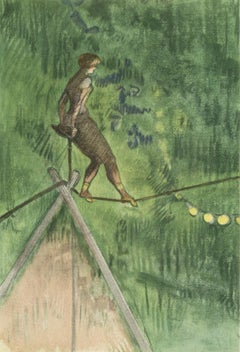
This exquisite lithograph after Henri de Toulouse-Lautrec (1864–1901), titled Danseuse de corde (Tightrope Dancer), originates from the 1952 album The Circus of Toulouse-Lautrec. Pub...
Category

1950s Post-Impressionist Figurative Prints

Materials

Lithograph

Bison Photography, Photograph, Color, Fine Art 40x60 , Unsigned
By Shane Russeck
Located in Los Angeles, CA
This is a contemporary photograph of an American Bison. Unsigned print Printed on archival paper and using archival inks Framing available. Inquire for rates. Shane Russeck has b...
Category

21st Century and Contemporary Black and White Photography

Materials

Archival Pigment

Henri de Toulouse-Lautrec, Backstage, from The Circus, 1952 (after)
By Henri de Toulouse-Lautrec
Located in Southampton, NY
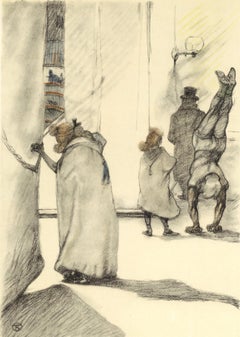
This exquisite lithograph after Henri de Toulouse-Lautrec (1864–1901), titled Dans les coulisses (Backstage), originates from the 1952 album The Circus of Toulouse-Lautrec. Published...
Category

1950s Post-Impressionist Figurative Prints

Materials

Lithograph

Le Chandelier (The Candlestick)
By Marc Chagall
Located in Milwaukee, WI
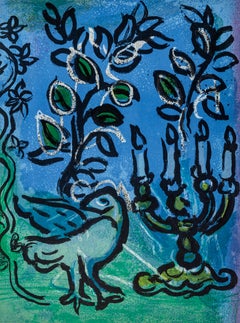
Framed 24.50 x 21 in No. 366 in the Catalogue Raisonne of Chagall's lithographs Framed with museum-quality archival materials, including museum glass which filters out 99% of harmf...
Category

1960s Still-life Prints

Materials

Lithograph

Edgar Degas, Dancer Touching Her Earring, 1945 (after)
By Edgar Degas
Located in Southampton, NY
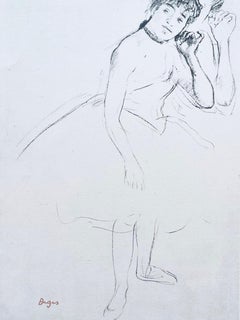
This exquisite lithograph after Edgar Degas (1834–1917), titled Danseuse touchant sa boucle d’oreille (Dancer Touching Her Earring), originates from the 1945 folio Degas, Ten Ballet Sketches. Published by The Studio Publications, Inc., New York, rendered and printed by Albert Carman, City Island, 1945, this work reflects Degas’s sensitive mastery of line, movement, and intimate observation, capturing the grace, poise, and psychological immediacy that define his iconic ballet imagery. In Danseuse touchant sa boucle d’oreille (Dancer Touching Her Earring), Degas reveals gesture and inner emotion through economical contour and lyrical nuance. Executed as a lithograph and pochoir on velin paper, this work measures 17 x 13 inches (43.18 x 33.02 cm). Signed in the plate and unnumbered as issued. Rendered and printed by Albert Carman, City Island, one of the notable American ateliers specializing in fine art lithography during the mid-20th century. Artwork Details: Artist: After Edgar Degas (1834–1917) Title: Danseuse touchant sa boucle d’oreille (Dancer Touching Her Earring), from Degas, Ten Ballet Sketches, 1945 Medium: Lithograph and pochoir on velin paper Dimensions: 17 x 13 inches (43.18 x 33.02 cm) Inscription: Signed in the plate and unnumbered as issued Date: 1945 Publisher: The Studio Publications, Inc., New York Printer: Albert Carman, City Island, 1945 Condition: Well preserved, consistent with age and medium Provenance: From the 1945 folio Degas, Ten Ballet Sketches, published by The Studio Publications, Inc., New York Notes: Excerpted from the album, Born in Paris in 1834, Edgar Degas lived, and surely loved the life of that city during most of his years. These continued somewhat sadly beyond those of most of his friends— into the debacle of the first World War, during which he died in 1917. Judging by the frequency with which he used them as models, he must have had an especial admiration for the ballet girls who followed a profession that at the time brought none of the glory and prosperity which attend it today. New aspects of the human body, revealed in movement, fascinated him. But his occupation with the simply anatomical side of his subjects never resulted in a cold interpretation. On the contrary there is a warmth and sympathy that pervades all of his work. The drawings here represent the painter in one important phase of his multi-sensitive view of life; and permit an insight which a more ambitious work might not do-into the operation of the creative process, the artist's transformation of reality as it passes through the mesh of his sensibilities. The Edition of this Portfolio is limited to MMMD examples. Rendered by Albert Carman. About the Publication: Degas, Ten Ballet Sketches, published in 1945 by The Studio Publications, Inc., New York, stands as one of the most elegant and scholarly mid-century American fine art folios devoted to the ballet imagery of Edgar Degas. Conceived as a high-quality interpretive portfolio, the album presents a series of lithograph-and-pochoir renderings based on Degas’s original drawings, executed with exceptional attention to tonal subtlety, contour fidelity, and the emotional interiority that defines the artist’s draftsmanship. Rendered and printed by Albert Carman on City Island, the publication embodies an American postwar effort to restore and celebrate European masterworks through meticulous handcraft and artisanal color application, honoring Degas’s distinctive line and the atmospheric delicacy of his studio-based studies. Produced in a substantial edition of MMMD examples, the portfolio offered audiences rare access to Degas’s private working drawings—images rarely seen outside institutional collections—while exemplifying the technical refinement and interpretive care characteristic of Carman’s workshop. Today, Degas, Ten Ballet Sketches remains a sought-after historical publication, valued for its craft, fidelity to Degas’s aesthetic, and its role in preserving and disseminating the artist’s intimate ballet imagery in a beautifully executed mid-century fine art format. About the Artist: Edgar Degas (1834–1917) was a French painter, draughtsman, printmaker, and sculptor whose groundbreaking fusion of classical draftsmanship, modern experimentation, and psychological depth helped define the trajectory of Western art, positioning him as one of the most influential figures of the nineteenth and early twentieth centuries; renowned for his depictions of ballet dancers, racehorses, theater scenes, cafe life, domestic interiors, milliners, laundresses, and women at their toilette, Degas reimagined observational realism through radical compositional innovation—employing extreme cropping, asymmetrical framing, oblique viewpoints, and dramatic lighting that anticipated photographic and cinematic language long before these technologies shaped visual culture, and although associated with Impressionism, he rejected plein-air spontaneity in favor of studio-based discipline rooted in the linear precision of Jean-Auguste-Dominique Ingres, the expressive chromaticism of Eugene Delacroix, and the modernity of Edouard Manet while also drawing inspiration from Japanese ukiyo-e prints, classical sculpture, and early photography; his independent artistic philosophy resonated with and helped shape the innovations of Pablo Picasso, Alexander Calder, Alberto Giacometti, Salvador Dali, Joan Miro, Wassily Kandinsky, Marcel Duchamp, and Man Ray, whose explorations of movement, form, dream logic, abstraction, and conceptualism all find antecedents in Degas’s investigations into seriality, temporality, and the fragmented figure, and his pioneering use of pastel, monotype, and wax sculpture fundamentally transformed each medium, influencing artists from Henri Matisse, Francis Bacon, Lucian Freud, and Giacomo Manzu to Paula Rego, contemporary realists, experimental photographers, and choreographers; his works are held in nearly every major museum collection worldwide—including the Musee dOrsay, the Louvre, the Metropolitan Museum of Art, the National Gallery of Art, the Art Institute of Chicago, the Courtauld Institute, and the National Gallery, London—affirming his central place in the history of art, and the highest auction record for Degas was achieved at Sothebys London on February 3, 2015, when Danseuses en Bleu sold for 37,033,000 GBP, cementing his status as one of the most sought-after and enduringly significant artists of the Western canon. Edgar Degas lithograph...
Category

1940s Impressionist Figurative Prints

Materials

Lithograph

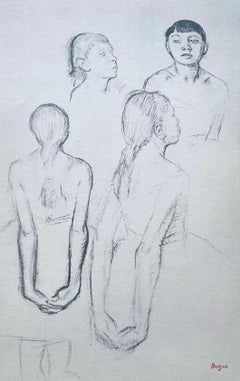
Edgar Degas, Four Sketches of a Little Dancer, 1945 (after)
By Edgar Degas
Located in Southampton, NY
This exquisite lithograph after Edgar Degas (1834–1917), titled Quatre croquis d’un petit danseur (Four Sketches of a Little Dancer), originates from the 1945 folio Degas, Ten Ballet Sketches. Published by The Studio Publications, Inc., New York, rendered and printed by Albert Carman, City Island, 1945, this work reflects Degas’s sensitive mastery of line, movement, and intimate observation, capturing the grace, poise, and psychological immediacy that define his iconic ballet imagery. In Quatre croquis d’un petit danseur (Four Sketches of a Little Dancer), Degas reveals gesture and inner emotion through economical contour and lyrical nuance. Executed as a lithograph and pochoir on velin paper, this work measures 17 x 13 inches (43.18 x 33.02 cm). Signed in the plate and unnumbered as issued. Rendered and printed by Albert Carman, City Island, one of the notable American ateliers specializing in fine art lithography during the mid-20th century. Artwork Details: Artist: After Edgar Degas (1834–1917) Title: Quatre croquis d’un petit danseur (Four Sketches of a Little Dancer), from Degas, Ten Ballet Sketches, 1945 Medium: Lithograph and pochoir on velin paper Dimensions: 17 x 13 inches (43.18 x 33.02 cm) Inscription: Signed in the plate and unnumbered as issued Date: 1945 Publisher: The Studio Publications, Inc., New York Printer: Albert Carman, City Island, 1945 Condition: Well preserved, consistent with age and medium Provenance: From the 1945 folio Degas, Ten Ballet Sketches, published by The Studio Publications, Inc., New York Notes: Excerpted from the album, Born in Paris in 1834, Edgar Degas lived, and surely loved the life of that city during most of his years. These continued somewhat sadly beyond those of most of his friends— into the debacle of the first World War, during which he died in 1917. Judging by the frequency with which he used them as models, he must have had an especial admiration for the ballet girls who followed a profession that at the time brought none of the glory and prosperity which attend it today. New aspects of the human body, revealed in movement, fascinated him. But his occupation with the simply anatomical side of his subjects never resulted in a cold interpretation. On the contrary there is a warmth and sympathy that pervades all of his work. The drawings here represent the painter in one important phase of his multi-sensitive view of life; and permit an insight which a more ambitious work might not do-into the operation of the creative process, the artist's transformation of reality as it passes through the mesh of his sensibilities. The Edition of this Portfolio is limited to MMMD examples. Rendered by Albert Carman. About the Publication: Degas, Ten Ballet Sketches, published in 1945 by The Studio Publications, Inc., New York, stands as one of the most elegant and scholarly mid-century American fine art folios devoted to the ballet imagery of Edgar Degas. Conceived as a high-quality interpretive portfolio, the album presents a series of lithograph-and-pochoir renderings based on Degas’s original drawings, executed with exceptional attention to tonal subtlety, contour fidelity, and the emotional interiority that defines the artist’s draftsmanship. Rendered and printed by Albert Carman on City Island, the publication embodies an American postwar effort to restore and celebrate European masterworks through meticulous handcraft and artisanal color application, honoring Degas’s distinctive line and the atmospheric delicacy of his studio-based studies. Produced in a substantial edition of MMMD examples, the portfolio offered audiences rare access to Degas’s private working drawings—images rarely seen outside institutional collections—while exemplifying the technical refinement and interpretive care characteristic of Carman’s workshop. Today, Degas, Ten Ballet Sketches remains a sought-after historical publication, valued for its craft, fidelity to Degas’s aesthetic, and its role in preserving and disseminating the artist’s intimate ballet imagery in a beautifully executed mid-century fine art format. About the Artist: Edgar Degas (1834–1917) was a French painter, draughtsman, printmaker, and sculptor whose groundbreaking fusion of classical draftsmanship, modern experimentation, and psychological depth helped define the trajectory of Western art, positioning him as one of the most influential figures of the nineteenth and early twentieth centuries; renowned for his depictions of ballet dancers, racehorses, theater scenes, cafe life, domestic interiors, milliners, laundresses, and women at their toilette, Degas reimagined observational realism through radical compositional innovation—employing extreme cropping, asymmetrical framing, oblique viewpoints, and dramatic lighting that anticipated photographic and cinematic language long before these technologies shaped visual culture, and although associated with Impressionism, he rejected plein-air spontaneity in favor of studio-based discipline rooted in the linear precision of Jean-Auguste-Dominique Ingres, the expressive chromaticism of Eugene Delacroix, and the modernity of Edouard Manet while also drawing inspiration from Japanese ukiyo-e prints, classical sculpture, and early photography; his independent artistic philosophy resonated with and helped shape the innovations of Pablo Picasso, Alexander Calder, Alberto Giacometti, Salvador Dali, Joan Miro, Wassily Kandinsky, Marcel Duchamp, and Man Ray, whose explorations of movement, form, dream logic, abstraction, and conceptualism all find antecedents in Degas’s investigations into seriality, temporality, and the fragmented figure, and his pioneering use of pastel, monotype, and wax sculpture fundamentally transformed each medium, influencing artists from Henri Matisse, Francis Bacon, Lucian Freud, and Giacomo Manzu to Paula Rego, contemporary realists, experimental photographers, and choreographers; his works are held in nearly every major museum collection worldwide—including the Musee dOrsay, the Louvre, the Metropolitan Museum of Art, the National Gallery of Art, the Art Institute of Chicago, the Courtauld Institute, and the National Gallery, London—affirming his central place in the history of art, and the highest auction record for Degas was achieved at Sothebys London on February 3, 2015, when Danseuses en Bleu sold for 37,033,000 GBP, cementing his status as one of the most sought-after and enduringly significant artists of the Western canon. Edgar Degas lithograph...
Category

1940s Impressionist Figurative Prints

Materials

Lithograph

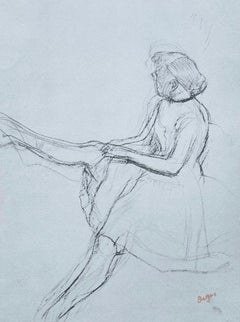
Edgar Degas, Seated Dancer, Removing Her Slipper, 1945 (after)
By Edgar Degas
Located in Southampton, NY
This exquisite lithograph after Edgar Degas (1834–1917), titled Seated dancer, removing her slipper, originates from the 1945 folio Degas, Ten Ballet Sketches. Published by The Studio Publications, Inc., New York, rendered and printed by Albert Carman, City Island, 1945, this work reflects Degas’s sensitive mastery of line, movement, and intimate observation, capturing the grace, poise, and psychological immediacy that define his iconic ballet imagery. In Seated dancer, removing her slipper, Degas reveals gesture and inner emotion through economical contour and lyrical nuance. Executed as a lithograph and pochoir on velin paper, this work measures 17 x 13 inches (43.18 x 33.02 cm). Signed in the plate and unnumbered as issued. Rendered and printed by Albert Carman, City Island, one of the notable American ateliers specializing in fine art lithography during the mid-20th century. Artwork Details: Artist: After Edgar Degas (1834–1917) Title: Seated dancer, removing her slipper, from Degas, Ten Ballet Sketches, 1945 Medium: Lithograph and pochoir on velin paper Dimensions: 17 x 13 inches (43.18 x 33.02 cm) Inscription: Signed in the plate and unnumbered as issued Date: 1945 Publisher: The Studio Publications, Inc., New York Printer: Albert Carman, City Island, 1945 Condition: Well preserved, consistent with age and medium Provenance: From the 1945 folio Degas, Ten Ballet Sketches, published by The Studio Publications, Inc., New York Notes: Excerpted from the album, Born in Paris in 1834, Edgar Degas lived, and surely loved the life of that city during most of his years. These continued somewhat sadly beyond those of most of his friends— into the debacle of the first World War, during which he died in 1917. Judging by the frequency with which he used them as models, he must have had an especial admiration for the ballet girls who followed a profession that at the time brought none of the glory and prosperity which attend it today. New aspects of the human body, revealed in movement, fascinated him. But his occupation with the simply anatomical side of his subjects never resulted in a cold interpretation. On the contrary there is a warmth and sympathy that pervades all of his work. The drawings here represent the painter in one important phase of his multi-sensitive view of life; and permit an insight which a more ambitious work might not do-into the operation of the creative process, the artist's transformation of reality as it passes through the mesh of his sensibilities. The Edition of this Portfolio is limited to MMMD examples. Rendered by Albert Carman. About the Publication: Degas, Ten Ballet Sketches, published in 1945 by The Studio Publications, Inc., New York, stands as one of the most elegant and scholarly mid-century American fine art folios devoted to the ballet imagery of Edgar Degas. Conceived as a high-quality interpretive portfolio, the album presents a series of lithograph-and-pochoir renderings based on Degas’s original drawings, executed with exceptional attention to tonal subtlety, contour fidelity, and the emotional interiority that defines the artist’s draftsmanship. Rendered and printed by Albert Carman on City Island, the publication embodies an American postwar effort to restore and celebrate European masterworks through meticulous handcraft and artisanal color application, honoring Degas’s distinctive line and the atmospheric delicacy of his studio-based studies. Produced in a substantial edition of MMMD examples, the portfolio offered audiences rare access to Degas’s private working drawings—images rarely seen outside institutional collections—while exemplifying the technical refinement and interpretive care characteristic of Carman’s workshop. Today, Degas, Ten Ballet Sketches remains a sought-after historical publication, valued for its craft, fidelity to Degas’s aesthetic, and its role in preserving and disseminating the artist’s intimate ballet imagery in a beautifully executed mid-century fine art format. About the Artist: Edgar Degas (1834–1917) was a French painter, draughtsman, printmaker, and sculptor whose groundbreaking fusion of classical draftsmanship, modern experimentation, and psychological depth helped define the trajectory of Western art, positioning him as one of the most influential figures of the nineteenth and early twentieth centuries; renowned for his depictions of ballet dancers, racehorses, theater scenes, cafe life, domestic interiors, milliners, laundresses, and women at their toilette, Degas reimagined observational realism through radical compositional innovation—employing extreme cropping, asymmetrical framing, oblique viewpoints, and dramatic lighting that anticipated photographic and cinematic language long before these technologies shaped visual culture, and although associated with Impressionism, he rejected plein-air spontaneity in favor of studio-based discipline rooted in the linear precision of Jean-Auguste-Dominique Ingres, the expressive chromaticism of Eugene Delacroix, and the modernity of Edouard Manet while also drawing inspiration from Japanese ukiyo-e prints, classical sculpture, and early photography; his independent artistic philosophy resonated with and helped shape the innovations of Pablo Picasso, Alexander Calder, Alberto Giacometti, Salvador Dali, Joan Miro, Wassily Kandinsky, Marcel Duchamp, and Man Ray, whose explorations of movement, form, dream logic, abstraction, and conceptualism all find antecedents in Degas’s investigations into seriality, temporality, and the fragmented figure, and his pioneering use of pastel, monotype, and wax sculpture fundamentally transformed each medium, influencing artists from Henri Matisse, Francis Bacon, Lucian Freud, and Giacomo Manzu to Paula Rego, contemporary realists, experimental photographers, and choreographers; his works are held in nearly every major museum collection worldwide—including the Musee dOrsay, the Louvre, the Metropolitan Museum of Art, the National Gallery of Art, the Art Institute of Chicago, the Courtauld Institute, and the National Gallery, London—affirming his central place in the history of art, and the highest auction record for Degas was achieved at Sothebys London on February 3, 2015, when Danseuses en Bleu sold for 37,033,000 GBP, cementing his status as one of the most sought-after and enduringly significant artists of the Western canon. Edgar Degas lithograph...
Category

1940s Impressionist Figurative Prints

Materials

Lithograph

Henri de Toulouse-Lautrec, Dog Trainer, from The Circus, 1952 (after)
By Henri de Toulouse-Lautrec
Located in Southampton, NY
This exquisite lithograph after Henri de Toulouse-Lautrec (1864–1901), titled Dresseur de chiens (Dog Trainer), originates from the 1952 album The Circus of Toulouse-Lautrec. Publish...
Category

1950s Post-Impressionist Figurative Prints

Materials

Lithograph

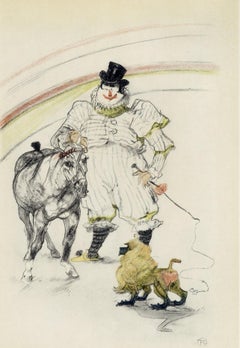
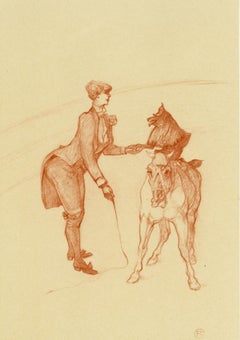
Henri de Toulouse-Lautrec, Clown Training a Horse, from The Circus, 1952 (after)
By Henri de Toulouse-Lautrec
Located in Southampton, NY
This exquisite lithograph after Henri de Toulouse-Lautrec (1864–1901), titled Clown dressant un cheval et un singe (Clown Training a Horse and a Monkey), originates from the 1952 alb...
Category

1950s Post-Impressionist Figurative Prints

Materials

Lithograph

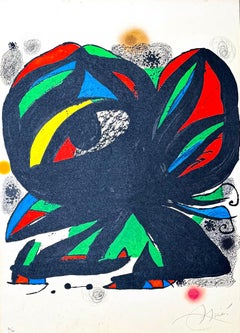
Joan Miró(1893–1983) - Fundació Joan Miró - Color lithograph on paper - 1975
By Joan Miró
Located in Varese, IT
Color lithograph on Guarro paper, edited 1975 Limited edition of 99 copies, numbered 83/99 in lower left corner. Signed in pencil by artist in lower right corner. Paper size: 70 x 5...
Category

1970s Abstract Abstract Prints

Materials

Lithograph

48x36 "Apollo 8 Earth Rise" Space Photography NASA Fine Art Print Photograph
Located in Los Angeles, CA
Original museum grade exhibition prints on acid-free archival photographic luster paper. These are the highest quality NASA prints ever produced. Edition of 250 Taken aboard Apollo...
Category

21st Century and Contemporary American Modern Color Photography

Materials

Archival Ink, Archival Pigment

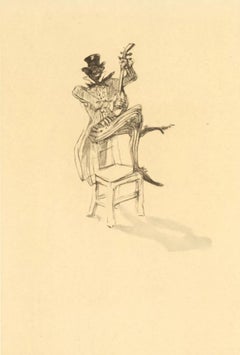
Henri de Toulouse-Lautrec, Black Man Playing Banjo, The Circus, 1952 (after)
By Henri de Toulouse-Lautrec
Located in Southampton, NY
This exquisite lithograph after Henri de Toulouse-Lautrec (1864–1901), titled Nègre jouant du banjo (Black Man Playing Banjo), originates from the 1952 album The Circus of Toulouse-L...
Category

1950s Post-Impressionist Figurative Prints

Materials

Lithograph

Henri de Toulouse-Lautrec, The Animal Trainer, from The Circus, 1952 (after)
By Henri de Toulouse-Lautrec
Located in Southampton, NY
This exquisite lithograph after Henri de Toulouse-Lautrec (1864–1901), titled La dresseuse d'animaux (The Animal Trainer), originates from the 1952 album The Circus of Toulouse-Lautr...
Category

1950s Post-Impressionist Figurative Prints

Materials

Lithograph

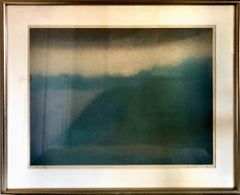
“Shadow of Dawn” A Calming Abstract by Gary Smith
Located in San Francisco, CA
Suggestive of the misty cool colors and contours of the Pacific Northwest, this scenic framed lithograph is numbered #5 of 40. Let it inspire a restful palette for the bedroom. Sign...
Category

1980s Abstract Abstract Prints

Materials

Lithograph

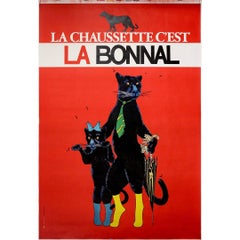
1990 original French advertising poster - La chausette c'est la Bonnal
Located in PARIS, FR
This vibrant 1990 original French advertising poster boldly proclaims: “La chaussette, c’est La Bonnal” (“The sock, it's La Bonnal”). Bursting with charm and playful sophistication, ...
Category

1990s More Prints

Materials

Paper

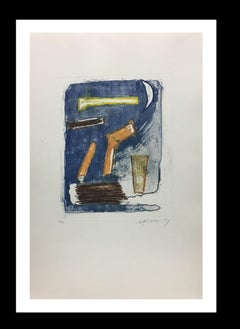
Rafols Casamada Little Blue original litograph abstract painting
By Albert Rafols Casamada
Located in CORAL GABLES - MIAMI, FL
Blue- original litograph abstract limited edition painting Original graphic work by CASAMADA. Limited edition engraving. 50 copies Signed and numbered in pencil. framed RÀFOLS CASAM...
Category

Late 20th Century Abstract Abstract Prints

Materials

Engraving

Henri de Toulouse-Lautrec, Carpet Work, from The Circus, 1952 (after)
By Henri de Toulouse-Lautrec
Located in Southampton, NY
This exquisite lithograph after Henri de Toulouse-Lautrec (1864–1901), titled Travail de tapis (Carpet Work), originates from the 1952 album The Circus of Toulouse-Lautrec. Published...
Category

1950s Post-Impressionist Figurative Prints

Materials

Lithograph

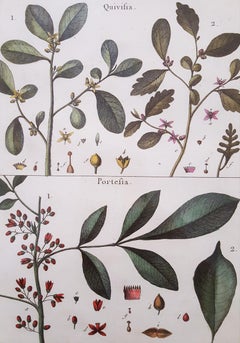
Quivisia; Portesia /// Antique Botanical Botany Plants Science Engraving Buffon
By Georges-Louis Leclerc, Comte de Buffon
Located in Saint Augustine, FL
Artist: Georges-Louis Leclerc, Comte de Buffon (French, 1707-1788) Title: "Quivisia; Portesia" (Octandreie, Monogynie, Plate 302) Portfolio: Histoire Naturelle Year: 1749-1789 Medium...
Category

1740s Old Masters Still-life Prints

Materials

Watercolor, Laid Paper, Engraving, Intaglio
Still Thinking About These?

All Recently Viewed