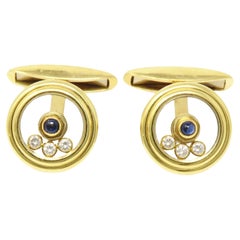
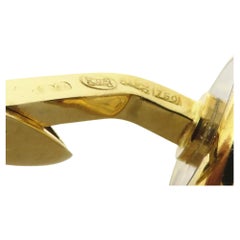
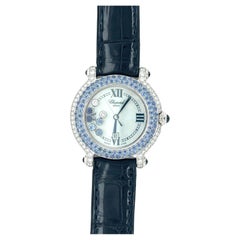
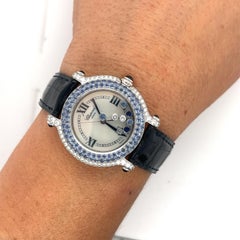
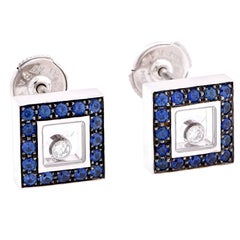
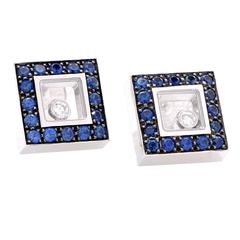
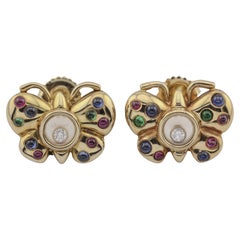
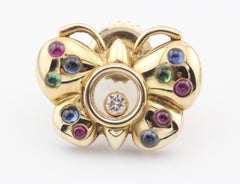
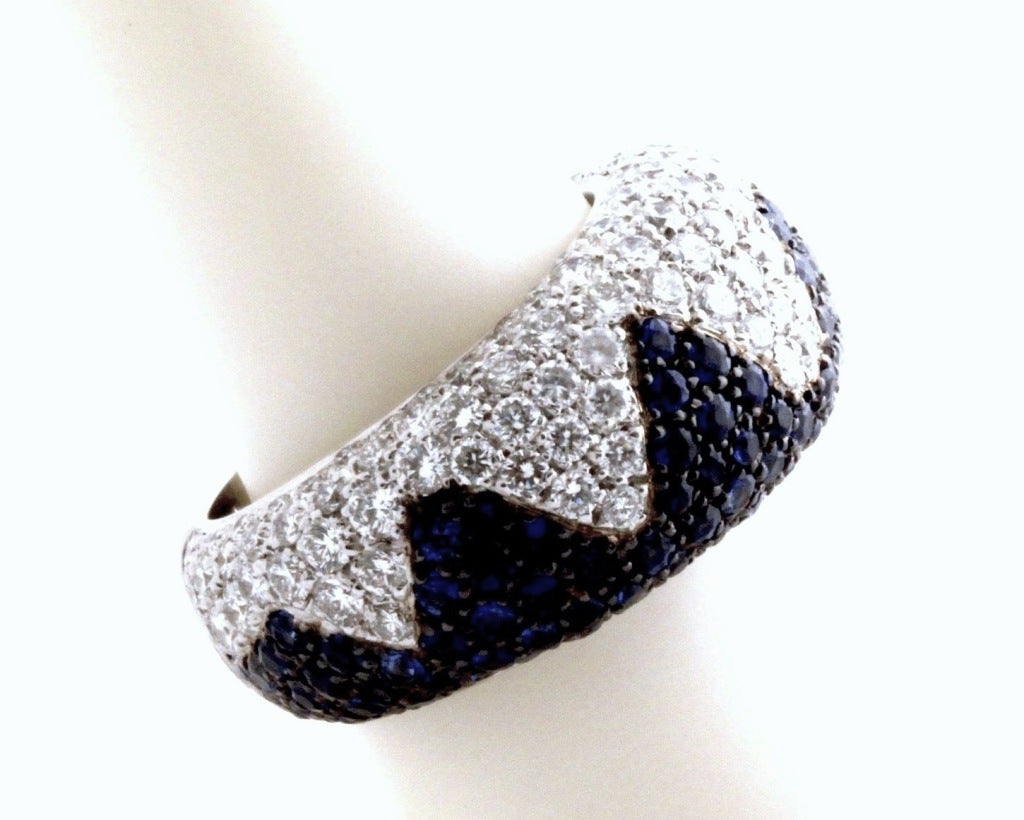
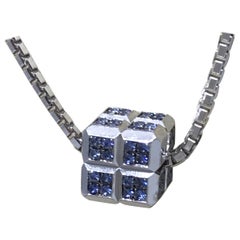
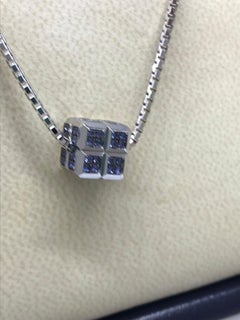
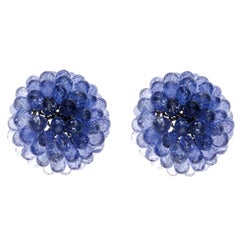
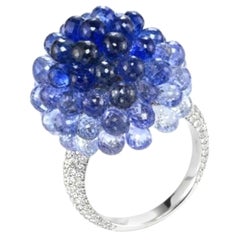
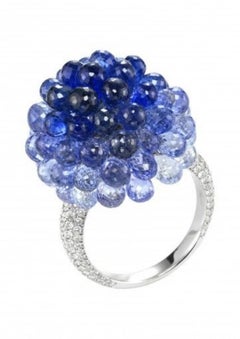
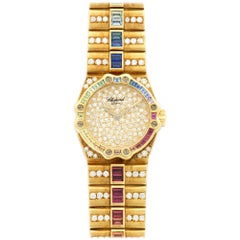
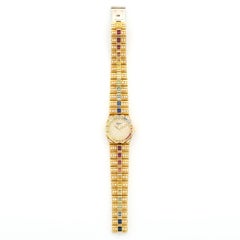
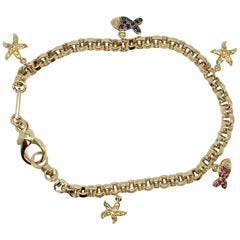
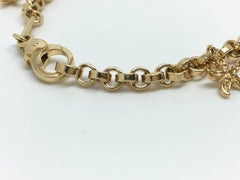
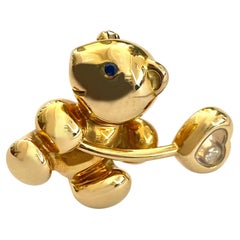
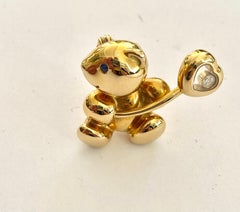
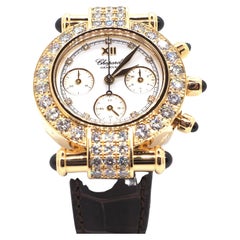
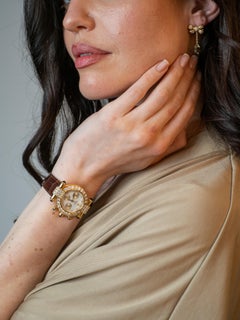
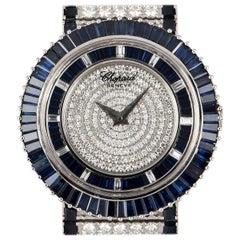
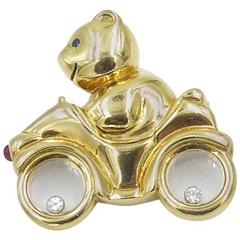
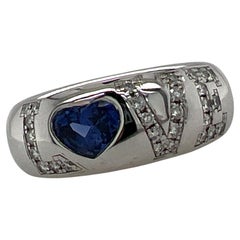
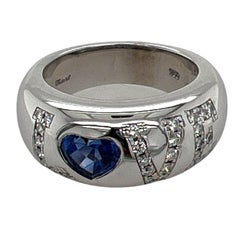
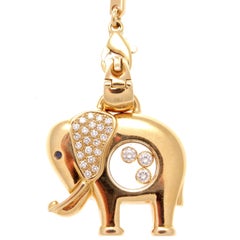
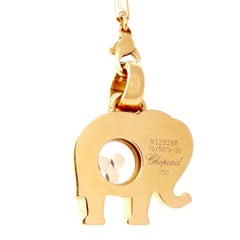
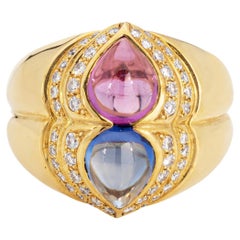
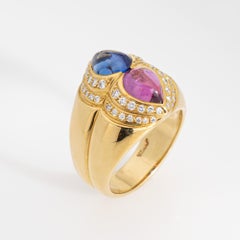
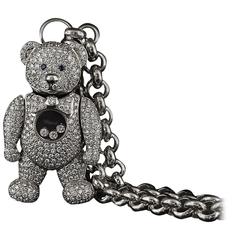
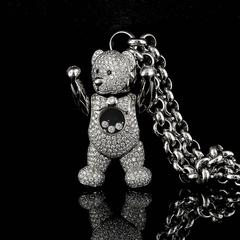
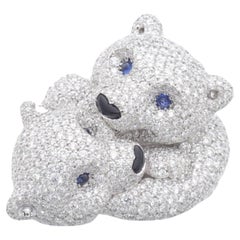
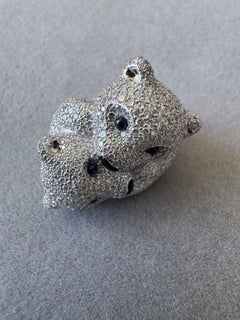
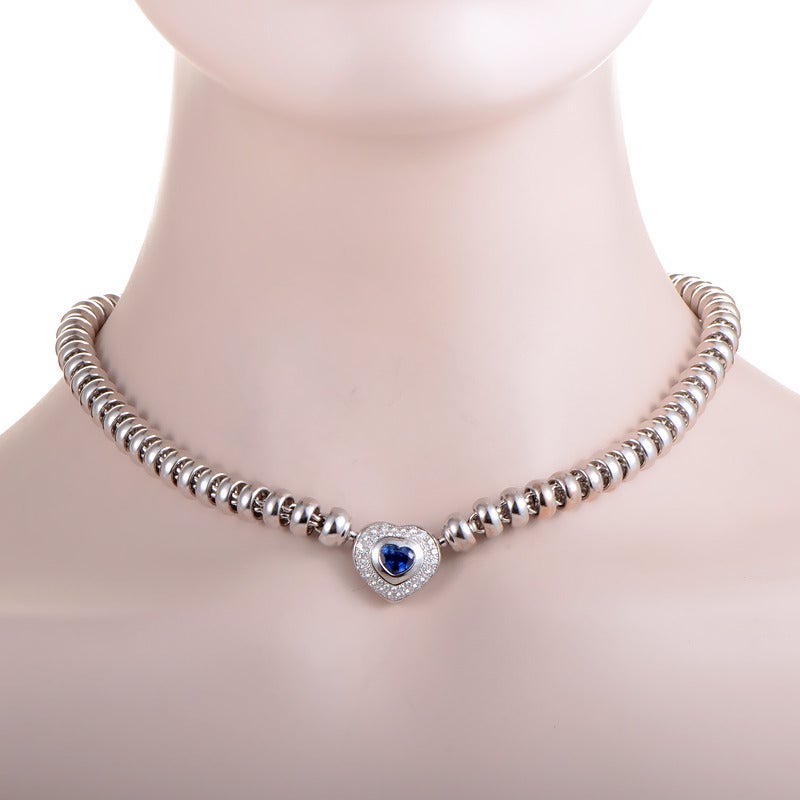
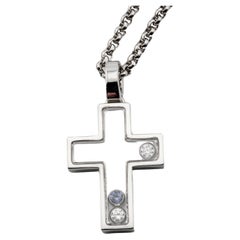
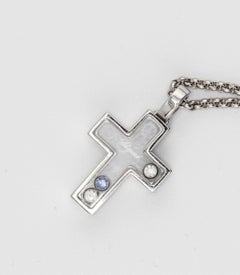
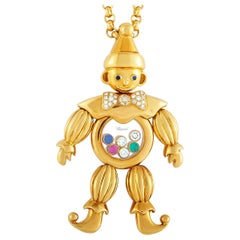
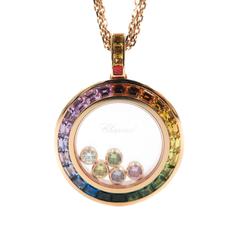
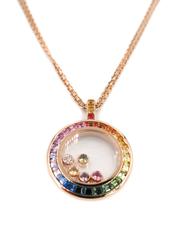
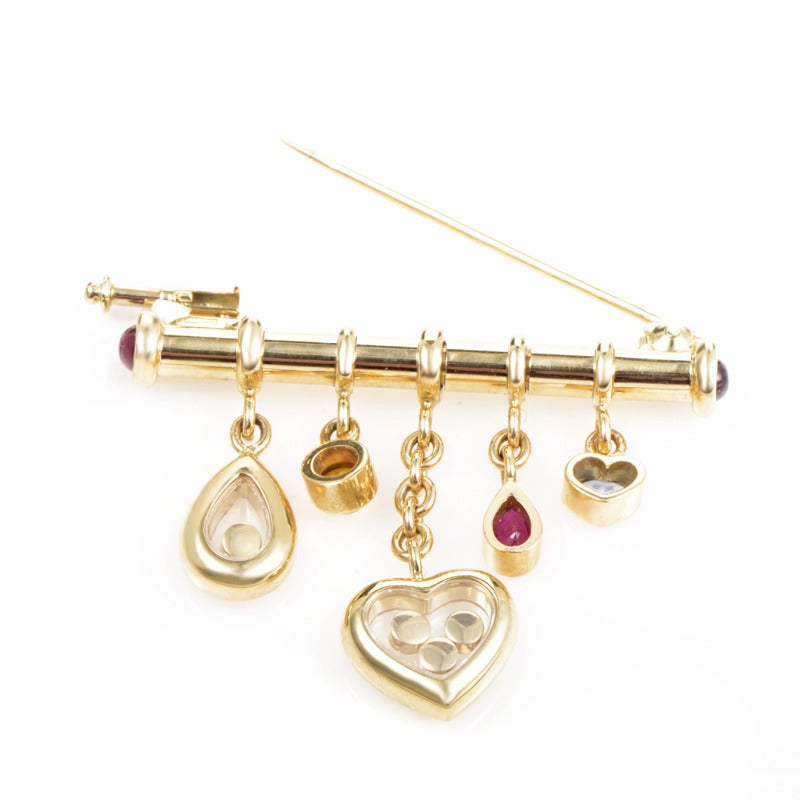
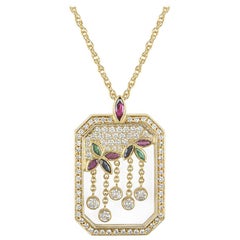
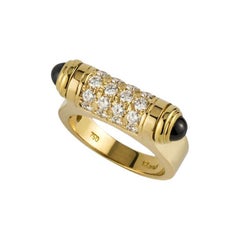
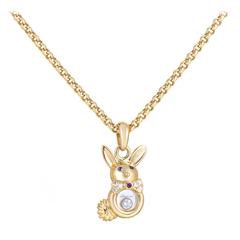
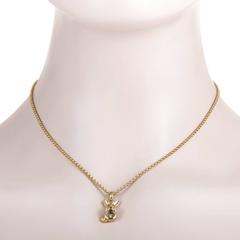
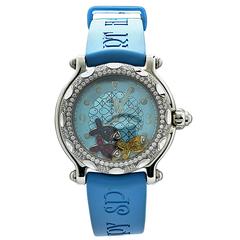
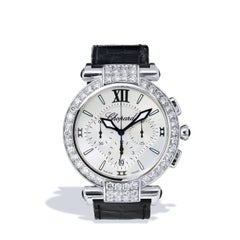
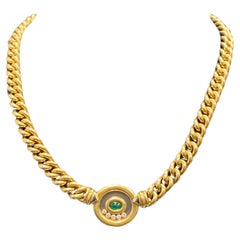
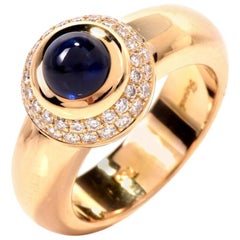
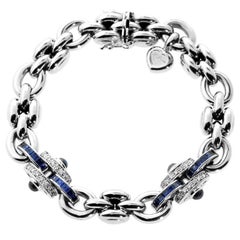
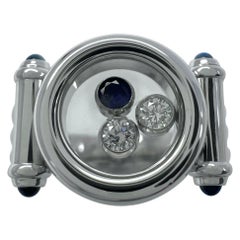
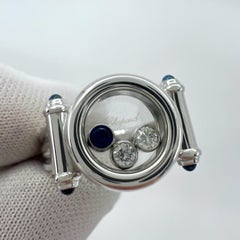
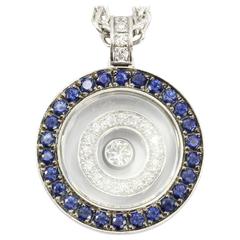
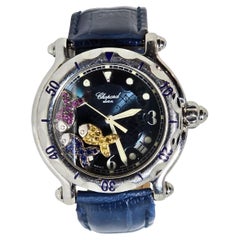
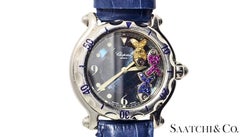
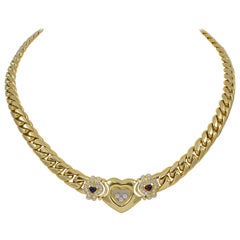
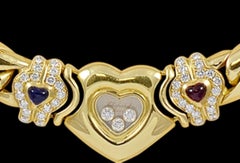
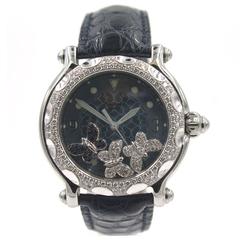
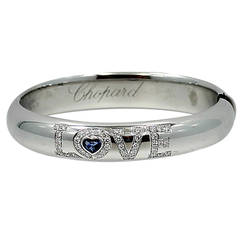
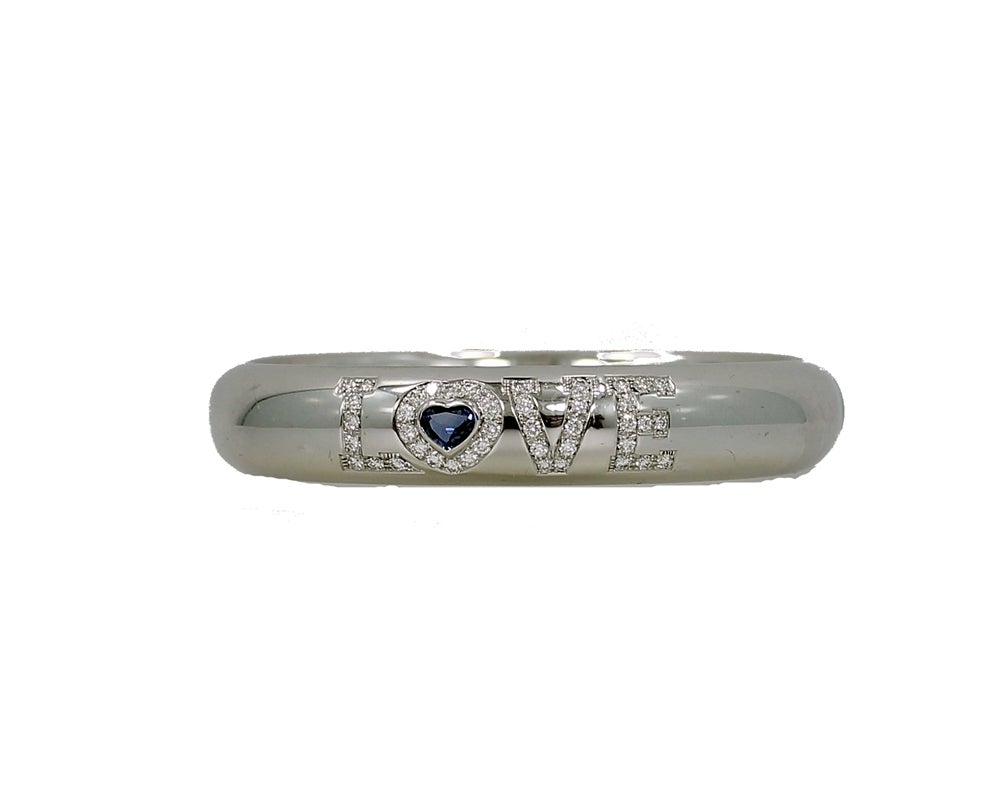
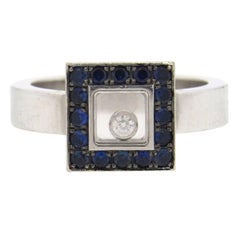
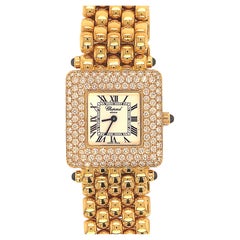
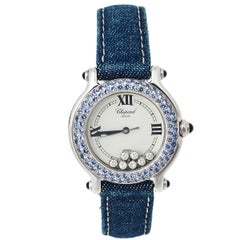
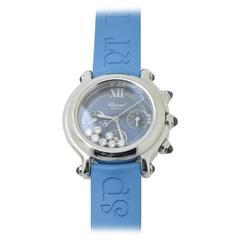
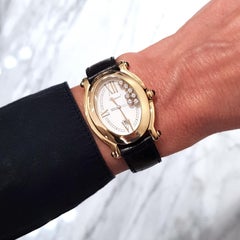
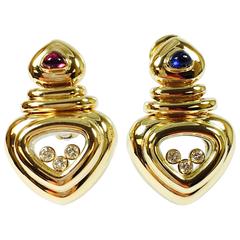
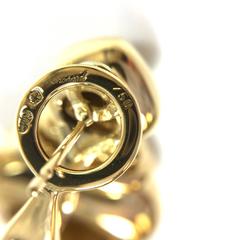
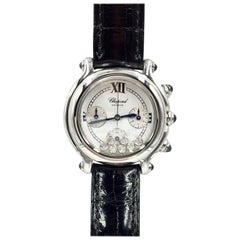
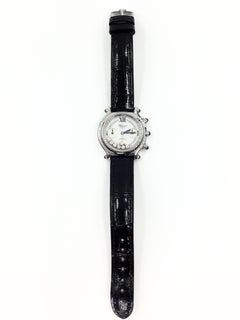
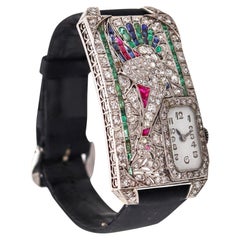
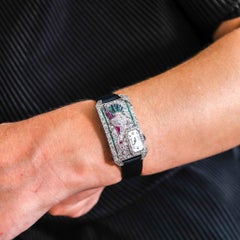
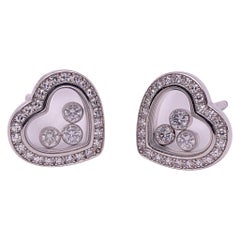
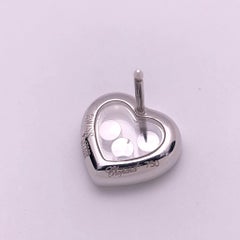
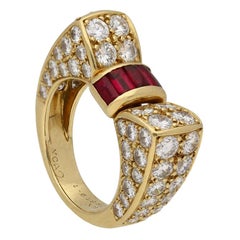
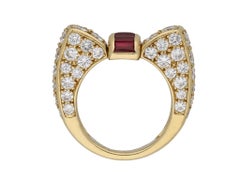
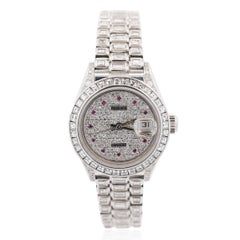
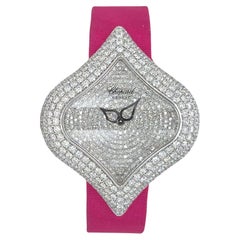
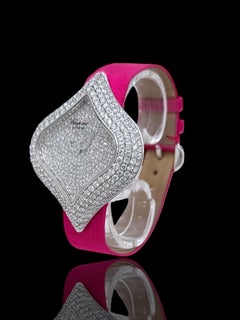
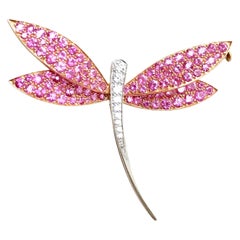
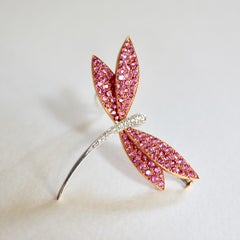
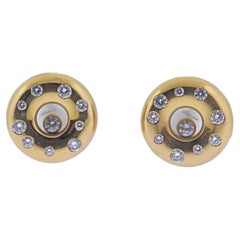
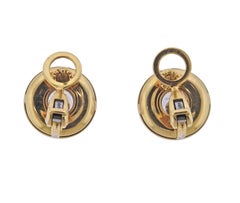
Chopard Blue Sapphire For Sale on 1stDibs
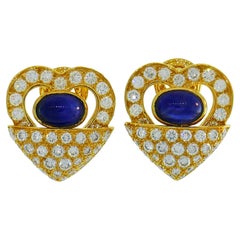
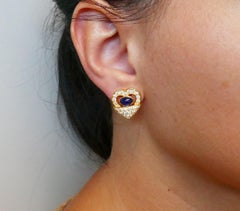
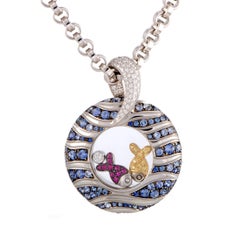
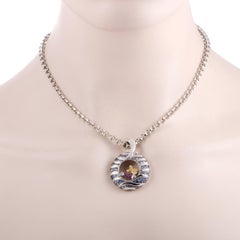
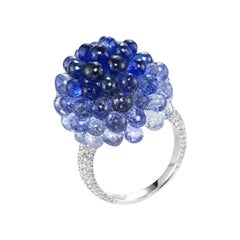
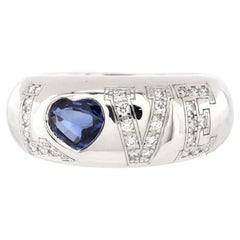
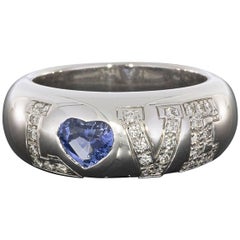
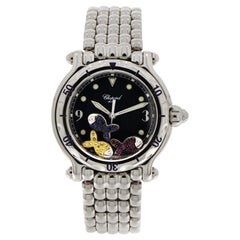
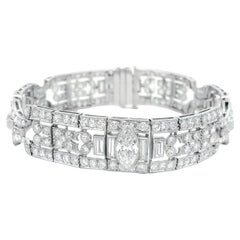
Find the exact chopard blue sapphire you’re shopping for in the variety available on 1stDibs. Frequently made of
Gold,
18k Gold and
White Gold, this item was constructed with great care. Our collection of these items for sale includes 13 vintage editions and 22 modern creations to choose from as well. Finding the perfect chopard blue sapphire may mean sifting through those created during different time periods — you can find an early version that dates to the 20th Century and a newer variation that were made as recently as the 21st Century. Today, if you’re looking for a
round cut version of this piece and are unable to find the perfect match, our selection also includes
brilliant cut alternatives. If you’re browsing our inventory for a chopard blue sapphire, you’ll find that many are available today for
women, but there are still pieces to choose from for unisex and
men.
How Much is a Chopard Blue Sapphire?
Prices for a chopard blue sapphire can differ depending upon size, time period and other attributes — at 1stDibs, these accessories begin at $1,700 and can go as high as $102,490, while this accessory, on average, fetches $8,675.
Chopard for sale on 1stDibs
In 1860, a 24-year-old son of a farmer, Louis-Ulysse Chopard (1836–1915), established the L.U.C. company — now known simply as Chopard, rather than by the founder’s initials — in Sonvilier, Switzerland. His initial work evolved from making mechanical movements to building the watches themselves, concentrating on making the pocket watch slimmer to carry for everyday use while also ensuring it was precise and reliable.
Early successes for Chopard included providing watches for the punctuality needs of the Swiss Railway Company. Recognizing the international market for Swiss watchmaking, Chopard traveled across Europe and Russia, with Czar Nicholas II becoming a client in 1912.
Chopard’s son, Paul-Louis, took over after Louis-Ulysse’s death in 1915 and expanded the business to La Chaux-de-Fonds. In 1937, the company relocated to the watchmaking center of Geneva, where they could mark their work with the prestigious Geneva Seal. (Paul-Louis’s son, Paul-André, took the reins in 1943.) Business thinned in the postwar years, and Paul-André’s sons declined the opportunity to take over for their father.
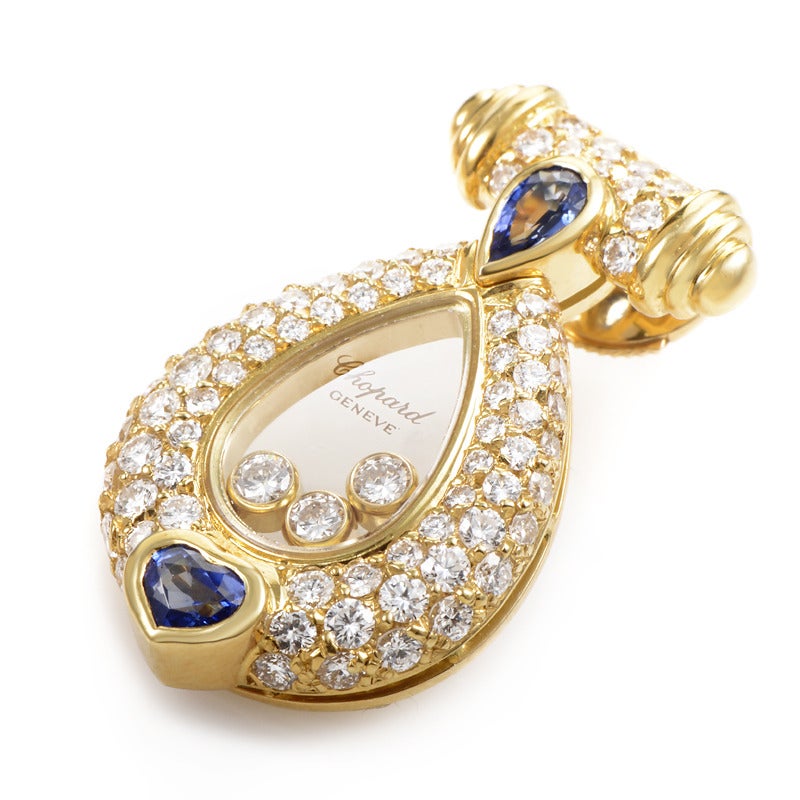
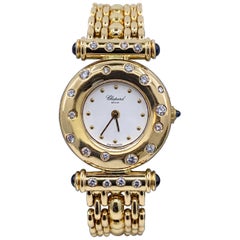
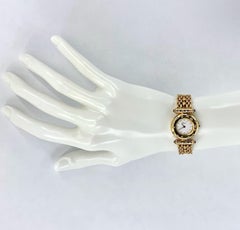
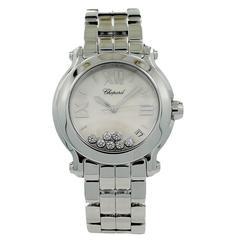
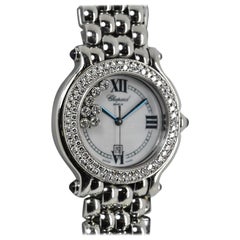
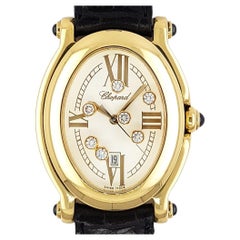
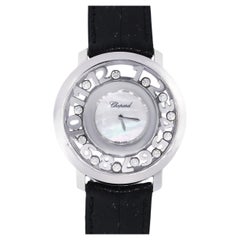
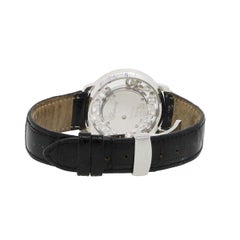
In 1963, Chopard was acquired by German goldsmith and watchmaker Karl Scheufele III and his wife, Karin. Under their ownership, Chopard added jewelry to its offerings. The popular Happy Diamonds wristwatch debuted in 1976 — it launched a collection, which now features bracelets, rings and other items. The distinctive watch sees dozens of glittering diamonds, loosed from their settings, moving freely around the dial.
The story goes that the in-house designer Ronald Kurowski was inspired by the kinetic glimmers of sunlight on a waterfall in the Black Forest. He would then develop the innovative system for the Happy Diamonds timepiece that he hoped would essentially mimic his experience in the woods.
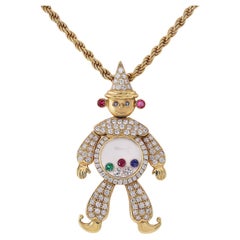
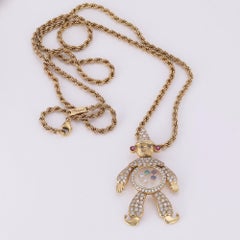
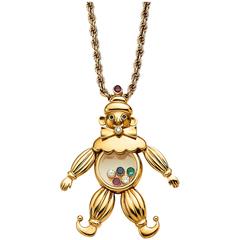
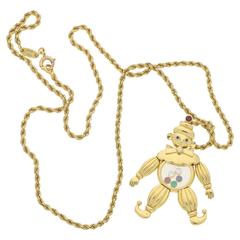
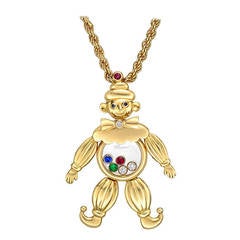
A young Caroline Scheufele — Karl and Karin’s daughter, who would later become copresident and artistic director — led the introduction of a Happy Diamonds jewelry line in 1985, with her design for a playful clown pendant with a belly full of jittering precious stones. Subsequent lines and accessories such as the Happy Dreams bracelet, Happy Hearts collection and the Happy Sport watches further enhanced Chopard’s range of dynamic adornment.
The Scheufele family-run company continues to be synonymous with excellence in timepieces, such as its role as the official timekeeper for the Grand Prix de Monaco Historique, creating all of its movements in-house. And Chopard is constantly developing its wares, from sunglasses and fragrances to recent introductions of high-end handbags.
Find a wide range of vintage Chopard wristwatches, necklaces, rings and other jewelry on 1stDibs.
Why Gold Shines in Jewelry Craftsmanship
Gold is the feel-good metal, the serotonin of jewelry. Wear vintage and antique gold necklaces, watches, gold bracelets or gold rings and you feel happy, you feel dressed, you feel, well, yourself.
Gold, especially yellow gold, with its rich patina and ancient pedigree going back thousands of years, is the steady standby, the well-mannered metal of choice. Any discussion of this lustrous metal comes down to a basic truth: Gold is elementary, my dear. Gold jewelry that couples the mystique of the metal with superb design and craftsmanship achieves the status of an enduring classic. Many luxury houses have given us some of our most treasured and lasting examples of gold jewelry over the years.
Since its founding, in 1837, Tiffany & Co. has built its reputation on its company jewelry as well as its coterie of boutique designers, which has included Jean Schlumberger, Donald Claflin, Angela Cummings and Elsa Peretti. There are numerous gold Tiffany classics worth citing. Some are accented with gemstones, but all stand out for their design and the workmanship displayed.
For the woman who prefers a minimalist look, the Tiffany & Co. twist bangle (thin, slightly ovoid) is stylishly simple. For Cummings devotees, signature pieces feature hard stone inlay, such as her pairs of gold ear clips inlaid with black jade (a play on the classic Chanel black and tan), or bangles whose design recalls ocean waves, with undulating lines of lapis lazuli and mother-of-pearl. And just about any design by the great Jean Schlumberger is by definition a classic.
Even had he eschewed stones and diamonds, Southern-born David Webb would be hailed for the vast arsenal of heavy gold jewelry he designed. Gold, usually hammered or textured in some manner, defines great David Webb jewelry. The self-taught jeweler made very au courant pieces while drawing inspiration from ancient and out-of-the-way sources — East meets West in the commanding gold necklaces made by Webb in the early 1970s. The same could be said for his endlessly varied gold cuffs.
In Europe, many houses have given us gold jewelry that sets the highest standard for excellence, pieces that were highly sought after when they were made and continue to be so.
Numerous designs from Cartier are homages to gold. There are the classic Trinity rings, necklaces and bracelets — trifectas of yellow, white and rose gold. As a testament to the power of love, consider the endurance of the Cartier Love bracelet.
Aldo Cipullo, Cartier’s top in-house designer from the late 1960s into the early ’70s, made history in 1969 with the Love bracelet. Cipullo frequently said that the Love bracelet was born of a sleepless night contemplating a love affair gone wrong and his realization that “the only remnants he possessed of the romance were memories.” He distilled the urge to keep a loved one close into a slim 18-karat gold bangle.
BVLGARI and its coin jewelry, gemme nummarie, hit the jackpot when the line launched in the 1960s. The line has been perennially popular. BVLGARI coin jewelry features ancient Greek and Roman coins embedded in striking gold mounts, usually hung on thick link necklaces of varying lengths. In the 1970s, BVLGARI introduced the Tubogas line, most often made in yellow gold. The Tubogas watches are classics, and then there is the Serpenti, the house's outstanding snake-themed watches and bracelets.
A collection called Monete that incorporated the gold coins is one of several iconic BVLGARI lines that debuted in the 1970s and ’80s, catering to a new generation of empowered women. Just as designers like Halston and Yves Saint Laurent were popularizing fuss-free ready-to-wear fashion for women on the go, BVLGARI offered jewels to be lived in.
Since Van Cleef & Arpels opened its Place Vendôme doors in 1906, collection after collection of jewelry classics have enchanted the public. As predominantly expressed in a honeycomb of gold, there is the Ludo watch and accessories, circa the 1920s, and the golden Zip necklace, 1951, whose ingenious transformation of the traditional zipper was originally proposed by the Duchess of Windsor. Van Cleef's Alhambra, with its Moroccan motif, was introduced in 1968 and from the start its popularity pivoted on royalty and celebrity status. It remains one of VCA’s most popular and collected styles.
Mention must be made of Buccellati, whose name is synonymous with gold so finely spun that it suggests tapestry. The house’s many gold bracelets, typically embellished with a few or many diamonds, signified taste and distinction and are always in favor on the secondary market. Other important mid-20th-century houses known for their gold-themed jewelry include Hermès and Ilias Lalaounis.
Find a stunning collection of vintage and antique gold jewelry on 1stDibs.
The Legacy of Sapphire in Jewelry Design
On 1stDibs, shop the bright blue gems that star in sapphire rings, sapphire necklaces and other vintage and antique sapphire jewelry.
Sapphires — the stone of choice for Napoleon, Princess Diana and Elizabeth Taylor — have been a favorite of aristocrats and the well-to-do since the time of the Ancient Greeks.
Picture a sapphire. If the stone you conjure is a deep cornflower blue, you’re seeing only part of the picture. Although blue Kashmirs are considered the most valuable, sapphires come in every color except red. No matter the hue, this very special gem is rich in history and beloved by royals (FYI, Princess Diana and Kate Middleton share an 11-carat sapphire engagement ring), so September babies are in very noble company.
America’s version of royalty — old money and celebrities — have also shown a predilection for the blue stones. In 1940, John D. Rockefeller Jr. had Cartier mount a 62-carat sapphire he had bought from an Indian maharajah in a brooch for his first wife, Abby Aldrich Rockefeller; in 2001, the piece sold for a then-record of $3,031,000 at Christie’s New York.
The grand dame of jewelry, Elizabeth Taylor had a passion for the gems that her lovers were happy to indulge. Second husband Michael Wilding gave her an engagement ring set with a cabochon sapphire, while Richard Burton famously presented her with a BVLGARI sautoir set with diamonds and sapphires, including at its center a cabochon Burmese weighing 52.72 carats. One of the star lots in the sale of Taylor’s jewels at the Christie’s New York in 2011, it sold for $5,906,500.
You don’t have to have blue blood or a bulging bank account, however, to get an eyeful of this much-coveted gem. A number of outstanding examples reside in public collections.
The Smithsonian Museum of Natural History owns the 423-carat Logan sapphire, a gift from the Guggenheim family, and the Hall sapphire and diamond necklace, designed by Harry Winston and featuring 36 fine, well-matched cushion-cut Sri Lankan sapphires weighing a combined 195 carats. Also in the collection is the Bismarck sapphire necklace, designed by Cartier and sporting a central sapphire weighing 98.6 carats, which Mona Von Bismarck donated to the museum.
Sapphires are composed of corundum. Their color derives from trace elements, such as iron, titanium, chromium, copper or magnesium. When the trace element produces a ruby hue, the stone is called, what else, a ruby. (which is, as mentioned above, why sapphires cannot be red by definition).
The allure of large gemstones endures throughout the periods characterized as vintage, and sapphire features frequently in vintage engagement rings. (On 1stDibs, a range of buying guides can be found for those in the market for antique engagement rings, vintage engagement rings or Art Deco engagement rings.)
Find an exquisite collection of vintage and antique sapphire jewelry on 1stDibs.