Diamond Louis Vuitton Watch
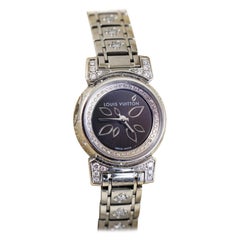
Early 2000s Swiss Wrist Watches
Diamond, Steel, Stainless Steel
2010s Wrist Watches
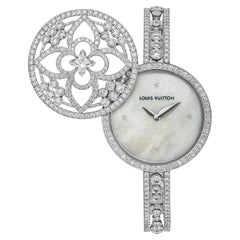
Diamond, White Gold
2010s Wrist Watches
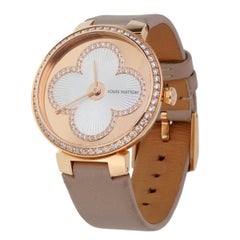
Diamond, White Diamond, 18k Gold, Rose Gold
2010s Wrist Watches
Diamond, Rose Gold
Recent Sales
21st Century and Contemporary Wrist Watches
Diamond
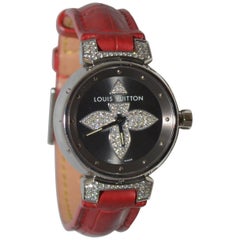
Early 2000s French Wrist Watches
Diamond, Sapphire, White Gold
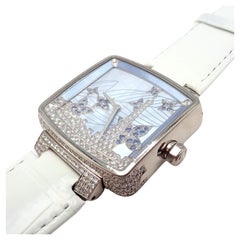
2010s French Wrist Watches
Diamond, Pearl, White Gold
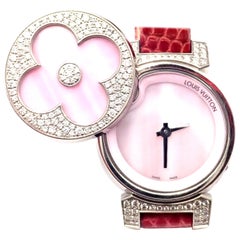
2010s French Wrist Watches
Diamond, Stainless Steel
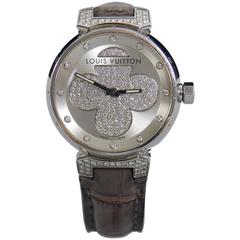
People Also Browsed
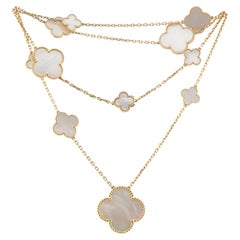
Early 2000s Link Necklaces
18k Gold, Yellow Gold
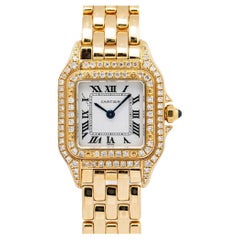
1990s Swiss Contemporary Wrist Watches
Diamond, 18k Gold, Yellow Gold

21st Century and Contemporary Italian Casual Dresses
1970s French Cocktail Dresses
21st Century and Contemporary Italian Blouses
1990s Swiss Wrist Watches
Diamond, Gold, 18k Gold, White Gold
2010s Bomber Jackets
21st Century and Contemporary French Top Handle Bags
1990s French Miscellaneous
1990s Italian Evening Bags and Minaudières
Early 2000s Italian Blazers
1990s Italian Crop Tops
2010s French Wrist Watches
Diamond, White Gold
21st Century and Contemporary French Wrist Watches
Diamond, Yellow Gold, Enamel
1990s Italian Cocktail Dresses

Early 2000s Italian Jeans
The Legacy of Diamond in Jewelry Design
Antique diamond rings, diamond tiaras and dazzling vintage diamond earrings are on the wish lists of every lover of fine jewelry. And diamonds and diamond jewelry are primarily associated with storybook engagements and red-carpet grand entrances — indeed, this ultra-cherished gemstone has a dramatic history on its hands.
From “A Diamond Is Forever” to “Diamonds Are a Girl’s Best Friend,” pop culture has ingrained in our minds that diamonds are the most desired, the most lasting and the most valuable gemstone. But what makes the diamond so special? Each stone — whether it’s rubies, sapphires or another stone — is unique and important in its own right. April babies might claim diamonds for themselves, but just about everyone wants this kind of sparkle in their lives!
There are several factors that set diamonds apart from other stones, and these points are important to our gem education.
Diamonds are minerals. They are made up of almost entirely of carbon (carbon comprises 99.95 percent; the remainder consists of various trace elements). Diamonds are the hardest gemstones, ranking number 10 on the Mohs Hardness Scale. Even its name, diamond, is rooted in the Greek adamas, or unconquerable. The only object that can scratch a diamond is another diamond. Diamonds are formed deep within the earth at very high temperatures (1,652–2,372 degrees Fahrenheit at depths between 90 and 120 miles beneath the earth’s surface) and are carried up by volcanic activity. Diamonds are quite rare, according to the Gemological Institute of America, and only 30 percent of all the diamonds mined in the world are gem quality.
In the 1950s, the Gemological Institute of America developed the 4Cs grading system to classify diamonds: clarity, color, cut and carat weight. Not all diamonds are created equal (there are diamonds, and then there are diamonds). The value of the diamond depends on the clarity (flawless diamonds are very rare but a diamond's value decreases if there are many blemishes or inclusions), color (the less color the higher the grade), cut (how the diamond’s facets catch the light, certain cuts of diamonds show off the stone better than others) and carat weight (the bigger, the better).
When you start shopping for a diamond engagement ring, always prioritize the cut, which plays the largest role in the diamond's beauty (taking the time to clean your diamond ring at least every six months or so plays a role in maintaining said beauty). And on 1stDibs, a range of buying guides can be found for those in the market for antique engagement rings, vintage engagement rings or Art Deco engagement rings.
Shop antique and vintage diamond rings, diamond necklaces and other extraordinary diamond jewelry on 1stDibs.
Finding the Right Wrist-watches for You
Antique, vintage and luxury wristwatches have captured the hearts and minds of all manner of watch collectors as well as the watchmakers themselves — it's time you found your own.
Certain vintage watches for men and iconic watch designs for women are sought after not only because of their graceful proportions or innovative materials but also because of the illustrious histories of the houses that created them, histories that they stylishly embody.
Bulgari’s legendary Serpenti watch was on everyone’s list after the collection’s bold bracelet, which technically debuted after the timepiece, graced the wrist of actress Elizabeth Taylor. If anything, elaborately crafted timepieces — the unmistakably boxy silhouette of Cartier Tank watches, the elegant and minimal Calatrava designed by legendary Swiss house Patek Philippe — are even more effective than the shape we associate with traditional wristwatches.
Form watches — the all-encompassing moniker bestowed upon non-round watches — are making headlines and completing contemporary fashionable ensembles the world over. At the same time, both casual fans and careful collectors are drawn to the unbeatable charm of vintage styles, such as the icons designed by Omega that even James Bond can’t resist.
In the early days of watchmaking, watches were fragile enough that they necessitated protection from the elements. Now, wristwatches made of gold and steel can withstand the harshest climates — even 100 meters underwater, in the case of Rolex’s Submariner. Designer Gérald Genta, whose range of clients included Rolex, created for Audemars Piguet the first luxury sports timepiece to be made from stainless steel. First introduced in 1972, the Royal Oak was a perfect choice for blending the form and function that are now synonymous with sports watches.
Are you shopping for a wristwatch? It’s good to keep your needs as well as your specific personal style in mind: A smaller, subtle timepiece is a good fit for small wrists. When will you be wearing your new accessory? There’s a versatile model out there for everyday wear, while a rugged, feature-heavy watch is a safe bet if you’re prone to embarking on all-weather activities in the great outdoors.
Find antique, vintage and luxury wristwatches for sale on 1stDibs.
Read More
The Rolex Datejust Is Celebrating Its 80th Anniversary
The watch has transformed several times over, but it’s still undeniably a classic.
Patek Philippe’s Calatrava Watch Is an Icon of Understated Elegance
Launched in 1932, the model has become emblematic of quality craftsmanship and timeless design.
Bulgari’s Serpenti Wristwatch Is the Power Piece of the Moment, Again
From Elizabeth Taylor to Zendaya, the Serpenti has been the accessory of choice for generations of it girls.
The 14 Most Iconic Watches for Women
Style, craft and heritage combine to make these designs undeniable classics.
How to Spot a Fake Rolex: 13+ Expert Tips
Learn the devious techniques that counterfeiters use to sell inauthentic pieces at authentic prices. Of course, you don't have to worry about that on 1stDibs, where every seller of Rolex watches is highly vetted.
This Piaget Gold Nugget Watch Is the Embodiment of Delicious ’70s Excess
With a tigereye dial and a most unusual bracelet, this cuff-style piece is a singular style statement.
This Sweet Diamond Watch Has a Literary Bent
Modeled on one of the most often quoted romances of the 20th century, the book-shaped timepiece has love written all over it.
Stylish Year-Round, This Pumpkin-Colored Patek Philippe Aquanaut Feels Especially Right for Fall
Celebrate the season with a Patek watch made for enjoying the outdoors.