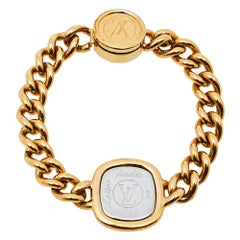
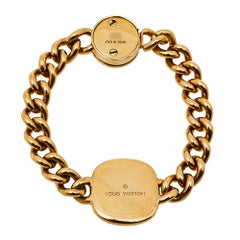
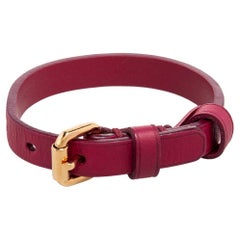
The story behind iconic luxury brand Louis Vuitton — best known for its esteemed handbags, crossbody bags, leather goods, ready-to-wear clothing and more — is one of craft and innovation in the worlds of fashion, jewelry and furniture.
The company’s modest origins can be traced back to when its founder, Louis Vuitton (1821–92), wishing to free himself from the conventional lifestyle in his provincial French city of Anchay as well as a difficult stepmother, left in the early 1830s to make a new life in Paris. The young Vuitton was 13 at the time and would need to travel on foot to get to the capital, which was hundreds of miles away. With stops along the way to make money so that he could forge ahead, the journey took a couple of years, but reward was close at hand.
When he arrived in Paris, Vuitton made a living with his hands. He toiled as a box maker and packer for more than a decade and built relationships with royals and members of the upper class while working for the empress of France, Eugenie de Montijo. In 1854, Vuitton launched his namesake company. The craftsman opened a humble workshop on rue Neuve des Capucines and advertised his services with a small poster that read: “Securely packs the most fragile objects. Specializing in packing fashions.”
Long before his brand would become known globally for its exemplary top-handle bags and stylish totes, Vuitton produced stackable and rectangular trunks. The most common trunks of the era were round, which weren’t ideal for toting and storing. In 1858, Vuitton debuted his lightweight, handcrafted canvas trunks, which were sturdy, rugged and equipped with convenient compartments. Travel’s popularity broadened in the late 19th century, and Vuitton’s trunks could easily be packed into train cars and ships — upright trunks meant hanging wardrobe storage that would allow his clients to transport their sophisticated garments without worry. Demand increased and the company grew. When Louis Vuitton died in 1892, control of the luxury house was passed onto his only son, Georges Vuitton.
In 1914, a Louis Vuitton store opened at 70 Champs-Élysées. The largest travel-goods store in the world at the time, it became the company’s flagship.
The Louis Vuitton brand embodies all the attributes of luxury, from the craftsmanship, exclusivity and relevance to heritage. It’s only appropriate that it boasts one of the most recognizable insignias — the imaginative interlocking of letters and fleurettes — in the fashion world. The famous LV monogram was first used in 1896 as part of an initiative by Georges to prevent counterfeiting of his coveted new line of travel trunks. It’s one of the earliest examples of fashion branding.
The LV monogram would soon appear on everything from bags and various fashion accessories to alligator-skin champagne cases, from stylish apparel and earrings to teddy bears and airplane models.
On 1stDibs, the unmistakable insignia can be found on both modern and vintage Louis Vuitton shoulder bags, suitcases, original 19th-century trunks, jackets and more.
Contemporary jewelry is inextricably linked with the moment in which it is created, frequently reflecting current social, cultural and political issues such as environmental consciousness, identity and sustainability. It’s informed by fashion trends, from the chokers of the 1990s to the large chain necklaces of the early 2000s.
Jewelry is one of the oldest forms of adornment. Lockets made of silver or gold have been treasured gifts for hundreds of years, for example, and charm bracelets, which have existed since prehistoric times, didn’t become especially popular until the 19th-century reign of Queen Victoria. For many centuries, fine jewelry was used primarily to express wealth or status through lavish materials. Then, in the 1960s, a concept known as the “critique of preciousness” emerged, with jewelers creating pieces that did not get their value from gemstones or precious metals. Instead, it was the jeweler’s artistic vision that was prized and elevated.
This shift still informs Contemporary jewelry being made by artists today. Whether they are using cheap, found materials and working with provocative geometric shapes or seeking out the rarest stones, they are imbuing their work with meaning through their skills, techniques and ideas. Innovative designers such as Elsa Peretti, who popularized sculptural sterling-silver jewelry for Tiffany & Co., and David Yurman, who twisted metal into the simple yet striking Cable bracelet, have also influenced the direction of Contemporary jewelry’s forms and aesthetics.
Meanwhile, technological advancements like metal alloys and laser engraving have led to new possibilities in jewelry design. Now, edgy makers and brands as well as minimalist designers are pushing Contemporary jewelry forward into the 21st century.
Find a collection of Contemporary rings, earrings, necklaces and other jewelry on 1stDibs.
Today, antique and vintage bracelets are versatile and universally loved accessories that can add polish and pizzazz to any ensemble.
Bracelets were among the jewels discovered to have been buried with Pharaoh Tutankhamun when his tomb was unearthed in 1922, and wrist and arm bracelets were allegedly worn by Queen Puabi in Sumer, southern Mesopotamia. But preceding the adornments of Ancient Egypt and elsewhere, the people of prehistoric times likely wore the decorative accessory, fashioning it from shells and fish bones. When the Bronze Age allowed for more durable materials and semiprecious stones to be incorporated into jewelry, bracelets became a treasured symbol of wealth.
In the thousands of years following the debut of the world’s first bracelets, the artistry behind this common accessory has only broadened, with designers at popular jewelry houses growing more venturesome over time. David Webb looked to nature for his Animal Kingdom bracelets, and for her best-selling bracelets and more at Tiffany & Co., Elsa Peretti would frequently do the same. From bangles to tennis bracelets, the modern age offers plenty of options.
Internationally acclaimed bracelet designs have on occasion become powerful symbols of status, style and, in the case of Cartier's iconic design, love. The Cartier Love bracelet can be found on the wish list of most jewelry lovers and on the wrist of some of the world’s biggest stars. Its arrangement of mock screwheads and distinctive functionality — it was initially locked and unlocked with an accompanying vermeil screwdriver — is an enduring expression of loyalty, unity and romance. (Do you know how to spot a fake Cartier Love bracelet?)
While the Love bracelet has played a role in the skyrocketing popularity of cuff-style bracelets, they are far from the only glamorous option for collectors. Make a statement with an Art Deco design, a style that sees all kinds of iterations fitted with studded cuffs, one-of-a-kind shapes and dazzling insets. A chunky vintage gold bracelet in the Retro style will prove eye-catching and elevate any outfit.
One of the best things about bracelets, however, is that you never have to choose just one. Style icon Jacqueline Kennedy stacked her Croisillon bracelets — designed by Jean Schlumberger for Tiffany & Co. — with such frequency that the ornate bangles were eventually dubbed “Jackie bracelets” by reporters. Contemporary silver pieces can easily complement each other, rendering a layering of luxury almost a necessity.
Find a diverse collection of bracelets that you can sort by style, stone cut and more on 1stDibs.