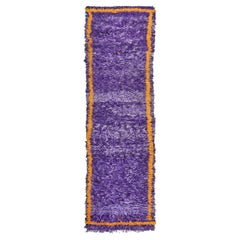
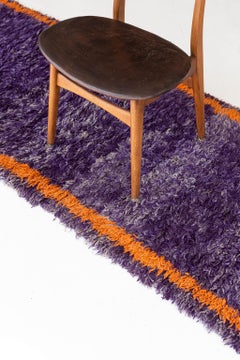
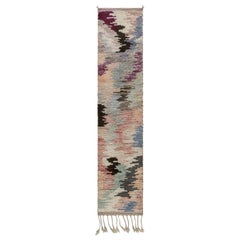
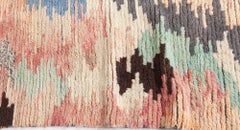
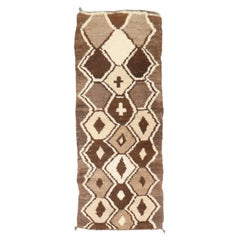
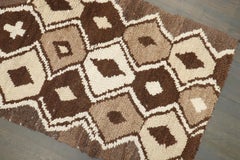
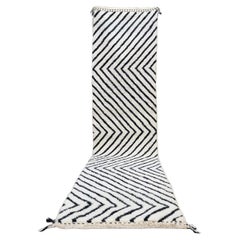
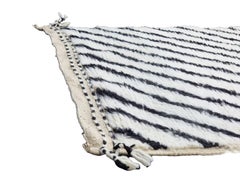
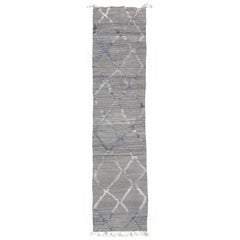
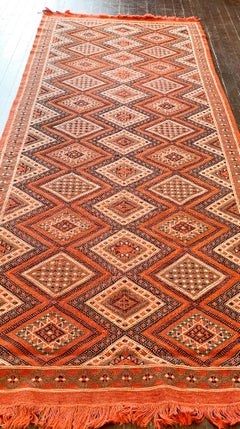
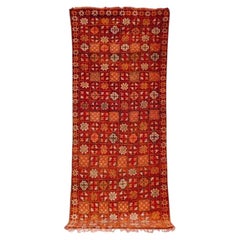
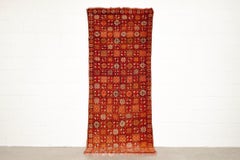
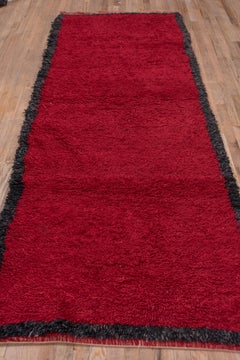
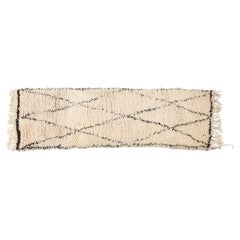
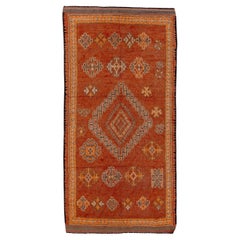
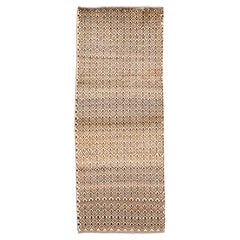
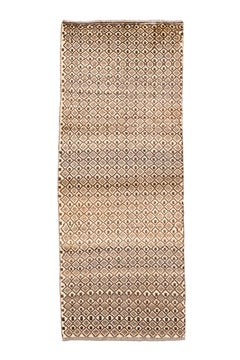
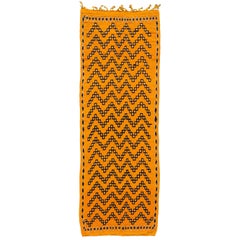
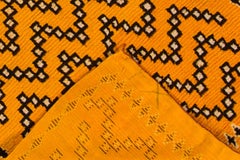
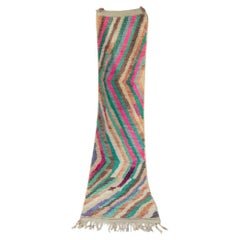
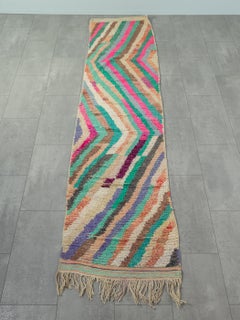
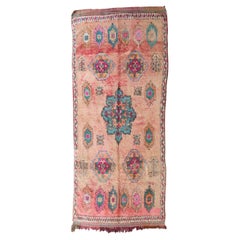
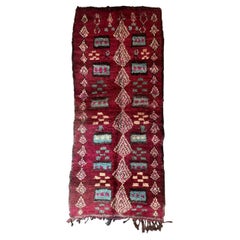
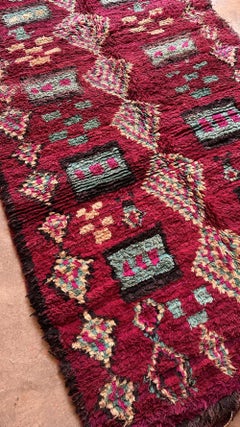
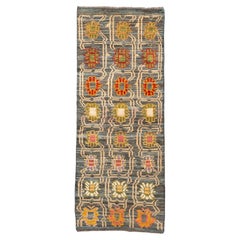
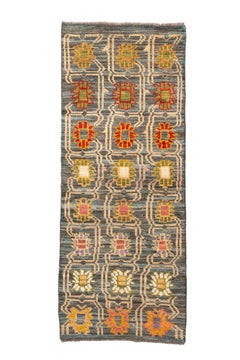
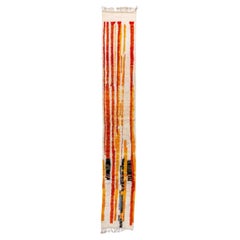
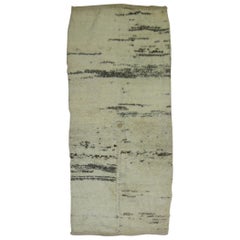
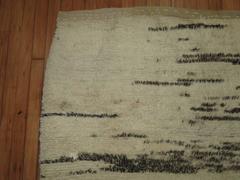
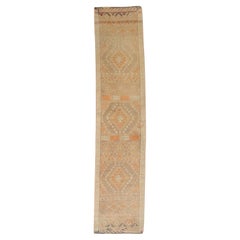
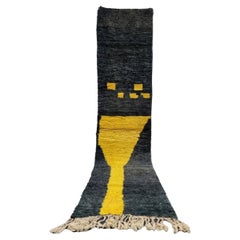
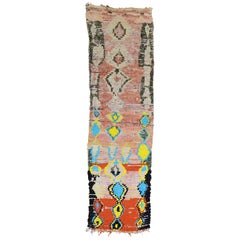
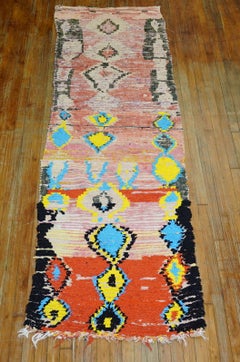
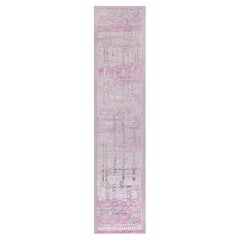
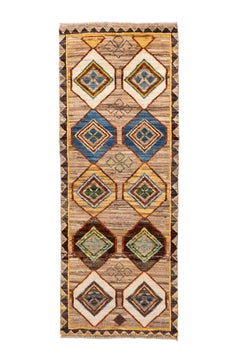
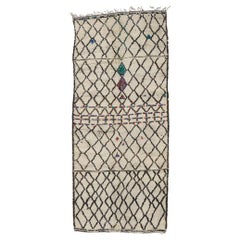
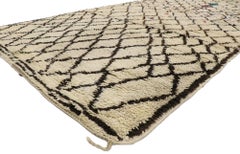
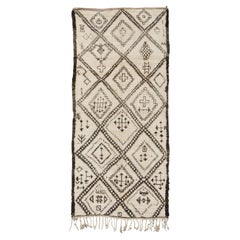
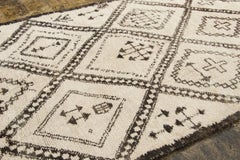
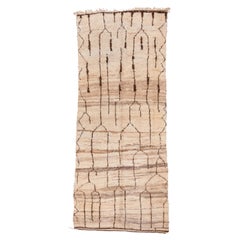
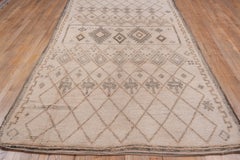
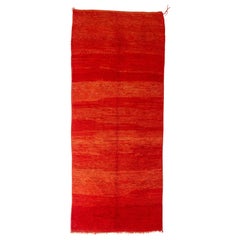
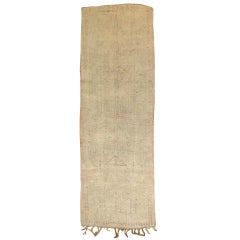
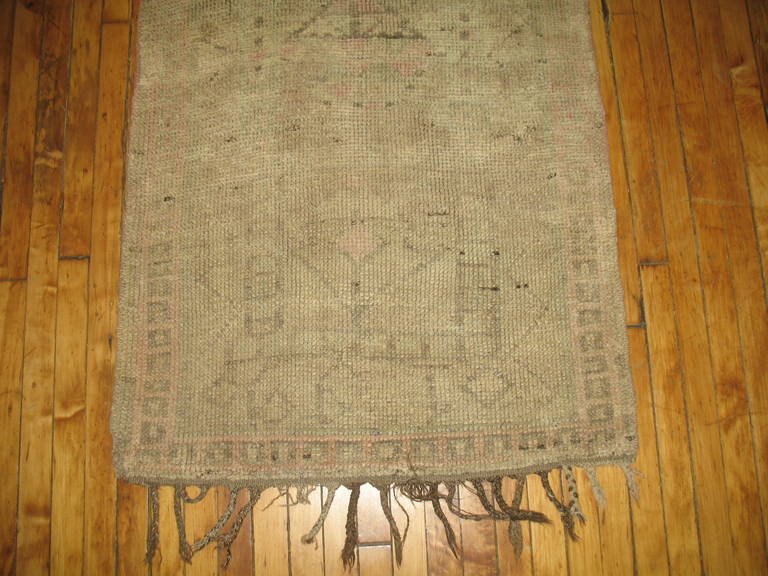
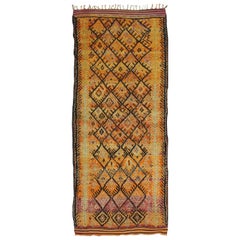
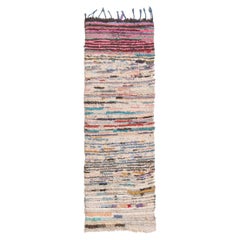
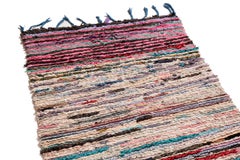
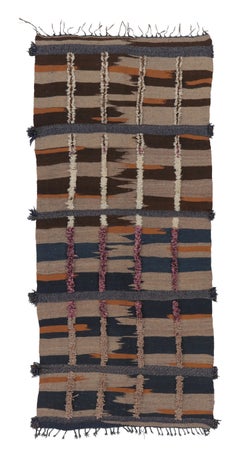
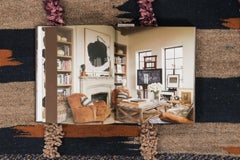
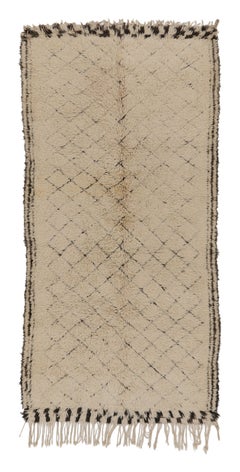
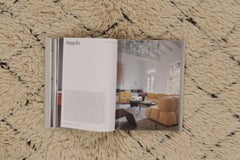
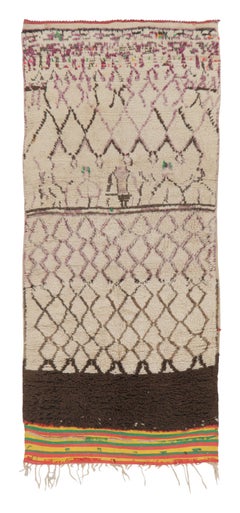
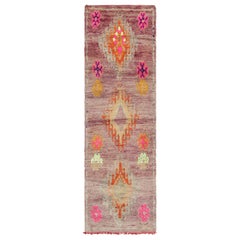
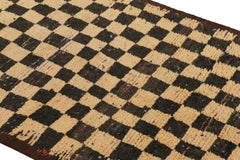
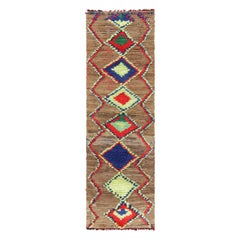
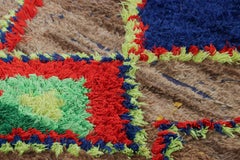
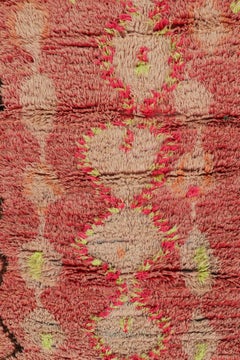
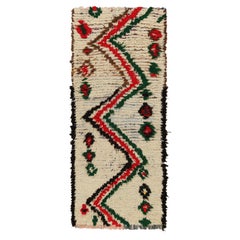
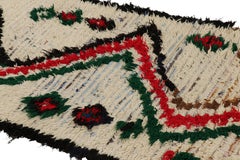
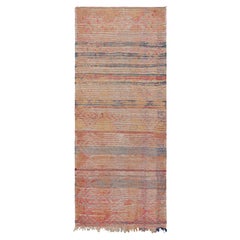
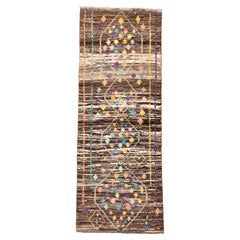
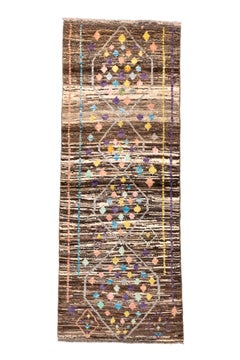
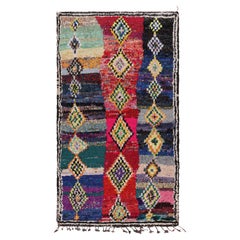
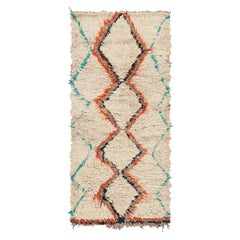
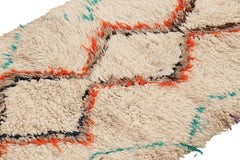
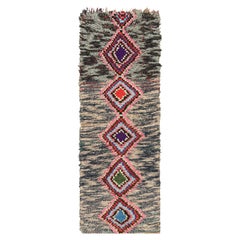
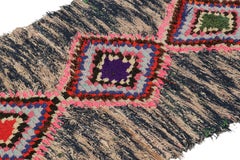
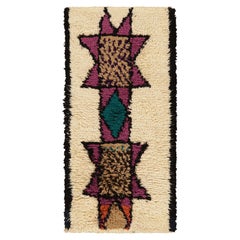
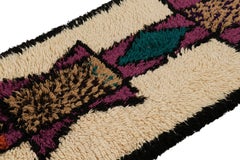
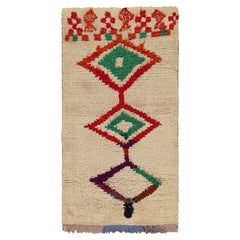
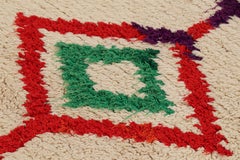
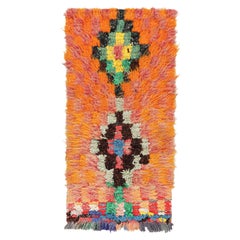
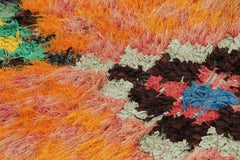
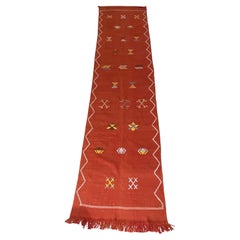
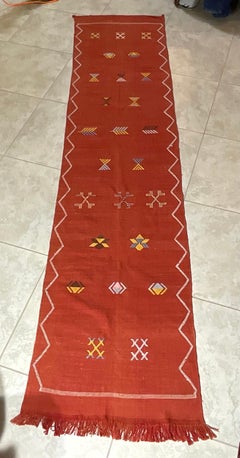
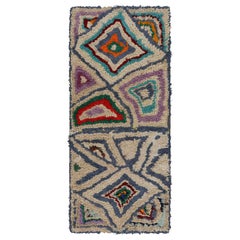
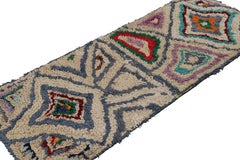
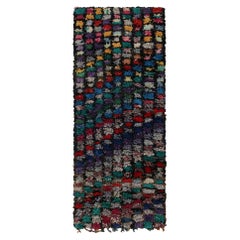
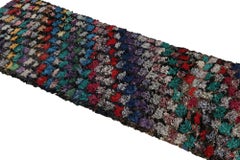
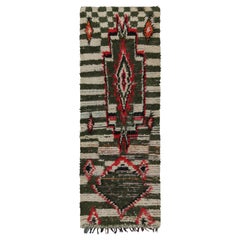
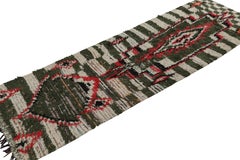
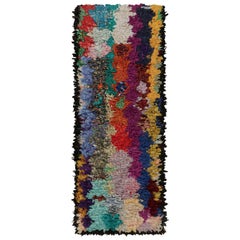
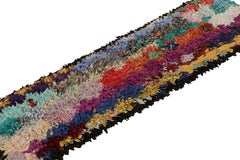
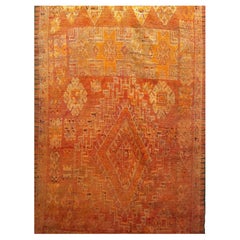
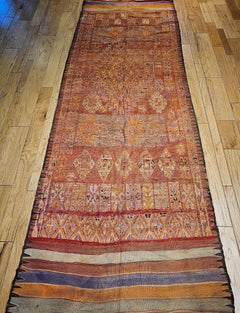
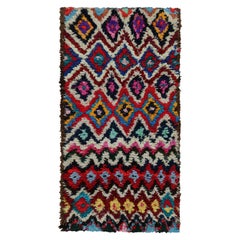
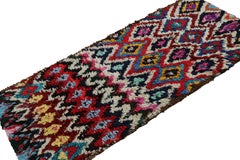
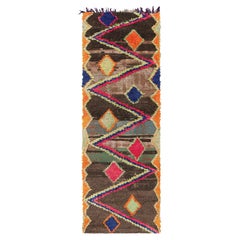
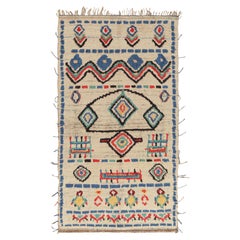
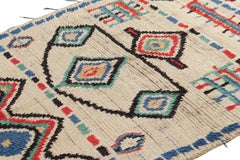
There is a range of Moroccan carpet runners for sale on 1stDibs. Each of these unique Moroccan carpet runners was constructed with extraordinary care, often using
fabric,
wool and
cotton. There are 555 antique and vintage Moroccan carpet runners for sale at 1stDibs, while we also have 302 modern editions to choose from as well. Moroccan carpet runners have long been popular, with older editions for sale from the 18th Century and newer versions made as recently as the 21st Century. There are many kinds of Moroccan carpet runners to choose from, but at 1stDibs,
modern,
mid-century modern and
folk art Moroccan carpet runners are of considerable interest. Not every interior allows for large Moroccan carpet runners, so small Moroccan carpet runners measuring 3.6 inches across are available at 1stDibs. Many Moroccan carpet runners are appealing in their simplicity, but
Berber Tribes of Morocco,
Mehraban Rugs and
Nazmiyal Collection produced popular Moroccan carpet runners that are worth a look.
Antique and vintage Moroccan rugs serve as an exceptional piece of decor. Whether it’s to tie your bedroom together or to add a dazzling array of colors and graphically provocative shapes and other elements to your living room wall, there’s increased demand for all types of Moroccan tribal rugs, especially as bohemian, global and eco styles are on the rise and because tapestries and wall hangings are definitely cool again.
Travelers and interior design lovers from all over the world are big fans of the complex geometric patterns and bold color palettes that we typically associate with rustic, natural Moroccan and North African rugs.
In the West, the current infatuation with handwoven vintage Moroccan tribal rugs stretches to the mid-20th century. Then, designers such as Alvar Aalto, Frank Lloyd Wright and Le Corbusier offset austere interiors with vibrant and alluring mid-century modern Moroccan rugs. (Le Corbusier integrated these rugs in his designs for Villa La Roche in Paris, while Frank Lloyd Wright’s Fallingwater in Pennsylvania is also home to distinctive Moroccan floor coverings.)
Moroccan rugs date back to the Paleolithic era, when Berber tribes, which comprised many different members of an ethnic group native to North Africa, would weave these textiles with intricate images and symbols. Traditionally, Moroccan tribal weavings were made exclusively by women and solely for personal use. Dense pile rugs served not only as floor coverings but as mattresses, seating and even blankets in the winter months.
The Moroccan rug hasn’t survived this long merely because of its usefulness. These stunning works take at least two to three weeks to weave, and each woman weaves the story of her life into the design. They are filled with symbolism and vary greatly depending on the locale where they were woven. In this way, part of the profound beauty of traditional Moroccan rugs lies in their historical and cultural significance.
One of the most widely loved styles of Moroccan rugs comes from the Beni Ourain tribes, a network of nearly two dozen individual tribes in the mountainous Middle Atlas region.
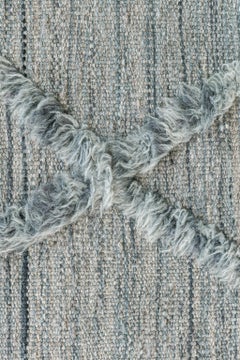
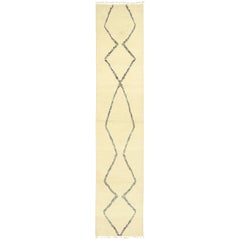
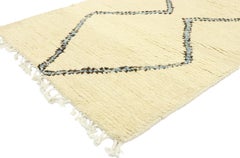
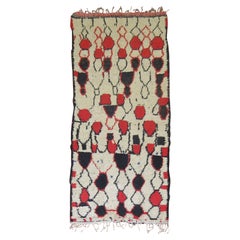
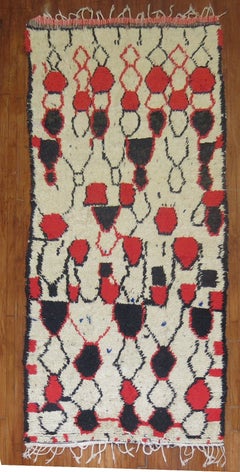
Vintage Beni Ourain rugs are woven from undyed, natural wool. The textures, imperfections and asymmetrical lines, which can’t be reproduced with mass production methods, as well as the neutral tones and understated geometry have endeared interior designers to these works for ages. In comparison to the spare Beni Ourain rugs, a more heavily decorated, widely colorful option can be found in Azilal Moroccan rugs, which contrast wonderfully with the rich, dark wood tones and clean lines that characterize mid-century modern furniture.
The collection of antique and vintage rugs and carpets on 1stDibs features a wide range of extraordinary Moroccan and North African rugs including Beni Ourain rugs, Azilal rugs, kilims and more.